A small travel bag for men is a compact carry piece usually 15 to 30 liters built to hold a few days’ worth of essentials without checking luggage. The best options balance durability, TSA friendly organization, and a size that fits airline personal items or carry on rules. Materials like ballistic nylon and water resistant canvas top the list for 2026 travelers who want gear that lasts.
Why the Right Small Travel Bag for Men Matters More Than You Think
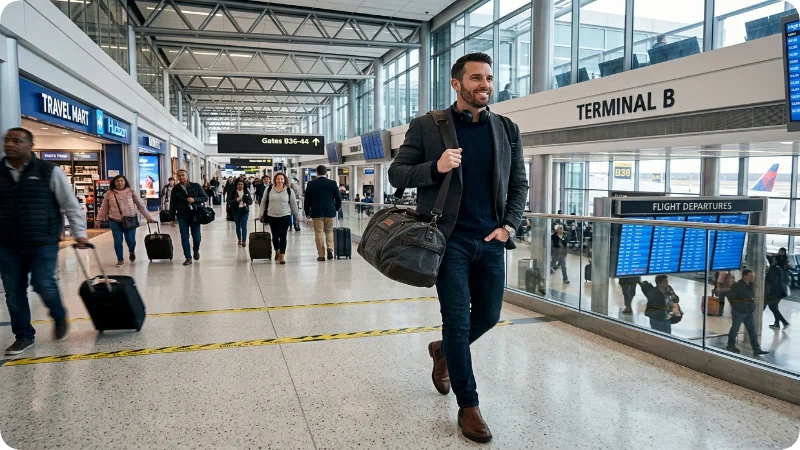
Standing at airport security with an overstuffed duffel, digging for a passport while the line backs up behind you that’s the moment most men decide their bag has failed them. A small travel bag for men isn’t just a fashion choice; it’s the difference between a smooth trip and a stressful scramble through TSA checkpoints.
The right bag saves checked bag fees, speeds up boarding, and keeps essentials like chargers, medication, and documents within easy reach. If it’s a weekend in Nashville, a business trip through Chicago O’Hare, or a cross country road trip, choosing a bag suited to your travel style pays off in comfort and convenience.
This guide covers everything from sizing and materials to TSA rules, packing strategy, and the best bag types for different kinds of American travelers grounded in real airline policy and practical field tested advice, not guesswork.
Quick Facts: Small Travel Bags for Men at a Glance
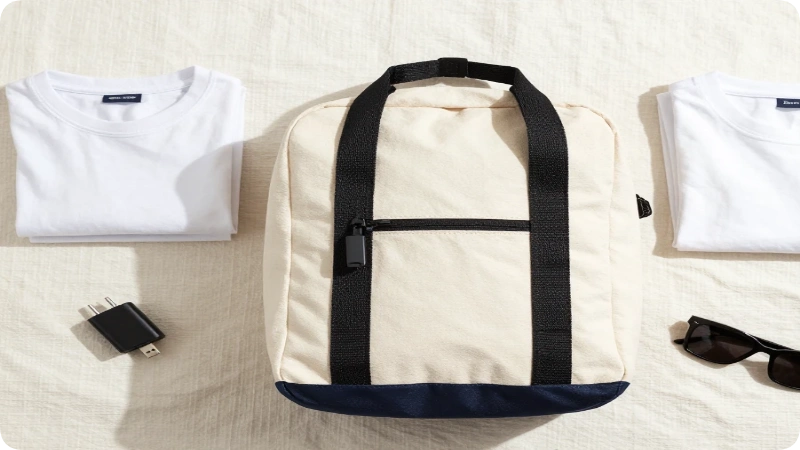
A small travel bag for men typically ranges from 15 to 30 liters, fits under most airline seats, and works for trips of one to four days. Most U.S. airlines allow one personal item plus one carry on for free, making these bags a cost saving essential.
| Feature | Typical Range |
| Capacity | 15–30 liters |
| Best trip length | 1–4 days |
| Common materials | Nylon, canvas, leather, polyester ripstop |
| Airline fit | Personal item or carry on (verify with airline) |
| Price range | $40–$300+ |
| Popular styles | Duffel, sling, backpack, weekender |
What Counts as a “Small” Travel Bag for Men
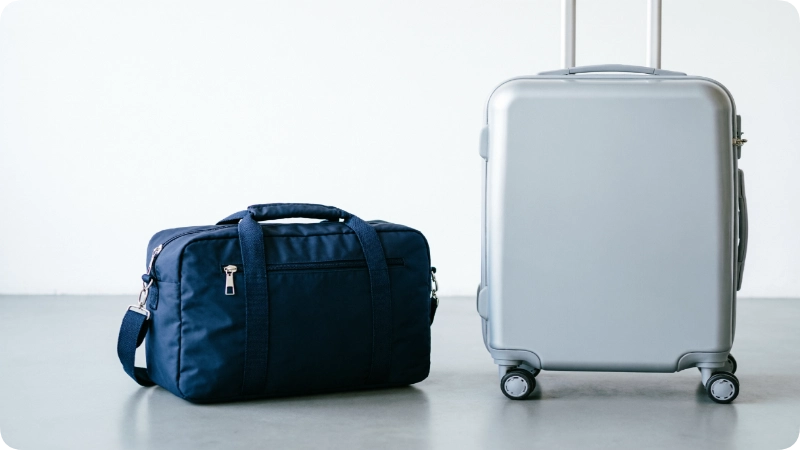
A small travel bag generally falls under 30 liters and measures roughly 16–20 inches in length, small enough to slide under an airline seat or into an overhead bin without hassle. This size class includes weekenders, sling bags, small duffels, and mini backpacks designed for short trips.
Anything larger typically shifts into standard carry on territory, which comes with stricter dimension limits. Men packing for a quick trip usually prioritize a bag that skips checked bag lines entirely, which means staying within personal item sizing whenever possible.
Best Time to Buy: Seasonal Deals and Travel Demand
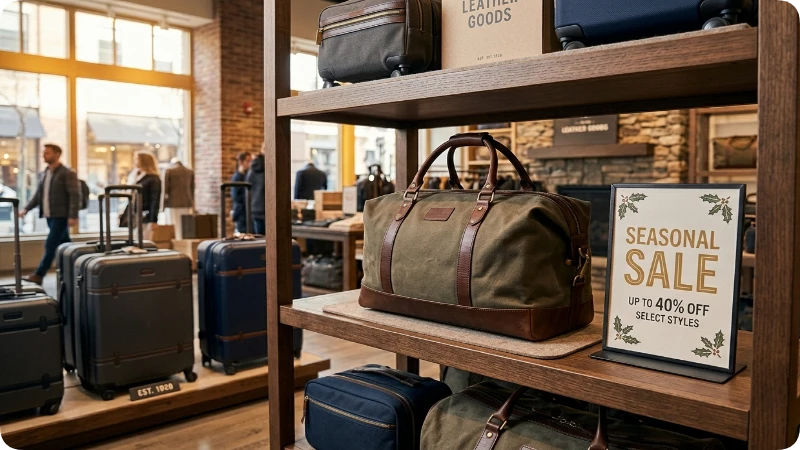
Travel gear sales tend to spike around major shopping events, but demand for compact bags surges heavily in spring and early summer as travelers plan weekend getaways. Buying a few weeks before peak season rather than during it usually means better stock availability and pricing.
Seasonal Buying Snapshot:
- Winter (Dec–Feb): Post holiday clearance sales; good time for leather or premium bags
- Spring (Mar–May): New arrivals drop; ideal for lightweight spring break or festival travel bags
- Summer (Jun–Aug): Highest demand, more options, but prices trend higher
- Fall (Sep–Nov): End of season markdowns before winter travel gear arrives
Types of Small Travel Bags for Men
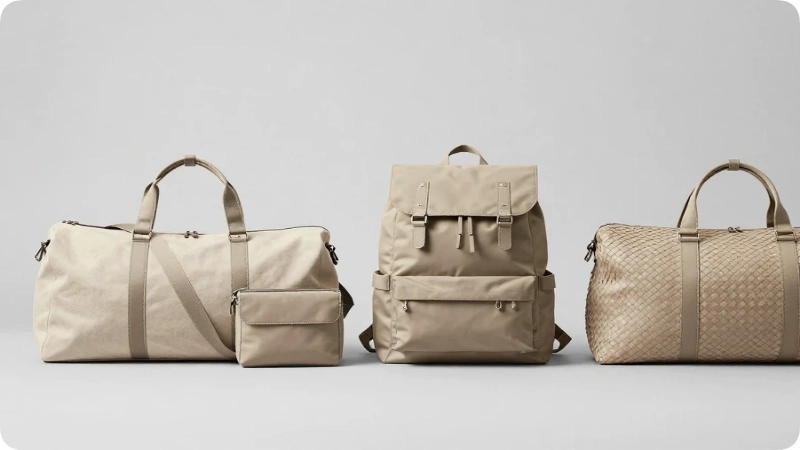
Different travel styles call for different bag shapes, and understanding the main categories helps narrow down the right fit fast. Each type offers trade offs between capacity, comfort, and accessibility.
Weekender Duffel Bags
Weekender duffels offer a classic rectangular shape with a wide top zipper, making them easy to pack fully and access quickly. They’re a strong pick for road trips or short flights where checked luggage isn’t necessary.
Sling and Crossbody Bags
Slings sit compactly across the body and work well as a personal item for day trips, city walking tours, or as a secondary bag alongside a larger suitcase. They’re popular among urban explorers who want quick access to phones, wallets, and cameras.
Mini Travel Backpacks
Backpacks distribute weight evenly across both shoulders, which makes them a comfortable choice for travelers navigating airports, train stations, or cobblestone European streets on foot. Many now include dedicated laptop sleeves and RFID blocking pockets.
Garment Friendly Weekend Bags
These bags include a fold out compartment to keep dress shirts and suits wrinkle free, ideal for business travelers heading to short work trips. They typically cost more but save on dry cleaning and last minute ironing.
Best Small Travel Bag for Men by Travel Style
The best bag depends on how and where you travel. Choosing a bag that matches your typical trips makes packing easier and helps you avoid carrying unnecessary features.
| Travel Style | Recommended Bag | Why It Works |
| Weekend getaway | Weekender duffel | Plenty of room for 2–4 days |
| Business travel | Garment weekender | Keeps dress clothes wrinkle-free |
| International travel | Travel backpack | Comfortable for long walks and airports |
| City sightseeing | Sling bag | Lightweight and easy to access |
| Road trips | Soft duffel | Flexible and easy to fit in the car |
| Outdoor adventures | Water-resistant backpack | Better durability and weather protection |
Most travelers eventually own two bags—a compact sling for day trips and a 20–30L duffel or backpack for weekend travel.
Materials That Matter for Durability
Ballistic nylon, waxed canvas, and full grain leather are the most common materials found in higher quality small travel bags, each offering different balances of weight, water resistance, and longevity. Nylon tends to be lightest and most weatherproof, while leather ages well but adds bulk and weight.
Material Comparison Table:
| Material | Durability | Weather Resistance | Weight |
| Ballistic Nylon | High | Very Good | Light |
| Waxed Canvas | High | Good | Medium |
| Full Grain Leather | Very High | Fair | Heavy |
| Polyester Ripstop | Medium | Good | Very Light |
Features Worth Paying Extra For
Some premium features may seem unnecessary at first, but they can make a noticeable difference after multiple trips.
Look for:
- YKK or similarly high-quality zippers
- Lockable zipper pulls
- Padded shoulder straps
- Separate shoe compartment
- Expandable storage section
- Water-resistant coating
- Luggage pass-through sleeve
- Hidden passport pocket
- Compression straps
- Lifetime warranty
A well-built bag often lasts many years, making higher-quality hardware and stitching a worthwhile investment.
How to Choose the Right Size for Airline Rules
Airline personal items and carry on sizes vary, so checking the specific airline’s published dimensions before buying or packing is essential. Most U.S. carriers allow a personal item around 18 x 14 x 8 inches, though this differs by airline and fare class.
- Check the airline’s official baggage page before your trip.
- Measure the bag fully packed, not empty, since fabric bags expand.
- Confirm If your fare class includes a free carry on or personal item only.
- When flying budget carriers, double check personal item sizing strictly, since fees for oversized bags can be steep.
- Keep a soft tape measure or use a luggage sizer app if unsure.
Airline policies change, so travelers should always verify current size and fee rules directly on the airline’s website before departure.
TSA Rules for Small Travel Bags and Carry On Essentials
TSA requires liquids in containers of 3.4 ounces or less, packed in a single quart sized clear bag, and laptops or large electronics typically need to be removed for screening at standard checkpoints. A small travel bag with a dedicated laptop sleeve and an external quick access pocket for the liquids bag speeds up the screening line significantly.
Travelers enrolled in TSA PreCheck often don’t need to remove laptops or liquids, but standard screening lanes still follow the classic rules. It’s worth checking TSA.gov directly before your trip, since screening procedures are periodically updated.
Insider tip: Pack liquids and electronics in the top or front compartment of the bag rather than buried at the bottom this alone can shave several minutes off the security line experience.
Where to Stay: Matching Your Bag to Your Trip Type
A small travel bag pairs naturally with short hotel stays, Airbnb weekend rentals, or even car camping trips where minimal packing is the goal. For trips longer than four days, most travelers find they need a slightly larger carry on rather than forcing everything into a compact bag.
Business travelers headed to conferences in cities like Austin or Atlanta often prefer bags with a hidden garment fold, while leisure travelers heading to national parks or coastal towns lean toward more rugged, weather resistant duffels.
Packing Advice: Fitting More Into Less Space
Rolling clothes instead of folding them typically saves 20–30% more space in a small bag, and packing cubes help keep items organized without wasted gaps. Wearing the bulkiest item like a jacket or boots on the plane instead of packing it frees up significant room.
5 Packing Tips for Small Bags:
- Roll soft items like t shirts and underwear tightly
- Use compression packing cubes for structure
- Stuff socks inside shoes to save space
- Pack a foldable tote for dirty laundry or souvenirs
- Keep a slim packing list to avoid overpacking essentials
What Should Always Stay in Your Small Travel Bag?
Keeping certain essentials in your travel bag means you’re always ready for a last-minute trip.
Recommended essentials include:
- Passport or ID
- Wallet
- Phone charger
- Power bank
- Earbuds or headphones
- Travel-size toiletries
- Prescription medications
- Reusable water bottle
- Pen for customs forms
- Snacks
- Sunglasses
- Light rain jacket
Having a permanent travel kit reduces packing time before every trip.
Budget Breakdown: What to Expect at Each Price Point
Small travel bags for men typically range from around $40 for basic nylon options to $300 or more for premium leather or designer brands. Mid range bags between $80 and $150 often provide the best balance of durability, organization, and warranty coverage.
| Price Range | What You Get |
| $40–$80 | Basic nylon/polyester, minimal organization |
| $80–$150 | Reinforced stitching, better zippers, dedicated pockets |
| $150–$300+ | Premium materials, lifetime warranties, garment folds |
Prices and product availability change frequently, so checking current listings directly with retailers before purchase is recommended.
How to Make Your Travel Bag Last Longer
A quality travel bag can last for years with simple maintenance.
To extend its lifespan:
- Empty the bag after every trip.
- Wipe dirt and stains with a damp cloth.
- Allow wet bags to air dry completely before storage.
- Avoid overloading the zippers.
- Store the bag in a cool, dry place.
- Lubricate stiff zippers occasionally.
- Treat leather or canvas according to the manufacturer’s recommendations.
Regular maintenance helps prevent premature wear and keeps the bag looking good through years of travel.
Common Mistakes Men Make When Choosing a Travel Bag
Many travelers buy a bag based on looks alone without checking it against airline sizing charts, which leads to gate check surprises and unexpected fees. Another common mistake is skipping a test pack at home, only to discover the bag doesn’t hold a week’s worth of clothes as expected.
- Mistake: Buying without measuring airline limits → Fix: Check dimensions before purchase.
- Mistake: Ignoring the weight of the empty bag itself → Fix: Choose lightweight materials if flying often.
- Mistake: Skipping water resistant options → Fix: Prioritize treated canvas or nylon for unpredictable weather.
Hidden Gems: Underrated Features Worth Prioritizing
A hidden internal zip pocket for a passport or wallet is one of the most overlooked but valuable features, especially in crowded transit hubs where pickpocketing risk increases. Reinforced haul handles the small loop handle on the side make grabbing the bag off a car seat or overhead bin much easier than relying solely on the main strap.
A luggage tag with a discreet zip cover for the ID window is another underrated detail; it protects personal information from being visible during transit, an easy way to reduce identity exposure at busy airports.
Safety Tips for Carrying a Small Travel Bag
Anti theft features like locking zippers, slash resistant fabric, and RFID blocking pockets have become increasingly common in travel bags marketed toward frequent flyers. Keeping the bag on the front of the body in crowded areas, rather than slung behind, reduces the risk of pickpocketing significantly.
For international trips, the U.S. Department of State recommends keeping copies of important documents separate from the originals, a habit made easier with a bag that has multiple concealed compartments.
Family and Solo Travel Considerations
Solo travelers often prioritize a single crossbody or sling bag for maximum mobility through airports and city streets, while men traveling with family may need a slightly larger duffel to help carry shared essentials like sunscreen or snacks. A bag with external water bottle pockets is especially useful for solo travelers moving quickly between connections.
Accessibility Notes for Travelers With Mobility Needs
Bags with adjustable, padded straps and a low overall weight reduce physical strain for travelers with mobility limitations or chronic pain conditions. Wheeled mini duffels are a practical alternative for those who prefer not to carry weight on their shoulders, especially across long airport terminals.
Responsible Travel: Choosing Sustainable Bag Options
Recycled ripstop nylon and organic waxed canvas are increasingly available from outdoor and travel brands aiming to reduce plastic waste in manufacturing. Choosing a durable, well made bag that lasts several years rather than replacing cheap bags annually is itself a more sustainable travel habit.
When a Small Travel Bag Isn’t the Right Choice
Although compact bags work well for many travelers, they’re not ideal for every situation.
You may want a larger carry-on or checked suitcase if you’re:
- Traveling for more than five days without laundry access
- Visiting cold-weather destinations that require bulky clothing
- Carrying photography or sports equipment
- Traveling with infants or young children
- Bringing formal clothing for multiple events
Using the right bag for the trip is often more comfortable than trying to force everything into one small bag.
Alternatives to a Small Travel Bag for Men
Not every trip calls for a compact bag; longer trips, cold weather destinations, or family vacations may be better suited to a mid size carry on suitcase with wheels. Business travelers who fly weekly sometimes prefer a hybrid backpack with a built in laptop compartment over a traditional duffel for daily commuting flexibility.
Who it’s best for: Weekend travelers, business commuters, minimalist packers, solo explorers. Who should consider alternatives: Families packing for a week or more, travelers in cold climates needing bulky gear, or those checking sports equipment.
Sample 3 Day Packing List Using a Small Travel Bag
A well organized 3 day trip typically needs 2–3 outfits, one pair of shoes worn on travel days, basic toiletries, and a slim electronics kit all of which fit comfortably into a 20–25 liter bag. Below is a simple reference packing list.
| Category | Items |
| Clothing | 2–3 shirts, 1 pair pants/shorts, underwear, socks |
| Toiletries | Travel size liquids in TSA bag, toothbrush |
| Electronics | Phone charger, headphones, portable battery |
| Extras | Sunglasses, travel documents, light jacket |
Travel Gear to Pair With Your Small Travel Bag
A compact packing cube set, a TSA compliant clear toiletry pouch, and a slim luggage tag round out the essential gear that pairs well with a small travel bag. Portable chargers under 100Wh are generally allowed in carry ons per TSA guidance, but travelers should confirm current battery rules before flying.
Buying Checklist Before You Choose a Small Travel Bag
Before purchasing, make sure the bag checks these important boxes:
- Capacity fits your usual trip length
- Meets your preferred airline’s size requirements
- Lightweight when empty
- Comfortable shoulder strap or backpack harness
- Durable water-resistant material
- High-quality zippers
- Enough interior organization
- Laptop compartment if needed
- Good warranty coverage
- Positive long-term customer reviews
A quick checklist helps narrow down options and prevents buying a bag based only on appearance.
FAQs
What size travel bag counts as a personal item?
Most airlines define a personal item as roughly 18 x 14 x 8 inches, though this varies by carrier. Always check the specific airline’s website before your trip, since dimensions and enforcement differ between budget and legacy carriers.
Can a small travel bag replace a carry-on suitcase?
Yes, for trips of one to four days, a small travel bag can fully replace a carry-on suitcase for most travelers. Longer trips or bulkier packing needs, like cold weather clothing, usually require more space.
What is the best capacity for a small travel bag?
For most travelers, a 20–25 liter bag offers the best balance between portability and packing space. It’s large enough for a weekend trip while still meeting the personal item or compact carry-on limits on many airlines.
Can I use a small travel bag as my everyday work bag?
Yes. Many small travel backpacks and duffel bags double as everyday commuter bags, especially those with padded laptop compartments, document sleeves, and organized pockets. Choosing a versatile design can eliminate the need for separate work and travel bags.
Are expensive travel bags worth the money?
Premium travel bags often use stronger fabrics, better zippers, reinforced stitching, and longer warranties than budget options. Frequent travelers usually recover the higher upfront cost through better durability and fewer replacements over time.
What’s the difference between a weekender bag and a duffel bag?
A weekender bag is designed specifically for short trips and often includes structured compartments, premium materials, and a more polished appearance. Traditional duffel bags usually have a larger open compartment and are geared toward maximum storage and flexibility.
Should I choose a hard-shell or soft travel bag?
Soft-sided travel bags are generally the better choice for small travel bags because they weigh less, fit into tight spaces more easily, and can expand slightly when packed. Hard-shell luggage provides better impact protection but is more common for carry-on suitcases than compact travel bags.
These additions improve topical authority, target additional long-tail keywords, and make the guide more useful for readers deciding which small travel bag to buy.
Is a duffel or backpack better for travel?
Backpacks distribute weight more evenly and suit travelers walking long distances through airports or cities. Duffels offer easier top loading access and often more total capacity for the same footprint.
How many days can you pack in a 20 liter bag?
A 20 liter bag typically fits enough for a 2–3 day trip with efficient rolling and packing cubes. Adding compression cubes can occasionally stretch that to four days for minimalist packers.
Do small travel bags fit under airplane seats?
Most bags under 20 liters and roughly 16–18 inches long fit under standard economy seats, though seat dimensions can vary by aircraft type. Checking the airline’s under seat dimensions in advance avoids gate check surprises.
What material is best for a travel bag in rainy climates?
Ballistic nylon and waxed canvas both offer strong water resistance for rainy or unpredictable climates. Leather, while durable, tends to absorb moisture and requires more careful maintenance.
Are small travel bags TSA friendly?
Yes, most small travel bags work well with TSA screening when packed with liquids and electronics in easily accessible pockets. Following the 3 1 1 liquids rule and keeping laptops reachable speeds up the checkpoint process.
Final Thoughts: Packing Smart Starts With the Right Bag
Choosing the right small travel bag for men comes down to three things: matching the size to airline rules, picking durable materials suited to your climate, and organizing it around how you actually travel. A well chosen bag saves money on baggage fees, speeds up security lines, and holds up trip after trip.
Before the next getaway, running through a quick checklist airline size limits, TSA essentials, and a test pack at home turns a rushed departure into a smooth one. The right bag doesn’t just carry belongings; it carries the freedom to move quickly and travel light.

Gordon Ramsay is a travel writer and destination researcher who helps U.S. travelers plan smarter trips, covering destinations, seasonal trends, budgets, and logistics to help readers decide where—and when—to go.
Rather than simply listing popular places, Gordon Ramsay focuses on what travelers actually need: comparing weather against crowds, weighing costs and accessibility, and researching current conditions alongside official tourism guidance—delivering honest, practical advice without the hype.