Travel music transforms an ordinary journey into something you’ll remember for years. If you’re cruising along Route 66, weaving through the Blue Ridge Parkway, or catching a red eye to a new city, the right playlist turns miles into memories.
This guide covers everything curated genre picks, city specific soundscapes, live music destinations, offline listening strategies, and the science behind why music makes travel better.
What Is Travel Music and Why Does It Matter for Your Trip?
Travel music refers to any playlist, genre, or song selection intentionally chosen to match the mood, pace, and setting of a journey. Studies from the British Journal of Psychology show that music with 60–80 BPM syncs with the human heartbeat, reducing stress during transit by up to 65%. The right soundtrack doesn’t just fill silence it actively shapes how you experience a place, how clearly you remember it, and how emotionally connected you feel to the road ahead.
Travel Music Playlist Ideas for Every Type of Trip
People listen to music differently depending on how they travel. A playlist for a cross-country road trip should keep your energy up over several hours, while a flight playlist should help you stay calm in a noisy cabin. Matching your music to your travel style creates a better experience and prevents playlist fatigue.
Here are a few ideas to inspire your next adventure:
| Trip Type | Recommended Music |
| Cross-country road trip | Classic rock, Americana, country, indie rock |
| National park visit | Acoustic folk, instrumental, nature-inspired music |
| Beach vacation | Reggae, tropical house, surf rock |
| Solo travel | Chill indie, lo-fi, singer-songwriter playlists |
| Family vacation | Disney classics, upbeat pop, nostalgic hits |
| Romantic getaway | Jazz, soul, acoustic love songs |
| International flight | Ambient, classical, piano, lo-fi beats |
| Camping trip | Folk, bluegrass, acoustic guitar |
Rotating playlists every few hours also helps prevent listening fatigue during long drives.
How to Find Local Music Wherever You Travel
One of the best ways to experience a destination is by listening to the artists who call it home. Instead of relying only on famous playlists, spend a little time discovering local musicians before your trip.
You can:
- Search Spotify using the city name
- Browse local radio station playlists
- Visit small music venues instead of only major concerts
- Ask hotel staff where locals go
- Follow destination tourism websites for upcoming performances
- Look for neighborhood festivals rather than tourist attractions
Even one live performance can give you a much deeper appreciation for a city’s culture than hours spent at traditional attractions.
How Music Can Improve Mental Health While Traveling
Travel isn’t always relaxing. Delayed flights, traffic, crowded airports, and unfamiliar surroundings can create stress. Music provides a simple way to improve your emotional well-being throughout the journey.
Listening to calming music may help:
- reduce travel anxiety
- lower perceived stress
- improve sleep on overnight trips
- stay focused while driving
- create positive travel memories
- reduce homesickness during long vacations
Many travelers also create a “comfort playlist” filled with familiar songs that help them feel grounded in unfamiliar places.
Quick Facts: Travel Music at a Glance
| Category | Detail |
| Best genre for road trips | Classic rock, Americana, country |
| Best genre for flights | Lo fi, ambient, instrumental |
| Avg. playlist length recommended | 3–4 hours (180–240 songs) |
| Top music travel destinations in the USA | Nashville, New Orleans, Austin, Memphis, Chicago |
| Offline listening apps | Spotify, Apple Music, Amazon Music |
| Best time to build your playlist | 1–2 weeks before departure |
| Annual music festivals worth planning trips around | SXSW, Jazz Fest, Bonnaroo, Coachella, Lollapalooza |
The Psychology Behind Why Music Enhances Travel
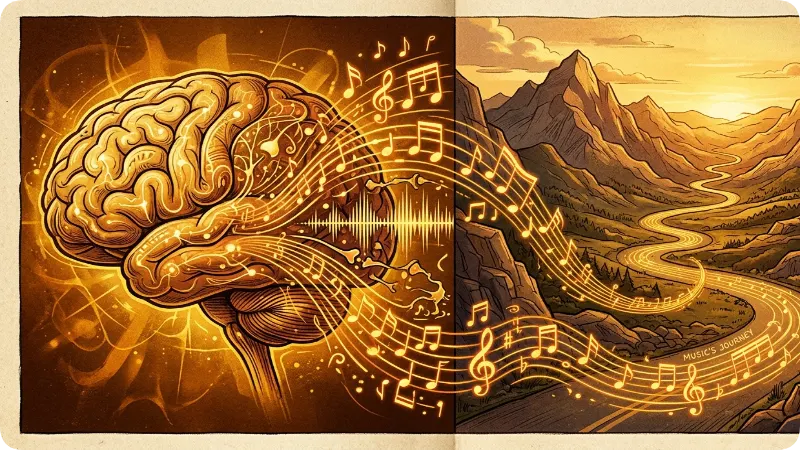
Music doesn’t just accompany travel it rewires how the brain processes a journey. Neuroscience research from McGill University confirms that music triggers dopamine release, the same chemical tied to pleasure and motivation. When that happens on the road, the brain links the song to the landscape, creating what psychologists call “autobiographical memory anchors.” Years later, hearing that same song transports you straight back to a mountain pass in Colorado or a bayou road in Louisiana.
This is precisely why seasoned travelers treat their playlists as seriously as their packing list. The music you choose isn’t decoration, it’s part of the experience itself.
How Music Affects Focus While Driving
Familiar, mid tempo music keeps drivers alert without overstimulating them. The National Highway Traffic Safety Administration (NHTSA) notes that distracted driving contributes to 8% of all fatal crashes. Avoid high energy EDM or emotionally heavy songs during active driving on unfamiliar roads. Instrumental or lightly lyrical tracks keep your mind present without pulling your attention into the lyrics.
Should You Listen to Music While Exploring Nature?
Music can enhance some outdoor adventures, but there are times when silence offers the better experience.
Listening through speakers can disturb wildlife and other visitors. In many national parks, hearing your surroundings is also important for safety.
Consider these best practices:
- Keep volume low.
- Use only one earbud when hiking.
- Remove headphones near wildlife.
- Respect quiet areas.
- Enjoy natural sounds whenever possible.
Sometimes the sound of birds, rivers, and wind becomes the most memorable soundtrack of the trip.
Travel Music Safety Tips
Music should improve your trip without creating unnecessary risks.
Follow these safety tips:
- Never wear noise-canceling headphones while walking near traffic.
- Keep driving playlists at a moderate volume.
- Download music before entering remote areas.
- Carry a power bank for long travel days.
- Keep one ear free when hiking.
- Avoid constantly changing songs while driving.
- Save emergency information offline in case your phone loses signal.
Safe listening helps you stay aware of your surroundings while still enjoying your favorite songs.
Best Music Genres for Every Type of USA Travel
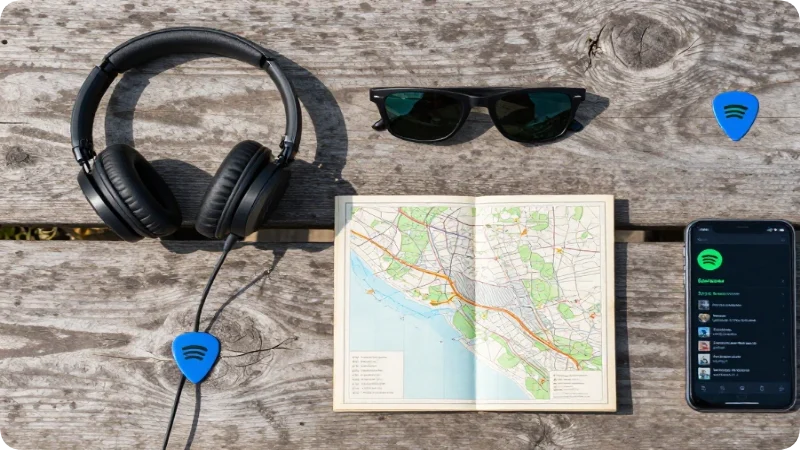
No single genre works for every trip. The terrain, pace, and purpose of your travel should drive the genre selection just like choosing the right shoes for a trail.
Road Trips: Classic Rock, Americana, and Country
Nothing matches the open highway like artists in the Americana tradition. Think Tom Petty, The Allman Brothers Band, Emmylou Harris, Kacey Musgraves, and Jason Isbell. Classic rock staples from Fleetwood Mac, CCR, and Bruce Springsteen were essentially written for the American road. Country, especially outlaw country from Willie Nelson and Waylon Jennings carries the soul of the Southern states into every mile.
Insider tip: Build a geo specific playlist. Southern blues for Mississippi, Tejano and country for Texas, folk and indie for the Pacific Northwest, classic rock for Midwest interstates.
Flights: Ambient, Lo Fi, and Classical
Airplane cabins are loud, pressurized, and disorienting. Ambient music from artists like Brian Eno, Moby, and Air or lo fi hip hop channels masks engine noise and slows the nervous system. Classical playlists (particularly Debussy, Satie, and early Bach) lower cortisol levels measurably, according to research published in Frontiers in Psychology. Save your high energy playlist for landing day.
Hiking and Nature: Folk, Acoustic, and Instrumental
National Parks and wilderness trails call for music that doesn’t compete with the environment. If you choose to listen at all (and sometimes silence is the better choice), opt for acoustic folk, fingerpicked guitar, or light ambient. Artists like Iron & Wine, Fleet Foxes, and Bon Iver pair naturally with forests, meadows, and mountain ridges. Always use one earbud only on trails trail safety depends on hearing your surroundings, and the NPS recommends staying aware of wildlife.
City Exploration: Hip Hop, Jazz, Blues, and Indie
Urban travel thrives on energy and rhythm. Match the city’s musical heritage to your playlist. New York City calls for early Wu Tang, Notorious B.I.G., and LCD Soundsystem. Chicago deserves its blues legends Muddy Waters, Howlin’ Wolf, Buddy Guy. Los Angeles fits Kendrick Lamar, The Doors, and Mexican hip hop. Let the city’s own music history guide you.
Top USA Music Travel Destinations Worth Planning a Trip Around
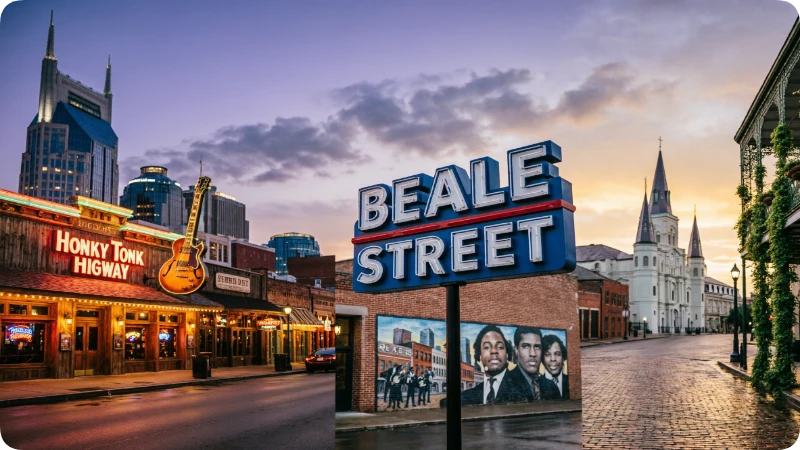
These five American cities aren’t just great places to visit they’re living, breathing music ecosystems. Visiting any of them without intentionally engaging with the local music scene is leaving the best part on the table.
Nashville, Tennessee: The Country Music Capital
Nashville earned its “Music City” nickname honestly. Lower Broadway alone contains more live music per square foot than almost anywhere in the world, with honky tonks running from noon until 3 a.m. The Country Music Hall of Fame and Museum on Fifth Avenue South holds over 2.5 million artifacts and represents the deepest archive of American music history outside of the Library of Congress. RCA Studio B where Elvis Presley, Dolly Parton, and Chet Atkins recorded offers public tours that sell out weeks in advance.
Hidden gem: The Station Inn in Gulch has hosted bluegrass legends for over 50 years. It seats fewer than 200 people, costs around $15 at the door, and delivers some of the most authentic musical experiences in Tennessee.
New Orleans, Louisiana: Jazz, Blues, and Zydeco
New Orleans doesn’t just have a music scene it has a music culture that permeates every corner of the city, from Frenchmen Street jazz clubs to second line Sunday parades in Tremé. The New Orleans Jazz & Heritage Festival (Jazz Fest), held annually each spring at the Fair Grounds Race Course, draws over 450,000 visitors across two weekends. Frenchmen Street in the Marigny neighborhood offers free live music most nights and rivals Bourbon Street without the tourist crowds.
Insider tip: Skip Bourbon Street for music. Walk the 10 minutes to Frenchmen Street instead the music is better, the drinks are cheaper, and the crowd is local.
Austin, Texas: Live Music Capital of the World
Austin holds the self declared title of “Live Music Capital of the World,” and the numbers back it up. The city hosts over 250 live music venues and more live music performances per capita than any other American city. SXSW (South by Southwest), held each March, brings more than 400,000 attendees and over 2,000 performers across 100+ venues. The legendary 6th Street entertainment district runs wall to wall with live music nightly, while the more eclectic East Austin scene offers indie, country, and experimental music in smaller rooms.
Don’t miss: Continental Club on South Congress Avenue has been a cornerstone of Austin’s music scene since 1957.
Memphis, Tennessee: The Birthplace of the Blues and Rock ‘n’ Roll
Memphis gave the world the blues, rock ‘n’ roll, and soul music in a single city. Beale Street a three block historic district, was the epicenter of the Memphis Blues sound in the early 20th century and still hosts live music daily. Sun Studio on Union Avenue, where Elvis Presley, Johnny Cash, Jerry Lee Lewis, and Roy Orbison all recorded, operates as a working studio and museum. Stax Museum of American Soul Music on McLemore Avenue tells the story of Otis Redding, Isaac Hayes, and the sound that defined a generation.
Hidden gem: The Peabody Memphis hotel lobby bar hosts live music most evenings free admission and far less crowded than Beale Street.
Chicago, Illinois: Blues, Jazz, and House Music
Chicago’s musical legacy runs deeper than most American cities realize. The city invented electric blues (Muddy Waters moved here from Mississippi in 1943), birthed house music at the Warehouse club in the early 1980s, and maintains a jazz scene second only to New York. The Chicago Blues Festival in Grant Park, free to attend, draws over 500,000 visitors each June, making it the largest free blues festival in the world. Buddy Guy’s Legends on South Wabash remains the definitive blues club experience in the city.
How to Build the Perfect Travel Playlist: A Step by Step Approach
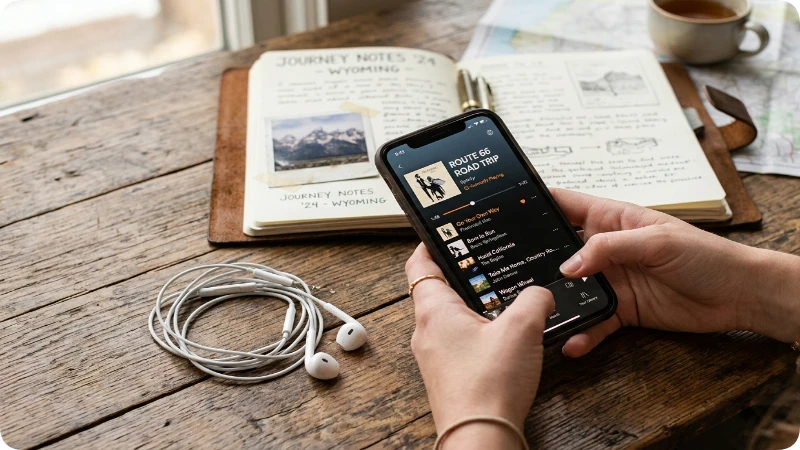
Building a travel playlist isn’t just throwing songs in a folder. Intentional sequencing, tempo mapping, and location awareness turn a random mix into a genuine travel companion.
Step 1: Map the Journey to Genres
Break your trip into segments: departure, transit, arrival, exploration, winding down. Assign a general energy level to each. Waking up and hitting the highway calls for a different feeling than arriving in a new city at dusk or lying in a hotel room after a long day of walking.
Step 2: Build Around Anchor Songs
Start with 5–7 songs you absolutely love that feel tied to travel, freedom, or adventure. These become the emotional anchor points around which you build everything else. Artists like Fleetwood Mac (“Go Your Own Way”), Tom Petty (“Running Down a Dream”), Johnny Cash (“I’ve Been Everywhere”), and Brandi Carlile (“The Story”) consistently appear on top rated travel playlists for a reason.
Step 3: Add Local Music from Each Destination
Research one or two artists or bands native to each place you’re visiting. Add them to the playlist to be played when you arrive. Hearing local music in the actual city it came from is one of the most powerful ways to feel connected to a new place.
Step 4: Manage Tempo Strategically
Sequence high energy tracks for driving, mid tempo for exploration, and mellow tracks for evenings. Apps like Spotify’s BPM analyzer (available through third party tools like Soundiiz or TuneMyMusic) can help you sort by tempo automatically.
Step 5: Download Everything for Offline Use
Cell coverage disappears on mountain roads, desert highways, and rural routes without warning. Always download your full playlist for offline use before leaving. Spotify Premium, Apple Music, and Amazon Music Unlimited all support offline downloads. Verify your downloads work before you leave your last reliable Wi Fi zone.
Best Apps and Tools for Travel Music in 2026
| App | Best For | Offline Available | Cost |
| Spotify | Discovery + playlists | Yes (Premium) | Free / $10.99/mo |
| Apple Music | iOS integration | Yes | $10.99/mo |
| Amazon Music | Alexa + Echo integration | Yes (Unlimited) | $8.99/mo (Prime) |
| Bandcamp | Supporting local artists | Limited | Free / Pay per album |
| SoundCloud | Indie + underground music | Limited (Go+) | Free / $9.99/mo |
| Calm | Sleep + flight ambient | Yes | $14.99/mo |
Prices are approximate and subject to change. Verify current pricing directly with each service.
Different travelers have different priorities when choosing a music app.
Spotify excels at music discovery and collaborative playlists, making it a great option for group road trips. Apple Music integrates seamlessly with Apple devices and offers high-quality audio. Amazon Music works well for Alexa users and Prime members, while Bandcamp is ideal if you enjoy supporting independent musicians directly.
Before traveling internationally, check whether your subscription allows offline downloads in every country you’ll visit. Also verify storage space on your device so downloaded playlists remain available throughout the trip.
Live Music Festivals Worth Planning Your USA Travel Around
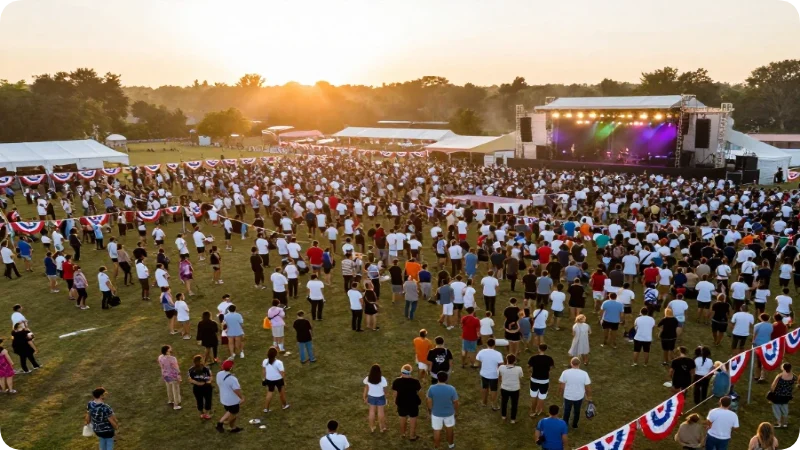
Music festivals aren’t just concerts they’re full travel experiences built around community, discovery, and shared sound. Several American festivals have become bucket list destinations in their own right.
SXSW Austin, Texas (March)
South by Southwest started as a music discovery festival in 1987 and now spans music, film, and tech across 10 days. Over 2,000 performers play in 100+ venues citywide. Many shows are free with a wristband or even walk up. The scale can feel overwhelming focus on one or two neighborhoods per day rather than trying to cover everything.
New Orleans Jazz & Heritage Festival (Late April – Early May)
Jazz Fest sprawls across multiple stages at the Fair Grounds and covers jazz, blues, gospel, zydeco, R&B, and beyond. It’s one of the few American festivals where the food rivals the music in quality. Cochon de lait po’boys, crawfish Monica, and Mango Freeze are annual staples that regulars plan entire visits around.
Bonnaroo Music & Arts Festival Manchester, Tennessee (June)
Bonnaroo sits on a 700 acre farm and blends rock, hip hop, electronic, folk, and comedy across four days. Camping is central to the experience of over 80,000 people making temporary communities in the Tennessee heat. Hydration, sun protection, and sturdy footwear are non negotiable.
Newport Folk Festival Newport, Rhode Island (July/August)
One of America’s oldest and most respected music festivals, Newport Folk has run since 1959 and famously hosted Bob Dylan’s controversial 1965 electric set. It remains an intimate, genuinely curatorial event focused on folk, roots, and Americana. Tickets sell out within minutes of release and sign up for early access through the Newport Folk Festival website.
Lollapalooza Chicago, Illinois (August)
Grant Park hosts Lollapalooza across four days each August, drawing 100,000 attendees daily across eight stages covering rock, pop, hip hop, and electronic music. The festival’s Grant Park location means skyline views serve as your permanent backdrop, which alone makes it one of the most visually dramatic festival experiences in the country.
Insider Tips for Music Travel in the USA
These five tips come from experience navigating both the planning side and the road itself.
- Book festival accommodations six months out minimum. Nashville during CMA Fest, Austin during SXSW, and New Orleans during Jazz Fest see hotel rates triple within weeks of the event. Lock in accommodations the moment your dates are confirmed or consider short term rentals through VRBO or Airbnb in residential neighborhoods close to the action.
- Use public transit during major music events. Parking near Beale Street in Memphis, 6th Street in Austin, or Frenchmen Street in New Orleans ranges from difficult to impossible on busy nights. Rideshare surge pricing spikes dramatically after midnight. Light rail (Nashville’s WeGo system) and bus routes serve most major music districts check the local transit authority website before you arrive.
- Carry cash to music venues. Many independent clubs, honky tonks, and small jazz rooms remain cash only or charge fees for card transactions. A $40–60 cash reserve per evening covers cover charges, tip jars, and merch tables comfortably.
- Arrive early to small venues. The best rooms in Nashville’s Station Inn, Austin’s Continental Club, or Chicago’s Buddy Guy’s Legends fill up 45–60 minutes before showtime. Arriving early also means better sightlines, conversation with locals, and first access to limited merch.
- Record a voice memo of every artist name you discover. At festivals and open nights, you’ll hear dozens of artists you’ve never encountered. The energy of the moment makes you feel certain you’ll remember you won’t. A 10 second voice note with the artist’s name saves hours of trying to reverse engineer a memory later.
Common Mistakes Music Travelers Make (and How to Fix Them)
Mistake 1: Over Scheduling Festival Days
Trying to see every act at a multi stage festival leads to constant movement, missed sets, and exhaustion. Fix this by picking three must see acts per day and treating everything else as a bonus. Wandering between stages and discovering something unexpected is often the best part of any festival.
Mistake 2: Skipping the Shoulder Season
Music venues and festivals draw massive summer crowds. Visiting Nashville in October, New Orleans in February (outside Mardi Gras), or Austin in November gives you the same music scene with fewer people, lower hotel rates, and cooler temperatures. Most venues run full programming year round.
Mistake 3: Only Hitting the Famous Spots
Beale Street, Broadway, and Frenchmen Street are great but every major music city has a second layer of venues that locals actually attend. In Memphis, that’s the Hi Tone or the Growlers Blues Emporium. In Nashville, it’s the East Nashville independent venues on Gallatin Avenue. Ask your hotel concierge or a local bartender where they’d go on their night off. That answer is usually the real answer.
Hidden Gems: Underrated Music Travel Destinations in the USA
Muscle Shoals, Alabama
A small town of 14,000 people that produced some of the most recorded music in American history. The Muscle Shoals Sound Studio (now a National Historic Landmark) recorded albums for the Rolling Stones, Aretha Franklin, Bob Dylan, and Paul Simon. Tours run regularly and offer direct access to the actual rooms where those sessions happened. Most travelers completely overlook Alabama as a music destination that’s exactly why it’s worth visiting.
Clarksdale, Mississippi
Sitting at the crossroads of Highway 61 and Highway 49 the literal and mythological crossroads of the Delta blues Clarksdale is one of the most historically significant music spots in America. The Delta Blues Museum sits inside a converted train depot and traces the origins of the genre from sharecropping culture to international influence. Ground Zero Blues Club, co owned by Morgan Freeman, hosts live blues most weekend nights for a $10 cover.
Asheville, North Carolina
Asheville blends Appalachian folk, bluegrass, indie rock, and experimental music in a mountain city that punches far above its weight. Acoustic concerts happen on pack Square Park most summer evenings for free. The Orange Peel, a mid size venue on Biltmore Avenue, consistently books acts well before they break nationally; it’s been named one of the top music clubs in America by Rolling Stone.
Packing Advice for Music Travel
The right gear shapes how well you hear, rest, and document your experience.
- Noise canceling headphones: Sony WH 1000XM5 or Bose QuietComfort 45 for flights and transit. These are investments, not luxuries; the difference in fatigue over a long flight is measurable.
- Portable Bluetooth speaker: For hotel rooms, campgrounds, and beach days. The JBL Flip 6 and UE Hyperboom offer strong battery life and weather resistance.
- Earplugs (foam or custom): Ironically essential for live music travel. Concert venues regularly exceed 100 dB the CDC recommends hearing protection above 85 dB for extended exposure. Custom musician’s earplugs (around $150–200 from an audiologist) reduce volume without muddying sound quality.
- Portable battery pack: Streaming music and GPS navigation drain phone batteries faster than almost anything else. A 20,000mAh power bank covers two full days without access to an outlet.
- Waterproof phone case: For outdoor festivals, boat tours, and unexpected rain.
Extra Gear That Makes Music Travel Easier
Besides headphones and speakers, a few inexpensive accessories can dramatically improve your listening experience while traveling.
Consider packing:
- headphone splitter for sharing music
- airplane headphone adapter
- waterproof pouch for electronics
- extra charging cable
- compact phone stand
- Bluetooth transmitter for older rental cars
- microfiber cloth for cleaning earbuds
- zip pouch for organizing charging accessories
These lightweight items take up very little luggage space but make music much easier to enjoy during long journeys.
Sample 5 Day Music Travel Itinerary: Nashville to Memphis
This route covers two of America’s greatest music cities through one of its most historically rich corridors.
Day 1 Nashville Arrival Check into a hotel near Lower Broadway. Walk Broadway from 5th Avenue toward the riverfront, stopping into honky tonks as the mood strikes. No cover, no pressure. Evening show at the Ryman Auditorium if the schedule aligns tickets available on Ryman.com.
Day 2 Nashville Deep Dive Morning: Country Music Hall of Fame and Museum (plan 3 hours). Afternoon: RCA Studio B tour (book in advance). Evening: Station Inn for bluegrass, or a show at Bluebird Cafe (reservation required book online weeks ahead).
Day 3 Nashville to Muscle Shoals (via Florence, Alabama) Drive south on I 65 to Muscle Shoals (approximately 2.5 hours). Tour Muscle Shoals Sound Studio and FAME Studios. Overnight in Florence or Muscle Shoals a small but walkable music focused downtown.
Day 4 Clarksdale, Mississippi Drive west to Clarksdale (approximately 2 hours). Visit the Delta Blues Museum in the morning. Afternoon walk through the historic downtown, stopping at Ground Zero Blues Club. Live music starts early in the evening stay for the full show.
Day 5 Memphis Drive north on Highway 61 the Blues Highway to Memphis (approximately 90 minutes). Afternoon: Stax Museum and Sun Studio. Evening: Beale Street for dinner and music, then end the night at a quieter spot like the Rum Boogie Café or Blues City Café.
Best Travel Music by Season
Different seasons naturally suit different music styles.
Spring
Light indie, folk, acoustic.
Summer
Classic rock, pop, reggae, tropical house.
Fall
Americana, country, blues.
Winter
Jazz, piano, lo-fi, orchestral music.
Matching your playlist to the season can make each destination feel even more immersive.
Budget Breakdown: Music Travel in the USA
| Expense | Budget Traveler | Mid Range | Premium |
| Accommodation (per night) | $70–$100 (motel/hostel) | $150–$250 (hotel) | $300+ (boutique hotel) |
| Live music (per night) | $0–$15 (free shows/covers) | $20–$60 (club tickets) | $75–$200+ (festivals) |
| Food (per day) | $30–$50 | $60–$100 | $120+ |
| Transport (per day) | $10–$20 (transit/rideshare) | $30–$50 (rental car) | $60+ (private/premium) |
| Music festival ticket | $150–$300 (single day) | $350–$600 (weekend) | $800+ (VIP) |
All figures are estimates. Prices vary by season, location, and availability. Verify current rates before booking.
Responsible Travel Tips for Music Destinations
Music communities are living ecosystems, not tourist attractions. The way travelers engage with these places directly affects their longevity.
Buy local music directly. Streaming pays fractions of a cent per play. Buying a vinyl record, CD, or digital download directly from an artist at a show or through Bandcamp delivers 10–100 times more revenue to them. It also makes a far better souvenir than a keychain.
Tip generously at live shows. The tip jar at a free or low cover show is how many working musicians pay rent. A $5–10 tip per person per set is standard in most music cities.
Respect residential neighborhoods. Late night noise from entertainment districts spills into residential areas in cities like New Orleans and Nashville. Follow posted noise ordinances, keep conversations quiet when leaving venues, and don’t block residential streets.
Support independent venues. Major chain venues extract revenue from local economies. Independent clubs, small theaters, and historic rooms recirculate money into local staff, local sound engineers, and local artists. Choosing them over corporate alternatives makes a direct difference.
FAQs
What kind of music is best for a long road trip across the USA?
Classic rock, Americana, and country work best for long American road trips because their tempos and themes align naturally with open highway driving. Build a playlist that shifts in energy upbeat for interstates, more reflective for scenic byways. Aim for 4–6 hours of music to avoid repetition, and include songs tied to each region you’ll drive through. Artists like Tom Petty, Emmylou Harris, and Jason Isbell consistently rate among the top choices for cross country routes.
How do I listen to music offline during a road trip?
Download playlists before you leave areas with reliable cell coverage. Spotify Premium, Apple Music, and Amazon Music Unlimited all offer offline download features. On Spotify, open any playlist, tap the download toggle, and wait for the green arrow indicator to confirm offline availability. A 4 hour playlist at standard quality uses roughly 150–200 MB of storage. Always test offline playback before you lose signal.
What are the best music festivals in the USA for first time festival travelers?
Bonnaroo in Tennessee and Lollapalooza in Chicago rank consistently among the most beginner friendly major festivals because of their strong infrastructure, clear maps, and broad genre coverage. Newport Folk Festival offers a more intimate experience with a lower crowd size. SXSW in Austin is best approached after some festival experience. The scale and logistics are complex for newcomers.
Is it worth visiting Nashville and Memphis on the same trip?
Absolutely. The drive between Nashville and Memphis runs about 3.5 hours on I 40, making a combined trip practical for a 4–7 day itinerary. Many travelers add Muscle Shoals, Alabama, and Clarksdale, Mississippi to create a full American music heritage route. The musical contrast between Nashville’s country scene and Memphis’s blues and soul ecosystem makes the combination richer than either destination alone.
How can music make travel less stressful?
Music actively lowers cortisol (the stress hormone) during transit delays, crowded spaces, and unfamiliar environments. Creating a specific “departure day” playlist with calm, familiar music reduces anxiety around airports and train stations. The familiarity of favorite songs acts as an emotional anchor when everything else feels new and uncertain. Noise canceling headphones amplify this effect by removing ambient stress triggers.
What should I pack for a music festival trip?
Pack moisture wicking clothing, sturdy footwear (waterproof boots for muddy festivals), foam or musician’s earplugs, a portable battery pack, a refillable water bottle, sunscreen (SPF 50+), and a small crossbody bag that keeps your hands free. Cash matters more at festivals than most travelers expect; many vendor booths and artist merch tables are cash only. A compact poncho takes up almost no space and eliminates the misery of getting caught in unexpected rain.
Can you experience great travel music without going to a major music city?
Yes. Every region of the USA has its own musical identity worth exploring: Cajun music in Lafayette, Louisiana; bluegrass in the Virginia mountains; Tejano in San Antonio; Hawaiian slack key guitar in Honolulu; polka culture in Wisconsin. Local music scenes in mid size cities often offer more intimate experiences, lower ticket prices, and more direct access to working musicians than the flagship music cities do.
Can music help reduce flight anxiety?
Yes. Slow-tempo music, ambient soundscapes, and instrumental playlists can help many travelers feel calmer before takeoff and during long flights. Pairing music with noise-canceling headphones can also reduce cabin noise, making the journey more comfortable. Creating a dedicated “flight playlist” before departure helps you settle into the trip without relying on in-flight entertainment.
How long should a travel playlist be?
For short weekend trips, a playlist of three to five hours is usually enough. Multi-day road trips benefit from 15 to 30 hours of music to avoid repetition. Mixing familiar favorites with newly discovered artists keeps the listening experience fresh while creating new memories associated with the journey.
Is downloading music better than streaming while traveling?
Yes, especially for road trips, flights, and visits to remote destinations where mobile coverage may be unreliable. Downloaded playlists reduce data usage, save battery life, and ensure uninterrupted playback even when internet access is unavailable.
What’s the best music for driving long distances?
Music with a steady tempo and familiar melodies generally works best for extended drives. Classic rock, country, Americana, indie rock, and upbeat pop often help drivers stay alert without becoming overly distracted. Rotating playlists every few hours can also prevent listening fatigue.
Can listening to local music make travel more meaningful?
Absolutely. Local music reflects the culture, traditions, and history of a destination. Exploring regional artists, attending live performances, or visiting neighborhood music venues helps travelers connect with a place beyond its major tourist attractions, creating more authentic and memorable experiences.
Conclusion
Travel music does three things that nothing else in a trip can replicate: it anchors memories to places, makes difficult transit bearable, and connects you to the cultural soul of wherever you’re going.
The best version of any American journey If a solo road trip down Highway 61, a festival weekend in Austin, or a week working through Nashville and Memphis comes with a playlist built for the road and ears open to what the destination itself has to offer.
Start building your playlist two weeks before departure. Download it for offline use. Add at least one local artist from every stop on your route. And whenever possible, close the phone, walk into a small room with live music, and let the sound of a place teach you something no article ever could.
The road sounds better with the right music. Go find yours.

Gordon Ramsay is a travel writer and destination researcher who helps U.S. travelers plan smarter trips, covering destinations, seasonal trends, budgets, and logistics to help readers decide where—and when—to go.
Rather than simply listing popular places, Gordon Ramsay focuses on what travelers actually need: comparing weather against crowds, weighing costs and accessibility, and researching current conditions alongside official tourism guidance—delivering honest, practical advice without the hype.