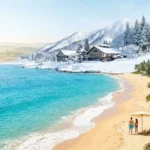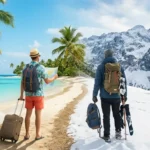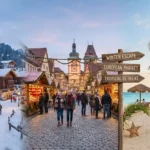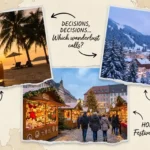
Winter travel can mean very different things. You might want deep powder for skiing, dark skies for the northern lights, mild weather for sightseeing, or a warm beach far from snow and ice. The best winter destination depends on what you want the season to do for your trip.
For U.S. travelers, December through February also creates an interesting choice: stay closer to home for easier logistics, head north for a true snow trip, or cross the equator for summer.
This guide compares destinations by winter weather, seasonal experiences, crowds, costs, access, and trip style. It also points out where winter makes a destination harder, so you can choose with realistic expectations.
What are the best places to visit in winter?
The best places to visit in winter include Banff for mountain scenery and skiing, Niseko for deep powder, Finnish Lapland or Tromsø for northern lights, Yellowstone for wildlife and snowy landscapes, Costa Rica for warm-weather adventure, and New Orleans for a mild U.S. city break. Madeira, Dubai, Marrakech, and Queenstown offer different ways to escape the typical winter pattern.
Best Places at a Glance
| Destination | Winter Weather | Best For | Cost | Crowds | Ideal Stay |
| Banff, Canada | Very cold, snowy | Skiing, scenery | Expensive | Busy | 4–6 days |
| Niseko, Japan | Very cold, heavy snow | Powder skiing | Expensive | Peak | 5–7 days |
| Finnish Lapland | Very cold, snowy | Families, aurora | Expensive | Busy | 4–6 days |
| Yellowstone, USA | Very cold, snowy | Wildlife, snow | Moderate–Expensive | Low | 3–5 days |
| Costa Rica | Warm, generally dry | Beaches, wildlife | Moderate–Expensive | Busy | 7–10 days |
| New Orleans, USA | Mild | Food, culture, festivals | Moderate | Moderate–Busy | 3–4 days |
| Madeira, Portugal | Mild and variable | Hiking, nature | Moderate | Moderate | 4–7 days |
| Tromsø, Norway | Very cold | Northern lights | Expensive | Peak | 4–6 days |
| Dubai, UAE | Warm and sunny | Sun, city, desert | Moderate–Expensive | Busy | 4–6 days |
| Marrakech, Morocco | Mild days, cool nights | Culture, food | Moderate | Moderate | 4–6 days |
| Queenstown, New Zealand | Warm summer | Adventure, road trips | Expensive | Busy | 5–8 days |
| Cancún/Riviera Maya, Mexico | Warm | Beach resorts, ruins | Moderate–Expensive | Busy | 5–7 days |
Quick takeaway: For classic snow, start with Banff or Niseko. For the northern lights, look at Lapland or Tromsø. For warmth without leaving the Americas, Costa Rica or Mexico are practical choices. For a U.S. city escape, New Orleans is one of the strongest winter options.
Best Winter Destinations for Snow, Skiing, and Mountain Trips
Banff, Alberta, Canada
Why visit during winter?
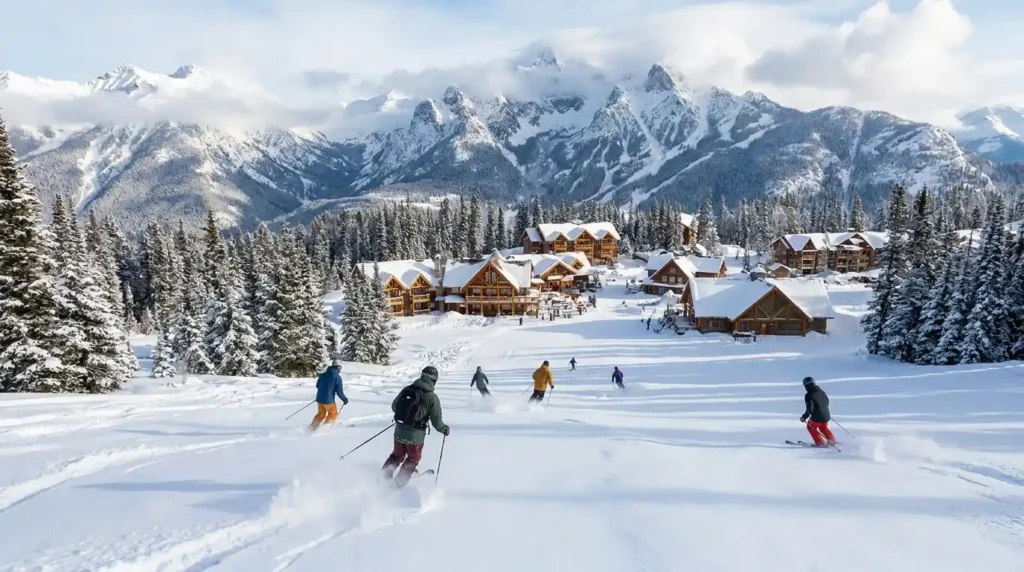
Banff works particularly well for travelers who want several winter activities in one trip. Skiing is the obvious draw, but the area also offers skating, snowshoeing, cross-country skiing, winter walks, and hot-spring experiences.
Banff and Lake Louise Tourism lists winter temperatures around 14°F to 23°F in December, 7°F to 25°F in January, and 10°F to 32°F in February. January delivers the classic deep-winter experience, while February gives you slightly milder conditions and longer daylight.
Weather: Roughly 14°F–32°F depending on month and location
Best things to do: Downhill skiing, snowshoeing, skating, cross-country skiing, winter sightseeing, hot springs
Best for: Couples, families, skiers, photographers, active travelers
Cost: Expensive; lodging and ski-related costs can add up quickly
Crowds: Busy around Christmas, New Year, and popular ski periods
Getting there: Fly into Calgary and continue by road or shuttle to Banff
Ideal trip length: 4–6 days
Where to stay: Banff townsite for restaurants and easy access; Lake Louise for a quieter mountain setting and direct access to the ski area
Watch out for: Winter safety is not optional. Parks Canada warns about avalanches, thin ice, frostbite, hypothermia, and changing trail conditions. Some summer hiking routes are unsafe in winter.
Editor’s Take: Banff is one of the strongest all-around winter choices because you do not have to build the trip around skiing. It works just as well for travelers who want snowy scenery and comfortable town-based activities.
Niseko, Hokkaido, Japan
Why visit during winter?
Niseko is built around one major seasonal advantage: powder snow. January and February are the heart of the winter season, when regular snow cycles create excellent conditions for skiing and snowboarding.
Niseko United reported 6.2 meters of snowfall in January 2026 and 2.63 meters in February 2026 at its Grand Hirafu weather station. However, the resort also notes that each winter varies, so past snowfall should not be treated as a guarantee for a future season.
Weather: Well below freezing during much of winter
Best things to do: Powder skiing, snowboarding, onsens, Japanese dining, snow activities
Best for: Serious skiers, snowboarders, couples, food-focused travelers
Cost: Expensive during peak periods
Crowds: Peak around Christmas/New Year and other major Asian holiday periods
Getting there: New Chitose Airport is the main gateway; seasonal buses connect the airport with Niseko. The 2026–27 bus timetable is scheduled to be updated around October 2026.
Ideal trip length: 5–7 days
Where to stay: Hirafu for the largest concentration of restaurants, nightlife, and services; other Niseko United areas suit travelers seeking a quieter base
Watch out for: The best snow period is also the busiest. Niseko identifies January and February as its core powder season, while March generally brings fewer crowds and more sunshine.
Editor’s Take: Pick Niseko when snow quality is the priority. If skiing is only one small part of your trip, Banff or a winter city destination may offer better value.
Yellowstone National Park, Wyoming, Montana, and Idaho
Why visit during winter?
Yellowstone becomes quieter and far more snow-focused during winter. The cold is serious, but so are the rewards: wildlife viewing, snowcoach trips, steaming thermal areas, snowy forests, and cross-country skiing.
The National Park Service reports December average highs and lows of 31°F/13°F at Mammoth Hot Springs and 25°F/7°F at Yellowstone Lake. January and February remain similarly cold, with heavy snow at higher elevations.
Weather: About 25°F–33°F daytime highs in many key areas during December–February
Best things to do: Wildlife watching, snowshoeing, snowcoach tours, cross-country skiing, thermal features
Best for: Wildlife lovers, photographers, adventurous families
Cost: Moderate to expensive depending on lodging and guided transportation
Crowds: Low compared with summer
Getting there: Most winter visitors plan around the North Entrance or guided oversnow access
Ideal trip length: 3–5 days
Where to stay: Gardiner/Mammoth for easier winter road access; winter lodging inside the park is limited
Watch out for: This is not a normal road-trip park visit. Most roads close to regular vehicles during winter. Oversnow travel generally operates from mid-December to mid-March, while the road between the North and Northeast entrances is the main year-round vehicle route, subject to conditions.
Editor’s Take: Yellowstone is excellent for travelers who want winter without a ski-resort atmosphere. The trade-off is access. Plan around operating dates instead of assuming you can drive from attraction to attraction.
Best Winter Destinations for Warm Weather
Costa Rica
Why visit during winter?
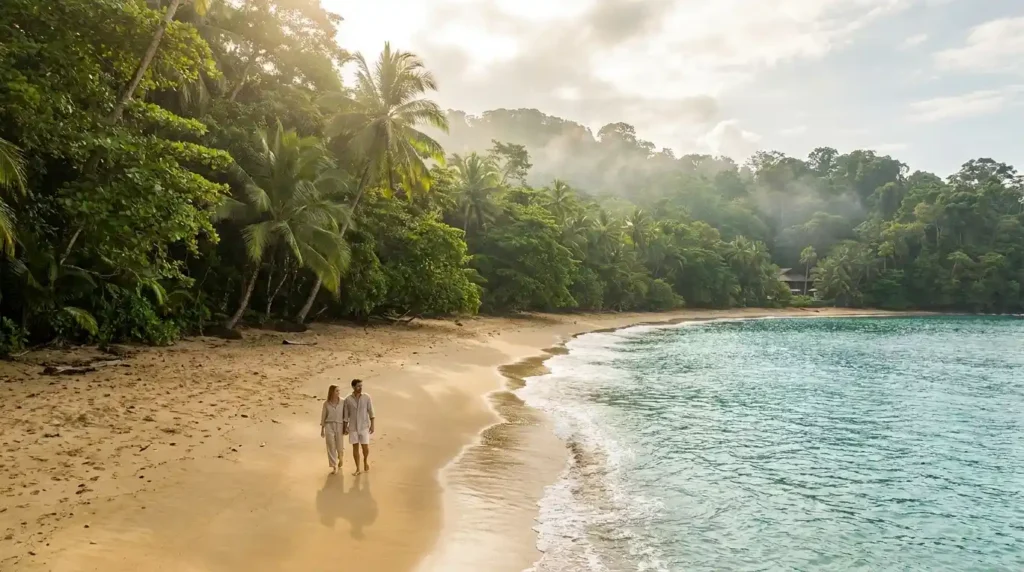
Costa Rica gives U.S. travelers a strong combination of warm weather, beaches, rainforest, wildlife, volcanoes, and outdoor activities. More importantly, winter lines up with the country’s dry season in much of the country.
The official tourism board identifies mid-December through late April as the main dry season. The Pacific coast has its clearest dry-season pattern, while the Caribbean side remains wetter and follows a different rainfall pattern.
Weather: Warm and tropical; generally drier on the Pacific side
Best things to do: Surfing, hiking, wildlife watching, ziplining, volcano visits, hot springs
Best for: Families, couples, adventure travelers, first-time Central America visitors
Cost: Moderate to expensive, especially during holiday periods
Crowds: Busy from Christmas into the winter high season
Getting there: Fly into Juan Santamaría International Airport near San José or Liberia for many Pacific-coast trips
Ideal trip length: 7–10 days
Where to stay: Guanacaste for beach resorts; La Fortuna for volcano and hot-spring trips; Manuel Antonio for beaches and wildlife
Watch out for: Do not assume the entire country has identical weather. The Caribbean coast can be rainy when Pacific destinations are enjoying dry conditions.
Editor’s Take: Costa Rica is a better choice than a pure beach destination when you want your winter escape to include wildlife and active days.
Cancún and the Riviera Maya, Mexico
Why visit during winter?
Mexico’s Caribbean coast is an easy winter escape for U.S. travelers who want warm weather without a long trip. Cancún also works as a base for combining beaches with Mayan sites and other experiences across Quintana Roo.
Mexico’s official tourism site describes December through February as a milder winter period and highlights Cancún as a gateway to beaches, cultural sites, jungle experiences, and the wider Yucatán Peninsula.
Weather: Warm tropical conditions
Best things to do: Beach days, snorkeling, cenotes, Mayan ruins, boat trips, food tours
Best for: Families, couples, resort travelers, short winter breaks
Cost: Moderate to expensive
Crowds: Busy, especially around Christmas and New Year
Getting there: Cancún International Airport is the main gateway
Ideal trip length: 5–7 days
Where to stay: Hotel Zone for convenience; Playa del Carmen for a more urban base; Riviera Maya resorts for a quieter resort-focused trip
Watch out for: Resort prices can rise sharply during the holiday period. A slightly later January or February trip can make more sense if your schedule is flexible.
Editor’s Take: This is one of the easiest choices for a warm winter trip from the U.S., especially when flight time and simple logistics matter.
Dubai, United Arab Emirates
Why visit during winter?
Dubai is at its best for travelers who want sunshine without extreme summer heat. Winter supports outdoor sightseeing, desert activities, beaches, restaurants, and long days exploring the city.
The official tourism board describes winter as a period with average temperatures around 73°F, far more comfortable for outdoor activities than Dubai’s summer heat.
Weather: Around 73°F average in winter
Best things to do: Desert safari, beaches, Burj Khalifa, museums, shopping, food experiences
Best for: Couples, families, luxury travelers, first-time Middle East visitors
Cost: Moderate to expensive
Crowds: Busy during peak winter dates
Getting there: Dubai International Airport has extensive international connections
Ideal trip length: 4–6 days
Where to stay: Downtown for major attractions; Dubai Marina for beaches and restaurants; Deira for a more traditional atmosphere
Watch out for: Winter is the popular season, so hotel prices can rise around holidays and major events.
Editor’s Take: Dubai is a good option when your definition of winter travel is simply “I want sunshine.” It offers more city entertainment than most beach escapes.
Best Winter Trips for Northern Lights, Culture, and City Breaks
Finnish Lapland
Rovaniemi
Why visit during winter?
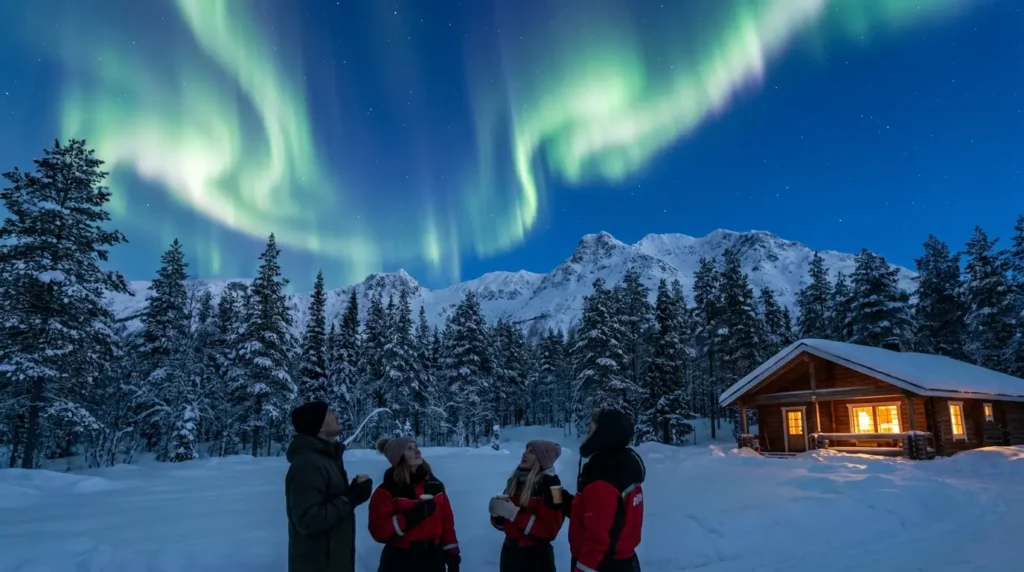
Finnish Lapland is designed around the experiences many travelers associate with a classic Arctic trip: snow, reindeer, husky rides, winter forests, and northern lights.
Rovaniemi’s official tourism board says the northern lights season runs from late August into early April. Winter brings deeper snow and the strongest classic Arctic feel.
Weather: Very cold, often well below freezing
Best things to do: Northern lights tours, reindeer rides, husky safaris, snowmobiling, Santa Claus Village
Best for: Families, couples, first-time Arctic travelers
Cost: Expensive
Crowds: Busy around Christmas and New Year
Getting there: Fly into Rovaniemi Airport
Ideal trip length: 4–6 days
Where to stay: Rovaniemi for convenience; glass-roof accommodations or wilderness lodges for a more remote experience
Watch out for: Christmas is the busiest and most expensive period. A January or February trip can provide a deeper winter experience without the same holiday pressure.
Editor’s Take: Families should put Lapland near the top of the list. For travelers focused mainly on the aurora, however, compare it with Tromsø or Fairbanks before booking.
Tromsø, Norway
Why visit during winter?
Tromsø combines Arctic scenery with a functioning city. That matters when the weather is harsh because you can mix northern-lights tours and dog sledding with restaurants, museums, cafés, and cultural activities.
Tromsø lies beneath the auroral oval, and its northern-lights season generally runs from late August to early April. The Polar Night lasts approximately from late November to mid-January.
Weather: Very cold, with limited daylight during midwinter
Best things to do: Northern lights tours, dog sledding, reindeer experiences, whale watching, fjord trips
Best for: Couples, photographers, Arctic travelers, city-break travelers
Cost: Expensive
Crowds: Peak in December, January, and February
Getting there: Fly into Tromsø Airport
Ideal trip length: 4–6 days
Where to stay: Central Tromsø for restaurants and easy tour pickup; outskirts for darker skies and quieter stays
Watch out for: The northern lights are never guaranteed. Clouds can ruin an otherwise promising forecast, so stay several nights rather than relying on one viewing attempt.
Editor’s Take: Tromsø is particularly strong for travelers who want Arctic adventure without giving up city comforts.
New Orleans, Louisiana
Why visit during winter?
New Orleans gives you a very different answer to the winter question. Instead of snow, you get mild weather, food, music, history, and the beginning of Carnival season.
Official climate information lists average highs of 64°F in January and 66°F in February, with average lows of 45°F and 47°F.
January also brings king cakes and the start of Carnival events, while February becomes especially busy around Mardi Gras.
Weather: Around 64°F–66°F average highs in January–February
Best things to do: French Quarter, live music, food tours, museums, streetcars, Carnival events
Best for: Couples, solo travelers, food lovers, weekend trips
Cost: Moderate, but major event dates can be expensive
Crowds: Moderate in January; busy during major February celebrations
Getting there: Fly into Louis Armstrong New Orleans International Airport
Ideal trip length: 3–4 days
Where to stay: French Quarter for atmosphere; Central Business District for transport and hotels; Garden District for a quieter base
Watch out for: February event dates can change the entire feel and price of a trip. Check the official festival calendar before booking.
Editor’s Take: For a winter weekend inside the U.S., New Orleans is hard to beat if your priorities are food, culture, and mild weather rather than snow.
Madeira, Portugal
Why visit during winter?
Madeira is one of Europe’s better winter choices for travelers who want mild temperatures and outdoor scenery rather than ski conditions.
The Madeira tourism board reports mild winter temperatures and notes that the island’s mountainous terrain creates different microclimates. Coastal areas can be mild while higher elevations are cooler, foggier, and wetter.
Winter also brings Christmas and New Year’s celebrations in Funchal, along with quieter hiking opportunities.
Weather: Generally mild; coastal winter temperatures often remain around the mid-50s°F or higher
Best things to do: Levada walks, viewpoints, Funchal, natural pools, food and wine experiences
Best for: Couples, hikers, older travelers, relaxed road trips
Cost: Moderate
Crowds: Moderate, with higher demand around Christmas and New Year
Getting there: Fly into Cristiano Ronaldo Madeira International Airport
Ideal trip length: 4–7 days
Where to stay: Funchal for restaurants and transport; south coast for warmer, sunnier conditions
Watch out for: Do not pack as if the whole island has the same weather. Mountain trails can be foggy, windy, or wet while the coast is sunny. Hiking routes can also close when conditions become unsafe.
Editor’s Take: Madeira is a smart European alternative when you want outdoor activity without committing to freezing temperatures.
Marrakech, Morocco
Why visit during winter?
Marrakech offers mild winter sightseeing without the intense heat found later in the year. The medina, souks, gardens, food, and nearby Atlas Mountains give you plenty to do outside the hottest months.
Morocco’s tourism office describes winter as mild, with warmer conditions in the south and cooler temperatures at night or in mountain areas. It lists Marrakech and Fès around 54°F–64°F for December–January, depending on conditions and location.
Weather: Mild days, cool evenings
Best things to do: Medina walks, souks, gardens, food experiences, Atlas Mountain excursions
Best for: Couples, culture-focused travelers, photographers
Cost: Moderate
Crowds: Moderate
Getting there: Fly into Marrakech Menara Airport
Ideal trip length: 4–6 days
Where to stay: Medina for atmosphere; Gueliz or Hivernage for modern hotels and easier road access
Watch out for: Nights can feel much colder than daytime temperatures suggest. Pack layers rather than relying on a warm-weather wardrobe.
Editor’s Take: Marrakech makes more sense in winter for travelers who want culture and comfortable sightseeing rather than a traditional snow vacation.
Queenstown, New Zealand: The Winter Escape That Is Actually Summer
Why visit during winter?
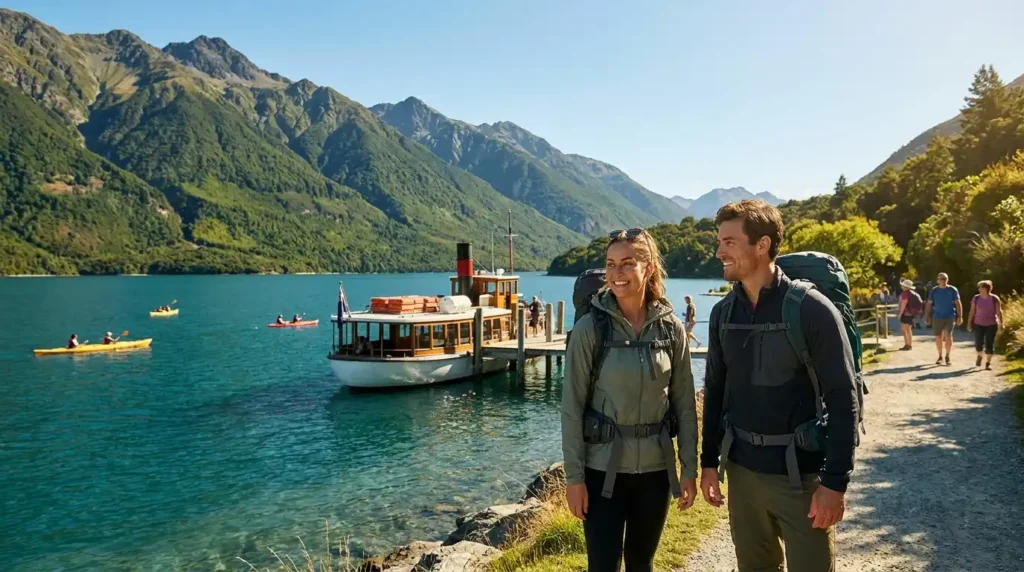
For U.S. travelers, one of winter’s most useful tricks is crossing into the Southern Hemisphere. December through February is summer in New Zealand, so Queenstown can provide warm-weather adventure when North America is cold.
Queenstown’s official tourism site identifies December through February as summer, with long, warm days. It lists typical summer temperatures around 68°F–86°F.
Weather: About 68°F–86°F in summer
Best things to do: Hiking, biking, jet boating, lake activities, wine tours, scenic drives
Best for: Adventure travelers, couples, active families
Cost: Expensive
Crowds: Busy and often pricier during summer
Getting there: Fly into Queenstown Airport; connections commonly run through Auckland or other New Zealand gateways
Ideal trip length: 5–8 days
Where to stay: Queenstown center for restaurants and activities; Frankton for airport access and larger accommodations
Watch out for: Summer is the busy season. Accommodation and popular activities can book up early, especially around the holidays.
Editor’s Take: Queenstown is one of the best choices if your real goal is to escape winter rather than experience it.
How to Choose the Right Winter Destination
The easiest way to narrow the list is to decide what you want to feel when you step outside.
If you want serious snow
Choose Niseko for powder skiing or Banff for a wider mix of skiing, sightseeing, and winter activities.
If you want a family Arctic trip
Choose Finnish Lapland. The combination of snow activities, reindeer experiences, Santa Claus Village, and northern lights makes it especially family-friendly.
If you mainly want northern lights
Compare Tromsø, Lapland, and Fairbanks. Do not choose based only on photographs. Dark skies, cloud cover, trip length, tour availability, and your tolerance for cold all matter.
If you want wildlife
Choose Yellowstone for winter wildlife viewing in the U.S. or Costa Rica for tropical wildlife and outdoor activities.
If you want warm weather close to the U.S.
Cancún/Riviera Maya is one of the easiest choices. Costa Rica adds more adventure and wildlife.
If you want a U.S. city break
Pick New Orleans for food, music, culture, and mild winter temperatures.
If you want Europe without freezing
Consider Madeira or Marrakech. Both offer outdoor sightseeing without the deep cold found farther north.
If you want luxury and sunshine
Dubai delivers warm weather, high-end hotels, restaurants, shopping, beaches, and desert experiences.
If you want summer during winter
Go south to Queenstown. December through February is New Zealand’s summer season.
Winter Travel: December vs. January vs. February
Winter is not one uniform season. Your travel month can change the experience significantly.
December
December is best for travelers who want holiday atmosphere. Lapland, Banff, New York-style Christmas trips, European markets, and ski-resort celebrations are at their strongest.
The downside is price. Christmas and New Year can produce some of the highest accommodation demand of the winter.
January
January is often the strongest month for deep-winter experiences. Niseko’s official seasonal reporting identifies January as a core powder month, while Yellowstone remains deeply snowy and quiet.
It is also a good time to look for warm-weather escapes in places such as Costa Rica and Mexico.
February
February can be the sweet spot for travelers who want winter conditions but slightly longer days.
In Niseko, February remains part of the prime powder period. In Tromsø, daylight begins returning, while northern-lights opportunities continue. New Orleans, meanwhile, can become much busier because of Mardi Gras.
What to Pack for a Winter Vacation
Your packing list should follow the destination rather than the word “winter.”
For a snowy destination, prioritize:
- Waterproof insulated boots
- Moisture-wicking base layers
- Warm mid-layers
- Insulated outerwear
- Gloves or mittens
- Hat and neck covering
- Wool or synthetic socks
- Sunglasses
- Sunscreen
- Hand and toe warmers
- Small daypack
- Portable battery
For Arctic destinations, add clothing designed for extended outdoor waiting. Northern-lights tours can involve standing outside for hours.
For a warm winter escape, the list changes completely. Pack lightweight layers, comfortable walking shoes, sun protection, swimwear where appropriate, and one light jacket for cooler evenings.
Winter Booking Tips for U.S. Travelers
Book peak periods first
Christmas, New Year, school breaks, ski weekends, and major festivals can sell out quickly. Tromsø specifically warns that winter is peak season and recommends booking early.
Do not plan around one northern-lights night
Aurora viewing depends on darkness, cloud cover, and solar activity. Give yourself several nights when possible.
Check seasonal transportation before renting a car
Yellowstone is the clearest example. Winter access works very differently from summer, with most roads closed to normal vehicles.
Build weather flexibility into outdoor trips
Snowstorms, high winds, fog, and icy roads can change plans quickly. Banff and other mountain destinations require travelers to monitor current trail and road conditions.
Compare the holiday week with January or February
Moving a trip by even one or two weeks can change accommodation prices and crowd levels. This is especially useful for ski resorts and Arctic destinations.
Winter Travel Costs: What Usually Raises the Price?
There is no single winter travel budget because the biggest costs vary by destination.
Most expensive: Tromsø, Lapland, Niseko, Banff during peak dates, and Queenstown during the Southern Hemisphere summer.
Moderate: New Orleans, Marrakech, Madeira, Costa Rica, and many Mexico trips, depending on hotel choice.
Potentially easier on the budget: January and late February can offer better value than Christmas and New Year’s periods in many destinations.
For ski trips, remember that the hotel is only one part of the budget. Add lift tickets, rentals, lessons, airport transfers, winter clothing, and meals.
For Arctic trips, guided activities can also become a major part of the total cost.
Winter Travel Mistakes to Avoid
Assuming winter means snow everywhere.
Madeira, Costa Rica, Mexico, Dubai, and Queenstown prove otherwise.
Booking only three nights for an aurora trip.
You may get lucky, but additional nights give weather and cloud cover more chances to cooperate.
Treating Yellowstone like a summer road trip.
Most park roads are closed to ordinary vehicles during winter.
Ignoring daylight.
Northern destinations can have very short daylight during December and January. Tromsø’s Polar Night is a clear example.
Choosing the warmest destination without checking rain patterns.
Costa Rica’s Pacific and Caribbean coasts have different winter rainfall patterns.
Packing only for daytime temperatures.
Winter sun destinations can still have cool mornings and evenings.
12 FAQs About the Best Places to Visit in Winter
What are the best places to visit in winter for snow?
Banff, Niseko, Finnish Lapland, and Yellowstone are strong choices. Niseko is particularly attractive for powder skiing, while Banff offers a wider range of snow activities.
Where is the best place to visit in winter for families?
Finnish Lapland is one of the strongest choices for families because of its snow activities, reindeer experiences, Santa Claus Village, and northern-lights opportunities.
What are the best warm places to visit in winter?
Costa Rica, Cancún and the Riviera Maya, Dubai, and parts of Morocco offer warm or mild winter conditions. Madeira is another good choice for travelers who want mild weather rather than tropical heat.
Where can I see the northern lights in winter?
Tromsø, Finnish Lapland, and Fairbanks are strong options. Northern lights are a natural phenomenon, so clear skies and auroral activity are still required.
Is January a good month for a winter vacation?
Yes. January is particularly good for deep snow in destinations such as Niseko and Yellowstone, while Costa Rica, Mexico, and other warm destinations can provide an escape from northern winter.
Is February better than December for winter travel?
It depends on your goal. December is better for Christmas experiences, while February can offer strong snow conditions with more daylight. However, February can be very busy around major events and school holidays.
What is the best winter destination in the USA?
Yellowstone is one of the best choices for snow and wildlife, while New Orleans is better for mild weather, food, music, and culture.
Where should I go for a warm winter vacation from the USA?
Mexico and Costa Rica are practical choices because of their relatively easy access from the United States. Dubai is better suited to a longer international trip.
Is Banff worth visiting in winter?
Yes, especially for travelers interested in skiing, snowshoeing, skating, winter scenery, and mountain activities. The main drawback is the cold and the need to understand winter trail and road conditions.
Is Niseko worth visiting if I do not ski?
It can be, particularly if you enjoy Japanese food, onsens, snowy scenery, and winter culture. However, travelers who do not ski may find better value in a destination with more non-ski attractions.
How many days should I spend on a winter vacation?
A long weekend works for New Orleans or a nearby U.S. destination. Plan roughly four to six days for Banff, Lapland, Tromsø, or Dubai, and seven to ten days for a larger Costa Rica trip.
What should I check before booking a winter trip?
Check seasonal transportation, road closures, weather, daylight hours, attraction operating dates, holiday schedules, cancellation rules, and current entry requirements. Winter conditions can change access quickly, especially in mountain and Arctic regions.
Conclusion
Winter travel does not have to mean one kind of vacation. You can chase fresh powder in Niseko, explore snowy landscapes in Banff, look for the northern lights in Lapland or Tromsø, or trade cold weather for Costa Rica, Mexico, or Dubai.
The best choice comes down to your priorities. Consider weather, budget, crowds, daylight, travel time, and the activities you actually want to enjoy. For snow, start with Banff or Niseko. For an Arctic experience, compare Lapland with Tromsø. For warmth, Costa Rica and the Riviera Maya are practical choices. Meanwhile, New Orleans offers an easy U.S. winter city break.
Most importantly, check seasonal conditions before booking. Winter can bring road closures, limited daylight, changing weather, peak holiday prices, and busy resorts. Plan around those trade-offs, and your winter trip will feel far more rewarding and much less stressful.