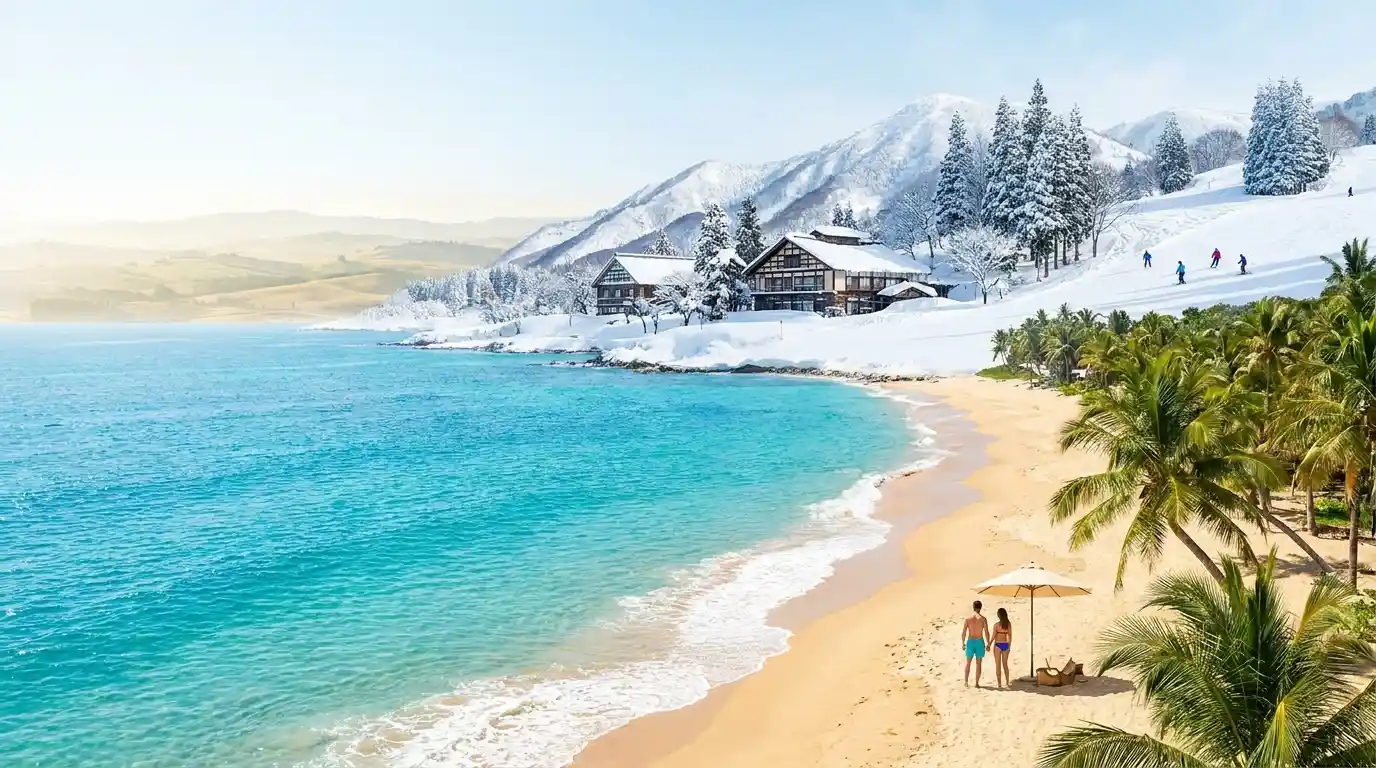
Picking a January trip means choosing between three very different winters: the tropical dry season, the southern hemisphere’s peak summer, or the coldest, snowiest weeks of the northern ski calendar. Each path, however, leads to a different kind of country. Therefore, choosing the wrong destination can mean a rainy beach trip or, instead, a crowded and overpriced ski slope. To make the choice easier, this guide compares real January conditions, including weather, crowds, prices, and seasonal events. As a result, you can make a practical decision based on what actually matters for your trip.
Where Should I Travel in January?
Thailand, Costa Rica, and Vietnam offer the most reliable dry-season warmth for a tropical escape, with daytime temperatures in the 80s°F and minimal rain. New Zealand and Argentina’s Patagonia deliver peak southern-hemisphere summer with long daylight hours. Japan’s Hokkaido region has the year’s deepest, driest powder snow.
Best Countries to Visit in January at a Glance
| Country | January Weather | Best For | Cost | Crowds |
| Thailand | 84–90°F, dry, low humidity | First-time tropical trip, temples + beaches | Budget–Moderate | Peak season |
| Costa Rica | 71–90°F, dry season in full swing | Rainforest + beach combo, wildlife | Moderate–Expensive | Peak season |
| Vietnam | 65–89°F (south warm, north cool) | Budget travel, food, Tet culture | Budget | Busy, Tet surge |
| New Zealand | 57–77°F, peak summer | Hiking, road trips, long daylight | Expensive | Peak season |
| Argentina (Patagonia) | 40s–70s°F, peak summer, high winds | Glacier trekking, wildlife | Moderate–Expensive | Peak season |
| Morocco | 45–68°F, mild and dry | Culture on a budget, fewer crowds | Budget–Moderate | Low–Moderate |
| Japan (Hokkaido) | Teens to 20s°F, heavy snowfall | Powder skiing and snowboarding | Expensive | Peak season |
Best Overall: Warm, Dry-Season Escapes
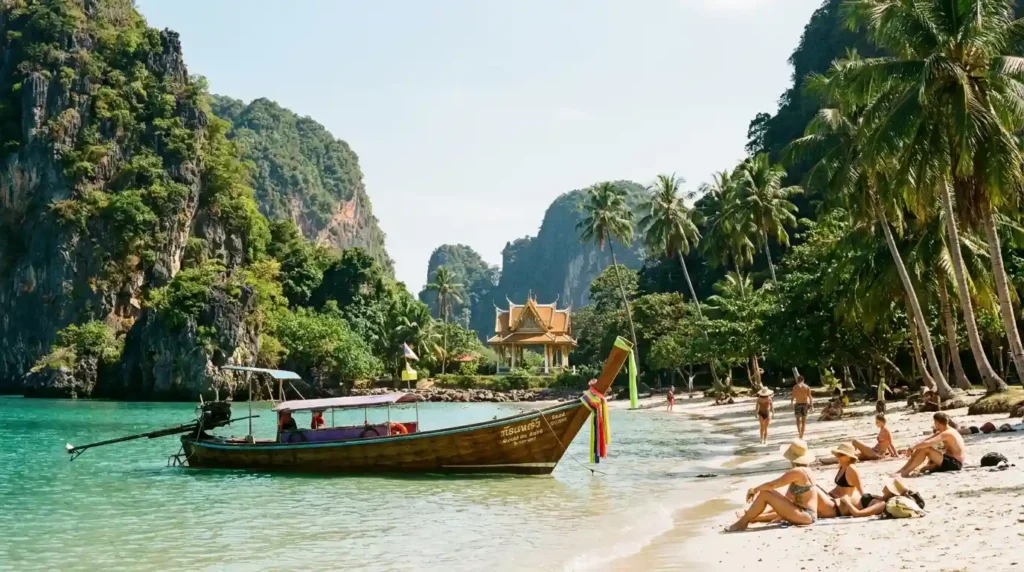
These three countries sit squarely in their dry season in January, which means the highest odds of sunshine and the lowest odds of a washed-out itinerary.
Thailand delivers the most complete package: beaches, mountains, and cities all workable in the same trip, with almost no rain anywhere in the country.
Costa Rica combines beach time with rainforest adventures and volcano country. Moreover, while the Pacific coast is generally drier during the dry season, the Caribbean side can still see more rain. As a result, travelers should consider the coast they want before planning their itinerary.
Vietnam, meanwhile, has noticeably different weather from north to south. For example, the south is warm and dry, making it a good time for Tet celebrations. In contrast, the north, including Hanoi and Sapa, can be genuinely cool and foggy. Therefore, if you plan to travel across the country, pack layers for both warm and cool conditions.
Best for Southern-Hemisphere Summer
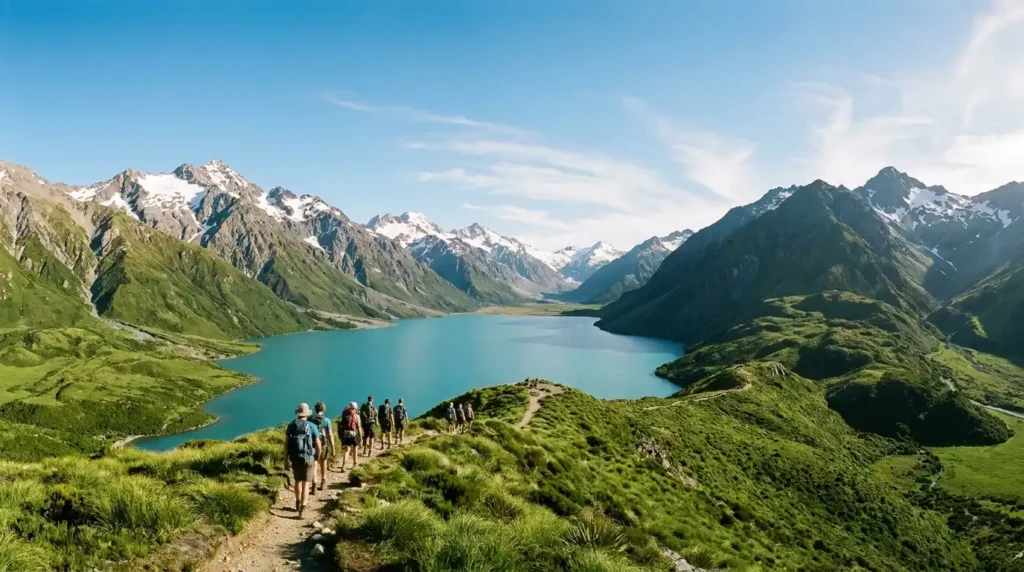
If winter fatigue is less about cold and more about wanting long, bright days, flip hemispheres entirely.
New Zealand is at its driest and sunniest, with the North Island running warmer and more humid than the South Island’s alpine lake districts.
Argentina’s Patagonia hits its warmest, clearest, and longest-daylight window of the year in January but it’s also peak wind season, with gusts that regularly complicate hiking and boat trips.
Best for Snow and Winter Sports
Japan’s Hokkaido region, especially Niseko, reaches its coldest and snowiest period in January. As a result, the area gets the light, dry powder that attracts skiers from around the world. However, there is a clear trade-off. Since January is also peak season, lift lines, lodging rates, and crowds typically reach their annual highs. Moreover, late January can overlap with Chinese New Year travel, which can push demand even higher.
Best Budget-Friendly Pick

Vietnam and Morocco are the two standouts for stretching a travel budget in January. Vietnam combines low daily costs with genuinely excellent dry-season weather in the south. Morocco is Europe-adjacent and cheap relative to Western Europe, with January’s low season (outside the brief marathon crowd) meaning better rates on riads and guides.
How to Choose
- Want guaranteed sun and minimal rain? Thailand or Costa Rica’s Pacific coast.
- Want the lowest cost per day? Vietnam or Morocco.
- Want long summer days and hiking? New Zealand or Patagonia.
- Want deep powder and don’t mind crowds or cost? Hokkaido, Japan.
- Want culture and mild (not hot) weather? Morocco.
- Traveling with young kids? Thailand and Costa Rica have the most tourist infrastructure built around families; Patagonia’s long treks and strong winds are harder going with small children.
Destination Profiles
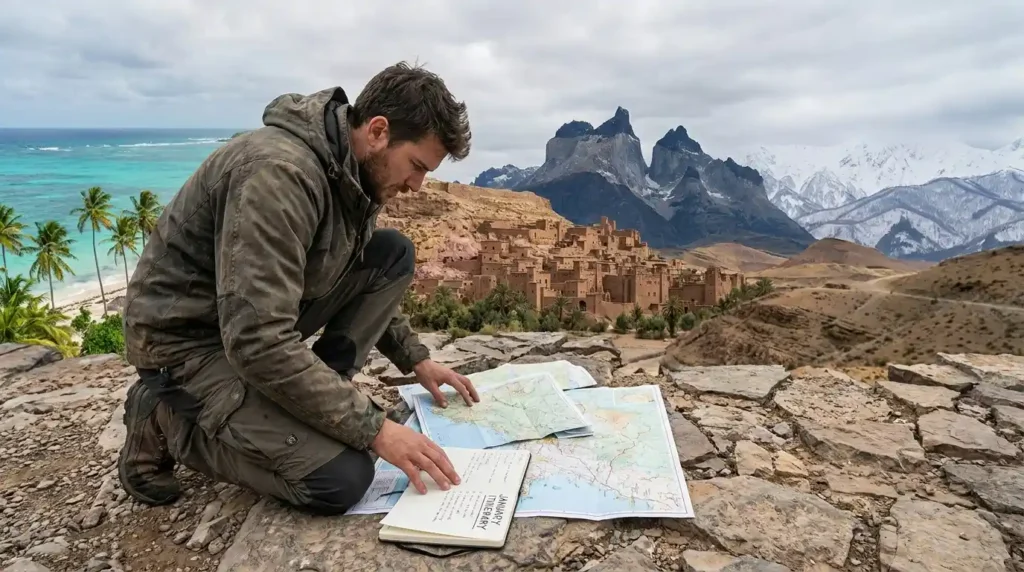
Thailand
Why Visit During This Period? January sits in the heart of Thailand’s dry season, before the April Songkran crowds and the May–October rains arrive.
Weather Bangkok runs 70–90°F, with Chiang Mai cooler at night (down to the upper 50s°F) and the southern islands staying in the mid-70s to upper 80s°F. Rainfall is minimal nationwide.
Best Things to Do
- Explore Bangkok’s temples and river without the intense heat of later months
- Trek or cycle around Chiang Mai in cool, dry mountain air
- Dive or snorkel off Koh Tao or Krabi in calm, clear water
- Visit elephant sanctuaries near Chiang Mai
- Island-hop between Koh Samui, Koh Phangan, and Koh Tao
Best For Families, first-time visitors to Southeast Asia, beach-and-culture combination trips.
Cost Budget to Moderate Thailand remains one of the cheaper full-service tropical destinations, though January’s popularity pushes hotel rates above shoulder-season levels.
Crowds Peak season. Bangkok, Chiang Mai, and the main islands are busy; book accommodation ahead.
Getting There Direct flights into Bangkok’s Suvarnabhumi (BKK) from major U.S. and European hubs, with connecting flights to Chiang Mai, Phuket, and Koh Samui.
Ideal Trip Length 10–14 days to combine a city, the north, and at least one island.
Where to Stay Riverside hotels in Bangkok for easy temple access; boutique guesthouses in Chiang Mai’s Old City; beachfront resorts on Koh Samui or Krabi.
Watch Out For Northern nights get cold enough to catch visitors off guard without a light layer, and January’s popularity means the best beach resorts sell out months ahead.
Editor’s Take Thailand in January is the safest bet on this list for a traveler who wants warm weather, low rain risk, and infrastructure that makes logistics easy.
Costa Rica
Why Visit During This Period? January is the first fully dry month on the Pacific side, following a transitional December, and humpback whales are present along the coast through March.
Weather Guanacaste and the north Pacific run hot, into the low-to-mid 90s°F during the day; the central and south Pacific (Manuel Antonio, Dominical) stay a touch cooler and more comfortable, around 85°F; the Caribbean side remains in its own rainier pattern regardless of the calendar.
Best Things to Do
- Surf consistent, moderate swells on the Pacific coast
- Hike Rincón de la Vieja, Corcovado, or Manuel Antonio National Parks
- Zipline or raft near Arenal Volcano
- Spot wildlife the dry season concentrates animals near remaining water sources
- Watch for humpback whales off the southern Pacific coast
Best For Adventure travelers, wildlife watchers, surfers, couples wanting a beach-and-rainforest mix.
Cost Moderate to Expensive January is peak season, and prices on both lodging and tours rise accordingly.
Crowds Peak season, especially at Tamarindo and Manuel Antonio; book well ahead.
Getting There Fly into San José (SJO) or Liberia (LIR) in Guanacaste, which puts you closer to the driest beaches.
Ideal Trip Length 7–10 days.
Where to Stay: Stay at a Guanacaste resort for reliable sunshine. Pick Monteverde or Arenal for cooler cloud-forest air. Manuel Antonio works well for a beach base near the park.
Watch Out For: The Caribbean coast, including Tortuguero and Puerto Viejo, has a different weather pattern. Heavy rain can still occur in January.
Editor’s Take: Costa Rica suits travelers who want more than a beach chair. The dry season makes parks, volcanoes, and wildlife easier to explore.
Vietnam
Why Visit During This Period?January is one of the driest and most comfortable months across most of the country. Travelers in the south can catch pre-Tet (Lunar New Year) flower markets and festive energy.
Weather Ho Chi Minh City and the south run warm and dry, roughly 73–90°F. Phu Quoc Island stays in the mid-70s to high 80s°F with low humidity. The north is genuinely cool by contrast. Hanoi sits around 57–69°F, with fog common. Sapa’s higher elevations can dip near or below freezing.
Best Things to Do
- Explore Ho Chi Minh City’s markets and pre-Tet flower streets
- Relax on Phu Quoc’s beaches in low-humidity, dry conditions
- Cruise Halong Bay (expect some coastal haze)
- Trek the cooler, foggier hill country around Sapa
- Cruise the Mekong Delta in dry-season conditions
Best For Budget travelers, food-focused trips, travelers who want both beach and mountain scenery in one country.
Cost Budget Vietnam remains one of the most affordable full-service destinations in Asia.
Crowds Busy, and lodging and transport prices spike hard around the Tet holiday itself (dates shift each year with the lunar calendar), so check the exact Tet window before booking.
Getting There Fly into Ho Chi Minh City (SGN) for the south or Hanoi (HAN) for the north; domestic flights connect the two easily.
Ideal Trip Length 10–14 days to cover both regions.
Where to Stay District 1 in Ho Chi Minh City for walkability; a beachfront resort on Phu Quoc; a hotel near Hanoi’s Old Quarter for the north.
Watch Out For Many businesses close and transport gets fully booked during the Tet holiday itself a wonderful cultural window if you plan around it, a logistical headache if you don’t check the dates first.
Editor’s Take Vietnam is the strongest value play on this list: warm, dry weather in the south for a fraction of the cost of Thailand or Costa Rica at the same time of year.
New Zealand
Why Visit During This Period? January is New Zealand’s hottest, driest, and sunniest month full midsummer, with the longest days of the year.
Weather: Overall, January brings mild and pleasant weather across New Zealand. Nationwide daytime highs typically range from 68–77°F. However, the North Island, especially Auckland and the Bay of Islands, is generally warmer and more humid. Meanwhile, alpine areas on the South Island, including Queenstown, tend to stay a few degrees cooler.
Best Things to Do
- Kayak or sail Abel Tasman National Park
- Hike a Great Walk while trails are fully open and snow-free
- Wine taste in Marlborough or Central Otago
- Relax on Bay of Islands or Coromandel beaches
- Road-trip the South Island’s lake and mountain country
Best For Hikers, road-trippers, couples, and families with older kids who can handle long days outdoors.
Cost Expensive January overlaps with local school holidays, which pushes domestic tourism and prices to their annual peak.
Crowds Peak season nationwide; this is the single busiest month to book flights, campervans, and Great Walk huts.
Getting There Fly into Auckland (AKL) for the North Island or Queenstown (ZQN) or Christchurch (CHC) for the South Island.
Ideal Trip Length 14–21 days to reasonably cover both islands.
Where to Stay Bay of Islands or Coromandel for North Island beaches; Queenstown or Wanaka for South Island mountain access.
Watch Out For Great Walk huts, campervans, and rental cars can sell out months in advance for January dates, and sandflies are at their most active in summer.
Editor’s Take New Zealand in January is the country at its absolute best, but it demands the earliest booking window of any destination on this list.
Argentina Patagonia
Why Visit During This Period? January is peak summer in Patagonia the warmest temperatures, the longest daylight (up to 18 hours in the far south), and the most accessible trails and glacier routes of the year.
Weather Highs vary widely by sub-region: the northern lake district around Bariloche can reach the mid-70s°F, while the far south (El Chaltén, Tierra del Fuego) stays cooler, generally in the 50s to low 60s°F, with strong, consistent wind.
Best Things to Do
- Trek in Torres del Paine or Los Glaciares National Park
- Watch glaciers calve on a boat tour near El Calafate
- Spot guanacos, condors, and marine wildlife along the coast
- Hike around El Chaltén’s granite peaks
- Combine with whale-watching near Península Valdés (season-dependent)
Best For Serious hikers, wildlife travelers, photographers.
Cost Moderate to Expensive remote lodges and guided treks add up quickly.
Crowds Peak international season; popular treks and park lodges book out well ahead.
Getting There Fly into Buenos Aires (EZE) and connect to El Calafate (FTE) or Ushuaia (USH), depending on your route.
Ideal Trip Length 10–14 days to combine the northern lake district with the far south.
Where to Stay El Calafate for glacier access; El Chaltén for trekking; Ushuaia for the far south and Tierra del Fuego.
Watch Out For Patagonia’s summer winds can reach 60–100 km/h and regularly disrupt boat tours and exposed hikes build flexibility into any itinerary.
Editor’s Take Patagonia rewards travelers who want dramatic scenery without December’s colder, less settled weather, but the wind is a genuine planning constraint, not a footnote.
Morocco
Why Visit During This Period? January offers Marrakech’s mildest, driest sightseeing weather along with the year’s thinnest crowds outside the brief marathon window.
Weather Marrakech runs mild and dry, with daytime highs around 61–68°F and nights dropping to the mid-40s°F pack layers, since mornings and evenings are genuinely cold.
Best Things to Do
- Wander the medina, souks, and palaces without summer’s heat
- Take a sunrise hot air balloon flight over the Atlas Mountains
- Day-trip into the Atlas Mountains, where snow is often visible on higher peaks
- Explore Fez’s old city or the blue-washed streets of Chefchaouen
- Head to Agadir on the coast for a warmer, beach-focused stretch
Best For Culture-focused travelers, couples, budget-conscious trips, photographers.
Cost Budget to Moderate Morocco is inexpensive relative to Western Europe, and January’s low season brings better rates on riads and guides.
Crowds Low to Moderate, aside from a short spike around the Marrakech Marathon, typically held in January.
Getting There Fly into Marrakech (RAK) or Casablanca (CMN), both well connected to Europe.
Ideal Trip Length 7–10 days to combine Marrakech with a desert or coastal add-on.
Where to Stay A traditional riad inside Marrakech’s medina; a coastal hotel in Agadir for milder temperatures.
Watch Out For The temperature swing between day and night is steep a warm afternoon can turn into a cold evening fast, and occasional short rain showers do occur.
Editor’s Take Morocco is the pick for travelers who want a real change of scenery and culture without tropical heat or peak-season prices.
Japan Hokkaido (Niseko)
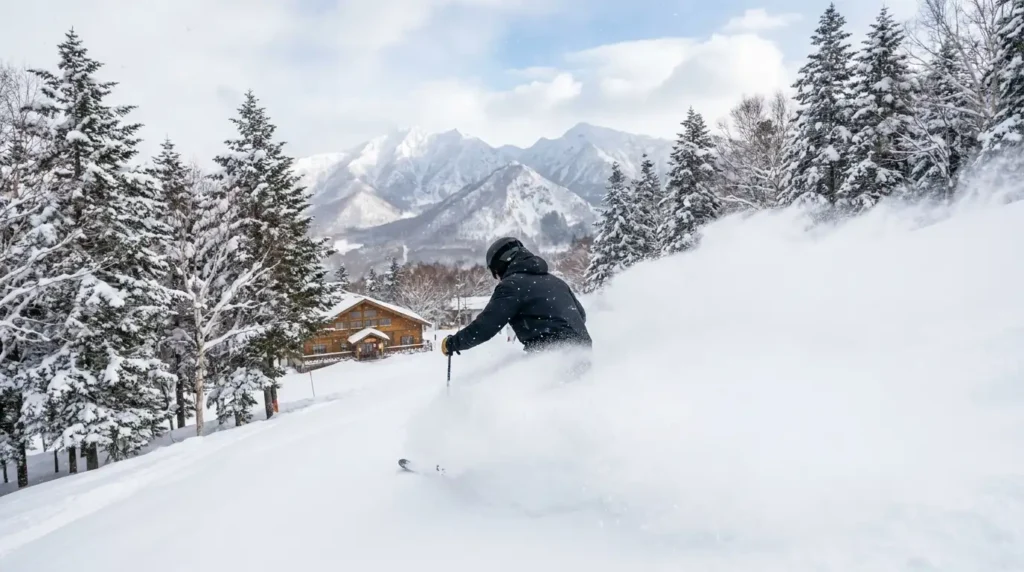
Why Visit During This Period? January is Hokkaido’s coldest month and its peak for snowfall, producing the light, dry powder “Japow” that the region is known for worldwide.
Weather Expect consistently cold conditions, generally in the teens to low 20s°F, with frequent, heavy snowfall driven by the Siberian cold air crossing the Sea of Japan.
Best Things to Do
- Ski or snowboard Niseko United’s deep powder terrain
- Try night skiing, which runs from mid-December through late March
- Soak in an onsen after a day on the mountain
- Explore Sapporo’s food scene as a city base or day trip
- Combine with Furano or Rusutsu for less-crowded terrain
Best For Skiers and snowboarders, especially those chasing powder over convenience.
Cost Expensive January is peak season for lift passes, accommodation, and flights.
Crowds Peak season; late January crowds swell further around Lunar New Year travel from other parts of Asia.
Getting There Fly into New Chitose Airport (CTS) near Sapporo, then bus or train to Niseko (roughly 2–3 hours).
Ideal Trip Length 5–7 days for a dedicated ski trip.
Where to Stay Hirafu village for the most ski-in/ski-out options and après-ski scene; quieter options in Annupuri or Higashiyama for a calmer base.
Watch Out For Snowfall this heavy means occasional lift closures for high wind or visibility, and accommodation for January books out many months in advance.
Editor’s Take If deep, reliable powder matters more to you than cost or crowds, January in Hokkaido delivers it more consistently than almost anywhere else on earth.
Practical Travel Information
Planning and Booking January is peak season for nearly every destination on this list tropical dry season, southern summer, and Japan’s powder window all overlap with the same calendar month.
Booking: First, book flights and accommodation at least 2–3 months ahead for Thailand, Costa Rica, and Vietnam. However, for New Zealand, Patagonia, and Niseko, it is better to plan 4–6 months ahead, especially during peak January travel periods.
Packing: Meanwhile, pack layers because temperatures can change quickly, even in warm destinations. For example, Chiang Mai, Marrakech, and Patagonia can all become noticeably cooler after sunset. Therefore, bring a light jacket or warm layer for evenings. In Hokkaido, however, prepare for sustained sub-freezing temperatures rather than a brief cold snap.
Transport: Likewise, consider domestic flights within Vietnam, New Zealand, and Argentina. Because major sights are often spread far apart, flying can be more practical than long overland journeys. In Costa Rica, on the other hand, rural roads can be rough even during the dry season. As a result, a 4WD can be worth the extra cost when traveling beyond major towns.
Holidays to Plan Around: Finally, check major holidays before confirming your itinerary. For instance, Tet, Vietnam’s Lunar New Year, falls in late January or February depending on the year. Consequently, transport and businesses may operate differently for several days. Be sure to check the exact Tet dates before booking Vietnam. Similarly, check the Marrakech Marathon and Chinese New Year dates, as both can affect travel conditions and crowds. In particular, Chinese New Year can increase crowds around Niseko.
Money-Saving Tip Where budget matters most, Vietnam and Morocco offer the strongest value for January travel; where budget matters least, Niseko and New Zealand carry the highest costs due to true peak-season demand.
Frequently Asked Questions
What is the warmest country to visit in January? Thailand and Vietnam’s southern regions both stay reliably in the 80s°F with minimal rain, making them the most consistently warm options on this list.
Where can I find both summer weather and long daylight hours in January? New Zealand and Argentina’s Patagonia are both in the middle of their summer, with daylight stretching well past 9 p.m. in parts of Patagonia.
Is January a good time to visit Costa Rica? Yes January is squarely in the dry season on the Pacific side, though the Caribbean coast remains rainier regardless of the month.
Is Vietnam cold in January? The north (Hanoi, Sapa) is genuinely cool, sometimes near freezing at higher elevations, while the south (Ho Chi Minh City, Phu Quoc) stays warm and dry.
Is January expensive for travel? It depends on the destination. Thailand, Vietnam, and Morocco stay relatively affordable even at peak demand; New Zealand, Patagonia, and Niseko see their highest prices of the year in January.
When is the Tet holiday in Vietnam? Tet follows the lunar calendar and shifts each year, typically landing in late January or February confirm the exact dates for your travel year before booking, since transport and lodging tighten significantly around it.
Is January a good time to ski in Japan? Yes January is Hokkaido’s coldest month and its peak for snowfall, making it the most reliable month for deep powder, though it’s also the most crowded and expensive.
Do I need a visa to visit these countries? Visa rules vary by nationality and change periodically, so confirm current requirements directly with each country’s official immigration source or your airline before booking.
Is Patagonia too windy to visit in January? Wind is a real factor January brings the strongest winds of the year in southern Patagonia, which can affect boat tours and exposed hikes, so build flexibility into your itinerary rather than a single-day plan.
Is Morocco cold in January? Daytime temperatures in Marrakech are mild, generally in the low-to-high 60s°F, but nights drop into the 40s°F, so evening layers are necessary.
What’s the best beach destination for January? Thailand’s southern islands (Koh Samui, Koh Phangan, Koh Tao) and Costa Rica’s Guanacaste and central Pacific coast both offer dry, warm beach conditions this month.
Should I avoid crowds by traveling in January? No January is peak season for most destinations on this list. However, if avoiding crowds matters more than perfect weather, November or March can be better choices. Moreover, many of these countries offer similar experiences during these shoulder-season months.

Gordon Ramsay is a travel writer and destination researcher who helps U.S. travelers plan smarter trips, covering destinations, seasonal trends, budgets, and logistics to help readers decide where—and when—to go.
Rather than simply listing popular places, Gordon Ramsay focuses on what travelers actually need: comparing weather against crowds, weighing costs and accessibility, and researching current conditions alongside official tourism guidance—delivering honest, practical advice without the hype.






1 thought on “Best Countries to Visit in January: Warm Beaches & Deep Powder”