A travel shoulder bag is a compact, cross body or over the shoulder bag designed to carry travel essentials like your passport, phone, and wallet while keeping your hands free. It’s smaller than a backpack, more secure than a tote, and fits under airline seats as a personal item. The best options balance comfort, storage, and theft resistant features for everyday travel.
What Is a Travel Shoulder Bag?
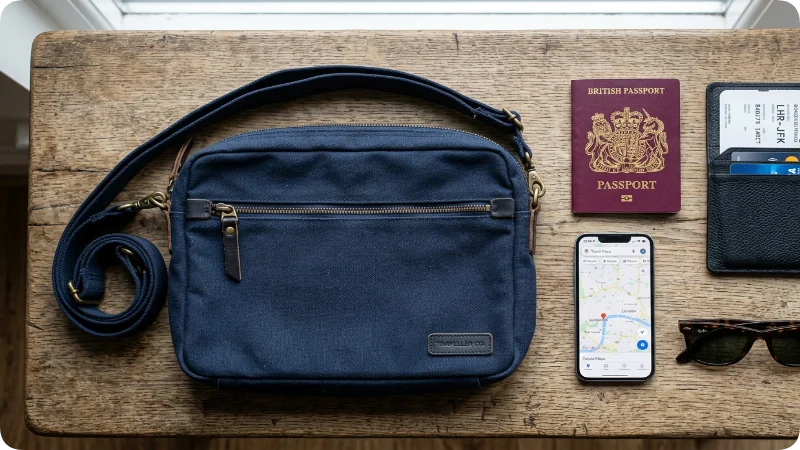
A travel shoulder bag is a mid size carry item worn across the body or on one shoulder, built specifically for movement through airports, cities, and tourist sites. Unlike a purse, it’s designed with organization in mind, featuring padded straps, RFID blocking pockets, and quick access compartments. Most travelers use it as a personal item alongside a carry on suitcase or backpack.
Travel shoulder bags typically range from 3 to 10 liters in capacity. That’s enough room for a phone, wallet, passport, sunglasses, a small water bottle, and a light jacket. They differ from daypacks because they sit closer to the body, making them harder for pickpockets to access in crowded areas.
Quick Facts Table
| Feature | Typical Range |
| Capacity | 3–10 liters |
| Weight (empty) | 0.5–2 lbs |
| Common materials | Nylon, canvas, leather, ripstop polyester |
| Average price range | $25–$150 |
| TSA personal item compliant | Yes, if under standard size limits |
| Best for | City walking, day trips, flights, commuting |
Prices and airline size rules change often, so always confirm current numbers on your airline’s website or with the Transportation Security Administration (TSA) before you fly.
Shoulder Bag vs. Backpack vs. Sling Bag: Which Is Best for Travel?
Choosing between a shoulder bag, backpack, or sling bag depends on how you travel rather than which style is “best.” Each serves a different purpose, and many experienced travelers use more than one during the same trip.
| Bag Type | Best For | Advantages | Limitations |
| Shoulder Bag | City travel, flights, sightseeing | Quick access, compact, personal item friendly | Limited capacity |
| Backpack | Long days, hiking, digital nomads | Carries heavier loads comfortably | Slower access to essentials |
| Sling Bag | Minimalist travel, short outings | Lightweight and secure | Fits fewer items |
A travel shoulder bag is often the sweet spot for vacations because it holds everyday essentials without encouraging overpacking. If your itinerary includes long hikes or carrying a laptop all day, a backpack may be the better choice, while a sling bag suits travelers who only need the basics.
Why You Need a Travel Shoulder Bag for Your Next Trip
A travel shoulder bag solves the problem of digging through a large backpack for your passport at security. It keeps essentials within arm’s reach while your main luggage stays packed away. This matters most during flights, train transfers, and museum visits where quick access counts.
Many experienced travelers treat it as their “go bag,” the one item they’d grab if luggage were lost or delayed. It holds documents, chargers, medication, and cash separately from checked bags, adding a layer of backup planning to any trip.
Types of Travel Shoulder Bags
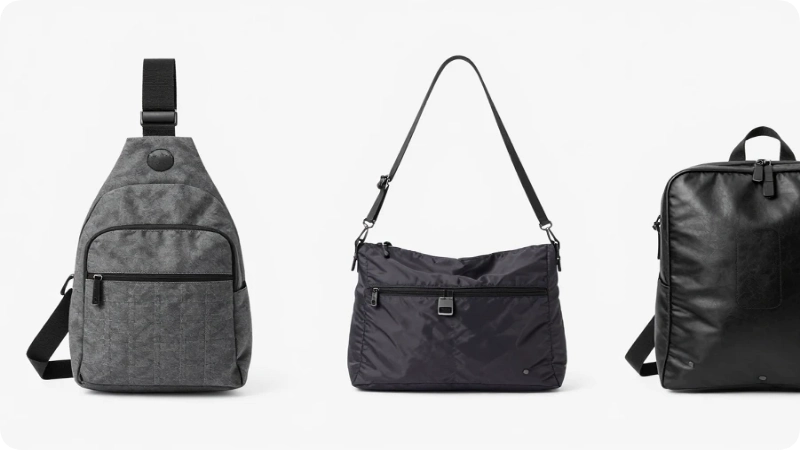
Not all shoulder bags serve the same purpose, and picking the wrong type is one of the most common packing mistakes.
Cross Body Sling Bags
These sit diagonally across the chest or back, distributing weight evenly. They’re popular in cities like New York, Chicago, and San Francisco where walking and public transit dominate.
Anti Theft Travel Bags
Built with slash resistant fabric, lockable zippers, and hidden pockets. These are worth considering for crowded destinations like Times Square, Fisherman’s Wharf, or major festivals.
Convertible Bags
Some models switch between shoulder, waist, and backpack straps. This flexibility suits multi activity trips, such as combining a city tour with a hiking day.
Leather Travel Totes
Favored for business travel or upscale trips, these lean stylish over technical but usually offer less weather resistance.
Key Features to Look For
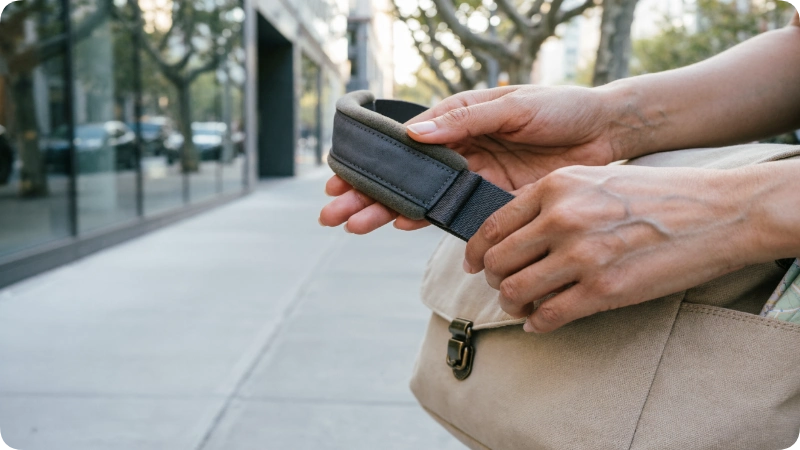
The right features depend on your travel style, but a few consistently matter across trip types. Look for adjustable padded straps, water resistant fabric, RFID blocking pockets, and a secure zipper system.
- Lockable or hidden zippers to deter pickpockets
- A padded compartment for phones or small tablets
- Breathable back panel for warm climates
- A trolley sleeve to slide over a suitcase handle
- Reflective strips for nighttime visibility
Skip bags with only one large compartment. Multiple smaller pockets make security checks and quick grabs far easier.
Best Materials for Durability and Weather Resistance
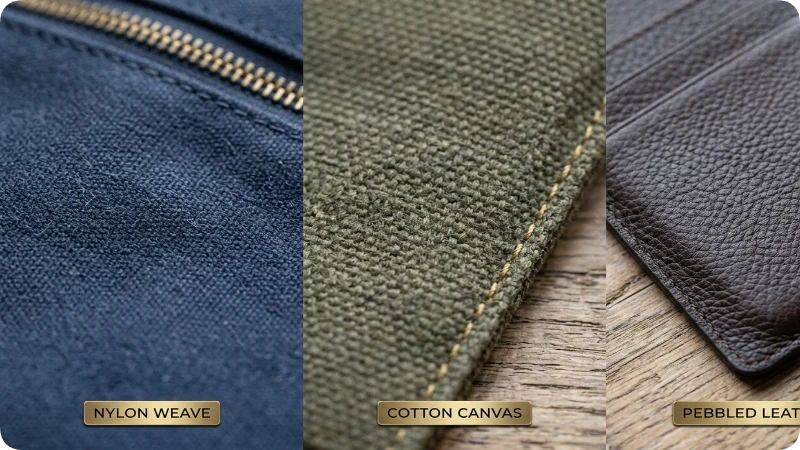
Material choice affects how a bag holds up across a full trip, especially in unpredictable weather. Ripstop nylon and coated polyester resist rain and abrasion better than canvas or untreated leather.
| Material | Pros | Cons |
| Nylon | Lightweight, water resistant, durable | Can look casual |
| Canvas | Sturdy, classic look | Heavier, absorbs moisture |
| Leather | Stylish, long lasting | Expensive, needs upkeep |
| Polyester blends | Affordable, easy to clean | Less premium feel |
For destinations with frequent rain, such as the Pacific Northwest or Florida’s summer storm season, prioritize a bag with sealed seams and a rain cover option.
Are Waterproof Travel Shoulder Bags Worth It?
A waterproof or highly water-resistant shoulder bag can make a noticeable difference if your trip includes rainy destinations, boating excursions, or outdoor sightseeing. While most travelers won’t need a fully waterproof dry bag, a water-resistant fabric with coated zippers provides enough protection for everyday travel.
If you’re visiting destinations known for frequent rain, such as the Pacific Northwest, the United Kingdom, or tropical regions during the wet season, keeping electronics and travel documents dry becomes much easier with weather-resistant materials.
For mostly dry climates or urban trips, standard nylon or polyester is usually sufficient, especially when paired with a compact rain cover or waterproof document pouch.
How to Choose the Right Size
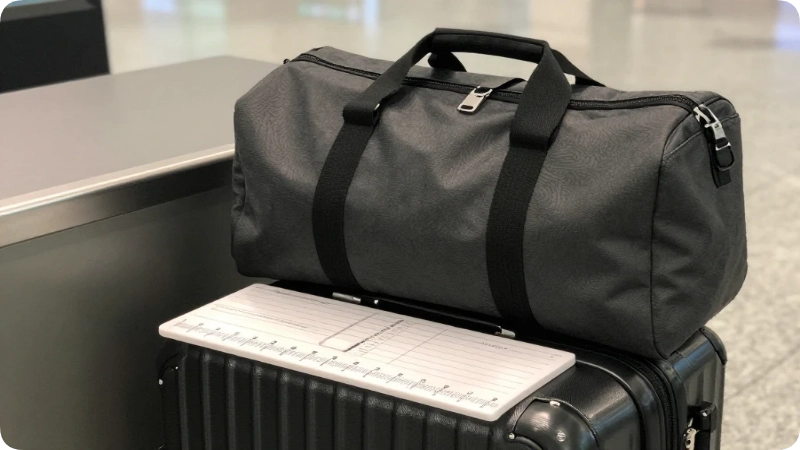
Size determines if your bag qualifies as a personal item or gets flagged as a second carry on. A good travel shoulder bag stays under 15 x 11 x 6 inches to comfortably meet most U.S. airline personal item limits, though exact rules vary by carrier.
Think about what you’ll actually carry daily. A city day trip needs less room than a bag meant to hold a light jacket, snacks, and a paperback. Oversized bags feel like a second backpack and defeat the purpose of a quick access travel companion.
What Can You Fit Inside a Travel Shoulder Bag?
Even a compact travel shoulder bag can hold more than most travelers expect when packed efficiently. A typical 5 to 8-liter bag comfortably carries the items most people reach for throughout the day.
A well-packed shoulder bag can usually fit:
- Passport and travel documents
- Smartphone and power bank
- Wallet and keys
- Sunglasses in a protective case
- Compact umbrella
- Small reusable water bottle
- Travel-sized sunscreen
- Medication
- Lightweight rain jacket or scarf
- Snacks for flights or sightseeing
Rather than filling every pocket, leave a little extra room for items you collect during the day, such as tickets, souvenirs, or a small purchase from a local market.
TSA Rules for Travel Shoulder Bags
Security screening rules apply to shoulder bags the same way they apply to any carry on. The TSA requires liquids in containers of 3.4 ounces or less, placed in a single quart size bag, and electronics larger than a phone removed for X ray screening.
- Keep laptops and tablets in an easily accessible pocket
- Avoid packing sharp tools, even small scissors, in checked personal items
- Check the current TSA guidelines before departure, since rules are updated periodically
Because airline personal item policies differ from TSA rules, always verify size limits directly with your airline in addition to checking TSA.gov.
Best Travel Shoulder Bags for Different Travel Styles
Different trips call for different bag priorities, and matching style to prevent overpacking or under preparing.
For Solo Travelers
Prioritize anti theft features and a slim profile that doesn’t scream “tourist” in unfamiliar neighborhoods.
For Families
Look for extra pockets to hold snacks, wipes, and a spare kid’s item, plus a wider strap for comfort during long walking days.
For Business Trips
Choose a structured leather or canvas hybrid that fits a tablet and looks professional walking into a meeting straight from the airport.
For Outdoor and Adventure Trips
A water resistant sling with a hydration compatible pocket works well for day hikes near destinations like national park visitor centers.
Budget Breakdown: What to Expect at Each Price Point
Spending more doesn’t always mean better quality, but budget tiers do reflect real differences in materials and construction. Entry level bags around $25–$40 work for occasional travelers, while $60–$150 options typically add better zippers, RFID protection, and reinforced stitching.
- Under $40: Basic nylon, fewer compartments, shorter lifespan
- $40–$80: Improved hardware, anti theft features, brand warranties
- $80–$150+: Premium materials, refined organization, longer durability
Watch for seasonal sales around major shopping periods, and always check return policies since fit and comfort vary by body type.
Is an Expensive Travel Shoulder Bag Worth Buying?
A higher price doesn’t automatically guarantee a better travel bag, but premium models often include stronger materials, smoother zippers, reinforced stitching, and longer warranties. Travelers who take only one or two trips each year may be perfectly satisfied with a mid-range option, while frequent flyers often appreciate the durability of a premium bag after years of regular use.
Before paying more, consider whether the additional features solve a real travel problem. Anti-theft protection, waterproof construction, or extra organization can justify the cost if you’ll use them regularly. Paying for luxury branding alone may not deliver the same long-term value.
How to Pack a Travel Shoulder Bag Efficiently
Smart packing turns a small bag into a highly functional travel tool. Place heavier items like chargers and battery packs closest to your back for balance, and keep documents in a top accessible pocket.
- Passport and boarding pass in the outermost pocket
- Phone and wallet in a zippered, quick reach compartment
- Chargers and cables in a small pouch to avoid tangling
- A light layer or scarf folded flat along the back panel
- Snacks or a collapsible water bottle in a side pocket
This layout keeps security lines moving and avoids the frustration of unpacking everything to find one item.
Daily Organization Tips While Traveling
Keeping your shoulder bag organized throughout the trip is just as important as packing it correctly before departure. Small habits throughout the day save time and reduce the chances of losing valuables.
Consider creating dedicated zones inside the bag. Keep travel documents in one pocket, electronics in another, and everyday items like sunglasses or lip balm in an easy-to-reach compartment. At the end of each day, remove receipts, empty water bottles, and unnecessary brochures so the bag stays light and organized for the next outing.
Many experienced travelers also perform a quick “passport, phone, wallet” check every time they leave a restaurant, taxi, or hotel room. This simple routine prevents some of the most common travel mishaps.
Styling Tips: Wearing Your Shoulder Bag Comfortably
Comfort over a full travel day matters as much as style. Wear the strap across the body rather than on one shoulder for long walking days, since even weight distribution reduces back and neck strain.
Adjust the strap length so the bag sits at hip level, keeping hands free and the bag close enough to deter grabs. Rotating the bag slightly to the front in crowded transit stations adds an extra layer of security without looking overly cautious.
Common Mistakes Travelers Make
Even seasoned travelers fall into a few avoidable traps when choosing or using a shoulder bag.
- Choosing style over function, a beautiful bag with no security features is an easy target. Fix: prioritize lockable zippers first, aesthetics second.
- Overpacking the bag cramming too much defeats the “quick access” purpose. Fix: pack only same day essentials.
- Ignoring airline size rules an oversized personal item can get gate checked unexpectedly. Fix: measure the bag before departure day.
Care and Maintenance Tips
A little upkeep extends a travel shoulder bag’s usable life well beyond a single trip. Spot clean fabric bags with mild soap and water, and condition leather bags every few months to prevent cracking.
Air dry bags fully before storage to avoid mildew, and empty all pockets between trips so forgotten receipts or snacks don’t damage interior lining over time.
How Long Does a Quality Travel Shoulder Bag Last?
The lifespan of a travel shoulder bag depends on the materials, construction quality, and how often it’s used. A well-made nylon or polyester bag used for several vacations each year can often last five to ten years with basic care, while premium leather models may last even longer if properly maintained.
Simple habits such as avoiding overloading, cleaning the bag after dusty trips, and storing it in a cool, dry place help preserve zippers, straps, and stitching. Replacing a worn shoulder strap or zipper early is usually far less expensive than replacing the entire bag.
Alternatives to a Travel Shoulder Bag
A shoulder bag isn’t the right fit for every traveler, and knowing the alternatives helps match gear to trip type.
- Fanny packs / waist bags: Better for hands free hiking or amusement parks
- Daypacks: Better for longer excursions needing more gear
- Structured totes: Better for business trips prioritizing a polished look
- Techwear slings: Better for minimalist packers who want one strap and maximum access
If your trip involves heavy walking with camera gear or a laptop, a daypack may outperform a shoulder bag on comfort over distance.
Best Travel Shoulder Bag for Different Destinations
The ideal shoulder bag often depends on where you’re traveling rather than how long you’re away.
For large cities, anti-theft features and slim designs help in crowded streets and public transportation. Beach vacations benefit from lightweight, water-resistant materials that handle sand and occasional splashes. National parks and outdoor destinations usually call for bags with stronger fabrics, breathable back panels, and room for snacks and a reusable water bottle.
Matching your bag to the destination often improves comfort more than simply buying the most expensive model available.
Responsible and Sustainable Choices
Choosing a well made bag reduces waste from frequent replacements. Look for brands using recycled nylon, non toxic dyes, and repair or warranty programs, which extend product life and reduce landfill contribution from fast fashion travel gear.
Buying one durable, versatile bag instead of several trip specific ones also lightens your overall packing footprint, both literally and environmentally.
Instagram Ready Travel Captions for Your Shoulder Bag Moments
A few short caption ideas for posts featuring your travel gear or on the go city shots:
- “Passport, coffee, and wherever the day leads.”
- “Light bag, big plans.”
- “Hands free, heart full.”
- “Just me and my everyday carry.”
- “Wandering with the essentials only.”
Common Buying Mistakes to Avoid
Many travelers spend more time comparing colors than comparing practical features. Avoiding a few common mistakes can lead to a bag you’ll enjoy using for years.
- Buying a bag that’s larger than necessary, encouraging unnecessary packing.
- Ignoring strap comfort, especially if you’ll walk several miles each day.
- Choosing fashion over security when visiting crowded destinations.
- Forgetting to check airline personal-item dimensions before purchasing.
- Filling every compartment before leaving home, leaving no room for items picked up during the trip.
A few minutes spent comparing size, comfort, and organization usually pays off far more than focusing only on appearance.
FAQs
Is a travel shoulder bag allowed as a personal item on flights?
Yes, most travel shoulder bags qualify as a personal item if they stay within standard size limits, typically around 15 x 11 x 6 inches. Always confirm exact dimensions with your specific airline before departure, since policies vary.
What’s the difference between a travel shoulder bag and a purse?
A travel shoulder bag is built for function first, with padded straps, security features, and organized compartments. A purse prioritizes style and often lacks anti theft design or weather resistance.
How much should I spend on a travel shoulder bag?
Budget travelers can find reliable options between $25 and $40, while $60 to $150 typically buys better materials, RFID protection, and sturdier hardware. Price should match how often you travel.
Are anti theft travel bags actually necessary?
They’re not mandatory, but they add real value in crowded tourist areas prone to pickpocketing. Features like lockable zippers and slash resistant fabric offer peace of mind without much added weight.
Can I wear a travel shoulder bag while hiking?
It works for short, light walks but isn’t ideal for longer hikes carrying water, snacks, and layers. A daypack distributes weight more evenly for extended outdoor activity.
What size travel shoulder bag do I need for a day trip?
A 5 to 8 liter bag usually covers a full day out, holding a phone, wallet, light jacket, and a small water bottle without feeling bulky.
How do I stop my shoulder bag from sliding around?
Adjust the strap so the bag sits snugly at hip level, and choose a bag with a non slip strap pad or textured shoulder panel to prevent shifting during movement.
Can a travel shoulder bag fit under an airplane seat?
Yes. Most travel shoulder bags are designed to fit under the seat in front of you as a personal item, though dimensions vary by airline. Always confirm your airline’s current size limits before flying.
Is a travel shoulder bag good for international travel?
Yes. Many international travelers prefer shoulder bags because they keep passports, money, and phones close to the body while allowing quick access during airport security, train rides, and sightseeing.
Should you wear a travel shoulder bag in front or behind you?
In crowded places such as airports, train stations, and busy tourist attractions, wearing the bag across the front of your body provides better security and makes it more difficult for pickpockets to access your belongings.
Final Takeaways
A great travel shoulder bag comes down to three things: the right size for airline compliance, security features that match your destination, and materials suited to your trip’s climate. Getting these three right means fewer packing headaches and more time enjoying the trip itself.
if it’s a quick weekend getaway or a longer cross country adventure, the right bag turns “where did I put my passport” into a non issue. Take a little time before your next trip to match your bag to your itinerary, and travel light, secure, and ready for whatever the day brings.

Gordon Ramsay is a travel writer and destination researcher who helps U.S. travelers plan smarter trips, covering destinations, seasonal trends, budgets, and logistics to help readers decide where—and when—to go.
Rather than simply listing popular places, Gordon Ramsay focuses on what travelers actually need: comparing weather against crowds, weighing costs and accessibility, and researching current conditions alongside official tourism guidance—delivering honest, practical advice without the hype.