
Ever wondered why some travelers get free room upgrades, lower hotel rates, and better service, while others pay more for the same stay?
Hotel prices and room quality often depend on small decisions that many travelers overlook. The right hotel travel tweaks can help you save money, avoid unnecessary fees, request better rooms, and enjoy a more comfortable stay without spending extra.
From comparing booking options and using loyalty programs to making smarter check-in requests, these simple strategies can improve your hotel experience on almost any trip.
In this guide, you’ll discover practical hotel travel tweaks that help you find better rates, maximize hotel benefits, and make smarter decisions before and during your stay.
Hotel Travel Tweaks That Help You Save Money and Improve Your Stay
| Tweak | Time Required | Potential Saving or Gain |
| Book direct after comparing | 5 minutes | 5–15% discount + perks |
| Call to request an upgrade | 2 minutes | Free room upgrade |
| Check in late on weekdays | 0 extra time | Better room selection |
| Join free loyalty tiers | 10 minutes | Points, upgrades, late checkout |
| Use incognito mode to search | 30 seconds | Lower displayed prices |
| Ask about unadvertised rates | 1 phone call | AAA, military, corporate discounts |
| Book shoulder season | Planning stage | 20–40% cheaper nightly rate |
| Request a quiet room at booking | 1 email | Better sleep, better experience |
Hotel Travel Tweaks Checklist
Before Booking
Compare prices
Book direct
Join loyalty Read cancellation policy
Check hidden fees
Request quiet room
Verify location
At Check-in
Ask politely about upgrades
Confirm breakfast
Ask about parking
Request late checkout
What Are Hotel Travel Tweaks?
Hotel travel tweaks are small booking strategies and travel habits that help you save money, avoid unnecessary fees, choose better rooms, and enjoy a smoother hotel stay.
Unlike traditional travel hacks, these tweaks don’t rely on luck. They focus on smart booking decisions, effective communication with hotel staff, and making the most of hotel loyalty programs and available amenities.
Even using just a few of these techniques can noticeably improve your travel experience without increasing your budget.
Related Hotel Travel Search Terms
Some travelers use different search phrases when looking for hotel deals, discounts, or booking advice. Regardless of the term used, the goal is usually the same: finding better hotel rates, understanding available options, and getting more value from a hotel stay.
When searching for hotel offers online, always check the credibility of the website, compare prices across multiple sources, and review the final booking details before making a reservation.
Why These Travel Tweaks Hotels Actually Work
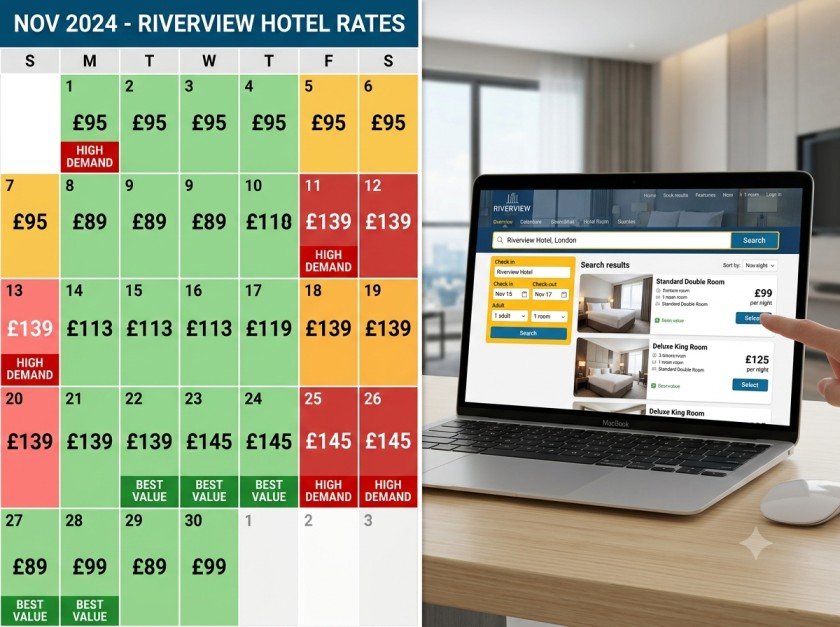
Hotels operate on yield management, the same pricing logic airlines use. Nightly rates shift dozens of times based on demand, occupancy, day of week, and how far out you book. A room that costs $189 on a Saturday in July might cost $94 on a Tuesday in September same hotel, same room type.
Understanding this one fact changes how you approach hotel booking entirely. You stop treating the listed price as fixed and start treating it as a starting point. From there, every tweak below moves that number in your favor, or improves your experience at the same price.
How Hotels Actually Decide Room Prices
Hotels don’t set one fixed price for every room. Instead, most properties use revenue management software that adjusts rates based on demand, occupancy, local events, holidays, booking pace, competitor pricing, and even cancellation trends. This means the same room can increase or decrease in price several times within a single day.
For example, a downtown hotel charging $180 on a quiet Tuesday may raise that same room to $320 when a concert, convention, or sporting event fills nearby hotels. Understanding this dynamic helps travelers recognize that published prices are constantly changing rather than permanently fixed.
Instead of checking prices only once, compare rates over several days, monitor price changes before your cancellation deadline, and use flexible booking options whenever possible. Small timing adjustments often produce larger savings than searching for coupon codes.
The Best Time to Book a Hotel Room in the USA
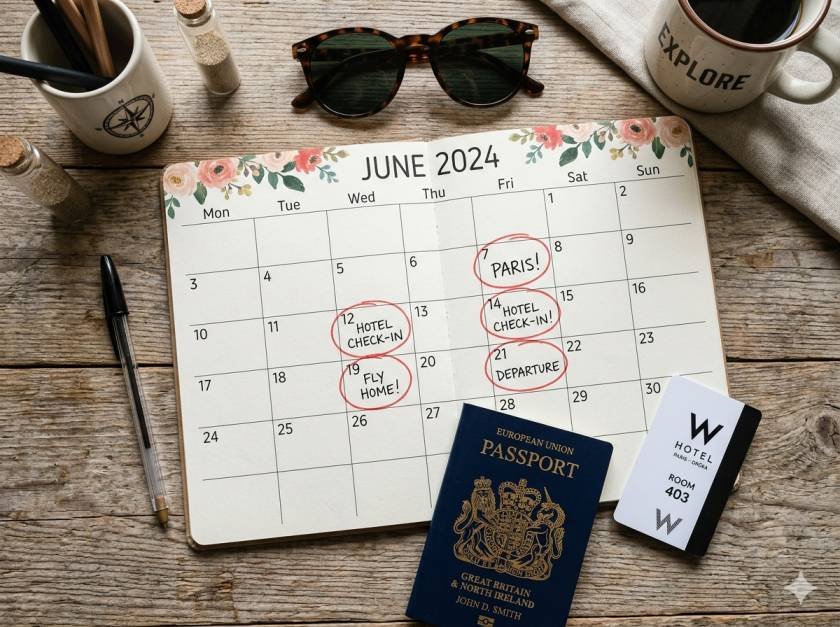
The sweet spot for most domestic hotel bookings is 3 to 5 weeks out for leisure travel, and 1 to 2 weeks out for business travel. Booking too early often means paying higher initial rates before discounts are released. Booking last minute is a gamble occasionally it pays off, but it frequently means paying surge pricing or accepting whatever is left.
Here is how the booking window breaks down:
Booking 60 or more days out is best for peak season destinations think New Orleans during Mardi Gras, Nashville in the summer, or national park gateway towns like Moab, Utah or Gatlinburg, Tennessee. Supply at these places genuinely runs out.
Booking 3 to 5 weeks out is the sweet spot for most city hotels, beach towns in the shoulder season, and standard leisure travel. Hotels in this window often release promotional rates to fill remaining inventory.
Booking 1 to 7 days out works well in large cities with abundant hotel supply places like Chicago, Dallas, or Atlanta where last minute deals appear regularly on apps like HotelTonight.
Insider tip: Sunday and Monday nights are statistically the cheapest nights to check in at most U.S. hotels. Weekend business dies down, and hotels discount aggressively. If your itinerary has any flexibility, shifting a Monday check in instead of Saturday can cut 20 to 30 percent off your nightly rate.
How Hotel Pricing Actually Works
Hotels don’t use fixed prices. Instead, most properties rely on dynamic pricing software that adjusts room rates based on occupancy, local events, seasonality, competitor pricing, and booking demand. This is why the exact same room can cost significantly different amounts from one day to the next.
Several factors influence pricing:
- Local concerts, conventions, and sporting events
- School holidays and public holidays
- Day of the week
- Booking window
- Remaining room inventory
- Cancellation activity
Understanding dynamic pricing helps travelers avoid assuming that today’s price is the lowest available. Tracking rates over several days and comparing multiple booking channels often leads to better value.
Hotel Booking Timeline: What to Do 90, 30, 7, and 1 Day Before Arrival
Breaking the booking process into stages helps travelers avoid rushed decisions and take advantage of changing hotel prices.
90+ days before arrival
Reserve hotels for destinations with limited inventory, holidays, major festivals, national parks, or international trips where availability disappears quickly.
30 days before arrival
Compare current rates with your original booking. If prices have dropped and your reservation is refundable, cancel and rebook at the lower rate.
7 days before arrival
Call the hotel directly to confirm your reservation, verify special requests, and ask whether any additional member rates or promotional packages have become available.
1 day before arrival
Complete online check-in if available, verify arrival time, and politely remind the hotel of any room preferences such as higher floors, quiet locations, or accessibility requests.
Book Direct vs. Third Party: Which Is Actually Cheaper?
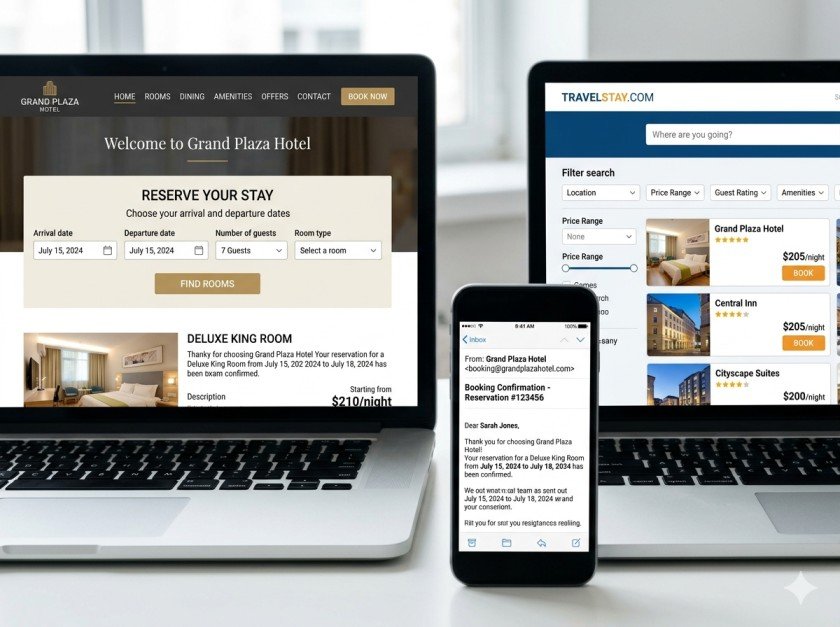
The honest answer: compare both, then book direct.
Use third party sites like Expedia, Hotels.com, Booking.com, and Google Hotels to compare prices and read reviews. Then visit the hotel’s own website or call the front desk and ask if they can match or beat the rate.
Most major hotel chains Marriott, Hilton, Hyatt, IHG, Wyndham have best rate guarantees. They will match a lower third party price and usually throw in extras: complimentary breakfast, resort credit, free Wi Fi, or early check in. You get the lower price AND the loyalty points. That is a straightforward win.
Independent boutique hotels, which are common along popular routes like California’s Pacific Coast Highway or in neighborhoods like Nashville’s East Side, are often even more flexible. A direct phone call to a boutique property can yield a room upgrade, a free parking spot, or a welcome bottle of wine things no OTA (online travel agency) can offer.
What the OTAs don’t advertise:
Third-party booking websites can be useful for comparing prices and options. However, booking directly with a hotel may provide additional benefits, such as loyalty points, easier communication, and access to member-only offers depending on the hotel brand. Direct bookings and loyalty membership may provide additional benefits depending on the hotel’s policies and availability, faster service, and more flexibility during high occupancy nights. The price difference may be small. The experience difference often is not.
When Third-Party Booking Sites Make More Sense
Although booking directly often provides better flexibility and loyalty benefits, third-party travel websites still have situations where they offer better overall value.
You may benefit from using an OTA when:
- Booking flights and hotels together as a vacation package
- Redeeming travel portal rewards or credit card points
- Finding independent hotels without direct booking systems
- Comparing dozens of hotels quickly in one search
Before completing any reservation, compare:
- Final price after taxes
- Cancellation policy
- Breakfast inclusion
- Resort fees
- Parking charges
- Loyalty eligibility
Sometimes the lowest advertised rate becomes more expensive once mandatory fees are added.
When Paying More for a Hotel Actually Saves Money
Many travelers focus only on nightly rates instead of total trip costs. A hotel charging $25 more per night may actually be the better value if it includes breakfast, airport transportation, parking, or resort credits that would otherwise cost significantly more elsewhere.
For families, free breakfast alone can save $40–$80 each morning, while complimentary parking in major cities can reduce daily expenses by another $30–$60. Comparing the complete value of a stay instead of just the room rate often leads to smarter booking decisions.
How to Use Hotel Loyalty Programs Without Overthinking Them
Loyalty programs sound complicated, but the basic moves are simple and free. Sign up for the loyalty program of whichever chain you stay at most, even if you travel only a few times a year. Even the lowest free tier unlocks benefits that casual travelers never see.
Marriott Bonvoy, Hilton Honors, World of Hyatt, IHG One Rewards, and Wyndham Rewards are the five largest programs in the United States. Each offers a free tier with at least some version of the following: points per dollar spent, room upgrade requests, late checkout (when available), and member only rates.
The underrated move: Hyatt’s World of Hyatt program is widely considered to offer the best value per point in the industry, particularly for travelers who stay at boutique and lifestyle properties. If you do not have a strong chain preference, Hyatt is worth building first.
Points strategy in short: do not obsess over earning points as cash back. Use them for high value redemptions peak season nights at premium properties where the cash rate is highest. A night that costs $400 in cash often redeems for the same points as a $150 night. That is where the real value lives.
Hotel Credit Cards: Are They Worth It?
Frequent travelers often overlook hotel-branded credit cards, but they can provide valuable benefits beyond earning points.
Depending on the card, benefits may include:
- Automatic elite status
- Annual free-night certificates
- Complimentary breakfast
- Late checkout
- Statement credits
- Travel insurance protections
However, hotel credit cards only make sense if you regularly stay with one hotel brand. Occasional travelers should compare them against general travel rewards cards that provide more flexibility.
The Check In Conversation That Gets You a Better Room
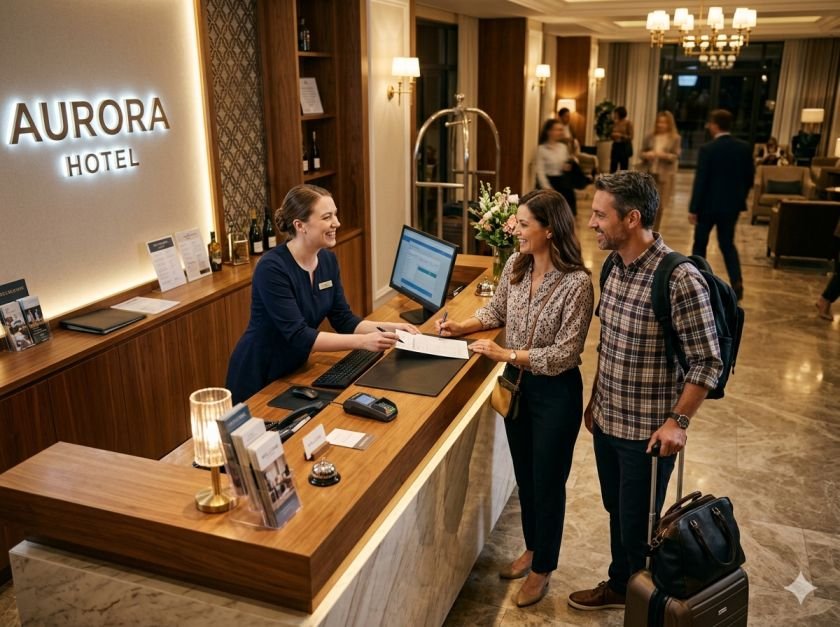
Most hotel guests walk up to the front desk, hand over a credit card, and accept whatever key they are given. A tiny change in that interaction can significantly improve your room.
When you arrive, greet the front desk agent by name if their tag is visible. Be friendly, not demanding. Then say something like: “I know it depends on availability, but if there is a higher floor or a quieter room available, I would really appreciate it.” That is it. No complaints, no entitlement, just a polite ask.
This works more often than most travelers realize. Room upgrades depend on availability, hotel policies, and current occupancy levels. However, a polite request at check-in can sometimes help you receive a better room, such as a quieter location, higher floor, or preferred room type when options are available. A friendly conversation with hotel staff is often more effective than making a demanding request.
The timing factor: Weekday evenings and late afternoon check ins often have the best upgrade availability. The morning rush has cleared, staff are less stressed, and there is still room inventory to work with. Checking in on a Friday evening during peak season is the worst time everything worth having is already assigned.
Finding Unadvertised Hotel Discounts Most Travelers Miss
Hotels extend discounts they do not advertise prominently. You have to ask.
AAA membership gets 5 to 15 percent off at most major U.S. hotel chains. AARP members receive similar discounts. Active military and veterans can access substantial discounts through programs at Marriott, Hilton, and IHG always ask at booking. Government and federal employees have access to per diem rates that are often below public rates. Many hotels also offer corporate rates to anyone who simply asks, even individual travelers.
The rate code trick: When booking by phone, ask the reservationist to check all available rate codes for your dates. They have access to promotional rates, employee friend and family rates, and package deals that do not always surface on the website. Not all agents will walk through this, but many will especially at independent properties.
Compare Hotel Prices Without Relying on One Search: Hotel prices can change frequently because of demand, availability, season, and booking dates. Some travelers compare prices using different browsers or devices to check whether rates vary. However, the best way to find a good deal is to compare multiple booking sources, check the hotel’s official website, and look at the total cost including taxes and fees.
Seasonal Comparison: When to Visit for the Best Hotel Rates
| Season | Typical Rate Level | Crowds | Best For |
| Peak (summer, major holidays) | Highest | Heavy | Families on school schedule |
| Shoulder (spring, fall) | Moderate | Moderate | Best value + good weather |
| Off season (winter, excluding holidays) | Lowest | Light | Budget travelers, couples |
| Last minute (under 72 hours) | Variable | Variable | Flexible solo travelers |
Shoulder season is the single best value in U.S. travel. Destinations like Savannah, Georgia; Sedona, Arizona; and the Great Smoky Mountains National Park area in Tennessee and North Carolina offer dramatically lower hotel rates in April, May, September, and October with weather that is often better than summer.
The exception is ski destinations in Colorado and Utah, where shoulder season means late spring mud and closed lifts. For places like Vail, Aspen, Breckenridge, and Park City, book either peak ski season or summer, not the weeks between.
The Right Way to Request Special Accommodations
Guests with accessibility needs, health conditions, or strong preferences about room location should always communicate those needs directly to the hotel, not through a third party OTA notes field.
Call the hotel directly at least 48 hours before arrival and speak to a guest services agent. Explain your need simply and specifically: a roll in shower, a ground floor room, a room away from the pool, a room with a refrigerator. Hotels are required under the Americans with Disabilities Act (ADA) to provide accessible accommodations, and most properties beyond budget motels go further to accommodate any reasonable request with enough notice.
Document your requests. Send a follow up email to the hotel after your call so there is a written record. This small step prevents miscommunication and ensures your request does not get lost between booking and arrival.
Hidden Fees to Watch Before You Book
Before You Book
- Best booking time
- OTA vs Direct
- Loyalty
- Discounts
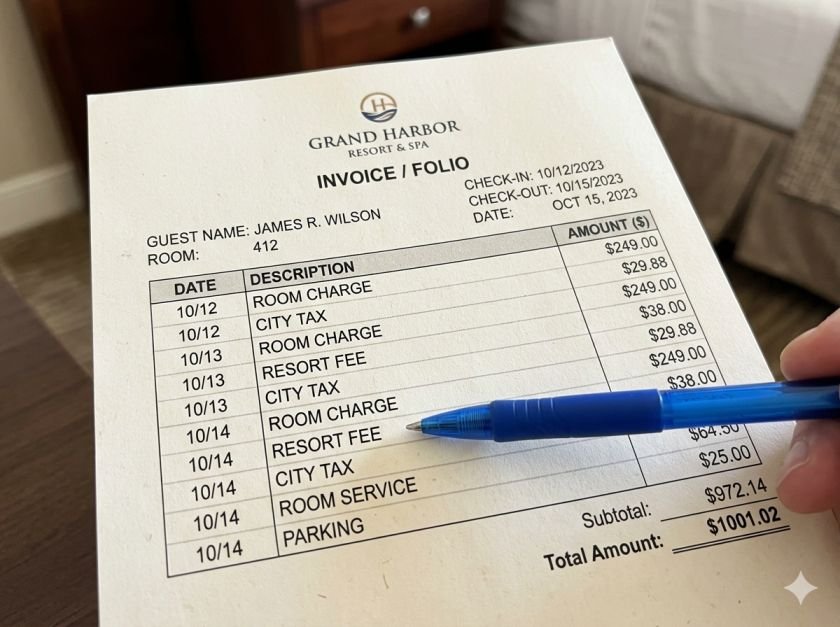
Resort fees are one of the biggest quiet costs in U.S. hotel travel. A hotel advertising $119 per night might carry a $45 resort fee, making the true cost $164 before taxes. As of recent years, the Federal Trade Commission (FTC) has pushed for greater transparency in hotel fee disclosure check FTC.gov for the latest on junk fee regulations but in the meantime, always scroll to the bottom of a hotel’s booking page before confirming.
Common hidden or add on fees to check:
Resort fees (especially in Las Vegas, Miami, and Hawaii hotel markets) cover amenities you may never use. Parking fees in cities like New York, San Francisco, and Chicago can run $50 to $80 per night at downtown hotels. Early check in and late checkout fees are common but negotiable with status. Wi Fi fees are now rare at major chains but still appear at some independent hotels.
The fix: Before booking, Google “[hotel name] resort fee” to find the current fee. Call the hotel if unclear. Factor all fees into your comparison before deciding between properties.
Questions to Ask the Hotel Before Arrival
A two-minute phone call before your trip can prevent unexpected surprises.
Consider asking:
- Is parking complimentary?
- Are there any resort or destination fees?
- Is breakfast included?
- What time is housekeeping available?
- Is luggage storage available after checkout?
- Are early check-in or late checkout options available?
- Is the pool or fitness center currently open?
These questions often reveal costs or service limitations that booking websites don’t clearly explain.
Packing Tweaks That Make Hotel Stays Better
What you bring affects how much you enjoy a hotel stay, regardless of the room quality.
A small power strip or travel surge protector solves the universal problem of too few outlets near the bed. Most hotel rooms have two or three accessible outlets for two or more people a compact power strip eliminates the nightly negotiation. Note that some hotels, particularly higher end properties, have policies against power strips, so a travel adapter with USB ports is the safer and more accepted option.
A door wedge or portable door lock adds security in any hotel, from budget roadside motels to mid range chains. This is especially worth carrying for solo travelers and families with children. The TSA has no restrictions on carrying these items.
A white noise app or a small Bluetooth white noise device handles noisy hallways, street traffic, and thin walls a consistent problem at urban hotels. Free apps like Rain Rain or Calm work fine. The physical devices sold by LectroFan and Marpac Dohm are better for sensitive sleepers.
A reusable water bottle saves money and plastic. Minibar water bottles at U.S. hotels run $5 to $8 each. Filling a bottle at the ice machine or a water fountain costs nothing.
5 Insider Tips From Experienced Hotel Travelers
1. Call the hotel 24 to 48 hours before arrival. Confirm your reservation, reiterate any room preferences, and simply make your presence known. Guests who have communicated directly with the property before arrival are more memorable and more likely to receive attentive service.
2. Ask for a complimentary upgrade on your check in anniversary, birthday, or honeymoon and let them know in advance. Hotels celebrate guests when they know the occasion. Front desk staff cannot offer what they do not know about. A brief note in your reservation or a mention at check in can result in a room upgrade, a bottle of wine, or a simple handwritten card. It costs nothing to mention it.
3. The last room of the day is often the best available. Hotels that still have rooms to sell late in the evening (after 9 or 10 p.m.) will sometimes offer a significant verbal discount at the desk, particularly at independent properties. This works best as a walk in strategy in cities with plentiful hotel supply.
4. Loyalty status transfers more than you think. If you have status with one hotel chain, call a competitor you want to try and ask about a status match or challenge. Many chains including Hyatt, Marriott, and Hilton have run status match promotions, especially when you are a new customer switching from a competitor.
5. The breakfast add on is almost never worth buying at booking. Hotel breakfast packages bundled at the time of booking are priced at a premium. Compare the bundled rate to the a la carte price listed on the hotel’s restaurant menu (usually available on their website). In most cases, paying separately is cheaper, and you have the option to skip breakfast on mornings when you want to explore the local area instead.
Hotel Etiquette That Can Improve Your Stay
Many travelers focus on saving money but overlook how respectful behavior often leads to better service.
Simple etiquette includes:
- Arriving with realistic expectations during busy periods
- Treating hotel staff politely
- Reporting maintenance issues promptly
- Respecting quiet hours
- Leaving rooms reasonably tidy
Friendly communication won’t guarantee upgrades, but it often creates a more positive experience throughout your stay.
Hotel Room Safety Checklist
Even reputable hotels benefit from a quick safety check after you enter your room.
Spend one minute checking:
- Door locks and deadbolt
- Emergency exit map
- Smoke detector
- Window locks
- Safe operation
- Phone availability
- Fire escape route
Taking these simple precautions improves both safety and peace of mind, particularly for solo travelers and families.
3 Common Hotel Booking Mistakes and How to Fix Them
Mistake 1: Paying for a non refundable rate without checking the cancellation policy. Non refundable rates are typically 10 to 20 percent cheaper than flexible rates. But life changes flights get cancelled, emergencies happen. Unless you are absolutely certain of your dates, the savings rarely justify the risk. Book flexible rates when travel plans are not locked in, particularly for domestic trips where the total cost is lower.
Fix: Always read the cancellation policy before clicking confirm. For non refundable bookings, purchase travel insurance that covers hotel cancellations. The U.S. Travel Insurance Association (USTIA) and sites like InsureMyTrip.com list reputable providers.
Mistake 2: Not reviewing the actual hotel address before booking. “Downtown Miami hotel” means very different things depending on If you are near Brickell, Wynwood, or Miami Beach. Travelers often book based on name recognition or photos without confirming the neighborhood, then discover they are 45 minutes from where they actually want to be.
Fix: Drop the hotel address into Google Maps before booking and check the distance to your key destinations. Factor in transportation time and cost.
Mistake 3: Assuming all reviews are trustworthy. Review manipulation is a documented problem on every major travel review platform. A single wave of positive reviews posted within a short window, overly generic praise, or a pattern of five star reviews with no details are all warning signs. The most reliable reviews are mid range (three and four stars) from verified guests who mention specific details.
Fix: Cross reference reviews across platforms Google, TripAdvisor, and Booking.com together. Look for consistent themes across all three rather than relying on one platform’s aggregate score.
Red Flags That Should Make You Avoid a Hotel
Price isn’t everything. Sometimes a cheaper hotel ends up costing more in convenience and comfort.
Watch for warning signs such as:
- Numerous recent cleanliness complaints
- Repeated reports of poor security
- Hidden mandatory fees
- Unanswered negative reviews
- Outdated room photos
- Inconsistent ratings across review platforms
Looking beyond the overall star rating helps identify potential issues before booking.
3 Underrated Alternatives to Standard Hotel Stays
Extended stay hotels like Homewood Suites by Hilton, Staybridge Suites, and Residence Inn by Marriott offer suite style rooms with full kitchens at rates often comparable to standard hotel rooms. For stays of three or more nights, the ability to cook simple meals can cut $50 to $100 per day off your food budget. These properties also tend to include free breakfast and have quieter, longer term guests a meaningfully different atmosphere from transient city hotels.
Historic inns and bed and breakfasts in smaller U.S. cities and towns are consistently underrated. Properties like those listed through Select Registry (a national association of independent inns) offer a level of personalized service and regional character that no chain hotel can replicate. Rates are often comparable to mid range chain hotels in the same market. The breakfast alone home cooked, regional, and usually excellent justifies the switch for many travelers.
University guest houses and conference hotels exist on many major U.S. college campuses. Properties associated with universities like the University of Georgia, Penn State, and the University of Virginia offer clean, well maintained rooms at below market rates, often with free parking and easy access to campus facilities. These are overlooked by most travelers but are particularly good options in college towns where chain hotel supply is limited or overpriced during events.
How to Get the Most Out of Hotel Amenities You Already Paid For
Most hotel amenities go unused by the majority of guests. Fitness centers, business centers, pool access, and complimentary shuttles are included in your rate. Concierge services restaurant recommendations, reservation assistance, local tips are free and often excellent at full service properties.
The hotel shuttle is underused. Many airport hotels and urban full service hotels run complimentary shuttles to nearby destinations beyond just the airport. Ask the concierge or front desk specifically: “Where does your shuttle go?” The answer is sometimes surprising stadium areas, downtown districts, shopping centers.
Complimentary happy hours exist at more U.S. hotels than most travelers realize, particularly at extended stay properties and some boutique hotels. Homewood Suites, for example, has historically offered complimentary evening receptions with drinks and light food on weekday evenings. Confirm what is currently offered when you check in.
Sample One Day Hotel Optimization Playbook
This is how an experienced traveler handles a typical U.S. hotel stay from start to finish.
3 to 4 weeks before: Compare prices across Google Hotels, Expedia, and the hotel’s direct website. Note the lowest price found, then book direct and ask about a rate match plus any available perks. Join the loyalty program if not already a member.
48 hours before: Call the hotel directly. Confirm the reservation, mention any room preferences, and note any special occasion if applicable.
Day of arrival: Check in after 3 p.m. when possible for the widest room selection. Greet the front desk agent warmly and make a polite upgrade request.
At check in: Confirm the checkout time, ask about complimentary amenities (breakfast, shuttle, happy hour), and get a business card with the front desk number for direct communication during your stay.
Night before departure: Pack the complimentary toiletries you used (hotels replace these daily they are part of what you paid for), charge all devices, and set a checkout reminder.
At checkout: Return keys promptly, thank the staff by name if you interacted with them meaningfully, and leave a note on the hotel’s review platform specific and honest. Good reviews genuinely help hotel staff, particularly at independent properties.
Hotel Booking Checklist Before You Click “Reserve”
Use this quick checklist before confirming any hotel reservation.
- Compare direct and third-party prices
- Read the cancellation policy
- Check total price including fees
- Verify parking costs
- Review recent guest reviews
- Confirm the exact neighborhood
- Join the hotel’s free loyalty program
- Request any special accommodations
- Save your confirmation email
- Check check-in and checkout times
Completing these steps takes only a few minutes and helps prevent many common booking problems.
FAQs
What is the best way to get a free hotel upgrade?
The most reliable approach is to ask politely at check in during a lower occupancy period typically weekday evenings. Mention any loyalty status you hold, note a special occasion if relevant, and make the request as a preference rather than a demand. Upgrade availability depends on occupancy, but a friendly and direct ask succeeds more often than most guests expect.
Is it cheaper to book hotels directly or through third party sites?
The smartest strategy is to compare prices on third party aggregators like Google Hotels or Expedia, then book directly with the hotel after confirming they can match the rate. Direct bookings typically include loyalty points, better service priority, and flexible cancellation terms that OTA bookings do not always provide.
Do hotel loyalty programs really save money for infrequent travelers?
Yes, even for travelers who stay at hotels only two or three times per year. Free loyalty program enrollment unlocks member only rates, upgrade eligibility, and points that accumulate toward free nights. Signing up takes about ten minutes and has no cost or minimum stay requirement at most major chains.
What are resort fees and how do I avoid them?
Resort fees are mandatory daily charges added to your room rate, typically covering amenities like the pool, gym, or Wi Fi. They appear at checkout and can add $30 to $60 per night. You cannot avoid them if you stay at that property, but you can factor them into price comparisons before booking. Searching “[hotel name] resort fee” before booking surfaces the current amount.
What is the best time of year to find cheap hotel rates in the USA?
January and February (excluding ski destinations) and early September through early November are typically the cheapest periods for hotel travel in most U.S. markets. These shoulder and off season windows offer the best combination of lower rates, thinner crowds, and decent weather in most regions.
Can you negotiate hotel rates by calling directly?
Yes, particularly at independent hotels and boutique properties. Calling and asking If there are any current promotions, packages, or unadvertised discounts is a standard and accepted practice. Chains are less flexible on rate negotiation, but direct booking often unlocks member rates and add ons that third party sites cannot provide.
What should I always check before paying for a hotel?
Before confirming any booking, verify the total price including all taxes and fees (resort fees, parking, Wi Fi), the cancellation and refund policy, the exact address and neighborhood, and the most recent guest reviews across multiple platforms. These four checks prevent the majority of unpleasant hotel surprises.
Does TravelTweaks offer hotel discounts?
Yes. TravelTweaks often features hotel promotions, seasonal discounts, and special travel offers. The available deals depend on the destination, travel dates, and participating booking partners.
Can I book hotels through TravelTweaks?
TravelTweaks helps travelers discover hotels and available deals. Depending on the listing, you may complete your reservation through an affiliated booking partner or the hotel’s official booking platform.
What are Tweakhotel offers?
Tweakhotel offers generally refer to hotel promotions, discounted room rates, limited-time travel deals, or special accommodation packages available through TravelTweaks or its booking partners.
Do hotels give free upgrades if you ask?
Sometimes.
If better rooms are available, politely asking at check-in can increase your chances of receiving a complimentary upgrade, especially if you’re celebrating a special occasion or have loyalty status.
Is Tuesday really the cheapest day to book hotels?
Not always.
Hotel prices change constantly based on demand. Comparing rates across several days usually saves more than relying on one specific booking day.
Is booking directly with a hotel safer?
In many cases, yes.
Direct bookings often provide more flexible cancellation policies, loyalty rewards, and easier customer support if your plans change.
Who Should Use These Hotel Travel Tweaks?
These strategies work for almost every type of traveler, but some tweaks are especially valuable depending on your travel style.
- Families should prioritize free breakfast, larger rooms, and flexible cancellation policies.
- Business travelers benefit most from loyalty programs, faster check-in, and late checkout.
- Road trippers should compare parking fees, EV charging availability, and highway access.
- Solo travelers may prefer hotels with strong safety ratings and 24-hour front desks.
- Budget travelers should focus on shoulder-season travel, direct booking comparisons, and avoiding hidden fees.
Choosing the tweaks that match your travel style helps you save money without sacrificing comfort.
Conclusion
Booking a better hotel does not always require spending more money. Small decisions, such as comparing rates, checking fees, joining loyalty programs, and communicating your preferences, can help you get more value from every stay.
The best hotel travel tweaks are simple habits that make the booking process easier and the hotel experience more enjoyable. By using these strategies on your next trip, you can make smarter choices and create a more comfortable stay without unnecessary expenses.

Gordon Ramsay is a travel writer and destination researcher who helps U.S. travelers plan smarter trips, covering destinations, seasonal trends, budgets, and logistics to help readers decide where—and when—to go.
Rather than simply listing popular places, Gordon Ramsay focuses on what travelers actually need: comparing weather against crowds, weighing costs and accessibility, and researching current conditions alongside official tourism guidance—delivering honest, practical advice without the hype.











3 thoughts on “Hotel Travel Tweaks to Save Money, Get Better Rooms & Safe Trip”