
Quick Answer:
How Water Travels Through Your Body? Water enters through the mouth, moves down the esophagus into the stomach, and passes into the small intestine, where most of it is absorbed into the bloodstream. From there, blood carries water to every cell, organ, and tissue in the body. Extra water leaves through the kidneys, skin, lungs, and digestive tract.
Staying properly hydrated is one of the simplest things a traveler can do to feel good on the road, yet many people never stop to think about what actually happens to a glass of water after it’s swallowed. Understanding how water travels through the body helps explain why hydration affects energy, focus, and comfort during long flights, road trips, hikes, and hot weather sightseeing.
This guide breaks the process down into clear, easy steps, adds practical hydration tips for travelers, and answers the most common questions people search for on this topic.
What Happens to Water the Moment You Drink It?
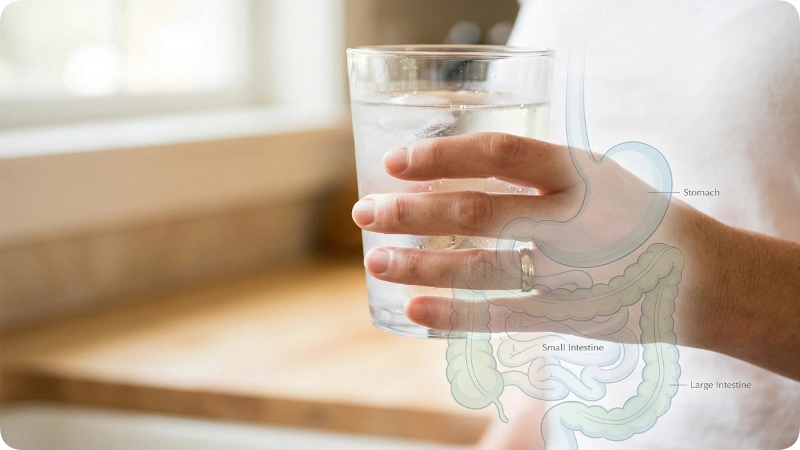
Within minutes of swallowing, water begins moving through the digestive system on its way to the bloodstream. The exact speed depends on if the stomach is empty or full of food. On an empty stomach, water can reach the bloodstream in as little as 5 to 10 minutes.
- Empty stomach: Water passes through quickly, often within 5–10 minutes.
- Full stomach: Water mixes with food and can take 45 minutes to a few hours to be absorbed.
- Cold vs. room temperature water: Both hydrate effectively, though some people find room temperature water easier on the stomach during travel.
The Complete Journey of Water Through the Body at a Glance
Before diving into each step, it helps to see the entire process from start to finish. Although every person’s digestion varies slightly, water generally follows the same path through the body.
| Stage | What Happens |
| Mouth | Water is swallowed. |
| Esophagus | Muscles move it into the stomach. |
| Stomach | Small amount absorbed; most continues onward. |
| Small intestine | Majority enters the bloodstream. |
| Bloodstream | Water circulates throughout the body. |
| Cells | Used for hydration and body functions. |
| Kidneys | Excess filtered into urine. |
| Skin & lungs | Water leaves through sweat and breathing. |
This overview makes it easier to understand the detailed explanations in the following sections.
Step 1: The Mouth and Esophagus
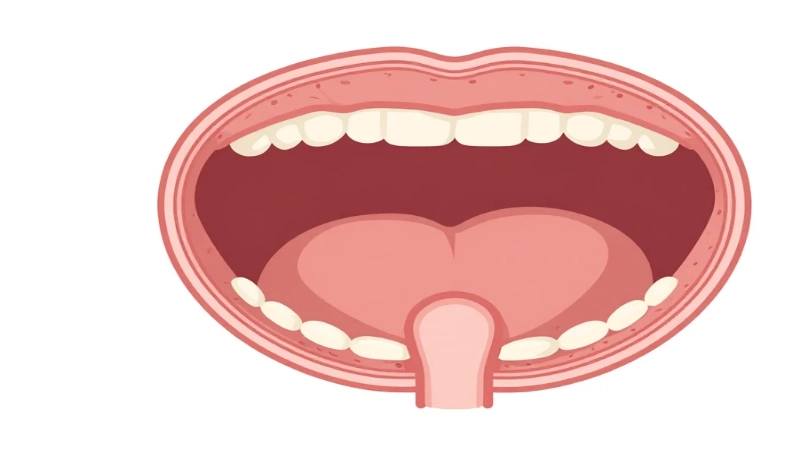
Water first enters through the mouth, where a small amount may be absorbed by tissues in the cheeks and under the tongue. From there, swallowing pushes the water down the esophagus, a muscular tube that uses wave-like contractions called peristalsis to move liquid toward the stomach in just a few seconds.
Why This Step Matters for Travelers
Sipping water slowly during flights or car rides helps this process work smoothly and reduces the bloated feeling that comes from gulping large amounts at once.
Step 2: The Stomach
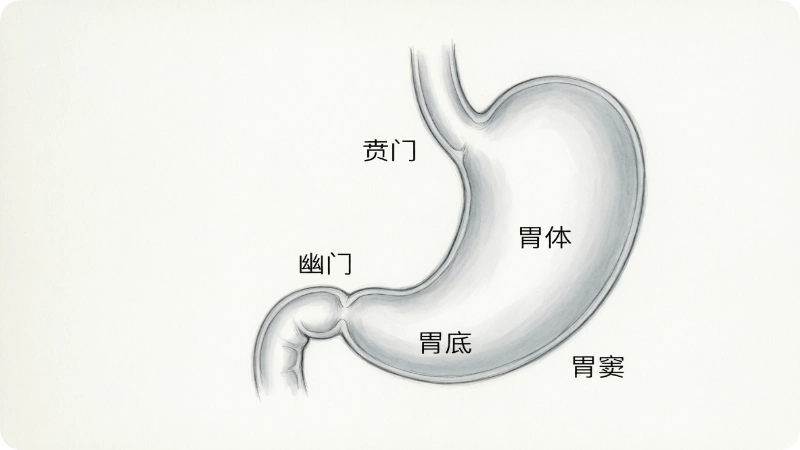
Once water reaches the stomach, a small percentage is absorbed directly through the stomach lining, but most continues onward. The stomach acts mainly as a holding and mixing chamber, especially when food is present, before releasing its contents gradually into the small intestine.
Insider tip: Drinking water 20–30 minutes before a meal, rather than during heavy eating, allows faster absorption and is a habit many frequent travelers use to avoid sluggishness after airport or road trip meals.
Step 3: The Small Intestine Where Most Absorption Happens
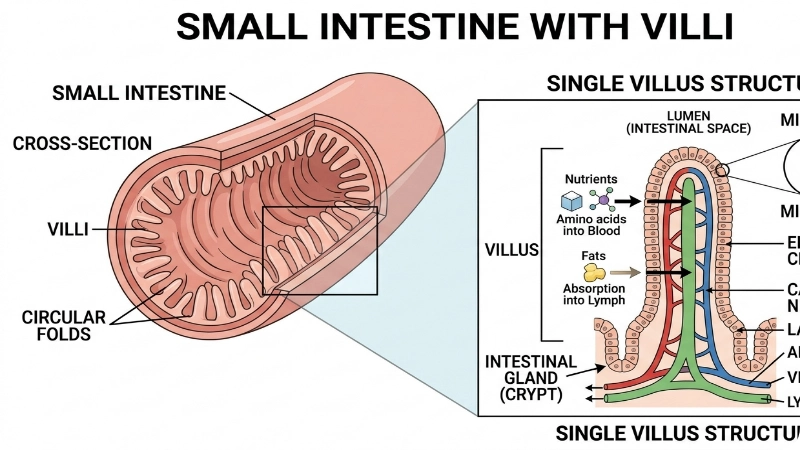
The small intestine is the primary site of water absorption in the body. Its inner walls are lined with tiny finger-like projections called villi, which dramatically increase surface area and allow water, along with electrolytes and nutrients, to pass efficiently into the bloodstream.
The Role of Electrolytes
Sodium and glucose help pull water across the intestinal wall through a process called osmosis, which is why oral rehydration drinks (containing both) are often recommended after long hikes, illness, or heavy sweating in hot destinations like Arizona or Florida.
Step 4: Entering the Bloodstream
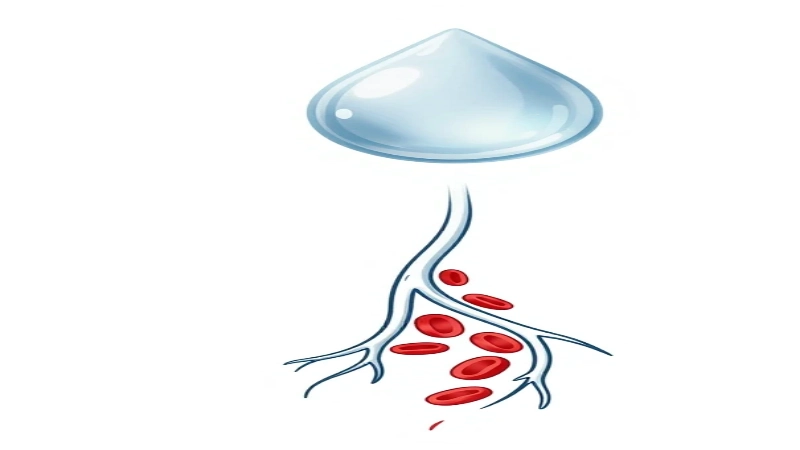
After absorption, water moves into the capillaries surrounding the intestines and joins the bloodstream. Blood plasma is roughly 90% water, and this fluid is now ready to be distributed throughout the entire body within minutes.
Fact: The average adult body is about 55–60% water, and blood plasma relies on a steady water supply to maintain healthy circulation.
Step 5: Distribution to Cells, Organs, and Tissues
Once in the bloodstream, water is delivered to every organ and cell in the body. It helps regulate body temperature, cushions joints, lubricates the eyes and mouth, and provides the fluid environment cells need to carry out chemical reactions.
Why Travelers Notice Dehydration Fast
Airplane cabins have low humidity (often under 20%), which speeds up water loss through the skin and breathing. This is why frequent flyers often feel fatigued or get headaches on long haul trips, a clear sign the body’s water distribution system is under extra strain.
What Does Water Actually Do Inside the Body?
Once water reaches your cells, it becomes involved in nearly every major body function. It doesn’t simply “sit” inside tissues. Instead, it constantly moves between cells, blood vessels, and organs to maintain balance.
Some of water’s most important jobs include:
- Regulating body temperature through sweating
- Carrying oxygen and nutrients in the bloodstream
- Removing waste products
- Lubricating joints
- Supporting digestion
- Protecting the brain and spinal cord
- Helping muscles contract properly
- Maintaining healthy blood pressure
For travelers, these functions become even more important during long flights, strenuous hikes, or sightseeing in hot climates, where fluid losses increase throughout the day.
Step 6: The Kidneys The Body’s Filtration System
The kidneys filter about 150–180 liters of blood plasma each day, reabsorbing the water the body needs and sending the excess, along with waste products, to the bladder as urine. This filtration process is constant and helps keep the body’s water balance stable.
How to tell if you’re hydrated: Pale yellow urine generally signals good hydration, while dark yellow or amber urine is a common sign to drink more water, especially during active travel days.
Step 7: How Water Leaves the Body
Water doesn’t just exit through urine. The body loses water through several routes, and travelers should be aware of all of them, especially in hot or high altitude destinations.
| Exit Route | Approximate Daily Loss | Travel Note |
| Urine (kidneys) | 1.0–1.8 liters | Increases with caffeine or alcohol |
| Sweat (skin) | 0.3–1.0+ liters | Rises significantly in heat or high activity |
| Breathing (lungs) | 0.3–0.4 liters | Higher at altitude or in dry cabin air |
| Digestion (stool) | 0.1–0.2 liters | Can rise sharply with travel related stomach upset |
How Long Does It Take Water to Fully Hydrate the Body?
Water can reach the bloodstream within 5–10 minutes on an empty stomach, but full hydration meaning balanced fluid levels across blood, cells, and tissues typically takes 45 minutes to a couple of hours, depending on the amount consumed and individual factors like activity level and climate.
| Situation | Hydration Need |
| Normal day | Moderate |
| Long flight | Higher |
| Hot weather | Much higher |
| High altitude | Higher |
| Hiking | Highest |
| Illness | Higher |
Factors That Affect How Quickly Water Is Absorbed
Water isn’t absorbed at exactly the same speed for everyone. Several factors influence how quickly it reaches the bloodstream and restores hydration.
These include:
- Whether your stomach is empty or full
- Your age
- Body size
- Physical activity
- Air temperature
- Humidity
- Altitude
- Illness
- Electrolyte balance
For example, someone hiking in the Grand Canyon during summer will lose fluids much faster than someone relaxing indoors on a cool day, meaning hydration needs increase significantly.
Common Mistakes Travelers Make With Hydration
- Drinking large amounts all at once instead of sipping steadily this overwhelms the stomach and increases bathroom stops on flights or road trips. Fix: sip small amounts every 20–30 minutes.
- Relying only on thirst as a signal by the time thirst kicks in, mild dehydration has often already begun. Fix: carry a reusable bottle and track intake.
- Skipping electrolytes during long hikes or hot weather sightseeing. Fix: pack electrolyte tablets or drink mixes for destinations like national parks or desert regions.
Signs Your Body Needs Water Before You Feel Thirsty
Many people wait until they feel thirsty before drinking, but thirst usually appears after mild dehydration has already started.
Watch for these early warning signs:
- Dry lips
- Dry mouth
- Dark yellow urine
- Fatigue
- Headache
- Reduced concentration
- Muscle cramps
- Feeling unusually warm
Recognizing these signs early helps travelers stay comfortable during flights, road trips, hiking, and sightseeing.
Hydration Tips for Common Travel Scenarios
- Flights: Cabin air is very dry, so aim for roughly one 8 ounce glass of water per hour in the air.
- Road trips: Keep a refillable bottle within reach and pair water breaks with rest stops.
- Hiking and national parks: The National Park Service recommends carrying more water than you think you’ll need, especially at higher elevations or in exposed terrain.
- Hot weather destinations: In places like Phoenix, Las Vegas, or South Florida, increase intake and add electrolytes during peak midday heat.
- High altitude (e.g., Rocky Mountain or Colorado trips): The body loses water faster through breathing at elevation, so extra fluids help offset symptoms of altitude sickness.
How Much Water Should You Drink While Traveling?
There’s no single amount that’s right for everyone, but hydration needs increase during travel because of dry airplane cabins, warm climates, increased walking, and altitude.
A practical approach is to:
- Drink regularly instead of waiting for thirst.
- Increase intake during hot weather.
- Drink extra fluids before and after flights.
- Replace electrolytes after heavy sweating.
- Monitor urine color throughout the day.
Instead of aiming for a fixed number of glasses, adjust your intake based on activity level and weather conditions.
Worth Knowing: What’s Overrated and Underrated in Hydration Advice
Overrated: The idea that everyone needs exactly eight 8 ounce glasses a day. Actual needs vary by body size, climate, and activity level.
Underrated: Water rich foods like watermelon, cucumbers, and oranges, which contribute meaningfully to daily hydration and are easy to pack for road trips or picnic stops at scenic overlooks.
Does Drinking More Water Always Mean Better Hydration?
Not necessarily.
Hydration depends on both water and electrolyte balance. Drinking extremely large amounts of plain water over a short period can dilute sodium levels in the blood, while drinking too little leads to dehydration.
Most healthy travelers simply benefit from drinking consistently throughout the day and replacing electrolytes during prolonged sweating, illness, or endurance activities.
Safety Notes and When to Check with a Professional
Most healthy travelers can manage hydration with common sense, but persistent dark urine, dizziness, confusion, or a lack of sweating in the heat can signal more serious dehydration. According to general public health guidance from the CDC, these symptoms warrant medical attention rather than home remedies alone, especially during outdoor travel activities. Hydration needs can also differ for individuals with kidney conditions or those on certain medications, so it’s worth checking with a doctor before extended trips involving heat or high altitude.
Common Myths About Water and Hydration
Many hydration myths continue to circulate online. Here are a few worth clearing up.
- Myth: Everyone needs exactly eight glasses of water every day.
- Reality: Fluid needs vary based on body size, activity, weather, diet, and overall health.
- Myth: Coffee completely dehydrates you.
- Reality: Coffee contributes to daily fluid intake, although excessive caffeine may increase urination in some people.
- Myth: Clear urine always means perfect hydration.
- Reality: Very pale urine can sometimes simply reflect recent high water intake rather than ideal hydration status.
FAQs
How long does it take for water to leave the stomach?
On an empty stomach, water typically leaves within 10–20 minutes. With food present, the stomach empties more slowly, often taking 45 minutes or longer before the water food mixture moves into the small intestine.
Does drinking water on a plane really help with jet lag?
Staying hydrated doesn’t cure jet lag, but it reduces fatigue and headaches linked to the low humidity in airplane cabins, which can make jet lag symptoms feel worse than they need to be.
Can you drink too much water while traveling?
Yes, drinking excessive amounts in a short time can dilute sodium levels in the blood, a condition called hyponatremia. This is rare but worth avoiding by sipping steadily rather than consuming large volumes at once.
Why do I need more water at high altitude destinations?
Higher elevations cause faster breathing and increased water loss through the lungs, plus lower humidity dries out the body more quickly, making extra hydration important on mountain or high altitude trips.
Does coffee or tea count toward daily water intake while traveling?
Yes, coffee and tea do contribute fluid, though their mild diuretic effect means it’s still smart to balance them with plain water, especially during long travel days.
Can water be absorbed without reaching the stomach?
Yes, but only in very small amounts. Tiny amounts of water can be absorbed through the tissues under the tongue and inside the mouth. However, almost all of the water you drink continues to the small intestine, where the vast majority is absorbed into the bloodstream.
Why does water pass through me so quickly?
Water may seem to pass through quickly because the kidneys begin filtering excess fluid soon after it enters the bloodstream. Drinking a large amount in a short time, consuming caffeine or alcohol, or already being well hydrated can all increase urine production. This doesn’t mean your body failed to absorb the water first.
Does warm water absorb faster than cold water?
The difference is very small. Both warm and cold water hydrate the body effectively. Warm or room-temperature water may leave the stomach slightly faster in some situations, while cold water can feel more refreshing during exercise or hot weather. For most people, the temperature has little effect on overall hydration.
Does exercise speed up water absorption?
Exercise increases the body’s need for water, but it doesn’t dramatically speed up absorption itself. During physical activity, water absorbed into the bloodstream is used more quickly to regulate body temperature, replace sweat losses, and support working muscles. Drinking small amounts regularly during exercise is usually more effective than drinking large amounts afterward.
Why do I urinate more after drinking lots of water?
Your kidneys constantly balance the body’s fluid levels. After you’ve absorbed enough water to meet your hydration needs, the kidneys remove the excess by producing more urine. This helps maintain the right balance of water and electrolytes in the body.
Can dehydration affect digestion?
Yes. Water helps break down food, supports nutrient absorption, and keeps waste moving through the digestive tract. Mild dehydration can slow digestion and contribute to constipation, bloating, and stomach discomfort, especially while traveling.
How much water does the body lose during sleep?
Most adults lose about 0.3 to 1 liter (10–34 ounces) of water overnight through breathing, sweating, and normal body functions. The exact amount depends on room temperature, humidity, body size, and whether you breathe through your mouth while sleeping.
Can drinking too much water be dangerous?
Yes, although it’s uncommon. Drinking an extremely large amount of water in a short period can dilute sodium levels in the blood, leading to a condition called hyponatremia. This can become serious if untreated. The safest approach is to drink according to your thirst and activity level, increasing fluids gradually rather than consuming excessive amounts all at once.
How can I tell if I’m dehydrated during a trip?
Common signs include dark yellow urine, dry mouth, fatigue, headache, and dizziness. Checking urine color is one of the simplest self checks travelers can do throughout the day.
Is bottled or tap water better for hydration while traveling in the USA?
Both hydrate the body equally well. In the U.S., tap water is generally safe and regulated, though travelers with sensitive stomachs sometimes prefer bottled water in unfamiliar areas as an extra precaution.
Final Takeaways
Water moves through the body in a clear sequence: mouth, stomach, small intestine, bloodstream, cells, and finally out through the kidneys, skin, lungs, and digestive tract. Absorption can begin within minutes, but full hydration takes longer, which is why steady sipping beats occasional gulping. For travelers, understanding this process makes it easier to stay energized on flights, road trips, and outdoor adventures.
Pack a refillable water bottle, sip consistently rather than waiting for thirst, and adjust intake for heat, altitude, and dry cabin air on every trip. A little planning around hydration can make the difference between a sluggish travel day and one spent fully present for the journey ahead. Always verify any specific medical or health guidance with a healthcare professional before travel.











1 thought on “How Water Travels Through Your Body: A Step-by-Step Guide”