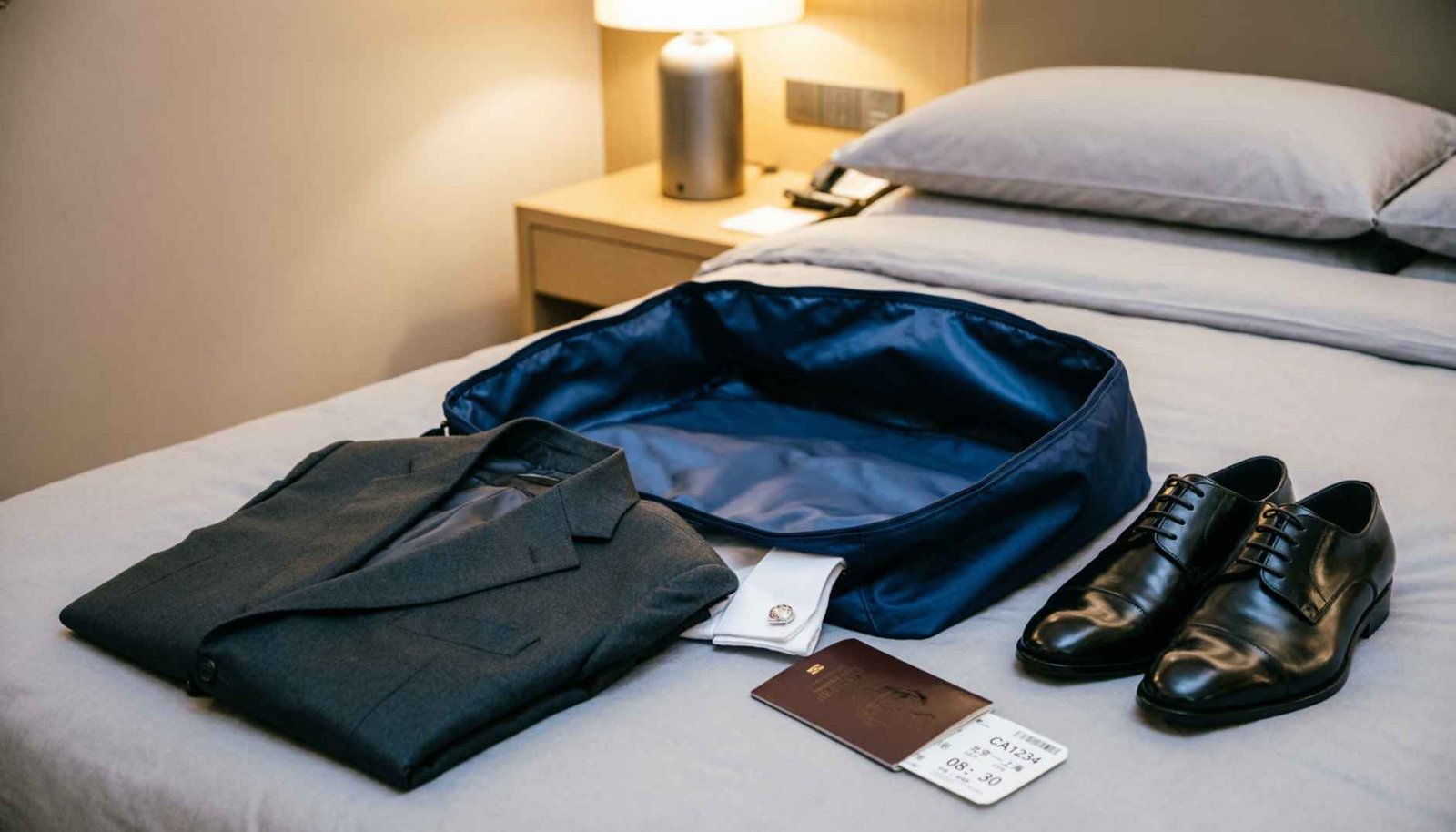
A travel garment bag is a specialized luggage piece designed to carry suits, dresses, dress shirts, and formalwear flat or folded with minimal creasing. Unlike regular suitcases, garment bags use a hanging or lay flat design to protect structured clothing during transit. They range from lightweight carry on folders to full length wheeled bags and choosing the right one can mean the difference between arriving polished or wrinkled.
Stepping off a flight in a wrinkled suit is one of travel’s most avoidable disasters and yet it happens to thousands of business travelers and wedding guests every week. You packed carefully, rolled what you could, and still pulled out a shirt that looks like it spent the flight in a fist. That’s the problem a travel garment bag solves, and it solves it well when you pick the right one.
This guide covers everything you need to know about travel garment bags: how they work, which types suit different trips, what features actually matter, how to pack one correctly, and what mistakes even seasoned travelers make. If you’re heading to a boardroom in Chicago, a beach wedding in Miami, or a cross country business trip, this guide gives you the practical knowledge to show up looking sharp.
What Is a Travel Garment Bags and How Does It Work?
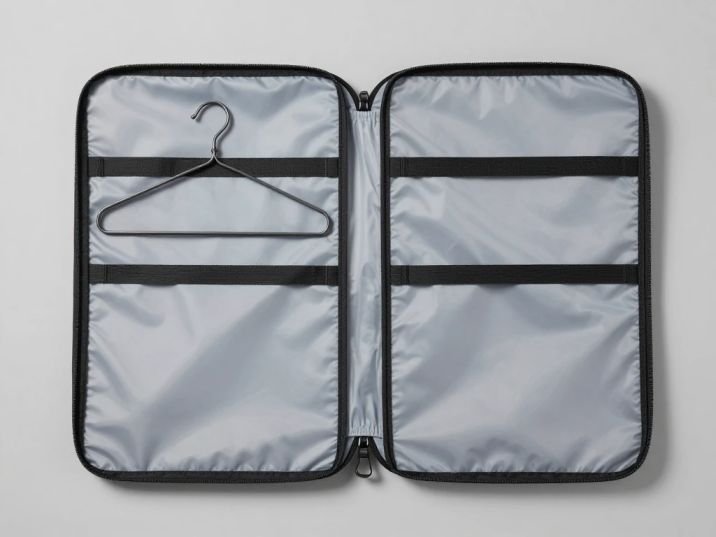
A travel garment bag protects formal and structured clothing by reducing the number of folds and stress points your clothes experience in transit. Most designs suspend garments from an internal hook or hanger system, keep fabrics taut, and fold the entire bag in half or thirds so your blazer travels with one clean fold rather than multiple random creases.
The core principle is simple: fewer compression points equal fewer wrinkles. Garment bags come in hanging versions (which fold flat and drape over a shoulder or into an overhead bin) and wheeled versions (which carry like a suitcase but include a dedicated garment compartment). Both styles significantly outperform standard luggage for dress clothing.
Types of Travel Garment Bags
| Type | Best For | Typical Size | Carry On Friendly? |
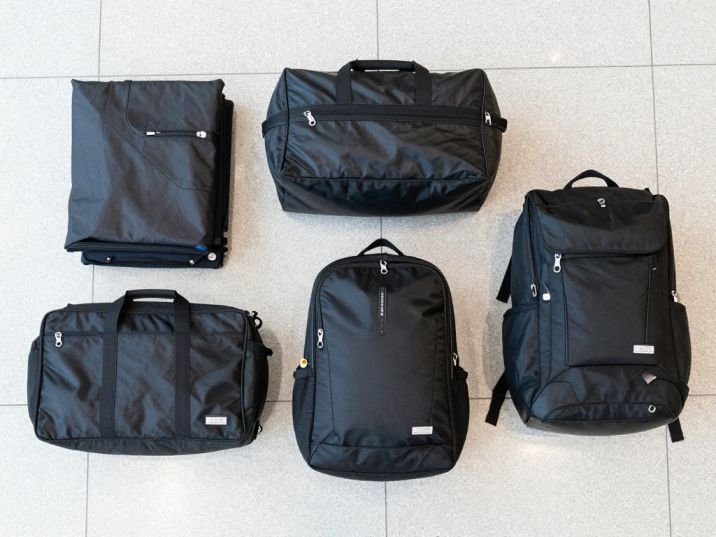
| Folding carry on garment bag | Short business trips, 1–3 suits | 22″–24″ folded | Usually yes |
| Full length hanging garment bag | Long trips, multiple formal outfits | 40″–60″ full length | Gate check or checked |
| Wheeled garment bag | Heavy packers, week+ trips | 22″–24″ cabin or larger | Depends on airline |
| Garment bag backpack | Light travelers, weekend trips | 18″–22″ | Yes |
| Convertible suit carrier | Business + leisure travel | 22″–24″ | Usually yes |
Why a Travel Garment Bag Is Worth the Investment
A dedicated garment bag pays for itself after one avoids a dry cleaning bill. Emergency pressing at a hotel can run $15–$40 per garment. Dry cleaning a wrinkled suit after a flight costs $20–$60 in most U.S. cities. A quality travel garment bag costs $40–$200 and lasts for years of regular use.
Beyond cost, a garment bag protects fabric structure. Suits, blazers, and structured dresses are built with internal interfacing and padding that gets damaged by compression. Repeated stuffing into suitcases breaks down this structure over time. A garment bag preserves not just appearance but the longevity of your investment pieces.
How to Choose the Right Travel Garment Bag
Choosing the right travel garment bag depends on three factors: trip length, how you’re traveling, and how much formalwear you’re carrying. Getting this right means you won’t drag an oversized bag through the airport for a one night stay, or squeeze three suits into a bag built for one.
Consider Trip Length First
- One to two nights: A folding carry on garment bag or garment bag backpack handles one or two suits easily and fits in most overhead bins.
- Three to five nights: A mid size folding bag with extra compartments handles multiple outfits plus accessories.
- One week or more: A wheeled garment bag or full length hanging bag gives you room for multiple formal pieces without compromising the rest of your packing.
Match the Bag to Your Travel Method
Flying carry on only? Your bag must comply with your airline’s size limits. Most major U.S. carriers including American Airlines, Delta, and United allow carry ons up to 22″ x 14″ x 9″ in overhead bins. Many folding garment bags hit this range when folded. Always verify with your specific carrier, as policies change.
Checking luggage? A full length wheeled garment bag gives you the most protection for multiple garments, though you’ll want a TSA approved lock since checked bags go through security screening separately.
Key Features to Evaluate
Hook and hanger system: Look for a sturdy swivel hook that accommodates multiple hangers. Thin hooks bend; wide, padded hooks keep clothes from sliding.
Number of garment compartments: Single compartment bags work for one suit. Multi compartment bags let you separate clean and worn clothing or pack multiple outfits without them tangling.
Exterior pockets: Pockets for shoes, accessories, toiletries, and documents make a garment bag a complete travel solution rather than just a suit carrier.
Material: Ballistic nylon and 600D polyester resist abrasion and moisture. Leather looks premium but adds significant weight. For airline travel, weight matters.
Compression straps: Interior straps hold garments flat and prevent shifting. Without them, even a well packed bag ends up with creases from movement.
The Best Travel Garment Bags by Travel Style
Best for Business Travelers
Business travelers need a garment bag that transitions seamlessly from airport to boardroom. Look for a carry on friendly folding design with a laptop sleeve or document organizer. Bags in the 22″–24″ folded range work for most U.S. domestic flights without gate checking.
Insider tip: Choose a bag with a shoe compartment isolated from the garment section. Shoe soles carry bacteria and odors. You don’t want them touching your dress shirt. Many business travelers overlook this and regret it.
Best for Wedding Guests and Wedding Parties
Wedding travel often means carrying formalwear including suits, gowns, and bridesmaid dresses that you genuinely cannot afford to wrinkle. A full length garment bag (40″+) is the right call here. These bags typically loop over an overhead bin hook or check through as oversized luggage.
If you’re flying with a wedding gown, contact your airline in advance. Some carriers, including Delta and Southwest, allow wedding dresses as complimentary carry ons in the overhead bin or a first class closet but policies vary and require pre trip coordination.
Best for Weekend Warriors
A garment bag backpack or slim folding carrier solves the classic weekend trip problem: you need one nice outfit, but you don’t want to check a bag. These bags typically hold one suit or two dressy separates, slip into an overhead bin, and keep your hands free through the airport.
Best for International Travelers
International trips often combine business, leisure, and formal events. A convertible garment bag that transitions from carry on to shoulder bag gives you flexibility across different legs of a trip. Look for bags with TSA friendly exterior pockets so security screening stays quick.
How to Pack a Travel Garment Bag Correctly
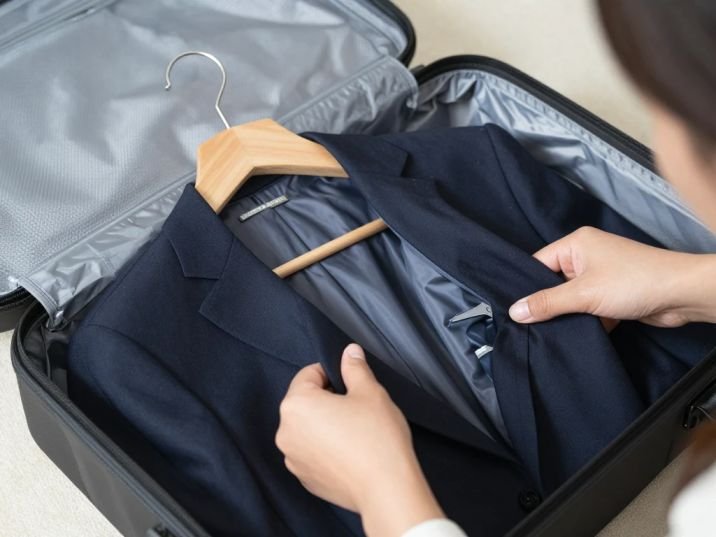
Knowing how to pack a garment bag correctly is just as important as owning one. Even the best bag produces wrinkles when loaded wrong. Follow these steps for wrinkle free results every time.
Step by Step Packing Guide
- Start with your suit jacket. Button all buttons, then turn the jacket inside out so the lining faces out. This protects the outer fabric and keeps the shape intact during folding.
- Layer trousers over the jacket. Align the crease of the trousers and drape them over the hanger, with the waistband at the top. The extra length drapes over the hanger bar.
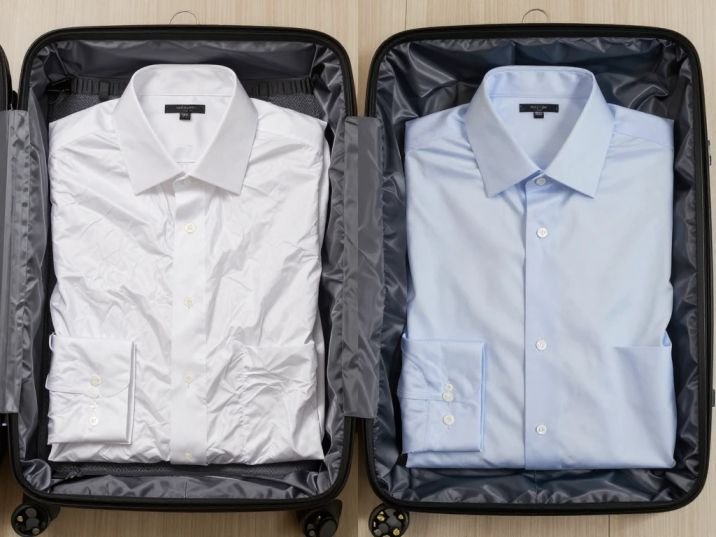
- Add dress shirts last. Button them fully, fold sleeves across the front, and lay them flat on top of the trousers. Tissue paper between layers prevents friction creasing.
- Use the compression straps. Cinch the internal straps snugly not tight to keep garments from shifting during transit.
- Fold the bag, don’t roll it. Most folding garment bags fold in half or thirds along a specific axis. Follow the bag’s intended fold line to minimize crease points.
- Pack shoes and accessories last. Fill exterior pockets with shoes (in dust bags), belts, ties, and accessories. Keep heavier items toward the bottom of the bag when it’s in carry on position.
What Not to Pack in a Garment Bag
- Wet or damp items moisture transfers to formal clothing and causes mildew
- Overstuffed pockets over packing exterior compartments pushes against the garment section and creates pressure creases
- Unbagged shoes always use shoe bags or hotel shower caps to protect clothing from sole contact
TSA Rules and Airline Policies for Garment Bags
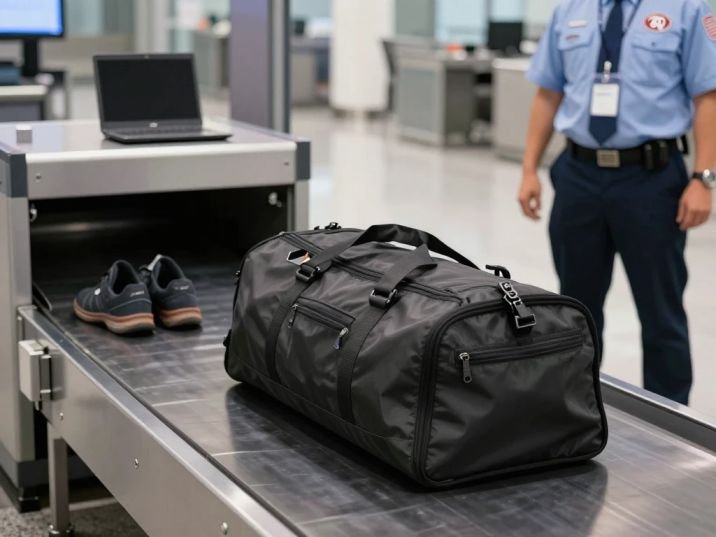
Understanding TSA rules saves time at security and prevents gate surprises. The TSA does not classify garment bags as a separate luggage category; they follow standard carry on or checked bag rules depending on size.
TSA Screening
Folding garment bags go through the X ray belt just like other carry ons. You do not need to remove hanging bags from their cases. However, TSA officers may request additional screening if the bag’s contents appear dense on the scanner. Keeping clothes flat and organized helps screening move faster.
For checked garment bags, TSA approved locks are required if you want a locked bag agents must be able to open it without cutting the lock. TSA’s official website (tsa.gov) lists all approved lock brands.
Airline Size and Fee Policies
Airline carry on size limits apply to garment bags just like any other bag. Most folding garment bags when folded and laid flat meet standard overhead bin requirements. Always measure your bag folded, not full length.
Some airlines allow garment bags in first class closets. If you’re flying first or business class, ask a gate agent If closet space is available. This is not guaranteed but often accommodated for formal travelers. Verify current policies directly with your airline before travel, as fees and rules change.
Common Mistakes Travelers Make with Garment Bags
Mistake 1: Buying the Wrong Size for the Airline
Many travelers buy a garment bag based on full length dimensions and then discover it doesn’t fit in an overhead bin when folded. Always check the folded dimensions against your airline’s carry on limits not the hanging length. A 40″ garment bag might fold down to 22″ and fit perfectly, or fold to 25″ and force a gate check. Fix: Measure folded dimensions before buying and compare to your most common airline’s requirements.
Mistake 2: Overpacking the Garment Compartment
Garment bags work by reducing compression on fabric. The moment you overstuff the main compartment, you’ve recreated the exact problem you were trying to avoid. Fix: Follow the bag’s recommended garment capacity (usually printed in the product description) and use a separate bag for non garment items.
Mistake 3: Skipping the Inside Out Jacket Trick
Most travelers hang their jacket right side out, which puts the outer fabric under direct pressure during the fold. Turning the jacket inside out before hanging exposes the tougher lining to pressure instead. Fix: Always turn jackets inside out before packing, and button all buttons to preserve the front panel’s shape.
Garment Bag vs. Packing Cubes: Which Wins for Formal Wear?
Packing cubes are excellent for casual clothing; they compress t shirts, jeans, and casual layers efficiently. But they compress structured clothing too, which is exactly what creates wrinkles in suits and formal dresses. For formalwear, a garment bag wins every time.
The best approach for most travelers is a hybrid system: use packing cubes for casual clothing in a main suitcase and carry a folding garment bag for formalwear. This keeps structured pieces protected without sacrificing packing efficiency for the rest of your luggage.
Top Insider Tips for Garment Bag Travel
Tip 1: Use dry cleaning bags as liner sheets. The thin plastic bags from dry cleaners reduce friction between garments dramatically. Slip one between each layer and your clothes arrive virtually wrinkle free. This trick costs nothing and works better than most paid anti wrinkle products.
Tip 2: Ask about garment storage at your hotel. Many full service hotels particularly those that cater to business travelers have a steamer, iron, or valet pressing service. Arriving the night before a big meeting gives you time to press anything that wrinkles in transit without morning panic.
Tip 3: Pack a travel steamer as backup. Compact travel steamers weigh under a pound and retail for $20–$40. They remove light wrinkles in minutes without an ironing board. Many travelers keep one permanently in their garment bag’s exterior pocket.
Tip 4: Gate check, don’t check through. If your garment bag doesn’t fit in the overhead bin, ask for a gate check tag rather than checking it at the counter. Gate checked bags travel in the jet bridge cargo area and receive gentler handling than standard checked luggage. They also return to you at the jet bridge on arrival.
Tip 5: Roll ties and pocket squares inside shoes. It protects the shoe’s shape and uses dead space efficiently two wins in one move.
Hidden Gems: Underrated Features Worth Seeking Out
Removable Hanger Hooks
Some garment bags include removable hooks that detach from the bag but stay connected to the hangers inside. This means you can carry the bag flat through the airport and then hang your clothes in a hotel closet without re hanging the hook swings out from the folded bag and goes straight over a closet rod.
RFID Blocking Pockets
Several premium garment bags now include RFID blocking pockets for passports and credit cards. For international business travelers who use airport lounges and move through multiple countries, this is a practical safety feature not a marketing gimmick.
Vented Shoe Compartments
Isolated, vented shoe compartments let shoes breathe without releasing odors into the main garment section. This matters on multi day trips when you’re packing shoes worn the day before travel.
Budget Breakdown: What to Spend on a Travel Garment Bag
You don’t need to spend hundreds of dollars to get effective protection. Here’s an honest breakdown:
| Budget Range | What You Get | Best For |
| Under $40 | Basic folding fabric bag, minimal pockets, light zippers | Occasional travelers, one suit trips |
| $40–$80 | Better zippers, more pockets, compression straps, some have wheels | Regular travelers, 2–3 suit capacity |
| $80–$150 | Quality materials (ballistic nylon), laptop sleeve, TSA locks, full compartment system | Frequent business travelers |
| $150–$250 | Premium materials, wheeled option, extended warranty, designer options | Road warriors, luxury travelers |
| $250+ | Full leather, designer brands, wheeled + garment hybrid | Premium frequent fliers |
Money saving tip: Mid range bags in the $60–$100 range consistently outperform both budget and luxury options in durability testing. You’re paying for quality construction not brand prestige at that price point. Always verify current prices before purchasing, as retail costs fluctuate.
Responsible Travel and Sustainability Notes
Several brands now produce travel garment bags from recycled materials, including recycled PET fabric (made from plastic bottles) and reclaimed nylon. Choosing a durable bag, even a mid range one beats buying cheap bags that end up in landfills after a few trips. A quality garment bag used for 10 years has a far lower environmental footprint than three budget bags replaced across the same period.
Some eco conscious travelers also choose bags with repairable zippers and replaceable components, extending product life significantly.
FAQs
Do travel garment bags actually prevent wrinkles?
Yes when packed correctly. A garment bag reduces the number of fold points in your clothes compared to a suitcase and protects fabric from compression. Pairing a garment bag with dry cleaning bag liners between layers gives you the best wrinkle prevention available outside of professional pressing. No bag eliminates all wrinkles, but a good one minimizes them substantially.
Can I bring a garment bag as a carry on on a U.S. domestic flight?
Usually yes, if the folded dimensions meet your airline’s carry on limits. Most major U.S. airlines allow carry ons up to approximately 22″ x 14″ x 9″. Many folding garment bags hit this range when folded. Always check your specific airline’s current policy on their official website before travel, as rules and enforcement vary by carrier and route.
How many suits fit in a travel garment bag?
It depends on the bag. Most standard folding garment bags hold one to three suits comfortably. Larger wheeled garment bags may accommodate four to six suits or the equivalent in other formalwear. Overfilling a garment bag negates its wrinkle prevention benefits always stay within the recommended capacity.
What’s the difference between a garment bag and a suit carrier?
The terms are often used interchangeably, but “suit carrier” typically refers to slim, ultralight folding bags designed for one or two suits. “Garment bag” is the broader category that includes suit carriers, full length hanging bags, and wheeled options. Suit carriers prioritize minimalism; garment bags prioritize capacity and organization.
Can I use a travel garment bag for dresses and gowns?
Absolutely. Full length hanging garment bags work well for formal gowns, bridesmaid dresses, and long dresses. You may need a full length bag (40″+) rather than a folding carry on version for floor length garments. When packing a gown, stuff the bodice lightly with acid free tissue paper to hold its shape.
Are wheeled garment bags worth it over regular garment bags?
Wheeled garment bags make sense for trips longer than five days or when you’re carrying heavy formalwear plus everyday clothing. The trade off is weight wheels and frame hardware add two to four pounds before you pack anything. For short trips or carry on only travel, a lightweight folding bag outperforms a wheeled option on convenience.
How do I store a garment bag when I’m not traveling?
Store it hanging, not folded. Folding a garment bag for long periods creates permanent fold lines in both the bag and any garments you leave inside. Hang it in a closet, ideally with any garments stored inside on proper hangers. Keep it away from humidity and direct sunlight to prevent fabric degradation.
Conclusion: Pack Smart, Arrive Sharp
Three things make the difference between wrinkled and polished travel: choosing the right type of garment bag for your trip, packing it with intention (inside out jackets, dry cleaning liners, compression straps), and matching the bag to your airline’s requirements before you buy. Get those three things right, and you’ll never pull a crumpled suit out of an overhead bin again.
A travel garment bag is one of those purchases that feels optional until the day you need it then it becomes non negotiable. If you’re heading to a client meeting in New York, a wedding weekend in Napa Valley, or an international conference in Chicago, showing up polished starts before you leave your front door.
Pick the bag that fits your travel style, pack it with care, and let the details work for you.

Gordon Ramsay is a travel writer and destination researcher who helps U.S. travelers plan smarter trips, covering destinations, seasonal trends, budgets, and logistics to help readers decide where—and when—to go.
Rather than simply listing popular places, Gordon Ramsay focuses on what travelers actually need: comparing weather against crowds, weighing costs and accessibility, and researching current conditions alongside official tourism guidance—delivering honest, practical advice without the hype.











1 thought on “Travel Garment Bag Guide: Wrinkle-Free Packing Tips for Trip”