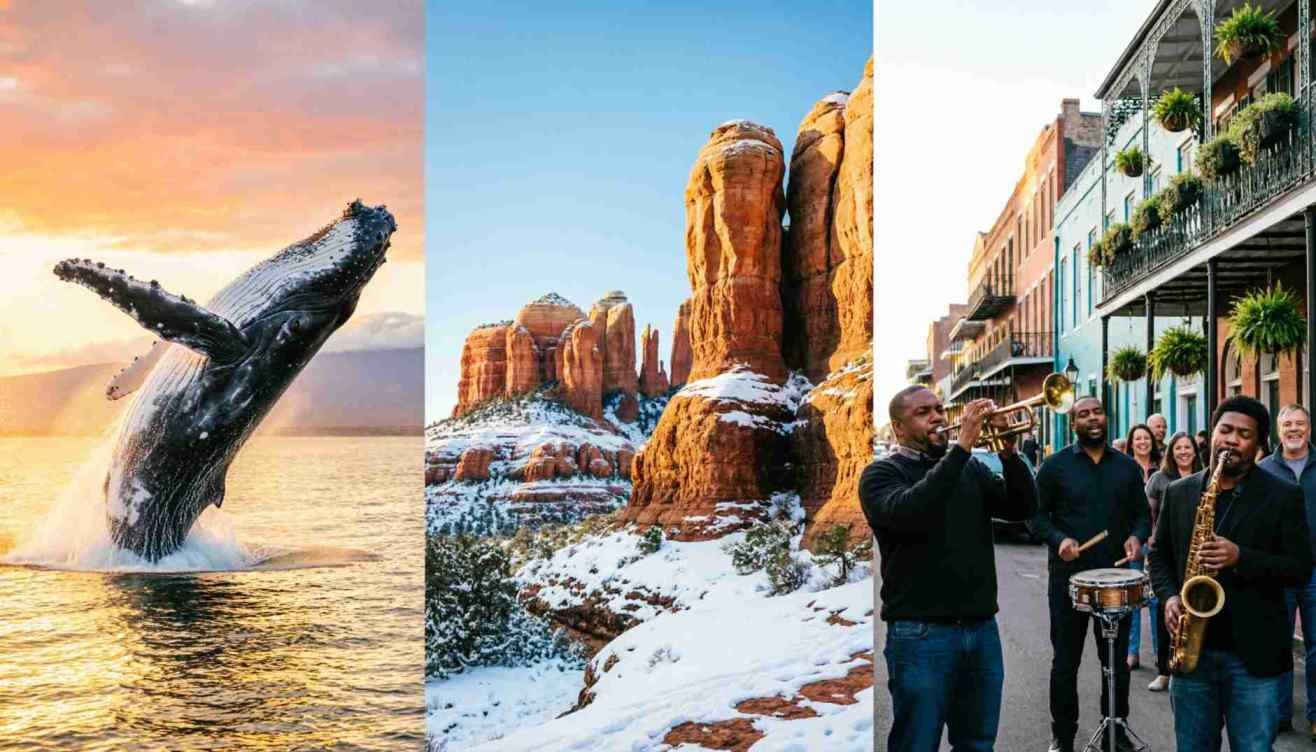
January is one of the best months to travel because flight prices drop sharply after the holiday rush, popular destinations thin out, and both warm-weather escapes and world-class ski resorts hit their stride. Top picks for U.S. travelers include Hawaii, Costa Rica, the Florida Keys, Arizona’s desert Southwest, and Japan each offering peak conditions, lower crowds, and better value than peak summer travel.
January has a reputation problem. Most people write it off as cold, gray, the longest month on the calendar. But experienced travelers know a different truth: January is secretly one of the best months to book a trip. The holiday crowds have cleared, airlines drop prices to fill seats, and some of the world’s most spectacular destinations are sitting at their absolute best, waiting for travelers bold enough to show up.
The challenge isn’t finding a reason to travel in January, it’s narrowing down where to go. Warm-weather seekers, snow chasers, culture lovers, and budget travelers all have exceptional options this month. But too many “best of January” guides throw out a list of destinations with no real context: no weather detail, no budget reality check, no honest assessment of what’s actually worth it versus what’s overrated.
This guide fixes that. The best places to travel in January get covered here with real detail weather, crowd levels, what to do, how much to budget, and who each destination actually suits. If you have five days or three weeks, a tight budget or room to splurge, January travel rewards the travelers who plan it right.
Why January Is Actually One of the Best Months to Travel

January offers lower airfares, thinner crowds at top destinations, and peak-season conditions across the Caribbean, Pacific islands, and Southern Hemisphere making it an ideal time for travelers who missed booking during the expensive holiday window. Post-holiday flight prices typically dip significantly in the first three weeks of January.
The travel industry calls the period from early January through mid-February the “January lull” airlines and hotels drop rates to attract bookings during what’s traditionally a slow period. Savvy travelers exploit this window every year. Beyond pricing, many warm-weather destinations reach their driest, clearest weather of the year in January, making it genuinely the best time to visit, not just the cheapest.
Quick Overview: Best Places to Travel in January
| Destination | Best For | January Weather | Crowd Level |
| Maui, Hawaii | Beach + snorkeling | 75–80°F, low humidity | Moderate |
| Florida Keys | Diving + relaxation | 70–75°F, dry season | Moderate |
| Scottsdale, Arizona | Desert hiking + golf | 60–65°F, sunny | Low–Moderate |
| Costa Rica | Wildlife + adventure | 75–85°F, dry season | Moderate |
| New Orleans, LA | Culture + food | 55–60°F, mild | Low |
| Sedona, Arizona | Hiking + wellness | 50–55°F, clear skies | Moderate |
| Cancún, Mexico | Beach + resorts | 80–85°F, dry | High |
| Iceland | Northern Lights | 30–35°F, snowy | Low |
| Japan | Temples + winter culture | 40–45°F, crisp | Low |
| Colorado Rockies | Skiing + snowboarding | 20–35°F, heavy snow | High at ski resorts |
Weather ranges are general averages. Always check current forecasts before travel.
Maui, Hawaii: Peak Paradise with Winter Whale Watching
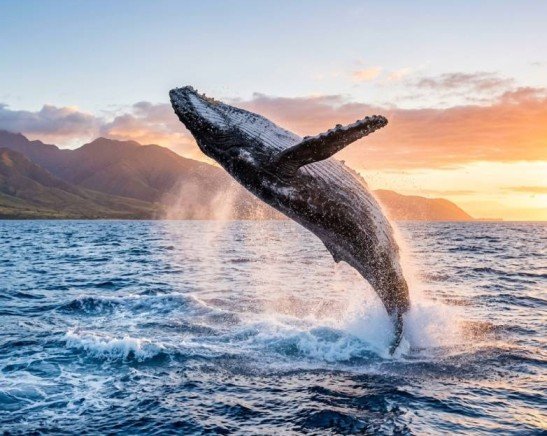
Maui in January delivers warm, dry weather averaging 75–80°F on the west and south coasts, combined with humpback whale watching season, one of the most spectacular wildlife events in the United States. January marks the height of humpback whale migration to Hawaiian waters, making it arguably the best month of the year to visit.
Thousands of North Pacific humpback whales arrive in Maui’s waters between December and April, and January sits right in the peak window. Whale-watching tours operating out of Lahaina and Maalaea Harbor offer morning and afternoon departures, with high sighting rates during peak season. The Pacific Whale Foundation (pacificwhale.org) runs research-supported tours that combine genuine education with the experience.
What to Do in Maui in January
Beyond whale watching, January visitors enjoy:
- Snorkeling at Molokini Crater a partially submerged volcanic crater offering some of the clearest water visibility in Hawaii, typically 100+ feet
- Road to Hana Maui’s legendary 64-mile coastal drive with waterfalls, rainforest trails, and dramatic lava coastline
- Haleakalā National Park watching sunrise above the clouds from the 10,023-foot summit (NPS reservations required; check nps.gov/hale for current reservation policies)
- Wailea and Ka’anapali beaches both at their uncrowded best compared to summer peak season
Honest Drawback
Maui is expensive year-round. January doesn’t dramatically reduce accommodation costs the way it does in other destinations; the whale watching season draws visitors who understand the value. Book accommodations 2–3 months ahead and look at condos and vacation rentals as alternatives to resorts for better value.
The Florida Keys: Dry Season Diving and Blue Water at Its Best
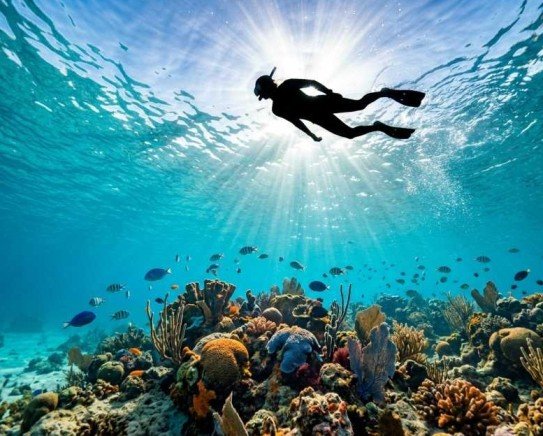
The Florida Keys in January offer their driest, clearest weather of the year averaging 70–75°F with exceptional underwater visibility for snorkeling and diving at John Pennekamp Coral Reef State Park and the Florida Keys National Marine Sanctuary. January sits squarely in the dry season, which runs from November through April.
Key West, Key Largo, and the quieter Middle Keys like Marathon all benefit from January’s low humidity and minimal rainfall. Underwater visibility often reaches 60–80 feet at reef sites during this period, making it the preferred season for serious divers. John Pennekamp Coral Reef State Park in Key Largo, the first underwater park in the United States, sees significantly fewer visitors in January than during spring break or summer.
Best Hidden Gem in the Keys: Bahia Honda State Park
Most visitors to the Florida Keys focus on Key West or Key Largo. Bahia Honda State Park on Bahia Honda Key sits roughly in the middle of the island chain and receives far less traffic than either end. The park features one of the most beautiful natural beaches in Florida named among the top beaches in the eastern U.S. repeatedly plus exceptional snorkeling directly off the shore. Camping and cabin rentals book quickly even in January; reserve well in advance through Florida State Parks (floridastateparks.org).
Scottsdale and Sedona, Arizona: Desert Winter at Its Finest
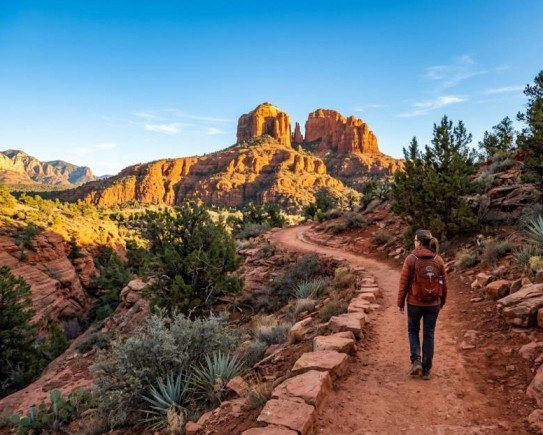
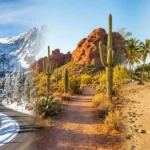
Arizona in January offers crystal-clear skies, temperatures between 55–65°F in Scottsdale and 45–55°F in Sedona, and some of the best hiking conditions of the year the desert Southwest rewards winter visitors with comfortable temperatures that summer simply can’t match. Summer in Arizona brings dangerous heat; January brings perfect conditions.
Scottsdale transforms into a golf destination in January, with hundreds of courses operating at peak condition and numerous PGA Tour events beginning their Arizona swing. Sedona, just 90 minutes north of Scottsdale, draws hikers and wellness travelers to its famous red rock formations, with trails like Cathedral Rock, Bell Rock, and Devil’s Bridge at their most accessible and photogenic in the low-angle winter light.
Why Sedona in January Is Underrated
Most travel guides push Sedona heavily in spring and fall, but January offers something those seasons don’t: dramatically fewer visitors and extraordinary light quality. The low winter sun hits the red sandstone formations at a sharper angle, producing richer color saturation for photography. Morning frost on the desert floor rare enough to feel magical occasionally appears on cold nights. The famous Sedona vortex sites feel genuinely contemplative when you have them nearly to yourself.
Costa Rica: Peak Dry Season and Wildlife at Its Most Active
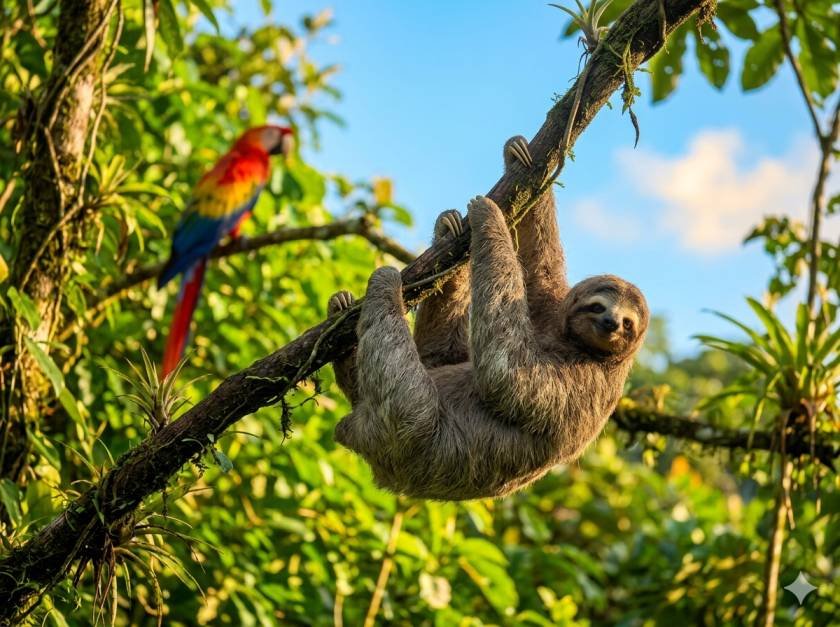
Costa Rica’s dry season runs from December through April, making January one of the best months to visit with temperatures of 75–85°F, clear skies, and wildlife at peak activity levels across the Nicoya Peninsula, Manuel Antonio, and the Arenal Volcano region. January also offers the best road conditions for exploring Costa Rica’s national parks.
Costa Rica’s biodiversity is extraordinary year-round, but January’s dry season concentrates wildlife near water sources and opens up trails that heavy rains close during the green season. Manuel Antonio National Park the country’s most visited, is worth the crowd because of its exceptional variety: white-faced capuchin monkeys, three-toed sloths, and scarlet macaws share the park with excellent Pacific beaches. Entry limits and reservation requirements apply; check sinac.go.cr for current entry rules.
Hidden Gem: Rincón de la Vieja National Park
While most visitors head straight for Manuel Antonio or Arenal, Rincón de la Vieja in the Guanacaste region offers volcanic mud pots, hot springs, waterfalls, and excellent dry-season wildlife viewing with a fraction of the crowds. The Liberia airport (LIR) served by several major U.S. carriers from hubs including Miami, Dallas, and New York puts you closer to Guanacaste than flying into San José and offers a more relaxed arrival experience.
New Orleans, Louisiana: Culture, Food, and Pre-Mardi Gras Energy
New Orleans in January delivers mild 55–60°F temperatures, the lowest crowd levels of any month before Mardi Gras season begins, and the full richness of the city’s food, music, and cultural scene at its most accessible and affordable. January is genuinely the sweet spot between the expensive holiday period and the massive Mardi Gras buildup.
The French Quarter, Garden District, and Bywater neighborhood all operate at full energy in January without the extreme heat or humidity that makes summer visits uncomfortable. The city’s restaurant scene consistently ranked among the best in the United States shows its best side when reservation availability opens up. Commander’s Palace, Dooky Chase’s, Café Du Monde, and the hundreds of neighborhood joints throughout Tremé and Mid-City all reward January visitors with shorter waits and more relaxed atmospheres.
Practical Note on Mardi Gras Timing
Mardi Gras falls on a different date each year, based on the Catholic calendar. In some years it arrives in early February, which means parade season (which begins January 6, on Twelfth Night) overlaps with a late-January visit. Check the current year’s Mardi Gras date before booking early parade season brings festive energy without the extreme crowds of the final two weeks before Fat Tuesday.
Colorado Rocky Mountains: January Skiing at Peak Snow Conditions
Colorado’s ski resorts including Vail, Breckenridge, Aspen, Telluride, and Steamboat Springs typically reach their best snow conditions in January, with average snowfall of 40–50 inches per month at higher elevations and fully open terrain across most resorts. January consistently delivers the deep powder conditions that skiers plan around.
Breckenridge and Keystone both sit close to Denver International Airport (DEN) about 90 minutes by car or via resort-area shuttles making them accessible even for short long-weekend trips. Vail and Aspen require more travel time from Denver but reward visitors with larger ski terrain and more sophisticated resort infrastructure. Telluride, tucked into a box canyon in southwestern Colorado, consistently ranks among the most scenic ski areas in North America and attracts far fewer crowds than Vail or Aspen for comparable skiing quality.
Money-Saving Tip for Colorado Skiing
Lift ticket prices at Colorado’s major resorts have climbed significantly in recent years. Multi-resort passes like the Ikon Pass and Epic Pass both covering multiple Colorado resorts offer dramatically better value than buying individual daily lift tickets. Purchase passes before the season opens (typically by early November) for the best rates. Always verify current pricing and pass coverage at the resorts’ official websites.
Iceland: Northern Lights and Winter Landscapes
Iceland in January offers the longest nights of the near-Arctic winter ideal for Northern Lights (aurora borealis) viewing along with the dramatic combination of volcanic landscapes, geothermal pools, and ice caves that make the country a bucket-list destination. January’s darkness is a feature, not a bug, for travelers who come specifically for the aurora.
Reykjavík serves as the base for most Iceland visits, with Keflavík International Airport (KEF) receiving direct flights from major U.S. hubs including New York (JFK), Boston (BOS), Minneapolis (MSP), and Seattle (SEA) via Icelandair and other carriers. The Golden Circle route covering Þingvellir National Park, the Geysir geothermal area, and Gullfoss waterfall remains accessible in January with proper winter driving awareness. The ice caves inside Vatnajökull glacier, accessible from the town of Jökulsárlón, are only accessible in winter and rank among Iceland’s most otherworldly experiences.
Honest Drawback
January in Iceland means short days, sometimes as little as 4–5 hours of daylight. Road conditions can shift rapidly, and some highland routes close entirely in winter. Renting a 4WD vehicle and checking the Icelandic Road and Coastal Administration’s road conditions website (road.is) before every drive is essential, not optional.
Japan in January: Winter Culture Without the Crowds
Japan in January offers one of the year’s lowest crowd levels at major attractions, crisp winter weather averaging 35–45°F in Tokyo and Kyoto, traditional New Year (Shōgatsu) cultural experiences, and excellent skiing in Hokkaido all with significantly lower accommodation rates than cherry blossom season. The trade-off is cold temperatures and some attraction closures around January 1–3.
Tokyo’s temples, Kyoto’s Arashiyama bamboo grove, and Nara’s deer park all operate with a fraction of their spring and fall visitor loads in mid-to-late January. The Fushimi Inari Shrine in Kyoto one of Japan’s most photographed locations, can be walked at sunrise in January with almost complete solitude, a near-impossible experience during peak travel months. Hokkaido’s Niseko ski area draws international skiing crowds but offers world-class powder snow that competes with any resort in North America.
Best Warm-Weather Destinations in January for Families
For families traveling with children in January, the Florida Keys, Maui, and Scottsdale offer the best combination of warm weather, family-friendly activities, and accessible logistics from major U.S. airports. All three avoid the complexities of international travel while delivering genuine winter warmth.
Key considerations for family January travel:
- Flight length: Hawaii requires a 5–10 hour flight from most of the continental U.S. manageable for older kids, challenging with toddlers. Florida and Arizona offer shorter flights from most eastern and central U.S. cities.
- Activity variety: The Florida Keys and Maui both mix beach time with wildlife experiences (manatees and dolphins in the Keys; sea turtles and whales in Maui) that keep children engaged beyond just the pool.
- Budget: Arizona (Scottsdale/Sedona) consistently offers lower accommodation and food costs than Hawaii or Caribbean alternatives, making it the most budget-friendly warm winter option for families.
Best January Destinations for Solo Travelers
Solo travelers in January benefit most from destinations with strong social infrastructure, hostels, group tours, and walkable neighborhoods including New Orleans, Lisbon, Bangkok, and the Colorado ski towns, all of which offer easy meet-the-locals energy in off-peak winter months.
New Orleans stands out particularly for solo travel in January. The city’s culture of street music, open-door bars, and communal dining makes it remarkably easy to connect with other travelers and locals alike. The St. Charles streetcar line serves as both practical transportation and a social experience one of the oldest continuously operating streetcar lines in the world and a National Historic Landmark.
Common Mistakes Travelers Make with January Trips
The three most common January travel mistakes are booking too late and missing the post-holiday price dip, packing for the wrong climate at the destination, and underestimating how quickly shoulder-season availability fills up at popular beach resorts.
Mistake #1: Waiting Too Long to Book
The January price dip is real but it disappears quickly as travelers catch on. The best deals on January flights and hotels emerge in early-to-mid December, then again in the first week of January itself. Waiting until mid-January to book a late-January trip often means paying holiday-adjacent prices for reduced selection.
Fix: Set fare alerts on Google Flights or Kayak in November for your target January destinations. Book accommodations as soon as flight prices look favorable.
Mistake #2: Packing for the Wrong Weather
January travelers heading from cold northern states to “warm” destinations often underprepare or overprepare. Maui’s evenings can be cooler than expected especially at elevation. Sedona sees overnight temperatures in the 30s°F. New Orleans gets genuinely cold fronts. And Iceland in January is seriously cold by any standard.
Fix: Research average lows, not just average highs, for your January destination. Pack one light layer beyond what you think you need for any destination that isn’t solidly tropical.
Mistake #3: Skipping Travel Insurance for January Trips
January is peak season for flight disruptions; winter weather cancels and delays thousands of flights weekly across U.S. hubs. Without travel insurance, a canceled connection from a snowstorm in Chicago or Denver can cost hundreds in rebooking fees and missed accommodation nights.
Fix: Compare travel insurance options through platforms like InsureMyTrip or Squaremouth and choose a policy that includes trip interruption and travel delay coverage. This is especially important for international January trips.
5 Insider Tips for January Travel
Five things experienced January travelers know that most guides skip:
- Book domestic connecting flights through hubs with lower winter disruption risk Miami (MIA), Dallas-Fort Worth (DFW), and Atlanta (ATL) see fewer weather-related cancellations in January than northern hubs like Chicago O’Hare (ORD) or Minneapolis-Saint Paul (MSP). If your connection matters, route through a southern hub.
- January 6 is the real end of the holiday travel surge. U.S. domestic airfare and hotel rates drop meaningfully after January 6 (Epiphany / Three Kings Day), which marks the end of the holiday period in many cultures. Booking travel that begins on January 7 or later typically costs noticeably less than travel departing January 1–6.
- Hawaii interisland prices drop in January While Maui base prices stay relatively firm, interisland flights between Oahu, Kauai, and the Big Island drop in January. Combining two Hawaiian islands in a single trip costs less in January than at almost any other time of year.
- Pre-book national park timed entries now Popular January parks like Haleakalā (Maui), Arches National Park (Utah), and Zion National Park (Utah) require timed entry reservations that fill weeks in advance. Check recreation.gov for current reservation requirements before finalizing your dates.
- All-inclusive resorts in Cancún and the Dominican Republic are at their most competitive in January January represents the lowest prices of the year for many Caribbean all-inclusive properties, yet the weather is excellent. This is the month when all-inclusive value peaks more so than any other winter month.
FAQs
What is the best warm place to travel in January from the USA?
The best warm January destinations from the U.S. are Hawaii (Maui and Kauai especially), the Florida Keys, Cancún and the Riviera Maya in Mexico, and Costa Rica. All offer dry-season weather between 70–85°F, direct flights from major U.S. airports, and strong tourism infrastructure. The Florida Keys and Cancún offer the shortest travel times for travelers in the eastern and central United States.
Is January a good time to visit Europe?
January is a good time to visit Europe if you prioritize low crowds, low prices, and cultural experiences over beach weather. Cities like Lisbon, Seville, Barcelona, and Rome stay mild (50–60°F) and largely uncrowded. Northern European destinations like Iceland and Scandinavia offer aurora borealis viewing and winter landscapes. Avoid Paris and London for pure sightseeing in January both cities get cold, gray, and rainy, with little seasonal compensation.
How far in advance should I book January travel?
Book flights 6–8 weeks in advance for the best combination of price and availability on most January routes. For popular beach destinations like Maui and the Florida Keys, book accommodations 2–3 months ahead since quality inventory moves quickly. All-inclusive resort packages in Mexico and the Caribbean often offer better value booked 60–90 days out. Always set price alerts to track fare movements.
What should I pack for a January beach vacation?
For a January beach vacation, pack lightweight clothing for daytime warmth (shorts, swimsuits, linen or cotton tops) plus 1–2 light layers for evenings, which can cool down even in tropical destinations. Always pack high-SPF sunscreen, winter sun at low latitudes remains strong. A light rain layer covers unexpected brief showers even during dry-season travel. Reef-safe sunscreen is required at some destinations, including Hawaii under state law.
Is January a good month to visit National Parks?
January is excellent for several U.S. National Parks. Zion National Park (Utah), Joshua Tree National Park (California), Big Bend National Park (Texas), and Everglades National Park (Florida) all see their best weather and lowest crowds in January. Avoid parks designed primarily for warm-weather activities. Always verify reservation requirements at recreation.gov and check road and trail conditions with the NPS before visiting winter parks.
Which January destinations offer the best value for budget travelers?
The best January value destinations for U.S. budget travelers are New Orleans (cheap flights, affordable food and accommodation), Sedona and Scottsdale Arizona (no passport needed, lower January rates), and Cancún (competitive all-inclusive pricing). Internationally, Portugal’s Algarve coast and Thailand’s Chiang Mai and Phuket offer exceptional value in January for travelers willing to fly further.
What are the best January destinations for a honeymoon or romantic trip?
Top January honeymoon destinations include Maui (whale watching, luxury resorts, dramatic landscapes), Bora Bora (French Polynesia’s dry season), St. Lucia in the Caribbean (dry season, stunning scenery), Sedona (intimate canyon landscapes, spa culture), and Kyoto, Japan (serene winter temples, minimal crowds). For U.S. domestic romance, a Sedona or Maui trip combines natural beauty with relative ease of booking and no passport requirement.
Conclusion
Three things stand out about January travel: it rewards early planners with genuine price advantages, it puts travelers at some of the world’s best destinations during their actual peak conditions, and it consistently delivers the kind of uncrowded, unhurried experiences that peak summer travel rarely offers anymore.
The best places to travel in January aren’t a secret Hawaii, the Florida Keys, Costa Rica, the Arizona desert, and the Colorado mountains all appear on the list for good reason. The difference between a good January trip and a great one comes down to planning: booking after the holiday surge fades, packing for the actual climate you’ll encounter, and protecting your investment with travel insurance when winter weather can disrupt even the smoothest itinerary.
January is waiting. The question isn’t if to go, it’s where to go first.

Gordon Ramsay is a travel writer and destination researcher who helps U.S. travelers plan smarter trips, covering destinations, seasonal trends, budgets, and logistics to help readers decide where—and when—to go.
Rather than simply listing popular places, Gordon Ramsay focuses on what travelers actually need: comparing weather against crowds, weighing costs and accessibility, and researching current conditions alongside official tourism guidance—delivering honest, practical advice without the hype.