A travel crate for large dogs is a hard sided, well ventilated kennel built to meet airline cargo rules and road trip safety standards. The best options give a dog room to stand, turn, and lie down comfortably, lock securely on all sides, and carry an IATA compliant label for flights. Sizes typically range from 36 to 48 inches for breeds like Labradors, German Shepherds, and Golden Retrievers.
Nothing derails a family road trip or a cross country flight faster than a crate that’s too small, too flimsy, or not approved by an airline at the gate. Large breed dog owners often discover this the hard way after buying a crate online, only to have it rejected at check in or watched a dog pace anxiously in a cramped box for six hours. A properly sized travel crate for large dogs solves both problems: it keeps a pet safe during transport and keeps travel plans on schedule.
This guide walks through sizing, airline and TSA adjacent pet travel rules, the best crate types for flights versus road trips, budget ranges, and the packing details experienced traveling dog owners rely on. If the destination is a National Park campground or a connecting flight through a major hub airport, the right crate makes the difference between a stressful trip and a smooth one.
Quick Facts: Travel Crates for Large Dogs
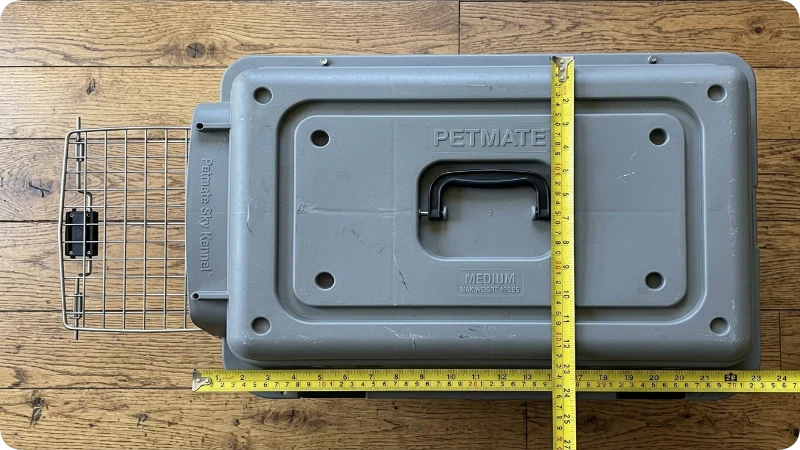
A large dog travel crate generally measures 36–48 inches long and 24–32 inches tall, built from hard plastic, aluminum, or crash tested composite. Weight capacity typically covers dogs from 50 to 110 pounds. Prices range from $80 for basic airline approved models to $500+ for crash rated or aluminum crates.
| Feature | Standard Travel Crate | Airline Approved Crate |
| Size range | 36″–48″ | 32″–48″ (varies by carrier) |
| Material | Hard plastic | IATA compliant hard plastic |
| Door type | Single wire door | Metal squeeze latch, no plastic clips |
| Ventilation | Side vents | Ventilation on 3+ sides |
| Best for | Road trips, home use | Cargo hold flights |
| Price range | $80–$200 | $150–$350 |
How to Measure a Large Dog for a Travel Crate
Choosing the right crate starts with your dog’s actual measurements, not the breed name or weight listed on a product page. Two German Shepherds, for example, can require different crate sizes because their body length and height may differ.
Measure your dog while standing naturally. For crate length, measure from the tip of the nose to the base of the tail, then add several inches for comfortable movement. For height, measure from the floor to the top of the head or highest point of the ears, depending on how your dog naturally carries its ears, and allow enough additional space for the dog to stand without crouching.
Your dog should be able to stand, turn around, sit naturally, and lie down comfortably inside the crate.
Large Dog Travel Crate Size Guide
| Dog Type | Typical Crate Starting Point | Common Examples |
| Large | 36–40 inches | Labrador Retriever, smaller Golden Retriever |
| Extra large | 40–42 inches | German Shepherd, larger Golden Retriever |
| Giant | 48 inches or larger | Great Dane, Mastiff |
These dimensions are only starting points. Always compare your dog’s measurements with the manufacturer’s interior dimensions before purchasing.
36-Inch vs. 42-Inch vs. 48-Inch Dog Crates
The difference between a 36-inch, 42-inch, and 48-inch crate can be significant for a large dog, especially when the crate will be used for several hours.
A 36-inch crate may work for some large but relatively compact dogs. A 42-inch crate is commonly considered for larger breeds such as German Shepherds and Golden Retrievers, while a 48-inch crate may be necessary for giant breeds with longer bodies or taller frames.
Don’t automatically choose the biggest crate available. The correct crate is the one that gives your dog enough room for normal movement while remaining appropriate for the method of transportation.
For air travel, an oversized crate can also create practical problems because airlines have specific limits on crate dimensions, aircraft cargo-door sizes, and animal acceptance.
What Counts as a “Large Dog” for Crate Sizing
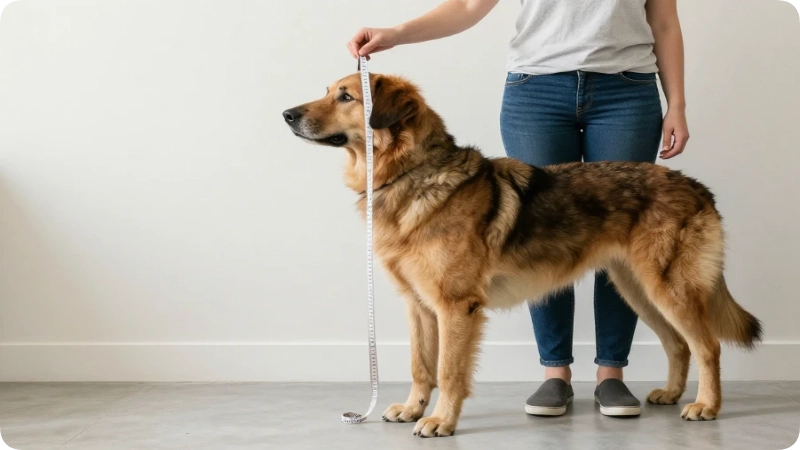
A dog is generally considered large for crate purposes once it weighs more than 50 pounds or stands taller than 22 inches at the shoulder. Breeds in this category include Labrador Retrievers, German Shepherds, Doberman Pinschers, and Standard Poodles. Crate size should always be based on the dog’s measurements, not just its breed name.
To size a crate correctly, measure the dog from nose to base of tail, then add 4 inches for length. Measure from the floor to the top of the head or ears (whichever is taller) and add 2–4 inches for height. A crate that’s too large isn’t automatically safer. Airlines often reject oversized crates because a dog can be thrown off balance during turbulence or braking.
Airline Requirements for Large Dog Travel Crates

Most U.S. airlines require large dogs traveling in cargo or as checked baggage to use an IATA compliant hard sided crate with metal door hardware, ventilation on all four sides, and “Live Animal” labeling. Plastic snap latch doors are typically rejected. Requirements vary by carrier, so confirming directly with the airline before booking is essential.
- Ventilation: At least 14% of the crate’s total wall area must allow airflow, with a higher percentage required on two opposing sides.
- Hardware: Metal nuts, bolts, and hinge pins not plastic clips are standard for cargo approval.
- Labeling: “Live Animal” stickers, arrows indicating upright position, and the owner’s contact information are typically required.
- Space: The dog must be able to stand without crouching, turn in a full circle, and lie down in a natural position.
Because pet policies change often, travelers should verify current large dog and cargo hold rules directly with the airline and check the U.S. Department of Transportation’s pet travel guidance before booking.
What Makes a Dog Crate Airline Approved?
“Airline approved” is not a guarantee that every airline will accept a particular crate. Airlines can have their own rules concerning crate construction, dimensions, ventilation, door hardware, labeling, and the size or breed of the animal.
For air travel, look for a rigid crate with secure construction, adequate ventilation, strong door hardware, and enough interior space for your dog to stand, turn, and lie down naturally.
Before buying, compare the crate’s specifications with the specific airline’s current pet-travel policy. Also check the requirements for your destination because international and domestic travel can involve different documentation and animal-entry rules.
Never rely only on a retailer’s “airline approved” product label.
Road Trip Crates vs. Flight Crates
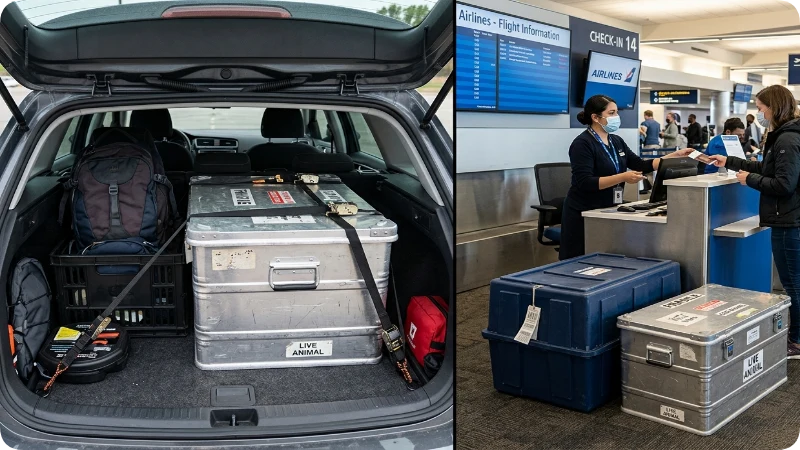
A crate designed for flying and a crate designed for driving solve different safety problems. Choosing between them starts with how your dog will spend most of the journey.
For air travel, a rigid crate that meets the airline’s current requirements is the priority. The crate needs secure construction, adequate ventilation, appropriate door hardware, and enough interior space for the dog to stand, turn around, and lie down naturally. Always confirm acceptance with the airline rather than relying only on a retailer’s “airline approved” label.
For road trips, crash protection and secure installation matter more. A crash-tested crate designed for vehicle use can provide a stronger option than a basic airline kennel. The crate should also be positioned and secured according to the manufacturer’s instructions so it cannot slide or become a projectile during sudden braking.
A dual-purpose crate can be convenient, but don’t assume one product automatically provides the best protection for both situations. An airline-compliant plastic crate may not have been crash tested for vehicle collisions, while a heavy-duty aluminum or composite vehicle crate may not meet an airline’s cargo requirements.
If you regularly travel by both car and plane, compare the manufacturer’s specifications with your airline’s rules before buying. In some cases, having separate flight and vehicle crates is the safer and more practical solution.
The best crate depends on how you plan to travel.
| Feature | Flight Crate | Road Trip Crate |
| Main priority | Airline acceptance | Vehicle safety |
| Common material | Hard plastic | Aluminum or reinforced composite |
| Door | Secure metal hardware | Heavy-duty locking system |
| Crash testing | Not necessarily included | Important feature to look for |
| Ventilation | Essential | Essential |
| Portability | Important | Less important |
| Best for | Air transportation | Long-distance driving |
An airline-approved crate isn’t automatically a crash-tested vehicle crate, and a premium vehicle crate isn’t automatically accepted by an airline. If you regularly fly and drive with your dog, check whether one product genuinely meets the requirements of both types of travel before buying.
What to Put Inside a Large Dog Travel Crate
A travel crate should be comfortable without becoming cluttered. Your dog needs enough open floor space to move naturally.
For a long road trip, useful items can include:
- An absorbent crate liner or pad
- A familiar blanket that does not interfere with ventilation
- An appropriate water container
- Identification information
- A spare leash
- Cleaning supplies
- Waste bags
- Copies of important pet documents
For flights, follow the airline’s instructions carefully. Avoid adding toys, bedding, bowls, or other objects that could become unsafe or interfere with handling unless the carrier permits them.
The goal is simple: comfortable, secure, and uncluttered.
How to Secure a Large Dog Crate in a Car
A large crate should never be allowed to slide around the vehicle during a road trip. Sudden braking or a collision can turn an unsecured crate into a serious hazard.
Position the crate according to the manufacturer’s instructions and use the vehicle’s appropriate cargo restraints or tie-down system when the crate is designed for them. Make sure luggage cannot fall against the crate or block its ventilation openings.
Before a long trip, test the setup with the vehicle stationary. Check that the crate remains stable when pushed from different directions and that your dog has adequate ventilation and comfortable temperature conditions.
For frequent road travelers, a crash-tested large dog crate can be worth considering because it is specifically designed with vehicle impact protection in mind.
How to Prepare a Large Dog for Crate Travel
A crate should not be introduced for the first time on travel day.
Start by leaving the crate open at home and allowing your dog to investigate it voluntarily. Place meals, treats, or familiar items inside so the crate becomes associated with positive experiences.
Gradually increase the amount of time your dog spends inside. For road trips, practice short drives before attempting a full-day journey. For air travel, work toward comfortable periods of quiet crate time while following your veterinarian’s advice.
Watch for signs of severe stress rather than simply assuming your dog will “get used to it.” If your dog shows persistent distress, speak with a veterinarian or qualified behavior professional before the trip.
Types of Travel Crates for Large Dogs

Hard Plastic Airline Crates
These two piece crates snap together around a wire door and are the most widely accepted option for cargo hold flights. They’re durable, easy to clean, and typically the most affordable airline compliant choice.
Aluminum and Metal Crates
Built for durability and vehicle use, aluminum crates resist chewing and hold up well over years of regular travel. They’re heavier and pricier but are a favorite among working dog and hunting dog owners who travel frequently.
Soft Sided Crates
Soft crates work only for in cabin travel with small to medium dogs and are not accepted for large dogs in cargo. They’re worth mentioning only so large breed owners don’t waste money on a size incompatible option.
Crash Tested Composite Crates
These reinforced crates are built specifically for vehicle safety, often independently tested for impact protection. They cost more but offer meaningful peace of mind on long highway drives.
Large Dog Travel Crate Checklist Before You Leave
Before leaving home, inspect the crate from top to bottom.
Crate checklist:
- Correct size for your dog’s measurements
- Door closes and locks securely
- No cracked plastic or damaged metal
- Ventilation openings are unobstructed
- Floor is clean and dry
- Identification information is attached
- Water setup is appropriate for the type of travel
- Required pet documents are packed
- Airline requirements have been checked if flying
- Vehicle restraints are ready if driving
- Dog has completed practice sessions
Doing this inspection the night before can prevent a damaged latch, missing document, or incorrect crate from becoming a travel-day problem.
Budget Breakdown: What a Travel Crate for Large Dogs Costs
Basic hard plastic airline approved crates for large dogs generally run $80–$180, while premium aluminum or crash tested models range from $250–$600. Add on costs often include bedding, a water dispenser bowl that clips to the door, and a crate cover, typically adding $30–$70 total.
| Item | Typical Cost |
| Basic airline crate | $80–$180 |
| Premium aluminum crate | $250–$600 |
| Crate pad/bedding | $20–$50 |
| Clip on water dispenser | $10–$20 |
| Crate cover | $15–$35 |
Buying secondhand can cut costs significantly, but always inspect hinges, latches, and vents for cracks before flying, since airlines will reject a damaged crate at check in.
Top Features to Look for Before Buying
The best travel crates for large dogs combine secure metal latching, ample cross ventilation, a leak proof base tray, and size options large enough for the dog to stand and turn freely. Reinforced corners and a manufacturer crash test certification add extra value for frequent travelers.
- Leak proof tray base for easy cleanup during long trips
- Front and side ventilation to keep airflow consistent
- Metal squeeze latch doors for cargo hold approval
- Reinforced external ridges for stacking and handling durability
- Carry handles rated for the crate’s max dog weight
Insider Tips for Large Breed Travel Crates
Experienced traveling dog owners tend to agree on a few details that first time flyers or road trippers often miss.
- Freeze the water bowl the night before a flight so it melts slowly instead of spilling during loading.
- Zip tie the crate door in addition to the latch for flights airlines often require this as a backup safety measure.
- Line the base with absorbent pads, not just a blanket, since accidents are common during long haul travel.
- Practice crate time at home for at least two weeks before a trip so the crate feels familiar rather than stressful.
- Book a direct flight whenever possible layovers significantly increase the time a large dog spends in cargo.
Hidden Gems: Overlooked Details That Matter
Three details rarely make it into general packing lists but matter specifically for large breed crate travel.
- Regional crate return policies at pet supply chains like PetSmart and Petco often allow exchanges if a crate turns out to be the wrong size worth checking before assuming a purchase is final.
- Airport pet relief areas, found at most major U.S. hubs including Atlanta’s Hartsfield Jackson and Chicago O’Hare, offer a last chance for a large dog to stretch before crating for a flight.
- USDA approved veterinarians near departure airports can issue same week health certificates, which several airlines require within 10 days of travel.
Common Mistakes Large Dog Owners Make
- Buying by breed name instead of measurements. A “large dog” size label doesn’t guarantee fit always measures the individual dog.
- Skipping a trial run. Dogs created for the first time on travel day are far more likely to show anxiety symptoms mid flight.
- Assuming all airlines have the same rules. Weight limits, breed restrictions (especially for brachycephalic breeds), and temperature embargoes vary widely between carriers.
Safety Tips for Traveling With a Crated Large Dog
Large dogs traveling by air or car should always wear a secure collar with visible ID tags, even inside a locked crate, in case of accidental separation during handling. Avoid feeding a full meal within four hours of travel to reduce motion sickness risk, but always provide access to water until departure.
Temperature matters too many U.S. airlines enforce embargoes on pet cargo travel during extreme summer or winter conditions. Checking a carrier’s seasonal pet policy before booking a summer flight through a hot climate hub avoids last minute cancellations.
Packing Advice for a Long Trip With a Large Dog
Pack a small travel kit that stays attached to or near the crate: a printed copy of vaccination records, a recent photo of the dog, a favorite worn (unwashed) blanket for scent familiarity, and a spare leash zip tied to the crate top. Include a laminated card with emergency contact information and destination address.
For road trips, add a collapsible water bowl, a roll of paper towels, and any regular medications in a labeled container. For flights, most airlines require food and water dishes to be accessible from outside the crate without opening the door.
Family and First Time Traveler Tips
Families creating a large dog for the first time should schedule a vet visit within the required window before departure and start crate training at least two weeks ahead using short, positive sessions with treats and meals inside the crate. This builds comfortable associations before the actual travel day arrives.
Kids traveling with the family dog can help by decorating the crate with the dog’s name and a “Friendly Dog” note, which some handlers and airline staff appreciate during loading and unloading.
Alternatives to Flying With a Large Dog in Cargo
For owners uneasy about cargo hold travel, ground pet transport services and long distance pet relocation companies offer door to door alternatives that avoid the cargo hold entirely. Driving in a crash tested crate is another option for trips under two days, giving more control over rest stops and temperature.
Some airlines also offer limited cabin space for medium dogs under a certain weight, though this generally isn’t available for large breeds due to size restrictions on underseat carriers.
Is a Travel Crate Worth It for Large Dogs?
Yes a dedicated travel crate is worth the investment for any large dog that flies, road trips regularly, or needs secure transport to boarding or vet visits. The upfront cost is offset by reduced injury risk, airline compliance, and reusable long term value across multiple trips.
What’s overrated: Extremely expensive designer crates rarely outperform mid range IATA compliant models on core safety features. What’s underrated: Crate training time before the trip, which affects the dog’s comfort far more than the crate brand itself.
FAQs
What size travel crate does a large dog need?
The correct crate size depends on the dog’s actual measurements rather than breed or weight alone. Your dog should be able to stand naturally, turn around, sit, and lie down comfortably. Many large breeds use crates around 36 to 48 inches long, but always compare your dog’s measurements with the manufacturer’s interior dimensions.
Is a 42-inch crate big enough for a German Shepherd?
A 42-inch crate can be appropriate for some German Shepherds, but it is not automatically the correct size for every dog. Measure your dog’s body length and standing height first, then compare those measurements with the crate’s interior dimensions. A larger or longer German Shepherd may require a different size.
What is the best travel crate for a large dog in a car?
For frequent road trips, look for a crate specifically designed or independently tested for vehicle safety. Aluminum and reinforced composite crates are popular options, but the most important features are appropriate sizing, secure construction, and a safe method of securing the crate inside the vehicle.
Are large dog crates allowed on airplanes?
Large dogs may be transported by air under certain airline and route conditions, but policies vary significantly. A crate advertised as airline approved is not automatically accepted by every carrier. Check the airline’s current pet policy, crate specifications, animal restrictions, and destination requirements before booking.
What makes a large dog crate airline approved?
Airline requirements can include rigid construction, secure door hardware, adequate ventilation, appropriate dimensions, and other specifications. The exact requirements depend on the airline and journey. Always confirm the crate with the carrier before traveling instead of relying solely on the manufacturer’s or retailer’s “airline approved” description.
Can I use an airline crate for a road trip?
You can use some airline-style crates for road travel, but airline acceptance does not mean the crate has been crash tested for vehicle collisions. If your dog regularly travels by car, consider a crate specifically designed or tested for vehicle use and secure it according to the manufacturer’s instructions.
How do I measure my dog for a travel crate?
Measure your dog while standing naturally. Measure body length from the nose to the base of the tail and measure standing height from the floor to the top of the head or highest point of the ears. Compare these measurements with the manufacturer’s interior dimensions and allow enough room for standing, turning, sitting, and lying down.
What should I put in a large dog’s travel crate?
Use only items that are appropriate for the type of transportation. For road trips, an absorbent liner, suitable water container, and familiar bedding can be useful. For flights, follow the airline’s instructions because carriers may have specific rules about bedding, food, water containers, and other items placed inside the crate.
How early should I start crate training before travel?
Start well before the trip rather than introducing the crate on travel day. Two weeks can be a useful minimum for basic preparation, but dogs that are nervous about confinement may need considerably longer. Build up gradually with positive experiences and practice short car trips before attempting a long journey.
Can a large dog fly in the cargo hold?
Some airlines transport larger dogs in aircraft cargo areas under specific conditions, while others have restricted or suspended certain pet-transport services. Availability can also depend on the route, aircraft, weather, breed, and destination. Check the airline’s current policy before making travel arrangements.
Can airlines reject a large dog crate at check-in?
Yes. A crate can be rejected if it does not meet the carrier’s current requirements or is damaged, incorrectly sized, inadequately secured, or otherwise unsuitable for the animal and route. Confirm the exact requirements before arriving at the airport and inspect the crate before departure.
Is a 48-inch crate too big for a large dog?
Not necessarily. A 48-inch crate can be appropriate for a giant or particularly long-bodied dog, but the crate should not be selected simply because it is the largest available. Oversizing can create transport and airline-acceptance problems, so choose the size based on the dog’s measurements and the transportation method.
Final Takeaways
Choosing the right travel crate for large dogs comes down to three things: accurate sizing based on the dog’s measurements, confirming airline specific hardware and ventilation requirements before booking, and building in crate training time so the trip feels familiar rather than frightening. A well chosen crate protects a dog on the road and clears them for the cargo hold without delays at check in.
Start the search early, measure twice, and double check policies directly with the airline or a trusted pet supply retailer before the trip. A little preparation now means a calmer, safer journey for the dog and everyone traveling with them.

Gordon Ramsay is a travel writer and destination researcher who helps U.S. travelers plan smarter trips, covering destinations, seasonal trends, budgets, and logistics to help readers decide where—and when—to go.
Rather than simply listing popular places, Gordon Ramsay focuses on what travelers actually need: comparing weather against crowds, weighing costs and accessibility, and researching current conditions alongside official tourism guidance—delivering honest, practical advice without the hype.