Quick answer:
Most major U.S. intercity bus lines Greyhound, Megabus, FlixBus, and Jefferson Lines only allow trained service animals, not pets. But smaller regional carriers like Peter Pan Bus Lines, C&J Trailways, and select Trailways of New York routes let small dogs and cats ride in an approved carrier, usually for a small fee and a weight limit around 20–25 pounds.
Planning a trip with a wagging tail in tow is more stressful than it should be. You book a bus ticket, picture your dog curled up under your seat, and then discover often too late that the company you chose only accepts service animals. That single detail can wreck a whole itinerary.
This guide clears up the confusion around buses that allow pets to travel in the United States. It breaks down exactly which companies say yes, which say no, what the carriers, fees, and weight limits look like, and what to do if your favorite route simply won’t budge. If you’re heading to visit family with a cat in a carrier or road tripping cross country with a small dog, you’ll leave this article knowing precisely where to book and where not to waste your time.
Quick Facts: Pet Friendly Bus Travel in the USA
Most national bus brands ban pets outright, while a handful of regional and university route carriers welcome small animals. Service animals trained under the ADA are the one universal exception every bus company in the country must allow, free of charge, regardless of breed or size.
| Bus Company | Pets Allowed? | Service Animals | Typical Weight Limit | Fee |
| Greyhound | ❌ No | ✅ Yes | N/A | N/A |
| Megabus | ❌ No | ✅ Yes | N/A | N/A |
| FlixBus (USA) | ❌ No | ✅ Yes (ESAs also welcomed) | N/A | N/A |
| Jefferson Lines | ❌ No | ✅ Yes | N/A | N/A |
| Peter Pan Bus Lines | ✅ Yes | ✅ Yes | 25 lbs (pet + carrier) | Fee applies, confirm at booking |
| C&J Trailways | ✅ Yes | ✅ Yes | 20 lbs (pet + carrier) | ~$15 per pet |
| Trailways of New York | ✅ Yes (varies by route) | ✅ Yes | Confirm with carrier | Confirm with carrier |
Always verify current policy directly with the carrier before booking, since bus company pet rules change more often than most travelers expect.
Why Most National Bus Companies Don’t Allow Pets
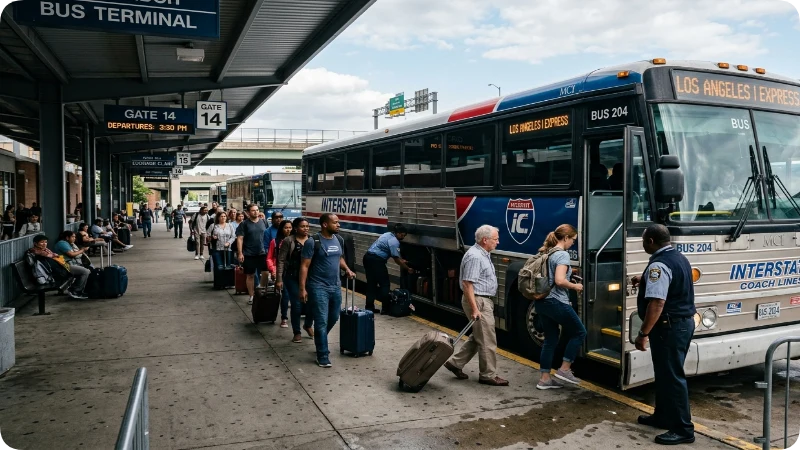
Large interstate carriers restrict pets mainly because of space, allergies, and liability concerns on shared, fully booked coaches. Greyhound, Megabus, and FlixBus all limit onboard animals to ADA recognized service animals, meaning even a well behaved lapdog in a carrier is turned away at the door.
Despite the company’s dog themed name, Greyhound is one of the strictest. Pets aren’t permitted in the passenger cabin or in the under bus luggage compartments, and emotional support animals don’t qualify under the exception either, since the ADA doesn’t classify ESAs as service animals. Megabus follows the same rule, and FlixBus’s U.S. routes state plainly that pets can’t ride for safety reasons though FlixBus does go a step further than most by also welcoming emotional support animals, not just task trained service dogs.
Which Bus Companies Actually Allow Pets
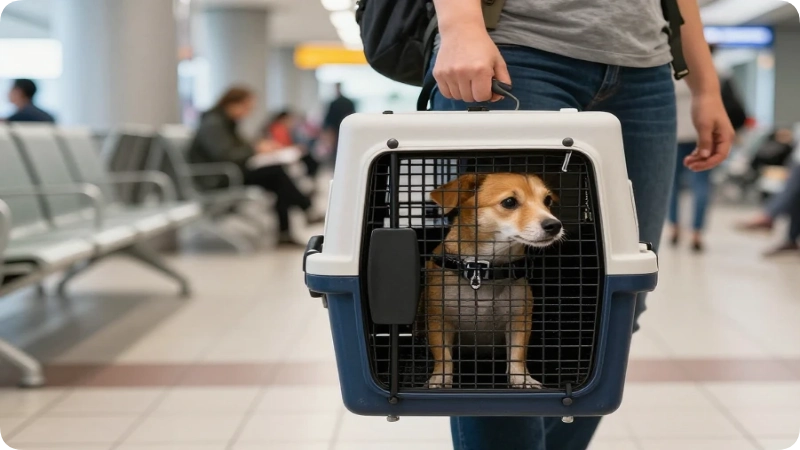
A smaller group of regional coach operators built pet friendly policies specifically because travelers kept asking for them. Peter Pan Bus Lines and C&J allow one small dog or cat per passenger in an approved carrier, and Trailways of New York permits pets on select routes with carrier requirements confirmed at booking. Policies can differ between independently operated routes, even within the same bus network.
Peter Pan, which runs extensively through the Northeast, lets riders bring a small dog or cat as long as the combined weight of pet and carrier stays under 25 pounds. The carrier needs to be leak proof, ventilated, and small enough to fit under the seat, and the pet must stay inside it for the entire ride. C&J’s Carry On Pet Program works almost identically for its New England routes, capping combined weight at 20 pounds and charging roughly $15 per pet, with a signed release form required. These two companies are consistently the most reliable answer nationally to “which bus allows my dog to ride with me.”
Greyhound’s Pet Policy Explained
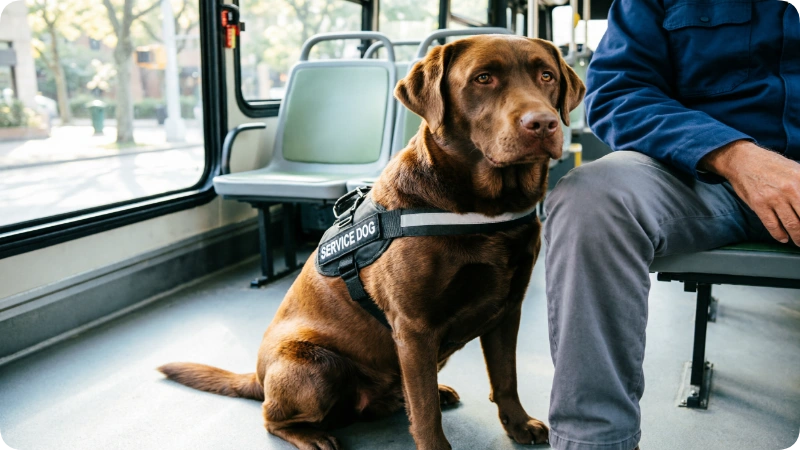
Greyhound permits only ADA defined service animals onboard, and this rule applies system wide with no regional exceptions. A service dog must be individually trained to perform a specific task for a disabled passenger, and it must stay on the floor at the handler’s feet rather than in a seat or the aisle.
Staff are legally allowed to ask only two questions: If the animal is required because of a disability, and what task it’s trained to perform. They cannot demand documentation, certification, or a demonstration. Emotional support animals, therapy animals, and comfort animals don’t meet the ADA definition, so they’re turned away even with paperwork. If a service animal becomes disruptive or isn’t housebroken, Greyhound can require the passenger to leave the animal at the next stop.
Megabus and FlixBus Pet Rules
Megabus and FlixBus mirror each other on paper pets are banned, service animals are welcome but FlixBus’s definition of an accepted animal is noticeably broader. FlixBus explicitly allows emotional support animals alongside trained service animals, a policy most other major U.S. bus lines don’t extend.
On FlixBus, ESAs including therapy and PTSD support animals can ride at no charge, must remain on the handler’s lap, at their feet, or in the wheelchair accessible area, and don’t need to be muzzled. Megabus, by contrast, sticks strictly to the ADA definition, so an ESA letter won’t get a pet on board. Both companies note that routes operated by outside partner carriers may run slightly different policies, so it’s worth double checking the fine print during booking on either platform.
Regional and Local Bus Lines Worth Checking
Beyond the big interstate names, several regional carriers and city transit systems quietly welcome pets with fewer restrictions than you’d expect. Small local and commuter bus systems often allow leashed dogs or carried pets at the driver’s discretion, especially outside of rush hour.
Cincinnati’s Go Metro, for instance, permits pets in a carrier system wide, and several Massachusetts and Washington State ferry and bus combination systems allow leashed dogs on the floor when space allows. These local systems won’t get you across the country, but they’re genuinely useful for shorter regional hops, and they’re frequently overlooked by travelers fixated only on the national brands.
Service Animals vs. Emotional Support Animals: What the Law Actually Says
The ADA recognizes only dogs (and in limited cases, miniature horses) trained to perform a specific task for a person with a disability, which is why bus companies can legally exclude emotional support animals. This is the single biggest point of confusion for travelers trying to bring a pet on Greyhound, Megabus, or Jefferson Lines.
An ESA provides comfort through its presence alone, without task specific training, so it doesn’t qualify under federal transportation disability law the way a guide dog or a seizure alert dog does. Carrying an ESA letter from a therapist won’t override a bus company’s no pets policy on the major national lines. If your dog is a genuine service animal, keep documentation of its training handy even though staff can’t legally require it, since it can smooth over misunderstandings at busy terminals.
What a Pet Carrier Needs to Meet Bus Requirements

Every pet friendly bus company requires a carrier that’s leak proof, well ventilated, and small enough to slide under the seat in front of the passenger. The pet must be able to stand, turn around, and lie down naturally inside it, and it has to stay fully enclosed for the whole trip.
Hard sided and soft sided carriers are both accepted as long as they meet size caps, which typically top out around 19 by 14 by 10.5 inches. Combined pet and carrier weight limits usually land between 20 and 25 pounds, which rules out most medium and large dogs entirely. Line the bottom with an absorbent pad, freeze a small water dish so it melts slowly instead of sloshing, and let your pet get comfortable with the carrier at home for several days before travel day.
Traveling With Large Dogs: What Are Your Options?
Most bus companies that allow pets limit travel to small dogs and cats that fit comfortably inside an approved carrier under the seat. If you have a medium or large dog that isn’t a trained service animal, finding a pet-friendly bus can be extremely difficult.
Consider these alternatives:
- Rent a pet-friendly vehicle for maximum flexibility.
- Use Amtrak on eligible routes if your pet meets size requirements.
- Book a pet transportation service for long-distance moves.
- Check regional shuttle companies, as some have more flexible pet policies than national bus lines.
- Split your trip into shorter segments using different transportation options if necessary.
Planning ahead is especially important for large breeds because last-minute alternatives are often expensive or unavailable. Pet-friendly van shuttle services available in some regions.
Fees and Booking: What to Expect
Carriers that allow pets generally charge modest fees of around $15 per pet, making them much more affordable than most airline pet fees. By law, carriers allow ADA service animals to travel free of charge. While some carriers don’t require advance pet reservations, you should book your pet’s spot as early as possible because many routes limit the number of animals allowed on each departure.
C&J doesn’t require advance notice but does ask riders to sign a pet release form at check in. Peter Pan recommends confirming carrier compliance with an agent before the trip, particularly on busier holiday routes where seating fills quickly. Because policies get updated without much fanfare, it’s worth calling the specific route’s customer service line 24–48 hours before departure to confirm nothing has changed. Holiday travel fills pet allocations quickly, especially around Thanksgiving, Christmas, and summer weekends.
How Far in Advance Should You Book Bus Travel With a Pet?
Pet-friendly seats can be more limited than standard passenger seats because some companies restrict the number of animals allowed on each departure.
For the best chance of securing a spot:
- Book as soon as your travel dates are confirmed.
- Contact customer service before purchasing your ticket if the pet policy isn’t clear.
- Avoid waiting until holiday weekends or peak travel periods.
- Confirm your reservation again 24 to 48 hours before departure.
- Arrive early so staff can verify your carrier and boarding requirements.
A little extra planning can prevent unnecessary delays at the station.
Common Mistakes Pet Owners Make When Booking Bus Travel
Three mistakes account for most last minute bus station heartbreak: assuming Greyhound allows pets because of its name, confusing an ESA with a service animal, and showing up with an oversized carrier. Each one is avoidable with a five minute check of the specific carrier’s current policy before buying a ticket. Not every station has pet relief areas, so travelers should plan bathroom breaks before boarding.
The Greyhound name mix up is the most common; the company has never allowed pets, service animals excluded, despite what the brand suggests. The ESA confusion trips up even experienced travelers, since airline rules on ESAs shifted over the past few years and bus rules never matched them in the first place. And carrier size mistakes happen when people buy a carrier sized for home use rather than the tighter under seat dimensions bus companies enforce.
Alternatives If Your Bus Line Won’t Allow Pets
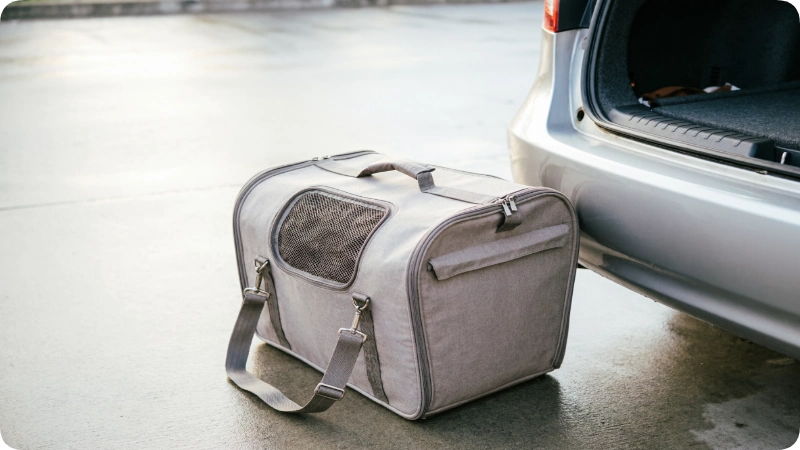
If your preferred airline doesn’t allow pets, rent a car, book Amtrak, or use a pet-specific ground transport service instead Amtrak allows small cats and dogs under 20 pounds combined with carrier on select routes for a flat fee, making it a strong substitute for cross state trips.
Rideshare services like Uber and Lyft leave pet policy up to the individual driver, so messaging ahead of a request is good etiquette. Rental cars remain the most flexible option for longer trips, and most major companies don’t restrict pets as long as you protect the seats and are honest about any resulting mess or damage. For long distance moves, specialized pet transport companies exist purely to shuttle animals between cities, though they run considerably pricier than a coach ticket.
Packing and Prep Checklist for Bus Travel With a Pet
A calm pet on travel day comes down to preparation: exercise beforehand, a familiar carrier, and a small kit of essentials packed within reach. Tire your pet out with a walk or play session an hour or two before departure, since a tired animal settles into a carrier far more easily than an energetic one.
Pack a collapsible water bowl, a leash, waste bags, a favorite small blanket, and any medication your pet needs, all within a bag you can access without digging through checked luggage. Skip a large meal right before boarding to reduce the odds of motion sickness, and arrive at the terminal early enough to let your pet use a designated relief area if the station has one. Always carry printed vaccination records when crossing state lines or staying in pet-friendly accommodations.
Helping Your Pet Stay Calm During the Ride
Even pets that travel well by car may react differently to the sounds, movement, and unfamiliar environment of a bus.
A few simple steps can help reduce stress:
- Let your pet become familiar with the carrier several days before the trip.
- Exercise your dog before departure to burn off extra energy.
- Bring a favorite blanket or toy with a familiar scent.
- Speak calmly during boarding instead of rewarding anxious behavior.
- Avoid sedatives unless specifically recommended by your veterinarian.
Most pets settle down once the bus is moving if they feel secure inside their carrier.
Safety Tips for the Trip Itself
Keeping the carrier stable, limiting food and stimulation, and staying calm yourself are the three biggest safety factors once you’re actually on the bus. A carrier that shifts during a sharp turn or sudden stop is the most common source of mid trip pet stress, so wedge it securely under the seat in front of you before the bus pulls out.
Pets pick up on their owner’s energy, so a relaxed, steady tone from you does more to settle a nervous animal than anything in the carrier itself. Avoid opening the carrier mid trip except at scheduled stops, and never let a service animal or pet occupy the aisle, since it’s both a policy violation and a tripping hazard for other passengers. Soft-sided carriers are often easier to fit under bus seats than rigid carriers.
Family and Solo Traveler Tips
Traveling with kids and a pet means budgeting extra time at the terminal, while solo travelers with pets benefit from choosing daytime departures with fewer crowds. Families should seat the pet carrier closest to the window side adult, not next to a child, to avoid startling a nervous animal.
Solo travelers often find early morning or midweek departures easier, since terminals are quieter and drivers have more flexibility to accommodate carrier placement. If you’re new to traveling with a pet, doing a short practice trip on public transit near home first can reveal If your pet handles enclosed carriers and engine noise well before you commit to a multi hour bus ride.
Worth It? How Long You’ll Need, and What’s Overrated
Bus travel with a small pet is genuinely worth it for trips under six hours where flying isn’t practical and driving isn’t an option, but it loses its appeal fast on longer, multi transfer routes. Plan for at least 30–45 extra minutes at the terminal beyond your normal buffer to handle carrier checks, relief breaks, and boarding logistics.
Assuming every regional carrier follows the same rules as the national brand it’s affiliated with. For example, Trailways operates as a network of independently run companies, so each carrier sets its own policies. What’s underrated: Calling ahead to confirm the rules before you travel. A two minute phone call to the specific route’s customer service line resolves more pet travel uncertainty than any article, including this one.
State and Local Rules May Differ
While most pet travel rules are determined by individual bus companies, local transit agencies and regional transportation providers may have additional requirements.
Depending on where you’re traveling, you may encounter rules involving:
- Required leash use while inside terminals.
- Local vaccination or licensing requirements.
- Carrier size restrictions on commuter buses.
- Seasonal service changes.
- Different policies for connecting local buses.
If your trip includes multiple bus companies or public transit systems, check each operator’s pet policy separately before departure.
FAQs
Does Greyhound allow dogs or cats on the bus?
No. Greyhound only permits trained service animals under the ADA. Pets, including small dogs and cats in carriers, are not allowed in the cabin or in the luggage compartments, regardless of size.
Which bus company is the most pet friendly in the USA?
Peter Pan Bus Lines and C&J are currently the most consistently pet friendly regional carriers, allowing a small dog or cat in an approved carrier under about 20–25 pounds combined weight, typically for a small fee.
Can I bring an emotional support animal on a bus?
It depends on the company. FlixBus allows ESAs alongside service animals, but Greyhound, Megabus, and Jefferson Lines only recognize ADA defined service animals, so an ESA letter won’t get a comfort animal onboard those lines.
Can I buy a separate seat for my pet on a bus?
Generally, no. Even if you purchase an extra seat, most bus companies require pets to remain inside an approved carrier placed under the seat rather than occupying a passenger seat. Service animals are usually allowed to sit on the floor at their handler’s feet but not in a seat.
Can two pets travel together in one carrier?
It depends on the carrier’s policy and the size of the animals. Some companies allow two small pets to share one carrier if they can both stand, turn around, and lie down comfortably. Always confirm the specific requirements before traveling.
What happens if my pet becomes disruptive during the trip?
If a pet creates excessive noise, behaves aggressively, or poses a safety concern, the driver may require the passenger to leave the bus at the next safe stop, depending on the company’s policy. Choosing a carrier your pet is already comfortable with can help reduce stress-related behavior.
Do service animals ride for free on buses?
Yes. Under the ADA, legitimate service animals travel at no additional cost on every U.S. bus company, and staff cannot legally charge a pet fee or require certification paperwork for them.
What size carrier do bus companies require for pets?
Most pet friendly carriers cap around 19 by 14 by 10.5 inches, with combined pet and carrier weight limits between 20 and 25 pounds. The carrier must be leak proof, ventilated, and fit fully under the seat.
Is Amtrak a better option than a bus for traveling with pets?
For many routes, yes. Amtrak allows small cats and dogs under a combined 20 pound limit on select routes for a flat fee, which is often more predictable than hunting for a pet friendly bus line.
Do I need to notify the bus company in advance if I’m bringing a pet?
It varies by carrier. C&J doesn’t require advance notice, but Peter Pan and most others recommend confirming pet space and carrier compliance with an agent before your travel date, especially during holidays.
The Bottom Line
Finding a bus that welcomes your pet comes down to three takeaways: national brands like Greyhound, Megabus, and FlixBus only accept service animals, regional carriers like Peter Pan and C&J are your best bet for a genuine pet friendly ride, and a properly sized, ventilated carrier makes or breaks If you’re allowed to board at all.
Before you lock in a ticket, spend the extra few minutes confirming the current policy directly with the carrier rules shift, and a quick call beats an unpleasant surprise at the terminal. With the right company and a little preparation, hitting the road with your pet by your side is entirely doable.

Gordon Ramsay is a travel writer and destination researcher who helps U.S. travelers plan smarter trips, covering destinations, seasonal trends, budgets, and logistics to help readers decide where—and when—to go.
Rather than simply listing popular places, Gordon Ramsay focuses on what travelers actually need: comparing weather against crowds, weighing costs and accessibility, and researching current conditions alongside official tourism guidance—delivering honest, practical advice without the hype.