Featured Snippet: The Midwest spans 12 states from Ohio to North Dakota offering Great Lakes shorelines, national parks, vibrant cities like Chicago and Minneapolis, and budget friendly road trips. Best visited May through October, the region blends small town charm with big city culture, making it ideal for families, road trippers, and nature lovers alike.
Why the Midwest Deserves a Spot on Your Travel List
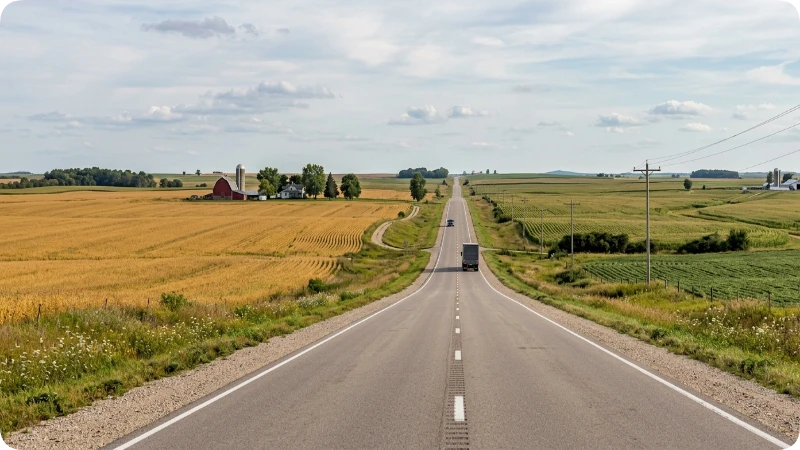
Planning a trip to travel Midwest destinations means choosing a region that rarely gets the spotlight it deserves. Many travelers skip straight to the coasts, missing out on rolling farmland, lakeside towns, and cities packed with world class food and museums. That oversight is exactly why the Midwest still feels refreshingly uncrowded.
This guide cuts through the guesswork. It covers when to go, how to get around, where to stay on any budget, and which attractions actually live up to the hype plus a few hidden gems most guides skip entirely. If it’s a weekend in Chicago or a two week loop through the Great Lakes, this article maps out a Midwest trip that fits real schedules and real budgets.
Routes:
Great Lakes Loop (7–10 Days)
Route:
Chicago → Milwaukee → Door County → Sleeping Bear Dunes → Detroit → Chicago
Perfect for:
- First-time Midwest visitors
- Families
- Summer travel
Highlights include beaches, lighthouses, lakefront towns, and city attractions.
National Parks Adventure (8–12 Days)
Route:
Minneapolis → Badlands National Park → Black Hills → Mount Rushmore → Custer State Park
Ideal for travelers who enjoy hiking, wildlife viewing, and photography.
Historic Midwest Route (5–7 Days)
Route:
St. Louis → Springfield → Galena → Chicago
This itinerary combines historic landmarks, architecture, museums, and famous food stops.
Choosing a route before booking hotels makes planning much easier and helps reduce unnecessary driving.
How Many States Should You Visit in One Midwest Trip?
Because the Midwest covers a huge area, many first-time visitors try to fit too much into one vacation.
A realistic pace is:
Weekend (2–3 days)
- One major city
One week
- Two to three states
10–14 days
- Four to six states
Three weeks
- Full regional road trip
Allow enough time to enjoy each destination instead of spending most of your vacation driving between them.
Best Midwest Destinations for Every Type of Traveler
The Midwest offers something for almost every travel style. Matching destinations to your interests helps create a more enjoyable itinerary.
| Traveler | Best Destinations |
| Families | Wisconsin Dells, Indianapolis, Mall of America |
| Couples | Door County, Galena, Mackinac Island |
| Outdoor lovers | Badlands, Voyageurs, Sleeping Bear Dunes |
| Food lovers | Chicago, Kansas City, St. Louis |
| History lovers | Springfield, Detroit, St. Louis |
| Solo travelers | Chicago, Madison, Minneapolis |
Rather than trying to see every state in one trip, focus on destinations that match your interests and available time.
Best Midwest Festivals Worth Planning Around
One of the Midwest’s biggest strengths is its festival culture. Scheduling your trip around local events adds another layer to the experience.
Popular festivals include:
- Chicago Air and Water Show
- Wisconsin State Fair
- Minnesota State Fair
- National Cherry Festival (Michigan)
- Oktoberfest in La Crosse, Wisconsin
- Kansas City BBQ Festival
- Tulip Time Festival in Holland, Michigan
Hotels fill quickly during major festivals, so booking accommodations several months ahead is recommended.
Midwest Weather by Month
Weather varies dramatically across the region, making monthly planning especially important.
| Month | Weather | Best Activities |
| April | Mild, rainy | City breaks |
| May | Pleasant | Road trips |
| June | Warm | National parks |
| July | Hot | Beaches and lakes |
| August | Warm | Festivals |
| September | Comfortable | Hiking |
| October | Cool | Fall colors |
| November | Chilly | Museums |
| December | Snow | Holiday markets |
| January | Very cold | Skiing |
| February | Snow | Winter sports |
| March | Variable | Shoulder season travel |
Knowing average seasonal conditions helps you pack appropriately and avoid weather-related surprises.
Quick Facts About Traveling the Midwest
The Midwest includes 12 states: Ohio, Indiana, Illinois, Michigan, Wisconsin, Minnesota, Iowa, Missouri, North Dakota, South Dakota, Nebraska, and Kansas. Major hub airports include Chicago O’Hare, Minneapolis–St. Paul, and Detroit Metro. The region is known for affordable travel costs compared to the coasts.
| Category | Details |
| States Covered | 12 (Ohio to Kansas) |
| Best Time to Visit | May–October |
| Major Airports | ORD, MSP, DTW, MCI |
| Currency/Language | USD / English |
| Known For | Great Lakes, national parks, road trips, food culture |
| Budget Level | Moderate to budget friendly |
Best Time to Visit the Midwest
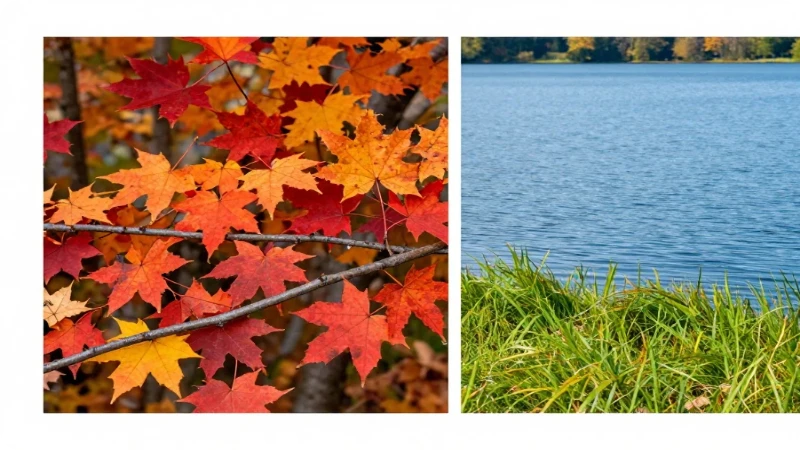
Late spring through early fall is the sweet spot for most Midwest travel, with June through September offering warm weather perfect for lakes, festivals, and road trips. Winter brings snow sports in northern states but harsh cold elsewhere, so timing depends heavily on the planned activities.
Seasonal Breakdown
- Spring (April–May): Mild temperatures, blooming landscapes, fewer crowds, occasional rain.
- Summer (June–August): Peak season warm days, festivals, lake activities, higher hotel rates.
- Fall (September–October): Stunning foliage, harvest festivals, comfortable temperatures, shoulder season pricing.
- Winter (November–March): Cold and snowy, great for skiing in Michigan or Minnesota, but many rural attractions close.
Seasonal Comparison Table
| Season | Pros | Cons |
| Summer | Festivals, lake life, long daylight | Crowds, higher prices |
| Fall | Foliage, mild weather, fewer tourists | Some attractions wind down |
| Winter | Skiing, holiday markets, low rates | Extreme cold, road closures |
| Spring | Blooming scenery, lower prices | Unpredictable weather |
How to Get to the Midwest
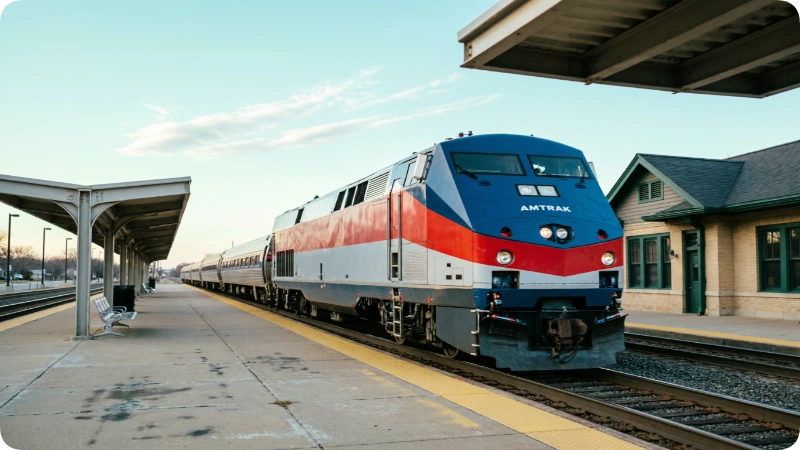
Most travelers fly into Chicago O’Hare (ORD), Minneapolis–St. Paul (MSP), or Detroit Metro (DTW), all of which connect to nearly every major U.S. city. Amtrak’s Empire Builder and Lake Shore Limited routes also link Midwest cities for travelers who prefer rail over flying.
Transport Options Once There
- Rental car: The most flexible option for exploring small towns and national parks.
- Amtrak: Connects major hubs like Chicago, St. Louis, and Milwaukee.
- Regional flights: Useful for covering long distances between states like North Dakota and Ohio.
- Greyhound/Megabus: Budget friendly intercity travel between larger cities.
A rental car is strongly recommended for anyone planning a Midwest road trip, since many of the region’s best attractions sit outside city limits.
Where to Stay in the Midwest
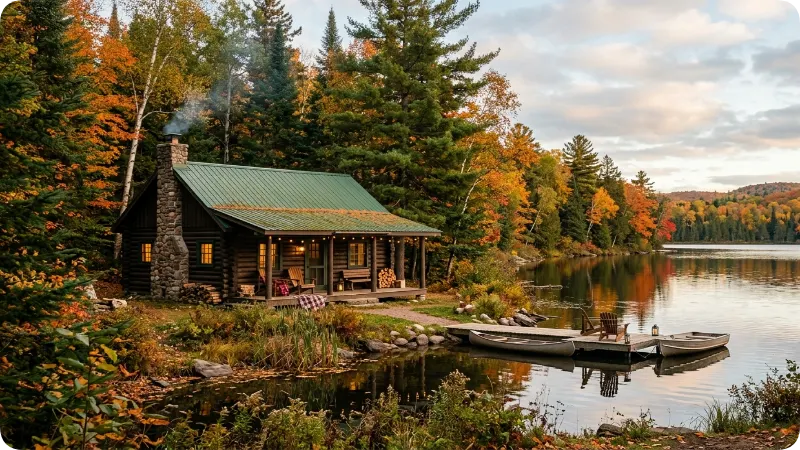
Accommodation options range from boutique hotels in downtown Chicago to lakeside cabins in Wisconsin’s Northwoods. Budget travelers can find well reviewed hostels in college towns like Madison and Ann Arbor, while families often prefer cabin rentals near the Great Lakes for extra space.
Lodging by Traveler Type
- City explorers: Downtown hotels in Chicago, Minneapolis, or Indianapolis.
- Families: Lakefront cabins or vacation rentals in Michigan or Wisconsin.
- Budget travelers: Hostels in university towns or chain motels along interstates.
- Nature lovers: Lodges near national parks like Voyageurs or Badlands.
Booking 6–8 weeks ahead during peak summer months helps secure better rates, especially near lake towns where demand spikes.
Budget Breakdown for a Midwest Trip
A moderate Midwest trip typically costs less than coastal destinations, with daily budgets ranging from $100 for budget travelers to $250+ for mid range comfort. Costs vary significantly between major cities like Chicago and smaller rural towns.
| Expense | Budget | Mid Range |
| Lodging | $60–90/night | $130–200/night |
| Food | $25–40/day | $50–80/day |
| Transport | $40–60/day (car rental) | $70–100/day |
| Activities | $10–20/day | $30–60/day |
Travel insurance is worth considering for road trips covering multiple states, particularly if rental car coverage or weather related delays are a concern. Always confirm current pricing directly with providers, since rates shift seasonally.
Ways to Save Money While Traveling the Midwest
Traveling through the Midwest is already relatively affordable, but a few simple strategies can stretch your budget even further.
You can save money by:
- visiting during spring or fall
- booking hotels outside downtown areas
- choosing scenic byways instead of toll roads where practical
- staying in cabins or vacation rentals when traveling with family
- taking advantage of free museums and public parks
- eating at locally owned diners instead of tourist restaurants
Planning ahead often reduces transportation and accommodation costs without sacrificing experiences.
Top Attractions Across the Midwest

The Midwest’s top draws include Chicago’s Millennium Park, the Mall of America in Minnesota, the Gateway Arch in St. Louis, and Michigan’s Sleeping Bear Dunes National Lakeshore. Each offers a distinct flavor of the region, from urban skylines to dramatic natural landscapes.
City Highlights
- Chicago, Illinois: Architecture river cruises, Millennium Park, world class museums.
- St. Louis, Missouri: The Gateway Arch and historic Forest Park.
- Minneapolis, Minnesota: Lake filled urban parks and the Mall of America.
- Indianapolis, Indiana: The Indianapolis Motor Speedway and a walkable downtown canal.
Natural Wonders
- Sleeping Bear Dunes National Lakeshore (Michigan): Towering sand dunes overlooking Lake Michigan.
- Badlands National Park (South Dakota): Dramatic rock formations and wildlife viewing.
- Voyageurs National Park (Minnesota): A water based park ideal for canoeing and stargazing.
Hidden Gems Most Tourists Miss
Beyond the big name stops, the Midwest hides smaller treasures that reward travelers willing to detour off the interstate. These spots offer fewer crowds and a more local experience without sacrificing scenery or culture.
Three Underrated Stops
- Door County, Wisconsin: Often called the “Cape Cod of the Midwest,” with quiet harbor towns and cherry orchards.
- Galena, Illinois: A preserved 19th century town with antique shops and rolling hills nearby.
- Apostle Islands National Lakeshore (Wisconsin): Sea caves and lighthouses accessible by kayak, far less crowded than Lake Michigan hot spots.
These destinations work especially well for travelers wanting Midwest charm without the tourist lines found in Chicago or the Wisconsin Dells.
Things to Do in the Midwest
Activities range from urban food tours to multi day hiking trips, making the Midwest flexible for nearly any travel style. Outdoor lovers can pair lake activities with hiking, while culture seekers can explore museums and music history.
- Kayak the Apostle Islands sea caves in Wisconsin.
- Walk the Riverwalk in Milwaukee or San Antonio style canal in Indianapolis.
- Tour Motown history in Detroit, Michigan.
- Bike the Katy Trail across rural Missouri.
- Visit a working farm or orchard during fall harvest season.
Food & Dining in the Midwest
Midwest cuisine reflects its agricultural roots, with deep dish pizza in Chicago, cheese curds in Wisconsin, and barbecue traditions in Kansas City standing out as regional staples. Farm to table dining has also grown significantly in cities like Minneapolis and Columbus.
Don’t Miss Regional Foods
- Chicago deep dish pizza a hearty, must try classic.
- Kansas City barbecue known for its sweet, tomato based sauce.
- Wisconsin cheese curds best fresh and squeaky.
- Cincinnati chili served over spaghetti, a local specialty.
Midwest Foods You Should Try
Beyond the famous dishes, each state has specialties worth tasting.
Some local favorites include:
- Juicy Lucy burgers (Minnesota)
- Toasted ravioli (St. Louis)
- Runza sandwiches (Nebraska)
- Pork tenderloin sandwiches (Indiana)
- Lefse (North Dakota and Minnesota)
- Frozen custard (Wisconsin)
Trying regional foods is one of the easiest ways to experience Midwest culture.
Traveling the Midwest With Pets
Many Midwest destinations are pet-friendly, making the region an excellent choice for travelers bringing dogs.
Popular pet-friendly activities include:
- hiking selected trails in state parks
- walking lakefront paths in Chicago and Milwaukee
- staying at pet-friendly cabins
- visiting outdoor breweries and patios
- exploring scenic byways
Before visiting national or state parks, check individual pet regulations since trail access varies.
Culture & Etiquette Tips
Midwesterners are widely known for friendliness, often called “Midwest nice,” which means small talk with strangers and genuine helpfulness are common. Tipping at restaurants typically runs 18–20%, similar to national U.S. norms.
- Greet service staff warmly; politeness goes a long way here.
- Avoid rushing conversations patience is appreciated in smaller towns.
- Dress is generally casual, even at many sit down restaurants.
Safety Tips for Midwest Travel
The Midwest is generally considered a safe region for travelers, though weather related risks like tornadoes and winter storms require attention. Checking the National Weather Service forecast before road trips, especially in spring and summer, is a smart precaution.
- Monitor tornado watches/warnings between April and July.
- Carry an emergency kit for winter road trips (blankets, water, flashlight).
- Keep gas tanks at least half full in rural stretches with few stations.
Packing Advice for the Midwest
Layered clothing is essential year round, since Midwest weather can shift quickly even within a single day. Summer calls for breathable fabrics and rain gear, while winter trips require heavy coats, gloves, and waterproof boots.
- Summer: Light layers, sunscreen, swimwear for lake destinations.
- Fall: Light jacket, comfortable walking shoes for foliage hikes.
- Winter: Insulated coat, thermal layers, waterproof boots.
Family Tips for Visiting the Midwest
Family friendly destinations like the Mall of America, the Indianapolis Children’s Museum, and Wisconsin Dells water parks make the Midwest especially appealing for trips with kids. Many national and state parks also offer Junior Ranger programs through the National Park Service.
Solo Travel Tips
Solo travelers often find the Midwest welcoming, with hostels in college towns offering social opportunities and small town diners providing easy spots to meet locals. Renting a car solo also makes flexible, spontaneous stops easier to manage.
Accessibility in the Midwest
Major cities like Chicago and Minneapolis offer accessible public transit, while national parks in the region provide accessible trails and visitor centers as outlined on NPS accessibility pages. It’s worth checking individual park or attraction websites ahead of time, since accessibility varies by location.
Responsible Travel in the Midwest
Supporting local farms, family owned diners, and small town shops helps sustain Midwest communities that rely heavily on tourism income. Staying on marked trails in parks like Sleeping Bear Dunes also protects fragile dune ecosystems from erosion.
Common Mistakes Travelers Make (And How to Avoid Them)
- Underestimating driving distances the Midwest is larger than it looks on a map; always build in extra travel time.
- Visiting lake towns only in peak summer shoulder seasons offer better rates and fewer crowds.
- Skipping smaller towns entirely many of the best food and scenery experiences happen off the interstate.
Alternatives to Popular Midwest Spots
Travelers seeking a quieter version of Chicago might prefer Milwaukee, while those wanting Mall of America style shopping without the crowds could try Indianapolis’s downtown shopping district. These alternatives offer similar experiences with shorter lines and lower costs.
Sample 7 Day Midwest Itinerary
A week long loop works well for travelers wanting a mix of city and nature, starting in Chicago and ending near the Great Lakes shoreline.
| Day | Stop | Highlight |
| 1–2 | Chicago, IL | Architecture tour, deep dish pizza |
| 3 | Milwaukee, WI | Riverwalk, breweries |
| 4–5 | Door County, WI | Lighthouses, harbor towns |
| 6 | Sleeping Bear Dunes, MI | Dune climb, lake views |
| 7 | Detroit, MI | Motown Museum, riverfront |
FAQS
Is the Midwest a good place to travel?
Yes, the Midwest offers a strong mix of affordable travel, diverse cities, and natural attractions like the Great Lakes and national parks, making it suitable for families, couples, and solo travelers alike.
What is the best month to travel the Midwest?
June through September is generally best for warm weather and full attraction access, while September and October offer fall foliage with smaller crowds and lower hotel rates.
How many days do you need to see the Midwest?
A solid introduction takes at least 7–10 days, though a full regional road trip covering multiple states comfortably needs two to three weeks.
Is the Midwest expensive to visit?
No, the Midwest is generally more budget friendly than coastal U.S. regions, with lower average hotel and dining costs in most cities outside Chicago.
What states are considered the Midwest?
The Midwest includes Ohio, Indiana, Illinois, Michigan, Wisconsin, Minnesota, Iowa, Missouri, North Dakota, South Dakota, Nebraska, and Kansas.
Do you need a car to travel the Midwest?
A car is highly recommended, since many attractions like national parks and small lake towns are not well served by public transit.
Is the Midwest safe for solo travelers?
Yes, the region is widely considered safe, with friendly locals and low crime rates in most tourist areas, though weather awareness is important during storm season.
What is the cheapest way to travel around the Midwest?
Driving is usually the most affordable option for families or groups because transportation costs can be shared. Solo travelers visiting major cities may save money by combining Amtrak services with local public transportation.
Which Midwest state is best for first-time visitors?
Illinois is often the best starting point thanks to Chicago’s world-class attractions and convenient transportation connections. Travelers interested in nature may prefer Michigan or South Dakota for their scenic landscapes.
What is the best Midwest destination for families?
Wisconsin Dells, Indianapolis, and the Mall of America consistently rank among the top family destinations because they combine entertainment, museums, water parks, and kid-friendly attractions.
Is the Midwest good for fall travel?
Absolutely. September and October bring colorful foliage, harvest festivals, apple orchards, scenic drives, and comfortable temperatures throughout much of the region, making fall one of the best times to visit.
Final Thoughts: Is the Midwest Worth the Trip?
The Midwest delivers genuine value: lower costs, fewer crowds, and a surprising range of experiences from Great Lakes shorelines to vibrant city food scenes. It rewards travelers willing to slow down and explore beyond the highway exits.
Three takeaways stand out: visit between May and October for the best weather, rent a car for full flexibility, and don’t skip the small towns that often outshine the big attractions. For anyone craving an authentic, less crowded slice of America, the heartland is calling.

Gordon Ramsay is a travel writer and destination researcher who helps U.S. travelers plan smarter trips, covering destinations, seasonal trends, budgets, and logistics to help readers decide where—and when—to go.
Rather than simply listing popular places, Gordon Ramsay focuses on what travelers actually need: comparing weather against crowds, weighing costs and accessibility, and researching current conditions alongside official tourism guidance—delivering honest, practical advice without the hype.