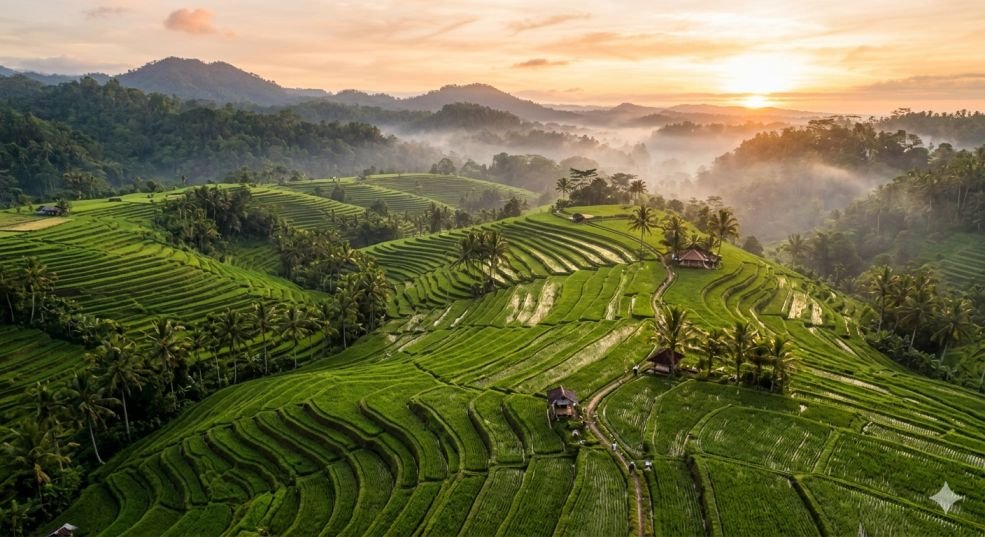
Bali is a small Indonesian island about the size of Delaware that packs in volcanic mountains, ancient Hindu temples, emerald rice terraces, surf ready beaches, and one of the world’s most welcoming cultures.
For American travelers, it sits roughly 12,000 miles from the U.S. East Coast a long flight, but one that consistently ranks among the most rewarding trips people ever take.
This guide covers everything from visa requirements and the best time to visit, to where to stay, what to eat, how to get around, and how to avoid the mistakes that trip up most first timers.
If you have 7 days or 3 weeks, you’ll leave with a clear, honest picture of what Bali actually looks and feels like and how to make the most of your time there.
Quick Facts About Bali
| Detail | Information |
| Country | Indonesia |
| Capital of Bali | Denpasar |
| Language | Balinese, Indonesian (English widely spoken in tourist areas) |
| Currency | Indonesian Rupiah (IDR) |
| Time Zone | WITA Central Indonesian Time (UTC+8) |
| Voltage | 230V / 50Hz (bring a plug adapter) |
| U.S. Visa Required? | No Americans get a free 30 day visa on arrival (extendable) |
| Main Airport | Ngurah Rai International Airport (DPS), Denpasar |
| Average Flight from U.S. | 20–28 hours with one or two connections |
| Driving Side | Left |
Prices change frequently. Always verify visa rules, entry fees, and costs at the official Indonesian immigration website or the U.S. Embassy in Jakarta before you travel.
Best Time to Visit Bali
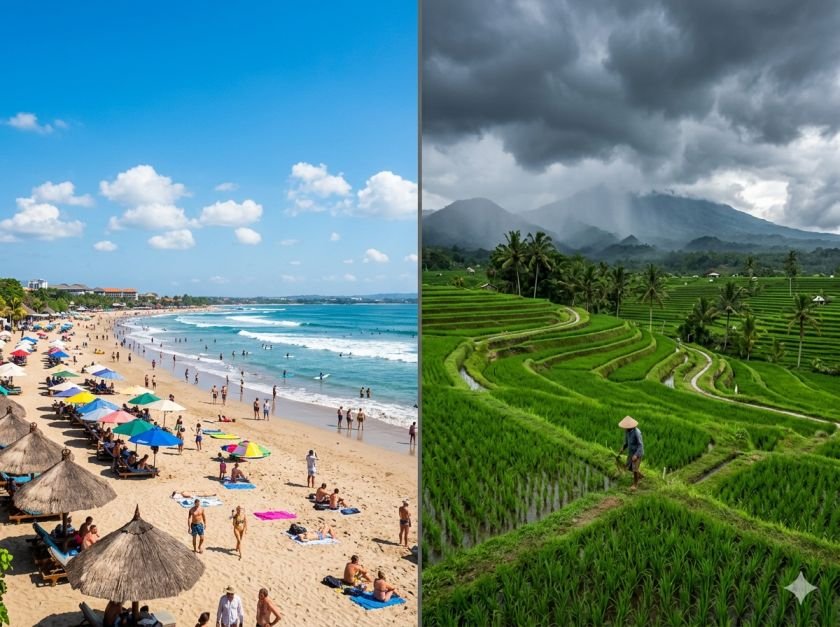
The best time to visit Bali for most American travelers is during the dry season, which runs from April through October. July and August are peak months expect bigger crowds and higher hotel prices, but reliable sunshine and low humidity. The shoulder months of April–May and September–October offer nearly identical weather with noticeably fewer tourists and better deals.
Bali has two distinct seasons: dry (April–October) and wet (November–March). The wet season doesn’t mean constant rain most days see a few hours of afternoon showers followed by sunshine. However, some roads flood, outdoor activities get disrupted, and certain surf spots become unsafe. January and February are the wettest months.
| Season | Months | Weather | Crowds | Prices |
| Dry (Peak) | July–August | Sunny, low humidity | Very high | Highest |
| Dry (Shoulder) | April–June, Sept–Oct | Sunny, pleasant | Moderate | Mid range |
| Wet Season | November–March | Warm, afternoon rain | Low | Lowest |
| Wettest Period | January–February | Heavy rain possible | Very low | Best deals |
Insider tip: If you’re chasing surf, the wet season actually brings the best swells to the west coast beaches like Canggu and Uluwatu. The east coast is calmer and better for beginners year round.
How to Get to Bali from the USA
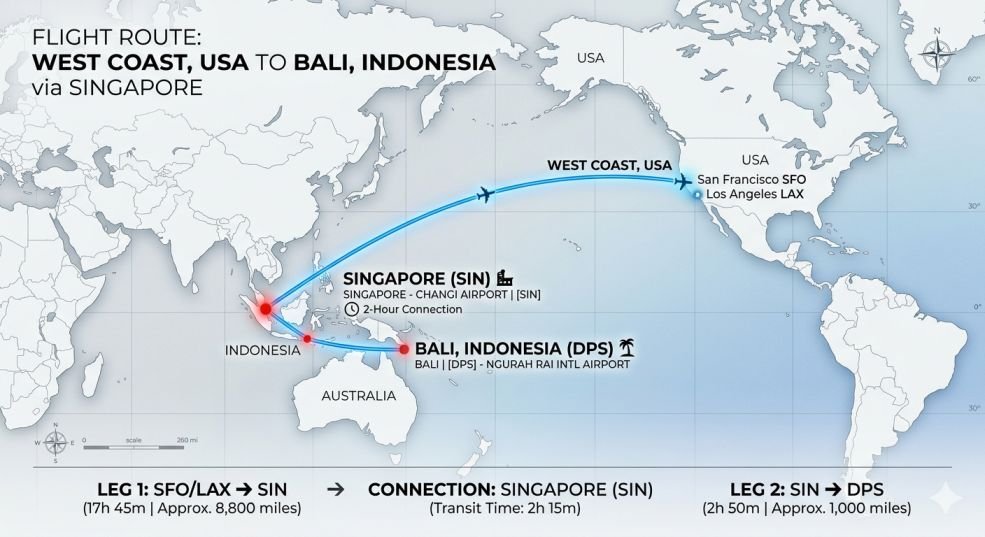
There are no direct flights from the United States to Bali. All flights connect through Asian hub cities, most commonly Singapore (via Singapore Airlines), Tokyo (via Japan Airlines or ANA), Seoul (via Korean Air), Hong Kong (via Cathay Pacific), or Taipei (via EVA Air). Total travel time from the U.S. East Coast typically runs 24–28 hours; from the West Coast, around 20–24 hours.
The main airport is Ngurah Rai International Airport (airport code: DPS), located in Denpasar in the south of the island. It’s the only commercial airport in Bali and is about 20–40 minutes from most southern tourist areas depending on traffic and traffic in southern Bali can be brutal.
Money saving tip: Booking through Singapore or Tokyo hubs often yields the best prices for Americans. Set fare alerts on Google Flights 3–6 months out. Bali flights in July and August from major U.S. cities can exceed $1,500 round trip; April and October departures frequently come in under $900.
Visa Requirements for Americans
American citizens do not need to arrange a visa in advance to visit Bali. As of the most recent update, U.S. passport holders receive a Visa on Arrival (VOA) at Ngurah Rai Airport, which grants 30 days of stay. You can extend this once at a local immigration office for another 30 days, giving you up to 60 days in total.
The Visa on Arrival fee is currently set at approximately $35 in U.S. dollars, although it may change, so always verify it on the official Directorate General of Immigration website at imigrasi.go.id before your trip. You’ll need to pay in cash or by card at the airport kiosk before reaching passport control.
Your passport must be valid for at least six months beyond your entry date. Keep a digital and physical copy of your passport photo page you’ll need it more than once during your stay.
Getting Around Bali
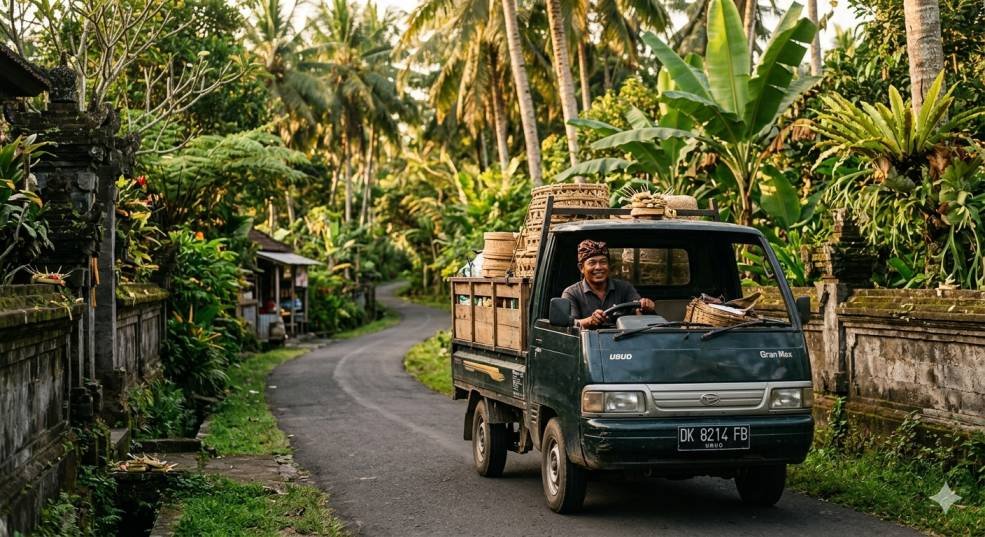
Bali has no public transit system to speak of. Getting around almost entirely means hiring a private driver, renting a scooter, booking a rideshare app, or using a combination of all three.
Private driver (recommended for most travelers): Hiring a local driver for a full day typically costs between $40–$70 USD and includes a vehicle, fuel, and a guide who knows the roads. This is the most comfortable, safest, and often most economical option for covering multiple sights in one day. Your hotel or villa can usually arrange a trusted driver, or you can book through platforms like GetYourGuide or local Facebook expat groups.
Grab (rideshare app): The Southeast Asian equivalent of Uber, Grab works well in Denpasar, Kuta, Seminyak, Canggu, and Ubud. Prices are fixed before you book, which removes the stress of negotiating. In some tourist heavy areas, Grab drivers ask you to meet them around the corner to avoid conflict with local taxi associations follow their instructions.
Scooter rental: Widely available for roughly $5–$8 per day. This is a popular option among younger travelers and long term visitors, but it carries real risk. Bali’s roads are narrow, traffic is chaotic, and hospitals outside of Denpasar are limited. If you’ve never ridden a scooter before, Bali is not the place to learn. If you’re comfortable on one, wear a helmet (always), carry your international driver’s license, and avoid riding after dark.
Insider tip: Download the Grab app before you leave the U.S. and connect it to a credit card. It’ll save you time and money the moment you land.
Where to Stay in Bali: Area Breakdown
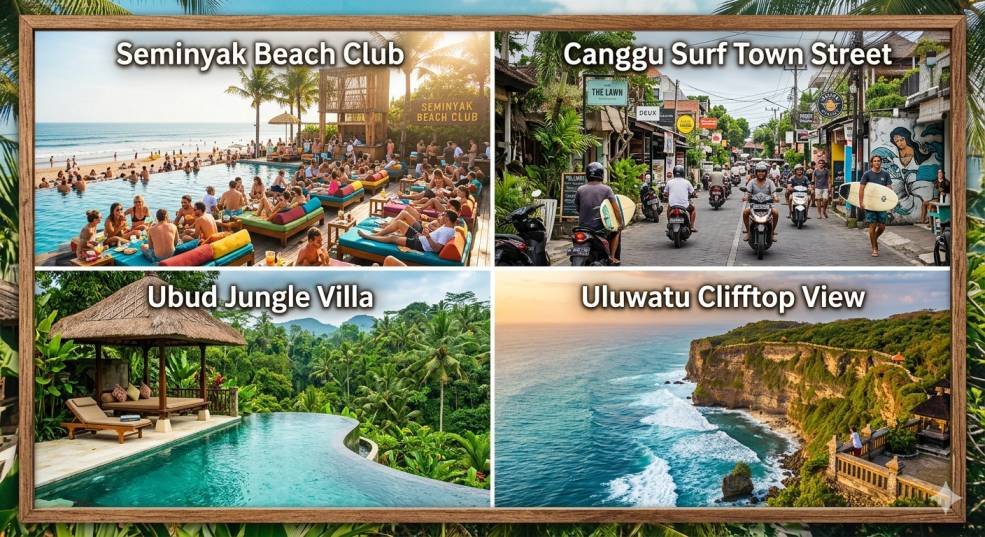
Bali doesn’t have one central hub it has distinct zones, each with a different personality. Choosing the right base matters more in Bali than almost anywhere else because traffic makes moving between areas time consuming.
Seminyak is polished, upscale, and ideal for first timers who want comfort alongside culture. It has excellent restaurants, beach clubs, boutique shopping, and easy access to Kuta and Canggu. Midrange hotels run $80–$200 per night; luxury villas go much higher.
Canggu has become the digital nomad and surf crowd’s favorite over the past decade. It’s more casual than Seminyak, with great coffee shops, plant based cafes, surf breaks, and a younger international crowd. It’s less “Bali” than some areas but highly livable. Expect $50–$150 per night at good guesthouses and villas.
Ubud sits inland among rice terraces and jungle and is the cultural heart of the island. This is where you’ll find the best traditional dance performances, cooking classes, yoga retreats, and Balinese craft markets. It’s quieter, cooler at night, and better for anyone wanting a more contemplative trip. Rates range from budget homestays at $20–$40 to luxury jungle resorts at $400+.
Uluwatu is perched on the dramatic southern cliffs and is best known for world class surf, spectacular sunsets at Uluwatu Temple, and upscale beach clubs. It’s more remote than the rest and requires a car or scooter to get anywhere. Great for honeymooners and surfers; less ideal for those without mobility or who want to explore widely.
Amed and Candidasa on the northeast coast are quieter alternatives loved by divers and snorkelers. Stay here if you plan to dive into Bali’s underwater attractions, including the famous USS Liberty shipwreck off Tulamben.
Top Attractions and Things to Do in Bali
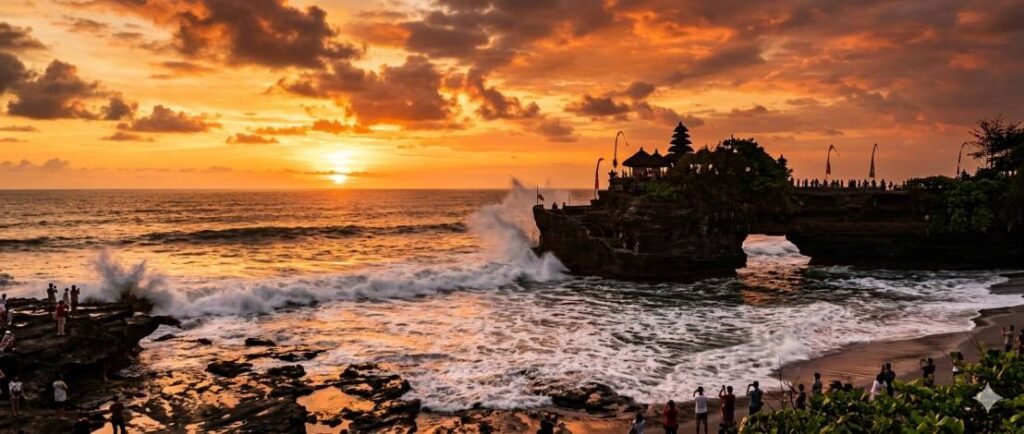
Bali offers a remarkable range of experiences in a compact geography. Although the island spans only about 90 miles, it offers ancient temples, active volcanoes, coral reefs, jungle waterfalls, and rice terraces that local farmers have cultivated continuously for more than 1,000 years.
Tanah Lot Temple is one of Bali’s most iconic sights a sea temple perched on a rock formation just offshore, framed perfectly at sunset. It’s extremely popular and crowded from about 4:30 p.m. onward. Arrive by 3:30 p.m. for better photos and fewer elbows.
Tegallalang Rice Terraces near Ubud offer the classic layered rice field landscape most people picture when they think of Bali. It’s beautiful, but also heavily commercialized with swings and photo prop vendors lining the paths. Go before 8 a.m. to experience it in relative quiet.
Mount Batur is an active volcano in the Kintamani region that offers one of Bali’s most rewarding sunrise hikes.Hikers can reach the 5,633-foot summit in about 2 hours, but local regulations require them to trek with a licensed local guide. The view from the top looking over the crater lake and surrounding mountains is genuinely stunning. Book through a registered guide association.
Uluwatu Temple sits on a 230 foot clifftop on Bali’s southern peninsula and hosts a traditional Kecak fire dance performance at sunset most evenings. The combination of cliff views, crashing ocean, and ancient ceremony makes this one of the most memorable experiences on the island. Watch your belongings the temple’s resident monkeys are notorious thieves.
Tirta Gangga Water Palace in east Bali is one of the island’s most beautiful and least crowded royal gardens, featuring ornate fountains, koi ponds, and tiered gardens set against jungle hills. It’s a long drive from the south but worth it if you’re heading to Amed.
Semara Ratih Temple and the surrounding highlands around Bedugul offer a completely different side of Bali misty mountain lakes, cooler temperatures, and a quiet that’s rare in the busier south. The Pura Ulun Danu Bratan water temple floating on Lake Bratan is one of Bali’s most photographed spots.
Hidden Gems Worth Seeking Out
Three places that most first timers miss and shouldn’t:
Tukad Cepung Waterfall near Bangli is set inside a narrow canyon where sunlight filters through an opening in the rock in dramatic golden shafts, particularly in the morning. It requires a short hike through a river gorge (bring water shoes), but the visual payoff is extraordinary. Arrive before 9 a.m. for the light.
Sidemen Valley in east Bali is the rice terrace experience without the crowds. It’s what Ubud’s Tegallalang looked like 15 years ago quiet paths, local farmers working the fields, small family guesthouses, and almost no souvenir stands. Stay a night if you can.
Penglipuran Village near Bangli is one of Bali’s best preserved traditional villages, where families still live in uniform traditional compounds lining a single main path. It’s maintained meticulously by the local community and offers a genuine look at Balinese village life. Entry requires a small donation; plastic bags are banned in the village.
Food and Dining in Bali
Balinese food offers one of the island’s most underrated pleasures. Local cooks build the cuisine around complex spice pastes (called base), coconut, fresh herbs, and open-fire cooking, creating flavors that differ significantly from the Indonesian food most Americans have encountered.
Must try dishes include:
Babi Guling whole roasted suckling pig seasoned with turmeric, galangal, and lemongrass. The most iconic Balinese dish. Ibu Oka near Ubud’s royal palace is the most famous spot, but arrive before noon it often sells out.
Bebek Betutu slow cooked duck wrapped in banana leaves with a thick spice paste, roasted for hours until the meat falls off the bone. Rich, aromatic, and deeply satisfying.
Nasi Campur a Balinese “mixed plate” of rice surrounded by small portions of various dishes, including sate, vegetables, tempeh, and egg. A great introduction to the full flavor range.
Lawar a traditional salad of minced meat (usually pork or chicken), vegetables, grated coconut, and spices. It’s served fresh and changes daily depending on the cook.
Jamu a traditional herbal tonic made from turmeric, ginger, tamarind, and other roots. Found at local markets and small warungs (family owned eateries), it’s believed to have digestive and immunity benefits and tastes surprisingly good.
Where to eat:
Warungs (small family restaurants) consistently outperform tourist restaurants on both flavor and price. A full meal at a warung rarely exceeds $3–$5 USD. Mid range restaurants in Seminyak or Canggu serving international and fusion food run $15–$30 per person. High end restaurant experiences at places like Locavore in Ubud (reservations required well in advance) approach Western fine dining prices.
Water safety: Do not drink tap water in Bali. Stick to sealed bottled water or filtered water provided by your accommodation. This applies to ice in local warungs as well, though most tourist restaurants use filtered ice.
Balinese Culture and Etiquette
Bali is a deeply spiritual island where Hinduism shapes daily life in visible, constant ways. Roughly 84% of Bali’s population practices Balinese Hinduism, and religious ceremonies, offerings, and temple observances happen every day across the island. Travelers who understand and respect this earn a very different and much richer experience.
Key etiquette points:
Dress respectfully at temples. Both men and women must cover their legs and shoulders when entering any temple. A sarong (traditional wrap) is almost always available for rent or borrowing at temple entrances for a small fee bring your own to save time and money.
Don’t step over or on the small woven leaf offerings (called canang sari) you’ll see placed on the ground throughout the island. They’re placed there daily by Balinese families as offerings to the spirits and are genuinely sacred to local people.
The left hand is considered unclean in Balinese culture. Use your right hand when giving or receiving items, especially food or money.
Menstruating women are traditionally not permitted to enter temples. This is noted on signage at most major temples.
Ask before photographing ceremonies or people at prayer. Most Balinese are welcoming, but it’s a matter of basic respect to ask first.
Safety Tips for Bali
Bali is generally safe for American tourists, but a few specific risks deserve attention.
Traffic is the biggest danger. Road accidents are the leading cause of tourist injury and death in Bali. If you rent a scooter, wear a helmet, go slowly, and avoid night riding. Pedestrians have no right of way always look both ways, even on one way streets.
Petty theft happens mainly in crowded tourist areas beach clubs, markets, and busy temple sites. Keep valuables in your accommodation safe. The monkeys at Uluwatu and Sangeh are genuinely adept at grabbing sunglasses, cameras, and bags.
Counterfeit alcohol has caused serious incidents in Bali and across Southeast Asia in recent years. Stick to sealed, branded bottles from legitimate venues. Be cautious with cheap cocktails from unlicensed beach bars, and never accept drinks from strangers.
Medical care: South Bali has internationally accredited hospitals, including BIMC Hospital in Kuta and Siloam Hospitals in Denpasar, capable of handling most emergencies. North and east Bali have very limited facilities for anything serious, you’d need medical evacuation to Denpasar or Singapore. Purchase travel insurance that includes medical evacuation before you go. The U.S. State Department maintains current safety and travel advisory information for Indonesia at travel.state.gov.
Budget Breakdown for Bali
Bali can be done on almost any budget, which is part of its enduring appeal for travelers from all walks of life.
| Budget Level | Daily Estimate (USD) | What It Gets You |
| Budget | $30–$60 | Guesthouse or homestay, warung meals, scooter rental, free/cheap attractions |
| Midrange | $80–$150 | Boutique hotel or villa, mix of local and restaurant dining, day tours |
| Upscale | $200–$400 | Luxury villa, beach clubs, spa days, private driver, fine dining |
| Ultra luxury | $400+ | Private pool villa, private chef, helicopter tours, high end resorts |
These figures are estimates as of mid 2025 and will shift with exchange rates and seasonal pricing. Verify current exchange rates at xe.com and confirm hotel prices directly before booking.
Common Tourist Mistakes in Bali (And How to Avoid Them)
Underestimating traffic. Southern Bali’s roads especially around Kuta, Seminyak, and Canggu can turn a 5 mile trip into a 90 minute ordeal during peak hours. Don’t try to visit multiple areas in one day without a realistic time buffer. Plan activities by zone, not by distance.
Skipping travel insurance. Bali’s medical evacuation costs can reach $50,000 or more for serious injuries. A comprehensive travel insurance policy covering emergency evacuation costs $50–$150 for a typical trip. This is not optional.
Overloading the itinerary. First timers often try to see all of Bali in 7 days temples, beaches, volcanoes, rice terraces, waterfalls, and Ubud. The resulting experience is exhausting and superficial. Pick two or three areas and go deep. You’ll enjoy yourself far more.
Sample 10 Day Bali Itinerary
Days 1–2: Arrive, Seminyak base. Recover from the flight, explore the beach, get your bearings. Visit Tanah Lot at sunset.
Days 3–4: Ubud. Day trip or overnight. Tegallalang rice terraces (early morning), Tirta Empul temple, cooking class, traditional Kecak dance performance in the evening.
Day 5: Mount Batur sunrise hike. Early start from Ubud guide required. Return by early afternoon.
Days 6–7: East Bali. Tirta Gangga Water Palace, Sidemen Valley, overnight in Amed if you’re a diver.
Days 8–9: Uluwatu. Cliff temples, surfing or surf watching, Kecak fire dance at the clifftop temple, beach clubs.
Day 10: Departure. Allow 3 hours before your flight. DPS airport immigration can be slow during peak periods.
Is Bali Worth It? Honest Answers
Worth it?
For most travelers, emphatically yes. The combination of natural beauty, cultural depth, food quality, affordability, and infrastructure makes it uniquely rewarding.
How long do you need?
Minimum 7 days to touch the highlights. Ten days is better. Two or three weeks is ideal for a real experience.
What’s overrated?
Kuta Beach it’s been overdeveloped for decades and now feels like a generic beach resort strip. Skip it unless you’re chasing surf.
What’s underrated?
East Bali and the northeast coast. Most travelers stay in the south and miss the quieter, more authentically Balinese parts of the island entirely.
Frequently Asked Questions About Visiting Bali
Do Americans need a visa to visit Bali?
No advance visa is required. U.S. citizens receive a Visa on Arrival at Denpasar Airport granting 30 days, extendable once for another 30 days. The fee is approximately $35 USD, payable at the airport. Always confirm current requirements at imigrasi.go.id before travel, as policies can change.
Is Bali safe for solo travelers?
Yes Bali ranks among the safer solo travel destinations in Southeast Asia, particularly for women. The main risks are traffic accidents and petty theft. Stay alert in crowded areas, use Grab rather than unmarked taxis, and inform someone of your daily plans. The island has a large, established solo traveler community, especially in Canggu and Ubud.
How much money should I budget for a week in Bali?
A comfortable midrange week typically runs $800–$1,200 all in, not counting flights. Budget travelers can get by on $400–$600. This includes accommodation, food, transport, activities, and a buffer for incidentals. Flights from the U.S. add $900–$1,500 depending on season and departure city.
What should I pack for Bali?
Pack lightweight, breathable clothing Bali is hot and humid year round. Bring a sarong (or plan to buy one there) for temple visits. Reef safe sunscreen is strongly recommended and is increasingly required at many dive and snorkel sites. Pack a light rain jacket if visiting during the wet season. A power adapter (Type C/F plug) is essential.
Can I drink the tap water in Bali?
No. Tap water in Bali is not safe to drink. Use sealed bottled water or filtered water provided by your hotel or villa. Be mindful of ice in local establishments reputable restaurants and hotels use filtered ice, but warungs and street food stalls may not.
Is Bali appropriate for families with young children?
Yes, with planning. South Bali’s beach areas are family friendly, and many resorts offer kids’ clubs and pools. The main challenges are long travel times, the heat, and food variety for picky eaters. Stick to well staffed resorts with medical support nearby if traveling with infants or toddlers.
What’s the best way to experience Balinese culture authentically?
Stay at a family run guesthouse (not just international hotel chains), eat at local warungs, attend a temple ceremony if invited, take a cooking class taught by a local family, and hire a local driver guide rather than a tour bus. Balinese people are genuinely hospitable and respectful curiosity is almost always warmly received.
Final Thoughts
Three things to take away from this guide:
Bali rewards slow travelers more than fast ones, the cultural experience is just as rich as the scenery, and the island’s affordability doesn’t make it any less extraordinary.
If you’re planning your first international trip or adding Bali to a long list of destinations, the effort of getting there almost universally pays off.
Start with a clear sense of which region fits your travel style, build in flexibility, and resist the urge to over schedule. Bali tends to reveal its best moments to people who aren’t in a rush.
Check visa requirements, travel advisories, and entry conditions at travel.state.gov and imigrasi.go.id before you book.

Gordon Ramsay is a travel writer and destination researcher who helps U.S. travelers plan smarter trips, covering destinations, seasonal trends, budgets, and logistics to help readers decide where—and when—to go.
Rather than simply listing popular places, Gordon Ramsay focuses on what travelers actually need: comparing weather against crowds, weighing costs and accessibility, and researching current conditions alongside official tourism guidance—delivering honest, practical advice without the hype.











3 thoughts on “Ultimate Bali Travel Guide for First-Time Visitors to Bali, Indonesia ”