Quick Answer:
To find softball travel teams near you, search your state’s ASA/USA Softball or USSSA association directory, ask local recreation league coaches, check tournament rosters at nearby fields, and visit team websites for tryout dates. Most travel teams hold tryouts in late summer or early fall for the following season, with costs ranging from $800–$3,000+ per year depending on travel distance and coaching level.
Finding the right softball travel team can feel overwhelming, especially when every search for “softball travel teams near me” turns up dozens of options with little explanation of what actually separates a great fit from a costly mistake. Parents and players often waste a full season and hundreds of dollars joining a team that doesn’t match their skill level, schedule, or goals. This guide walks through exactly how to search, evaluate, and choose a travel softball team, what it really costs, and how to avoid the most common pitfalls families run into along the way.
If the goal is recreational competition, college exposure, or simply playing with friends at a higher level, the right travel team should match a player’s age, skill, and family’s available time and budget. The search process matters just as much as the final decision.
What Is a Softball Travel Team?
A softball travel team, sometimes called a “select” or “club” team, is an organized squad that competes outside of standard recreational leagues, often traveling to tournaments across a region, state, or multiple states. Unlike house leagues, travel teams typically practice multiple times a week, charge membership fees, and compete at a more advanced level. Most are organized through national sanctioning bodies like USA Softball or USSSA.
How to Find the Best Softball Travel Teams Near You by State
Every state has multiple travel softball organizations, and the easiest way to narrow your options is by starting with your local governing association. Most teams compete within a regional league before traveling to larger tournaments, so searching within your state usually produces the most relevant results.
Use these resources when beginning your search:
- USA Softball state associations
- USSSA state directories
- PGF regional organizations
- NSA softball associations
- Local park district and recreation leagues
- High school athletic departments
If multiple teams serve your area, compare their coaching staff, tournament schedule, player development philosophy, and total seasonal costs instead of choosing solely based on tournament wins.
How to Find Softball Travel Teams Near You
Start by checking your state’s USA Softball or USSSA association website, both of which maintain searchable directories of registered teams by age group and region. Local batting cages, sporting goods stores, and recreation league bulletin boards often post tryout flyers too. Asking a current rec league coach is frequently the fastest route, since many coaches already know which travel programs are reputable.
Search the National Sanctioning Bodies
USA Softball (formerly ASA) and USSSA are the two largest governing organizations for travel softball in the country. Both maintain online team locators searchable by ZIP code, age division, and classification level (A, B, Major, etc.). The USA Softball website organizes teams by state association, while USSSA breaks teams down by region and tournament series.
Ask Around at Local Fields
Rec league coaches, umpires, and concession stand volunteers often know exactly which travel programs are active and well run. Showing up to watch a local tournament and chatting with parents in the stands can reveal more honest feedback than any website review.
Use Social Media and Local Forums
Many travel organizations run active Facebook pages or Instagram accounts announcing tryout dates, roster openings, and tournament results. Searching a city or county name alongside “softball travel team” on Facebook groups often surfaces programs that don’t show up in general web searches.
Check High School and Middle School Athletic Departments
High school softball coaches frequently maintain informal relationships with feeder travel programs and can point players toward teams known for developing fundamentals before high school tryouts.
Questions Parents Should Ask Before Joining a Team
Choosing a travel softball team is a significant financial and time commitment. Before accepting a roster spot, families should understand exactly what the season involves.
Important questions include:
- How many players are on the roster?
- Does every player receive meaningful playing time?
- How many overnight tournaments are scheduled?
- What fundraising is required?
- What happens if a player misses practices?
- Are private lessons encouraged or required?
- How are conflicts with school sports handled?
- What communication platform does the team use?
Getting clear answers before signing helps avoid misunderstandings during the season.
How to Choose the Right Age Division
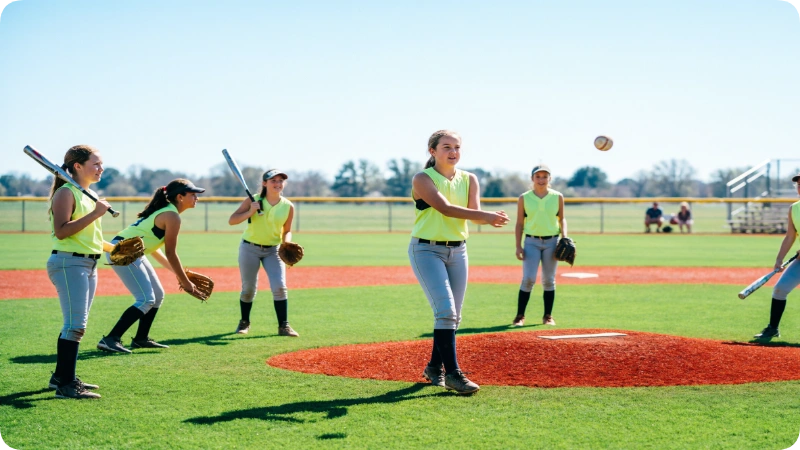
Travel softball teams are organized by age divisions to ensure fair competition and player development. Joining the correct division allows athletes to compete against players with similar physical and skill development.
| Division | Typical Age |
| 8U | Beginner players |
| 10U | Fundamental skill development |
| 12U | Increased competition |
| 14U | Advanced travel tournaments |
| 16U | High school preparation |
| 18U | College recruiting and showcase events |
If a player qualifies for two divisions because of birthdate rules, discuss placement with coaches to determine which environment best supports long-term development.
College Recruiting and Showcase Opportunities
For older players, travel softball often serves as a pathway toward college recruiting. Many showcase tournaments attract coaches from NCAA, NAIA, and junior college programs looking to evaluate athletes in competitive game settings.
Players interested in collegiate softball should look for programs that:
- regularly attend showcase tournaments
- provide recruiting guidance
- help athletes build highlight videos
- encourage academic success alongside athletics
- maintain relationships with college coaches
Not every player needs a showcase team, but those with collegiate goals should ask how the organization supports recruiting.
What Equipment Do Travel Softball Players Need?
Beyond the team uniform, travel softball players should invest in reliable equipment that keeps them comfortable throughout long tournament weekends.
Basic equipment includes:
- approved softball bat
- batting helmet with face guard (when required)
- fielding glove
- batting gloves
- cleats
- sliding shorts
- softball backpack
- reusable water bottle
- sunscreen
- recovery snacks
- extra socks
- rain jacket
Replacing worn equipment before tournament season helps prevent unnecessary issues during competition.
Travel Softball vs Recreational Softball
Families often wonder whether travel softball is the right next step after recreational leagues.
| Recreational League | Travel Softball |
| Lower cost | Higher investment |
| Local games | Regional tournaments |
| One or two practices weekly | Multiple weekly practices |
| Equal playing time | Playing time often based on performance |
| Focus on participation | Focus on development and competition |
Travel softball isn’t necessarily better for every athlete. The best choice depends on a player’s commitment, goals, and enjoyment of the game.
Quick Facts Table
| Category | Typical Range |
| Annual cost | $800–$3,000+ |
| Tryout season | July–October |
| Practice frequency | 2–4 times per week |
| Tournament travel radius | 1–6 hours (local); multi state (elite) |
| Sanctioning bodies | USA Softball, USSSA, PGF, NSA |
| Typical age divisions | 8U through 18U |
Types of Travel Teams: Recreational vs. Competitive vs. Elite
Travel softball generally splits into three tiers, and matching a player’s actual skill level to the right tier prevents burnout and benching. Recreational travel teams focus on fun and light competition with a manageable schedule. Competitive teams practice more often and travel further for tournaments with stronger opponents. Elite or “premier” teams target college recruiting exposure and often require multi state travel almost every weekend during the season.
Recreational Travel Teams
These teams usually stay within a one to two hour driving radius and play a shorter season, making them a solid entry point for families easing into travel ball without a major time or money commitment.
Competitive Travel Teams
Competitive teams raise the stakes with more frequent practices, regional tournaments, and a longer playing calendar that often runs from early spring through late summer.
Elite or Showcase Teams
Showcase teams are built around exposure to college coaches and often require players to attend additional camps, showcases, and out of state tournaments a significant time and financial investment best suited to players with serious college ambitions.
How Much Do Softball Travel Teams Cost?
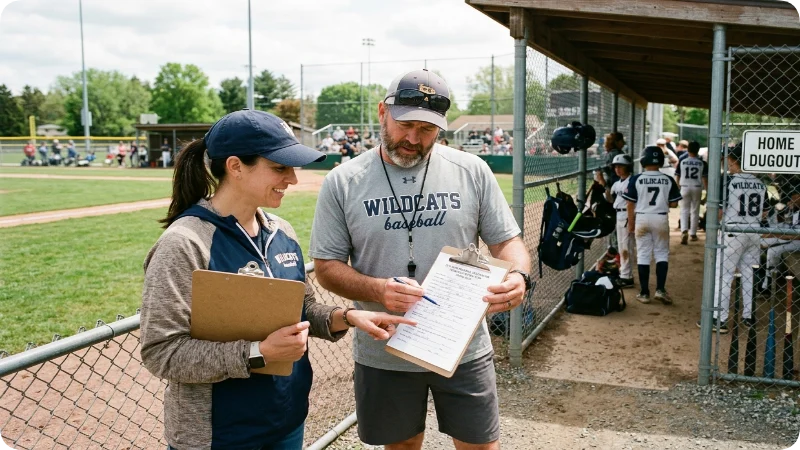
Travel softball typically costs between $800 and $3,000 per season, though elite programs with heavy out of state travel can run higher once hotels, flights, and gear are factored in. Costs usually cover coaching fees, uniforms, tournament entry fees, and field rental, but families should always ask for an itemized cost breakdown before committing.
Budget Breakdown
- Team/coaching fees: $400–$1,500 per season
- Uniforms and gear: $150–$400
- Tournament travel (gas, hotels, meals): $200–$1,500+ depending on distance
- Tournament entry fees (if not covered by team dues): $300–$600 annually
- Optional private lessons: $40–$100 per session
Flag for readers: exact pricing varies significantly by region and organization, so families should confirm current fees directly with each team before tryouts.
Hidden Costs Families Often Forget
Travel softball expenses extend beyond registration fees.
Additional costs may include:
- hotel stays
- fuel
- parking fees
- gate admission
- team apparel
- replacement equipment
- tournament photos
- team fundraising
- end-of-season banquets
Planning for these expenses early helps families avoid budget surprises during tournament season.
What to Look for in a Travel Softball Team
A strong travel team should have a clear, age appropriate practice schedule, transparent costs, certified or background checked coaches, and a track record of player development rather than just wins. The coaching philosophy matters more than the trophy case. Ask current parents how playing time is distributed and If the coach prioritizes development over a stacked roster of all stars.
Questions to Ask Before Tryouts
- What is the total season cost, and what’s included?
- How many tournaments per season, and how far is travel typically?
- What is the coach’s background and certification status?
- How is playing time distributed across the roster?
- What is the team’s practice schedule during the season and off season?
Red Flags to Watch For
Teams that dodge direct questions about cost, refuse to share references from current families, or guarantee playing time before evaluating a player are worth approaching with caution. A program with high annual turnover in players or coaches can also signal deeper organizational problems.
Tryout Season: When to Start Looking
Most softball travel teams hold tryouts between July and October for the following spring/summer season, though some programs run mid year tryouts to fill roster gaps. Starting the search in early summer gives families enough time to compare multiple teams before committing.
Sample Tryout Timeline
| Month | What’s Happening |
| June–July | Teams post tryout dates online and via flyers |
| August–September | Most tryouts held; rosters begin forming |
| October | Final roster spots filled; fall practices begin |
| November–February | Off season skill work, indoor practices |
| March–August | Tournament season in full swing |
Common Mistakes Families Make When Choosing a Team
One of the most frequent missteps is picking a team based solely on its reputation rather than the actual fit for a player’s current skill level, which often leads to a bench heavy season and a frustrated athlete. Overcommitting to a high travel elite team before a player is ready is another common error that drains both time and money without proportional development.
Mistake 1: Chasing the “Best” Team Instead of the Right Team
A top tier program isn’t the best choice if a player ends up sitting the bench most games. Fix: Be honest about current skill level and ask the coach directly about expected playing time.
Mistake 2: Ignoring the Travel Radius
Families sometimes underestimate how many weekends will be consumed by multi hour drives. Fix: Map out last season’s tournament locations before committing, not after.
Mistake 3: Not Getting Costs in Writing
Verbal cost estimates often miss hidden fees for tournaments, uniforms, or fundraising requirements. Fix: Request a written, itemized cost sheet before tryouts.
Travel Tips for Tournament Weekends

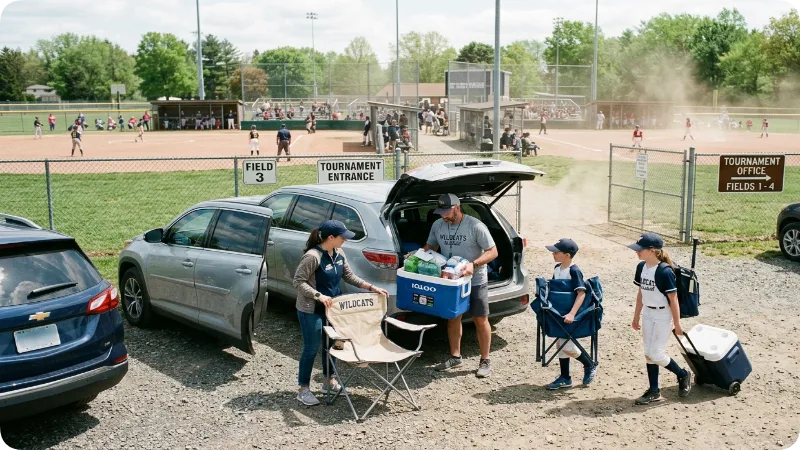
Packing efficiently and planning logistics ahead of time makes tournament weekends far less stressful for the whole family. Bringing a portable canopy, a cooler, and a folding chair set is standard practice among experienced travel softball families.
Packing Essentials
- Extra uniform and socks in case of rain delays or doubleheaders
- Sunscreen, refillable water bottles, and electrolyte packets
- Portable phone charger for tracking game schedules via tournament apps
- Cash for gate fees, since many tournament venues don’t take cards
Booking Accommodations for Tournaments
Many tournament organizers negotiate discounted hotel blocks near host complexes booking through the official tournament housing link, when available, often guarantees proximity to the fields and sometimes includes cancellation flexibility worth checking before booking elsewhere.
Tournament Weekend Survival Tips
Experienced travel softball families often develop routines that make weekends less stressful.
Helpful strategies include:
- arrive at least one hour before the first game
- freeze water bottles overnight to keep coolers cold
- pack healthy snacks between games
- bring shade tents for summer tournaments
- keep a folding wagon for transporting equipment
- check tournament schedules regularly since game times can change because of weather
Small preparations can make long tournament weekends much more enjoyable.
Benefits of Playing Travel Softball
Travel softball provides opportunities that extend beyond wins and losses.
Players often develop:
- stronger teamwork
- leadership skills
- confidence
- time management
- resilience
- friendships with teammates from different communities
- experience competing against higher-level opponents
Many athletes also gain exposure to college recruiting opportunities while improving their overall softball skills.
Hidden Gems: Lesser Known Ways to Find Quality Teams
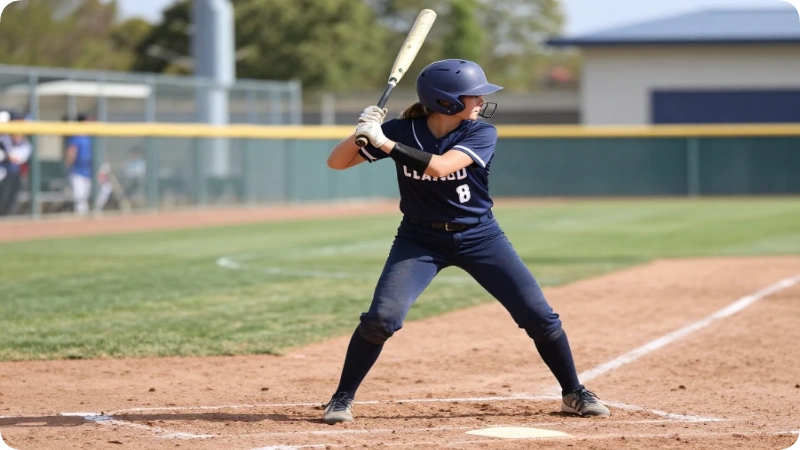
Beyond the obvious team locators, a few underused resources consistently turn up strong programs that don’t always rank high in search results.
- College softball camp rosters sometimes list which travel organizations sent the most attendees, hinting at program quality.
- State association annual meeting notes, often posted as PDFs, list newly sanctioned teams before they build a web presence.
- Local sporting goods store bulletin boards, especially near batting cages, still catch tryout flyers that never make it online.
Alternatives to Joining a Travel Team
For families not ready for the time or cost commitment, in house recreational leagues, school intramural programs, or skills clinics offer a lower pressure way to build fundamentals. Some communities also run “select” leagues, a middle ground between rec ball and full travel commitment, with shorter seasons and local only travel.
Is Travel Softball Right for Every Player?
Travel softball requires significant time, travel, and financial commitment. Families should consider whether the player enjoys frequent competition and can balance school, family responsibilities, and athletics before committing.
Players who simply enjoy recreational competition may benefit more from local leagues, clinics, or seasonal select teams without the demanding travel schedule.
Safety and Legal Considerations
Reputable travel organizations typically require coach background checks through their sanctioning body (USA Softball or USSSA), and most carry liability insurance covering practices and tournaments. Families should always confirm a program’s current insurance and background check policies directly, since requirements can vary by state and may change year to year.
Injury Prevention Tips
Long tournament weekends increase the risk of fatigue-related injuries.
Players can reduce injury risk by:
- warming up properly before games
- stretching after play
- staying hydrated
- eating balanced meals
- getting enough sleep between tournament days
- limiting overuse, especially for pitchers
Parents should encourage athletes to report pain early rather than continuing to play through injuries.
Sample Weekend Tournament Itinerary
| Time | Activity |
| Friday evening | Arrive, check into hotel, team dinner |
| Saturday morning | Warm up, pool play games (2–3) |
| Saturday afternoon | Lunch break, additional pool play |
| Sunday morning | Bracket play begins |
| Sunday afternoon | Championship game (if advancing), travel home |
FAQs
How old do you have to be to join a travel softball team?
Most organizations offer divisions starting at 8U, with teams organized in two year age brackets through 18U. Younger divisions usually involve shorter, more local schedules, while older divisions often travel further and more frequently.
Is travel softball worth the cost?
For players seeking stronger competition, skill development, or college exposure, many families find travel softball worthwhile. For purely recreational players, a rec league or select league may offer similar enjoyment at a lower cost.
How many days a week do travel softball teams practice?
Most teams practice two to four times weekly during the active season, with lighter or optional sessions during the off season.
Can a beginner join a travel softball team?
Yes, many recreational tier travel teams welcome developing players, though competitive and elite teams typically expect prior travel ball or strong rec league experience.
Do travel softball teams play year round?
Most teams run a primary season from spring through late summer, with optional fall ball and indoor winter training filling the off season for families who want continued development.
What’s the difference between USA Softball and USSSA teams?
Both are sanctioning bodies overseeing rules, insurance, and tournament structure; the core difference lies in regional popularity and specific tournament series rather than skill level, since strong teams exist within both organizations.
How do I know if a coach is legitimate?
Ask If the coach has completed background checks and certification through the team’s sanctioning body, and request references from current or former team parents.
How do softball travel team tryouts work?
Most tryouts include fielding drills, batting practice, throwing evaluations, speed testing, and scrimmages. Coaches assess athletic ability, softball fundamentals, attitude, effort, and teamwork before selecting players.
Can you play school softball and travel softball at the same time?
Yes. Many athletes participate in both school and travel softball, although families should confirm schedules and eligibility rules with coaches to avoid conflicts.
How many tournaments do travel softball teams play each season?
Most teams participate in 8 to 15 tournaments each season, while elite showcase programs may compete in 20 or more events throughout the year.
What should players bring to softball tryouts?
Players should bring their glove, bat, helmet, cleats, athletic clothing, water bottle, and any required registration forms. Arriving early allows time for check-in and warm-up.
Is travel softball safe?
Travel softball is generally safe when organizations follow proper safety standards, conduct coach background checks, maintain equipment, and provide qualified instruction. Players should also wear appropriate protective gear and stay hydrated during tournaments.
Final Takeaways
Finding the right softball travel team comes down to three things: matching the program to a player’s actual skill level, understanding the full cost and travel commitment upfront, and asking direct questions before tryouts rather than after joining. A well matched team builds confidence and skill season over season, while a poor fit often leads to burnout for both players and parents.
Start the search early, talk to current team families, and don’t be afraid to attend a practice before committing. The right team is out there it just takes a little homework to find it.