Featured Snippet:
Most cardiologists clear patients for short domestic flights 2 to 7 days after uncomplicated pacemaker surgery, once the incision is healing and no pneumothorax is present. For longer trips or international travel, many doctors recommend waiting 2 to 6 weeks so the leads can stabilize and arm lifting restrictions can ease. Always get written clearance from your cardiologist before booking.
Recovering from pacemaker surgery is a strange kind of relief. Your heart rhythm is finally supported, but your suitcase is still zipped shut and your travel dreams feel put on hold. It’s a common worry: will a bumpy flight, a busy airport, or a long road trip undo weeks of healing?
The good news is that a pacemaker rarely has to mean canceled travel plans. How soon can you travel after pacemaker surgery depends mostly on how your incision is healing, if your doctor found any complications, and how far you plan to go. This guide walks through what cardiologists and aviation medicine researchers actually say, plus the practical steps from TSA screening to packing your medical ID card that make travel with a new pacemaker feel manageable instead of scary.
Quick Facts: Pacemaker Recovery and Travel Timeline
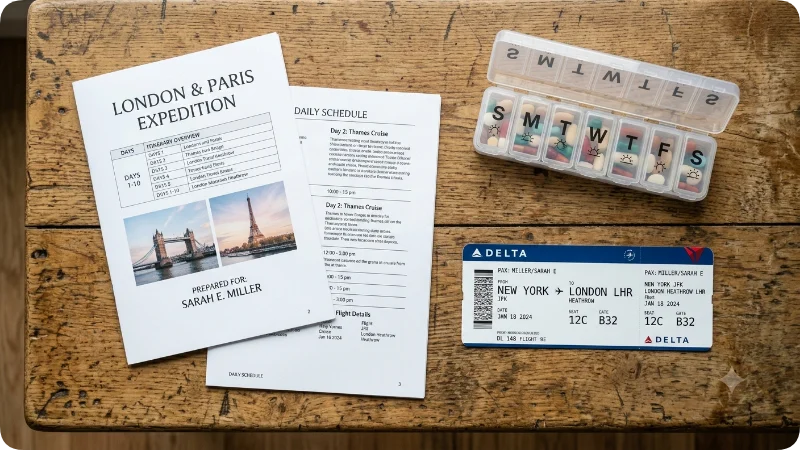
A short flight may be possible within 48 hours if there are no complications, but most cardiologists prefer patients to wait about a week. Longer trips, cruises, and international travel typically call for 2 to 6 weeks of healing first. The table below breaks down general guidance reported by cardiology sources to always confirm your personal timeline with your own doctor.
| Travel Type | Commonly Cited Wait Time | Why |
| Short domestic flight (uncomplicated surgery) | 2–7 days | Allows initial wound sealing, rules out pneumothorax |
| Road trip or train travel | 1 week | Reduces strain from lifting bags, sudden movement |
| Long haul or international flight | 2–6 weeks | More time for lead stabilization, less access to your cardiac team |
| Cruise travel | 2–4 weeks | Limited onboard cardiac care; motion and stairs |
| Return to driving yourself | About 1 week | Arm movement and reaction time restrictions |
| Return to full exercise/heavy lifting | 4–6 weeks | Leads need time to anchor permanently |
Does the Type of Pacemaker Change When You Can Travel?
Not every pacemaker procedure is identical, and recovery recommendations can vary slightly depending on the device you receive. Traditional single-chamber and dual-chamber pacemakers generally follow similar travel timelines, while cardiac re synchronization therapy (CRT) devices or implantable cardioverter-defibrillators (ICDs) may require closer follow-up before longer trips.
Your cardiologist will consider factors such as:
- Whether this was your first implant or a replacement
- How stable the leads appear after surgery
- Your underlying heart condition
- Any complications during implantation
- Whether additional device programming is needed
Rather than comparing your recovery with someone else’s, follow the timeline given specifically for your device and medical condition.
Why Doctors Recommend Waiting Before You Travel
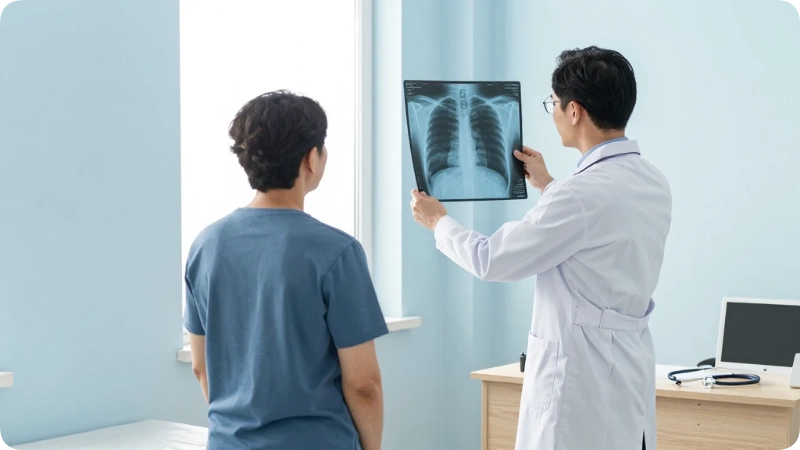
Cardiologists build in a waiting period mainly to protect the incision site and the newly placed leads, not because a pacemaker itself is fragile in the air. Research on cardiac implantable electronic devices notes that air travel is generally considered safe one to two days after uncomplicated implantation, though more cautious physicians prefer postponing travel one to two weeks in case a minor pneumothorax was missed on an X ray.
Three main risks drive this advice. First, the incision needs time to close before it faces friction from seatbelts or luggage straps. Second, movement restrictions on your arm are meant to stop a lead from shifting out of place, since the wound needs time to heal and the leads need roughly a week to stabilize. Third, doctors want to be sure there’s no undetected pneumothorax, a rare but known surgical complication that can worsen with cabin pressure changes.
Domestic Flights: What’s Realistic in the First Two Weeks

Short, domestic hops are usually the first kind of trip cleared after surgery. Reporting from a heart focused hospital network notes that people who’ve had a pacemaker or ICD implanted can often fly medically as soon as a day or two after the procedure, though it may be worth waiting if you’ve been told not to lift your arm, since that affects handling carry on bags and stowing items overhead.
If a flight is unavoidable in the first days, keep it simple: a nonstop route under a few hours, a companion to help with bags, and confirmation from your doctor that no pneumothorax was found on your post op chest X ray. Avoid lifting your carry on into the overhead bin yourself, and ask a flight attendant or travel companion for help instead.
Road Trips After Pacemaker Surgery: What You Should Know
Many people assume driving is safer than flying immediately after surgery, but long hours in a car can create their own challenges. Sitting in one position for extended periods may increase stiffness, while lifting luggage into the trunk can strain the healing incision.
For trips longer than two hours:
- Stop every 60 to 90 minutes to walk briefly.
- Wear your seatbelt correctly without letting it rub directly against the incision.
- Keep medications and water within easy reach.
- Let someone else drive whenever possible during the first week.
Road travel offers flexibility, but recovery should still determine how far you’re willing to travel.
International and Long Haul Travel: Give Yourself More Runway

Longer trips deserve a longer runway for healing. General clinical guidance summarized by cardiologists suggests patients recovering well might be able to fly domestically within roughly two to four weeks, but international flights bring longer travel times and more logistics, so many doctors suggest waiting about four to six weeks before heading abroad.
Jet lag, long security lines, and unfamiliar medical systems all add stress your heart doesn’t need in the first weeks of recovery. If a trip abroad is time sensitive, a family event, for example, talk to your cardiologist directly; emergency travel earlier than the typical window can sometimes be managed with extra precautions.
Long Flights and Blood Clot Risk
Sitting still for hours raises deep vein thrombosis risk for anyone, and that risk doesn’t disappear with a pacemaker. Stand and stretch every hour or two on long haul flights, stay hydrated, and skip alcohol, since it can also aggravate irregular heart rhythms during recovery.
Traveling to High Altitudes After Pacemaker Surgery
Many travelers recovering from pacemaker surgery wonder whether mountain destinations are safe. In most cases, the pacemaker itself functions normally at typical travel elevations, but your overall heart condition may affect how well you tolerate higher altitudes.
If you’re planning to visit mountain towns, ski resorts, or national parks at higher elevations:
- Ask your cardiologist whether altitude presents any additional risk.
- Increase activity gradually during the first day.
- Stay well hydrated.
- Recognize symptoms such as unusual shortness of breath, dizziness, or chest discomfort.
Altitude concerns usually relate to your cardiovascular health rather than the pacemaker itself.
Getting Through Airport Security With a New Pacemaker
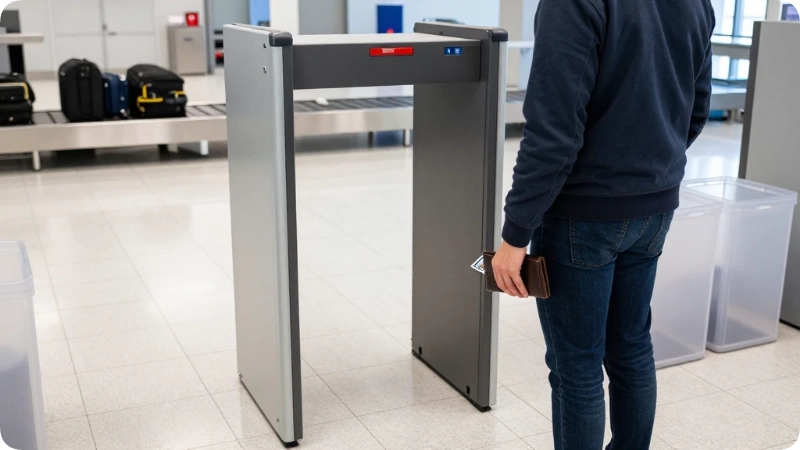
Airport security is often the part travelers worry about most, but it’s more routine than it sounds. TSA guidance is direct: travelers should tell the TSA officer they have a pacemaker, defibrillator, or other internal medical device, and should not be screened by a walk through metal detector. Instead, most travelers go through the full body scanner or opt for a pat down.
A device maker’s patient guide adds a helpful clarification: the Advanced Imaging Technology full body scanner won’t harm a pacemaker or change its settings, though the device’s metal parts may still trigger a metal detector alarm. If a hand held wand is used, ask the officer to keep it away from your device and move quickly, since prolonged contact near the pacemaker can briefly interfere with it.
Packing Your Medical ID Card
Carry your pacemaker identification card in your wallet or a jacket pocket, not buried in checked luggage. It confirms your device to security staff and, more importantly, gives emergency responders critical information if you ever need care away from home. A photo of the card saved on your phone is a smart backup.
Driving Yourself vs. Being a Passenger After Surgery
Being a passenger poses little risk once you’re cleared to leave the hospital, but driving yourself is different. UK cardiology guidance commonly cited for recovering patients recommends waiting at least a week before getting behind the wheel, longer if you drive commercially or had a heart attack alongside your surgery. In the U.S., ask your cardiologist directly, since state driving restrictions after cardiac procedures can vary.
Cruises and Multi Day Trips: Plan Around Onboard Medical Care
Cruise ships carry basic medical staff, but they aren’t equipped for cardiac emergencies the way a land based hospital is. Waiting the recommended 2 to 4 weeks before a cruise gives your body time to stabilize and gives you a clearer picture of how your new pacemaker is settling in. Choose a cabin near an elevator rather than a lot of stairs, and register with the ship’s medical center on embarkation day so staff know your history.
What Your Doctor Will Likely Check Before Clearing You to Travel
Before signing off on travel, most cardiologists confirm that the incision shows no redness, swelling, or drainage, that a follow up device check has been completed, and that your heart rhythm has been stable on recent monitoring. They’ll also review your medications, since some post surgical prescriptions (like blood thinners) affect how you should handle long security lines, altitude, or activity level.
Bring a written list of questions to this appointment: your destination, trip length, activity plans, and mode of travel all shape the advice you’ll get.
Packing Advice for Pacemaker Travelers
Pack smart, not heavy, especially in the first few weeks. A soft crossbody or wheeled bag beats a shoulder bag that presses on the incision side. Keep medications in original labeled bottles in your carry on, along with a printed list of prescriptions and your cardiologist’s contact information. Add a lightweight compression sleeve or soft cushion if your seatbelt tends to rub against the surgical site.
Insider tip: Request an aisle seat near the front of the cabin. It shortens the walk with bags, makes standing up to stretch easier, and puts you closer to flight attendants if you need assistance.
Essential Documents to Carry While Traveling With a Pacemaker
Having the right paperwork available can make airport security, emergency care, and travel insurance claims much easier.
Consider carrying:
- Pacemaker identification card
- Government-issued photo ID
- Medication list
- Cardiologist’s contact information
- Written “fit to travel” or “fit to fly” letter
- Travel insurance policy details
- Emergency contact information
Store paper copies separately from digital backups in case your phone becomes unavailable.
Common Mistakes Pacemaker Patients Make When Planning Travel
- Booking a flight before the follow up device check. Fix: schedule your post op appointment first, then buy tickets once you’re cleared.
- Packing the pacemaker ID card in checked luggage. Fix: keep it on your person at all times, including at security.
- Assuming metal detectors are fine to walk through. Fix: always request alternative screening, as TSA advises against walk through detectors for internal devices.
Underrated and Overrated Concerns
Overrated: Worrying that the pacemaker itself will malfunction from cabin pressure or airport scanners. Modern devices are shielded against typical air travel electromagnetic exposure, and full body scanners will display the device without triggering an alarm.
Underrated: The physical strain of lifting luggage and standing in long lines during the first two weeks. This mundane stuff causes more real world complications than the flight itself.
Alternatives If You’re Not Ready to Fly Yet
If your doctor recommends waiting longer than your original trip dates allow, consider a scenic train route or a short regional road trip instead. Both let you control your pace, take breaks, and avoid crowded security lines while your incision finishes healing. National and state parks within a few hours’ drive information available through the National Park Service and individual state tourism boards make for a gentler first outing after surgery.
Sample Two Week Recovery to Travel Plan
- Days 1–3: Rest at home, monitor incision, avoid lifting the surgical side arm above shoulder height.
- Days 4–7: Light walking, follow up device check with your cardiologist, confirm no pneumothorax.
- Week 2: If cleared, take a short domestic flight or drive under two hours; avoid lifting bags overhead.
- Weeks 3–4: Gradually increase activity; consider longer domestic trips.
- Weeks 4–6: International or cruise travel, with cardiologist’s written clearance and travel insurance in place.
Travel Insurance and Booking Considerations
Because pacemaker implantation is a pre existing condition for insurance purposes, review any travel insurance policy carefully for cardiac event coverage, especially for trips abroad. Many providers require a “fit to fly” letter from your cardiologist for claims tied to recent surgery, so request one in writing at your follow up visit even if you don’t think you’ll need it.
Choosing Travel Insurance After Pacemaker Surgery
Not every travel insurance policy treats recent surgery the same way. Some insurers cover pre-existing medical conditions only if specific requirements are met before departure.
Before purchasing coverage, verify:
- Emergency medical benefits
- Medical evacuation coverage
- Coverage for recent pacemaker implantation
- Trip cancellation due to cardiac complications
- Coverage limits outside the United States
Reading the policy carefully before booking helps avoid unexpected claim denials if medical care becomes necessary during your trip.
Safety Tips While Traveling With a Pacemaker
Keep a copy of your device’s make and model with you, since it helps any doctor you see on the road access the right information quickly. Avoid leaning your device side directly against hard surfaces like tray tables for long periods. And if you ever feel dizziness, unusual fatigue, or a fluttering sensation while traveling, don’t push through it, find the nearest medical facility and mention your recent pacemaker surgery right away.
When You Should Delay Travel and Call Your Doctor
Even if your planned travel date is approaching, certain symptoms mean it’s safer to postpone the trip until you’ve been evaluated.
Contact your healthcare provider immediately if you notice:
- Increasing redness or drainage from the incision
- Fever or chills
- Swelling around the pacemaker pocket
- Chest pain
- Shortness of breath
- Fainting or dizziness
- Rapid or irregular heartbeats
Travel can usually wait a few days. Treating a complication early is far easier than dealing with one while away from home.
Pacemaker Travel Checklist Before You Leave Home
Use this checklist before every trip after pacemaker surgery.
Cardiologist has approved travel
Follow-up device check completed
Incision fully healed
Pacemaker ID card packed
Medications packed in carry-on
Travel insurance reviewed
Emergency contacts saved✓ Airline notified if assistance is needed
Bags light enough to avoid lifting restrictions
Destination medical facilities identified for longer trips
Completing these steps helps reduce travel stress and allows you to focus on enjoying your trip rather than worrying about avoidable problems.
FAQs
Can I fly two days after pacemaker surgery?
Some cardiologists allow it if there are no complications and a pneumothorax has been ruled out on imaging. Most still prefer patients to wait closer to a week for the incision and leads to stabilization before flying.
Is it safe to go through airport body scanners with a pacemaker?
Yes. Full body scanners are considered safe for pacemakers and won’t change device settings, though you should still tell the TSA officer about your device and skip the walk through metal detector.
How long after pacemaker surgery can I travel internationally?
Many doctors recommend waiting about four to six weeks for international trips, since longer flights, time zone changes, and less familiar medical systems add more strain during early recovery.
Do I need a doctor’s note to fly after pacemaker surgery?
It’s not always legally required, but it’s strongly recommended. A written “fit to fly” note supports travel insurance claims and reassures airline staff if questions come up.
Can a pacemaker set off airport metal detectors?
It can, which is why travelers with internal devices should request a full body scan or pat down instead of walking through a standard metal detector.
Is driving myself allowed right after pacemaker surgery?
Most guidance suggests waiting at least a week before driving, since arm movement and reaction time may still be limited. Confirm your specific timeline with your cardiologist.
What should I pack in case of a cardiac issue while traveling?
Carry your pacemaker ID card, a list of current medications, your cardiologist’s contact information, and proof of travel insurance in an easy to reach bag, not checked luggage.
Can You Travel Alone After Pacemaker Surgery?
Many people are able to travel independently once they’ve recovered, but the first trip after surgery deserves a little extra planning. If you’re flying or taking a long journey within the first month, traveling with a family member or friend provides added peace of mind should you need help with luggage, transportation, or unexpected medical concerns.
If you do travel alone:
- Request wheelchair or airport assistance if walking long distances feels difficult.
- Keep your phone fully charged.
- Share your itinerary with family.
- Know where the nearest hospital is at your destination.
- Avoid carrying heavy luggage.
Final Takeaways
Traveling after pacemaker surgery isn’t about racing the calendar, it’s about matching your trip to how your body is actually healing. A short domestic flight might be realistic within a week, while international adventures are usually better planned four to six weeks out. Above all, a signed off green light from your cardiologist matters more than any general timeline, including this one.
With the incision healed, the right paperwork packed, and a plan for airport screening, a new pacemaker doesn’t have to close the door on the trip you’ve been looking forward to. It just means giving your heart the head start it deserves before you take off.