
A business travel account is a centralized billing and management system that lets companies book, track, and pay for employee travel flights, hotels, car rentals, and more under a single corporate profile. It simplifies expense reporting, enforces travel policies, and can significantly reduce per trip costs through negotiated rates and consolidated billing.
Every year, American businesses spend over $334 billion on corporate travel, according to the Global Business Travel Association (GBTA). Yet a shocking number of companies still manage that spending the old fashioned way reimbursing employees after the fact, chasing down receipts, and hoping nobody booked a first class seat on the company dime.
Sound familiar? Managing business travel without a proper system feels like herding cats. Expenses pile up, policy violations slip through, and finance teams spend hours reconciling credit card statements. Meanwhile, travelers book wherever they want because there’s no clear guidance or streamlined tool.
This guide covers everything you need to know about business travel accounts, how they work, how to set one up, what platforms to consider, and how to squeeze every dollar of value out of your corporate travel program. If you’re a solo entrepreneur taking monthly client trips or an HR manager overseeing travel for 500 employees, there’s a smarter way to handle this. Let’s build it.
What Is a Business Travel Account and How Does It Work?
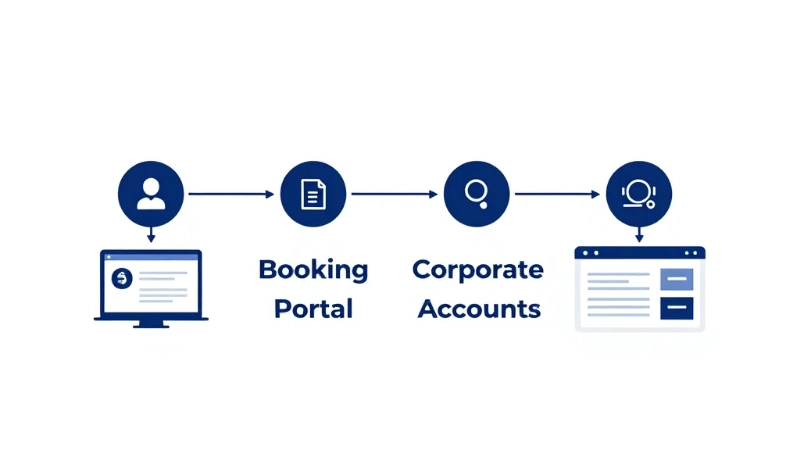
A business travel account (BTA) is a dedicated corporate account linked to a payment method and travel management platform that centralizes all travel bookings and expenses under one umbrella. Employees book within an approved system, the company pays directly or through a corporate card, and every transaction gets tracked automatically.
Most BTAs connect to a Travel Management Company (TMC) or an Online Booking Tool (OBT) like Concur, TripActions (now Navan), or American Express Global Business Travel. The company sets spending limits, preferred vendors, and travel policies upfront. Travelers book within those guardrails, and finance gets clean, organized data at month end.
Here’s a simple breakdown of how the system flows:
- Company opens a BTA with a travel platform or TMC
- Travel policy is configured (class of service, hotel caps, preferred airlines)
- Employees book through the approved portal or app
- Payments process centrally no out of pocket reimbursement needed
- Reports and receipts sync automatically to your accounting system
Why Your Company Needs a Business Travel Account in 2026
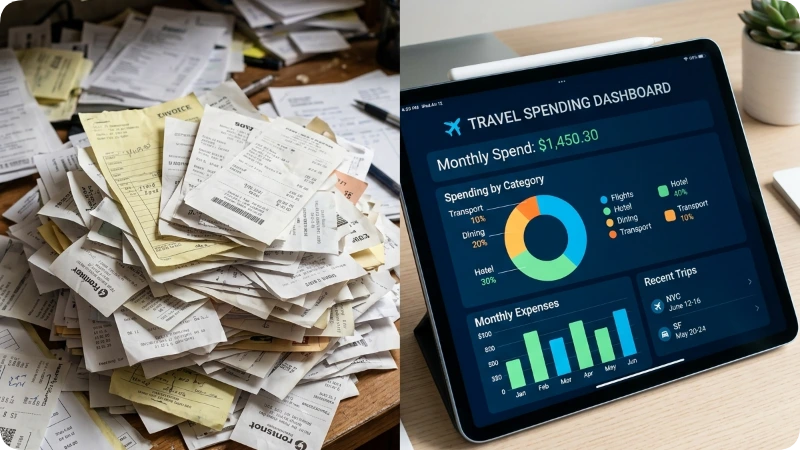
The financial case for a business travel account is hard to ignore. Companies with managed travel programs save an average of 10–25% on travel costs compared to unmanaged programs, according to industry data from GBTA. Beyond savings, BTAs reduce administrative burden, improve policy compliance, and give leadership real time visibility into spending.
Here’s what unmanaged travel actually costs you:
- Lost negotiating power without volume commitments, you pay retail rates
- Policy leakage employees book expensive options when no guardrails exist
- Delayed reimbursements out of pocket booking slows down travelers and finance teams alike
- Fragmented data no single view of total travel spend by department, project, or employee
- Duty of care gaps you can’t locate or assist employees in emergencies if bookings are scattered
A well structured BTA solves all five of these problems simultaneously. It’s not just a convenience, it’s a financial and legal safeguard.
Types of Business Travel Accounts: Which One Fits Your Company?
Not every business needs the same setup. The right type of business travel account depends on your company size, travel volume, and internal processes.
Corporate Travel Management Platforms
These are full service solutions like Navan (formerly TripActions), SAP Concur, Egencia, and CTM (Corporate Travel Management). They combine booking tools, expense management, policy enforcement, and reporting in one platform. Best for mid size to enterprise companies with frequent travelers.
Direct Airline and Hotel Corporate Accounts
Major carriers like United Airlines, Delta Air Lines, and American Airlines offer dedicated corporate accounts with negotiated rates, priority boarding, and upgrade perks. Marriott Bonvoy, Hilton for Business, and IHG Business Rewards offer similar programs on the hotel side. These work well as supplements to a broader TMC setup.
Corporate Credit Card Programs
Cards like the American Express Business Platinum, Chase Ink Business Preferred, or Capital One Spark Travel provide centralized billing and reward points on all travel spend. Some integrate directly with expense tools. These work well for small businesses or as a layer within a larger travel program.
Virtual Card Solutions
Platforms like Brex, Ramp, or Divvy issue virtual card numbers for each trip or vendor, giving finance teams granular control without issuing physical cards to every employee.
| Account Type | Best For | Key Benefit |
| Full TMC Platform | 50+ travelers | End to end control + reporting |
| Airline/Hotel Direct | High frequency routes | Negotiated rates + perks |
| Corporate Credit Card | Small teams | Simple billing + rewards |
| Virtual Cards | Variable travel needs | Per trip spend control |
How to Set Up a Business Travel Account Step by Step
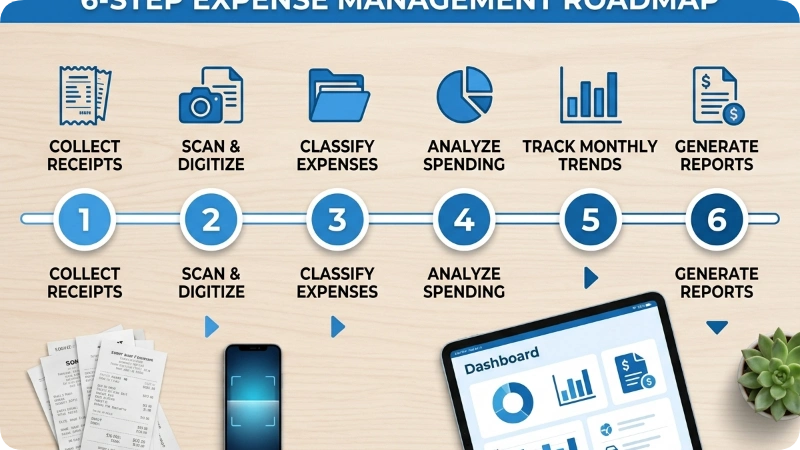
Setting up a business travel account takes planning, but the payoff comes quickly. Follow these steps to build a program that actually works.
Step 1: Audit Your Current Travel Spending
Before choosing a platform, understand your baseline. Pull 12 months of travel expenses credit card statements, reimbursements, and any existing bookings. Identify your top destinations, most traveled employees, and biggest cost categories (air, hotel, ground transport). This data will drive your vendor negotiations and platform choice.
Step 2: Write a Corporate Travel Policy
A business travel account only works if employees know the rules. Your travel policy should cover:
- Booking lead times (e.g., flights booked at least 14 days in advance)
- Cabin class rules (economy for domestic, business allowed for flights over 6 hours)
- Hotel spending caps by city
- Preferred vendors and approved booking channels
- Expense documentation requirements
- Out of policy booking approval process
The U.S. General Services Administration (GSA) publishes per diem rates by city that many companies use as hotel spending benchmarks. Always verify current rates at gsa.gov.
Step 3: Choose Your Travel Management Solution
Evaluate platforms based on your company size, travel volume, and integration needs. Key questions to ask vendors:
- Does it integrate with your existing HR and accounting software?
- What does the mobile app experience look like for travelers?
- How does the platform handle out of policy bookings?
- What duty of care tools are included?
- What are the setup fees, per booking fees, or subscription costs?
Step 4: Negotiate Corporate Rates
Once you have travel data and a platform, approach airlines, hotel chains, and car rental companies with your volume commitments. Even smaller companies (25–50 travelers) can secure preferred rates with Hertz, Enterprise, Marriott, and United for Business with enough consistent bookings. Your TMC or platform can often facilitate these negotiations.
Step 5: Onboard Your Travelers
A policy on paper means nothing if employees don’t use the system. Run a short onboarding session, create a quick reference guide, and make sure the booking tool is genuinely easy to use. The smoother the experience, the higher your adoption rate and the more value you get from the whole program.
Step 6: Monitor, Adjust, and Optimize
Set a quarterly review cadence. Look at policy compliance rates, average trip costs, and supplier performance. Most platforms generate these reports automatically. Use the data to renegotiate rates annually and tighten policy where spending is leaking.
Best Business Travel Account Platforms in the USA (2026)
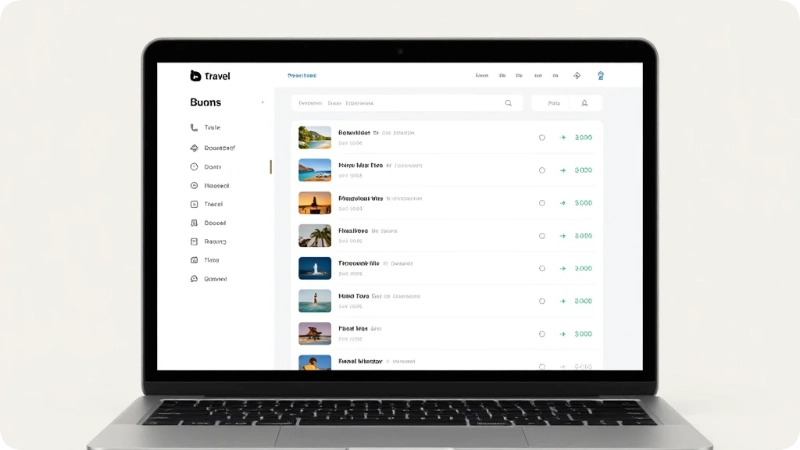
Choosing the right platform is the most consequential decision in building your travel program. Here’s an honest look at the leading options for U.S. companies. Always verify current pricing and features directly with each vendor package and rates change frequently.
Navan (formerly TripActions)
Navan is one of the fastest growing travel management platforms in the U.S. It combines booking, expense, and corporate cards in a single app. The interface is consumer grade meaning employees actually enjoy using it which drives high adoption rates. Navan offers real time policy enforcement, meaning travelers see compliant options first rather than being stopped after a non compliant booking.
SAP Concur
The enterprise gold standard. Concur integrates with virtually every major ERP and HR system and handles enormous travel volumes with sophisticated policy tools and reporting. It’s powerful but carries a steeper learning curve and higher cost, making it better suited for large enterprises than small businesses.
Egencia (an Amex GBT company)
Egencia targets mid market companies with a strong blend of technology and human support. It connects to American Express Global Business Travel’s supplier network, which means solid negotiated rates across airlines and hotels. Good fit for companies that want both a digital booking tool and access to live travel agents.
TravelPerk
A strong option for companies with international travel needs or remote first teams. TravelPerk’s “FlexiPerk” feature lets travelers cancel any booking for any reason up to 2 hours before departure and get 80% back, a valuable hedge for unpredictable business schedules.
Spotnana
A newer platform built on modern infrastructure that allows greater flexibility for global travel programs. Particularly strong for companies building custom travel workflows or using third party integrations.
Business Travel Account vs. Personal Travel Booking: A Direct Comparison
Many employees default to booking travel personally through consumer sites like Expedia or Google Flights. Here’s why that creates real problems and why a business travel account wins in almost every dimension.
| Factor | Personal Booking | Business Travel Account |
| Pricing | Retail rates | Negotiated corporate rates |
| Policy Compliance | None | Enforced automatically |
| Expense Reporting | Manual receipt submission | Auto synced to finance |
| Duty of Care | No tracking | Real time traveler location |
| Rewards & Perks | Goes to employee personally | Can be directed to company |
| Reimbursement Speed | Days to weeks | Immediate or eliminated |
| Approval Workflows | Ad hoc | Built into booking flow |
Top Benefits of a Business Travel Account for Small Businesses
Small businesses often assume business travel accounts are only for corporations with hundreds of travelers. That’s a significant misconception. Even companies with 5–15 employees who travel regularly can benefit enormously.
Lower booking costs arrive through corporate rates with airlines and hotel chains. Simpler accounting comes from centralized billing, which eliminates the back and forth of employee reimbursements. Tax documentation becomes cleaner when all travel expenses run through a single account, a real advantage come tax season.
Platforms like TravelPerk, Navan, and Brex all offer small business tiers with lower minimums and simplified onboarding. The IRS also requires proper documentation of business travel expenses for deductibility, and a business travel account creates an automatic audit trail. Consult your tax advisor for guidance on what qualifies under current IRS rules.
How Business Travel Accounts Handle Duty of Care
Duty of care is the legal and ethical obligation a company has to protect its employees while they travel for work. A business travel account plays a central role in meeting that obligation.
When all bookings run through a centralized system, the company knows exactly where every traveler is at any given moment. If a natural disaster, political unrest, or health emergency occurs like the disruptions caused by severe weather events or the protocols that emerged during COVID 19 the company can quickly identify affected travelers and coordinate support.
Most enterprise grade travel platforms include real time traveler tracking, automated emergency alerts, and integration with travel risk providers like International SOS or Control Risks. The U.S. State Department and CDC travel advisories automatically feed into some platforms, triggering alerts when employees are booked in affected areas. Always verify specific duty of care features with your platform provider, as capabilities vary.
Managing Business Travel Expenses: Integration with Accounting Systems
One of the most valuable features of a business travel account is seamless integration with accounting and expense management tools. Manual expense reports are one of the most despised tasks in any organization; they waste time, introduce errors, and delay reimbursements.
Modern BTAs integrate directly with platforms like QuickBooks, NetSuite, Xero, and SAP. Receipts are captured automatically through mobile apps, transactions categorized by expense type, and reports pushed to finance without any manual data entry. Some platforms use AI to flag duplicate charges, policy violations, or unusual spending patterns before they become problems.
Insider Tip: Set Up GL Coding in Advance
Before your BTA goes live, map your general ledger (GL) codes to travel expense categories in the platform. This ensures every booking automatically tags to the right cost center, project, or department saving your finance team hours of manual allocation work each month.
Business Travel Account Rewards and Corporate Loyalty Programs
Corporate travel spending generates enormous loyalty currency and smart companies capture it strategically. Most airlines and hotel chains offer dedicated corporate loyalty programs that sit alongside (and sometimes stack with) individual frequent flyer accounts.
United for Business, Delta SkyTeam Corporate, and American Airlines Business Extra all reward companies with points or certificates based on total flight volume. These certificates typically convert to free flights, upgrades, or club memberships that get distributed back to travelers as perks.
On the hotel side, Marriott Bonvoy for Business, Hilton for Business, and IHG Business Rewards offer similar structures. Some programs let individual travelers keep personal points while the company also earns corporate credits, a win-win that boosts traveler satisfaction and reduces future travel costs.
Common Business Travel Account Mistakes (And How to Fix Them)
Even companies with formal travel programs make avoidable errors. Here are the three most common and the straightforward fixes.
Mistake 1: Setting Policy Without Traveler Input
Companies that write travel policies in a vacuum without asking frequent travelers what they actually need end up with policies that get ignored or worked around. Fix: involve your top 5–10 travelers in the policy drafting process. Their buy in makes enforcement far easier.
Mistake 2: Choosing a Platform Based on Price Alone
The cheapest travel management tool is rarely the best one. Low cost platforms often lack mobile apps, integrations, or customer support which means frustrated travelers who book outside the system anyway. Fix: evaluate platforms on total value, including adoption rates and integration depth, not just licensing cost.
Mistake 3: Never Reviewing the Data
A business travel account generates rich spending data and most companies barely look at it. Fix: assign a quarterly travel review to someone in finance or HR. Look at compliance rates, average trip costs by route, and supplier performance. Small adjustments based on real data can generate meaningful savings over time.
Business Travel Tax Deductions: What You Need to Know
Business travel expenses are generally deductible under IRS rules but documentation requirements are strict. A well run business travel account simplifies compliance significantly.
Deductible travel expenses typically include transportation (flights, trains, rental cars), lodging, 50% of meals while traveling for business, and certain incidental expenses. Personal expenses during a business trip, extra hotel nights for leisure, family companion costs, entertainment without clear business purpose are generally not deductible.
The IRS requires that travel expenses be ordinary, necessary, and directly related to your business. Receipts, business purpose documentation, and attendee information are required for larger expenses. Always consult a qualified CPA or tax advisor for guidance specific to your situation IRS rules change, and the specifics matter. Current IRS guidance is available at irs.gov.
Insider Tips for Getting More From Your Business Travel Account
These five strategies go beyond the basics and help you extract maximum value from your corporate travel program.
1. Negotiate mid year, not just annually. Most companies renegotiate hotel and airline rates once a year. If your travel volume spikes mid year due to a new project or acquisition, use that volume as leverage to secure better rates before your next annual review.
2. Use preferred vendor lists strategically. Steer 80% of your volume to 2–3 preferred airlines and 2–3 hotel chains. Concentrated volume unlocks better rates and elite status benefits faster than spreading bookings across many vendors.
3. Capture unused ticket credits systematically. Canceled flights generate credits that companies routinely lose track of. Most travel platforms include a credit management dashboard, activate it and assign someone to monitor open credits every month.
4. Add ground transport to your account. Most BTAs focus on flights and hotels, but car rentals and rideshare platforms like Uber for Business and Lyft Business integrate with major travel management tools. Bring ground transport under your account to capture that spend data and negotiate rates.
5. Benchmark your spend against industry data. GBTA publishes annual benchmarking reports on corporate travel costs by industry and company size. Comparing your per trip costs against benchmarks reveals where your program outperforms and where you’re leaving money on the table.
Sample Corporate Travel Policy Framework
Use this as a starting template. Customize based on your company culture and travel patterns and have legal counsel review before finalizing.
| Policy Element | Suggested Guideline |
| Booking Lead Time | 14+ days for domestic, 21+ days for international |
| Domestic Air Class | Economy only |
| International Air Class | Economy under 6 hrs; Business/Premium Economy over 6 hrs |
| Hotel Rate Cap | GSA per diem rate + 25% (verify current rates at gsa.gov) |
| Car Rental | Mid size or smaller; avoid luxury tiers |
| Meals per Diem | GSA meal rate by city (verify at gsa.gov) |
| Incidentals | Receipts required for any single expense over $25 |
| Out of Policy Approval | Manager approval required before booking |
FAQs
What is a business travel account?
A business travel account is a centralized system that allows companies to book, track, and pay for employee travel including flights, hotels, and car rentals through a single corporate account. It connects to a travel management platform, enforces travel policies automatically, and integrates with accounting tools to eliminate manual expense reporting.
How much does a business travel account cost?
Costs vary widely by platform and company size. Some platforms charge a per booking fee (typically $10–$35 per trip segment), others use a monthly subscription model, and some larger TMCs charge a percentage of total travel spend. Many providers offer free tiers for small businesses with low volume. Always request a pricing breakdown and confirm current costs directly with the vendor.
Can small businesses use a business travel account?
Absolutely. Platforms like TravelPerk, Navan, and Brex offer small business plans with low or no minimum travel volume requirements. Even companies with a handful of travelers benefit from centralized billing, automatic expense tracking, and access to negotiated rates that wouldn’t be available through consumer booking sites.
Is a business travel account the same as a corporate credit card?
Not exactly. A corporate credit card is one component of a business travel account, handling payment. A full BTA also includes a booking platform, policy enforcement tools, expense reporting, and traveler tracking. Many companies use a corporate card as the payment method within a broader travel management system.
What’s the difference between a TMC and an OBT?
A Travel Management Company (TMC) is a full service agency that handles both technology and human support agents can assist with complex itineraries, emergencies, and negotiations. An Online Booking Tool (OBT) is a self service platform where travelers book independently within policy guardrails. Many companies use both: an OBT for routine bookings and a TMC for complex or high priority trips.
How does a business travel account help with duty of care?
When all bookings run through a centralized account, the company knows every traveler’s location and itinerary in real time. Most platforms integrate with risk management services and push alerts based on U.S. State Department or CDC travel advisories. This allows companies to quickly contact and assist employees during emergencies, a legal and ethical obligation for any employer sending staff on business trips.
What airlines and hotels offer corporate account programs in the USA?
Major U.S. airlines with corporate programs include United for Business, Delta SkyTeam Corporate, and American Airlines Business Extra. On the hotel side, Marriott Bonvoy for Business, Hilton for Business, and IHG Business Rewards are the most widely used. Car rental programs through Hertz, Enterprise, and National also offer dedicated corporate accounts with negotiated rates.
Conclusion: Build a Travel Program That Works as Hard as Your Team Does
Three takeaways stand out from everything covered here. First, a business travel account isn’t just a billing convenience, it’s a strategic tool that reduces costs, protects travelers, and gives leadership real visibility into a significant line item. Second, the right platform depends on your company’s size, travel patterns, and internal systems. There’s no universal answer, but there is a right fit for every organization. Third, the most important step is simply starting: even a basic corporate account and a written travel policy will dramatically improve on an unmanaged approach.
The companies that manage business travel well don’t just save money. They attract and retain better talent (travelers appreciate a smooth experience), support employees more effectively when things go wrong, and make smarter decisions because they have clean data to work with.
Start with an audit of your current spend. Pick a platform. Write a policy. The rest follows.












2 thoughts on “The Ultimate Business Travel Account Guide for Modern Teams”