Quick Answer:
A good dog travel bed should be lightweight, easy to fold, machine washable, and sized to let your dog turn around and lie flat. For road trips, choose a bed with a non slip base; for flights, pick a carrier compatible pad; for hotels, a foldable memory foam option works best.
Long car rides and cramped hotel rooms can leave a dog restless, anxious, and unable to settle and a tired, stressed dog makes for a tough trip for everyone. A dog travel bed solves this by giving your pet a familiar, comfortable spot no matter where the road takes you. If you’re driving cross country, flying to visit family, or road tripping through national parks, the right dog travel bed turns unfamiliar spaces into a little piece of home.
This guide breaks down the types of travel beds available, how to pick the right size and material, where they work best (car, plane, hotel, or campsite), and the packing mistakes that trip up even experienced pet owners. You’ll also find practical rules around airline pet policies, budget expectations, and a packing checklist you can use before your next trip.
Quick Facts: Dog Travel Beds at a Glance
| Feature | What to Look For |
| Best for car travel | Non slip base, machine washable cover |
| Best for flights | Compresses into a carrier or duffel bag |
| Best for hotels | Foldable memory foam, low profile design |
| Best material | Water resistant, tear resistant outer fabric |
| Ideal weight | Under 5 lbs for portability |
| Price range | Budget to premium options exist at most pet retailers |
What Makes a Good Dog Travel Bed
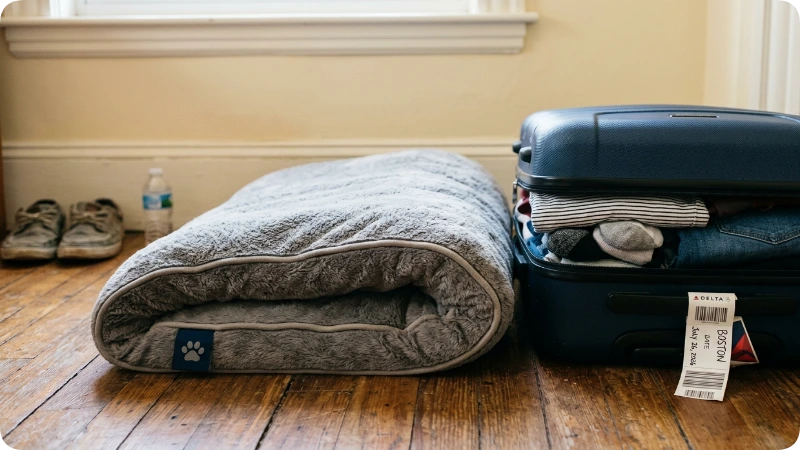
A quality travel bed balances comfort with portability. It should compress small enough to fit in a car trunk or suitcase but still support your dog’s joints on hard hotel floors or cabin flooring. Look for beds with a removable, washable cover, since travel days often mean muddy paws and spilled water. The best designs also include a carrying strap or stuff sack for one handed packing.
Durability matters more on the road than at home. A bed that survives being tossed in and out of a car trunk daily needs reinforced stitching and a tear resistant base. Many travel beds also double as a “safe zone” cue, helping anxious dogs settle faster in unfamiliar environments once they recognize their own bedding.
Types of Dog Travel Beds
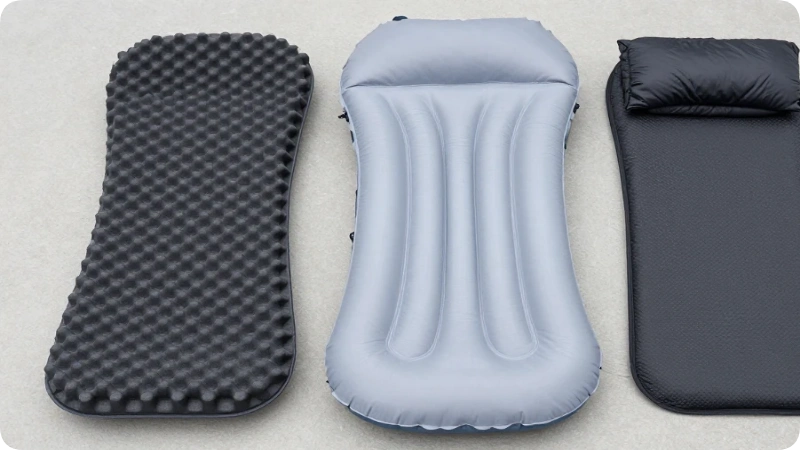
Different trips call for different bed styles, and knowing the differences before you shop saves both money and suitcase space.
Foldable Memory Foam Beds
These fold flat like a yoga mat and unfold into a supportive cushion, making them ideal for hotel stays and cabin rentals. They offer the most orthopedic support, which matters for senior dogs or larger breeds prone to joint stiffness.
Inflatable or Air Filled Beds
Lightweight and compact, inflatable beds pack down to the size of a water bottle, making them a strong choice for backpacking or flying. The tradeoff is less cushioning than foam, and punctures are a real risk around sharp campsite debris.
Car Seat and Bench Beds
Built with non slip backing and raised edges, these attach directly to a car seat or cargo area to keep dogs contained and comfortable during long drives. Some double as a hammock, protecting upholstery from fur, dirt, and claws.
Carrier Compatible Pads
Thin, flat pads designed to fit inside airline approved carriers, these prioritize compressibility over cushioning since cabin space is limited. They’re the practical choice for anyone flying with a small dog in the cabin.
Best Dog Travel Beds for Different Types of Travel
Not every travel bed works equally well for every journey. Matching the bed to your travel style improves comfort for your dog while making packing easier for you.
Road Trips
Road trips allow more flexibility because space is less restricted. Foldable memory foam beds and hammock-style car beds provide excellent support during long drives and can double as sleeping beds once you reach your destination.
Air Travel
Airlines usually require pets to remain inside an approved carrier under the seat. A thin, compressible travel pad fits easily inside most carriers without reducing available space for your dog.
Camping
Camping trips call for water-resistant materials and insulated bottoms that keep moisture and cold ground away from your dog. Beds with durable ripstop fabric also stand up better to dirt, rocks, and repeated outdoor use.
Hotels and Vacation Rentals
Foldable orthopedic beds are often the best choice because they create a familiar sleeping area while helping protect hotel bedding and furniture from pet hair and muddy paws.
How to Choose the Right Size
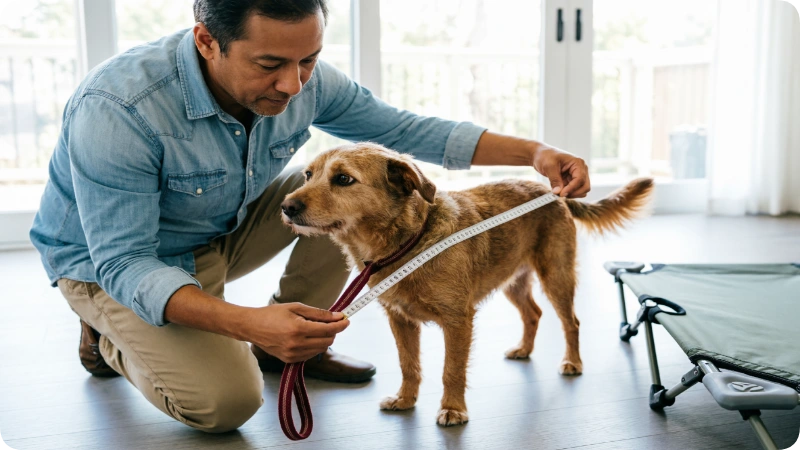
Measure your dog from nose to tail base and add 6–8 inches so they can fully stretch out, then measure their height while sitting to confirm the bed’s sides won’t crowd them. A bed that’s too small won’t get used, and one that’s too large defeats the purpose of a compact travel product.
For multi dog households, consider If dogs are comfortable sharing one bed or need individual ones most dogs travel better with their own designated space, especially in tight quarters like a car back seat or hotel room.
Material and Durability Considerations
Water resistant, ripstop fabric holds up best against spilled water bowls, muddy trails, and rest stop grass. Machine washable covers are close to essential, since travel beds pick up dirt and odor faster than beds that stay at home. Check the fill material too: shredded foam compresses smaller for packing, while solid foam blocks offer firmer support but pack bulkier.
Stitched seams and reinforced corners indicate a bed built for repeated packing and unpacking, rather than one designed to sit in a single spot. Cheaper beds often wear thinning fabric, flattened filling within a few months of regular travel use.
Features Worth Paying Extra For
While many travel beds appear similar, a few premium features can noticeably improve comfort, durability, and convenience over years of travel.
Look for features such as:
- Waterproof inner liner to protect the foam from accidents.
- Removable machine-washable cover.
- Reinforced handles or carrying straps.
- Non-slip rubber base for hardwood hotel floors.
- Compression straps for easier packing.
- Hidden storage pocket for leash, poop bags, or collapsible bowls.
- Durable YKK-style zippers that withstand repeated washing.
These upgrades usually cost a little more initially but often extend the usable life of the bed considerably.
TSA and Airline Pet Travel Rules
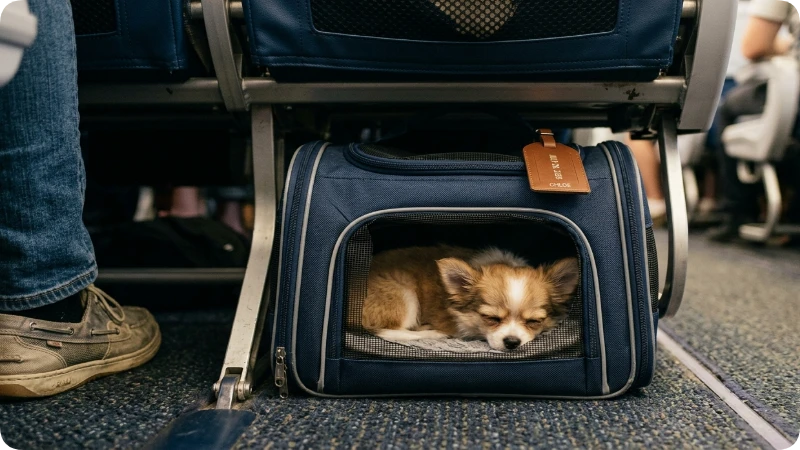
The Transportation Security Administration (TSA) requires pets to be removed from carriers during the security screening process, so a travel bed that fits easily inside a carrier rather than a bulky standalone bed simplifies this step. Airlines set their own separate rules for in cabin pet carrier dimensions, and these vary by carrier, so confirm sizing directly with your airline before booking.
Most U.S. airlines require the combined carrier and bed setup to fit fully under the seat in front of you, which is why flat, compressible pads outperform thick foam beds for air travel. Policies and fees around pet travel change frequently, so always verify current requirements on the airline’s official website close to your travel date.
Car Safety Tips for Dogs
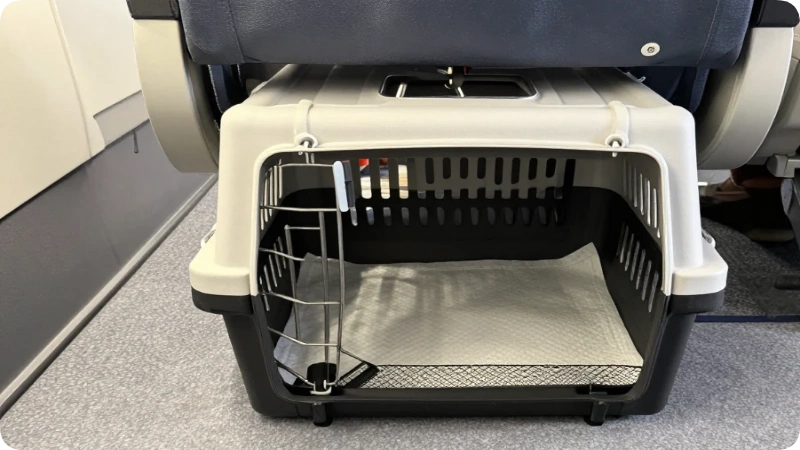
A travel bed alone doesn’t restrain a dog during sudden stops, so pairing it with a crash tested harness or secured crate adds a real safety layer on the road. Placing the bed in the back seat or cargo area rather than the front keeps dogs clear of airbags and reduces driver distraction.
The U.S. Department of Transportation (DOT) doesn’t set a nationwide law on pet restraints, but several states have introduced their own rules, so it’s worth checking local regulations for any state you’re driving through. Taking breaks every two to three hours also lets dogs stretch, hydrate, and use their travel bed as a real rest stop rather than just a cushion for the ride.
Packing Tips for a Dog Travel Bed
Roll rather than fold foam beds when possible, since rolling reduces crease lines that can weaken foam over repeated trips. Pack the bed in a dedicated stuff sack or compression bag separate from your own luggage, so it’s easy to grab first when checking into a hotel with a tired dog in tow.
Three common mistakes and how to fix them:
- Packing a brand new, unused bed, dogs settle faster on a bed with a familiar scent, so introduce it at home for a week before the trip.
- Skipping a backup cover pack one spare washable cover in case of accidents or spills mid trip.
- Choosing style over size always prioritizes accurate measurements over color or design when selecting a travel bed.
How to Help Your Dog Adjust to a New Travel Bed
Even the highest-quality travel bed won’t help if your dog refuses to use it.
Start introducing the bed at home at least a week before your trip. Place it in your dog’s favorite resting spot and encourage them to lie on it using treats, toys, or praise. Feeding occasional meals near the bed can also create positive associations.
Avoid washing the bed immediately before departure if your dog has already used it. Familiar scents often help reduce anxiety in unfamiliar hotel rooms, campsites, and vacation rentals.
For nervous dogs, placing a favorite blanket or T-shirt with your scent on the travel bed often helps them settle more quickly.
Where to Use It: Hotels, Airbnbs, and Campgrounds
Most pet friendly hotel chains allow dogs on the furniture but still recommend a personal bed to protect bedding and reduce cleaning fees bringing your own avoids surprise charges at checkout. In Airbnbs and vacation rentals, a travel bed also protects host furniture, which can help maintain a positive rental history for future pet friendly bookings.
At campgrounds, a raised or insulated travel bed keeps dogs off cold or damp ground, which matters in shoulder season trips through mountain or forest terrain. Many National Park Service (NPS) sites have specific pet restrictions on trails, so a bed at the campsite gives dogs a comfortable base even where hiking access is limited.
Budget Breakdown
Dog travel beds span a wide price range depending on material, brand, and size, from simple foldable pads to premium orthopedic memory foam versions. Because pricing shifts frequently across retailers, check current listings on pet supply sites or in store before your trip rather than relying on last year’s numbers.
Generally, inflatable and thin carrier pads sit at the lower end of the price spectrum, while memory foam and larger orthopedic travel beds cost more due to material and support quality. Buying at the start of a travel season, rather than right before a trip, often gives more time to compare options without pressure.
How Long Does a Dog Travel Bed Last?
The lifespan of a travel bed depends largely on material quality, frequency of travel, and your dog’s size and activity level.
Budget travel beds may last one to two years with occasional use, while premium memory foam models can remain supportive for five years or more if properly maintained.
To extend the life of your bed:
- Wash removable covers regularly.
- Allow foam to dry completely before packing.
- Avoid dragging the bed across rough pavement.
- Store it loosely rather than permanently compressed.
- Repair small tears before they become larger.
Replacing flattened foam or torn covers early often costs much less than replacing the entire bed.
Top Mistakes Pet Owners Make
Beyond sizing and packing errors, many travelers skip washing the bed before first use, leaving manufacturing odors that some dogs find off putting in a new environment. Others forget to test the bed at home first a dog encountering an unfamiliar bed for the first time in a moving car is more likely to reject it.
A third common mistake is assuming one bed style works for every leg of a trip. A thick foam bed that’s perfect for a week at a cabin may be impractical to carry through an airport, so many frequent travelers keep two lightweight options for different trip types.
Alternatives to a Dedicated Travel Bed
For very short trips, a familiar blanket from home can substitute in a pinch, offering scent based comfort without the bulk of a full bed. Travel sized dog hammocks are another alternative, particularly for car only trips where a flat bed isn’t necessary.
Some travelers also use a rolled up sleeping bag or camping pad shared with the dog, though this works better for smaller breeds and shorter outings than for extended, multi week travel.
Cleaning and Maintenance on the Road
Spot cleaning with pet safe wipes between full washes keeps beds fresh during multi stop road trips where laundry access is limited. When a laundromat or hotel washer is available, a mesh laundry bag protects zippers and Velcro closures from snagging during the wash cycle.
Air drying is generally safer than high heat for foam filled beds, since intense heat can warp or break down foam over time. Packing a slightly damp bed into a sealed bag can cause mildew, so allow full drying time before compressing it for the next leg of the trip.
Storage Tips Between Trips
Proper storage keeps a travel bed clean, fresh, and ready for your next adventure.
Store the bed in a cool, dry location away from direct sunlight to prevent fading and foam deterioration. If the bed includes memory foam, avoid keeping it compressed for long periods because permanent compression can reduce support over time.
Before storing, make sure the bed is completely dry to prevent mildew and odors. Placing it inside a breathable storage bag instead of a sealed plastic container helps maintain airflow while keeping dust away.
Family and Multi Dog Travel Tips
Families traveling with more than one dog should color code or label individual beds to avoid mix ups at rest stops and hotel check ins. Giving each dog their own space rather than sharing tends to reduce resource guarding and travel stress, especially in unfamiliar settings.
For families with young children, a bed with a low profile and rounded edges reduces tripping hazards in a shared hotel room or rental space.
Accessibility for Senior and Small Dogs
Senior dogs benefit most from orthopedic memory foam, which relieves pressure on joints during long stretches of sitting or lying down in the car. A slightly raised edge also helps arthritic dogs get in and out of the bed without straining.
Small and toy breeds do well with lightweight, low loft beds that fit inside a carrier bag, since bulkier beds can be difficult for owners to manage through crowded airports or transit stations.
Responsible Pet Travel
Booking pet friendly accommodations in advance rather than assuming a hotel allows pets avoids last minute scrambling and supports properties that welcome traveling pet owners. Cleaning up after your dog at rest stops, trailheads, and campgrounds also helps maintain access to pet friendly public spaces for future travelers.
Checking a destination’s specific pet policies, including leash laws and trail restrictions through resources like state tourism boards or the NPS website, keeps trips smooth and avoids fines.
Essential Dog Travel Accessories That Pair Well With a Travel Bed
A travel bed works best when combined with a few other travel essentials that keep your dog comfortable throughout the journey.
Useful accessories include:
- Collapsible food and water bowls.
- Portable water bottle for dogs.
- Travel blanket for extra warmth.
- Leash and backup leash.
- Seat belt harness or travel crate.
- Pet first-aid kit.
- Waste bags.
- Favorite toy for comfort.
- Microfiber towel for muddy paws.
- Vaccination records and ID tags.
Packing these items together with the travel bed creates a dedicated travel kit that’s ready whenever your next trip begins.
Sample Pre Trip Packing Checklist
- Travel bed + spare washable cover
- Compression or stuff sack for packing
- Pet safe cleaning wipes
- Familiar blanket or toy for scent comfort
- Harness or crate restraint for car safety
- Copies of vaccination records (often required for lodging or flights)
- Collapsible water and food bowls
Is an Orthopedic Dog Travel Bed Worth It?
Orthopedic travel beds are especially valuable for senior dogs, large breeds, and pets recovering from injuries because they distribute body weight more evenly and reduce pressure on joints.
For young, healthy dogs that only travel occasionally, a lightweight padded travel mat is usually sufficient. However, dogs with arthritis, hip dysplasia, or mobility issues often remain noticeably more comfortable during long road trips when sleeping on memory foam rather than standard polyester filling.
Although orthopedic beds typically cost more, they can improve sleep quality during travel and help reduce stiffness after long days in the car.
FAQs
Is a dog travel bed worth buying for occasional trips?
Yes, even occasional travelers benefit from a travel bed since it reduces anxiety, protects hotel or rental furniture, and gives dogs a consistent resting spot. A basic foldable option is enough for a few trips a year without a large investment.
How long does a dog need to adjust to a new travel bed?
Most dogs adjust within a few days when the bed is introduced at home before travel begins. Placing it in a familiar spot with treats or a favorite toy speeds up the process.
Can I bring a dog travel bed on a plane?
Yes, as long as it fits inside your airline approved pet carrier and meets under seat size requirements. Confirm exact dimensions with your airline, since policies vary and change periodically.
What size dog travel bed do I need?
Measure your dog nose to tail and add 6–8 inches, then check that the bed height won’t crowd them while sitting. Oversized beds are harder to pack; undersized beds often go unused.
Are inflatable dog beds durable enough for camping?
Inflatable beds are lightweight and pack small, but they carry a higher puncture risk around sharp rocks or campsite debris. A repair patch kit is a smart addition for camping trips.
Do hotels charge extra if I bring my own dog bed?
Bringing a personal bed typically doesn’t add fees and can help avoid pet cleaning charges some hotels apply. Always confirm pet policies directly with the property before booking.
What’s the biggest mistake people make with dog travel beds?
The most common mistake is buying a bed the dog has never used before the trip. Unfamiliar beds are more likely to be ignored or resisted in a new, already stressful environment.
Dog Travel Bed Buying Checklist
Before purchasing a dog travel bed, run through this quick checklist to make sure it fits both your dog and your travel style.
Correct size for your dog’s sleeping position.
Lightweight enough to carry comfortably.
Machine-washable removable cover.
Water-resistant outer fabric.
Non-slip bottom for vehicles and hotel floors.
Easy to fold or compress.
Durable stitching and quality zipper.
Suitable for your primary travel type (car, plane, camping, or hotel).
Comfortable enough for your dog to use at home before the trip.
Checking these features before buying helps ensure your travel bed remains useful for many trips rather than becoming another unused piece of pet gear.
Final Takeaways
A well chosen dog travel bed reduces anxiety, protects your dog’s joints, and makes every stop from a highway rest area to a mountain campsite feel a little more like home. Prioritize accurate sizing, durable materials, and a style suited to your specific trip type, If that’s flying, driving, or camping.
Test the bed at home before departure, pack a spare cover, and always confirm current airline or lodging pet policies before you go, since these details shift often. With the right setup, your dog can rest easy anywhere the trip takes you and that makes for a smoother journey for the whole family.