A cat travel bag is a portable, enclosed carrier designed specifically to transport cats safely during travel if on a plane, in a car, or on a walk. The best options combine secure ventilation panels, padded interiors, and TSA friendly designs. For air travel, look for soft sided bags under 18×11×11 inches that fit under an airline seat. For road trips, prioritize bags with both top and side entry points for easy access.
Every cat owner knows the feeling. You zip up your cat’s carrier, and suddenly your calm, curious companion transforms into a howling, claw baring escape artist. Travel stress hits cats hard and without the right bag, it hits you just as hard. If you’re heading to the vet, flying across the country, or embarking on a van life adventure with your feline co-pilot, the carrier you choose makes or breaks the experience.
This guide covers everything you need to know about picking, packing, and using a cat travel bag. You’ll find advice on airline approved options, breathable designs for summer road trips, backpack style carriers for active travelers, and the hidden mistakes most cat owners make when buying their first bag. By the end, you’ll know exactly which type suits your travel style and how to help your cat actually tolerate it.
What Is a Cat Travel Bag and Why Does It Matter?
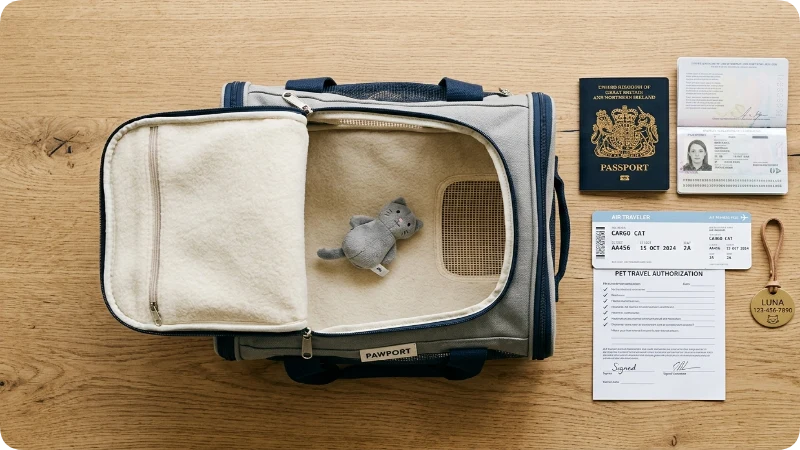
A cat travel bag is more than just a box with a zipper. The right bag directly affects your cat’s stress levels, your comfort, and your ability to pass through airports, hotels, and public spaces without a scene. Studies from the American Association of Feline Practitioners (AAFP) consistently show that confinement anxiety is one of the top stressors for domestic cats. A bag with proper ventilation, a familiar scent, and a secure closure dramatically reduces that anxiety.
Beyond comfort, safety is the bigger issue. A flimsy carrier with a weak zipper or thin mesh can fail mid trip and a loose cat in a moving vehicle or a crowded airport is a genuine emergency. The right cat travel bag holds up through security lines, turbulence, and backseat chaos.
Best Cat Travel Bags by Cat Size
Not every carrier fits every cat. A lightweight kitten has very different needs than a 17-pound Maine Coon. Choosing the right size improves comfort, airflow, and safety during travel.
| Cat Size | Recommended Carrier Size | Best Carrier Type |
| Under 8 lbs | 16–17 inches long | Soft-sided airline carrier |
| 8–12 lbs | 17–18 inches | Expandable soft carrier |
| 12–15 lbs | 18–19 inches | Large soft carrier or rolling carrier |
| 15–20 lbs | 19–21 inches | XL backpack or hard-sided carrier |
Large breeds such as Maine Coons, Norwegian Forest Cats, and Ragdolls often require oversized carriers designed specifically for heavier cats. Always prioritize the interior dimensions over the listed weight limit because long-bodied cats need enough space to stretch and turn comfortably.
Types of Cat Travel Bags: Which Style Fits Your Trip?
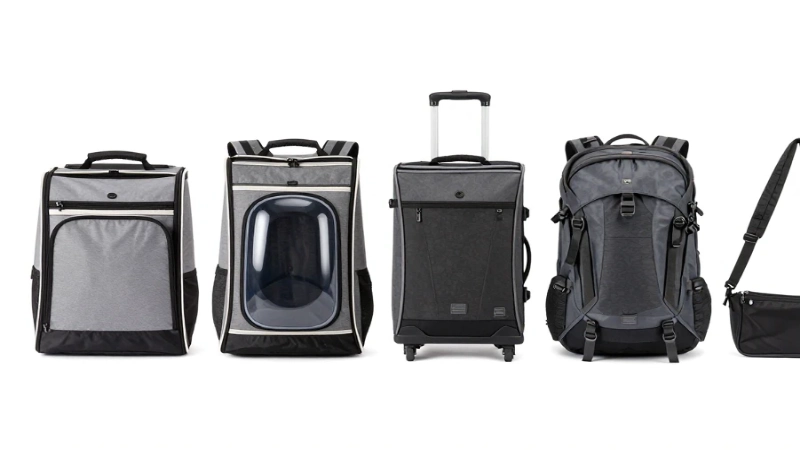
There are five main types of cat travel bags, and each serves a different kind of traveler. Choosing the wrong one leads to frustration on both ends of the leash.
Soft Sided Airline Approved Carriers
These are the go to option for air travel. Soft sided carriers compress slightly to slide under the seat in front of you, which is required for most in cabin pet policies. Airlines like Delta, United, and American Airlines all specify that the pet carrier must fit within their under seat dimensions typically around 18×11×11 inches, though this varies by aircraft and route. Always check your specific airline’s current pet policy before booking, as dimensions and fees change.
Backpack Cat Carriers
Backpack carriers have exploded in popularity among urban cat owners, hikers, and travelers who want hands free convenience. Many feature a bubble window or mesh panel on the front that lets your cat watch the world which sounds adorable and, for many cats, genuinely reduces anxiety by giving them visual stimulation. These work well for short trips, vet visits, or city exploring, but they’re generally not airline approved for in cabin use.
Rolling Cat Carriers
Rolling carriers essentially soft duffel bags on wheels are ideal for longer journeys where you’d otherwise be hauling significant weight. A 12 pound cat in a 5 pound carrier gets heavy fast. Rolling options take that strain off your back through airports or train stations. Most can convert to shoulder carry mode when stairs or escalators make rolling impractical.
Cat Carrier Backpacks with Expandable Sections
These hybrid designs feature a main compartment that zips open to give your cat more room once you’ve reached your destination. They’re perfect for travelers who need a compact carrier during transit but want their cat to have more space at the campsite or hotel.
Wearable or Sling Carriers
Sling style carriers keep small cats close to your body great for kittens or very calm cats who tolerate close contact. They’re not suitable for cats over about 10 pounds, and they offer minimal protection in a fall or sudden movement. Think of these as a specialty option rather than an everyday travel solution.
Soft-Sided vs Hard-Sided Cat Travel Bags
Choosing between a soft-sided and hard-sided carrier depends on how and where you travel.
| Feature | Soft-Sided | Hard-Sided |
| Air travel | ✅ Best choice | ❌ Usually too large |
| Car travel | ✅ Excellent | ✅ Excellent |
| Vet visits | Good | Excellent |
| Comfort | Better padding | More rigid |
| Weight | Lightweight | Heavier |
| Storage | Folds flat | Takes more space |
Soft-sided bags are ideal for most travelers because they fit under airplane seats and are easier to carry through airports. Hard-sided carriers offer maximum protection during car travel and are easier to disinfect after accidents or illnesses.
If you travel regularly by plane, a quality soft-sided carrier is usually the better long-term investment.
Key Features to Look for in a Cat Travel Bag
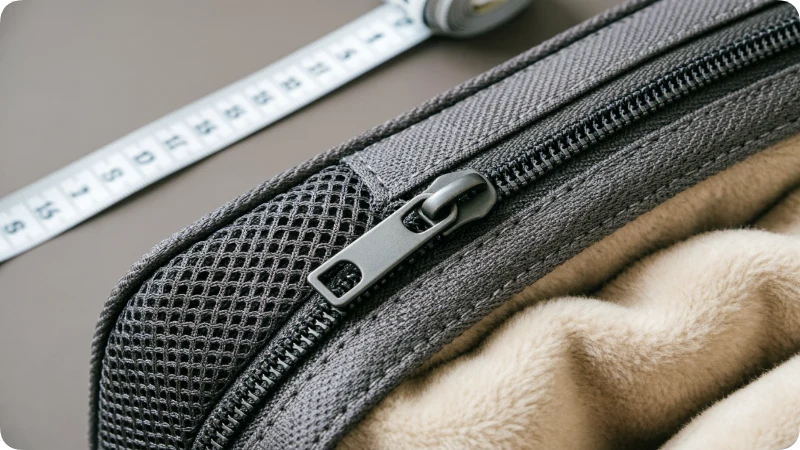
The feature list on a product page can be overwhelming. These are the ones that actually matter in the real world.
Ventilation is non negotiable. Your cat needs consistent airflow, especially in warm environments. Look for mesh panels on at least two sides, and avoid bags where the mesh is decorative rather than functional. On hot days, poor ventilation can become a health risk quickly.
Entry points determine how easy it is to get a reluctant cat in and out. Top entry openings are easier for most cats who resist being pushed in headfirst. Side entry works better for cats who are already comfortable with the bag. Dual entry gives you flexibility.
Interior padding and base stability matter more than most buyers realize. A bag with a collapsible, wobbly base makes cats feel unstable which spikes their anxiety. Look for a rigid or semi rigid bottom panel and a removable, washable fleece liner.
Security hardware specifically the zipper quality and any locking mechanisms is where cheap bags fail. Look for double zipper closures or zipper clips that prevent a clever cat from nosing the zipper open from the inside. (Yes, some cats learn to do this.)
Size and weight limits should match your cat comfortably. The general rule is that your cat should be able to stand, turn around, and lie down without pressing against the walls. Most standard carriers fit cats up to 15 pounds, but check the specific weight limit before purchasing.
Airline Rules for Cat Travel Bags: What You Need to Know
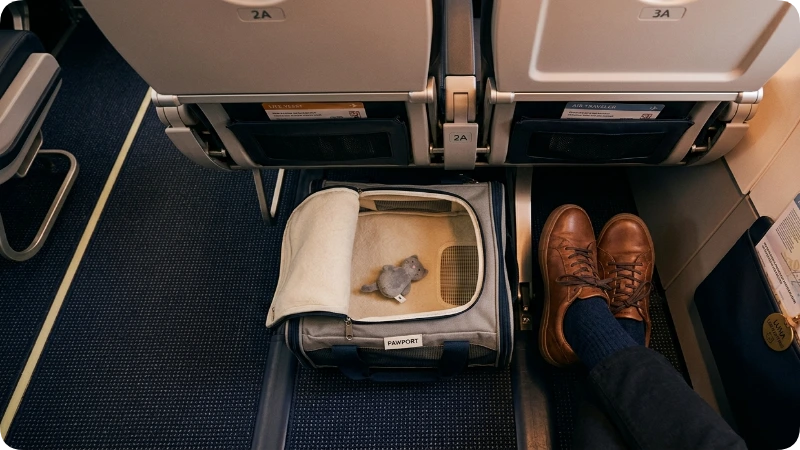
Flying with a cat requires navigating both TSA rules and individual airline pet policies and they’re not the same thing.
TSA guidelines (managed by the Transportation Security Administration) require that you remove your cat from the carrier and carry your cat through the security screening while the empty carrier goes through the X ray machine. Your cat does not go through the X ray. This means your carrier needs to open quickly, and you need to have a secure grip on your cat during this process. A collar and harness under the bag are wise precautions. Always verify current TSA guidelines at tsa.gov before your trip.
Airline pet fees for in cabin travel typically range from $95 to $150 each way as of recent years, though these change frequently. Most airlines allow only one pet carrier per passenger in the cabin. Some routes and aircraft types don’t permit in cabin pets at all.
International flights add another layer of complexity. Many countries require health certificates, proof of vaccinations (especially rabies), and sometimes government issued health documentation issued within 10 days of travel. The USDA Animal and Plant Health Inspection Service (APHIS) maintains updated international pet travel requirements at aphis.usda.gov. Always verify entry requirements for your destination country directly with that country’s consulate or official government site.
Can Two Cats Travel in One Cat Travel Bag?
Although bonded cats often enjoy spending time together at home, sharing a carrier during travel is rarely recommended.
Adult cats should generally travel in separate carriers unless your veterinarian specifically recommends otherwise. Stress levels rise during travel, and even closely bonded cats may become frightened enough to lash out at each other inside a confined space.
The only common exception is very young kittens traveling together for short distances.
If you’re flying, most airlines require each adult cat to have its own approved carrier unless their pet policy specifically allows otherwise.
How Long Can a Cat Stay in a Travel Bag?
Healthy adult cats can usually remain inside a travel carrier for 6 to 8 hours when necessary, provided the carrier has good ventilation and the cat has opportunities for water during longer journeys.
For trips lasting more than six hours:
- Offer water during breaks.
- Give access to a litter box whenever it’s safe.
- Allow short stretching breaks only inside secure rooms or enclosed spaces.
- Monitor for signs of overheating, excessive panting, or severe anxiety.
For flights, keep your cat inside the carrier except when TSA requires removal during security screening.
How to Clean Cat Hair and Odors From a Travel Bag
Regular cleaning keeps your cat healthier and makes future trips less stressful.
After every trip:
- Remove loose fur using a handheld vacuum or lint roller.
- Wash removable bedding according to the manufacturer’s instructions.
- Wipe interior surfaces with a pet-safe disinfectant.
- Allow the carrier to air dry completely before storing.
- Sprinkle baking soda inside overnight to help eliminate lingering odors before vacuuming it out.
Avoid bleach or strong chemical cleaners because the smell may discourage your cat from entering the carrier next time.
How to Measure Your Cat for a Travel Bag
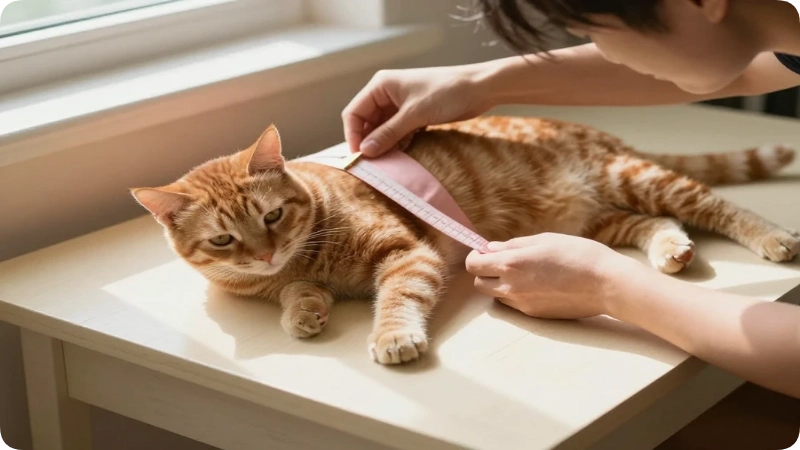
Buying the wrong size is the most common mistake cat owners make when shopping for a travel bag. Here’s how to measure correctly.
| Measurement | How to Take It | Why It Matters |
| Body length | Nose to base of tail | Carrier should be 1.5× this length |
| Height (standing) | Top of head to floor | Carrier interior height should match or exceed this |
| Chest width | Widest point across shoulders | Carrier width should allow comfortable turning |
| Weight | Standard scale method | Match to carrier’s listed weight limit |
If your cat is between sizes, always size up. A slightly larger carrier is always better than a too small one for your cat’s comfort and safety.
Best Cat Travel Bags by Travel Type
Different trips call for different gear. Here’s a breakdown of which bag type performs best in each travel scenario.
For Flights: Sherpa Original Deluxe and Similar Airline Approved Soft Carriers
Airline approved soft carriers with mesh sides and a semi rigid base consistently perform well. Look for carriers that list specific airline approvals, though note that no carrier can guarantee acceptance on every airline and every aircraft dimensions vary. Confirm with your airline directly before travel day.
For Road Trips: Ventilated Soft Duffel Styles
For long drives, a roomy soft duffel with secure seatbelt loops is ideal. Being able to secure the carrier to the seatbelt prevents it from becoming a projectile in a sudden stop a real safety concern that most travelers overlook. The Center for Pet Safety has published research on pet restraint in vehicles, and unsecured carriers perform dangerously in crash simulations.
For Hiking and Outdoor Adventures: Backpack Carriers with Ventilation Windows
For hiking trails or city walking, a quality cat backpack carrier with a structured frame and mesh panels keeps your cat comfortable and your hands free. Look for padded shoulder straps and a sternum strap if you plan on uneven terrain.
For Vet Visits: Top Loading Hard Sided or Hybrid Carriers
Veterinarians often prefer top loading carriers because they make exams easier the vet can lift the top off and examine a nervous cat in the bottom half without forcing them out. A hybrid soft carrier with a top entry zipper strikes a good balance between portability and vet friendly access.
How to Train Your Cat to Love the Travel Bag
This step gets skipped constantly and it’s the reason so many cats completely lose it at the airport. Carrier training is not optional if you want stress free travel.
Start weeks or months before your trip, not the night before. Leave the open carrier in your home as a permanent fixture. Put your cat’s favorite blanket inside. Let them explore it on their own terms without any pressure or door closing.
Use positive associations aggressively. Feed your cat treats near the carrier, then inside the carrier, then with the door closed briefly. Build duration slowly over days. The goal is for your cat to associate the carrier with good things like food, warmth, safety rather than the vet or a car ride.
Practice short trips. Once your cat is comfortable entering the carrier, take them on a five minute drive and come straight home. Gradually extend the duration. This desensitizes them to the motion and sounds of travel.
Use calming aids if needed. Feliway spray (a synthetic pheromone product) applied to the interior of the carrier 30 minutes before use can reduce stress for many cats. Your veterinarian may also recommend anti anxiety medication for cats with severe travel anxiety this is worth discussing before any long journey.
Packing Your Cat Travel Bag: What to Bring
A well packed cat bag isn’t just about the carrier itself. Smart packing makes a significant difference in how smoothly your trip goes.
- A familiar smelling item: A worn t shirt or your cat’s favorite blanket helps them feel safe in an unfamiliar environment
- Collapsible water bowl and small water bottle: Hydration matters, especially on flights or long drives
- Small portion of dry food in a zip bag: Avoid feeding a large meal 3–4 hours before travel to reduce the chance of car sickness
- Portable litter setup: A disposable travel litter tray is available at most pet retailers and is essential for trips over 4–5 hours
- Health certificate and vaccination records: Required for air travel and many hotels; keep these in a waterproof pouch
- Cat first aid basics: A small kit with gauze, vet wrap, and an emergency contact number for a 24 hour vet line
Insider Tips for Smoother Cat Travel
These are the details most guides don’t mention but experienced cat travelers have learned the hard way.
- Book a direct flight whenever possible. Layovers dramatically increase stress for both you and your cat. The fewer boarding and deplaning events, the better.
- Request a window seat. There’s typically more under seat space near the window than the middle or aisle seat on most aircraft giving your cat a slightly roomier ride.
- Cover the mesh panels with a light cloth on the plane. Reducing visual stimulation can calm anxious cats during busy boarding periods. Remove it once the cabin quiets down.
- Freeze a small dish of water inside the carrier the night before a long trip. It won’t spill during loading but melts into drinking water once you’re underway.
- Arrive at the airport early. Navigating security with a cat in arms while managing your shoes and laptop is genuinely chaotic. Extra time reduces stress for everyone.
Common Mistakes Cat Owners Make With Travel Bags (And How to Fix Them)
Mistake #1: Buying Based on Price Alone
The cheapest cat carrier on a big e-commerce platform is almost always the wrong choice. Thin mesh, weak zippers, and unstable bases are the norm at the low end. A mid range carrier from a reputable pet brand ($50–$120) will outlast three cheap ones and perform far better in real travel conditions.
Fix: Read reviews specifically from travelers who have used the carrier on flights or extended road trips, not just vet visits.
Mistake #2: Waiting Until Travel Day to Introduce the Carrier
Cats are creatures of habit and routine. A carrier that appears out of nowhere the morning of a flight is terrifying to most cats. Fix: Leave the carrier out permanently, weeks in advance. Normalize it as furniture before you ever zip it up with your cat inside.
Mistake #3: Not Verifying Airline Carrier Dimensions in Advance
Airlines update their under seat dimensions more often than most people realize, and dimensions vary by aircraft type not just by airline. A carrier that fits under the seat on one plane may not on another.
Fix: Call or email your airline directly with your specific flight number and ask about the under seat dimensions for that aircraft type. Get the answer in writing if you can.
Cat Travel Bag Safety: Keeping Your Cat Secure on the Road
Vehicle travel presents specific safety risks that carriers help mitigate but only when used correctly. An unrestrained carrier in a sudden stop can become a projectile, potentially injuring both your cat and passengers.
Always secure the carrier with a seatbelt through the carrier’s handle or a designated strap system. Position the carrier on the back seat rather than the front, away from airbag deployment zones. Never place the carrier in the trunk of a sedan or SUV temperatures in enclosed trunks can become dangerous quickly.
For very long drives, plan rest stops every 2–3 hours. Offer water at each stop. Keep a disposable litter box in the car for emergency use. And if your cat shows signs of distress panting, excessive drooling, or continuous vocalizing consult a veterinarian; these can indicate anxiety or motion sickness that may be treatable.
Accessories That Make Cat Travel Easier
A quality travel bag is only part of the equation. A few inexpensive accessories can make traveling significantly easier for both you and your cat.
Useful accessories include:
- Escape-proof cat harness
- Apple AirTag or Bluetooth tracker attached to the carrier
- Collapsible food and water bowls
- Portable litter box
- Puppy training pads for the carrier floor
- Cooling mat for summer travel
- Small battery-powered fan (never blowing directly on your cat)
- Clip-on LED light for nighttime travel
- Extra identification tags with your mobile number
Many experienced travelers also keep a recent printed photo of their cat in case they become separated during the trip.
Is a Cat Travel Backpack Better Than a Traditional Carrier?
Neither option is universally better they simply serve different purposes.
Choose a backpack carrier if you:
- Walk long distances
- Use public transportation frequently
- Enjoy hiking with your cat
- Need both hands free
Choose a traditional carrier if you:
- Fly regularly
- Visit the veterinarian often
- Take long road trips
- Have a large or senior cat
For many cat owners, owning both styles provides the greatest flexibility.
Cat Travel Bags and Hotel Stays: What to Know
Not all pet friendly hotels are equally cat friendly, and your carrier plays a role in how smoothly hotel stays go.
Many hotels that allow dogs are less accommodating with cats partly because cats are harder to contain in the event of housekeeping visits or accidental door openings. Your carrier doubles as a safe containment space during hotel stays. Leave your cat secured in their carrier (with water and a familiar item) during housekeeping, or hang a do not disturb sign and plan your schedule around it.
Pack a travel sized litter box and a small bag of litter. Most hotels tolerate this in the bathroom on a tile floor. Bring a door stopper or travel door lock to prevent accidental room access when you’re inside a cat that bolts into a hotel hallway is a serious problem.
Budget Breakdown: What Cat Travel Really Costs
Planning a budget for traveling with a cat requires accounting for more than just the carrier itself.
| Expense | Estimated Range | Notes |
| Cat travel bag / carrier | $40–$200 | Quality mid range: $60–$120 |
| Airline pet fee (one way, in cabin) | $95–$150 | Varies by airline; verify directly |
| Veterinary health certificate | $50–$100 | Required for air travel; expires within 10 days |
| Pet friendly hotel surcharge | $25–$75/night | Varies widely; always confirm before booking |
| Travel litter kit | $10–$20 | Disposable trays + small litter bag |
| Calming aids (Feliway, etc.) | $15–$40 | Optional but recommended for anxious cats |
Prices are estimates and subject to change. Always verify current fees directly with airlines, hotels, and veterinary providers.
FAQs
What size cat travel bag do I need for a 10 pound cat?
For a 10 pound cat of average build, look for a carrier with interior dimensions of at least 17×10×10 inches. Your cat should be able to stand upright, turn around, and lie down comfortably. Always measure your specific cat using the nose to tail and floor to head measurements before purchasing, as body proportions vary significantly between breeds.
Can I take a cat travel bag on a plane as a carry on?
Yes, most major airlines allow soft sided cat carriers as carry on in the cabin, provided they fit under the seat in front of you and meet the airline’s size and weight requirements. You’ll also pay a pet fee each way. Always book your pet’s in cabin spot when you book your ticket, as most airlines limit the number of pets per flight. Confirm current requirements with your airline directly.
How do I keep my cat calm in a travel bag?
Start carrier training weeks before your trip by leaving the carrier open at home with familiar smelling bedding inside. On travel day, use Feliway spray in the carrier 30 minutes before departure, minimize visual stimulation by covering the mesh, and avoid feeding a large meal before travel. For severe anxiety, talk to your veterinarian about medication options.
What is the best cat travel bag for long car trips?
For long drives, prioritize a soft carrier with a rigid or semi rigid base, multiple ventilation panels, and seatbelt compatibility. A carrier with both top and side entry makes rest stop check ins easier. Secure the carrier to the rear seat with a seatbelt, bring a collapsible water bowl, and plan stops every 2–3 hours.
Are cat backpack carriers safe?
Cat backpack carriers are safe for most cats when used correctly. Ensure the carrier has adequate ventilation, a secure locking mechanism, and a weight rating that exceeds your cat’s weight. Limit continuous use to a few hours, monitor your cat for signs of overheating in warm weather, and avoid highly active movements like running while your cat is inside.
Do cat travel bags need to be TSA approved?
There is no formal TSA approved carrier certification. TSA requires you to remove your cat from any carrier during security screening while the empty bag goes through the X ray. What matters is that the carrier opens quickly and securely so you can handle your cat efficiently at the checkpoint. A bag with a top loading entry helps significantly with this process.
How do I clean a cat travel bag between trips?
Remove the interior liner and wash it according to the manufacturer’s instructions; most are machine washable. Wipe down the interior of the bag with a pet safe cleaner or a diluted white vinegar solution, then air dry completely before storing. Avoid strong chemical cleaners, which can leave scents that stress cats. Spot clean exterior mesh panels with a damp cloth.
Can I put a blanket inside a cat travel bag?
Yes. A familiar blanket carrying your home’s scent helps many cats feel more secure during travel. Just make sure it doesn’t block ventilation openings or take up so much space that your cat cannot turn around comfortably.
Should I feed my cat before traveling?
Most veterinarians recommend feeding a light meal about three to four hours before departure. Feeding immediately before travel may increase the risk of nausea or motion sickness, especially during long car rides.
Can cats sleep inside a travel bag overnight?
A cat can remain in a travel carrier overnight only when absolutely necessary, such as during emergencies or transportation. For hotel stays or overnight stops, provide access to a larger room or pet-safe enclosure whenever possible so your cat can stretch, eat, drink, and use a litter box comfortably.
What is the safest place to put a cat travel bag in a car?
The safest location is the back seat, secured with the vehicle’s seat belt through the carrier’s designated straps or handles. Never place a cat carrier on the front seat where an airbag could deploy, or in the trunk where ventilation and temperature control are inadequate.
Can I use a dog carrier for my cat?
Yes, provided the carrier is appropriately sized, well ventilated, and designed for safe pet transport. Many soft-sided carriers work well for both cats and small dogs, but cats generally prefer carriers with greater privacy and multiple entry points.
Conclusion: The Right Cat Travel Bag Changes Everything
Choosing the right cat travel bag is one of the most practical investments you can make as a traveling cat owner. The three biggest takeaways: size your carrier to your cat (not to the airline’s minimum), start carrier training long before your trip, and always verify airline and hotel pet policies directly since they change more often than any guide can track.
A well prepared cat and a quality bag turn travel from a stressful ordeal into something genuinely manageable and for adventurous owners, even enjoyable. Your cat may never love the carrier, but with the right prep, they can tolerate it calmly. And that makes all the difference when you’re navigating a busy terminal or settling into a long highway stretch.
Explore your options, measure your cat, read the airline fine print, and give your cat the carrier they deserve. The open road or the boarding gate is waiting.

Gordon Ramsay is a travel writer and destination researcher who helps U.S. travelers plan smarter trips, covering destinations, seasonal trends, budgets, and logistics to help readers decide where—and when—to go.
Rather than simply listing popular places, Gordon Ramsay focuses on what travelers actually need: comparing weather against crowds, weighing costs and accessibility, and researching current conditions alongside official tourism guidance—delivering honest, practical advice without the hype.