February is one of the most underrated travel months in the United States. While most people assume it’s too cold, too gray, or too close to the holidays to bother planning a trip, savvy travelers know something different: February unlocks shoulder season pricing, thinner crowds, and some genuinely spectacular weather across dozens of American destinations.
If you’re chasing 80°F sunshine, fresh powder on world class ski slopes, or a romantic Valentine’s escape in a historic city, the U.S. delivers in February often at prices that are 20–40% lower than peak summer travel. This guide covers 15 of the best places to travel in February in the USA, broken down by travel style, budget, and what you’ll actually experience when you get there.
Quick Facts: February Travel in the USA at a Glance
| Factor | Details |
| Best weather regions | Florida, Hawaii, Arizona, Southern California, Texas Gulf Coast |
| Best for skiing | Colorado, Utah, Vermont, Lake Tahoe (California/Nevada) |
| Avg. domestic flight savings vs. July | 15–35% lower fares (per Bureau of Transportation Statistics data) |
| Valentine’s Day impact | Feb 14 hotel rates spike 20–50% in romantic cities |
| Biggest February events | Mardi Gras (New Orleans), Daytona 500, Sundance Film Festival (early Feb) |
| Crowds | Significantly lower than June–August at most destinations |
| Best booking window | 4–6 weeks ahead for most destinations; 8–12 weeks for ski resorts |
Why February Is Actually a Great Month to Travel the USA
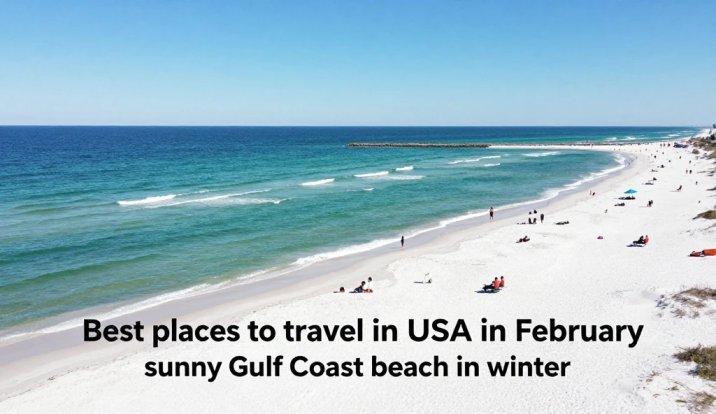
February sits in a sweet spot that most travelers overlook. Post holiday budgets are tight, school is in session, and the general assumption is that winter travel means misery. That assumption is wrong and it costs people real money and real experiences.
The crowds are smaller. National parks like Zion, Arches, and the Grand Canyon see a fraction of their summer visitor numbers in February. Hotels at beach destinations in Florida and Texas drop rates considerably. Even popular ski resorts offer better lift ticket deals during non holiday February weekdays.
The weather is genuinely warm in the Sun Belt. Miami averages 76°F in February. Key West averages 72°F. Tucson, Arizona, sits around 65°F with near zero chance of rain. Southern California’s beaches are walkable and photogenic even if they’re not swimming warm.
Bottom line: February rewards travelers who are willing to go against the seasonal grain. The tradeoff is packing smartly for variable weather, but the payoff is real fewer lines, lower prices, and a more authentic version of many destinations.
Best Warm Weather Destinations in February
1. Key West, Florida America’s Warmest February Escape
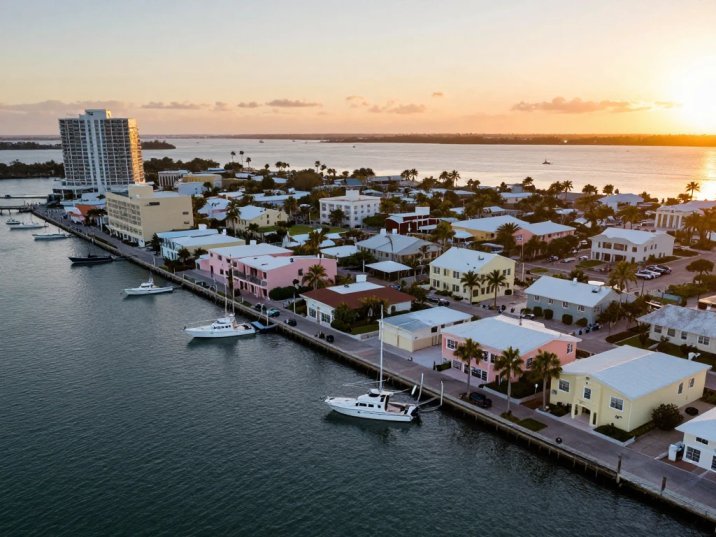
Key West is the warmest spot in the continental United States in February, averaging highs of 75–78°F with low humidity. The island’s compact, walkable layout, legendary sunsets at Mallory Square, and laid back culture make it ideal for couples, solo travelers, and anyone fleeing a northern winter.
The Florida Keys stretch 125 miles south of Miami along the Overseas Highway (U.S. Route 1), and Key West sits at the very end. February falls squarely in the dry season, meaning clear skies and calm Atlantic waters. Snorkeling the Florida Reef, the third largest barrier reef in the world, is excellent in winter when water clarity is at its best.
Insider tip: Book the free Mallory Square Sunset Celebration at least 30 minutes early on weekends. The crowd builds fast, and the best viewing angles go quickly. The square hosts street performers, local artists, and one of the most consistently beautiful sunset views in the country with no ticket required.
What’s overrated: Duval Street bars. They’re fun for one night, but the experience is very similar to any tourist strip. The real Key West is in the quieter streets of the historic district, the local restaurants on Margaret Street, and the mangrove nature trails.
Budget note: Key West runs expensive. Expect $200–$400/night for a mid range guesthouse in February, and $15–$25 per entrée at most sit down restaurants. Rates verify directly with properties, as they fluctuate.
2. Miami Beach, Florida City Energy Meets Winter Sun
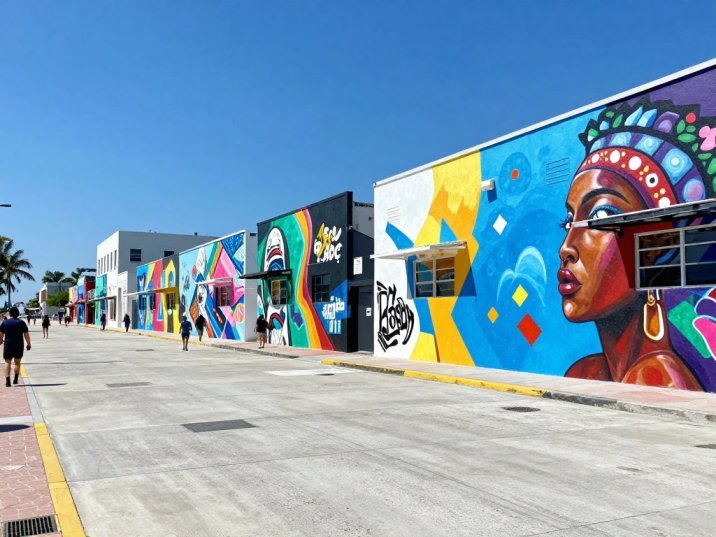
Miami Beach averages 76°F in February and offers a rare combination of beach weather, world class dining, vibrant nightlife, and cultural depth all in a city that charges peak summer prices only for a brief window around Art Basel (December).
February is genuinely one of Miami’s best months. The “snowbirds” have arrived from the Northeast, creating a lively atmosphere without the crushing summer humidity. Ocean Drive in South Beach is iconic but busy; locals head to Mid Beach or the quieter stretches north of 71st Street.
The Wynwood Walls, a free, open air mural complex in the Wynwood Arts District is one of the best photo spots in the entire country and an honest representation of Miami’s creative energy. Little Havana’s Calle Ocho offers some of the most authentic Cuban food in the U.S., and the Pérez Art Museum Miami (PAMM) consistently hosts world class exhibitions.
Hidden gem: Virginia Key Beach Park, just across the causeway from downtown, offers a quieter, less commercial beach experience than South Beach, with a fascinating history as Miami’s former “colored only” beach during segregation now a preserved historic site.
Getting there: Miami International Airport (MIA) is one of the country’s most connected hubs, served by American Airlines, Delta, United, and most major carriers. The Miami Dade Transit system connects MIA to South Beach via the MIA Mover and bus lines, though rideshare is more practical for most visitors.
3. Scottsdale, Arizona Desert Sun Without the Summer Heat
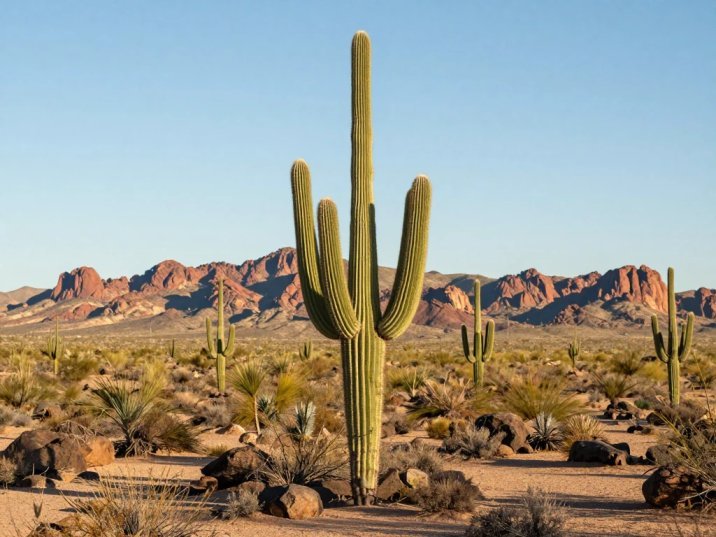
Scottsdale, Arizona delivers reliably sunny days (300+ annually) and February highs of 65–70°F warm enough for golf, hiking, and outdoor dining, cool enough to actually enjoy being outside. It’s the anti Phoenix summer: the same desert landscape, none of the triple digit misery.
The Sonoran Desert in February is at its most comfortable. Hiking Camelback Mountain or the McDowell Sonoran Preserve trails is a genuine pleasure in 60°F weather that becomes dangerous in June. The Desert Botanical Garden in nearby Phoenix peaks in late winter/early spring when many desert plants bloom.
Insider tip: If you’re visiting for golf, February weekday tee times at many Scottsdale courses run 40–50% lower than spring break rates in March. Call directly and ask about off peak pricing it’s not always advertised online.
Old Town Scottsdale has great walkability, strong restaurant options, and one of the best Western art gallery scenes in the country. The Scottsdale Museum of Contemporary Art (SMoCA) offers free Thursday evening admission.
Common mistake: Underestimating desert sun in winter. Even at 65°F, UV exposure in Arizona is intense. Pack SPF 50+ and a hat regardless of the temperature.
4. San Antonio, Texas History, Culture, and the River Walk
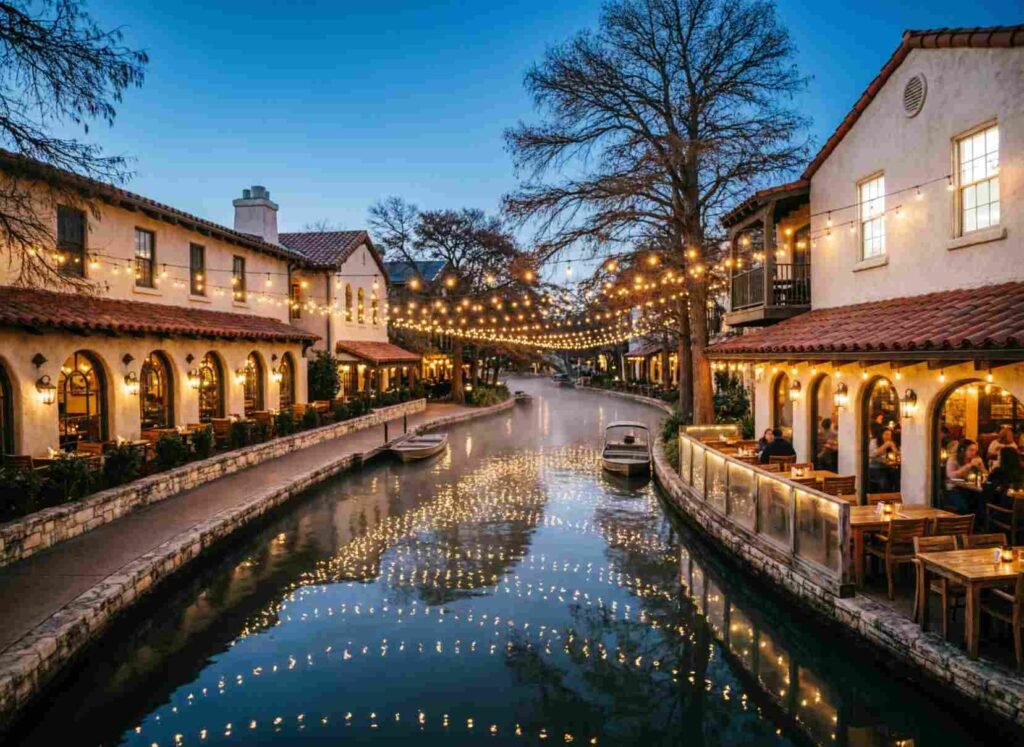
San Antonio averages 63°F in February and delivers one of the richest cultural experiences in the American South with far fewer tourists than you’d find in summer. The River Walk (Paseo del Río) is genuinely beautiful in winter, strung with lights and lined with restaurants.
The Alamo, one of the most visited historic sites in the United States draws far smaller crowds in February than during spring break. Take advantage. The National Park Service (NPS) maintains the grounds free of charge, and the History Museum next door provides essential context for understanding the 1836 battle.
Hidden gem: The San Antonio Missions National Historical Park extends well beyond the Alamo to four additional Spanish colonial missions: Concepción, San José, San Juan, and Espada. This UNESCO World Heritage Site is dramatically undervisited, even in summer. In February, you may have entire mission courtyards to yourself.
The Pearl District is San Antonio’s best culinary neighborhood, a converted brewery complex with excellent farmers’ markets on Saturdays and some of the city’s best independent restaurants.
5. Honolulu, Hawaii Warmth Without the Summer Surge
Honolulu averages 80°F year round, and February actually offers a slight advantage over summer: fewer tourists, lower hotel rates, and the chance to see humpback whales, one of North America’s most spectacular wildlife events, happening just offshore in the waters around Maui and the Big Island.
Oahu’s North Shore, famous for massive winter surf, is at its most dramatic in February. The surf competition season draws professional surfers to Sunset Beach and Waimea Bay. Watching from shore is free, stunning, and completely unique to winter.
Practical note: February is technically Hawaii’s rainiest month, particularly on windward (eastern) coasts. Oahu’s South Shore (Waikiki, Honolulu) stays comparatively dry. The rain typically comes in short bursts rather than all day soakers, and it cools things down nicely.
Budget reality check: Hawaii is expensive. Expect $250–$600/night for hotels in Waikiki and $80–$120/day per person for food. The Hawaii Tourism Authority provides useful planning resources at gohawaii.com. Interisland flights via Hawaiian Airlines and Southwest connect Oahu to Maui, Kauai, and the Big Island.
Best Ski Destinations in February
6. Park City, Utah World Class Skiing With City Comforts
Park City Mountain Resort and Deer Valley Resort together give Park City access to over 9,300 acres of skiable terrain, making it one of the largest ski complexes in North America. February is peak powder season in Utah, which consistently receives some of the driest, lightest snow in the world, a claim backed by the Utah Office of Tourism and widely recognized in the ski industry.
The town of Park City is genuinely charming in ways that dedicated ski villages often aren’t. Main Street has real restaurants, independent bookshops, and a walkable nightlife scene that doesn’t feel like a theme park. It’s a 35 minute drive from Salt Lake City International Airport (SLC), which cuts travel costs compared to remote mountain airports.
Insider tip: Deer Valley is ski only (no snowboards) and politely limits daily ticket sales, meaning lift lines are dramatically shorter than at comparable resorts. Book in advance they genuinely sell out.
Common mistake: Arriving without booking ski rentals ahead. Rental shops in town book up fast in February. Reserve through resort websites before you travel.
7. Breckenridge, Colorado The Most Accessible Rocky Mountain Ski Town
Breckenridge Ski Resort sits at 9,600 feet base elevation, with 187 trails and a peak elevation of 12,998 feet, one of the highest accessible ski areas in North America. The Colorado ski season typically peaks in February, with consistent snowpack and frequent powder days.
Breckenridge is two hours from Denver International Airport (DEN), the closest major hub to Colorado’s ski country. The town itself is a well preserved Victorian mining town with genuine historic character, a walkable main street, and a wide range of accommodation from budget hostels to ski in/ski out luxury lodges.
Hidden gem: The Breckenridge Nordic Center maintains over 30km of groomed cross country ski trails and snowshoe paths completely free to explore, and often overlooked by downhill skiers. It’s one of the most scenic winter walking experiences in Colorado.
Budget tip: Ikon Pass and Epic Pass holders get significant savings at Breckenridge. If you’re planning multiple ski trips in a season, these multi resort passes offer the best per day value by a wide margin.
8. Stowe, Vermont New England’s Premier Ski Resort
Stowe Mountain Resort offers 485 skiable acres across Mount Mansfield Vermont’s highest peak and a charming New England village that’s genuinely worth visiting even if you don’t ski. February brings reliable snow and the quintessential New England winter aesthetic: white clapboard inns, maple syrup farms, and mountain views dusted in snow.
Stowe is about 45 minutes from Burlington International Airport (BTV) and accessible from Boston (3.5 hours by car). The Stowe Recreation Path, a 5.3 mile trail connecting the village to the mountain base, is excellent for snowshoeing and winter walking.
Honest drawback: Vermont weather in February can be cold genuinely, bone deep cold, not Arizona cold. Temperatures can drop below 0°F. Pack base layers, proper ski socks, and face protection.
Best February Events and Festivals
9. New Orleans, Louisiana Mardi Gras Season
Mardi Gras is one of the most famous festivals in the world, and New Orleans hosts the most celebrated version of it in the United States. Fat Tuesday (the official Mardi Gras day) falls on a different date each year based on the Catholic calendar: in 2025, it falls on March 4; in 2026, it falls on February 17. Check the current year’s date before booking.
The Mardi Gras season in New Orleans actually begins on January 6 (Epiphany/King’s Day) and builds through February with parades, balls, and street celebrations. The biggest parades happen in the two weeks before Fat Tuesday, and most are free to watch from the neutral grounds along St. Charles Avenue and Canal Street.
Insider tip: The French Quarter on Fat Tuesday is an experience, but it’s also intensely crowded and heavily commercialized. The Uptown parades along the St. Charles streetcar route feel more like a local celebration: neighborhood families set up ladders, brass bands march, and the crowd interaction is genuinely warm.
Booking warning: Hotels in New Orleans during Mardi Gras season book out months in advance and charge peak rates. Verify availability and pricing directly with properties well before traveling.
Getting there: Louis Armstrong New Orleans International Airport (MSY) serves the city with connections from most major U.S. hubs. The Airport Express shuttle and rideshare connect MSY to the French Quarter in about 30 minutes.
10. Sedona, Arizona Red Rocks and Valentine’s Romance
Sedona is consistently rated among the most romantic small towns in the United States, and February with temperatures in the low 60s, clear skies, and smaller crowds than spring break is an ideal month to visit. The red sandstone formations around Cathedral Rock, Bell Rock, and Courthouse Butte turn deep crimson in the afternoon light.
Pink Jeep Tours (a Sedona institution) and several other guide companies offer sunset jeep tours through the backcountry for around $100–$150 per person to verify current pricing at time of booking. The Slide Rock State Park trail system offers accessible hiking for all fitness levels.
Hidden gem: The Palatki Heritage Site, managed by the Coconino National Forest and the U.S. Forest Service contains some of the oldest pictographs in Arizona estimated at 1,000–6,000 years old. It requires a free permit (book through recreation.gov) and sees only a fraction of the visitors that the main red rock trails attract.
Best City Breaks in February
11. Nashville, Tennessee Music, Food, and No Summer Sweat
Nashville in February offers mild to cool temperatures (45–52°F), dramatically smaller crowds than spring and summer, and the full live music experience without the bachelorette party congestion that defines weekend visits from April through October. Honky Tonk Highway on Lower Broadway is actually navigable in February.
The Grand Ole Opry runs year round and offers tickets that are easier to secure in winter. The Country Music Hall of Fame and Museum, one of the best music museums in the country, is never crowded in February and is worth a full half day.
Best food neighborhood: 12 South and East Nashville offer the most interesting independent restaurant scenes. The food trucks around East Nashville’s Five Points neighborhood serve some of the best hot chicken in the city outside of the famous Prince’s Hot Chicken Shack.
Insider tip: Nashville’s Bicentennial Capitol Mall State Park offers a free, stunning view of the Tennessee State Capitol and a 200 foot granite map of Tennessee embedded in the plaza, a completely underrated spot that most tourists walk right past.
12. New York City, New York The City at Its Most Local
New York City in February is genuinely cold (30–42°F average) but dramatically less crowded than summer and holiday seasons, with hotel rates that can run 30–40% lower than peak periods. The museums are the real draw: the Metropolitan Museum of Art, the American Museum of Natural History, the MoMA, and dozens of smaller institutions are all at their most accessible in February.
Central Park in winter is beautiful in a way that summer postcards never capture snow dusted paths, frozen Conservatory Pond, and the Bethesda Fountain quiet and unhurried. Bryant Park’s Winter Village typically runs through late February, offering free ice skating (skate rental fees apply).
Common mistake: Booking midtown hotels near Times Square. New York’s best neighborhoods for first time visitors are actually in the Upper West Side (for museum access), the West Village (for food and walkability), or Brooklyn’s Dumbo neighborhood (for Manhattan skyline views at a fraction of the cost).
Transport tip: The Metropolitan Transportation Authority (MTA) subway runs 24/7 and costs $2.90 per ride (verify current fares at mta.info). It connects every major attraction and is genuinely the fastest way to move around the city in any weather.
13. Charleston, South Carolina Antebellum History and Coastal Charm
Charleston averages 57°F in February cool but walkable and offers one of the most intact historic downtowns in the United States, with architecture dating to the 1700s along Rainbow Row and the Battery. The city’s restaurant scene is among the best in the American South.
Fort Sumter National Monument, where the first shots of the Civil War were fired in 1861, is accessible by ferry from Liberty Square. The National Park Service (NPS) maintains the fort and provides interpretive programming year round to verify current ferry schedules and pricing at nps.gov/fosu.
Hidden gem: The Aiken Rhett House Museum, managed by Historic Charleston Foundation, offers a rarely seen view of an antebellum townhouse that has remained almost completely unchanged since the 1850s including original slave quarters. It’s one of the most honest and moving historic sites in the South.
Best for: History lovers, food travelers, couples, and anyone interested in American architecture and the complex history of the antebellum South.
Best Nature and National Park Destinations in February
14. Big Bend National Park, Texas America’s Most Remote Wilderness in Its Best Season
Big Bend National Park, covering 801,163 acres along the Rio Grande in southwest Texas, is widely considered the most undervisited major national park in the United States. February is arguably its best month: daytime temperatures average 65°F in the Chisos Basin, desert wildflowers begin blooming, and the park sees far fewer visitors than spring break.
The park sits at the confluence of the Chihuahuan Desert, the Chisos Mountains, and the Rio Grande three completely different ecosystems in one park. The Lost Mine Trail (4.8 miles round trip) offers some of the most dramatic mountain views in Texas. The Santa Elena Canyon trail follows the Rio Grande through sheer limestone walls that rise 1,500 feet.
Practical note: Big Bend is genuinely remote. The nearest major airport is Midland International (MAF), roughly 230 miles away. Plan at least 3–4 days to justify the drive. Cell service is minimal or nonexistent throughout much of the park, downloading offline maps via the NPS App before arrival.
Insider tip: The Marfa Lights, a genuine atmospheric phenomenon visible near the town of Marfa, about 70 miles north of the park make a worthwhile evening detour. The Marfa Lights Viewing Area off U.S. Highway 67 is free and open at night.
15. Zion National Park, Utah Slot Canyons Without the Summer Stampede
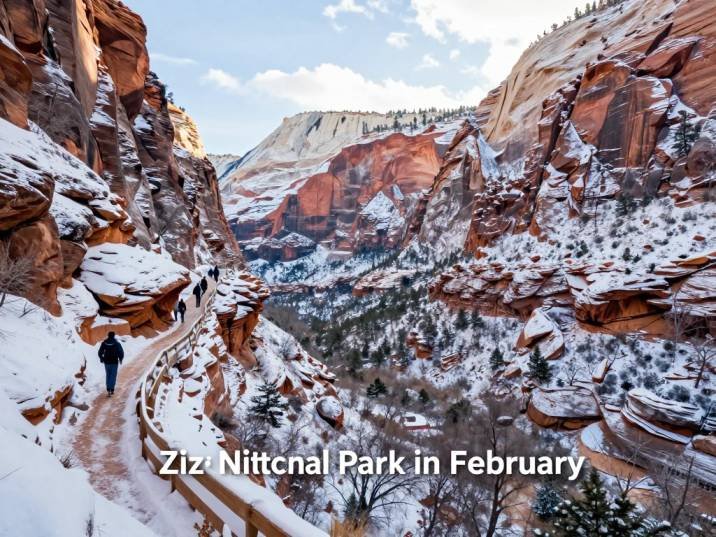
Zion National Park draws over 4.5 million visitors annually, making it one of the most visited national parks in the United States but February cuts that crowd to a fraction, with visitation running 60–70% lower than July. The park’s signature Narrows hike and Angel’s Landing trail are dramatically more enjoyable with space to breathe.
February temperatures in Zion’s canyon floor average 52°F highs and 29°F lows. The Narrows (hiking through the Virgin River slot canyon) requires dry suits or waterproof gear in winter rentals available from outfitters in Springdale. Angel’s Landing requires a permit year round, issued through recreation.gov via a lottery system.
Common mistake: Assuming Zion is inaccessible in winter. The main Zion Canyon Scenic Drive is served by the park’s free shuttle system year round. The lower canyon trails including Riverside Walk, Canyon Overlook, and Pa’rus Trail are fully accessible without specialized gear.
Hidden gem: Kolob Canyons, the northwestern section of Zion accessible from Interstate 15 (Exit 40), offers equally stunning red rock formations with a fraction of the visitors. Most people don’t realize it’s even part of the same national park.
How to Plan Your February USA Trip: Practical Guide
Best Time to Book for February Travel
Book 6–10 weeks ahead for most Sun Belt and city destinations. 8–14 weeks ahead for ski resorts, New Orleans during Mardi Gras, and Hawaii. Last minute deals do exist particularly for domestic flights booked 3–4 weeks out but availability at preferred hotels gets thin quickly.
The Bureau of Transportation Statistics (BTS) tracks domestic airfare trends, and consistently shows February as one of the three cheapest domestic travel months (alongside January and September). Mid week travel (Tuesday/Wednesday departures) typically saves 15–25% over Friday/Sunday.
What to Pack for February Travel
Packing depends entirely on destination which is the central challenge of February travel.
Warm weather destinations (Florida, Hawaii, Arizona, Texas):
- Light layers (evenings cool to 55–65°F)
- SPF 50+ sunscreen winter sun is deceptive
- Reef safe sunscreen for Hawaii and Florida snorkeling areas
- Light rain jacket for Hawaii
Ski destinations (Colorado, Utah, Vermont):
- Moisture wicking base layers
- Insulated mid layer
- Waterproof ski jacket and pants (or rent them on site)
- Neck gaiter, ski goggles, waterproof gloves
- Hand warmers
City breaks (New York, Nashville, Charleston, New Orleans):
- A genuinely warm coat not just a fashion jacket
- Waterproof ankle boots
- Layers that work from indoor museum temps to outdoor walking
Where to Stay: Options by Budget
| Budget Level | Typical Options | Approx. Nightly Rate |
| Budget | Hostels, budget motels, vacation rentals outside city center | $60–$120 |
| Mid range | 3 star hotels, boutique inns, Airbnb in city | $120–$250 |
| Upscale | 4 star hotels, resort properties, historic inns | $250–$500 |
| Luxury | 5 star resorts, high end boutique hotels | $500+ |
Note: Rates vary significantly by destination and dates. Valentine’s Day weekend (Feb 13–15) commands 20–50% premiums at romantic destinations. Always verify current rates directly with properties.
3 Common February Travel Mistakes (and How to Fix Them)
Mistake 1: Booking Valentine’s Day weekend without checking prices first. Hotels in romantic cities like Charleston, Key West, and Sedona spike hard on February 13–15. If your schedule is flexible, traveling the week before Valentine’s Day gives the same destination experience at standard rates. Check prices for both options before committing.
Mistake 2: Assuming warm southern weather means no rain. Florida’s dry season runs November–April, but “dry” doesn’t mean zero rain. Miami and Fort Lauderdale can get brief afternoon showers in February. Always build flexibility into outdoor plans, and check the National Weather Service (weather.gov) forecast before major hikes or beach days.
Mistake 3: Not researching driving conditions for ski or mountain destinations. Colorado, Utah, and Vermont roads can close or require chains in February snowstorms. Check the Colorado Department of Transportation (CDOT) at cotrip.org or Vermont’s 511 system before driving mountain passes. Renting AWD or 4WD vehicles for mountain travel is non-negotiable in serious snow conditions.
Sample 5 Day February Itinerary: Florida’s Gulf Coast
This itinerary targets travelers seeking warm weather, nature, and relaxed pace without the crowds or cost of Miami.
Day 1 Arrive Tampa (TPA), settle into St. Petersburg
Fly into Tampa International Airport (TPA), one of the country’s most efficient mid size airports. Drive 25 minutes to St. Pete Beach or downtown St. Petersburg. Dinner at the EDGE district on Central Avenue, a walk able strip of independent restaurants and breweries.
Day 2 Explore St. Pete: The Dalí Museum + Beach
Spend the morning at the Salvador Dalí Museum, the largest collection of Dalí’s work outside Europe, and genuinely one of the best art museums in the South. Afternoon at Fort De Soto Park, a 1,136 acre barrier island with stunning Gulf beaches and a historic Spanish American War fort. Water temperatures in February average 63–66°F too cool for most swimmers, but beautiful to walk.
Day 3 Drive south to Sarasota: Ringling Museum + Siesta Key
The John and Mable Ringling Museum of Art houses an exceptional collection of Baroque paintings and is set on a stunning Sarasota Bay estate. Siesta Key Beach consistently rated among the best beaches in the U.S. by TripAdvisor and Dr. Beach is quieter in February, with parking available that’s impossible to find in summer.
Day 4 Everglades Day Trip
Drive south toward Naples and take an air boat tour through the Big Cypress National Preserve or Everglades City. February is peak season in the Everglades dry season means wildlife concentrates around water sources, making alligator, bird, and manatee sightings nearly guaranteed. Verify tour operators through the Everglades Area Chamber of Commerce.
Day 5 Clear water Beach + Depart
Clear water Beach offers one of the best waterfront promenades on the Gulf Coast. Pier 60 hosts a daily sunset festival (free, weather permitting). Catch a late flight out of TPA after a final waterfront lunch.
FAQs
What is the warmest place in the USA in February?
Key West, Florida is consistently the warmest spot in the continental United States in February, averaging highs of 75–78°F. Honolulu, Hawaii averages around 80°F and is technically warmer, but is outside the continental U.S. Both offer comfortable beach weather with minimal rain risk during this month.
Is February a good time to visit national parks?
Yes, February is excellent for many national parks. Zion, Bryce Canyon, Big Bend, and Saguaro all see dramatically reduced crowds and comfortable hiking temperatures. Some facilities may have limited hours, and certain high elevation trails require winter gear. Always check NPS.gov for current conditions before visiting.
Where should I travel in February for a romantic getaway in the USA?
Sedona, Arizona, Key West, Florida, and Charleston, South Carolina consistently rank among the most romantic February destinations. Sedona offers dramatic red rock scenery and luxurious spa resorts. Key West provides warm weather and a laid back island atmosphere. Charleston delivers historic beauty, excellent restaurants, and walkable charm.
How far in advance should I book February travel?
For most destinations, 6–8 weeks ahead is sufficient. For ski resorts, New Orleans during Mardi Gras, and Hawaii, book 10–14 weeks ahead. Valentine’s Day weekend books extremely fast in popular romantic destinations if traveling around February 14, book as early as possible.
Is the February ski season good in the USA?
February is one of the best months for skiing in the United States. Colorado, Utah, and Vermont typically see their deepest snowpack in January–February. Utah’s famous “Greatest Snow on Earth” light, dry powder is at its best in mid winter. Most major resorts are at full operation with all lifts running.
What USA cities are cheapest to visit in February?
Nashville, San Antonio, and Las Vegas typically offer the most accessible February prices among major American cities. Mid week travel saves additionally at all destinations. Avoiding Valentine’s Day weekend and school holiday weeks (Presidents’ Day weekend, typically the third Monday of February) further reduces costs.
Can I visit Hawaii in February on a budget?
Hawaii is one of the more expensive domestic destinations year round, but February does offer slightly lower rates than summer. The Big Island and Kauai run cheaper than Maui and Oahu. Traveling mid week, booking vacation rentals instead of hotels, cooking some meals, and using interisland flights booked through Hawaiian Airlines or Southwest can meaningfully reduce costs. Always verify current pricing directly.
Final Thoughts: Your Best February Trip Starts With One Decision
February travel in the United States rewards one thing above everything else: deciding to go. The month has a reputation problem people imagine cold, gray, and closed but the reality is a country that is warm in the south, thrilling on the slopes, alive with festivals, and genuinely uncrowded at its most iconic destinations.
Three takeaways to carry into your planning:
- The Sun Belt (Florida, Arizona, Texas, Hawaii) delivers legitimately warm weather in February at prices well below summer.
- Ski season peaks in February across Colorado, Utah, and Vermont this is the best snow month, not spring or early winter.
- Avoiding Valentine’s Day weekend saves real money almost everywhere, and the week before or after is equally beautiful.
Start with the type of trip you want beach, mountain, city, nature then match it to the destinations in this guide. The American continent is remarkably diverse in February; the hardest part is simply choosing where to start.
Always verify hours, prices, permit requirements, and transportation schedules directly with official sources (NPS.gov, state tourism boards, airline websites) before traveling, as details change seasonally.