
A passport holder for travel is a slim protective case usually made from leather, RFID blocking fabric, or nylon designed to keep your passport safe, organized, and easy to access during a trip. The right holder protects against wear, RFID skimming, and the kind of fumbling at the gate panic every traveler knows too well.
Picture this: you’re rushing through a crowded terminal at JFK, your boarding pass is somewhere in your bag, and your passport looks like it survived a laundry cycle. Sound familiar? For millions of American travelers, this scenario plays out every year and a quality passport holder is one of the simplest tools that fixes it.
A passport holder for travel does more than look good. It keeps your most important document protected from water, wear, and electronic theft. It organizes your cards, boarding passes, and cash in one grab and go spot. And it saves you the small but very real panic of digging through your backpack at customs.
This guide covers everything you need to know: what features actually matter, which materials hold up on the road, how RFID blocking works (and If you actually need it), and what mistakes travelers make when choosing one. If you’re a first time flyer or a road warrior who logs 100,000 miles a year, the right passport holder makes every trip a little smoother.
Quick Facts: Passport Holders for Travel
| Feature | What to Look For |
| RFID Blocking | Look for certified RFID/NFC shielding, not just marketing claims |
| Material | Genuine leather, vegan leather, ballistic nylon, or recycled fabric |
| Card Slots | Minimum 3–4 slots (ID, credit card, boarding pass) |
| Size | Must fit standard US passport (5″ x 3.5″) + room for stamps |
| Water Resistance | Important for beach, rain, or outdoor travel |
| TSA Compatibility | Slim profile slides easily in and out of security bins |
| Price Range | $10–$15 (budget) |
Always verify current TSA security procedures at tsa.gov before your trip, as rules can change.
Why Every Traveler Needs a Passport Holder
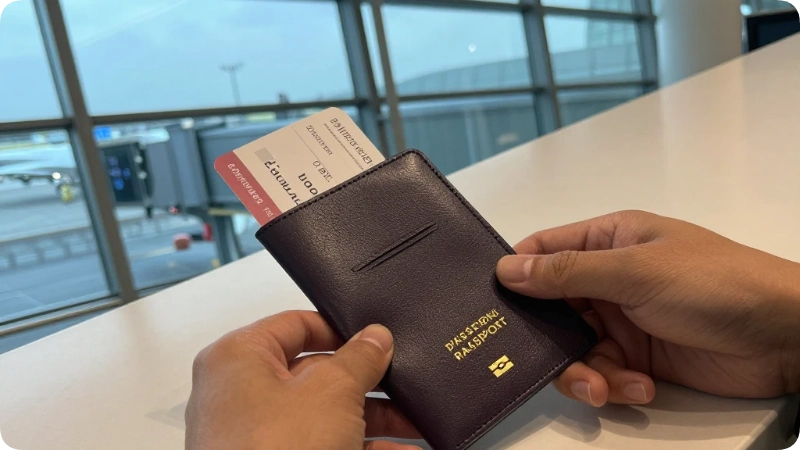
A passport holder protects your most critical travel document every single time you leave the country. According to the U.S. Department of State, American citizens made over 93 million passport trips in a recent year and passport damage or loss is one of the most common travel emergencies reported to U.S. embassies abroad.
Beyond protecting the physical document, a good holder solves a real organizational problem. Most travelers juggle a passport, a driver’s license, two or three credit cards, some local currency, and a boarding pass all at once, often while exhausted and in an unfamiliar place. A well designed passport holder keeps all of that in one place.
Here’s what a passport holder actually protects against:
- Physical damage water, dirt, bending, and fraying at the corners
- RFID skimming electronic theft of data from chip enabled passports
- Loss a bright colored or bulky holder is easier to spot and harder to misplace
- Wear from frequent use especially important for frequent flyers
What Is RFID Blocking and Do You Actually Need It?
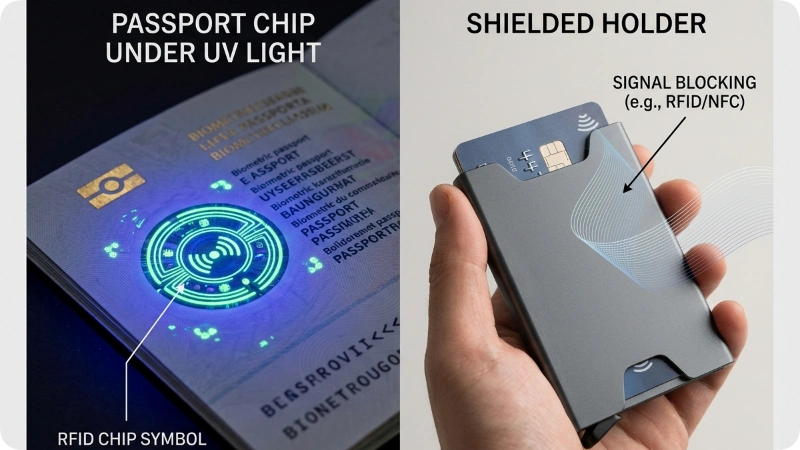
RFID (Radio Frequency Identification) blocking prevents electronic readers from wirelessly scanning your passport’s embedded chip without your knowledge. Since 2007, all U.S. passports have included an embedded RFID chip that stores personal data. RFID blocking holders use a layer of metallic material to interrupt that signal.
Does RFID Theft Actually Happen?
Security researchers have demonstrated that standard e passport chips can be read remotely under specific conditions. However, the U.S. State Department notes that passports already include a basic metallic cover that provides some shielding. The practical risk of RFID theft from a passport as opposed to a credit card is considered low by most cybersecurity experts.
That said, RFID blocking holders cost roughly the same as non blocking ones, and the added layer of protection is never a bad thing, especially for frequent international travelers. If you also carry RFID enabled credit cards (most U.S. cards now use NFC/contactless technology), a blocking holder gives you comprehensive protection.
What to Look For
- Look for “certified RFID blocking” rather than vague “RFID protection” marketing language
- The holder should block frequencies at 13.56 MHz (standard for passports and most contactless cards)
- Some holders also block 125 kHz signals used in older key fobs
Passport Holder Materials: Which One Is Right for Your Trip?
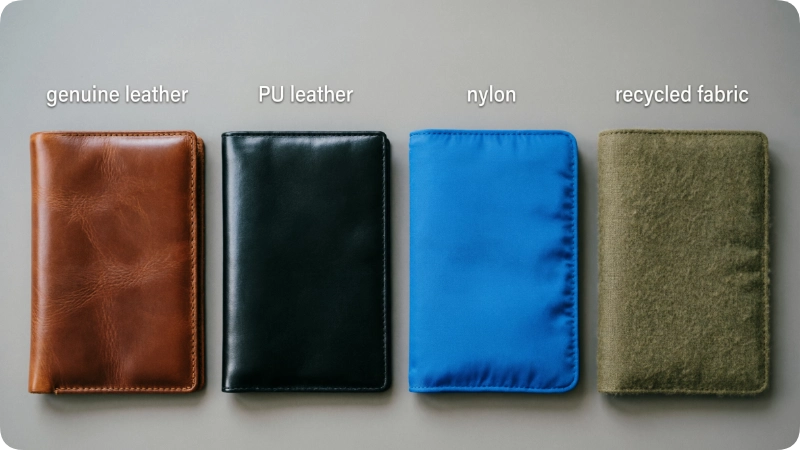
The material you choose determines how long your holder lasts, how it feels to carry, and how well it performs in different travel conditions. Each option has real trade offs worth knowing before you buy.
Genuine Leather
Genuine leather passport holders age beautifully and feel premium. Full grain leather is the most durable option, developing a patina over years of use. Top grain leather is thinner and more affordable while still looking sharp. The downsides: leather can crack in dry conditions, absorbs water (unless treated), and costs significantly more than synthetic options.
Best for: Business travelers, frequent flyers, travelers who want a long lasting investment piece.
Vegan Leather (PU Leather)
Polyurethane (PU) leather looks similar to genuine leather at a fraction of the price. It’s more water resistant and easier to clean. However, it tends to peel and crack after 2–3 years of heavy use, making it a shorter term option.
Best for: Occasional travelers, budget conscious buyers, or travelers who like to switch up their accessories.
Ballistic Nylon and Ripstop Fabric
These synthetic materials are lightweight, extremely durable, and often more water resistant than leather. Many adventure and outdoor travel brands use them for exactly this reason. They’re also available in bright colors, making your holder easy to spot in a bag.
Best for: Adventure travelers, backpackers, outdoor enthusiasts, or anyone traveling in humid or wet climates.
Recycled and Sustainable Materials
A growing number of brands now offer passport holders made from recycled PET bottles, cork, or Piñatex (pineapple fiber). These materials perform similarly to their synthetic counterparts while reducing environmental impact a genuine plus for eco conscious travelers.
Best for: Environmentally conscious travelers who want performance without the trade off.
The 6 Features That Separate a Great Passport Holder from a Mediocre One
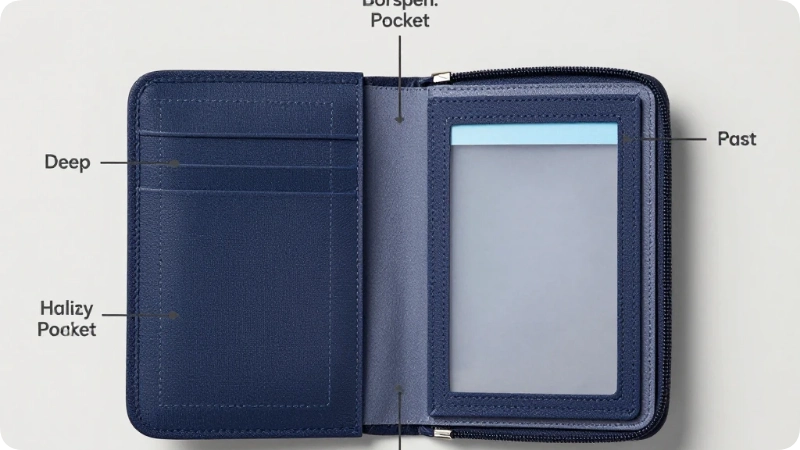
Not all passport holders are created equal. Here are the six features that consistently separate the useful ones from the ones that end up forgotten in a drawer.
1. Proper Fit for a U.S. Passport
A standard U.S. passport measures 5 inches x 3.5 inches and thickens over time as pages fill with stamps and visas. Your holder must fit a full, well stamped passport with some room to slide in and out easily. A tight fit that tears visa pages is worse than no holder at all.
2. Card Slots (at Least 3–4)
The most useful holders include slots for your driver’s license or Global Entry card, one or two credit cards, and a window slot for your boarding pass. Some include a SIM card pocket genuinely useful for international travelers who swap cards abroad.
3. A Currency Pocket
A flat pocket for folded bills keeps you from opening your full wallet every time you need small change. This matters most in countries where cash is still king think Japan, Italy, or most of Southeast Asia.
4. Slim Profile for TSA Screening
At airport security checkpoints, you remove your passport and move it through the X ray bin. A bulky holder slows you down and can cause jams in the conveyor belt trays. Slim holders under 0.5 inches when loaded move through security faster and fit more easily into jacket pockets or hip belts.
5. Zipper or Snap Closure
An open top holder risks dropping cards or cash in a crowded market or on a bus. A zipper or magnetic snap closure adds one second of friction but significantly reduces the risk of losing something critical.
6. Neck Strap or Wrist Loop Compatibility
Some holders include or accept a detachable neck lanyard. This is especially useful in chaotic environments like large transit hubs, outdoor markets, or theme parks anywhere your hands are full and pickpockets are possible.
Passport Wallet vs. Passport Holder: What’s the Difference?
These terms get used interchangeably, but there’s a meaningful practical difference worth knowing.
| Type | What It Is | Best For |
| Passport Holder/Cover | A slim sleeve that wraps just the passport | Clean, minimalist carry; frequent border crossings |
| Passport Wallet | Includes card slots, cash pocket, sometimes a phone pocket | All in one carry; replacing your regular wallet while traveling |
| Travel Organizer/Folio | Full travel document organizer holds multiple passports, itineraries, insurance docs | Family travel, long haul trips, cruises |
| Money Belt | Worn under clothing; holds passport, cards, cash | High risk areas, backpacking, theft prone destinations |
For most solo travelers, a passport wallet hits the sweet spot it consolidates your most used items without the bulk of a full travel organizer. Families traveling together often benefit more from a travel folio that keeps everyone’s documents in one place.
How to Use Your Passport Holder at TSA Checkpoints
At TSA checkpoints in U.S. airports, the process is straightforward but a few habits make it faster for everyone in line.
Here’s what to do:
- Before you reach the bin station, remove your passport holder from your bag or pocket
- Open the holder and retrieve your passport keep your boarding pass accessible too
- Place the passport holder in the bin separately (not inside your bag) so it goes through the X ray clearly
- Retrieve everything before moving away from the conveyor this is where most items get left behind
Insider tip: If you have TSA PreCheck or Global Entry (managed by U.S. Customs and Border Protection), you won’t need to remove your shoes or unpack liquids, but you still present your passport at the officer’s podium. A holder with a clear window sleeve makes this one second faster.
For the most current TSA screening rules, check tsa.gov/travel/security screening.
Best Passport Holders for Specific Types of Travelers
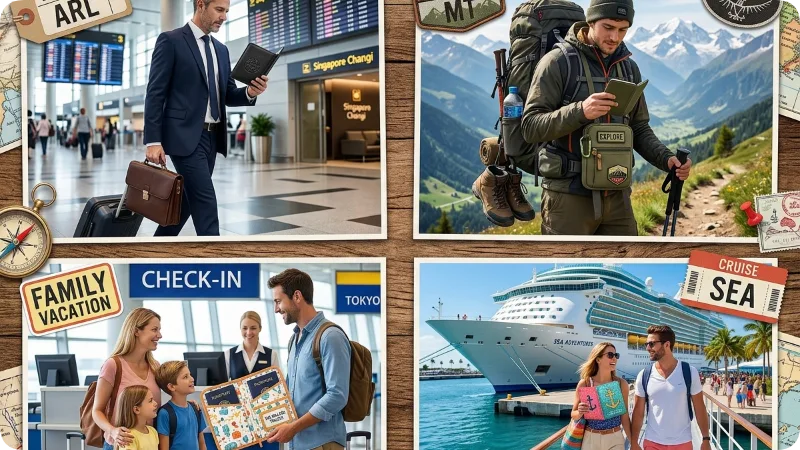
Every traveler is different, and the best holder depends on how and where you travel. Here’s how to match the right type to your travel style.
For Business Travelers
Look for slim, professional leather holders in black or brown. Prioritize card slots (you’ll need room for business cards, hotel keys, and lounge access cards), a quiet magnetic closure, and a profile slim enough to fit inside a suit jacket pocket. RFID blocking matters here business travelers are statistically more targeted by electronic pickpockets.
For Adventure and Outdoor Travelers
Waterproof or water resistant nylon holders are non negotiable if you’re kayaking in Alaska, hiking in Olympic National Park, or doing multi day tours in humid climates. Bright colors help you spot your holder fast. A wrist loop or carabiner clip attachment is a useful bonus.
For Budget Backpackers
A money belt worn under clothing is the most theft resistant option in high risk areas. Combine it with a simple, inexpensive fabric holder for day use, swapping your passport to the money belt at night or in crowded transit stations.
For Families
A travel folio that holds 3–4 passports, birth certificates, travel insurance documents, and itinerary printouts keeps everything in one place during check in and customs. Some families use one folio per parent, splitting the family’s documents evenly.
For Cruise Travelers
Cruise passengers often need quick access to their passport at multiple ports of call. A holder with a neck lanyard keeps your document accessible on shore excursions while keeping your hands free. Waterproof options are smart for any port that involves tenders or small boats.
5 Insider Tips for Getting the Most From Your Passport Holder
These aren’t the tips you find on the back of a product listing. They come from experience and a few hard lessons.
- Break in a leather holder before your trip. The new leather is stiff. A passport that barely slides in at home will jam completely when you’re flustered at customs. Use the holder for a few weeks before your departure date.
- Keep a photocopy of your passport inside the holder separately from the passport itself. The U.S. State Department recommends carrying a copy of your passport’s data page in a different location from the original. A photocopy in a thin sleeve inside your holder satisfies this without adding bulk.
- Don’t keep all your cards in one holder. If your passport holder gets lost or stolen, you lose your travel cards too. Keep one emergency credit card in a separate location inside a shoe, a hotel safe, or a hidden pocket in your luggage.
- Register your passport details with the Smart Traveler Enrollment Program (STEP) at step.state.gov before international trips. This free State Department program lets the nearest U.S. embassy contact you in an emergency and helps them verify your identity faster if your passport is lost abroad.
- Use a bright interior lining or a brightly colored holder. Passport holders that look identical to the inside of a dark bag get left behind in hotel rooms and airport bins. A bright yellow interior or a distinctive color makes it easier to spot at a glance.
3 Common Mistakes Travelers Make with Passport Holders (and How to Fix Them)
Mistake 1: Choosing Style Over Function
A beautiful slim leather sleeve is satisfying to own but if it doesn’t fit your passport plus two cards plus a folded boarding pass, you’ll stop using it by day two of your trip. Always check internal dimensions before buying, not just photos.
Fix: Before purchasing, confirm the internal pocket dimensions accommodate a fully stamped U.S. passport (some older passports with many visas and entry stamps are noticeably thicker).
Mistake 2: Trusting “RFID Protection” Marketing Without Verification
Not all RFID blocking claims are equal. Some budget holders use a thin metallic film that doesn’t fully block modern NFC frequencies. Meanwhile, others genuinely perform at certification levels.
Fix: Look for products that specify the blocking frequency range (13.56 MHz for passports). Independent reviews that test actual blocking performance are more reliable than brand claims.
Mistake 3: Overpacking the Holder
A passport holder crammed with 8 cards, receipts, and 3 currencies becomes a bulky, disorganized mess and harder to close securely. This defeats the purpose.
Fix: Use the holder for travel essential items only: passport, one primary credit card, one debit card, your Global Entry or NEXUS card, and a small amount of local currency. Leave your gym loyalty card at home.
3 Underrated Alternatives to Traditional Passport Holders
1. Slim Anti Theft Hip Packs
Brands like Pacsafe make slim hip packs with cut proof fabric and locking zippers. These hold your passport, phone, cards, and a small amount of cash and wear under a light jacket in high risk areas. They’re less elegant than a leather holder but significantly more secure.
2. Travel Specific Card Cases with Passport Sleeve
Some minimalist card cases include a dedicated passport sleeve but are otherwise designed to replace your wallet entirely while traveling. This cuts your carry down to one item and removes the temptation to bring your full home wallet abroad.
3. Built In Passport Pockets in Travel Clothing
Brands like Scottevest, Bluffworks, and REI Co op make travel pants and jackets with dedicated, zippered passport pockets often in the chest or inner waistband. If you travel light and dislike carrying anything in your hands, this built in solution eliminates the holder entirely.
What to Pack With Your Passport Holder: A Pre Departure Checklist
Before any international trip, load your passport holder intentionally not at the last minute.
Documents to carry:
- Valid U.S. passport (check expiration many countries require 6 months of validity beyond your travel dates)
- Printed or saved visa (if required check requirements at travel.state.gov)
- Return flight boarding pass or itinerary
- Travel insurance card or policy number (verify current coverage requirements with your insurer)
- Photocopy of passport data page
Cards to include:
- One primary credit card (ideally with no foreign transaction fees)
- One debit card for ATM access
- Global Entry, TSA PreCheck, or NEXUS card (if enrolled)
- Hotel loyalty card (if applicable)
What to leave behind:
- Your regular home wallet with store loyalty cards, gym memberships, and extra IDs
- Your Social Security card (never travel with this)
- More cash than you need for one or two days
Passport Holder Care: How to Make It Last
A quality passport holder, especially leather, can last 10+ years with basic care. A cheap one that’s poorly maintained degrades in months.
Leather Care
- Apply a leather conditioner every 6–12 months to prevent cracking
- Let it dry naturally if it gets wet never use a hair dryer or direct heat
- Store it flat or in a dust bag when not traveling
Fabric and Nylon Care
- Most nylon and fabric holders can be spot cleaned with a damp cloth
- Check care labels some can go through a delicate wash cycle in a mesh laundry bag
- Let dry completely before use to prevent mold in enclosed pockets
General Tips
- Don’t overstuff the holder this stretches seams and strains closures over time
- Remove all cards and documents when returning home; an empty holder keeps its shape better
- Clean out any receipts or paper scraps after each trip
Is a Passport Holder Worth the Money?
For most travelers, yes and often the value shows up in ways that aren’t immediately obvious. A holder costing $30–$50 can last five to ten years. The organizational benefit alone, everything in one place, accessible in seconds reduces stress at every checkpoint, customs queue, and hotel check in counter.
The premium leather options ($100+) make sense for frequent business travelers who want something that looks professional and holds up to heavy use. The $15–$25 mid range options from travel focused brands are the sweet spot for most American leisure travelers.
The only travelers who might genuinely not need one: those who travel with a travel integrated wallet or backpack that already has a dedicated, secure passport pocket in which case adding a separate holder creates redundancy rather than convenience.
FAQs
Q: Do passport holders really block RFID signals?
Quality RFID blocking passport holders do effectively shield your passport’s chip from unauthorized scans when the holder is closed. Look for products that specify blocking at 13.56 MHz the frequency used by e passports. Budget options with vague claims may not provide full protection. Independent testing results are the most reliable guide.
Q: Can I leave my passport in its holder when going through airport security?
Yes, most of the time. If the holder is slim and non metallic, it can pass through the X ray machine as is. However, TSA officers may ask you to remove your passport from any case if it obscures the document on the screen. A thin, transparent sleeve causes the fewest delays. Always check current TSA guidelines at tsa.gov before flying.
Q: What size passport holder do I need for a U.S. passport?
A standard U.S. passport is 5 inches tall x 3.5 inches wide. Look for a holder with internal dimensions of at least 5.25″ x 3.75″ to accommodate stamps, visas, and the natural thickening of a well used passport. Extra tight fits can damage visa pages over time.
Q: Should I use a passport holder or a money belt when traveling internationally?
Both serve different purposes. A passport holder organizes and protects your document for daily use at hotel check ins, airport gates, and border crossings. A money belt worn under clothing adds a layer of theft protection in high risk areas. For most trips, a quality passport holder suffices. For high risk destinations or crowded urban environments, use both.
Q: Are passport holders allowed on international flights?
Passport holders are always permitted on flights; there are no TSA or airline restrictions on carrying one. The key consideration is keeping your holder accessible during boarding and any in flight customs or immigration forms, rather than buried in an overhead bin.
Q: How many cards should I put in a passport holder?
Most travel experts recommend keeping 3–4 cards maximum in your passport holder: one primary credit card, one debit card, your travel loyalty or Global Entry card, and your driver’s license or state ID. More than this creates bulk, makes the holder harder to close securely, and means losing more if the holder is stolen.
Q: Can a child use the same passport holder as an adult?
Yes, children’s U.S. passports are the same size as adult passports (5″ x 3.5″), so standard holders fit both. However, children’s passports are valid for only 5 years (versus 10 years for adults), so parents should track expiration dates carefully. The U.S. State Department provides current renewal information at travel.state.gov.
Conclusion
A great passport holder for travel is one of the most practical things you can buy for any trip domestic or international. It protects your most important document, organizes the cards and cash you actually need, and saves you the fumbling, panicked moments that nobody needs at 5 a.m. in an airport.
Three things to take away from this guide:
- Prioritize fit, RFID blocking, and slim profile over pure aesthetics function beats looks every time on the road
- Match the holder type to your travel style: leather for business, nylon for adventure, a travel folio for families
- Load it intentionally before every trip passport, two cards, a photocopy, and nothing you’ll regret losing
The right holder won’t make a bad trip good. But it will make a good trip smoother, safer, and just a little less stressful which is exactly what you want before clearing customs in a new country.
Check current U.S. passport requirements, visa rules, and TSA policies at travel.state.gov and tsa.gov before every international trip.

Gordon Ramsay is a travel writer and destination researcher who helps U.S. travelers plan smarter trips, covering destinations, seasonal trends, budgets, and logistics to help readers decide where—and when—to go.
Rather than simply listing popular places, Gordon Ramsay focuses on what travelers actually need: comparing weather against crowds, weighing costs and accessibility, and researching current conditions alongside official tourism guidance—delivering honest, practical advice without the hype.











1 thought on “Best Travel Passport Holders: Security, Style & Organization”