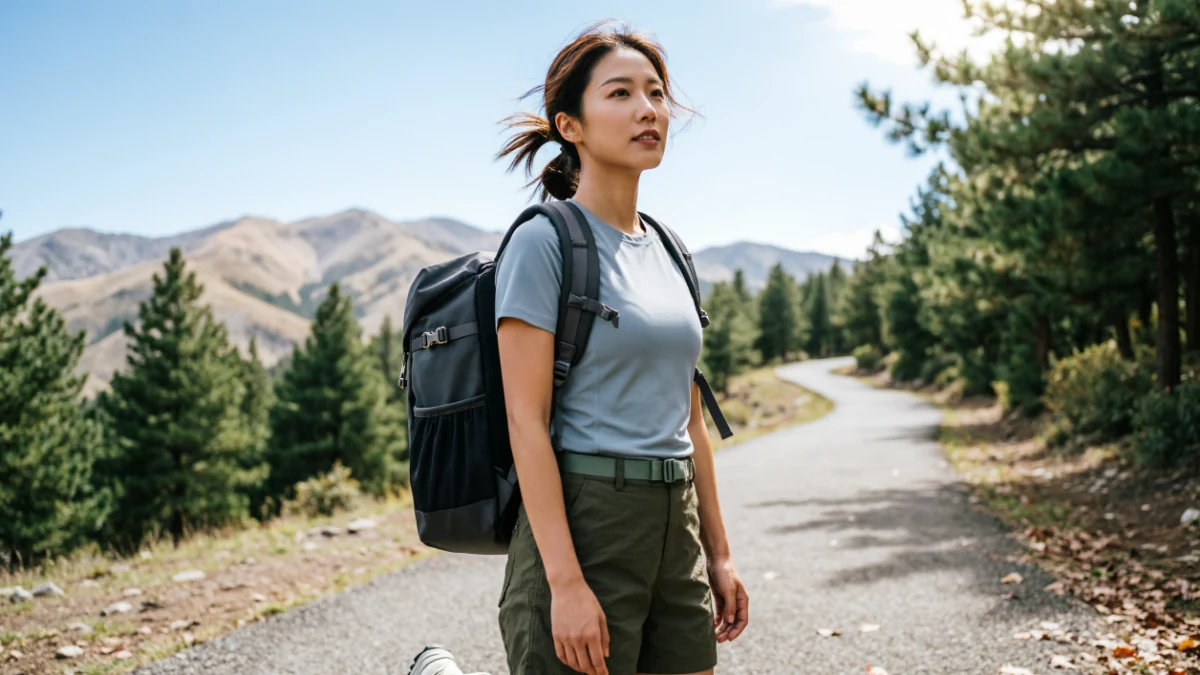
The right travel backpack for women does more than hold your gear; it fits your body, matches your trip, and makes every journey easier from the airport security line to the mountain trail. Women specific backpacks are designed with narrower shoulder straps, shorter torso lengths, and hip belts shaped for a female frame. Choosing the wrong pack leads to back pain, overpacking, and serious regret at baggage claim.
Picture this: You’re rushing through Denver International Airport, your overstuffed bag dragging on one shoulder, straps cutting into your neck. The flight boards in 20 minutes and your back is already screaming. Sound familiar? Most women have been there at least once, and almost all of it comes down to one decision made too quickly: the backpack.
Finding the best travel backpack for women is one of the most impactful packing decisions you’ll make. A well fitted, thoughtfully designed pack changes everything. It distributes weight across your hips instead of your shoulders. It lets you move through Rome’s cobblestones, Patagonia’s dirt trails, or a New York City subway without fighting your gear every step of the way.
This guide covers everything from frame types and capacity to fit, features, and the honest mistakes most women make when buying a travel backpack. If you’re planning a weekend trip to Nashville, a three week European adventure, or a serious backcountry hike in Glacier National Park, the right pack is out there. This article helps you find it.
Quick Comparison: Top Travel Backpack Styles for Women
| Style | Best For | Capacity | Weight |
| Travel/Carry On Pack | Flights, city trips | 30–45L | 2–4 lbs |
| Hiking Daypack | Day hikes, short trips | 20–30L | 1–2.5 lbs |
| Multi Day Hiking Pack | Backcountry, long treks | 50–75L | 3–5 lbs |
| Anti Theft Backpack | Urban travel, solo trips | 20–30L | 2–3 lbs |
| Convertible Pack | Versatile travel, hybrid trips | 35–50L | 2.5–4 lbs |
Why Women Specific Travel Backpacks Matter
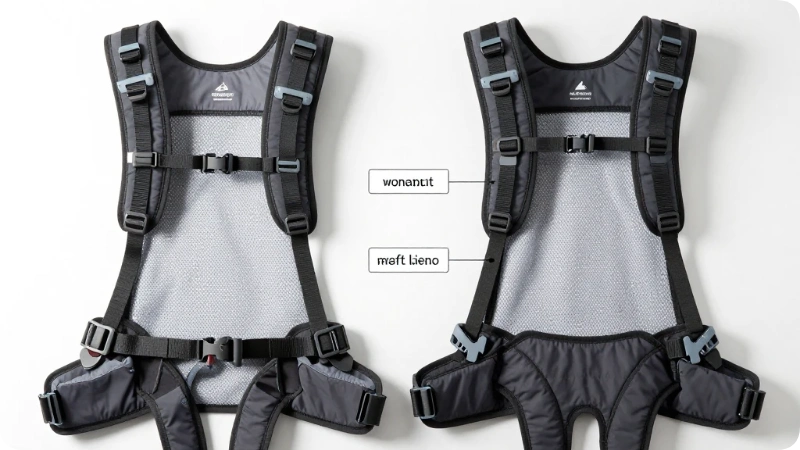
A women’s specific travel backpack is not just a marketing label it reflects real anatomical differences that affect comfort on long travel days. Women generally have shorter torsos, narrower shoulders, and wider hips than men. Most backpack brands engineer women’s versions with these differences in mind.
The result is a pack that sits correctly on your back, transfers weight to your hips efficiently, and doesn’t slide or shift during movement. Osprey, Gregory, REI Co op, and Tortuga are among the brands that take women’s specific engineering seriously. Buying a unisex or men’s pack that’s “close enough” is one of the most common and easily avoidable mistakes female travelers make.
How Torso Length Affects Fit
Torso length not height determines your backpack size. Most brands offer sizing guides online. To measure yours, ask someone to find the bony bump at the base of your neck (C7 vertebra) and the top of your hip bones (iliac crest). The distance between these two points is your torso length.
Women’s torso lengths typically range from 14 to 20 inches, and backpacks are sized accordingly (XS/S, S/M, M/L). Getting this measurement right before purchasing saves you significant discomfort on the road.
Best Travel Backpack Sizes for Women: How Much Capacity Do You Need?
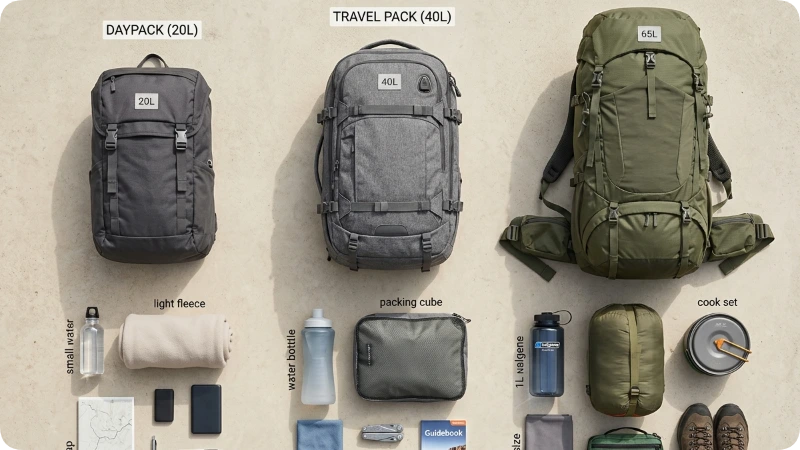
The right capacity depends entirely on your trip length and travel style. Most experienced female travelers agree: start smaller than you think you need. Overpacking is almost always the problem, not under packing.
- 20–30L: Ideal for day trips, weekend getaways, or as a personal item under an airline seat
- 30–45L: The sweet spot for carry on travel, trips of 1–2 weeks with careful packing
- 45–65L: Best for longer trips (3+ weeks), family travel, or destinations with laundry access
- 65L+: Suited for extended backcountry hiking, not recommended for city based travel
Insider tip: A 40L pack fits within most U.S. airline carry on limits (typically 22 x 14 x 9 inches, though this varies by carrier, always check with your airline directly). Checking a bag costs time and money; a right sized carry on backpack often eliminates both.
Key Features to Look for in a Women’s Travel Backpack
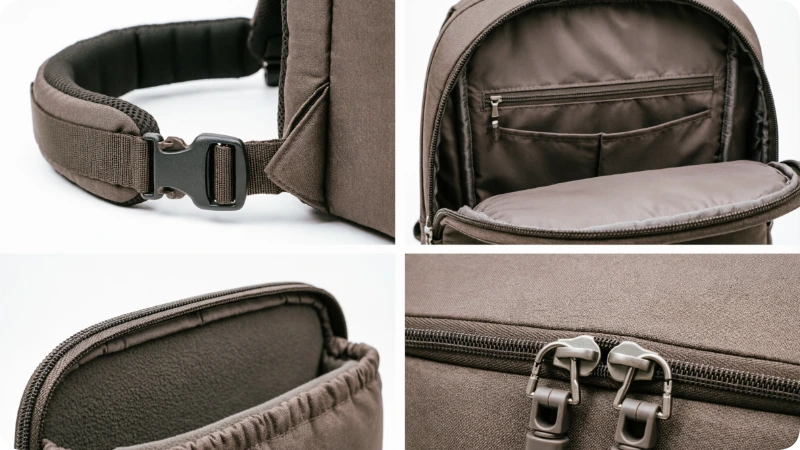
Not every feature matters equally. The best travel backpack for your needs depends on your trip type, but several features make a consistent difference across travel styles.
1. Suspension System and Hip Belt
A proper suspension system transfers 70–80% of the pack’s weight from your shoulders to your hips. Look for a padded, contoured hip belt sized for female hips. Some packs offer interchangeable hip belt sizes, a major advantage for getting the perfect fit.
2. Harness and Shoulder Straps
Women’s specific shoulder straps curve around the chest rather than pressing against it. Look for straps that are contoured and adjustable, with a sternum strap that sits comfortably across the chest without pinching.
3. Clamshell or Panel Loading Access
Travel packs designed for trips (not hiking) often feature a clamshell opening the bag opens flat like a suitcase. This makes packing cubes, clothing, and accessories far easier to organize and access than a top loading hiking pack.
4. Laptop Sleeve and Organization Pockets
For travelers who work remotely or carry tech, a dedicated padded laptop sleeve is essential. Look for front access organization panels with card slots, key clips, and pen loops if you need structured storage.
5. Hip Belt Pockets
Small zip pockets on the hip belt keep your phone, passport, or snacks accessible without opening the main compartment. This feature is especially valuable during flights, hikes, and busy transit days.
6. Water Resistance and Material
Most quality travel backpacks use water resistant nylon or ripstop fabric. They are not waterproof, but they handle light rain well. A rain cover (sometimes included) offers full wet weather protection. Avoid bags with canvas as a primary material for multi day travel it absorbs moisture and adds unnecessary weight.
7. Lockable Zippers
Anti theft features like lockable zipper pulls or hidden pockets add peace of mind in crowded destinations like Times Square, Las Vegas Strip, or international transit hubs.
Best Travel Backpacks for Women by Trip Type
Best for Carry On Travel: Osprey Fairview 40
The Osprey Fairview 40 is one of the most consistently recommended women’s travel backpacks in the United States. At 40 liters, it meets most airline carry on size requirements (verify dimensions with your specific carrier). The harness and hip belt stow away behind a zippered panel for clean, luggage style handling through airports.
It features a full clamshell opening, internal compression straps, a front panel organizer, and a lockable zipper system. The women’s specific fit is well regarded, and Osprey’s lifetime warranty provides lasting value.
Best for Hiking: Gregory Jade 38
The Gregory Jade 38 is purpose built for the female form, with a women’s specific AutoFit suspension system that self adjusts to your movement. At 38 liters, it handles weekend backcountry trips, day hikes in national parks like Zion or Olympic, and light multi day itineraries.
The Response AFS system transfers weight dynamically, and the pack includes a rain cover, hydration sleeve, and hip belt pockets. It’s a strong choice for women who want one bag that crosses between travel and outdoor adventure.
Best for Long Term Travel: Tortuga Travel Backpack 40L
The Tortuga 40L is specifically designed for travelers, not hikers. The opening style mimics a suitcase, organization is thoughtful, and the laptop sleeve fits up to 17 inches. Shoulder straps and back panel are padded but more minimal than a hiking pack’s full suspension system which is appropriate for city travel and flat terrain, but not long mountain hauls.
It’s built by a travel focused company, and the sizing and design reflect that. If you’re doing a domestic U.S. road trip, an extended stay in Europe, or a mix of Airbnbs and boutique hotels, this pack earns its reputation.
Best for Solo Female Travelers: Pacsafe Citysafe CX Anti Theft Backpack
Safety matters, especially for women traveling solo. The Pacsafe Citysafe CX uses eXomesh slashguard panels (a stainless steel mesh embedded in the fabric), RFID blocking pockets, and locking zippers to deter theft. The design is sleek enough for business travel and city trips.
At around 20L, it functions best as a day pack or personal item rather than a primary travel pack. But for women navigating solo trips through Chicago, Los Angeles, New Orleans, or international cities, the anti theft engineering is worth the investment.
How to Pack a Women’s Travel Backpack the Right Way
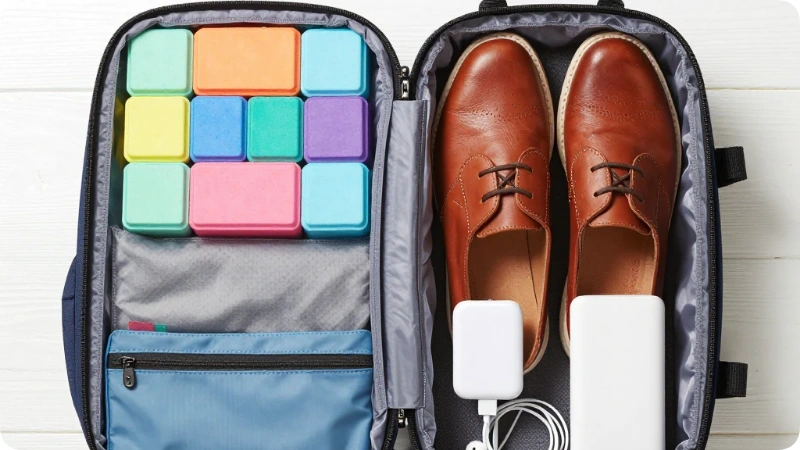
Smart packing is just as important as the right bag. The way weight is distributed inside your pack directly affects how it feels on your body over a long travel day.
Packing order (bottom to top):
- Bottom layer: Sleeping bag, soft items, shoes (in a bag)
- Middle/center: Heaviest items laptop, camera gear, full water bottle placed close to your back
- Upper layer: Clothing, toiletry bag, snacks
- Top pocket: Quick access items sunglasses, headphones, boarding pass
- Hip belt pockets: Phone, lip balm, transit card, small cash
Insider tip: Packing cubes are the single most effective organizational tool for travel backpack users. They compress clothes, create separation between categories, and make packing and unpacking dramatically faster. Brands like Eagle Creek and Compression Cubes by REI are popular among frequent female travelers.
Travel Backpack Weight: What’s Actually Comfortable?
Even the best designed pack becomes miserable if it’s overloaded. A common guideline and one endorsed by many physical therapists is to keep your pack at no more than 20% of your body weight for extended carrying.
For a 140 pound woman, that means a max loaded pack weight of around 28 pounds. Most carry on travel packs weigh 2–4 pounds empty, which leaves significant room for gear.
Mistake to avoid: Many travelers weigh their empty pack but never weigh it loaded before a trip. Invest in a small luggage scale (under $15 at most retailers) and check your loaded weight before leaving home. This one habit saves your back every time.
Best Travel Backpacks for Women: Budget vs. Premium
Quality doesn’t always mean expensive, but it often does in the backpack world. Here’s an honest breakdown:
| Price Range | What You Get | Best Brands |
| Under $75 | Basic packs, limited women’s fit, shorter lifespan | AmazonBasics, Travelon (entry level) |
| $75–$150 | Solid construction, some women’s specific features | Kelty, REI Trail series |
| $150–$250 | True women’s fit, quality materials, better warranty | Osprey, Gregory, Deuter |
| $250–$400+ | Premium materials, lifetime warranties, pro level features | Osprey (Aura AG), Arc’teryx |
Money saving tip: REI’s annual dividend sale (typically in spring) and Black Friday sales often discount quality packs by 20–30%. REI members can also return used gear within one year if it doesn’t work for them, an underrated option for first time backpack buyers.
Women Specific Fit Tips: How to Try On a Travel Backpack
Buying online is convenient, but trying a backpack in person at least once teaches you what fit actually feels like. REI stores across the U.S. allow you to load test packs with sandbags to simulate real weight.
What to check when trying on:
- Hip belt should sit on top of your hip bones, not above or below
- Shoulder straps should not gap away from your shoulders
- Sternum strap should sit comfortably 1–2 inches below your collarbone
- No pressure points on spine or shoulder blades after 5 minutes of wearing
- Load lifter straps (near the top of the shoulder straps) should pull the top of the pack toward your upper back
If a pack feels uncomfortable within five minutes in the store, it will feel unbearable after five hours on a travel day.
3 Hidden Gems: Underrated Women’s Travel Backpacks Worth Knowing
1. Deuter Futura Vario SL 45+10
This under the radar pick from Deuter offers an adjustable back system and an unusual 45+10 expandable volume meaning you can zip open an extra 10 liters when you need it. The SL (Slim Line) version is built specifically for women. It lacks the mainstream visibility of Osprey but outperforms many competitors at its price point. Ideal for women who travel for 2–4 weeks with variable packing needs.
2. REI Co op Ruckpack 28
The REI Co op Ruckpack 28 is a versatile, well organized carry on pack that most travelers overlook because it doesn’t come from a “heritage” outdoor brand. It fits within U.S. airline carry on limits, includes a laptop sleeve, and features an external water bottle pocket. At around $99–$129 depending on sales, it represents some of the best value for casual and first time travel backpack users.
3. Cotopaxi Allpa 35L
The Cotopaxi Allpa 35 is a travel specific pack that’s built like a tank and looks like one too; the brand’s bold color palette and durable 1000D nylon make it stand out. It opens clamshell style, packs efficiently, and the brand donates a percentage of revenue to poverty alleviation programs. For travelers who value durability, ethics, and a distinctive look, it’s worth serious consideration.
Common Mistakes Women Make When Choosing a Travel Backpack
Mistake #1: Buying Based on Looks Alone
A stylish pack is great. A stylish pack that fits is better. Many women purchase based on color or aesthetic without checking torso length, hip belt size, or suspension type. Fix: Always verify the sizing guide before purchasing and try on in person when possible.
Mistake #2: Going Too Big
The logic of “I’ll use all the space” rarely holds. A 65L pack encourages overpacking, strains your back, and may require checking as luggage. Fix: Start with the smallest capacity that realistically fits your trip length and downsize from there.
Mistake #3: Ignoring Hip Belt Quality
Many budget travel packs include a thin, flimsy hip belt that does almost nothing for weight transfer. If the hip belt is just a thin strap, the pack is carrying its weight through your shoulders alone. Fix: Look for a structured, padded hip belt especially if you plan to carry more than 15 pounds.
Travel Backpacks and TSA: What You Need to Know
Carrying your travel backpack as a carry on means going through TSA security checkpoints at U.S. airports. A few things matter here:
- Packs with clamshell openings that lay flat make TSA screening easier you can open the main compartment quickly and close it just as fast
- Laptops must be removed from the bag and placed in a separate bin unless you have TSA PreCheck
- Liquids must still follow the 3 1 1 rule: containers of 3.4 oz (100ml) or less, in one quart sized clear zip top bag, one bag per person
- Packs with internal frames may trigger extra screening be prepared to remove and explain if asked
TSA PreCheck ($85 for five years as of the most recent fee schedule verified at tsa.gov) speeds up screening significantly for frequent U.S. travelers. If you travel several times per year, it’s one of the better investments you can make.
Best Destinations for Women Traveling with a Backpack in the USA
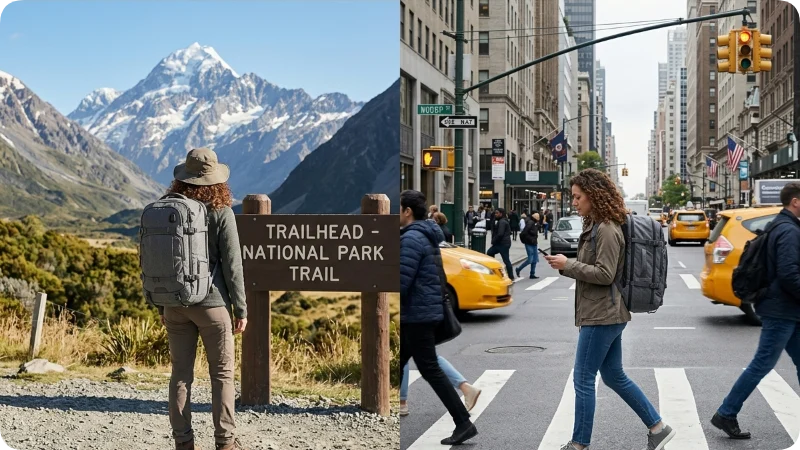
Certain U.S. destinations are particularly well suited to the backpack traveler style compact enough to navigate on foot, with excellent public transit or trail systems that make hauling luggage unnecessary.
- Pacific Crest Trail sections (California, Oregon, Washington): Section hiking with a 50–65L pack is popular and well documented by the Pacific Crest Trail Association (pcta.org)
- New York City: A well organized 30L backpack handles a week in Manhattan with ease no need to lug a rolling bag through subway turnstiles
- Colorado mountain towns (Boulder, Telluride, Durango): Outdoor culture means backpacks are genuinely the norm, not the exception
- National Parks circuit (Zion, Bryce Canyon, Arches): A 30–40L pack carries everything you need for day hikes and lodge based trips without renting a car trunk full of luggage
Responsible Travel: How Your Backpack Choice Can Be Greener
The outdoor gear industry generates significant waste, and backpacks are no exception. A few considerations worth noting:
- Buy once, buy right: A quality pack lasting 10–15 years has a far lower environmental impact than replacing a budget pack every 2–3 years
- Recycled materials: Brands like Patagonia, Cotopaxi, and some Osprey lines use recycled nylon and sustainable materials
- Repair programs: Osprey’s All Mighty Guarantee and REI’s repair services extend product life rather than sending packs to landfill
- Second hand options: REI Used Gear and ThredUp carry quality secondhand packs at reduced prices
Choosing durability over trend is the most impactful sustainable choice you can make as a gear buyer.
FAQs
What size travel backpack is best for a woman?
For most travel, a 35–45L backpack is the most versatile size for women. It fits within U.S. carry on limits on most airlines, holds a week’s worth of clothing with efficient packing, and stays manageable in weight. Day hikers and weekend travelers do well with 20–30L. Extended backcountry trips may require 50–65L.
What is the difference between a women’s and men’s travel backpack?
Women’s travel backpacks feature shorter torso lengths, narrower shoulder straps, a contoured sternum strap positioned higher on the chest, and hip belts shaped for wider hips. These differences significantly affect comfort during extended carrying. A women’s specific fit reduces shoulder, neck, and back strain on long travel days.
Can I use a travel backpack as a carry on on U.S. flights?
Yes, in most cases. Most U.S. airlines allow carry on bags up to approximately 22 x 14 x 9 inches, though policies vary by carrier and may change. Always verify dimensions directly with your airline before flying. A 40L pack typically meets these limits if packed efficiently.
Are anti theft backpacks worth it for women travelers?
For solo female travelers, especially in crowded urban destinations or international transit hubs, anti theft features like slash resistant panels, lockable zippers, and RFID blocking pockets add meaningful security. They are more useful in high density environments than on nature trails or small town travel.
How do I know if a travel backpack fits correctly?
A properly fitting pack sits with the hip belt on top of your hip bones (not above or below), shoulder straps that lie flat against your shoulders without gapping, and a load lifter angle of about 45 degrees. You should feel the majority of the weight on your hips, not your shoulders. If your shoulders are bearing most of the load after 10 minutes, the fit or adjustment needs correction.
What should I always pack in my travel backpack?
Essentials that belong in every travel backpack: a packing cube set, a compact first aid kit, a reusable water bottle, a portable charger (power bank), a packable rain jacket, a travel sized toiletry kit within TSA 3 1 1 compliance, your passport or ID in an RFID blocking sleeve, and any daily medications. Keep valuables in your most accessible but most secure pocket.
How long does a quality women’s travel backpack last?
A quality travel backpack from a reputable brand Osprey, Gregory, Deuter, or similar can realistically last 10 to 15 years or longer with normal use and basic care. Osprey’s All Mighty Guarantee covers repairs for the lifetime of the product. Budget packs in the $30–$70 range typically last 1–3 years before showing significant wear.
Conclusion: The Right Pack Changes How You Travel
Three things matter most when choosing a travel backpack as a woman: fit, capacity, and purpose. Get the torso length right, choose a size that matches your actual trip needs, and pick a pack designed for how you actually travel city streets or mountain trails, carry on or checked, weekend or months long.
The best travel backpack for women is not the most expensive one or the most popular one. It’s the one that fits your body, your trip, and your packing style. That pack makes every departure easier, every layover less stressful, and every arrival more exciting.
Start with your torso measurement, set a realistic budget, and narrow your options from there. Your back and your future travel self will thank you.