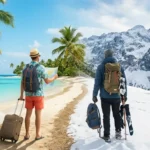
Lightweight travel pants are quick drying, wrinkle resistant trousers made from synthetic or blended fabrics such as nylon, polyester, or spandex designed to handle the demands of travel. They combine comfort, packability, and versatility in one garment, making them ideal for flights, hikes, city tours, and everything in between.
There is a moment every traveler knows: standing in a hotel room, staring at a wrinkled, sweat drenched pair of jeans, wondering why packing felt so logical back home. That moment is the reason lightweight travel pants exist and why choosing the right pair can genuinely transform a trip.
If you’re hopping between Southeast Asian temples, navigating layovers at Chicago O’Hare, or hitting the trails in Colorado’s Rocky Mountain National Park, what you wear on your legs matters more than most packing guides admit. The right lightweight travel pants keep you cool in humidity, warm on overnight flights, presentable at a rooftop restaurant, and dry after an unexpected rain shower all in one garment.
This guide breaks down everything needed to make a confident, informed choice: the fabrics that actually work, the features worth paying for, the mistakes most travelers make, and the specific pants worth considering across different budgets and travel styles. No fluff, no filler just practical knowledge earned from researching what real travelers and gear experts recommend.
What Makes Travel Pants “Lightweight” And Why It Matters
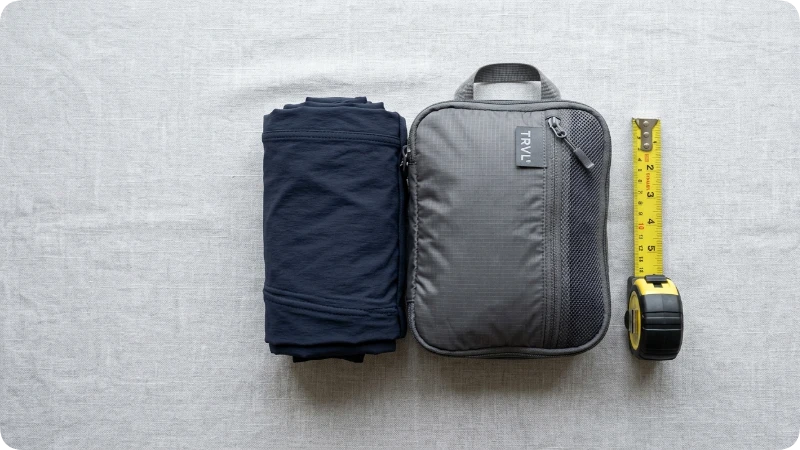
Lightweight travel pants typically weigh between 5 and 12 ounces per pair, compared to 16–24 ounces for standard denim jeans. This weight difference becomes significant when you’re carrying a 20 pound carry on across multiple countries.
The core value of lightweight travel pants comes down to four factors: weight, packability, moisture management, and versatility. A quality pair packs down to roughly the size of a T shirt, dries in 1–2 hours after washing, and resists wrinkles enough to go straight from a bag to a dinner table without ironing.
The TSA doesn’t restrict any pant type, but lightweight, non bulky pants move through security screening faster, fewer items to remove, less bulk in the bin. That small efficiency adds up across a multi leg itinerary.
How to Choose Lightweight Travel Pants for Different Climates
Not every destination calls for the same type of travel pants. A pair that feels comfortable during a spring city break in Europe may become too warm in tropical Southeast Asia or too thin for chilly mountain mornings. Matching your pants to the climate helps you stay comfortable throughout the trip.
Hot and Humid Destinations
For tropical climates, choose lightweight nylon or nylon-spandex pants with moisture-wicking properties and ventilation. These fabrics dry quickly after rain or sweat and help prevent overheating.
Ideal destinations include:
- Thailand
- Vietnam
- Hawaii
- Florida
- Costa Rica
Mild Climates
Stretch cotton blends and lightweight chinos work well for destinations with moderate temperatures where you’ll split your time between sightseeing, restaurants, and public transportation.
Examples include:
- Paris
- London
- Tokyo
- Vancouver
Cold Weather Travel
In cooler climates, slightly heavier nylon pants layered over merino wool base layers provide warmth without adding unnecessary bulk to your luggage. This combination is ideal for changing temperatures throughout the day.
Examples include:
- Iceland
- Alaska
- Colorado
- Norway
Choosing pants based on expected weather is often more important than choosing a specific brand.
The Best Fabrics for Lightweight Travel Pants
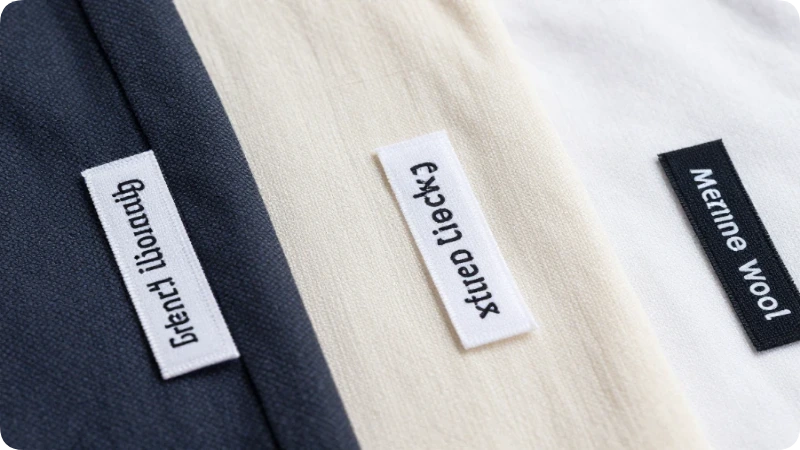
The fabric is the single most important factor in a travel pant’s performance. Most top performing options use one of four materials or a blend of several.
Nylon is the gold standard for travel pants. It’s exceptionally lightweight, dries fast (often in under 90 minutes), and resists abrasion well. Nylon pants feel soft against skin and pack tightly. The downside: cheaper nylon can feel synthetic and doesn’t breathe as well in extreme heat.
Polyester offers similar benefits to nylon at a lower price point. It holds color well, resists shrinking, and dries quickly. Blended with spandex, it adds stretch that makes polyester travel pants excellent for active use.
Merino wool blends bring natural odor resistance and temperature regulation ideal for travelers who need one pant to work in both air conditioned offices and warm outdoor environments. Merino blends typically weigh more than nylon but offer superior comfort over long wear periods.
Stretch cotton blends (cotton mixed with elastane or nylon) bridge the gap between the comfort of natural fiber and the performance of synthetics. They tend to dry slower than pure synthetics but look more like traditional casual pants, which helps in urban settings where technical looking gear can feel out of place.
Fabric Comparison Table
| Fabric | Dry Time | Packability | Odor Resistance | Best For |
| Nylon | 1–2 hrs | Excellent | Moderate | Active + mixed travel |
| Polyester | 1–2 hrs | Excellent | Moderate | Budget conscious travelers |
| Merino Wool Blend | 3–5 hrs | Good | Excellent | Cold + warm climates |
| Stretch Cotton Blend | 4–6 hrs | Good | Moderate | Urban/city travel |
| Nylon/Spandex Blend | 1–2 hrs | Excellent | Moderate | Hiking + adventure |
Which Fabric Lasts the Longest?
If durability is your top priority, nylon blends generally outperform other lightweight fabrics. High-quality nylon resists abrasion from backpacks, airport seats, hiking trails, and repeated washing while maintaining its shape over time.
Merino wool offers outstanding odor resistance but requires gentler care. Stretch cotton feels more natural but gradually loses performance after repeated washing. Polyester provides an excellent balance between affordability and longevity, making it a popular choice for occasional travelers.
Understanding these trade-offs helps you choose the fabric that best matches your travel habits rather than simply buying the most expensive option.
Lightweight Travel Pants vs Jeans: Which Is Better for Travel?
Jeans remain popular for everyday wear, but they are rarely the most practical choice for frequent travel.
| Feature | Lightweight Travel Pants | Jeans |
| Drying Time | 1–3 hours | 8–24 hours |
| Weight | Light | Heavy |
| Packability | Excellent | Poor |
| Wrinkle Resistance | High | Moderate |
| Stretch | Usually included | Limited |
| Hot Weather Comfort | Excellent | Poor |
| Cold Weather | Good with layers | Good |
Travel pants also recover more quickly after washing, making them ideal for carry-on-only travelers or extended trips where laundry facilities may be limited.
How to Choose the Right Fit for Your Body Type
The best travel pants aren’t simply lightweight they should also fit well enough to stay comfortable during long travel days.
General recommendations include:
- Slim builds often benefit from tapered-leg designs that avoid excess fabric.
- Athletic builds usually feel more comfortable in straight-leg styles with added stretch through the thighs.
- Curvier body shapes often appreciate mid-rise designs with flexible waistbands that reduce pressure during long flights.
- Taller travelers should look for brands offering multiple inseam lengths rather than settling for standard sizing.
Whenever possible, try walking, climbing stairs, and sitting for extended periods before deciding whether a pair is suitable for travel.
Key Features to Look for in Lightweight Travel Pants
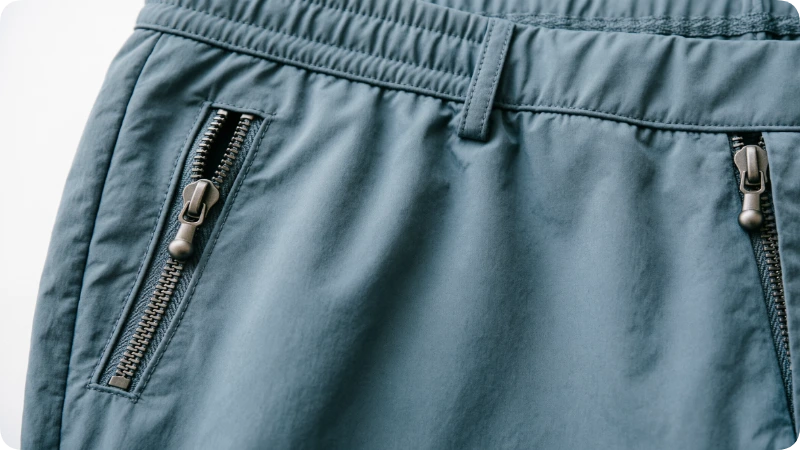
Not all lightweight travel pants deliver on their promise. Knowing which features are functional versus marketing language saves money and frustration.
Waistband and Fit
A hidden elastic waistband or a stretch waistband with a button closure is the mark of a well designed travel pant. Fully elastic waistbands are comfortable but look casual; a blended approach elastic at the back, flat front works in more settings. Look for pants with at least 4 way stretch fabric, which allows movement without pulling or bunching, critical for long flights or active days.
Pocket Security
Zipped pockets are essential for travel. Pickpocketing is a documented concern in high traffic tourist areas across Europe and Latin America, and a zippered hip or thigh pocket eliminates one major vulnerability. Some pants include a hidden security pocket inside the waistband small enough for a folded bill or backup card.
UPF Sun Protection
Many lightweight travel pants now include UPF 30 to UPF 50+ ratings. This matters on beach destinations, high altitude treks, and tropical itineraries where sun exposure is prolonged. UPF 50 blocks approximately 98% of UV radiation, according to the Skin Cancer Foundation. Not every traveler needs this feature, but it’s worth prioritizing for outdoor heavy trips.
Convertible Design
Zip off pants that convert to shorts remain a practical choice for multi climate itineraries particularly in destinations like Costa Rica or Thailand, where a morning temple visit calls for coverage while an afternoon beach stop calls for shorts. The trade off is a visible zipper line and slightly added weight.
Wrinkle Resistance
True wrinkle resistance comes from the fabric structure, not a spray on treatment. Nylon and polyester blends resist wrinkles naturally. Pull the fabric, release it, and observe the recovery time quality travel fabrics snap back within seconds.
Are Water-Resistant Travel Pants Worth It?
Many lightweight travel pants include a durable water-repellent (DWR) coating that helps light rain bead off the fabric instead of soaking through immediately.
Water-resistant pants are particularly useful for:
- sightseeing in unpredictable weather
- hiking
- kayaking
- camping
- city walking during light rain
However, it’s important to understand that water-resistant does not mean waterproof. During heavy rain, moisture will eventually penetrate the fabric, so rain pants remain the better option for severe weather.
If your itinerary includes mixed weather conditions, a water-resistant finish can be a worthwhile feature.
How to Style Lightweight Travel Pants for Different Occasions
One advantage of modern travel pants is their versatility. The same pair can often work for multiple activities with only minor changes to the rest of your outfit.
For casual sightseeing, pair lightweight travel pants with a moisture-wicking T-shirt and comfortable sneakers.
For dinner or business casual settings, switch to a button-down shirt or polo with loafers or clean leather sneakers.
Outdoor adventures pair well with hiking shoes, a lightweight performance shirt, and a packable waterproof jacket.
Choosing neutral-colored pants such as navy, charcoal, olive, or black makes mixing outfits much easier throughout longer trips.
Best Lightweight Travel Pants by Travel Style
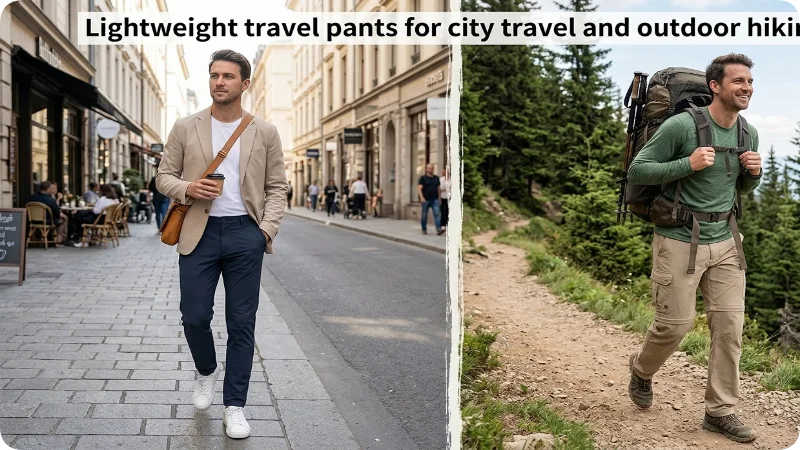
Different trips demand different performance levels. Here’s how to match pants to purpose.
For Business Travelers and City Explorers
Business and urban travelers need pants that look polished in a meeting or restaurant without sacrificing the comfort needed for long walking days. Look for slim cut or straight leg pants in dark navy, charcoal, or black. Brands like Bluffworks, Rhone, and Barbell Apparel have built strong reputations in this category. The Bluffworks Gramercy Chino, for example, is engineered to pass as dress casual while performing like technical travel gear.
Key priorities: clean aesthetic, stretch waistband, wrinkle resistance, dark colorways
For Hikers and Outdoor Adventurers
Outdoor travelers prioritize durability, moisture management, and range of motion over appearance. Pants from brands like Prana, Arc’teryx, Columbia, and REI Co op dominate this category. Many National Park visitors and backcountry hikers rely on nylon/spandex blends that handle scrambling, water crossings, and temperature swings.
Key priorities: UPF protection, reinforced knees, gusseted crotch for mobility, secure pockets
For Backpackers and Long Term Travelers
Long term travel, think 30 days through multiple countries, demands the most versatile possible pants. The ideal backpacker pant is dark enough to hide dirt, loose enough to be comfortable in tropical heat, and presentable enough for a hostel social or a nicer dinner. Zip off convertibles are popular in this group for their adaptability.
Key priorities: packability, quick dry speed, versatility, color that masks wear
For Family Travelers
Parents traveling with children need pants that survive spills, park visits, and long airport waits without falling apart by day three. Durable nylon blends with stretch fabric work best. Cargo style travel pants with multiple secure pockets help manage the inevitable parental load of snacks, boarding passes, and small toys.
Key priorities: durability, stretch, washability, secure pockets
Lightweight Travel Pants for Women: What’s Different
Women’s lightweight travel pants have historically lagged behind men’s in terms of performance features particularly pocket size. Fortunately, dedicated travel brands have closed much of this gap.
Women’s specific fits typically account for wider hips and a higher rise at the back, which prevents the uncomfortable gap that standard “unisex” pants create. Brands like Anatomie, prAna, and ExOfficio offer women’s cut travel pants with full length zippered pockets, a feature that standard fashion pants almost never include.
Convertible styles in women’s cuts are widely available and particularly popular for trips combining urban exploration with outdoor activities a common itinerary for destinations like Banff in Alberta, the Pacific Coast Highway in California, or the National Mall in Washington D.C.
Women’s Sizing and Fit Tips
- Size up one if between sizes travel pants tend to run slightly slim
- Inseam options typically range from 28 to 32 inches in most travel focused brands
- Ankle length or cropped styles reduce the need for hemming and work well in warm climates
- Mid rise cuts balance comfort during activity with a cleaner look in casual settings
How to Pack Lightweight Travel Pants (and Make Them Last)
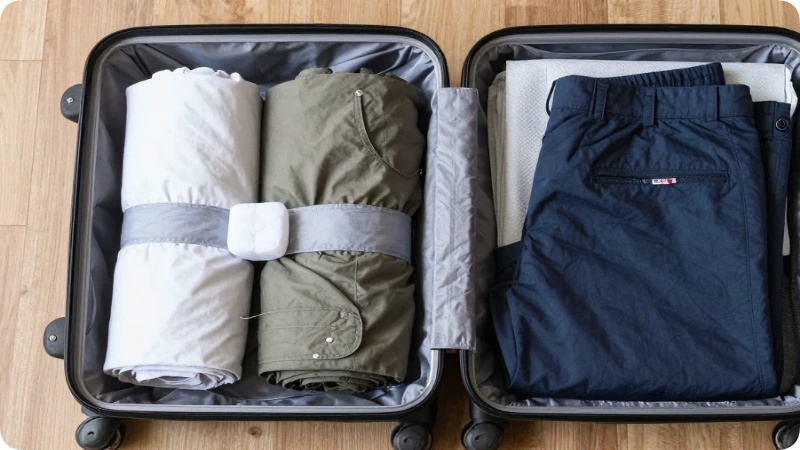
The best lightweight travel pants can last 5–10 years with proper care. Most travelers undermine their gear through avoidable packing and washing mistakes.
Packing: Roll rather than fold. Rolling nylon or polyester travel pants into a tight cylinder takes up roughly half the space of folding. Use packing cubes to keep pants organized and protected from items that snag delicate fabrics.
Washing: Most lightweight travel pants can be hand washed with a small amount of travel soap (Dr. Bronner’s or Sea to Summit Wilderness Wash are commonly recommended by long term travelers) and hung to dry overnight. Check the care label most nylon and polyester pants should be washed in cold water and never put in a hot dryer, which degrades elastic and waterproofing treatments.
Odor management: Hang pants to air out after each wear before repacking. Synthetic fabrics hold odor molecules more readily than natural fibers, so airflow between wears extends the time between washing.
Storage between trips: Store lightweight travel pants loose not folded tightly on a shelf to preserve the fabric’s natural stretch and wrinkle resistance over time.
How Often Should You Wash Travel Pants?
Lightweight travel pants don’t usually need daily washing.
A good guideline is:
- Warm climates: every 1–2 wears
- Moderate climates: every 2–4 wears
- Cold climates: every 4–6 wears
Spot-cleaning small stains and allowing pants to air out overnight can significantly extend the time between washes. This not only saves time during travel but also helps preserve the fabric’s stretch, water-repellent treatments, and overall lifespan.
Insider Tips: What Experienced Travelers Actually Do
These tips come from consistent patterns among experienced travelers and travel gear researchers not marketing copy.
- Buy dark or neutral colors only. Dark navy, olive, charcoal, and black hide dirt, blend into more settings (formal to casual), and photograph well. Light khaki and beige show stains within hours of city travel.
- Test the pants before the trip. Wear new travel pants on a full day of walking before a major trip. Most comfort issues: waistband pinching, thigh chafing, pocket gaps show up within four hours of wear.
- Own two pairs maximum. Most experienced travelers converge on two pairs of travel pants for any trip length: one to wear, one to wash. Beyond two pairs, the weight and space cost outweighs the convenience.
- Skip cargo pants for urban destinations. Multiple thigh pockets signal “tourist” immediately in cities like Paris, Rome, and Tokyo. In these environments, a cleaner cut fits in better and reduces the visual cues that attract pickpockets.
- Check the return policy before buying. Travel pant fit is highly individual. Brands like REI Co op and many direct to consumer labels offer extended return windows (REI offers a full year), which allows real world testing before committing.
Common Mistakes Travelers Make With Travel Pants
Mistake 1: Buying Based on Price Alone
The $25 “travel pants” on mass market sites often use thin, low denier nylon that pills quickly, loses shape after a few washes, and lacks the structural stitching that holds up under daily travel use. Mid range pants in the $60–$120 range consistently outperform budget options over a 12 month travel period. Fix: Check fabric denier (70D or higher is durable), seam construction, and brand reputation before purchasing.
Mistake 2: Choosing the Wrong Fit for the Destination
A pair of hiking style zip off pants looks out of place in the restaurants and cultural sites of cities like New York, San Francisco, or Chicago. Conversely, slim cut chino style travel pants restrict movement on trail hikes and look absurd on a beach. Fix: Match the pant style to the primary trip activities, not secondary ones.
Mistake 3: Ignoring the Waistband on Long Flights
Rigid waistbands become genuinely uncomfortable after 6–8 hours in a plane seat. Many travelers discover this mid flight to Tokyo or London and have no alternative. Fix: Prioritize stretch or elastic waistbands for any itinerary that includes flights longer than four hours.
Budget Breakdown: What to Expect at Each Price Point
Understanding the price to performance relationship prevents overspending and underspending alike.
| Price Range | What You Get | Best For |
| Under $40 | Basic quick dry fabric, limited features, shorter lifespan | Occasional travel, tight budgets |
| $40–$80 | Decent fabric quality, some stretch, basic security pockets | Casual travelers, moderate trips |
| $80–$130 | Performance fabrics, 4 way stretch, UPF, quality construction | Frequent travelers, multi week trips |
| $130–$200+ | Premium fabrics, advanced features, superior durability, often lifetime warranty | Adventure travelers, full time travelers |
Brands at the upper end Outlier, Arc’teryx, Nau command premium prices partly through warranty policies and fabric innovation. For travelers who pack light and move frequently, the per use cost of a $160 pant used 200 days a year is significantly lower than replacing a $40 pair twice annually.
Hidden Gems: Underrated Travel Pants Worth Knowing
Most travel gear coverage focuses on the same handful of brands. These three options consistently perform well but receive less coverage.
Uniqlo Ultra Light Pants Uniqlo’s ripstop nylon trousers offer genuine performance at mass market prices (typically $30–$50). They’re not marketed as “travel pants,” but experienced travelers quietly recommend them because the fabric quality and fit rival options costing three times as much.
Costco Travel Pants (Kirkland / Eddie Bauer Branded) Costco periodically carries performance travel pants in seasonal rotations at prices 40–60% below standard retail. Quality varies by season, but the stretch nylon offerings are legitimately competitive with name brand options.
Local Market Lightweight Pants (Southeast Asia) In Thailand, Vietnam, and Indonesia, tailors and markets sell lightweight cotton linen blend pants designed specifically for the local climate. At $5–$20, they’re breathable in ways no synthetic fabric matches, and the fit can be customized on the spot.
Alternatives to Lightweight Travel Pants
Sometimes the best answer isn’t pants at all. Understanding the alternatives helps make a fully informed packing decision.
Travel Shorts work exceptionally well for warm weather destinations Florida, Hawaii, the Caribbean, coastal Southeast Asia and add almost no weight penalty. The limitation is cultural appropriateness: shorts are unwelcome in many religious sites (Vatican City, mosques, many temples in Asia) and some formal restaurants.
Lightweight Travel Joggers have emerged as a genuine alternative for comfort first travelers. Brands like Vuori, Lululemon ABC Jogger, and prAna Stretch Zion Pant blur the line between athletic wear and travel friendly casual pants. They perform well on flights and casual days but look less appropriate in professional or semi formal settings.
Merino Wool Base Layer Leggings pair with loose overshirts for a surprisingly functional layering system in cold weather travel. They pack to almost nothing, regulate temperature better than any synthetic, and work under hiking pants in extreme cold.
Common Questions to Ask Before Buying Lightweight Travel Pants
Before making a purchase, consider these questions:
- Will these pants work for both walking and dining out?
- Do they dry quickly enough for sink washing?
- Are the pockets large enough for your passport and phone?
- Is the waistband comfortable for long flights?
- Can they be layered in colder weather?
- Are replacement sizes or colors easy to find later?
Answering these questions often narrows dozens of options down to the few pairs that truly match your travel style.
Sample Packing Scenario: Two Week Trip Through Europe and Southeast Asia
A common trip pattern for American travelers: a week in Europe followed by a week in Southeast Asia tests travel pants more severely than most other itineraries, because the climates and dress expectations are almost opposite.
Recommended approach:
- 1 pair of slim cut dark nylon travel pants (Bluffworks, Uniqlo, or similar): For European cities, cooler evenings, and any nicer restaurants or cultural sites
- 1 pair of convertible zip off pants or lightweight chinos: For Southeast Asian outdoor activities, temple visits (legs covered per local customs), and casual settings
- 1 pair of travel shorts (if weight allows): For beach days and extremely hot urban days
This configuration keeps the total legwear weight under 2 pounds and covers every setting on the itinerary. Both pants wash overnight in a sink or hotel laundry and dry before morning.
Responsible Travel Considerations
The travel gear industry has meaningful environmental impacts. Several brands now offer lightweight travel pants made with recycled materials, and understanding those options helps travelers align purchases with values.
Patagonia uses recycled nylon and polyester across many of its travel and outdoor pants, maintaining bluesign® certification for reduced environmental impact. Columbia Sportswear participates in the Omni Heat and Omni Shield programs using responsible manufacturing standards. Prana holds Fair Trade certification, meaning factory workers receive fair wages and safe conditions.
Buying fewer, higher quality pants and maintaining them properly is itself a form of responsible consumption. A single well cared for pair used for a decade generates far less waste than five cheap pairs replaced annually.
FAQs
What are the best lightweight travel pants for long flights?
For long flights, prioritize pants with an elastic or stretch waistband, soft interior fabric (no rough seams), and a slightly relaxed fit through the hip and thigh. Nylon/spandex blends or travel joggers work best. Avoid rigid waistbands or slim cuts that restrict circulation during 8–14 hour flights.
Can lightweight travel pants be worn in professional or business settings?
Yes, if you choose the right style. Slim cut, dark colored travel chinos from brands like Bluffworks or Rhone are indistinguishable from standard dress casual pants in most professional environments. Technical hiking style pants with cargo pockets are not appropriate for business settings.
How many pairs of travel pants should you pack?
For most trips, two pairs is the optimal number one to wear, one to wash. One pair works on very short trips (3–5 days) with reliable access to laundry. Three or more pairs is rarely justified, as it adds weight without meaningful added convenience.
Are lightweight travel pants allowed through TSA security?
All pant types are TSA compliant. Lightweight travel pants actually move through security more efficiently because they lack metal hardware (heavy belt buckles, rivets) and are less bulky in security bins. The TSA does not restrict any clothing type. Always verify current regulations at the TSA official website (tsa.gov).
What is the best lightweight travel pants fabric for hot climates?
For hot and humid climates Florida, Hawaii, Southeast Asia, the Caribbean high denier nylon with moisture wicking treatment is the top performer. Nylon moves sweat away from skin and dries in under two hours. Merino wool blends also regulate temperature well but dry slower. Avoid heavy polyester, which traps heat.
Do lightweight travel pants work for hiking in National Parks?
Yes, particularly nylon/spandex blends with UPF protection and a gusseted crotch for mobility. Pants from Columbia, REI Co op, Prana, and Arc’teryx are frequently used on trails in Zion, Grand Canyon, Rocky Mountain, and Yosemite National Parks. Choose pants with secure pockets and reinforced knees for rugged terrain.
How do you wash lightweight travel pants while traveling?
Most lightweight travel pants can be hand washed in a hotel sink using a small amount of travel soap. Rinse thoroughly, press out water (don’t wring), and hang to dry overnight. Nylon and polyester pants typically dry completely within 1–3 hours at room temperature. Always check the care label, as some specialty fabrics have specific washing requirements.
Can you wear lightweight travel pants in the rain?
Yes. Many lightweight travel pants have water-resistant finishes that protect against light rain and splashes. However, they are not fully waterproof, so prolonged exposure to heavy rain may require separate rain pants or waterproof outer layers.
Do lightweight travel pants wrinkle easily in a suitcase?
Most travel pants made from nylon or polyester blends resist wrinkles exceptionally well. Rolling them instead of folding them further reduces creases, allowing many travelers to wear them straight from their luggage without ironing.
Can lightweight travel pants replace hiking pants?
For many travelers, yes. High-quality travel pants with stretch fabric, reinforced stitching, and secure pockets perform well on easy to moderate hiking trails while also looking appropriate in towns and cities. Technical mountaineering or extreme backcountry trips may still require dedicated hiking pants.
What color travel pants are the most versatile?
Dark neutral colors such as black, charcoal, navy, and olive offer the greatest versatility. They hide dirt better than lighter shades, pair easily with different shirts and shoes, and transition smoothly from outdoor activities to restaurants or business-casual settings.
Are lightweight travel pants suitable for year-round travel?
Yes. Lightweight travel pants can be worn throughout the year by adjusting your layers. In summer, wear them on their own with breathable tops. During colder months, combine them with thermal base layers and insulated jackets for additional warmth without significantly increasing luggage weight.
Final Thoughts: The Right Pair Is Worth the Research
Three key takeaways deserve repeating.
First, fabric is everything nylon or polyester blends outperform cotton in nearly every travel scenario, and the fabric quality matters more than the brand name on the label.
Second, fit and waistband comfort become critical on long flights and active travel days, so testing pants before the trip pays dividends.
Third, two pairs covers almost every itinerary, keeps your pack light, and gives you the flexibility to wash without running out.
The best travel pants feel invisible; you stop thinking about what you’re wearing and focus on where you are. That’s the whole point.
Before buying, confirm current pricing, availability, and return policies directly with retailers, as these change frequently.
Pack smart, move light, and go somewhere worth wearing them out.