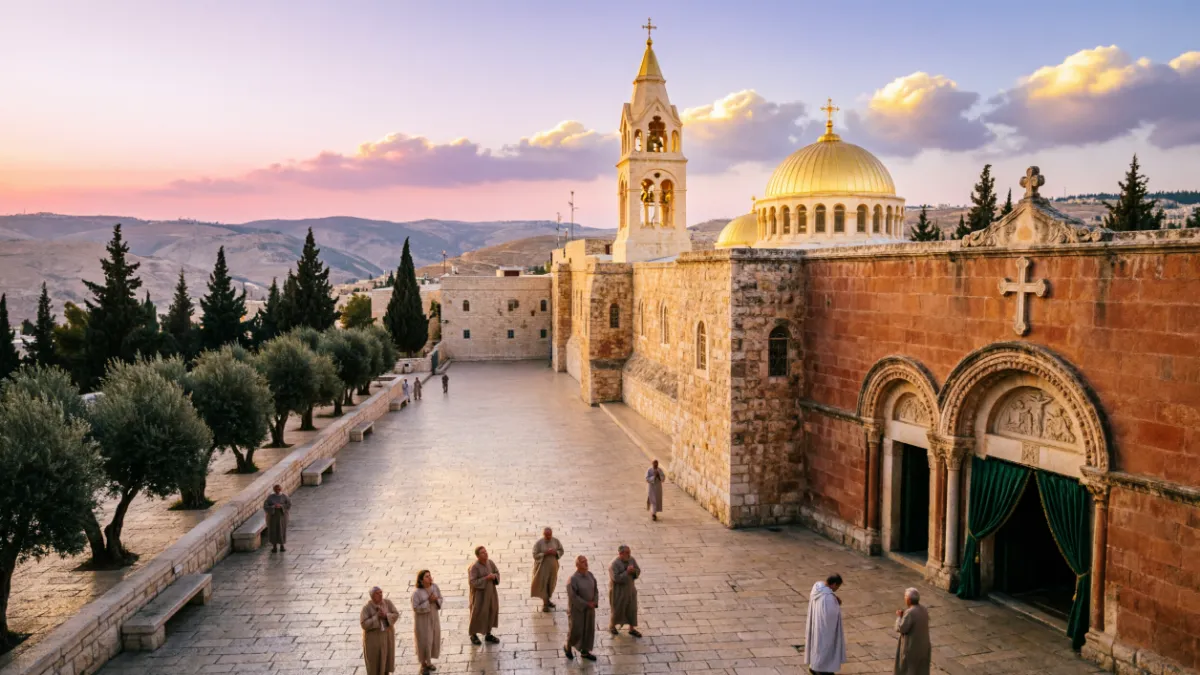
Mary and Joseph’s travel to Bethlehem is one of history’s most retold journeys a 90 mile trek from Nazareth through ancient Judean hills to the city of David. Today, modern pilgrims and curious travelers can trace this very route through Israel and the Palestinian territories, visiting sites that bring the biblical story to life. If you are a faith based traveler, a history enthusiast, or simply someone drawn by deep cultural curiosity, this guide covers everything you need to plan a meaningful, well organized trip.
Quick Facts: The Journey of Mary and Joseph to Bethlehem
| Detail | Information |
| Biblical Route | Nazareth → Samaria/Jordan Valley → Bethlehem |
| Estimated Distance | Approx. 90 miles (145 km) |
| Modern Travel Time | 2–3 hours by car; multiple days on foot |
| Primary Destination | Bethlehem, West Bank, Palestinian Authority |
| Nearest Major Airport | Ben Gurion International Airport (TLV), Tel Aviv |
| Best Time to Visit | March–May or September–November |
| Currency | Israeli Shekel (ILS); USD widely accepted |
| Visa for US Citizens | Visa free entry to Israel (up to 90 days) |
| Language | Hebrew, Arabic; English widely spoken |
| Recommended Duration | 5–10 days for the full pilgrimage route |
Why the Story of Mary and Joseph Traveling to Bethlehem Still Matters
The journey of Mary and Joseph to Bethlehem, recorded in the Gospel of Luke, was not a leisurely trip. According to the biblical account, the Roman Emperor Augustus issued a census decree requiring every person to register in their ancestral hometown. Joseph, a descendant of King David, traveled from Nazareth in Galilee to Bethlehem in Judea, a demanding journey for anyone, let alone a woman in the final stage of pregnancy.
This single journey sparked one of the world’s most recognized religious narratives. Millions of Christians, historians, and spiritual seekers travel to this region every year to walk in the footsteps of the Holy Family. The United Nations Educational, Scientific and Cultural Organization (UNESCO) recognized the significance of Bethlehem by designating the Church of the Nativity and the Pilgrimage Route as a World Heritage Site in 2012.
Understanding the historical, geographic, and spiritual context of this journey transforms a trip to the Holy Land from a standard tourist outing into a profoundly moving experience.
The Biblical Route: Where Did Mary and Joseph Actually Travel?
Scholars and theologians generally trace two possible routes from Nazareth to Bethlehem and both are worth understanding before you plan your own pilgrimage.
Route 1 Through Samaria (Direct): This shorter inland route runs south through the Jezreel Valley, into the hill country of Samaria, and down into Judea. It covers roughly 90 miles and was the most direct path. However, Jews of the period often avoided Samaria due to ethnic and religious tensions with Samaritans.
Route 2 Through the Jordan Valley (Eastern): Many travelers chose to travel south along the Jordan River Valley, then ascend westward through the Judean Desert toward Bethlehem. This route added distance but avoided Samaria entirely.
Most biblical historians lean toward the Jordan Valley route as the more historically plausible option. Either way, the journey would have taken between four and seven days on foot, a grueling march through varied terrain, including open plains, rocky highlands, and desert wadis.
Starting Point: Nazareth, the Beginning of the Journey
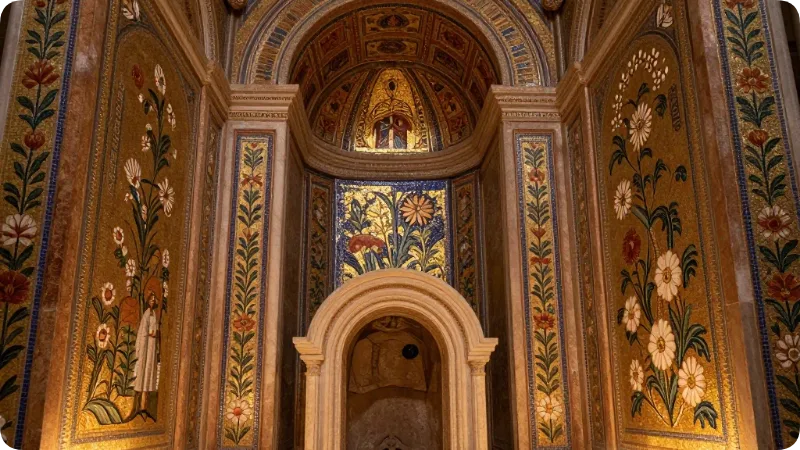
Nazareth is where the story begins, and it remains one of the most spiritually charged cities in northern Israel. Today, it is a bustling Arab majority city with a rich Christian heritage.
What to See in Nazareth
The Basilica of the Annunciation is the largest Christian church in the Middle East and marks the traditional spot where the angel Gabriel told Mary she would conceive Jesus. It anchors the entire Old City district and draws pilgrims year round. Just steps away, the Church of St. Joseph is built over what tradition holds as Joseph’s carpentry workshop.
The Nazareth Village open air museum reconstructs daily life from the first century AD, offering visitors an immersive look at exactly the kind of world Mary and Joseph inhabited before their journey south. Costumed interpreters demonstrate ancient farming, weaving, and cooking techniques that ground the biblical story in tangible, human detail.
Insider Tip: Visit the Basilica of the Annunciation early in the morning ideally before 8:30 AM to experience the luminous interior mosaics without tour group congestion. The courtyard fills up fast after 10 AM.
Following the Road South: Key Stops Along the Pilgrimage Route
Between Nazareth and Bethlehem, several stops add historical depth and spiritual texture to the journey. Modern pilgrims typically travel this route by private tour van, rental car, or organized pilgrimage bus.
Megiddo (Armageddon)
Just south of Nazareth, the ancient tel (mound) of Megiddo towers over the Jezreel Valley. This UNESCO World Heritage Site preserves over 25 layers of ancient civilizations, making it one of the most important archaeological sites in the entire Middle East. The site’s museum is compact but genuinely excellent.
Jericho The Oldest City on Earth
If traveling via the Jordan Valley route or cutting inland, a stop in Jericho is worthwhile. Believed to be the world’s oldest continuously inhabited city (dating back at least 10,000 years), Jericho is a green oasis in the Judean Desert. Tel Jericho (Tell es Sultan) is the archaeological site of the ancient city, and the Mount of Temptation Monastery, reachable by cable car, clings dramatically to a cliff face above the city.
Note: Jericho is located in Area A of the Palestinian Authority. US citizens can enter, but the Israeli rental car agreement typically prohibits vehicles from entering Palestinian Authority zones. Use a local taxi or join an organized tour for this leg. Always verify current travel advisories from the US Department of State before visiting.
The Judean Desert
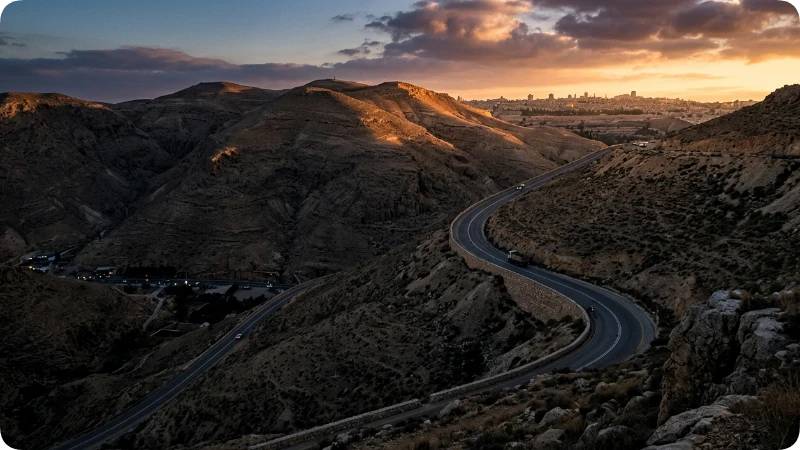
Ascending from Jericho toward Bethlehem, the landscape shifts dramatically. The road climbs nearly 3,400 feet in elevation within about 20 miles, threading through barren limestone hills scored by deep wadis. This is the same wilderness the Holy Family would have traversed. The landscape is harsh, beautiful, and humbling all at once.
The Good Samaritan Inn (Khan al Ahmar) marks the traditional midpoint of the Jericho Jerusalem road, commemorating the famous parable. The museum on site contains stunning Byzantine mosaics unearthed by archaeologists.
Bethlehem: The Final Destination
Bethlehem sits about 6 miles south of Jerusalem in the West Bank. Despite its small footprint, it carries an enormous weight of history, faith, and culture. The city’s economy is driven largely by Christian pilgrimage, and its old quarter has been remarkably preserved.
The Church of the Nativity
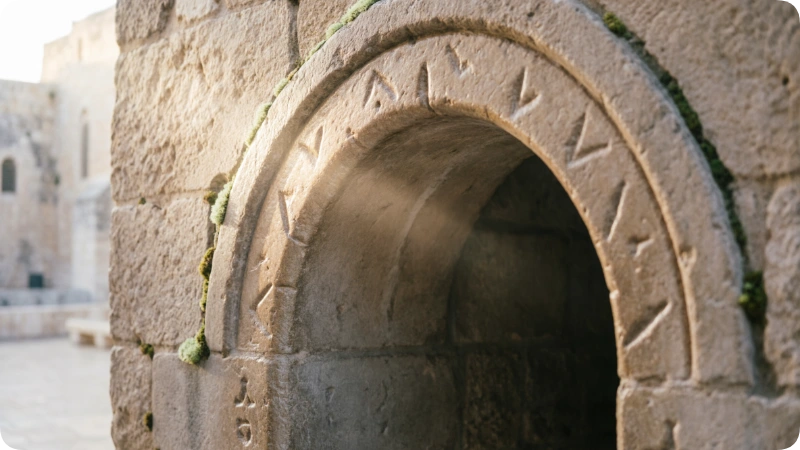
No site on this journey matters more. The Church of the Nativity is built directly over the grotto traditionally identified as the birthplace of Jesus. It is the oldest continuously operating Christian church in the world, dating to the 4th century AD under Emperor Constantine.
Visitors descend a narrow staircase into the Grotto of the Nativity, where a silver 14 pointed star marks the precise spot of the traditional birthplace. Lines can be long expect 30 to 90 minutes during peak season (December and Easter). Arrive before 7:30 AM for a quieter experience.
Hidden Gem #1: The Armenian Section of the church complex is often bypassed by tour groups. Ask to see the ancient mosaics embedded in the church floor, visible through trap door panels they date to the original 4th century Byzantine construction.
Manger Square and the Old City
Manger Square fronts the Church of the Nativity and serves as the social heart of Bethlehem. On Christmas Eve, it hosts one of the most atmospheric celebrations anywhere on earth, drawing pilgrims from every continent.
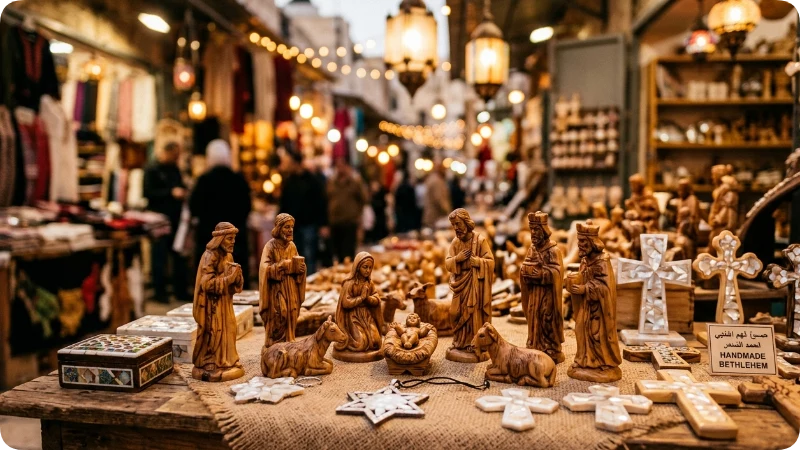
Wander into the Old Souq (market) just behind the square for a genuine Bethlehem experience. Local vendors sell olive wood carvings, mother of pearl jewelry, and traditional Palestinian embroidery crafts that have sustained local families for generations.
Shepherd’s Field (Beit Sahour)
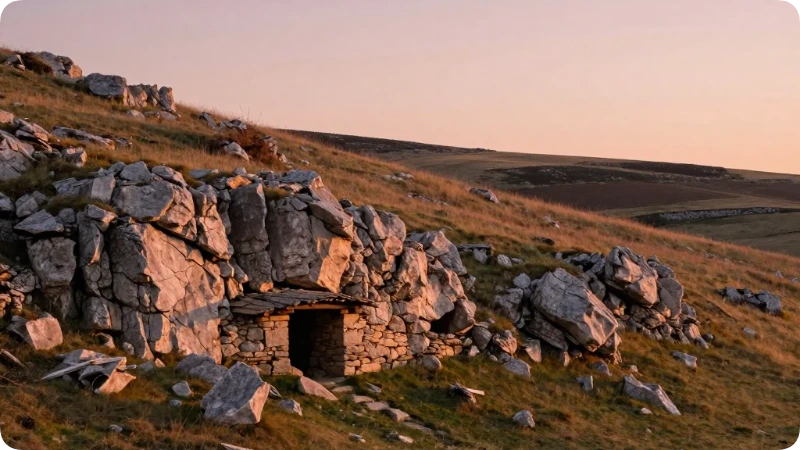
About one mile east of Bethlehem, the village of Beit Sahour holds the site traditionally associated with the shepherds who heard the angel announce Jesus’ birth. Three different Christian denominations maintain chapels and grounds here: the Greek Orthodox Church, the Roman Catholic Franciscans, and the YMCA. Each offers a slightly different atmosphere and story.
Hidden Gem #2: The Greek Orthodox Shepherd’s Field the least visited of the three, contains a working cave stable used by actual shepherds in antiquity. It is far more evocative than the manicured Franciscan garden next door.
The Milk Grotto
A short walk from the Church of the Nativity, the Milk Grotto is a small but deeply moving chapel built over a cave where, tradition holds, the Holy Family sheltered briefly during the Flight into Egypt. Mary reportedly dropped a few drops of milk while nursing Jesus, turning the cave’s red rock permanently white. The pilgrims who visit are overwhelmingly women hoping for fertility, a beautiful example of living religious tradition.
Hidden Gem #3: The grotto’s interior is soft, chalk white limestone, and the candlelit atmosphere in the early morning is extraordinarily serene. Visit between 6:30–8:00 AM before the first tour buses arrive.
Best Time to Visit Bethlehem and the Pilgrimage Route
The Holy Land has a Mediterranean climate in the coastal areas and a semi arid desert climate further inland. Planning around seasons makes a real difference.
Seasonal Comparison Table
| Season | Months | Weather | Crowds | Notes |
| Spring | March–May | Warm, blooming | Moderate | Best balance; Easter can spike crowds |
| Summer | June–August | Hot (90°F+) | High | Exhausting; peak tourist season |
| Fall | Sept–Nov | Warm, dry | Low–Moderate | Ideal for most travelers |
| Winter | Dec–Feb | Cool, rainy | Very High (Dec) | Christmas in Bethlehem is magical but crowded |
Best overall window: Mid September through early November. Temperatures sit between 65–80°F, crowds are lighter, and the light is gorgeous for photography. Spring (late March to May) is a close second, especially if you can avoid Holy Week.
Christmas in Bethlehem deserves its own consideration. The midnight Nativity Mass at the Church of the Nativity on December 24th is genuinely awe inspiring but accommodation books out months in advance, and Manger Square is packed to capacity. Book tours and hotels no later than July if you plan to attend.
How to Get There: Flights, Airports, and Entry Points
Flying into the Holy Land
Ben Gurion International Airport (TLV) near Tel Aviv is the primary gateway for US travelers. Major US carriers including United Airlines and Delta Air Lines offer direct flights from New York (JFK/EWR), Los Angeles (LAX), and other major hubs. Flight time from New York runs approximately 11–12 hours.
Airline options: El Al (Israel’s national carrier), United, Delta, and American Airlines all serve TLV from various US cities. El Al has particularly robust security protocols and offers nonstop service from several US cities.
Upon landing at Ben Gurion Airport, US passport holders enter Israel visa free under a tourist entry permit valid for up to 90 days. However, visitors planning to enter the West Bank (including Bethlehem) should be aware that Israel and the Palestinian Authority maintain separate administrative structures. Your passport receives an Israeli entry stamp at Ben Gurion; the West Bank itself uses a separate visitor registration system.
Always check current entry requirements with the US Embassy in Jerusalem and review the US Department of State travel advisory for Israel, the West Bank, and Gaza before booking.
Getting from Tel Aviv to Bethlehem
| Option | Travel Time | Notes |
| Private Tour Vehicle | ~1.5 hours | Most convenient; includes guide |
| Rental Car to Jerusalem, Taxi to Bethlehem | ~2 hours total | Most rental agreements ban cars in West Bank |
| Shared Sherut (Taxi) from Jerusalem | ~30–45 min | Budget friendly; departs from Damascus Gate area |
| Organized Pilgrimage Bus | Varies | Best for large groups; all logistics handled |
Most travelers base themselves in Jerusalem and take day trips to Bethlehem. The crossing at Checkpoint 300 (Gilo Checkpoint) is the standard entry point for tourists. The process is generally straightforward for US passport holders but can take 20–45 minutes. Organized tour operators handle this crossing regularly and know how to minimize wait times.
Where to Stay: Accommodation Along the Route
In Bethlehem
Casa Nova Bethlehem (Franciscan Pilgrim House) Located just steps from Manger Square, this historic guesthouse is run by the Franciscan Custody of the Holy Land and offers simple, clean rooms at very reasonable rates. Booking fills up months ahead for December visits.
Walled Off Hotel Banksy’s politically provocative boutique hotel alongside the separation wall is one of the most unusual places to stay anywhere in the world. It is an art installation, museum, and hotel in equal measure. Expect edgy interiors and meaningful conversation.
In Jerusalem (Base for Day Trips)
Jerusalem offers the widest range of accommodation, from five star international hotels in West Jerusalem to budget guesthouses in the Christian Quarter of the Old City. The Notre Dame of Jerusalem Center and the Christ Church Guest House are perennial favorites among pilgrims. The King David Hotel is the prestige option, with rates to match.
Insider Tip: Staying inside or immediately adjacent to the Old City walls puts you within walking distance of the bus connections to Bethlehem and the early morning light on the stone streets before the crowds arrive is something you will never forget.
Budget Breakdown for the Pilgrimage Route
Note: All prices are estimates based on publicly available information and should be verified before booking, as costs fluctuate.
| Category | Budget Traveler | Mid Range | Premium |
| Accommodation (per night) | $40–$80 | $100–$200 | $250–$500+ |
| Meals (per day) | $20–$35 | $40–$70 | $80–$150 |
| Transportation | $10–$30/day (shared) | $60–$120/day (tours) | $150+/day (private) |
| Entrance Fees | $10–$30 | $30–$60 | $60–$100 |
| Estimated Daily Total | $80–$175 | $230–$450 | $540–$900+ |
Group pilgrimages and organized tour packages from US based operators often provide better value than piecing together an itinerary independently, especially for first time visitors.
Culture, Etiquette, and Practical Tips
Dress Code at Religious Sites
Both Bethlehem’s Church of the Nativity and Nazareth’s Basilica of the Annunciation require modest dress. Shoulders must be covered, and shorts are generally not permitted. Carry a light scarf or shawl it doubles as a cover up and a layer in air conditioned interiors.
Photography Rules
Photography is generally permitted in church exteriors and public areas. Inside the Grotto of the Nativity, flash photography is restricted out of respect for worshippers in prayer. Always observe signage and follow the lead of site staff.
Tipping and Payment
Tipping tour guides 10–15% of the tour cost is standard and appreciated. Many vendors in Bethlehem’s market prefer cash, though larger hotels and restaurants accept credit cards. Keep small bills in Israeli shekels for checkpoint adjacent taxis and market purchases.
Language
English is widely spoken in tourist areas throughout Israel and Bethlehem. Arabic is the primary language in Bethlehem; Hebrew dominates in Jerusalem’s Jewish Quarter. Learning a few Arabic phrases shukran (thank you), min fadlak (please) goes a long way in the Palestinian areas and opens genuine warmth from locals.
Safety Tips for Visiting the Holy Land
The US Department of State maintains a Level 2 travel advisory for Israel and the West Bank (Exercise Increased Caution) as of the most recent update. Travelers should monitor the State Department’s website at travel.state.gov and sign up for the Smart Traveler Enrollment Program (STEP) before departure.
- Bethlehem itself is generally calm and sees millions of Christian tourists annually without incident. The tourist district around Manger Square is well patrolled.
- Checkpoint crossings can occasionally be delayed due to security situations. Build buffer time into your schedule when crossing between Israel and the West Bank.
- Travel insurance with medical evacuation coverage is strongly recommended. US health insurance rarely covers international medical emergencies adequately.
- Avoid political demonstrations and large public gatherings unrelated to pilgrimage events.
- Keep a photocopy of your passport separate from the original at all times.
5 Day Sample Itinerary: Following Mary and Joseph’s Journey
This itinerary works well for a first time pilgrim or faith based traveler who wants to cover the key sites without feeling rushed.
Day 1 Arrival in Tel Aviv / Transfer to Jerusalem Fly into Ben Gurion Airport, clear immigration, and transfer to Jerusalem (approximately 45 minutes by road). Check into your Old City guesthouse and walk the Jewish Quarter and Western Wall Plaza at dusk. Rest and adjust to the time zone.
Day 2 Nazareth (Day Trip from Jerusalem or En Route) Travel north to Nazareth. Visit the Basilica of the Annunciation, the Church of St. Joseph, and Nazareth Village. Lunch at one of the Old City’s Arabic restaurants, the arayes (stuffed flatbread) and fresh hummus here are exceptional. Return south in the late afternoon.
Day 3 Jericho and the Judean Desert Drive east and descend to Jericho, the lowest city on earth at 846 feet below sea level. Visit Tel Jericho, take the cable car to the Mount of Temptation Monastery, and stop at the Wadi Qelt overlook before ascending through the Judean Desert toward Jerusalem. This drive alone is one of the most dramatic in the Middle East.
Day 4 Bethlehem Full Day Cross into Bethlehem via Checkpoint 300. Visit the Church of the Nativity (arrive early by 7 AM if possible), explore Manger Square, walk to the Milk Grotto, and spend the afternoon at the Shepherd’s Field in Beit Sahour. Shop for olive wood souvenirs in the Old Souq. Return to Jerusalem in the evening.
Day 5 Jerusalem Highlights and Departure Spend the morning in Jerusalem’s Old City the Via Dolorosa, the Church of the Holy Sepulchre, and the Muslim Quarter market all connect meaningfully to the broader pilgrimage narrative. Transfer to Ben Gurion Airport for your return flight.
Common Tourist Mistakes (and How to Avoid Them)
Mistake 1: Trying to visit Bethlehem independently by rental car. Most international car rental agreements explicitly prohibit driving rental vehicles into the West Bank. Attempting to do so voids your insurance coverage entirely. Fix: Book a guided day tour from Jerusalem, or take a shared sherut taxi from the Damascus Gate area.
Mistake 2: Underestimating the Church of the Nativity wait times in December. Visitors in the Christmas season can wait two hours or more to enter the Grotto. Many leave disappointed when time runs short. Fix: Book accommodation in Bethlehem itself for the Christmas season and visit the Grotto at dawn when queues are minimal.
Mistake 3: Skipping the lesser known sites in favor of only Manger Square. Bethlehem has far more to offer than the main church. The Milk Grotto, the Shepherd’s Field, and the Banksy adjacent separation wall art are equally compelling. Fix: Allocate a full day (at minimum) to Bethlehem rather than a rushed three hour sprint.
Underrated Alternatives and Nearby Attractions
Hebron (Al Khalil): About 20 miles south of Bethlehem, Hebron contains the Cave of Machpelah, the traditional burial site of Abraham, Sarah, Isaac, Rebekah, Jacob, and Leah. It is sacred to Jews, Christians, and Muslims alike, yet receives a fraction of the visitors that Bethlehem attracts. Note that Hebron requires additional planning due to its security situation; always check current US State Department guidance.
Herodium: Rising from the Judean Desert south of Bethlehem like a flattened volcano, Herodium is King Herod the Great’s spectacular palace fortress and burial site. It was built by the same king who features prominently in the Nativity story. The hilltop views over the desert are extraordinary, and it sees far fewer visitors than its historical significance deserves.
Ein Gedi Nature Reserve: On the western shore of the Dead Sea, Ein Gedi offers a startling contrast to the pilgrimage circuit waterfalls, ibex, and lush vegetation in the middle of the desert. It makes a perfect half day stop when traveling the Jordan Valley route.
Responsible Travel and Pilgrim Ethics
Bethlehem’s economy depends significantly on Christian tourism, and that means the choices you make as a traveler carry real weight.
- Buy locally: Olive wood carvings, ceramics, and embroidery purchased directly from Bethlehem artisans support families who have practiced these crafts for centuries. Avoid purchasing the same items at airport duty free shops where profits leave the community entirely.
- Choose locally owned guesthouses and restaurants over large international chains when possible.
- Respect worship in progress. The Church of the Nativity is a living, active place of worship for multiple Christian communities Greek Orthodox, Roman Catholic, and Armenian Apostolic. Enter quietly, speak softly, and never interrupt a liturgy in progress for the sake of a photograph.
- Engage with locals as people, not props. The Palestinian Christian community in Bethlehem is one of the oldest continuous Christian communities on earth. Engaging respectfully with local guides, shopkeepers, and guesthouse hosts enriches your experience immeasurably.
Packing Advice for the Holy Land Pilgrimage
The terrain and the dress codes of religious sites create a specific packing challenge. Here is what experienced pilgrims consistently recommend:
- Comfortable walking shoes with ankle support cobblestones, uneven archaeological terrain, and long walking days are inevitable
- Modest clothing layers mornings can be cool, afternoons hot; shoulders and knees must be covered at most sites
- A lightweight scarf or shawl serves as a cover up, a sun shield, and a church entry requirement
- Filtered water bottle hydration in the Judean Desert is not optional
- Power adapter Israel uses Type H plugs (unique three prong flat); pack the correct adapter
- Offline maps downloaded to your phone cell coverage can be inconsistent near the Dead Sea and in rural West Bank areas
- Small bills in Israeli shekels markets, taxis, and checkpoint adjacent vendors rarely accept cards
FAQs
Q: How far did Mary and Joseph actually travel to reach Bethlehem?
The journey from Nazareth to Bethlehem covers approximately 90 miles (about 145 km) depending on the route taken. On foot, the most common mode of travel in the first century the journey would have taken between four and seven days. Joseph may have had a donkey to ease Mary’s travel, though the Bible does not specifically mention one.
Q: Why did Mary and Joseph travel to Bethlehem?
According to the Gospel of Luke (2:1–7), a Roman census decreed by Emperor Augustus required every man to return to his ancestral hometown to register. Joseph was of the lineage of King David, whose city was Bethlehem. The journey was legally mandatory under Roman law, not a matter of personal choice.
Q: Can US citizens visit Bethlehem without a visa?
Yes. US citizens enter Israel visa free and can cross into the West Bank (including Bethlehem) as tourists. The crossing at Checkpoint 300 is the standard route. However, travelers should always review the most current US Department of State travel advisory for Israel and the West Bank before traveling, as conditions and entry requirements can change.
Q: Is Bethlehem safe for American tourists?
Bethlehem’s tourist district including the Church of the Nativity and Manger Square sees millions of visitors annually and is generally considered safe for pilgrims. The US State Department does recommend exercising increased caution in the West Bank broadly. Travel with a reputable guided tour, stay aware of your surroundings, and monitor official advisories throughout your trip.
Q: What is the best way to get from Jerusalem to Bethlehem?
The most practical options for independent travelers are shared sherut taxis from the Damascus Gate area of Jerusalem’s Old City or the Arab bus service. Organized pilgrim tours handle the Checkpoint 300 crossing smoothly and typically include a local guide who provides historical and religious context that dramatically enhances the experience.
Q: When is the best time to visit Bethlehem for a pilgrimage?
Fall (September–November) offers the best combination of mild weather, manageable crowds, and lower hotel prices. Spring (March–May) is excellent but busier around Easter. December offers the most emotionally resonant atmosphere but draws the largest crowds and highest prices. Summer (June–August) is the least recommended due to intense heat.
Q: How long does a visit to Bethlehem take?
Most organized day tours from Jerusalem run 4–6 hours, covering the Church of the Nativity, Manger Square, and a brief stop at Shepherd’s Field. A full day (7–8 hours) allows you to add the Milk Grotto, the Beit Sahour Shepherd’s Field, and the Old Souq market and gives the experience the unhurried pace it deserves.
Conclusion: Why This Journey Still Calls Travelers Today
The journey that Mary and Joseph made to Bethlehem roughly 2,000 years ago was a simple act of governmental compliance and census registration. Yet it became the backdrop for a story that shaped the course of human civilization. Today, walking any portion of that route from Nazareth through the Jordan Valley and up into the hills of Judea is a journey that lands differently than almost any other travel experience.
Three things to carry with you from this guide:
- Plan around the route, not just the destination. Nazareth, the Judean Desert, Jericho, and the Shepherd’s Field are not afterthoughts; they are the story.
- Travel with local guides. The Palestinian Christian community in Bethlehem carries a living connection to this history that no textbook can replicate. Their knowledge and perspective add dimensions that transform a tourist visit into a genuine encounter.
- Give yourself enough time. A rushed day trip to Bethlehem barely scratches the surface. Five to ten days allows the journey to breathe and lets the landscape, the food, the people, and the silence between sites do their work on you.
The road south from Nazareth still passes through the same desert hills, the same ancient valleys, the same city of David. The stone is the same. The stars over Bethlehem are the same. What you bring to the journey curiosity, reverence, or simple wonder is entirely up to you.
Always verify current entry requirements, travel advisories, site hours, and fees with official sources including the US Embassy in Jerusalem (il.usembassy.gov), the Israeli Ministry of Tourism, and the Palestinian Ministry of Tourism before finalizing your plans.

Gordon Ramsay is a travel writer and destination researcher who helps U.S. travelers plan smarter trips, covering destinations, seasonal trends, budgets, and logistics to help readers decide where—and when—to go.
Rather than simply listing popular places, Gordon Ramsay focuses on what travelers actually need: comparing weather against crowds, weighing costs and accessibility, and researching current conditions alongside official tourism guidance—delivering honest, practical advice without the hype.