Getting paid to travel is no longer a fantasy reserved for flight attendants and travel writers. Millions of Americans are building real, sustainable careers around travel and many don’t even realize the full range of options available to them.
If you’re dreaming of a remote job that works from Bali as easily as Brooklyn, a field career that sends you across national parks, or a hospitality role that plants you in a new city every season, the travel job market in 2026 is broader and more accessible than ever before.
This guide breaks down every realistic path: the highest paying travel careers, how to get started with zero experience, which jobs offer the best work life balance, and the insider moves that separate people who talk about traveling for work from those who actually do it.
What Is a Travel Job? (And Is It Actually Worth It?)

A travel job is any position remote, hybrid, or field based where travel is either a core requirement or a built in perk of the role. Some travel jobs require you to be on the road 80% of the time. Others simply give you the freedom to work from anywhere with a laptop and Wi Fi.
Travel jobs fall into three broad categories: location independent remote work (digital nomad style), field based careers (where employers send you to specific places), and travel industry jobs (where working in tourism, hospitality, or aviation is itself the product). Each path has different income potential, lifestyle trade offs, and entry requirements. Knowing which category fits your life is the first decision to make.
Which Travel Job Is Right for Your Personality?
Not every travel career offers the same lifestyle. Some involve constant movement, while others provide the freedom to choose your own destination. Before applying, think about how much structure, stability, and independence you want in your work.
| If You Prefer… | Consider These Travel Jobs |
| Predictable income | Travel nurse, consultant, Foreign Service Officer |
| Complete location freedom | Software developer, UX designer, digital marketer |
| Outdoor adventure | Tour guide, park ranger, environmental scientist |
| Meeting new people | Flight attendant, cruise ship worker, hospitality manager |
| Creative work | Travel photographer, videographer, travel writer |
| Flexible schedule | Virtual assistant, freelance designer, online tutor |
Choosing a travel career that matches your personality often leads to greater long-term satisfaction than focusing on salary alone.
Skills That Make You More Competitive for Travel Jobs
Employers value candidates who can adapt quickly to new environments. While technical qualifications matter, several transferable skills can significantly improve your chances of getting hired.
Some of the most valuable include:
- communication
- problem-solving
- adaptability
- customer service
- time management
- digital literacy
- teamwork
- foreign language skills
- cultural awareness
- conflict resolution
Building these skills through volunteer work, freelance projects, or certifications can strengthen your résumé even before you apply for your first travel job.
Essential Equipment for Travel Professionals
The right equipment helps you stay productive and organized while working from different locations.
Depending on your profession, consider carrying:
- lightweight laptop
- portable monitor
- universal travel adapter
- noise-canceling headphones
- portable Wi-Fi hotspot
- power bank
- cloud storage backup
- packing cubes
- RFID passport wallet
- external SSD
Reliable equipment reduces downtime and allows you to work confidently whether you’re in an airport lounge, hotel room, or coworking space.
The 15 Best Travel Jobs in America Right Now

The travel job landscape spans industries far beyond tourism. According to the U.S. Bureau of Labor Statistics, travel related industries employed over 9.9 million Americans in 2023, with remote eligible roles growing 44% since 2020.
High Paying Field Travel Jobs
Travel Nurse Travel nurses earn a median of $93,000–$120,000 annually, with tax free housing stipends that can push total compensation well above $100,000. Assignments typically run 13 weeks, placing nurses in hospitals across the country. Agencies like AMN Healthcare and Cross Country Nurses handle placement. Licensure compact states (NLC) make multi state work far easier, check the National Council of State Boards of Nursing (NCSBN) for current compact membership.
Flight Attendant Major U.S. carriers including Delta, United, American, and Southwest employ over 100,000 flight attendants combined. Starting salaries average $28,000–$45,000 but climb significantly with seniority, plus non revenue flight benefits for crew and immediate family. FAA certification is required, and training is provided by the airline.
Foreign Service Officer / Diplomat The U.S. Department of State employs Foreign Service Officers who rotate through embassies and consulates worldwide every 2–4 years. Entry requires passing the Foreign Service Officer Test (FSOT). Compensation is competitive, with overseas pay differentials and housing allowances built in.
Geologist / Environmental Field Scientist Field scientists with the U.S. Geological Survey (USGS), EPA, or private energy firms often spend weeks at remote survey sites across the American West, Alaska, and beyond. Median pay sits around $92,000 (BLS, 2023).
Consulting Professional Management consultants at firms like McKinsey, Deloitte, and Accenture routinely travel Monday through Thursday for client engagements. Compensation for experienced consultants ranges from $120,000 to $250,000+, though the lifestyle is demanding.
Travel Industry Jobs
Cruise Ship Worker Royal Caribbean, Carnival, and Norwegian Cruise Line collectively employ over 150,000 shipboard crew in roles ranging from entertainment directors to chefs to deckhands. Contracts run 4–9 months, with room, board, and international ports built in. Tip income can be substantial for guest facing roles.
Tour Guide / Expedition Leader National park concessionaires, adventure travel companies like REI Adventures and G Adventures, and regional tour operators hire guides seasonally and year round. Many Interpretive Rangers through the National Park Service (NPS) work multi site seasonal contracts.
Travel Photographer / Videographer Commercial travel content creators earn $40,000–$150,000+ depending on client roster. Stock platforms like Getty Images and Shutterstock provide passive income alongside direct brand contracts. Building a portfolio takes time, but startup costs are relatively low.
Hotel General Manager (Multi Property) Hospitality brands including Marriott, Hilton, and Hyatt regularly transfer managers between properties. Directors of Operations overseeing multiple locations may travel 30–50% of the time, with strong compensation packages ($80,000–$180,000+).
Remote Jobs That Let You Travel Freely
Software Developer / Engineer Tech roles are among the most remote friendly in the economy. The median salary for software developers is $130,160 (BLS, 2023), and fully remote positions are abundant on platforms like LinkedIn, We Work Remotely, and Turing.
Digital Marketing Manager Content strategists, SEO specialists, and paid media managers work effectively from anywhere with reliable internet. Median salaries range from $75,000–$110,000 depending on specialization.
UX/UI Designer Design tools like Figma are cloud based, making design work inherently portable. Senior UX designers average $105,000–$130,000 nationally.
Technical Writer Companies across healthcare, SaaS, and engineering hire technical writers who need only a laptop and subject matter expertise. Rates average $70,000–$95,000 annually.
Online ESL Teacher / Language Tutor Teaching English online through platforms like VIPKid, iTalki, or Cambly allows flexible scheduling and location freedom. Income varies widely ($15–$50/hour) based on credentials and platform.
Virtual Assistant / Remote Project Manager Administrative and coordination roles have gone almost entirely remote, with strong demand from entrepreneurs, agencies, and corporate teams.
Pros and Cons of Having a Travel Job
Working while traveling can be incredibly rewarding, but it also comes with challenges that every job seeker should understand.
Advantages
- Opportunity to explore new places regularly
- Higher earning potential in some industries
- Personal and professional growth
- Expanded professional network
- Greater career flexibility
Challenges
- Time away from family and friends
- Irregular schedules
- Contract gaps between assignments
- Frequent packing and moving
- Managing taxes, insurance, and licensing
Understanding both sides helps you decide whether a travel-focused career truly fits your long-term goals.
How to Build a Resume for Travel Jobs
Travel employers often receive hundreds of applications, so a clear and targeted résumé makes a strong first impression.
Focus on highlighting:
- transferable skills
- remote work experience
- certifications
- customer-facing roles
- language abilities
- leadership experience
- willingness to travel
- technology proficiency
Whenever possible, include measurable achievements rather than simply listing responsibilities. Numbers help hiring managers quickly understand your impact.
Quick Facts: Travel Job at a Glance

| Category | Typical Salary Range | Travel Requirement | Experience Needed |
| Travel Nurse | $93,000–$120,000+ | High (13 week contracts) | RN license required |
| Flight Attendant | $28,000–$75,000 | Very High | FAA cert (employer trains) |
| Remote Software Dev | $100,000–$145,000 | None (self directed) | Portfolio/degree |
| Tour Guide / NPS | $30,000–$60,000 | High (seasonal) | Low – certifiable on job |
| Travel Photographer | $40,000–$150,000+ | Self directed | Portfolio based |
| Cruise Ship Worker | $25,000–$65,000+ tips | Constant (contract) | Role dependent |
| Management Consultant | $120,000–$250,000+ | Very High (Mon–Thu) | MBA common but not required |
| ESL Teacher Online | $15–$50/hour | None (remote) | TEFL cert helpful |
Note: Salary ranges are approximate. Always verify current compensation through BLS.gov, Glassdoor, and direct employer listings before applying.
Best Time to Start Your Travel Job Search
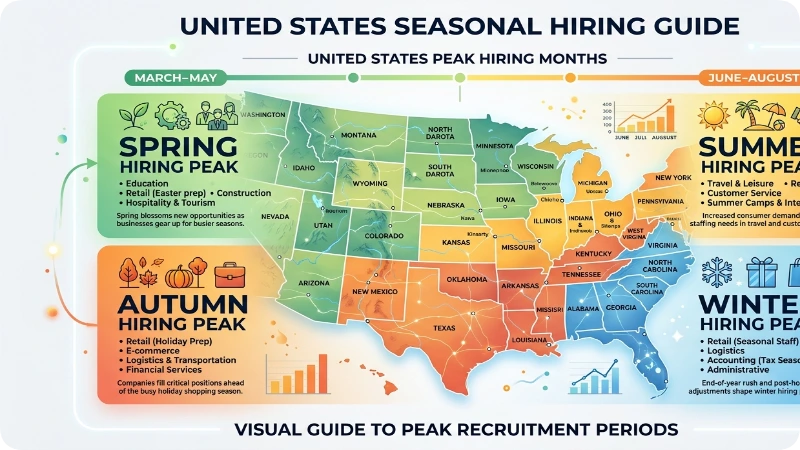
The strongest hiring windows for most travel careers run January through March and September through October. These periods align with budget cycles and seasonal staffing ramp ups.
- Healthcare / Travel Nursing: Demand is year round, but winter surges (flu season) drive the biggest hiring pushes from November through February.
- Seasonal Tourism / NPS Roles: Applications open December through March for summer positions, and August through October for winter/ski season roles.
- Cruise Industry: Primary hiring cycles run February–April and August–October.
- Remote Tech and Marketing: Hiring is consistent year round, with slight slowdowns in late November and December.
Starting your job search at least 3–6 months before your desired start date gives you time to get licensed, build a portfolio, or complete any required certifications.
How to Get a Travel Job With No Experience

Breaking into travel work without a résumé full of globe trotting credentials is entirely achievable. Most travel careers have structured entry points that reward attitude and preparation over prior travel history.
Step 1: Identify Your Transferable Skills
Customer service, language proficiency, first aid certification, organizational skills, and digital literacy all transfer directly into travel friendly careers. Audit what you already have before assuming you need to start from scratch.
Step 2: Get Certified Strategically
- TEFL/TESOL certification (for ESL teaching) courses run $200–$500 online
- Wilderness First Responder (WFR) opens doors for outdoor guiding and expedition leadership
- Google Analytics / HubSpot certifications free and widely recognized for remote marketing roles
- CompTIA IT certifications low cost entry points for remote tech support roles
Step 3: Build a Location Independent Income Stream First
Many experienced travel workers recommend building remote income before committing to a field based travel job. Freelance writing, virtual assistance, or part time remote work while employed locally gives you a financial cushion and proof of remote work capability.
Step 4: Use the Right Platforms
General job boards miss a lot. Focus on:
- FlexJobs curated remote and flexible work listings
- We Work Remotely strong for tech and design
- Coolworks.com seasonal and outdoor recreation jobs
- AllCruiseJobs.com cruise industry hiring
- USAJobs.gov federal travel roles including NPS, USGS, State Department
Step 5: Network Inside the Industry
LinkedIn remains the most effective professional network, but industry specific communities matter more than most job seekers realize. Join Facebook groups for travel nurses, nomad Slack communities, or NPS seasonal worker forums. Word of mouth placements are common in travel heavy industries.
Build Experience Before Your First Paid Travel Job
If you’re struggling to land your first travel position, look for opportunities that build relevant experience.
Examples include:
- volunteering at local tourism events
- seasonal festival work
- freelance online projects
- internships
- language exchange programs
- outdoor leadership courses
- community event coordination
Even short-term experiences demonstrate initiative and adaptability—qualities many travel employers prioritize.
Best Places in the USA to Base Yourself for a Travel Career
Where you live between assignments or where your employer is headquartered affects your taxes, cost of living, and lifestyle significantly.
Top U.S. Cities for Travel Job Seekers
Denver, Colorado Central location with direct flights to most U.S. cities and proximity to national parks. Strong outdoor tourism industry. Lower cost of living than coastal hubs.
Austin, Texas No state income tax, booming tech scene for remote workers, and solid flight connectivity through Austin Bergstrom International Airport (AUS).
Nashville, Tennessee Major healthcare hub (Vanderbilt, HCA Healthcare) with strong travel nursing infrastructure. No state income tax on wages.
Seattle, Washington Strong gateway for Alaska and Pacific Rim travel careers. Home to major hospitality brands and the Port of Seattle, a key cruise departure point.
Miami, Florida PortMiami is the busiest cruise port in the world. Strong hospitality and Latin American tourism industry. No state income tax.
Flagstaff, Arizona Lower cost of living with proximity to the Grand Canyon, Sedona, and multiple national monuments. Strong seasonal tourism employment base.
Remote Travel Jobs: The Digital Nomad Path Explained
The digital nomad lifestyle working remotely while traveling continuously has matured significantly since 2020. Over 17 million Americans identified as digital nomads in 2023, according to MBO Partners, up from 10.9 million in 2020.
What Makes a Job Truly “Nomad Compatible”?
Not every remote job works on the road. The best nomad compatible roles share these traits:
- Asynchronous first communication (Slack, email, Loom not constant video calls)
- Output based evaluation rather than hours tracked
- Minimal in person requirements (quarterly meetups vs. weekly office)
- No state specific licensing restrictions (legal, healthcare, and finance jobs often restrict practice by state)
Tax Considerations for U.S. Based Digital Nomads
American citizens pay taxes on worldwide income regardless of where they live unlike many other nationalities. This is a critical distinction. However, working remotely for a U.S. employer while traveling domestically creates no additional tax complexity. Working abroad for extended periods may trigger Foreign Earned Income Exclusion (FEIE) eligibility consult a CPA familiar with expat tax law before making the leap. The IRS website (irs.gov) provides official guidance on Publication 54 (Tax Guide for U.S. Citizens Abroad).
Best Tools for Working Remotely on the Road
- Wi Fi calling / backup data: T Mobile and Google Fi offer strong international coverage
- VPN: NordVPN or ExpressVPN for secure connections on public networks
- Portable battery / solar charger: Essential for outdoor or rural travel
- Cloud storage: Google Drive, Dropbox keep work accessible offline
- Communication: Slack, Zoom, Notion the standard async stack
Common Challenges Digital Nomads Face
Although remote work offers exceptional flexibility, it also requires discipline.
Common challenges include:
- unreliable internet connections
- changing time zones
- loneliness
- work-life boundaries
- inconsistent workspaces
- managing multiple currencies
- staying productive while traveling
Planning work schedules in advance and maintaining daily routines can help overcome many of these challenges.
Travel Job Salary Reality Check: What You Actually Earn
Many travel job enthusiasts underestimate the full financial picture. Here’s an honest breakdown.
The Hidden Costs of Field Travel Jobs
Travel nursing stipends are tax free but only if you maintain a tax home. Maintaining a home base costs money. Flight attendants earn flight benefits but often deal with irregular schedules, standby travel, and years of seniority building before preferred routes become available. Cruise workers receive free housing and meals, which offsets lower base wages, but extended contracts mean months away from family.
The Income Ceiling of Passion Based Travel Jobs
Tour guiding, travel writing, and travel photography are fulfilling but competitive. Most people in these fields supplement income with multiple streams teaching workshops, selling prints, affiliate content, or seasonal work rather than relying on a single employer.
The Upside of Remote Tech Work
A software developer or UX designer earning $120,000 while living in a country with a lower cost of living effectively increases their real purchasing power dramatically. This is the underlying economics that makes the digital nomad path so attractive for skilled professionals.
How to Stay Safe While Working and Traveling
Travel professionals often spend long periods away from home, making personal safety especially important.
Some best practices include:
- keep digital copies of important documents
- carry appropriate travel insurance
- use secure Wi-Fi or a VPN
- share your itinerary with trusted contacts
- research local laws and customs
- keep emergency contacts accessible
- protect work devices with strong passwords
Preparation allows you to focus on your work rather than unexpected problems.
5 Insider Tips for Landing a Travel Job Faster
1. Specialize Before You Generalize Employers hiring for travel heavy roles want depth. A nurse with ICU specialization gets placed faster than a generalist. A photographer with a food and culture niche gets hired over someone with a broad portfolio. Pick a lane first.
2. Get Your Paperwork in Order Before Applying Travel nurses need compact nursing licenses (NLC). Foreign Service hopefuls need a current passport. Flight attendant candidates need a valid passport and clean background check. Getting caught without documentation mid application delays everything by weeks.
3. Target Companies Known for Travel Heavy Roles Don’t just search job titles search employers. Companies with known travel heavy cultures include Deloitte, McKinsey, IBM, National Geographic, World Wildlife Fund, Peace Corps, and any major cruise or airline brand. Their career pages are more reliable than third party aggregators.
4. Negotiate Travel Benefits Explicitly For remote roles, negotiate a travel stipend, co working budget, or work from anywhere policy even if the initial offer doesn’t include one. Many companies have internal travel friendly policies that aren’t advertised. Asking in the offer stage is both acceptable and common.
5. Build a Travel Ready Emergency Fund First Before pursuing any field travel job, save 3–6 months of living expenses. Travel careers often involve contract gaps, delayed start dates, and periods between assignments. Financial resilience is what keeps people in these careers long term, while others burn out and return to conventional work.
3 Hidden Gem Travel Job Paths Most People Overlook
1. International Development Contractor
Organizations like USAID, World Bank, and NGOs hire project managers, data analysts, health workers, and logistics specialists for international field work. These roles are lucrative (often $80,000–$150,000+ with per diem), and they rarely show up in mainstream job searches. DevEx.com and ReliefWeb are the go to platforms.
2. Seasonal National Forest / BLM Ranger
Beyond the National Park Service, the U.S. Forest Service and Bureau of Land Management (BLM) hire thousands of seasonal workers annually for trails, recreation, and resource management roles. These positions often come with free housing in remote locations and are dramatically less competitive than NPS equivalents.
3. Corporate Relocation Specialist
Companies moving employees across the country or internationally hire relocation consultants who manage logistics, housing searches, and settling in services. The role involves constant domestic and occasional international travel, pays $55,000–$90,000+, and is virtually unknown outside HR circles.
3 Common Travel Job Mistakes (And How to Avoid Them)
Mistake #1: Quitting Your Job Before Securing Travel Income The romantic version involves leaving everything behind and figuring it out on the road. The realistic version involves depleted savings, desperation freelancing, and returning home six months later. Build income first, then transition. Fix: Overlap your current income with new travel income for at least one contract cycle before going full time.
Mistake #2: Underestimating Visa and Work Authorization Complexity Even within the U.S., some travel jobs require state specific licenses. Internationally, working without the correct visa can result in deportation and future entry bans. The U.S. Department of State (travel.state.gov) and destination country embassy websites are the authoritative sources not travel blogs. Fix: Research work authorization requirements before accepting any offer that crosses state or international borders.
Mistake #3: Ignoring Health Insurance Continuity Travel nurses have agency provided insurance. Remote workers employed by U.S. companies typically keep employer coverage. But gig workers, freelancers, and contract workers between assignments often face coverage gaps. Healthcare.gov (ACA marketplace) and COBRA continuation coverage are both worth understanding before any coverage lapse. Fix: Always know your insurance status 60 days ahead of any job transition.
Sample 90 Day Plan: From Conventional Job to Travel Career
| Week | Action |
| Weeks 1–2 | Audit skills, identify target travel job category |
| Weeks 3–4 | Research 20 target employers; set up FlexJobs, LinkedIn alerts |
| Weeks 5–6 | Complete one relevant certification (TEFL, Google, WFR, etc.) |
| Weeks 7–8 | Build portfolio or résumé for travel role; update LinkedIn |
| Weeks 9–10 | Apply to 10–15 positions; reach out to 5 industry contacts |
| Weeks 11–12 | Interview prep; research first destination; check passport/license status |
| Week 13 | Accept first offer; negotiate travel/remote flexibility if applicable |
Is a Travel Job Right for You? (Honest Assessment)
Travel careers work best for people who are adaptable, self motivated, and genuinely comfortable with uncertainty. They’re less suited to those who thrive on routine, have deep local family obligations, or need highly predictable income to manage debt or dependents.
Travel jobs are a great fit if you:
- Have portable skills (tech, healthcare, education, design)
- Can maintain productivity outside an office environment
- Are financially resilient with an emergency fund
- Genuinely value new experiences over geographic stability
Travel jobs may not be the right fit if you:
- Have young children and a co parent unwilling to relocate
- Are managing significant debt that requires stable minimum monthly income
- Struggle with self direction or require structured supervision
- Have medical needs tied to specific local providers
Neither outcome is a failure. Knowing your actual situation prevents costly mistakes.
FAQs
What is the easiest travel job to get with no experience?
Seasonal tourism roles including national park concession workers, ski resort staff, and summer camp counselors have the lowest barriers to entry. Sites like Coolworks.com and Xanterra (a major NPS concessionaire) list dozens of openings. These roles provide hands on travel experience, often include housing, and serve as a launch pad for higher paid travel careers.
How much money do I need saved before pursuing a travel job?
A minimum of three months of living expenses is the baseline. Six months is strongly recommended for field based travel jobs with contract gaps or for digital nomads building client income from scratch. This buffer protects you during slow periods and lets you be selective rather than desperate.
Do travel jobs affect Social Security benefits?
Working abroad for a foreign employer can create gaps in the U.S. Social Security contributions. However, Americans working for U.S. employers while abroad or self employed Americans continue paying into Social Security through self employment tax or employer withholding. The SSA (ssa.gov) has specific guidance on totalization agreements with countries that have bilateral Social Security treaties.
What certifications are most valuable for travel jobs?
The highest ROI certifications depend on your field: RN license + compact state endorsement for travel nursing; TEFL/TESOL for ESL teaching; Wilderness First Responder for outdoor guiding; Google, HubSpot, or AWS certifications for remote digital roles. Free certifications from Coursera, HubSpot Academy, and Google Career Certificates are widely recognized and worth completing before paying for premium programs.
Can I get travel jobs through the U.S. government?
Yes. USAJobs.gov lists thousands of travel eligible federal positions annually, including roles with the National Park Service, U.S. Forest Service, State Department, USAID, and Defense Department. Federal jobs offer strong benefits and job security compared to private sector travel roles.
Is travel nursing still worth it in 2026?
Travel nursing remains highly compensated compared to permanent nursing positions, though the pandemic era premium pay rates (some agencies offered $8,000–$10,000/week during COVID 19 surges) have normalized. Current rates are still well above staff nurse equivalents, especially in high demand specialties like ICU, OR, and emergency medicine. Always compare multiple agency offers before committing to an assignment.
How do I handle taxes as a digital nomad in the USA?
U.S. citizens owe taxes on worldwide income. If you work remotely for a U.S. employer and travel domestically, your taxes function identically to a standard employee file in your home state. If you leave the country for extended periods, consult a CPA specializing in expat taxes. The IRS Foreign Earned Income Exclusion (FEIE) may apply, but eligibility has strict requirements. Never rely on travel blogs for tax advice consult irs.gov or a licensed professional.
What travel jobs don’t require a college degree?
Many travel careers focus more on practical skills than formal education. Flight attendants, cruise ship crew members, seasonal tourism workers, tour guides, virtual assistants, and customer service representatives often require training or certifications instead of a bachelor’s degree. Experience, communication skills, and a willingness to travel are usually more important than a specific degree.
Can I work remotely while traveling internationally?
Yes, provided your employer allows remote international work and you comply with local visa, tax, and employment regulations. Some companies restrict remote work to certain countries for legal or security reasons, so always confirm your employer’s policies before making travel plans.
Which travel jobs offer the best work-life balance?
Remote software development, digital marketing, technical writing, UX design, and virtual assistance often provide greater schedule flexibility than field-based travel careers. Jobs that require constant travel, such as consulting or flight attending, can be rewarding but may involve longer hours and more time away from home.
How long does it usually take to get a travel job?
The timeline varies by industry. Seasonal tourism jobs may be secured within a few weeks, while government positions or specialized careers like travel nursing can take several months because of licensing, background checks, or certification requirements. Starting your search three to six months before your desired departure date improves your chances of finding the right opportunity.
Do travel jobs provide accommodation?
Some do. Cruise ship positions, seasonal resort jobs, many national park roles, and certain international assignments often include housing or housing allowances. Remote positions typically do not provide accommodation, leaving workers responsible for arranging their own lodging while traveling.
Conclusion: Your Travel Career Starts With One Decision
Three things matter most when pursuing a travel job: choosing the right category for your skills and life situation, building the financial buffer to pursue it without desperation, and committing to the specific platforms and employers where real hiring happens.
Travel careers are not a shortcut to an easier life, they’re a trade: geographic freedom and new experiences in exchange for unpredictability and self discipline. For the right person with the right preparation, that trade is absolutely worth making.
Start where you are, build toward where you want to go, and treat the first travel job not as the destination but as the proof of concept for a career built around the world.

Gordon Ramsay is a travel writer and destination researcher who helps U.S. travelers plan smarter trips, covering destinations, seasonal trends, budgets, and logistics to help readers decide where—and when—to go.
Rather than simply listing popular places, Gordon Ramsay focuses on what travelers actually need: comparing weather against crowds, weighing costs and accessibility, and researching current conditions alongside official tourism guidance—delivering honest, practical advice without the hype.