Travel underwear for women is lightweight, quick drying underwear made from moisture wicking fabrics like merino wool or nylon blends. It resists odor, dries overnight, and stays comfortable through long flights, hikes, or hot climates. Most travelers pack 3–5 pairs instead of a full week’s supply, since these styles can be hand washed and reused quickly.
Long flights, sweaty hikes, and hostel sinks all have one thing in common: they test your underwear drawer in ways regular cotton just can’t handle. Packing the wrong kind means damp fabric, chafing, and a suitcase that never seems to dry out. The right travel underwear for women solves all of that with fabrics built to wick sweat, resist odor, and dry in hours instead of days. This guide breaks down the fabrics, styles, and packing strategies experienced travelers rely on, plus mistakes to avoid before your next trip through a U.S. airport or a multi day backpacking route.
Quick Facts About Travel Underwear for Women
Travel underwear typically costs $12–$35 per pair and is made from merino wool, nylon, or polyester blends. Most pairs dry within 2–8 hours when hung indoors. Below is a quick snapshot for readers comparing options before they shop.
| Feature | Typical Range |
| Price per pair | $12–$35 |
| Dry time (air dried) | 2–8 hours |
| Recommended pairs for a 2 week trip | 3–5 |
| Common fabrics | Merino wool, nylon, polyester, modal blends |
| Best for | Flights, hiking, hot climates, carry on only travel |
What Makes Travel Underwear Different From Regular Underwear
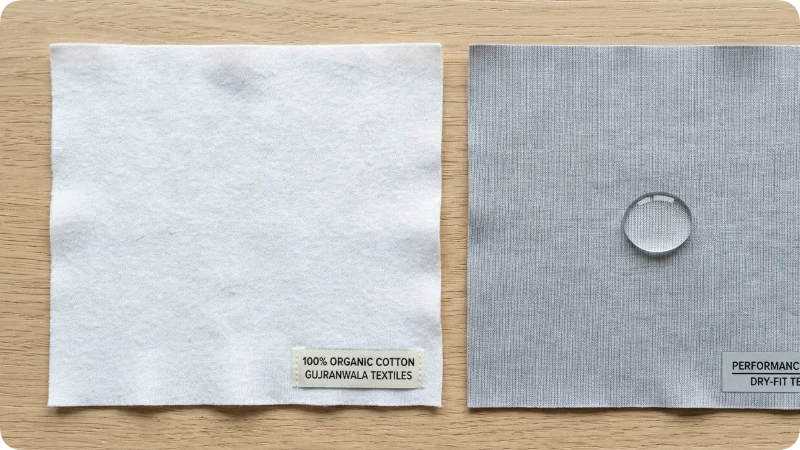
Travel underwear differs from everyday cotton pairs mainly through fabric technology, not cut. It uses moisture wicking synthetic or merino fibers that pull sweat away from skin and release it into the air quickly. Regular cotton, by contrast, absorbs moisture and stays damp for hours, which increases chafing risk on long travel days.
Cotton also holds onto bacteria that cause odor, which is why a single pair can smell after one hot day. Travel specific fabrics are treated or naturally resistant to that bacteria buildup, so a pair can often be worn twice between washes without becoming unpleasant. This matters most on multi day train rides, long haul flights, or backcountry trips where laundry access is limited.
Features Worth Paying For
You don’t need every premium feature. Focus on the ones that affect comfort during your specific trip.
Worth prioritizing:
- Moisture-wicking fabric
- Quick drying
- Flat seams
- Comfortable waistband
- Four-way stretch
- Odor resistance for long trips
- Durable elastic
- Low-bulk construction
Nice but not essential:
- Antimicrobial treatment
- Special odor-control finishes
- Extra compression
- Luxury packaging
How to Choose Travel Underwear for Your Trip
Travel underwear should match your itinerary rather than simply having the highest price tag. A pair that works perfectly for a cool city break may feel too warm during a humid beach vacation, while ultralight synthetic underwear may be less appealing for a cold-weather hiking trip.
Start with the climate. Merino wool is useful for cool and changing conditions because it helps regulate temperature and can resist odors. Lightweight nylon and polyester blends are usually better when fast drying is your top priority, especially if you plan to wash underwear in a hotel sink.
Next, consider activity level. Long flights and sightseeing days call for soft waistbands, flat seams, and breathable fabric. Hiking requires better moisture management and a secure fit that won’t bunch during movement.
Finally, think about laundry access. If you’ll have a washer every few days, you can pack more conventional underwear. If you’re traveling with only a carry-on or moving between hotels every night, quick-drying underwear becomes much more valuable.
A simple rule works well: choose for climate first, activity second, and packing space third.
Types of Travel Underwear for Women
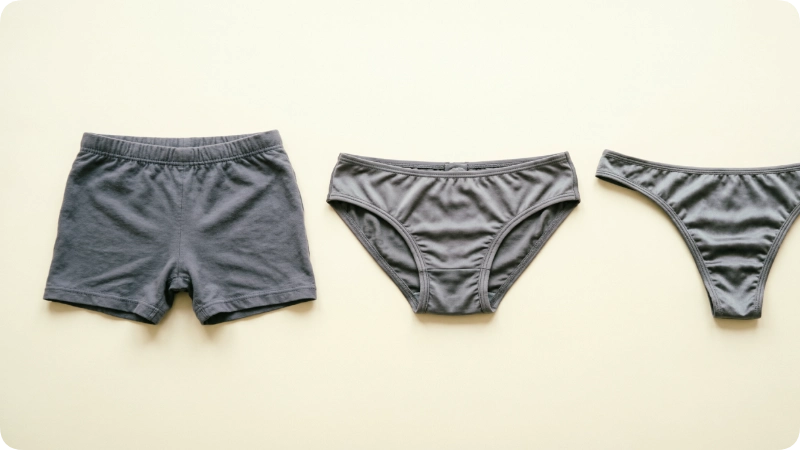
The main styles are briefs, boyshorts, hipsters, and thongs, and each offers different coverage and comfort during movement. Choosing the right cut depends on your itinerary: hiking and long walking days favor seamless boyshorts, while packing efficiency favors thinner, low profile styles.
Boyshorts and Briefs
Boyshorts offer full coverage and reduce chafing between the thighs, making them a strong pick for hiking trails, national park visits, or long days exploring cities on foot. Briefs offer similar coverage with a more traditional cut and tend to pack slightly smaller.
Hipsters and Bikini Cuts
Hipsters sit lower on the waist and work well under low rise travel pants or leggings. They balance coverage and breathability, making them a popular middle ground choice for general sightseeing.
Thongs and Seamless Styles
Thong style travel underwear reduces visible lines under fitted clothing and dries the fastest due to less fabric. They’re popular for travelers prioritizing a minimal, wrinkle free look for dressier destinations or photography heavy trips.
Best Travel Underwear by Trip Type
The best travel underwear depends on what your days actually look like. There is no single style that works equally well for a business trip, beach vacation, and hiking adventure.
| Trip Type | Best Choice | Why |
| Long-haul flights | Seamless briefs or hipsters | Comfortable for extended sitting |
| Business travel | Low-profile briefs or hipsters | Smooth under dress clothing |
| Hiking | Moisture-wicking boyshorts or briefs | Helps manage sweat and reduce rubbing |
| Hot-weather vacation | Lightweight nylon or modal | Breathable and quick drying |
| Cold-weather trip | Merino wool blend | Warmth and odor resistance |
| Backpacking | Quick-dry synthetic | Easy to wash and dry overnight |
| Carry-on-only travel | Ultralight seamless styles | Minimal weight and packing space |
| Beach vacation | Quick-drying synthetic | Handles sweat, humidity, and frequent washing |
For a mixed itinerary, don’t feel like you need five identical pairs. A small combination of styles can be more practical for example, three everyday pairs plus one merino pair for cooler days and one seamless pair for fitted outfits.
How Many Pairs of Travel Underwear to Pack
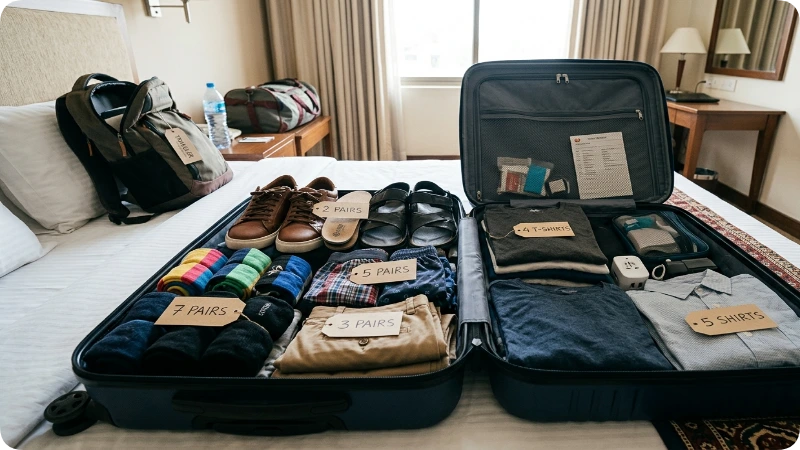
For a 7-day trip with regular laundry access: 3–4 pairs are usually enough.
For a 7–14 day carry-on trip: 4–5 pairs work well if you’re willing to hand wash.
For hiking or backpacking: 3–4 quick-drying pairs can work, but add another pair if you’ll have limited access to water or drying space.
For trips with no laundry access: Pack closer to one pair per day rather than relying entirely on overnight washing.
How to Wash Travel Underwear on the Road
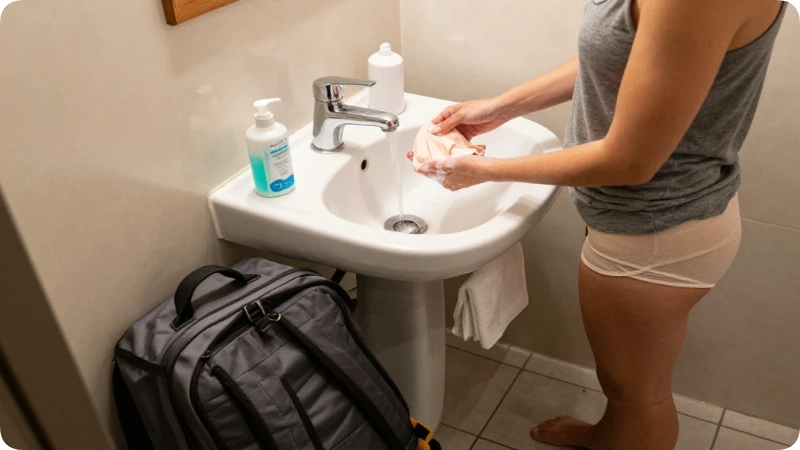
Hand washing travel underwear takes under five minutes and works in almost any hotel or hostel sink. Rinse with cool water, add a small amount of travel size detergent, gently scrub, then rinse thoroughly before wringing out excess water in a towel.
Rolling the damp underwear inside a dry towel and pressing firmly removes most moisture before hanging, cutting dry time significantly. Hanging near an open window, a fan, or a bathroom vent speeds up airflow. Avoid direct sunlight on synthetic fabrics for extended periods, since prolonged UV exposure can weaken elastic over time.
| Washing Method | Approximate Effort | Best For |
| Hotel sink | 5–10 minutes | Quick daily washing |
| Shower rinse | Minimal | Light refresh |
| Towel-roll method | Adds drying efficiency | Humid destinations |
| Hotel laundry | More expensive | Longer trips |
| Laundromat | Moderate | Road trips/backpacking |
Best Travel Underwear for Hot Climates
Lightweight nylon mesh or micro modal blends perform best in hot, humid climates because they prioritize airflow and fast evaporation over warmth retention. These fabrics feel cooler against skin and dry quickly even in high humidity, which matters for destinations like Florida, coastal Texas, or tropical trips abroad.
Look for underwear labeled “breathable mesh panel” or “moisture wicking gusset,” since these features specifically target sweat buildup during hot weather activity. Darker colors also hide sweat marks better than lighter shades on multi day wears.
Best Travel Underwear for Cold Climates
Merino wool blends are the top choice for cold weather travel because the fiber traps warm air close to the body even when slightly damp. This makes it a reliable base layer for winter trips to places like Colorado’s mountain towns or New England in late fall.
Thicker merino weights (around 200 grams per square meter) suit ski trips and alpine hikes, while lighter merino works for milder cold, such as a fall visit to national parks. Avoid pure cotton in cold climates, since damp cotton loses insulating value and can leave you feeling colder.
Best Travel Underwear for Active Travelers and Hiking
Seamless, moisture wicking boyshorts with a wide waistband reduce chafing during long hikes and multi mile walking days. Flat seams prevent rubbing under backpack straps, and a four way stretch fabric moves with the body on uneven terraiBest Travel Underwear for Women: The Ultimate Packing Guide
Travel underwear for women is lightweight, quick drying underwear made from moisture wicking fabrics like merino wool or nylon blends. It resists odor, dries overnight, and stays comfortable through long flights, hikes, or hot climates. Most travelers pack 3–5 pairs instead of a full week’s supply, since these styles can be hand washed and reused quickly.
Long flights, sweaty hikes, and hostel sinks all have one thing in common: they test your underwear drawer in ways regular cotton just can’t handle. Packing the wrong kind means damp fabric, chafing, and a suitcase that never seems to dry out. The right travel underwear for women solves all of that with fabrics built to wick sweat, resist odor, and dry in hours instead of days. This guide breaks down the fabrics, styles, and packing strategies experienced travelers rely on, plus mistakes to avoid before your next trip through a U.S. airport or a multi day backpacking route.
Best Fabrics for Travel Underwear
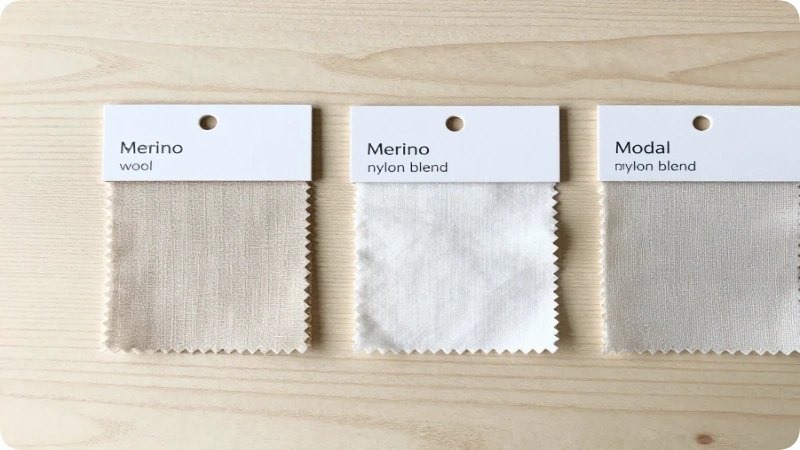
Merino wool and synthetic nylon blends are the two leading fabric choices, each suited to different climates and sensitivities. Merino wool regulates temperature naturally and resists odor for several wears, while nylon spandex blends dry faster and cost less.
Merino wool works well in variable or cold climates because it keeps skin warm when damp and cool when active. It naturally resists bacteria, so odor builds up slowly even after sweaty hikes. The main downside is a higher price point, often $25–$35 per pair, and a slightly longer dry time than synthetics.
Nylon and polyester blends dry the fastest, often within two to three hours of hand washing, which makes them ideal for travelers who wash nightly in a hotel sink. They’re also more affordable, typically $12–$20 per pair, though some travelers find synthetic fabric less breathable in humid heat.
Modal and bamboo blends sit in between, offering a soft, cotton-like feel with better moisture control than pure cotton. They suit travelers who want comfort for everyday city sightseeing rather than intense physical activity.
| Fabric | Best For | Main Advantage | Main Drawback |
| Merino wool | Cold/changing climates | Odor resistance and temperature regulation | Higher price |
| Nylon | Hiking and active travel | Fast drying and durable | Can feel less breathable in humidity |
| Polyester | Budget travel | Lightweight and quick drying | Odor can build up faster |
| Modal | Everyday sightseeing | Soft, comfortable feel | Usually less suited to heavy activity |
| Bamboo blends | Casual travel | Soft hand feel | Drying performance varies by blend |
Anti Chafing and Comfort Features to Look For
Flat locked seams, breathable gussets, and a wide, non digging waistband are the three features that matter most for all day comfort. Seams that lie flat against skin, rather than raised stitching, are the biggest factor in preventing chafing during long walking or flying days.
A cotton or bamboo gusset lining (even on synthetic underwear) adds breathability in the most sensitive area, reducing irritation risk on multi hour flights. Waistbands that are wide and soft, rather than thin elastic, prevent the red marks and digging that can happen after sitting for long stretches on a plane or bus.
What to Look For
- Flat-lock or bonded seams
- Soft, wide waistband
- Breathable gusset
- Four-way stretch
- No bulky tags
- Secure leg openings
- Fabric that stays in place during movement
For hiking, fit matters as much as fabric. Underwear that rides up or bunches can create friction even when the material itself is moisture wicking.
For long flights, prioritize a waistband that doesn’t dig into the skin when sitting for several hours. A comfortable pair on a two-hour flight may feel very different after eight or ten hours.
Budget vs Premium Travel Underwear: What’s Worth It
Budget pairs ($12–$18) generally perform well for short trips or infrequent travelers, while premium merino options ($25–$35) pay off for frequent flyers or long term backpackers. The main difference is fabric longevity premium merino holds its shape and odor resistance through hundreds of washes, while budget synthetics may thin out after a year of regular use.
For a once a year vacation, budget synthetic blends are usually sufficient and a smart money saving choice. For travelers on the road several times a year or on extended trips, the higher upfront cost of merino often balances out through fewer replacements.
Common Packing Mistakes With Travel Underwear
Three mistakes show up repeatedly among first time travelers: packing all cotton underwear, bringing too many pairs, and skipping a test wash before the trip. Each is easy to fix with a little planning.
- Packing only cotton Fix: bring at least two to three moisture wicking pairs, even if the rest of the trip wardrobe is cotton based.
- Overpacking “just in case” Fix: stick to 3–5 pairs and rely on hand washing rather than hauling a week’s supply.
- Never test washing before the trip Fix: hand wash a new pair once at home first, since some fabrics take longer to dry than expected and it’s better to learn that before departure day.
TSA and Airport Packing Tips for Underwear
Underwear, including travel specific styles, is allowed in both carry on and checked luggage with no special restrictions under current TSA guidelines. Rolling underwear instead of folding saves noticeable space and reduces wrinkles in a packing cube.
Because policies can change, travelers should verify current carry on rules directly through the TSA website before departure, especially if packing liquids like travel size detergent for hand washing underwear on the road.
Packing List: Building a Capsule Underwear Wardrobe
A simple capsule underwear wardrobe covers most trip lengths with just three to five versatile pairs matched to climate and activity level. This keeps luggage light while ensuring comfort across different days of a trip.
- 2 pairs moisture wicking boyshorts (everyday wear, hiking, flights)
- 1 pair merino wool briefs (cold mornings, layering)
- 1 pair lightweight nylon hipsters (hot climates, quick dry backup)
- 1 seamless pair (dressier days, fitted clothing)
Sustainable and Eco Friendly Travel Underwear Options
Merino wool is a renewable, biodegradable fiber, making it a more sustainable choice than fully synthetic options over the long term. Some brands also use recycled nylon, which repurposes plastic waste like fishing nets into fabric while still offering quick dry performance.
Travelers focused on sustainability can also extend the life of any pair by hand washing in cold water, air drying instead of machine drying, and avoiding harsh detergents that break down elastic fibers faster.
Buy fewer pairs that you genuinely like, wash them according to the care label, and replace them only when the fabric or elastic is no longer performing well.
FAQs
Is travel underwear worth it for a short trip?
Yes, even a 3 day trip benefits from one or two moisture wicking pairs, since they resist odor and dry faster if a flight gets delayed or plans change unexpectedly. For trips under a week, budget synthetic pairs are usually enough.
How long does travel underwear take to dry?
Most synthetic blends dry in 2–4 hours when hung indoors, while merino wool can take 4–8 hours depending on humidity. Wringing out excess water in a towel first speeds up drying noticeably.
Can you wear travel underwear more than once before washing?
Merino wool can often be worn two to three times before odor builds up, thanks to its natural bacteria resistance. Synthetic blends usually need washing after one wears in hot or active conditions.
What’s the biggest mistake travelers make with underwear packing?
Packing only cotton is the most common mistake, since it stays damp longer and increases chafing risk on long travel days. Mixing in a few moisture wicking pairs solves this easily.
What is the best underwear for a long flight?
Seamless briefs, hipsters, or other low-bulk styles with a soft waistband are usually the most comfortable for long flights. Look for breathable, moisture-wicking fabric and avoid waistbands or seams that dig into the skin when sitting.
Is merino wool better than synthetic underwear for travel?
Neither is best for every trip. Merino is especially useful when odor resistance and temperature regulation matter, while synthetic fabrics usually dry faster and cost less. Choose based on climate, activity, laundry access, and budget.
Is merino wool itchy against sensitive skin?
High quality merino used in travel underwear is typically fine, spun to 17–19 microns, which feels notably softer than traditional wool sweaters. Most sensitive skin travelers find it comfortable, though it’s worth trying one pair before buying multiples.
Do I need different underwear for hiking versus city sightseeing?
It helps, since hiking benefits from seamless, moisture wicking boyshorts to prevent chafing under a backpack, while city days can use lighter, low profile styles. A capsule wardrobe with both types covers most itineraries.
Can travel underwear go in checked luggage or only carry on?
Travel underwear is allowed in both carry on and checked bags with no special TSA restrictions. Packing at least one pair in carry on is a smart backup in case checked luggage is delayed.
Final Takeaways
Choosing the right travel underwear for women comes down to three things: pick moisture wicking fabric over cotton, pack 3–5 versatile pairs instead of a full week’s supply, and match the fabric to your climate merino for cold, nylon for heat. Getting this small detail right pays off on every long flight, sweaty trail, and hostel sink washing session ahead.
A well planned underwear drawer might seem like a small detail in the bigger picture of trip planning, but it’s one of the easiest ways to travel lighter and stay comfortable mile after mile. Before your next trip, take a few minutes to check your current drawer against this guide and swap out anything that won’t hold up on the road.