Wine bags for travel protect bottles from the biggest risks of bringing wine home: impact, crushing, and leaks. Whether you’re flying home from Napa Valley with two bottles or driving through Texas Hill Country with a few tasting-room purchases, the right carrier can keep glass safely separated from the rest of your luggage.
For most travelers, the choice comes down to three options: lightweight inflatable sleeves for one or two bottles, padded totes for road trips and winery visits, or molded foam cases for several bottles in checked luggage. The best choice depends on how many bottles you plan to carry and how much protection they need.
This guide explains how wine travel bags work, which type to choose, TSA and airline considerations, how to pack bottles safely, when shipping is smarter, and what to look for before buying a wine carrier.
| Type | Best For | Capacity | Protection | Portability |
| Inflatable sleeve | 1–2 bottles | 1–2 | Good | Excellent |
| Neoprene tote | Day trips | 1–4 | Moderate | Excellent |
| Foam case | Flying with several bottles | 6–12 | Excellent | Moderate |
| Rigid case | Valuable bottles | 1–6 | Maximum | Low |
Why Wine Bags Matter for Every U.S. Traveler
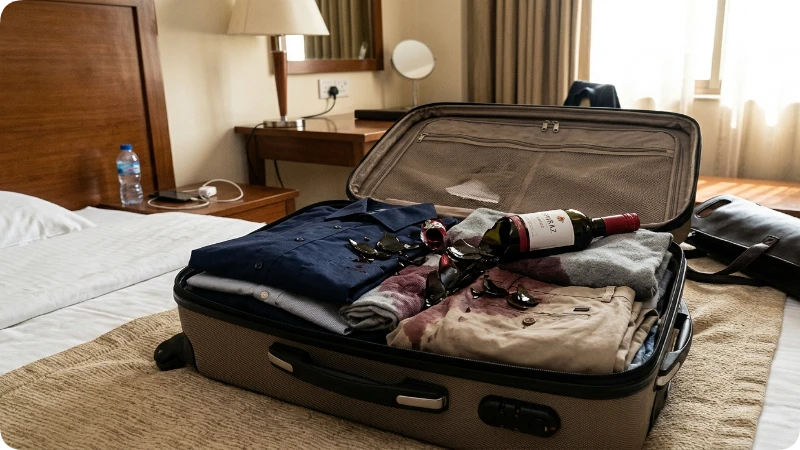
A cracked bottle inside a suitcase can ruin clothes, soak electronics, and cost you the souvenir you traveled for. Wine bags solve this with rigid or padded walls that absorb shocks from baggage handlers, turbulence, and car trunks. Napa Valley, Sonoma County, the Finger Lakes, and Texas Hill Country all report thousands of visitors each year who fly home with bottles purchased on site, making protective packing a real travel need, not a luxury.
Wine tourism has grown steadily across U.S. regions, and airlines routinely see checked bags with bottled wine, cider, and spirits. A quality wine travel bag turns a fragile souvenir into a safe one, and it does it without adding significant weight to your luggage allowance.
What Exactly Is a Wine Travel Bag?
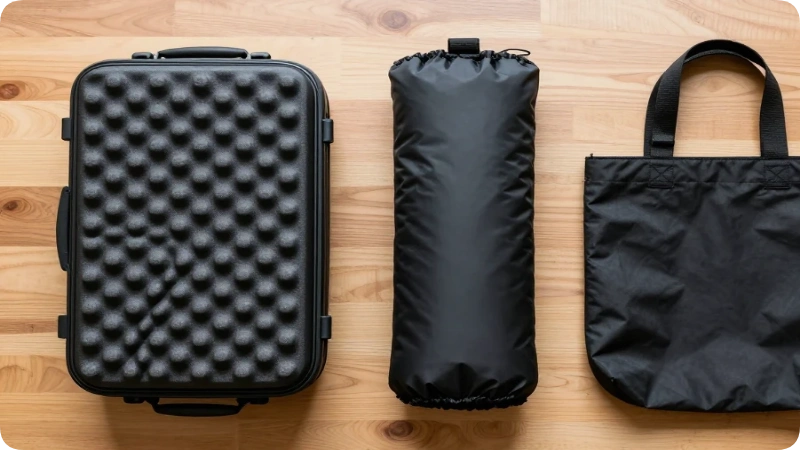
A wine travel bag is a specialized sleeve, tube, or padded pouch designed to cushion glass bottles during transit. Materials range from molded foam and neoprene to inflatable air cell plastic and rigid PVC tubes. Most models fold flat when empty, so they take up almost no space in a suitcase on the way to your destination.
Unlike a plastic grocery bag or bubble wrap, these bags are purpose built with reinforced seams, leak proof liners, and sometimes a hard outer shell. Some double as insulated coolers, keeping wine near cellar temperature for a few hours during transport.
Types of Wine Bags at a Glance
| Type | Best For | Bottles Held | Checked or Carry On |
| Inflatable air cushion sleeve | Occasional flyers, single bottles | 1–2 | Checked bag |
| Molded foam wine suitcase | Frequent wine country visitors | 6–12 | Checked bag only |
| Neoprene sleeve/tote | Picnics, day trips, car travel | 1–4 | Carry on or checked |
| Rigid tube case | Gifting, fragile vintage bottles | 1 | Checked bag |
| Insulated wine tote | Short trips, temperature control | 2–6 | Carry on (if under liquid limits) or car |
Best Wine Bags for Travel by Trip Type
The best wine bag depends on how many bottles you are bringing home, how you are traveling, and how much protection you need. A single-bottle inflatable sleeve is ideal for a casual winery visit, while a molded foam case makes more sense for travelers bringing home several bottles from a wine country trip.
| Traveler or Trip | Best Wine Bag Type | Ideal Capacity | Why It Works |
| One-bottle souvenir | Inflatable sleeve | 1 bottle | Lightweight and easy to pack |
| Two or three bottles | Padded multi-bottle bag | 2–4 bottles | Good balance of protection and space |
| Wine tasting weekend | Neoprene tote | 2–4 bottles | Easy to carry between stops |
| Flying home with a case | Molded foam case | 6–12 bottles | Strong protection against impacts |
| Expensive or collectible wine | Rigid protective case | 1–6 bottles | Maximum crush and impact protection |
| Road trip | Insulated wine tote | 2–6 bottles | Convenient for car travel and temperature control |
For most occasional travelers, an inflatable single-bottle sleeve offers the best combination of low weight, low cost, and suitcase flexibility. If you regularly visit wine regions and return with several bottles, a dedicated foam case is a better long-term investment.
If you are buying wine as a gift, focus more on presentation and bottle protection. For frequent flights, prioritize a sealed, padded design that can handle being placed inside checked luggage without allowing a broken bottle to leak into your clothes.
Can You Bring Wine on a Plane?
Yes, you can generally travel with wine on a U.S. flight, but where you pack it matters. A full-size 750 mL bottle cannot normally go through TSA security in a carry-on bag because it exceeds the standard 3.4-ounce liquid limit. For most travelers, checked luggage is the practical option.
If you are checking wine, place each bottle inside a purpose-built wine travel bag or protective sleeve and surround it with clothing or other soft padding. Keep the bottles away from the suitcase edges, wheels, and hard corners where impacts are more likely.
Wine purchased after the security checkpoint can be carried onto the aircraft under the applicable airport and airline rules. Keep it sealed in the packaging provided by the retailer and retain your receipt.
The important distinction is that TSA determines what can pass through the security checkpoint, while your airline determines additional baggage requirements and restrictions. Always check both before traveling with several bottles.
TSA and Airline Rules for Packing Wine
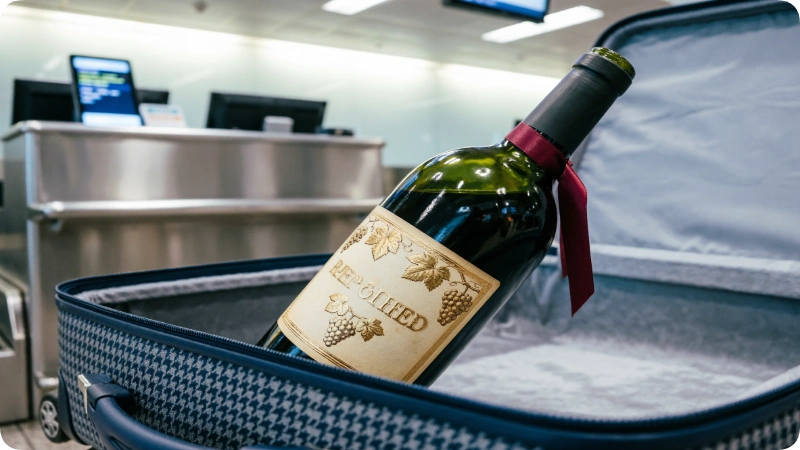
For U.S. travelers, the biggest rule to remember is simple: a full-size bottle of wine cannot normally go through TSA security in a carry-on bag because it exceeds the 3.4-ounce liquid limit. A standard 750 mL bottle should therefore be packed in checked baggage unless it was purchased after the security checkpoint.
Wine bottles are generally permitted in checked luggage, but the rules that apply to alcohol can depend on the beverage’s alcohol content and the airline’s own baggage policy. Ordinary table wine is usually well below the alcohol concentration covered by the FAA’s special 24%–70% ABV hazardous-material restriction, but travelers should still check their airline’s current policy before packing several bottles.
A wine bag does not change the liquid rules. It protects the bottle; it does not make a full-size bottle eligible for carry-on screening.
Before You Fly With Wine
Check these four things before leaving the winery:
- TSA carry-on rules: A full-size wine bottle cannot normally pass through the standard carry-on liquid screening.
- Checked baggage rules: Confirm that your airline permits the amount and type of alcohol you plan to pack.
- Bag weight: Several bottles can add significant weight and may push your suitcase over its checked-bag allowance.
- Destination rules: State, international, and customs requirements can apply separately from airport security rules.
If you purchase wine after passing through security at an airport, different carry-on rules can apply to that purchase, but travelers should keep the bottle sealed and retain the receipt and packaging provided by the retailer.
Always verify the current rules with TSA, your airline, and the relevant customs or alcohol authority before departure.
How to Pack a Wine Bottle for Checked Luggage
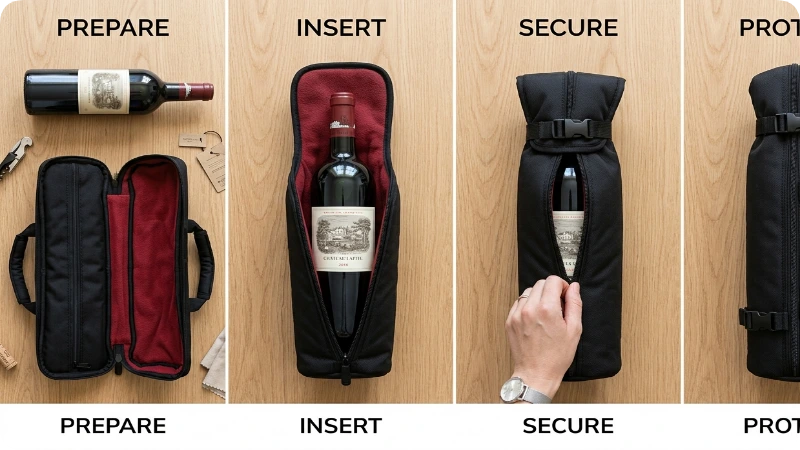
Packing wine correctly prevents the two most common failures: bottle breakage and leaking labels or corks. Following a simple sequence protects both the glass and everything around it in your suitcase.
- Wrap the bottle in the wine bag’s padded sleeve or inflate the air cushion chamber around it.
- Seal the bag completely, checking zippers or air valves for leaks.
- Place it upright at the center of your suitcase, surrounded by soft clothing.
- Add a plastic liner or dry cleaning bag underneath as backup leak protection.
- Cushion the sides with rolled clothes so the bottle can’t shift during handling.
- Weigh the suitcase to confirm you’re within your airline’s checked bag limit.
Best Materials for Wine Travel Bags
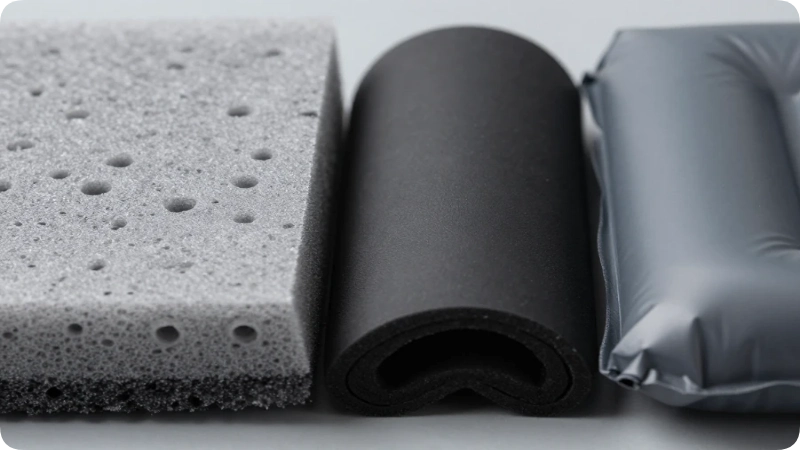
The material matters because wine bottles are vulnerable to impact, crushing, leaks, and temperature changes. There is no single best material for every traveler; the right choice depends on how much wine you carry and how much protection you need.
| Material | Protection | Weight | Best For |
| Molded foam | Excellent | Medium | Frequent flyers and multiple bottles |
| Inflatable air cells | Very good | Very light | One or two bottles |
| Neoprene | Moderate | Light | Road trips and winery visits |
| Rigid plastic | Excellent | Heavy | Valuable or fragile bottles |
| Insulated fabric | Moderate | Medium | Short trips and temperature control |
Foam is the strongest all-around choice for checked luggage because it surrounds the bottle and absorbs impacts from multiple directions. It makes the most sense when you are carrying several bottles or wine that would be expensive to replace.
Inflatable sleeves are better for occasional travelers. They pack almost flat when empty and provide surprisingly good protection without taking up much suitcase space.
Neoprene works well for winery tours and road trips because it is flexible, reusable, and easy to carry. It is less protective than molded foam when a suitcase is dropped or crushed.
Rigid cases provide the highest level of physical protection but add weight and bulk. They are best reserved for valuable bottles, collectors, or travelers who regularly transport wine.
For most travelers flying home with one or two bottles, an inflatable sleeve is the best balance. For six or more bottles, molded foam is usually the safer choice.
What Size Wine Bag Do You Need?
Choose your wine bag based on the number of bottles you realistically expect to bring home rather than the maximum capacity listed by the manufacturer.
For a single winery purchase, a one-bottle sleeve is usually enough. If you expect to visit several tasting rooms, a two- or four-bottle bag gives you room to collect bottles without carrying a bulky case.
Travelers planning to buy a full case should skip small sleeves and choose a purpose-built six- to twelve-bottle foam case. These cases keep bottles separated so one broken bottle is less likely to damage the others.
Remember that bottle shapes vary. Standard 750 mL Bordeaux-style bottles fit many wine bags, but Burgundy bottles, sparkling wine bottles, and larger-format bottles can be wider. Check the bag’s internal dimensions rather than relying only on its stated bottle count.
If you are unsure, buy slightly more capacity than you need. A bag that holds four bottles comfortably is safer than forcing three oversized bottles into a tightly packed three-bottle sleeve.
Single Bottle vs. Multi Bottle Bags: Which to Choose
Choosing between a single bottle sleeve and a multi bottle case depends on how much wine you’re bringing home and how often you travel with it. A quick comparison makes the decision easier.
| Factor | Single Bottle Bag | Multi Bottle Case (6–12) |
| Best for | Occasional buyers, gifts | Wine country trips, case purchases |
| Packing space | Minimal | Takes up most of a checked bag |
| Reusability | High, folds flat | High, but bulkier to store |
| Price range | Budget friendly | Higher upfront cost |
| Protection level | Good for 1–2 bottles | Excellent, built for volume |
Wine Bag vs. Shipping Wine Home: Which Is Better?
Carrying wine home in checked luggage is convenient for a few bottles, but shipping can make more sense when the quantity or value increases.
| Situation | Better Option |
| 1–2 bottles | Wine travel bag |
| 3–5 bottles | Wine bag or compare shipping |
| 6–12 bottles | Compare a foam case with winery shipping |
| Expensive or rare wine | Professional shipping |
| Same-day road trip | Insulated wine tote |
| International return | Check customs rules first |
A wine bag gives you immediate control over the bottles and avoids waiting for delivery. It is particularly convenient when you are already checking a suitcase.
Shipping becomes more attractive when you are buying a case. A winery may already have professional packaging and established shipping procedures, which can reduce the risk of carrying a heavy case through an airport.
Before choosing, compare the shipping price with the cost of an additional checked bag, potential overweight fees, and the value of your time. For several bottles, the cheapest option is not always the one with the lowest sticker price.
Best U.S. Wine Regions for Bringing Bottles Home
Wine bags become especially useful when a trip includes several tasting rooms because it is easy to leave with more bottles than originally planned.
Napa Valley and Sonoma County, California: These are ideal destinations for a multi-bottle wine bag because travelers can visit several wineries in one trip. If you expect to buy six or more bottles, ask wineries about direct shipping before committing to carrying everything through the airport.
Finger Lakes, New York: The wineries around Seneca and Cayuga lakes make the region well suited to a tasting-road-trip format. A smaller two- to four-bottle carrier works well for travelers who plan to make several stops but do not want to transport a full case.
Walla Walla Valley, Washington: A compact padded wine bag is useful for travelers buying a few bottles from tasting rooms. For larger purchases, compare winery shipping options with the cost and weight of checking a dedicated wine case.
Texas Hill Country: Winery visits around Fredericksburg are popular with road trippers, so an insulated or padded wine tote can be more practical than a flight-focused foam suitcase.
The general rule is simple: road trip plus a few bottles = reusable tote; flight plus several bottles = structured protective case.
Insider Tips for Packing Wine Like a Pro
- Buy your wine bag before the trip, not at the winery gift shop, since selection and pricing are usually better online or at outdoor retailers.
- Ask tasting rooms about shipping for six or more bottles; many wineries ship directly to U.S. addresses, which can be cheaper than checked bag fees for heavy loads.
- Freeze a small ice pack next to insulated wine totes if you’re driving home same day in hot weather.
- Keep receipts for wine purchases in case of customs questions on international return flights.
- Pack wine bags in the center of your suitcase, never against the hard shell or wheels, where impact is heaviest.
Smart Ways to Protect Wine When You Don’t Have a Wine Bag
A dedicated wine bag is the safest option, but travelers sometimes need a backup solution after buying an unexpected bottle at a winery.
Start with the winery’s original shipping box whenever possible. Many wineries have sturdy bottle boxes with molded dividers designed specifically for glass bottles. These are generally a better emergency solution than loose clothing or a thin shopping bag.
For a single bottle, wrap it in several layers of thick clothing and place it inside a sealed plastic bag as a secondary leak barrier. Position the bottle in the center of the suitcase with soft items surrounding it on every side.
A small insulated cooler can also work well for road trips, particularly when temperature is a concern. However, improvised methods should be treated as backups rather than replacements for a purpose-built protective wine carrier when checking valuable bottles on a flight.
If the wine is expensive, rare, or difficult to replace, shipping it through a winery’s established service may be a safer option than improvising protection in a suitcase.
Common Mistakes Travelers Make (and How to Avoid Them)
Packing a bottle horizontally instead of upright increases the chance of cork seepage during pressure changes in the cargo hold, so always position bottles vertically. Skipping a backup plastic liner is a frequent error, since even a well padded bag can develop a small leak that soaks nearby clothing without a secondary barrier. Overpacking a multi bottle case near the maximum checked bag weight limit often triggers overweight fees, so weigh your bag before heading to the airport rather than at the check in counter.
Alternatives to Carrying Wine Bags Yourself
Shipping is often the most practical alternative for six or more bottles, since many wineries partner with carriers for direct to home delivery, avoiding both breakage risk and checked bag fees. Local wine shops near your destination sometimes offer comparable bottles, letting you skip transport altogether. For road trips, a standard insulated cooler with towel padding works as a free substitute for a dedicated wine bag, though it offers less structured protection.
Budget Breakdown: What to Expect to Spend
Basic inflatable single bottle sleeves are typically the most affordable option and work well for infrequent travelers. Neoprene totes sit in the mid range and offer reusability across many trips. Molded foam multi bottle cases cost more upfront but pay off quickly for anyone visiting wine country more than once a year, since they replace repeated shipping fees. Prices vary by retailer and change often, so compare current listings before buying.
Sample Packing Scenario: A Weekend Wine Country Trip
A traveler flying into Sonoma County for a two day weekend, planning to visit three wineries, typically buys one to three bottles per stop. In this scenario, a compact single or dual bottle inflatable sleeve packed inside the checked bag handles the load without eating into luggage space needed for clothing. For anyone planning to buy a full case, switching to a dedicated foam wine suitcase, checked separately, protects the investment and avoids overloading a single bag past airline weight limits.
Safety and Legal Notes
Wine counts as alcohol under TSA and airline policy, so confirm your airline’s specific limit on liters per passenger before departure, since policies can differ between carriers. International travelers re entering the U.S. should check current U.S. Customs and Border Protection alcohol allowances, as duty free limits vary by state and trip length. Always verify current rules directly with the TSA and your airline, since alcohol transport policy is subject to change.
Responsible Travel Reminder
Buying wine directly from small, family run wineries supports local agricultural economies in regions like the Finger Lakes and Texas Hill Country, where tourism revenue often funds land conservation. Choosing reusable wine bags over single use bubble wrap or plastic also cuts down on packing waste generated by wine country visits.
FAQs
Can I pack a bottle of wine in checked luggage?
Yes, full size wine bottles are allowed in checked luggage without a liquid volume limit for personal, non commercial quantities. Airlines typically cap total alcohol at five liters per passenger between 24–70% ABV, and standard wine falls under that percentage.
Can wine go in a carry on bag?
Only in containers of 3.4 ounces or less, per TSA’s standard carry on liquid rule. A full 750ml bottle must go in checked luggage instead.
Do wine bags actually prevent bottles from breaking?
Padded and inflatable wine bags significantly reduce breakage risk by absorbing impact from baggage handling, though no bag guarantees against damage from extreme mishandling. Pairing a wine bag with a center of suitcase placement and soft clothing padding offers the best protection.
How many bottles of wine can I bring home from a winery trip?
This depends on airline alcohol limits (typically five liters total) and any state specific transport restrictions. Check your airline’s policy and your home state’s alcohol regulations before buying a large quantity.
Are wine bags reusable for multiple trips?
Most neoprene, foam, and rigid case wine bags are designed for repeated use and fold or stack flat for storage between trips. Inflatable sleeves are also reusable as long as the air seal remains intact.
What is the best wine bag for flying?
For flying with one or two bottles, an inflatable wine sleeve offers a good combination of low weight and impact protection. Travelers carrying several bottles should consider a molded foam wine case with individual bottle compartments. For expensive or rare bottles, a rigid protective case or professional shipping service may be a better choice.
How do you pack wine in a suitcase without breaking it?
Place each bottle inside a purpose-built wine sleeve or protective case, seal it completely, and position it in the center of the suitcase. Surround the carrier with soft clothing so it cannot move freely during baggage handling. Add a secondary leak-proof plastic layer for extra protection in case a bottle breaks.
Can I bring wine home from Napa on a plane?
Yes. Travelers can generally bring wine home from Napa on a domestic U.S. flight, but full-size bottles should normally be packed in checked luggage because they exceed the TSA carry-on liquid limit. Check your airline’s current alcohol and baggage policies before flying, especially if you are bringing several bottles.
Should wine bottles be packed upright or sideways in luggage?
The most important factor is preventing movement and protecting the glass from impacts. Positioning bottles securely inside a purpose-built wine carrier matters more than relying on a particular orientation. Follow the instructions supplied with your protective carrier, and keep bottles away from the hard edges and corners of the suitcase.
Is an inflatable wine bag safe for checked luggage?
An inflatable wine sleeve can provide good protection for one or two bottles when properly inflated and sealed. However, no protective bag can guarantee that a bottle will survive severe baggage impacts. For multiple or valuable bottles, a molded foam or rigid case provides a stronger layer of protection.
How many bottles can I put in a wine travel bag?
Capacity varies by design. Single-bottle sleeves are best for one bottle, while larger padded bags may hold two to four bottles. Dedicated foam wine suitcases can hold six, eight, or even twelve bottles. Always check the internal dimensions because bottle shapes vary.
Is it better to ship wine or put it in checked luggage?
For one or two bottles, carrying wine in a properly protected checked bag is often convenient. For a full case or expensive bottles, compare winery shipping with the cost and weight of checking a dedicated wine case. Shipping can also reduce the amount of luggage you need to manage at the airport.
Can wine bottles break from airplane pressure?
Modern commercial aircraft are pressurized, so ordinary wine bottles are not typically at risk simply because of cabin pressure changes. The greater concern during air travel is physical impact and rough baggage handling. Proper cushioning and a sealed protective carrier are therefore more important than pressure protection alone.
What’s the difference between a wine bag and just using bubble wrap?
Wine bags offer structured, form-fitted padding and often include leak proof liners, while bubble wrap alone can shift during transit and lacks a sealed barrier against spills. A dedicated bag is generally more reliable for checked bag travel.
Is it cheaper to ship wine home instead of carrying it?
For six or more bottles, shipping directly from a winery can be cheaper than checked bag fees and eliminates breakage risk entirely. For one or two bottles, a wine travel bag is usually the more economical choice.
Final Thoughts: Pack Smart, Travel Confident
Choosing the right wine bag comes down to three things: how many bottles you’re bringing home, how you’re traveling, and how much protection you actually need. A single inflatable sleeve covers most casual souvenir trips, while a foam multi bottle case earns its keep on repeat visits to wine country. Whichever you choose, packing wine correctly means one less thing to worry about between the tasting room and your front door.
Before your next wine country trip, check your airline’s current alcohol policy, pick a bag suited to your bottle count, and pack it at the center of your suitcase for maximum protection. A little preparation now means you’ll be uncorking that souvenir bottle at home instead of mopping it out of your suitcase.

Gordon Ramsay is a travel writer and destination researcher who helps U.S. travelers plan smarter trips, covering destinations, seasonal trends, budgets, and logistics to help readers decide where—and when—to go.
Rather than simply listing popular places, Gordon Ramsay focuses on what travelers actually need: comparing weather against crowds, weighing costs and accessibility, and researching current conditions alongside official tourism guidance—delivering honest, practical advice without the hype.