
Quebec City is one of the easiest places in Canada for U.S. travelers to experience French Canadian culture, historic architecture, and a European-style Old Town without crossing the Atlantic. The city’s walled Old Quebec, cobblestone streets, Château Frontenac, and St. Lawrence River views make it especially appealing for a 3- or 4-day trip.
The best time to visit depends on the experience you want. June through September brings warmer weather, outdoor dining, festivals, and easier walking conditions, while December through February transforms the city with snow, winter activities, and seasonal events.
This Quebec City travel guide covers the practical details U.S. visitors need before leaving home, including how to get there, passport and border requirements, the best neighborhoods to stay in, transportation, costs, top attractions, food, seasonal packing, safety, and a sample 3-day itinerary.
Why Quebec City Is a Good Trip for U.S. Travelers
Quebec City is a convenient choice for Americans who want an international trip without committing to a long-haul vacation. Depending on where you live, you can reach the city by air, car, or a combination of flight and rail.
The compact historic center is another advantage. First-time visitors can spend several days exploring Old Quebec on foot, then add a nearby excursion such as Montmorency Falls or Île d’Orléans.
The cultural experience is also distinct. French is the primary language, Canadian dollars are used for everyday purchases, and local food traditions include poutine, tourtière, maple products, and French-influenced cuisine.
For a short vacation, that combination makes Quebec City particularly easy to build around a long weekend or a 3- to 4-day itinerary.
Quick Facts About Quebec City
Quebec City is the capital of Quebec province and one of the oldest European settlements in North America, founded in 1608. It’s the only walled city north of Mexico in North America, and its historic core, Old Quebec, is a UNESCO World Heritage Site.
| Fact | What travelers should know |
| Province | Quebec, Canada |
| Language | French is primary; English is common in tourist areas |
| Currency | Canadian dollar (CAD) |
| Time zone | Eastern Time |
| Main airport | Québec City Jean Lesage International Airport (YQB) |
| Ideal first visit | 3–4 days |
| Historic core | Old Quebec |
| Best for | History, food, architecture, festivals, winter travel |
Best Time to Visit Quebec City
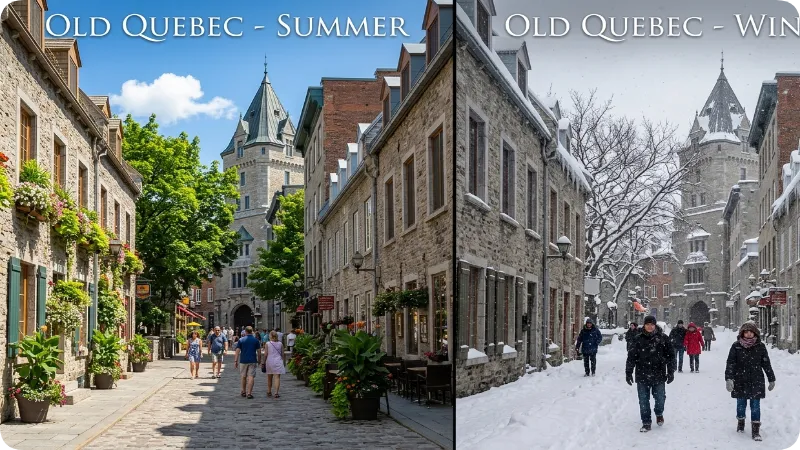
The best time to visit Quebec City depends on whether you want mild weather, fall colors, or a classic snowy winter experience.
June through August is the easiest period for first-time visitors. Days are long, temperatures are generally comfortable for walking, patios and outdoor attractions are active, and the city hosts major summer events. The tradeoff is higher demand for hotels and more visitors.
September and October are excellent choices if you prefer cooler weather and fewer summer crowds. Early fall can offer pleasant walking conditions, while October brings colorful foliage, although exact timing varies from year to year.
December through February is the season to choose if snow is part of the appeal. Old Quebec becomes especially atmospheric with winter decorations, seasonal markets, skating, and other cold-weather activities. Pack seriously for the weather, because winter conditions can make walking more demanding.
April and May can offer lower rates and fewer tourists, but spring is a transition period. Snow may still be melting, weather can change quickly, and some seasonal attractions may not yet be operating at full capacity.
For a first visit focused on sightseeing, June through September is the easiest overall choice. For a snowy, festive trip, choose December through February and plan around the cold.
Seasonal Comparison Table
Each season in Quebec City offers a completely different experience, so choosing the right one matters as much as choosing the right neighborhood to stay in. Summer suits travelers who want walking tours and patios, while winter suits those chasing snow activities and holiday markets.
| Season | Weather | Pros | Cons |
| Summer | Warm, 65–80°F | Festivals, patios, long days | Crowds, higher hotel rates |
| Fall | Cool, colorful foliage | Fewer tourists, scenic views | Shorter days, unpredictable rain |
| Winter | Cold, snowy, 10–25°F | Winter Carnival, ice hotels, holiday charm | Extreme cold, limited outdoor hours |
| Spring | Mild, thawing | Lower prices, blooming parks | Slushy streets, some attractions closed |
Quebec City by Month: When Should You Go?
| Month | What to Expect | Best For |
| January | Cold, snowy, winter activities | Snow lovers |
| February | Winter conditions and seasonal events | Winter trips |
| March | Cold with changing conditions | Lower-season travel |
| April | Spring thaw and variable weather | Budget travelers |
| May | Milder weather, fewer crowds | Shoulder season |
| June | Warm weather and long days | First-time visitors |
| July | Peak summer activity | Festivals and outdoor dining |
| August | Warm, busy, lively | Summer vacations |
| September | Cooler weather and fewer crowds | Sightseeing |
| October | Fall colors and crisp weather | Foliage trips |
| November | Quiet, colder, transitional | Travelers seeking lower demand |
| December | Snow, decorations, festive atmosphere | Holiday trips |
How to Get to Quebec City From the USA
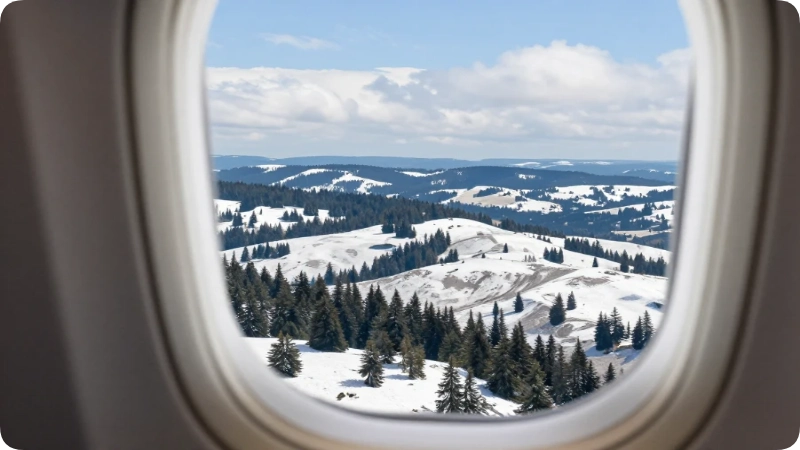
U.S. travelers can reach Quebec City by plane, car, or by combining air travel with rail.
Flying: Québec City Jean Lesage International Airport (YQB) is the city’s main airport. Depending on your departure city and travel dates, you may find a nonstop option or need to connect through another Canadian or U.S. gateway.
Driving: Driving is particularly practical for travelers from parts of New England and the Northeast. Routes commonly pass through Vermont or New York before crossing into Canada. Allow extra time for traffic, weather, and border procedures rather than relying on a fixed driving time.
Flying to Montreal and continuing by train or car: Montreal can provide additional flight choices. From Montreal, travelers can continue to Quebec City by train, rental car, bus, or another domestic connection.
Before traveling, check current border requirements, airline schedules, and road conditions. Winter driving can take considerably longer than the same route in summer.
Do U.S. Citizens Need a Passport for Quebec City?
Yes. U.S. citizens traveling to Canada should carry the appropriate valid travel document for their method of entry. Requirements can differ depending on whether you are flying, driving, or using another form of transportation.
For air travel, U.S. travelers should confirm current passport and airline requirements before departure. Travelers crossing the land border should also check the latest requirements before leaving, particularly if traveling with children or with documents other than a standard passport.
Border officers may ask about the purpose and length of your trip, so keep your travel information accessible. If you are driving, make sure your vehicle documents and insurance coverage are appropriate for travel in Canada.
Because entry requirements can change, verify the current rules through official U.S. and Canadian government sources before your trip.
How to Get Around Quebec City
You do not need a car for most first-time Quebec City trips. Old Quebec, Petit Champlain, Dufferin Terrace, and several major attractions can be explored on foot.
Walking: This is the best option within the historic core. Be prepared for steep sections, stairs, and uneven or cobblestone surfaces.
Public transportation: Local buses are useful when traveling beyond the Old Town and downtown areas. Check the current transit network and fares before your trip.
Taxi or rideshare: These can be useful when carrying luggage, traveling late, or reaching attractions outside the most walkable areas.
Funicular: The funicular connects the Upper and Lower Town areas and can save time and effort on the steep route between them.
Rental car: A car is usually unnecessary for an Old Quebec stay but becomes more useful if you plan to explore Montmorency Falls, Île d’Orléans, or other areas outside the city.
For a 3-day first visit centered on Old Quebec, staying central and walking is usually the simplest approach.
Best Areas to Stay in Quebec City
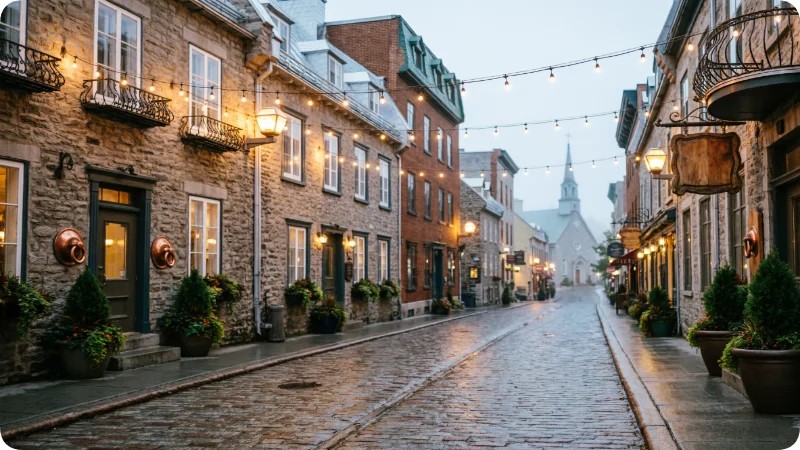
Where you stay can change the feel of your trip. First-time visitors who want to walk to major sights should prioritize Old Quebec, while travelers looking for a quieter neighborhood may prefer Montcalm or Saint-Jean-Baptiste.
Old Quebec: Best for first-time visitors who want historic architecture, restaurants, shopping, and major landmarks nearby. It is the most convenient choice for a short sightseeing trip.
Petit Champlain and Lower Town: Best for travelers who want a romantic atmosphere, boutique shops, cafés, and beautiful historic surroundings. Expect hills and stairs in some areas.
Saint-Jean-Baptiste: A good choice for travelers who want restaurants, cafés, and a more local neighborhood feel while remaining close to Old Quebec.
Montcalm: Best for a quieter stay near the Plains of Abraham, with easy access to museums, parks, and restaurants.
If you only have three days, staying within walking distance of Old Quebec can save significant time compared with staying farther outside the center.
What Does a Trip to Quebec City Cost?
The cost of a Quebec City trip depends heavily on the season, hotel location, and travel style. Summer and major winter events can increase accommodation demand, while shoulder-season dates may offer better value.
For budgeting purposes, separate your expenses into five categories: accommodation, food, transportation, attractions, and shopping or extras.
Accommodation: Old Quebec hotels generally cost more because of their location and historic character. Staying outside the walled city can provide more choices at different price points.
Food: You can keep costs down with bakeries, cafés, casual restaurants, and food halls, or spend considerably more at fine-dining restaurants.
Transportation: A central hotel can reduce transportation costs because many attractions are walkable. Add more to the budget if you plan several excursions outside the city.
Attractions: Some attractions are free or inexpensive, while museums, guided tours, cable cars, and special events add to the daily budget.
Taxes and tipping: Canadian prices may not always reflect the final amount you pay. Check whether taxes are included and budget for restaurant tipping where appropriate.
For U.S. travelers, remember that the Canadian dollar and U.S. dollar are different currencies. Check the current exchange rate before building your final trip budget.
Top Attractions in Quebec City
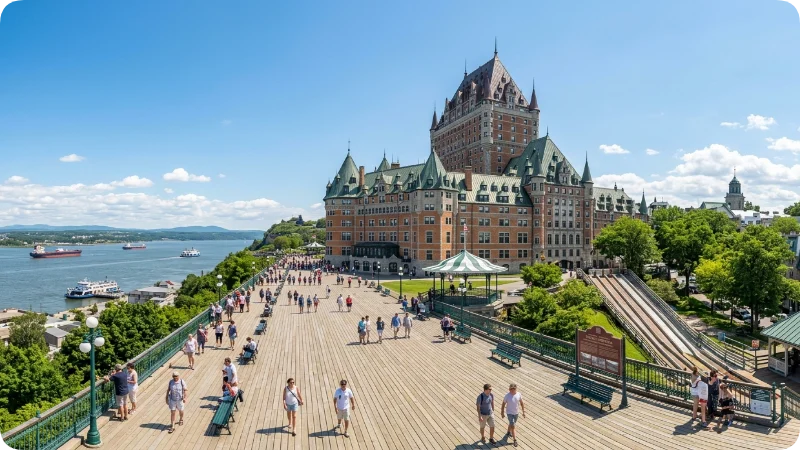
Château Frontenac, the Plains of Abraham, and Petit Champlain Street are the three attractions most visitors prioritize, and for good reason. Each offers a different side of the city: grand architecture, open green space, and pedestrian friendly shopping and dining.
Château Frontenac
This iconic hotel dominates the skyline and is one of the most photographed buildings in Canada. You don’t need to stay overnight to admire it the surrounding boardwalk, Dufferin Terrace, offers sweeping views of the St. Lawrence River.
Plains of Abraham
This historic battlefield is now a massive urban park, ideal for picnics, walking, and winter sledding. It hosts major summer festivals and is a favorite spot for locals to relax.
Petit Champlain
Known as one of the oldest commercial streets in North America, this pedestrian area is filled with boutique shops, cafés, and street performers, especially charming during the holiday season.
Using U.S. Dollars and Credit Cards in Quebec City
Quebec City uses the Canadian dollar (CAD), not the U.S. dollar. Credit and debit cards are widely useful for everyday travel, but travelers should still carry a small amount of Canadian cash for situations where cash is preferred.
When paying by card, check the currency shown on the payment terminal before confirming the transaction. Your bank may also charge foreign transaction or currency-conversion fees.
Instead of assuming that U.S. dollars will be accepted everywhere, use Canadian currency or a card that offers favorable international fees. Check your bank’s policies before leaving the United States.
Less-Touristy Places to Explore in Quebec City
You do not have to leave Quebec City to escape the busiest tourist streets. Walk a few blocks beyond the main attractions and you’ll find quieter residential streets, neighborhood cafés, parks, and historic corners.
Explore Rue Saint-Jean beyond the busiest section of Old Quebec for shops and restaurants with a more everyday feel. The Saint-Jean-Baptiste neighborhood is another good place to experience local dining away from the most photographed parts of the Old Town.
For green space and river views, consider Parc du Bois-de-Coulonge, particularly if you have already seen the major Old Quebec landmarks.
You can also spend time exploring smaller streets around Place Royale and the Lower Town early in the morning, when the atmosphere is calmer and the historic architecture is easier to appreciate without the busiest crowds.
Best Things to See in Old Quebec
Old Quebec is where most first-time visitors spend the majority of their sightseeing time. Rather than rushing from landmark to landmark, allow yourself time to wander the streets between major stops.
Start around Château Frontenac and Dufferin Terrace, where you can admire the city’s most recognizable architecture and views over the St. Lawrence River.
Continue through Petit Champlain and Place Royale to experience the Lower Town’s historic streets, shops, cafés, and architecture.
The fortifications and historic gates offer another perspective on the city’s military history, while the Plains of Abraham provide open space and a break from the narrow streets of Old Quebec.
For rainy days or travelers interested in history and culture, the Musée de la Civilisation is a useful addition to the itinerary.
If you have an extra half or full day, leave the historic center for Montmorency Falls or Île d’Orléans.
Things to Do in Quebec City
Quebec City blends history, outdoor activity, and culture, so there’s something for nearly every type of traveler. Beyond sightseeing, the city offers hands on experiences that go deeper than a typical walking tour.
- Walk the historic ramparts surrounding Old Quebec, one of the few intact fortified walls in North America.
- Visit Montmorency Falls, which stands taller than Niagara Falls, just a short drive from downtown.
- Explore the Museum of Civilization for exhibits on Quebec’s history and Indigenous cultures.
- Take a food tour through Old Town to sample local specialties like poutine and tourtière.
- In winter, try ice skating on Dufferin Terrace or visit the Hôtel de Glace (Ice Hotel).
What to Eat in Quebec City

Food is one of the easiest ways to experience Quebec culture. You can find everything from casual cafés and bakeries to traditional Quebecois restaurants and modern French-inspired dining.
Poutine is the obvious first choice for many visitors: fries topped with cheese curds and gravy. Try it as a casual meal rather than expecting it to be a refined dish.
Tourtière, a savory meat pie traditionally associated with Quebec, is another local specialty worth seeking out.
For breakfast or a snack, visit a bakery or café for pastries, bread, coffee, and other French-influenced treats. Maple products are also common, especially in desserts and seasonal specialties.
If you want a more traditional meal, look for restaurants serving Quebecois cuisine rather than limiting your dining plans to international restaurants in Old Quebec.
For popular restaurants, reservations are especially useful during summer weekends, holidays, and major events.
Culture & Etiquette Tips
Quebec City is proudly French speaking, so a little effort with the language goes a long way in how visitors are received. Learning a few basic French phrases like “bonjour” (hello) and “merci” (thank you) is appreciated, even though many people in tourist areas speak English.
- Greet with “bonjour” before switching to English. It’s considered polite.
- Tipping in restaurants follows North American norms, generally 15–20%.
- Dress slightly more formal than casual American tourist attire, especially at nicer restaurants.
- Respect quiet hours in residential neighborhoods like Montcalm and Saint Jean Baptiste.
Do You Need to Speak French in Quebec City?
No, you do not need to speak fluent French to visit Quebec City. French is the primary language, but English is commonly understood in many hotels, restaurants, attractions, and other places that regularly serve international visitors.
Still, using a few French greetings can make everyday interactions feel more natural. Start with “bonjour” when entering a shop or restaurant, and use “merci” when thanking someone.
If you need English, politely ask whether the person is comfortable speaking it. A translation app can also help with menus, signs, and conversations outside the main tourist areas.
Learning a few basic phrases is not necessary for survival, but it is an easy way to show respect for the local culture.
Is Quebec City Safe for Tourists?
Quebec City is generally an easy destination for visitors, particularly in the compact tourist areas around Old Quebec. As with any city, travelers should still use normal precautions with phones, wallets, passports, and luggage in crowded areas.
Winter deserves extra attention. Snow, ice, wind, and freezing temperatures can make sidewalks slippery and walking conditions difficult. Wear insulated footwear with good traction and leave extra time when moving around the city.
Keep your passport and important documents secure, especially during travel days. If something goes wrong, know how to contact your hotel, transportation provider, insurer, or relevant local authorities.
Before departure, U.S. travelers should also check the latest government travel information for Canada rather than relying on an old advisory.
Winter Travel Tips for Quebec City
Quebec City’s winter atmosphere is one of its biggest attractions, but cold-weather travel requires more preparation than a summer visit.
Wear insulated, waterproof footwear with good traction because snow and ice can make sidewalks slippery. Dress in multiple warm layers rather than relying on one heavy item, and protect exposed skin when temperatures and wind become severe.
Plan shorter outdoor sightseeing periods and use cafés, museums, shops, and other indoor attractions as warm-up stops. Check weather and transportation conditions before heading out for day trips.
If you’re driving into Quebec during winter, check road conditions before departure and make sure your rental or personal vehicle is properly equipped for the conditions you may encounter.
Packing Advice by Season
What you pack for Quebec City depends heavily on the season, since summer and winter conditions are dramatically different. Layering is the safest strategy year round, since weather can shift quickly near the St. Lawrence River.
- Summer: Light layers, comfortable walking shoes, a light rain jacket.
- Winter: Heavy insulated coat, waterproof boots, thermal layers, gloves, and a warm hat.
- Year round: A crossbody bag for security, a portable phone charger, and a French phrasebook or translation app.
Is Quebec City Good for Families?
Yes, Quebec City can work very well for families, especially if you build the itinerary around shorter sightseeing blocks rather than trying to cover the entire Old Town in one day.
The funicular can save younger children from some of the steep walking between Upper and Lower Town. The Plains of Abraham provides space to slow down, while museums and the aquarium offer indoor options when weather becomes uncomfortable.
Families visiting in winter should plan around cold temperatures and shorter outdoor periods. Warm clothing, waterproof footwear, and regular indoor breaks can make a major difference.
For families with strollers, remember that Old Quebec includes cobblestones, hills, stairs, and narrow streets. Check your accommodation’s access arrangements before booking.
Solo Travel Tips
Quebec City is considered solo traveler friendly due to its walkability, safety, and compact Old Town core. Many cafés and bistros are comfortable for solo dining, and guided walking tours offer an easy way to meet other travelers.
- Stay within or near Old Quebec for easy access to attractions without needing a car.
- Join a group walking tour to combine sightseeing with social interaction.
- Use well lit, populated routes when walking at night, as with any city.
3-Day Quebec City Itinerary for First-Time Visitors
Day 1: Old Quebec and Château Frontenac
Start your trip in Upper Town around Château Frontenac and Dufferin Terrace. Walk through the historic streets, visit the fortifications, and explore the shops and cafés around Old Quebec.
In the afternoon, make your way toward Petit Champlain and Place Royale. Take your time rather than trying to check every attraction off a list.
Finish the day with dinner in Old Quebec and an evening walk through the historic streets.
Day 2: History, Culture, and the Plains of Abraham
Spend the morning exploring the Musée de la Civilisation or another cultural attraction that interests your group.
After lunch, walk toward the Plains of Abraham and explore the surrounding historic area. Continue through Saint-Jean-Baptiste if you want to see more of the city beyond the main tourist streets.
Use the evening for a restaurant reservation or a relaxed neighborhood walk.
Day 3: Montmorency Falls and Île d’Orléans
Set aside the third day for a trip outside the historic center. Combine Montmorency Falls with Île d’Orléans if transportation and weather allow.
Return to Quebec City in the afternoon or early evening and use your final hours for anything you missed in Old Quebec, shopping, or a final dinner.
If you prefer a slower trip, skip one of the excursions and use Day 3 for museums, cafés, and additional Old Quebec exploration.
How Many Days Do You Need in Quebec City?
Three days is enough for a first visit focused on Old Quebec, major landmarks, food, and one nearby excursion.
Four days gives you more breathing room. You can spend an entire day exploring Old Quebec, visit museums and parks at a slower pace, take a full day trip to Montmorency Falls and Île d’Orléans, and still have time for restaurants and neighborhood wandering.
If you’re visiting in winter, an extra day can also help because snow, ice, and weather may slow transportation and outdoor sightseeing.
For most first-time U.S. travelers, 3 to 4 days is a practical length for Quebec City.
Common Quebec City Travel Mistakes to Avoid
Staying too far from Old Quebec: A cheaper hotel can lose its value if you spend extra time and money commuting every day. Compare the total cost and convenience, not just the nightly rate.
Underestimating the hills: Old Quebec is walkable, but it is not flat. Comfortable shoes are essential, and the funicular can save effort when moving between levels.
Planning only for summer: Winter is not simply a colder version of summer. Snow and freezing temperatures change how quickly you can move around and what activities are practical.
Assuming U.S. dollars work everywhere: Quebec City uses Canadian dollars. Check card fees and currency conversion before traveling.
Skipping French greetings: You don’t need to speak French, but starting with “bonjour” is a simple courtesy.
Packing without checking the forecast: Quebec City’s seasonal differences are significant. Check the forecast shortly before leaving and adjust your layers accordingly.
Trying to see everything in three days: A rushed itinerary can make the city feel like a checklist. Leave room for cafés, neighborhood walks, and unplanned stops.
Best Day Trips From Quebec City
Montmorency Falls
Montmorency Falls is the easiest major excursion for a first-time visitor. Its proximity to Quebec City makes it possible to visit without sacrificing an entire day.
Île d’Orléans
Île d’Orléans is a better choice for travelers interested in farms, local food, scenic roads, and countryside. It works particularly well with a rental car or organized tour.
Wendake
Wendake offers an opportunity to learn more about Huron-Wendat culture and history. It can be a meaningful addition for travelers who want cultural experiences beyond the colonial history of Old Quebec.
Which should you choose?
Choose Montmorency Falls if you want an easy nature excursion, Île d’Orléans if food and countryside appeal to you, and Wendake if Indigenous history and culture are a priority.
FAQs About Visiting Quebec City
Is Quebec City worth visiting?
Yes. Quebec City is particularly appealing for travelers interested in historic architecture, French Canadian culture, food, museums, and walkable neighborhoods. Its compact historic center also makes it practical for a 3- or 4-day trip.
How many days do you need in Quebec City?
Three days is enough for the major Old Quebec sights plus one nearby excursion. Four days gives you more time for museums, neighborhoods, restaurants, and day trips without rushing.
What is the best month to visit Quebec City?
June through September is generally the easiest period for first-time sightseeing because of warmer weather and longer days. December through February is better for travelers who specifically want snow and winter activities.
Is Quebec City expensive to visit?
It can be, particularly during peak summer dates and major winter events. Hotel location, dining choices, and travel dates have the biggest effect on the overall budget. Staying outside the most expensive historic areas and eating at a mix of cafés and restaurants can help control costs.
Do U.S. citizens need a passport to visit Quebec City?
U.S. travelers should carry the appropriate valid travel documents for their method of entry into Canada. Requirements can differ between air and land travel, so check the latest U.S. and Canadian government requirements before departure.
Do people speak English in Quebec City?
French is the primary language, but English is commonly understood in many hotels, restaurants, attractions, and other tourist-facing businesses. Learning basic French greetings is still a good courtesy.
Is Quebec City walkable?
Yes, especially around Old Quebec. However, the historic area includes hills, stairs, and cobblestone streets, so comfortable footwear is important.
Do you need a car in Quebec City?
Not for most first-time trips centered on Old Quebec. A car becomes more useful if you plan to visit Île d’Orléans, explore areas outside the city, or take several day trips.
What should I eat in Quebec City?
Start with local specialties such as poutine and tourtière, then explore Quebecois restaurants, bakeries, cafés, and maple-based desserts.
Is Quebec City safe for tourists?
Quebec City is generally straightforward for tourists, but visitors should use normal precautions with valuables and pay particular attention to slippery sidewalks and severe cold during winter.
What should I pack for Quebec City in winter?
Pack an insulated coat, warm layers, waterproof winter footwear with good traction, gloves, and a warm hat. Check the forecast before departure because winter conditions can vary.
Is Quebec City good for a family vacation?
Yes. Families can combine Old Quebec sightseeing with parks, museums, the aquarium, the funicular, and seasonal activities. Parents should account for hills, cobblestones, and winter weather when planning daily activities.
Can you visit Quebec City without speaking French?
Yes. You can travel without speaking French, particularly in major tourist areas. Starting conversations with “bonjour” and learning a few basic phrases is appreciated.
What are the best day trips from Quebec City?
Montmorency Falls is the easiest popular excursion, while Île d’Orléans is better for countryside and food experiences. Wendake is a good option for travelers interested in Indigenous culture and history.
Final Thoughts: Planning Your Quebec City Trip
Quebec City is an especially good choice for U.S. travelers who want an international getaway with a manageable travel time, a distinctive culture, and a compact historic center.
For a first visit, plan 3 to 4 days, stay in or near Old Quebec if convenience matters, and choose your season based on the experience you want. Summer offers easier sightseeing and outdoor activities, while winter delivers snow-covered streets and a very different atmosphere.
Before leaving the United States, check current Canadian entry requirements, flight or border conditions, and the weather forecast. Once you arrive, slow down. Walk the historic streets, try local Quebecois food, and leave some time for a café or neighborhood you did not plan to visit.
The city’s biggest appeal is not simply Château Frontenac or Petit Champlain. It is the experience of spending several days in a place that feels distinctly different from home while remaining relatively easy to explore.












1 thought on “Quebec City Travel Guide: Everything U.S. Travelers Need to Know”