Travel insurance for South Africa is a short term policy that covers emergency medical care, evacuation, trip cancellation, and lost or stolen gear during your trip. It matters more here than in many destinations because South Africa mixes big city travel with malaria risk safari regions, remote lodges, and a higher than average crime rate all situations where a standard U.S. health plan won’t help.
Why South Africa Is Different From a Typical U.S. Vacation

South Africa packs Cape Town’s coastline, Kruger National Park’s safari lodges, and Johannesburg’s city sprawl into one trip often hundreds of miles apart with very different risk levels. A policy built for a European city break won’t automatically cover a malaria zone game drive or a medical evacuation from a remote lodge. Understanding that gap early saves headaches later, and it’s the reason this guide exists: to help you pick coverage that actually matches how you’ll spend your days here, not a generic one size fits all plan.
Most U.S. travelers underestimate two things about South Africa: how far apart the health risk zones are, and how limited emergency care can be once you’re off the main tourist corridors. Planning around both from the start makes the rest of the trip booking, packing, and enjoying the actual safari or city stay much less stressful.
Quick Facts Table
| Category | What U.S. Travelers Should Know |
| Visa requirement | Not required for stays up to 90 days for tourism or business with a U.S. passport |
| Passport rule | Must have 2 consecutive completely blank visa pages, plus 30 days’ validity beyond your exit date |
| Insurance required for entry? | No, but strongly recommended given healthcare costs and crime risk |
| Malaria risk | Present September to May in parts of Mpumalanga and Limpopo, including Kruger National Park |
| Malaria free zones | Cape Town, Johannesburg, and the Garden Route are malaria free |
| Typical trip length | 7–14 days (city + safari combo) |
| Best coverage type | Comprehensive plan with emergency medical, evacuation, and adventure activity riders |
Always verify current entry rules directly through South Africa’s Department of Home Affairs or your nearest South African consulate before booking, since immigration requirements can change with little notice.
Do U.S. Travelers Actually Need Travel Insurance for South Africa?
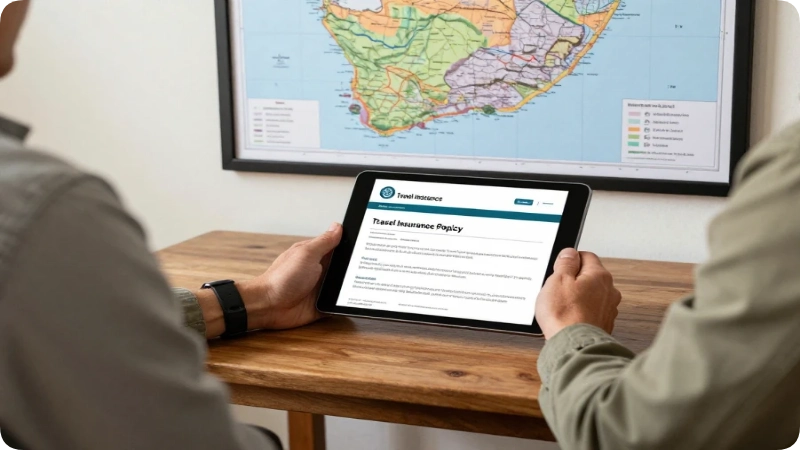
Yes, while it isn’t legally required for entry, it’s one of the few destinations where skipping it can cost thousands of dollars out of pocket. U.S. domestic health insurance and Medicare generally don’t cover care outside the United States, and South African private hospitals bill upfront in cash or by card before treating international patients in many cases.
Add in the realities of the destination malaria risk provinces, a genuinely elevated crime rate, and long distances between world class private hospitals and remote safari lodges and insurance stops being optional in any practical sense. Given the potential health and safety issues involved, travel insurance for a trip to South Africa is considered essential by most travel risk specialists .
Who can skip it (with caution): Travelers with premium travel credit cards that already bundle emergency medical and evacuation coverage, and who are staying only in major cities on a short trip. Who should never skip it: Safari goers, self drive road trippers, anyone over 65, travelers with pre existing conditions, and families with young children.
What Should a South Africa Travel Insurance Policy Include?

Not all travel insurance policies offer the same protection, and South Africa’s combination of major cities, remote safari destinations, and seasonal health risks makes coverage differences especially important. Instead of comparing policies by price alone, compare what each one actually covers.
| Coverage | Recommended Amount | Why It Matters |
| Emergency medical | $100,000–$250,000 | Covers hospitalization, emergency treatment, and physician care |
| Medical evacuation | $250,000+ | Pays for helicopter or air ambulance transport from remote safari areas |
| Trip cancellation | 100% of prepaid costs | Protects expensive safari lodges, flights, and tours |
| Trip interruption | 125–150% | Covers unexpected return travel and additional expenses |
| Baggage protection | $1,500–$3,000 | Covers luggage, cameras, and personal belongings |
| Adventure activity coverage | Included or optional rider | Important for safaris, hiking, diving, and wildlife activities |
| 24/7 emergency assistance | Essential | Coordinates hospitals, evacuations, and emergency transportation |
- A comprehensive policy should balance all of these benefits rather than offering one high limit while restricting everything else. Reading the exclusions is just as important as reviewing the coverage amounts.
How Much Travel Insurance Do You Really Need for South Africa?
The amount of coverage depends on your itinerary rather than simply the destination. Someone spending a week in Cape Town has different needs than someone combining Johannesburg, Kruger National Park, and Victoria Falls.
As a general guideline:
City Vacation
- Emergency medical: $100,000
- Medical evacuation: $250,000
- Trip cancellation: Total prepaid expenses
Safari Vacation
- Emergency medical: $250,000
- Medical evacuation: $500,000
- Adventure sports coverage: Recommended
Multi-Country Southern Africa Trip
- Emergency medical: $250,000+
- Medical evacuation: $500,000+
- Higher baggage coverage for photography equipment
Choosing limits based on where you’ll actually travel provides better protection than simply buying the cheapest available policy.
What Isn’t Covered by Most Travel Insurance Policies?
Travelers often focus on what a policy includes while overlooking exclusions that may affect a claim.
Common exclusions include:
- Traveling against government travel advisories
- Undisclosed pre-existing medical conditions
- Adventure activities not listed in the policy
- Alcohol- or drug-related incidents
- Leaving luggage unattended
- Unreported thefts without a police report
- Intentional self-inflicted injuries
- Participation in professional sporting events
Reading the exclusions before purchasing helps prevent unpleasant surprises if you ever need to file a claim.
South Africa Travel Insurance for Seniors
Travelers over age 65 often pay higher premiums because insurers consider age one of the strongest predictors of medical claims. However, higher premiums usually come with access to stronger medical coverage and evacuation benefits.
When comparing plans, seniors should prioritize:
- Higher emergency medical limits
- Strong medical evacuation coverage
- Coverage for pre-existing conditions when eligible
- Direct payment arrangements with hospitals
- 24-hour emergency assistance
Purchasing a policy shortly after making the first trip deposit often helps travelers qualify for valuable pre-existing condition waivers.
Travel Insurance for Families Visiting South Africa
Families often have different priorities than solo travelers. Medical care for children, trip interruption protection, and baggage coverage become more important when multiple travelers share one itinerary.
Parents should consider policies that include:
- Emergency medical treatment for every family member
- Coverage for delayed baggage containing children’s essentials
- Trip interruption if a child becomes ill
- Emergency transportation for accompanying family members
- Access to multilingual emergency assistance
For safari vacations, choose accommodations that are appropriate for children’s ages and verify that your insurance covers all planned activities.
Medical Emergency and Evacuation Coverage
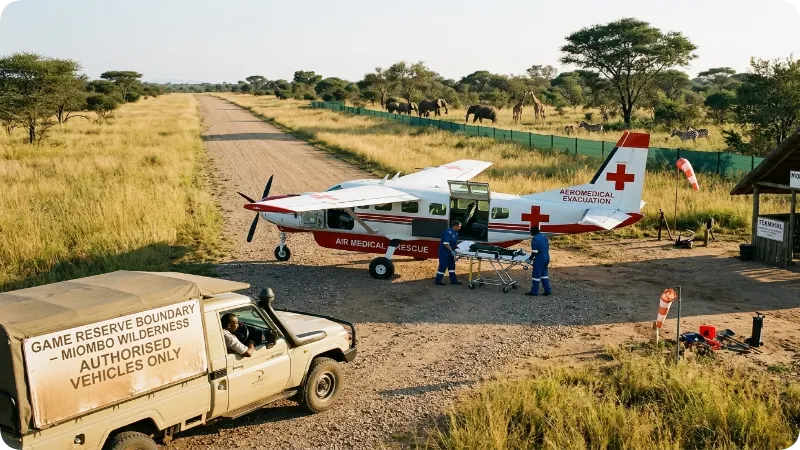
Medical evacuation coverage pays to transport you from a remote area to the nearest adequate hospital, and it’s the single most important line item for a South Africa policy. Private hospitals in Johannesburg, Cape Town, and Durban are excellent by global standards, but many safari lodges and rural towns are hours from the nearest one by road.
Insurers such as Netcare 911 and other regional air ambulance networks operate emergency response in South Africa, and many safari lodges maintain their own evacuation memberships. Still, your personal travel insurance is what reimburses those costs and coordinates payment so you’re not left negotiating with a hospital from a hospital bed. Look for a policy that explicitly names “medical evacuation” and “repatriation of remains” as separate line items; some budget plans quietly cap this at a fraction of what a real air evacuation costs.
Malaria, Health Risks, and How They Affect Your Coverage
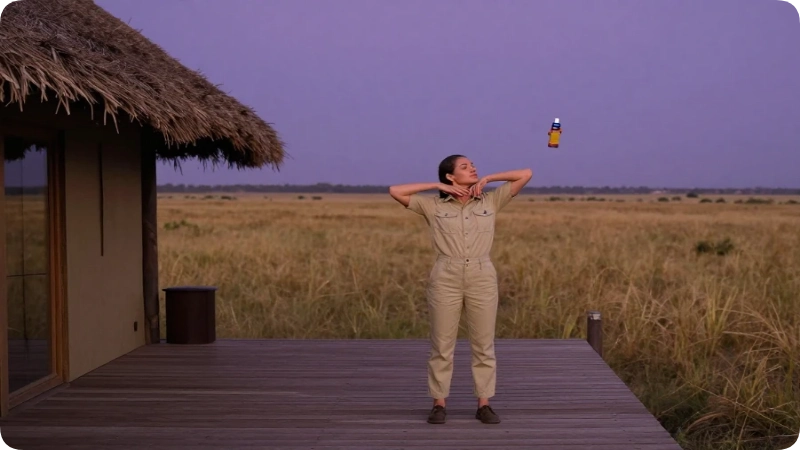
Malaria risk in South Africa is regional and seasonal, concentrated in Kruger National Park and nearby lowveld areas, while Cape Town and the Garden Route carry no malaria risk at all. The highest risk zones sit in Mpumalanga and Limpopo provinces, plus parts of northeastern KwaZulu Natal, with risk highest during the rainy season from September to May .
Because of this, most insurers ask about your itinerary and may require you to disclose safari or rural travel plans. A few practical points:
- The South African National Department of Health recommends mosquito avoidance year round in risk areas and antimalarial medication during September through May, while the CDC recommends chemoprophylaxis at all times of year in these zones .
- South Africa requires a yellow fever vaccination certificate only for travelers arriving from, or transiting more than 12 hours through, a country with yellow fever risk; there’s no yellow fever risk within South Africa itself .
- Tick bite fever is also common in the same bush and lowveld areas, so travelers on walking safaris or bush camping trips should take tick avoidance measures seriously .
Talk to a travel medicine clinic or your doctor 4–6 weeks before departure about antimalarial prescriptions if your itinerary includes Kruger or similar reserves, and keep that conversation documented. Some insurers ask for proof you followed CDC recommended precautions if you later file a malaria related claim.
Adventure Activities and Safari Coverage
Standard travel insurance often excludes “hazardous activities,” so confirm your policy explicitly covers game drives, bush walks, shark cage diving, and other adventure add ons before you book them. Many budget policies quietly classify activities like abseiling, paragliding near Cape Town, or multi day hiking in the Drakensberg as excluded “extreme sports.”
A few underrated gaps travelers miss:
- Self drive rental cars on rural roads may need a separate rental car damage waiver, since standard trip insurance rarely covers vehicle damage.
- Shark cage diving and scuba diving near Gansbaai or Sodwana Bay are frequently listed as excluded activities unless you add an adventure sports rider.
- Bush walks and open vehicle game drives are usually covered under standard “safari” wording, but always confirm a few insurers only cover motorized game drives, not walking safaris.
Trip Cancellation and Interruption Protection
Trip cancellation coverage reimburses prepaid, non refundable costs flights, safari lodges, tour deposits if you have to cancel or cut your trip short for a covered reason, such as illness, a family emergency, or a natural disaster. Given that many South African safari lodges require substantial non refundable deposits months in advance, this coverage protects a meaningful amount of money.
Standard covered reasons typically include sudden illness or injury, death of a family member, and airline strikes. “Cancel for any reason” (CFAR) upgrades cost more (often 40–60% above the base premium) but reimburse a portion of costs regardless of the reason, which is worth considering if your travel dates are inflexible or you’re booking a high cost, once in a lifetime safari.
Baggage, Gear, and Theft Coverage
Baggage coverage reimburses lost, stolen, or damaged luggage and gear, which matters in South Africa given elevated theft rates in some tourist and urban areas. U.S. travelers are advised to avoid displaying cash and valuables, stay alert in city centers especially after dark, and take precautions against “smash and grab” theft at traffic lights .
Practical tips to protect your claim eligibility:
- Photograph valuables (cameras, binoculars, laptops) before you leave home.
- Keep receipts for anything over $100, since insurers often ask for proof of value.
- Report theft to local police within 24 hours and get a case number; nearly all insurers require this before they’ll pay a claim.
- Check your policy’s single item limit; many camera or drone setups exceed the standard per item cap and need a rider.
Best Time to Visit and How Season Affects Your Coverage Needs
South Africa’s dry winter months (June–October) are peak safari season with the best game viewing and lowest malaria risk, while summer (November–March) brings lush scenery but higher malaria exposure in the lowveld. Peak season for safaris runs between June and October, when days are dry and wildlife viewing is at its best .
| Season | Months | Pros | Cons |
| Peak (dry winter) | June–Oct | Best game viewing, lower malaria risk | Higher lodge prices, cold nights inland |
| Shoulder | Apr–May, Nov | Good weather, fewer crowds | Some rain possible |
| Off season (wet summer) | Dec–Mar | Lush scenery, birdlife, lower rates | Higher malaria risk in lowveld, humid heat |
If you’re traveling during the wet season, prioritize a policy that clearly covers mosquito borne illness treatment and doesn’t bury it under vague “pre existing tropical disease” exclusions.
Types of Travel Insurance Plans for South Africa
Most U.S. travelers choose between single trip comprehensive plans, annual multi trip plans, and credit card included coverage and South Africa’s risk profile usually favors comprehensive single trip plans unless you travel internationally several times a year.
- Single trip comprehensive: Best for most South Africa itineraries; bundles medical, evacuation, cancellation, and baggage in one policy.
- Annual multi trip: Cost effective if you travel abroad two or more times per year, though evacuation limits can be lower than dedicated single trip plans.
- Credit card travel benefits: Often include trip cancellation and rental car coverage, but rarely enough emergency medical or evacuation coverage for a malaria zone safari read the benefits guide before relying on this alone.
- Medical only travel plans: Useful as a supplement if you already have solid cancellation coverage through a card but want higher medical/evacuation limits.
How Much Does Travel Insurance for South Africa Cost?
Although prices vary by age, trip cost, and provider, most travelers pay between 4% and 8% of their total prepaid trip cost.
| Trip Cost | Estimated Insurance Cost |
| $2,000 | $80–$160 |
| $4,000 | $160–$320 |
| $6,000 | $240–$480 |
| $10,000 | $400–$800 |
Premiums may increase if you:
- are over 60,
- purchase Cancel For Any Reason coverage,
- extend your trip,
- add adventure sports coverage, or
- select higher medical limits.
Comparing several providers is usually the easiest way to find better value because similar-looking plans often have very different evacuation benefits.
Does Your U.S. Health Insurance Work in South Africa?
Many travelers assume their domestic health insurance follows them overseas, but that’s often not the case. Most U.S. health plans provide little or no coverage outside the United States, and Medicare generally doesn’t cover routine medical care abroad.
Even if your insurer offers limited international benefits, you may still have to pay hospitals upfront before requesting reimbursement later.
Travel insurance fills that gap by covering emergency medical expenses, arranging medical evacuations, and providing emergency assistance while you’re overseas.
Always contact your health insurance company before departure so you understand exactly what is and isn’t covered.
How to Compare Travel Insurance Plans Before Buying
Rather than comparing only price, compare policies using the same checklist.
Before purchasing, ask:
- How much emergency medical coverage is included?
- What is the evacuation limit?
- Are safaris covered?
- Does the policy cover malaria treatment?
- Are rental cars included?
- Is Cancel For Any Reason available?
- Are pre-existing conditions eligible for a waiver?
- How quickly can emergency assistance be reached?
Spending a few extra minutes comparing these details often provides better value than simply choosing the least expensive policy.
How to Choose the Right Policy for Your Trip
Match your policy to your actual itinerary: a Cape Town only city trip has very different needs than a two week safari and coast combination. Ask these questions before buying:
- Does the policy name “safari,” “game drive,” or “malaria risk area” explicitly, or just generic “travel”?
- What’s the medical evacuation limit, and does it cover air evacuation from a remote lodge?
- Are pre existing conditions covered if you buy within the required window (often 14–21 days of your first trip deposit)?
- Is there a 24/7 assistance line that can coordinate directly with South African hospitals and lodges?
- Does the policy exclude “civil unrest” or “political risk” relevant given occasional protests and demonstrations?
Is it worth it? For nearly every itinerary that includes a safari, rural driving, or more than a few days outside major cities, yes. Who might skip it? Only very short, insured via credit card city trips with no adventure activities and even then, double check the card’s fine print rather than assuming.
Common Mistakes U.S. Travelers Make
- Assuming a U.S. health plan or Medicare covers them abroad it almost never does, and South African private hospitals often expect payment before treatment.
- Buying the cheapest policy without checking evacuation limits a $10,000 cap won’t cover a real air evacuation from a bush lodge.
- Not disclosing safari or malaria zone travel when buying the policy, which can void a claim later.
- Skipping CFAR coverage on a high deposit safari and losing thousands if plans change for a non covered reason.
- Forgetting rental car coverage on self drive Garden Route or Cape Winelands itineraries, assuming trip insurance automatically includes it (it usually doesn’t).
Safety Tips That Affect Your Insurance Claims
Following basic safety precautions in South Africa isn’t just good practice it directly affects if an insurer honors a theft or injury claim. U.S. travelers are advised to avoid walking alone after dark, avoid displaying cash and valuables, drive with doors locked and windows closed, and always carry a copy of their passport while keeping the original secured .
A few additional points worth building into your routine:
- Use hotel or lodge transfers, registered taxis, or rideshare apps rather than unmarked vehicles, especially at night.
- Register with the U.S. Embassy’s Smart Traveler Enrollment Program (STEP) before departure so the embassy can reach you in an emergency.
- Report any crime to local police by dialing 10111 , and always get a case number for insurance purposes.
- Avoid informal settlements and townships without a licensed local guide; most insurers won’t dispute a claim here, but it’s a genuine safety consideration echoed by the State Department.
How to File a Claim While Traveling
File claims as soon as possible after an incident most insurers have a required notification window, often within 24–72 hours for medical evacuation or theft. The process generally looks like this:
- Call your insurer’s 24/7 assistance line immediately for anything medical or an evacuation. Don’t wait until you’re back home.
- Get official documentation, a police case number for theft, medical records and receipts for treatment, or airline paperwork for cancellations.
- Keep every receipt, even small ones, since insurers typically require itemized proof of expenses.
- Submit your claim online or by app within the policy’s stated window, usually 30–90 days after returning home.
- Follow up in writing if you don’t hear back within two weeks a documented paper trail speeds up disputed claims.
Smart Ways to Save Money on Travel Insurance
Buying better insurance doesn’t always mean spending more.
You can often reduce costs by:
- Purchasing insurance shortly after making your first trip payment.
- Comparing multiple providers rather than accepting the first quote.
- Choosing only the adventure coverage you actually need.
- Avoiding duplicate benefits already provided by your credit card.
- Buying annual multi-trip insurance if you travel internationally several times each year.
- Selecting higher deductibles if you’re comfortable paying smaller claims yourself.
The goal should be maximizing coverage rather than simply minimizing premiums.
Before You Buy: Questions to Ask Your Insurance Provider
Before purchasing a policy, contact the insurer or read the policy wording carefully to confirm:
- Is Kruger National Park specifically covered?
- Are walking safaris included?
- Does the policy cover helicopter evacuations?
- What happens if I contract malaria?
- Are theft claims covered for cameras and binoculars?
- Is there a limit for electronics?
- Are rental cars covered?
- How do I contact emergency assistance while in South Africa?
Getting clear answers before departure reduces the likelihood of denied claims later.
FAQs
Is travel insurance required to enter South Africa?
No, South Africa doesn’t require proof of travel insurance for U.S. citizens entering for tourism. U.S. passport holders can enter visa free for stays up to 90 days , but insurance is strongly recommended given healthcare costs and regional health risks.
Does travel insurance cover malaria treatment in South Africa?
Most comprehensive medical travel policies cover malaria diagnosis and treatment as a standard illness, but always confirm this explicitly and disclose that your itinerary includes a malaria risk area like Kruger National Park when purchasing.
Do I need a separate policy for a safari versus a city trip?
Not necessarily a separate policy, but you do need one that explicitly names adventure activities like game drives and bush walks as covered many basic plans exclude “hazardous activities” by default.
How much travel insurance coverage do I need for South Africa?
Aim for at least $100,000 in emergency medical coverage and $250,000 in medical evacuation coverage, given the distance between remote lodges and full service hospitals.
Will my credit card’s travel insurance be enough?
Often not on its own. Credit card benefits typically cover trip cancellation and rental car damage well but fall short on medical evacuation limits needed for a safari itinerary check the card’s guide to benefits before relying on it exclusively.
Is South Africa safe enough that insurance really matters?
Millions of travelers visit safely every year, but South Africa’s crime rate is comparatively high relative to other popular destinations , and healthcare costs without insurance can be significant, which together make coverage a practical safeguard rather than a formality.
What documents should I bring to prove my insurance if something happens?
Carry both a digital and printed copy of your policy number, the 24/7 assistance line, and your insurer’s emergency contact save these to your phone and email them to a travel companion before departure.
Is travel insurance worth it for South Africa?
Yes. Although insurance isn’t required for entry, it can protect against costly medical emergencies, evacuations from remote safari areas, trip cancellations, theft, and lost luggage. Because healthcare, transportation distances, and adventure activities vary across the country, comprehensive coverage is recommended for most U.S. travelers.
Does travel insurance cover safari activities?
Many comprehensive policies cover standard game drives, but activities such as walking safaris, scuba diving, shark cage diving, or other adventure sports may require additional coverage. Always verify your planned activities are included before purchasing a policy.
What happens if I get sick during my trip?
Most comprehensive travel insurance plans cover emergency medical treatment, hospitalization, and medically necessary transportation. Contact your insurer’s 24-hour emergency assistance service as soon as possible so they can coordinate treatment and explain the next steps for filing a claim.
Can I buy travel insurance after booking my trip?
Yes. You can usually purchase travel insurance anytime before departure, but buying it soon after your initial trip deposit often provides access to additional benefits, such as pre-existing condition waivers and Cancel For Any Reason upgrades.
Does travel insurance cover stolen cameras and safari equipment?
Most policies include baggage and personal belongings coverage, but expensive cameras, lenses, drones, and binoculars may exceed standard per-item limits. If you’re bringing valuable photography gear, check whether additional coverage or a rider is needed.
Final Takeaways
South Africa rewards travelers who plan ahead and travel insurance is one of the simplest ways to protect a trip that mixes world class cities, malaria risk safari regions, and long distances between hospitals. Three things matter most: confirm your medical evacuation limit is high enough for a remote lodge, make sure adventure activities like game drives are explicitly covered, and file any claim documentation quickly while details are fresh.
Get that groundwork done before you land, and the rest of the trip is free to be what it should be: sunrise game drives, Cape Town’s coastline, and a country that rarely disappoints travelers who show up prepared. Compare a few policies, ask the specific questions above, and book with confidence.