Quick Answer:
The Canary Islands are a Spanish archipelago off the coast of Northwest Africa, made up of eight volcanic islands with year round mild weather. The best time to visit is October through April, when the islands stay warm while the U.S. and mainland Europe turn cold. Tenerife and Gran Canaria are the easiest entry points for American travelers.
Planning a trip that actually delivers warm beaches, volcanic hikes, and easygoing island life without the long haul jet lag of Southeast Asia or the crowds of the Caribbean in December can feel like a needle in a haystack search. Most travel guides either drown you in generic “top 10 things to do” lists or skip the practical details Americans actually need, like flight routing, currency, and how many days is really enough. This guide fixes that gap. Canary Islands travel rewards travelers who plan a little ahead, and by the end of this article you’ll know exactly which island fits your trip, when to book, what to pack, and how to avoid the mistakes that trip up first time visitors.
What Are the Canary Islands and Why Americans Are Discovering Them

The Canary Islands are a group of eight volcanic islands belonging to Spain, sitting roughly 60 to 100 miles off the coast of Morocco in the Atlantic Ocean. Despite being part of Spain, they feel like their own world, with black sand beaches, lunar volcanic landscapes, and a subtropical climate that barely shifts season to season. Locals call it “the land of eternal spring,” and it’s a fair description.
American interest has grown because the islands solve a real problem: warm weather travel during the off season. While the Caribbean gets pricey and packed around the winter holidays, the Canaries stay relatively quiet and affordable, and the scenery ranges from Sahara like dunes to pine forests and snow capped volcanoes, often on the same island.
Quick Facts Table
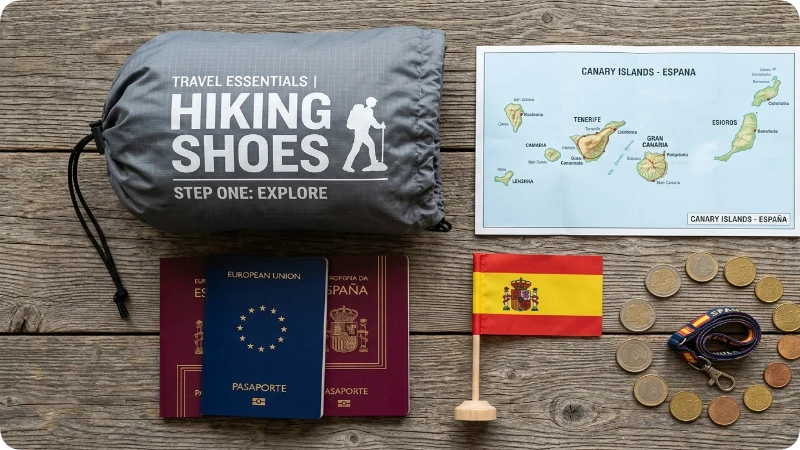
| Category | Details |
| Location | Atlantic Ocean, off Northwest Africa |
| Country | Spain (autonomous community) |
| Main Islands | Tenerife, Gran Canaria, Lanzarote, Fuerteventura, La Palma, La Gomera, El Hierro, La Graciosa |
| Currency | Euro (€) |
| Language | Spanish (Canarian dialect); English widely spoken in tourist zones |
| Time Zone | Western European Time (same as UK, one hour behind mainland Spain) |
| Flight Time from USA | Roughly 9–12 hours depending on connections |
| Best For | Beaches, hiking, volcanoes, winter sun, family trips |
Canary Islands at a Glance: Which Island Is Right for You?
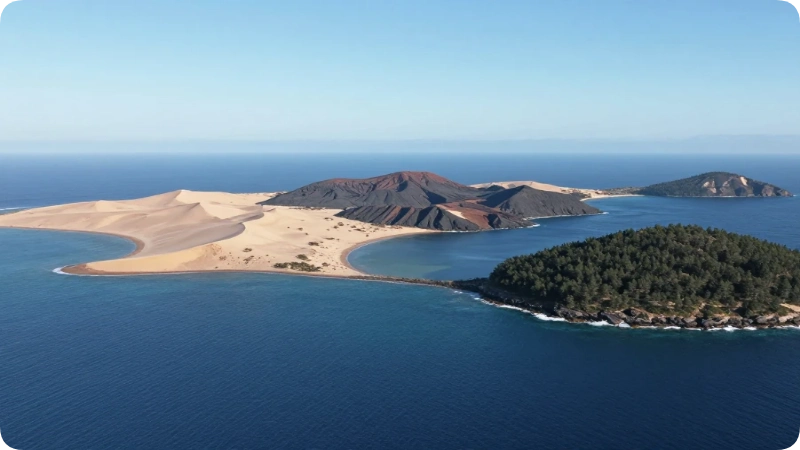
Every Canary Island has its own personality, and choosing the right one often matters more than choosing the right hotel. While all eight islands share year-round mild weather and volcanic origins, their landscapes, activities, and atmosphere vary considerably.
| Island | Best For |
| Tenerife | First-time visitors, families, volcanoes, nightlife |
| Gran Canaria | Beaches, resorts, food, mixed landscapes |
| Lanzarote | Art, lava fields, wineries, couples |
| Fuerteventura | Surfing, wind sports, long beaches |
| La Palma | Hiking, nature, stargazing |
| La Gomera | Quiet escapes, forests, trekking |
| El Hierro | Diving, remote travel |
| La Graciosa | Slow travel, beaches, cycling |
If you’re visiting the Canary Islands for the first time, Tenerife offers the widest variety of attractions and transportation options. Travelers returning for a second trip often choose Lanzarote, La Palma, or La Gomera for a quieter experience away from the busiest resort areas.
Best Time to Visit the Canary Islands

The best time to visit is between October and April, when temperatures stay in the mid 60s to mid 70s Fahrenheit and the islands avoid the intense summer crowds. Because the archipelago sits near the Tropic of Cancer but is cooled by Atlantic trade winds, there isn’t a true “bad” season, only better and busier ones.
Peak season runs from December through March, driven by European and American travelers escaping winter, so expect higher hotel rates and busier beaches, especially around Christmas and New Year. Shoulder season, in April, May, and October, offers a sweet spot of good weather and thinner crowds. Summer (June–September) is hottest and busiest with European domestic tourists, particularly Spanish and German families, and can bring occasional dust hazes called calima, blown in from the Sahara.
Weather by Island
Not every Canary Island has identical weather. Tenerife and La Palma have more microclimates due to mountainous terrain, while Fuerteventura and Lanzarote are flatter, drier, and windier, which makes them popular for surfing and windsurfing year round.
Month by Month Weather Guide
Unlike many beach destinations, the Canary Islands remain a year-round destination thanks to their subtropical climate.
- December–February: Warmest winter escape in Europe, ideal for Americans avoiding cold weather.
- March–May: Pleasant temperatures, blooming landscapes, excellent hiking conditions.
- June–August: Peak beach season with larger European crowds.
- September–October: Warm ocean temperatures and fewer tourists.
- November: Excellent value with comfortable weather before holiday crowds arrive.
Because weather varies slightly between islands, higher elevations like Mount Teide can feel dramatically cooler than coastal resorts, so packing a light jacket is worthwhile even during summer.
How to Get to the Canary Islands from the USA
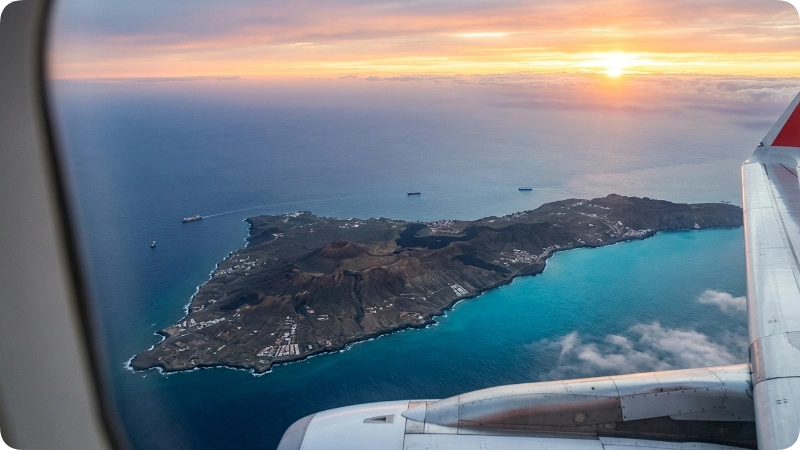
There are no direct flights from the U.S. mainland to the Canary Islands, so travelers connect through a European hub such as Madrid, Barcelona, London, or Amsterdam. The most common routing is a transatlantic flight into Madrid on carriers like Iberia, Delta, or American Airlines, followed by a short connecting flight to Tenerife South Airport (TFS) or Gran Canaria Airport (LPA).
Total travel time typically runs 12 to 16 hours door to door, including layovers. Booking the transatlantic and connecting flight on the same itinerary (rather than separately) helps protect against missed connections and simplifies rebooking if delays happen.
Main Airports
- Tenerife South Airport (TFS) – the primary hub for international tourist traffic
- Tenerife North Airport (TFN) – mostly domestic and inter island flights
- Gran Canaria Airport (LPA) – second busiest, serving Las Palmas and the south coast resorts
- Lanzarote Airport (ACE) and Fuerteventura Airport (FUE) – smaller but well connected for island specific trips
Getting Around: Transport Options
Renting a car is the most practical way to explore any Canary Island beyond the resort zone, since public buses (called guaguas) run reliably between towns but less frequently to remote hiking trailheads and viewpoints. International driving permits aren’t required for short stays if you’re carrying a valid U.S. license, but it’s worth confirming current requirements with the Spanish consulate before departure.
Inter island travel is handled by short regional flights (via Binter Canarias or Canaryfly) or ferries operated by companies like Fred. Olsen Express and Naviera Armas. Ferries are often cheaper and let you bring a rental car aboard, which is useful for multi island itineraries.
- Car rental: Best for flexibility, especially in Tenerife and Gran Canaria’s interior
- Public buses: Affordable and reliable within towns and along the coast
- Ferries: Practical and scenic for island hopping
- Taxis and rideshare: Available in cities but limited in rural areas
Should You Visit One Island or Island Hop?
One of the biggest planning decisions is whether to spend your entire vacation on one island or divide your time between several. While island hopping sounds exciting, frequent ferry rides and airport transfers can eat into sightseeing time.
For trips lasting five to seven days, focusing on a single island usually creates a more relaxed experience. Travelers staying ten days or longer often enjoy combining Tenerife with La Gomera or pairing Lanzarote with Fuerteventura, allowing enough time to experience each island without constantly packing and unpacking.
Unless visiting for two weeks or more, trying to see every island usually leads to a rushed itinerary rather than a memorable vacation.
Where to Stay in the Canary Islands
Accommodation ranges from all inclusive beach resorts to small rural guesthouses called casas rurales, giving travelers a wide budget range to work with. Southern Tenerife (Costa Adeje, Los Cristianos) and southern Gran Canaria (Maspalomas, Playa del Inglés) hold the largest concentration of resorts and are ideal for travelers who want beach access and nightlife within walking distance.
For a quieter, more local feel, consider staying in Puerto de la Cruz on Tenerife’s north coast, or in a rural finca in La Palma or La Gomera, both known for hiking and stargazing rather than resort life. Booking accommodations 2–3 months ahead is recommended for winter travel, since peak season rooms fill quickly.
Budget Breakdown for a Canary Islands Trip
Costs vary significantly by island and travel style, but the Canaries are generally more affordable than mainland Spain’s major cities. Budget travelers can expect lower daily costs by mixing hostels, public transport, and local markets, while mid range travelers often combine a rental car with three or four star hotels.
| Expense | Budget Traveler | Mid Range Traveler |
| Accommodation | Hostel/guesthouse | 3–4 star hotel |
| Meals | Local tapas bars, markets | Restaurants, occasional splurge |
| Transport | Public bus | Rental car |
| Activities | Free hikes, beaches | Paid tours, water sports |
Because prices shift with season and fuel costs, always check current rates through official tourism sites or booking platforms before finalizing a budget.
How Much Does a Canary Islands Trip Cost from the USA?
For most American travelers, the largest expense is airfare rather than daily spending on the islands. Hotels, restaurants, and transportation are generally more affordable than many major European cities once you arrive.
Typical costs include:
- Round-trip airfare: usually the largest part of the budget and varies significantly by departure city and season.
- Hotels: available from hostels and guesthouses to luxury oceanfront resorts.
- Rental cars: often reasonably priced compared with other European destinations.
- Meals: local restaurants and tapas bars provide excellent value, while resort dining costs more.
- Activities: beaches, scenic viewpoints, and hiking trails are often free, helping balance the cost of paid excursions such as whale watching or cable cars.
Booking flights several months ahead for winter travel often provides the best value because December through March is the busiest season.
Top Attractions Across the Islands
Every island has its own signature landscape, so choosing where to focus depends on if you want volcanoes, beaches, or a mix of both.
Mount Teide, Tenerife
Mount Teide is Spain’s highest peak and sits inside Teide National Park, a UNESCO World Heritage Site known for its Mars like terrain. A cable car takes visitors most of the way to the summit, though reaching the very top requires a separate permit arranged in advance through the national park system.
Timanfaya National Park, Lanzarote
This surreal volcanic park showcases the island’s eruptions from the 1730s, with guided bus routes through fields of solidified lava. Restaurants near the park entrance famously use geothermal heat rising from the ground to grill food, a detail that surprises most first time visitors.
Maspalomas Dunes, Gran Canaria
These wind sculpted sand dunes stretch along the southern coast and resemble a small desert dropped beside the Atlantic. Sunset here is one of the most photographed moments in the archipelago.
Masca Valley, Tenerife
A dramatic ravine village tucked into Tenerife’s Teno mountains, Masca is popular with hikers tackling the descent toward the sea, though the trail requires advance permits and reasonable fitness.
Hidden Gems Worth the Detour
Beyond the famous attractions, a few lesser known spots offer the kind of experience that seasoned travelers seek out.
- El Hierro’s Mirador de la Peña a UNESCO Biosphere island with dramatic cliffside viewpoints and almost no tourist crowds.
- Anaga Rural Park, Tenerife ancient laurel forests and coastal trails just outside Santa Cruz, often skipped in favor of the beaches.
- La Graciosa the Canaries’ smallest inhabited island, with sandy (not paved) streets and no rental cars allowed, keeping it refreshingly slow paced.
Things to Do Beyond the Beach
While beaches understandably draw many visitors, the islands’ volcanic terrain makes them a genuine hiking and stargazing destination. La Palma is internationally recognized for its dark skies and hosts major astronomical observatories, making it one of the best places in Europe for stargazing tours.
Surfers and windsurfers gravitate toward Fuerteventura’s steady Atlantic winds, while paragliding, scuba diving, and whale watching (particularly off Tenerife’s southwest coast) round out the adventure options. Golf courses are also common across Gran Canaria and Tenerife, benefiting from the mild year round climate.
Food and Dining: What to Try
Canarian cuisine blends Spanish, Latin American, and African influences, producing dishes you won’t easily find on mainland Spain. Papas arrugadas (wrinkled potatoes served with spicy mojo sauce) is the signature dish, alongside fresh seafood, goat cheese from Fuerteventura, and gofio, a toasted grain flour used in everything from soups to desserts.
Local wines, especially from Lanzarote’s La Geria region where vines grow in volcanic ash pits, are an underrated highlight most American visitors overlook. Sampling a glass at a local bodega is a low cost way to experience the island’s agricultural history.
Culture and Local Etiquette
The Canary Islands maintain a relaxed pace of life, and locals appreciate visitors who slow down to match it rather than rushing meals or conversations. A simple “buenos días” or “gracias” goes a long way, even in tourist heavy areas where English is common.
Tipping isn’t mandatory the way it is in the U.S.; rounding up the bill or leaving 5–10% for good service is standard and appreciated but not expected.
Safety Tips for Travelers
The Canary Islands are considered very safe for tourists, with petty theft in crowded tourist areas being the most common concern rather than violent crime. Standard precautions apply: keep valuables secured on beaches, avoid leaving bags unattended, and use official taxis or verified rideshare options at night.
Hikers should check trail conditions before setting out, since volcanic terrain can be uneven and some routes require permits or guides. It’s worth registering with the U.S. Department of State’s Smart Traveler Enrollment Program (STEP) before international trips, and checking current travel advisories through travel.state.gov.
Packing Advice for the Canary Islands
Because the climate stays mild year round, packing is fairly simple, but layers matter more than most travelers expect. Coastal towns can be warm and sunny while mountain areas like Teide National Park drop into much colder, windier conditions.
- Lightweight clothing for lowland/beach areas
- A warm layer and windbreaker for volcanic peaks and evening breezes
- Comfortable hiking shoes for trails
- Reef safe sunscreen, since UV exposure is strong year round
- A universal power adapter (Type C/F plugs, 230V)
What to Pack for Different Seasons
Packing for the Canary Islands depends less on the month and more on where you’ll spend your time. Beach resorts stay comfortably warm throughout much of the year, while mountain regions can feel surprisingly cold.
For beach-focused vacations, lightweight clothing, swimsuits, sunglasses, and reef-safe sunscreen cover most needs. Travelers planning to hike volcanic trails should also bring sturdy walking shoes, a reusable water bottle, and layers for changing temperatures.
Winter visitors often appreciate a light fleece or insulated jacket for evenings and higher elevations, especially around Mount Teide where temperatures can approach freezing despite warm weather along the coast.
Family Travel Tips
Families tend to gravitate toward Tenerife and Gran Canaria’s southern resort areas, which offer calm swimming beaches, water parks, and all inclusive properties designed with kids in mind. Loro Parque in Tenerife and Palmitos Park in Gran Canaria are popular animal park options that break up beach time with a change of pace.
Stroller access can be limited on cobblestone streets in older town centers, so it’s worth checking specific hotel and excursion accessibility in advance.
Solo Travel Tips
Solo travelers often favor La Gomera or La Palma for their strong hiking communities and hostel culture, where it’s easy to meet other travelers on group treks. Public transport and well marked trails make solo navigation manageable, though it’s still wise to share your hiking plans with someone before heading out on remote routes.
Accessibility Considerations
Larger resort towns like Playa del Inglés and Costa Adeje generally offer better wheelchair accessibility, with ramps, accessible beaches, and adapted hotel rooms more common than in rural villages. Older town centers and volcanic trail areas can be significantly harder to navigate, so travelers with mobility needs should confirm specific accessibility details directly with accommodations and tour operators before booking.
Responsible Travel in the Canary Islands
The islands’ fragile volcanic ecosystems and protected national parks depend on visitors staying on marked trails and respecting local conservation rules, particularly in UNESCO designated zones like Teide and El Hierro. Choosing local family run restaurants and guides over large international chains also helps keep tourism revenue within island communities.
Water is a limited resource on several islands, especially Lanzarote and Fuerteventura, so mindful use during your stay supports long term sustainability.
Internet, SIM Cards, and Staying Connected
Most hotels, restaurants, and cafés across the Canary Islands provide reliable Wi-Fi, while mobile coverage is strong on the larger islands. U.S. travelers should check international roaming charges before departure, as using a domestic phone plan abroad can become expensive.
Visitors staying longer often save money by purchasing a local prepaid SIM card or using an international eSIM, allowing easy access to maps, translation apps, and transportation information throughout the trip.
Downloading offline maps before hiking or driving into mountainous areas is also worthwhile since signal strength can weaken in remote valleys and national parks.
Common Mistakes First Time Visitors Make
Avoiding a few predictable missteps can save time, money, and frustration on your trip.
- Treating it as a one day stop Many travelers underestimate travel time between attractions and try to cram too much into a single day; building buffer time avoids rushed, disappointing visits.
- Skipping the interior for the beach sticking only to resort towns misses the volcanic landscapes that make the Canaries genuinely unique.
- Not booking Teide summit permits early Permits to hike to the very top of Mount Teide are limited and often sell out weeks in advance.
Underrated and Overrated: An Honest Take
Playa del Inglés and other mega resort strips are often overrated for travelers seeking authenticity, since they can feel interchangeable with beach towns anywhere in the world. Meanwhile, La Palma and El Hierro remain underrated, offering the archipelago’s dramatic scenery with a fraction of the crowds.
Is it worth it? For Americans looking for reliable winter sun, dramatic landscapes, and a slower pace without the long flights of Southeast Asia, yes. How long do you need? A single island can be explored well in 5–7 days, while a two island combination trip is comfortable in 10–12 days.
Sample 7 Day Canary Islands Itinerary
This itinerary focuses on Tenerife, the most accessible island for first time visitors, balancing beach time with volcanic exploration.
- Day 1–2: Arrive in Tenerife South, settle into Costa Adeje or Los Cristianos, adjust to time zone
- Day 3: Day trip to Teide National Park (cable car and lower trails)
- Day 4: Explore Masca Valley and the Teno Rural Park
- Day 5: Beach day plus whale watching excursion off the southwest coast
- Day 6: Visit Puerto de la Cruz and the historic town of La Orotava
- Day 7: Relax, shop for local goods, prepare for departure
Nearby Islands and Alternatives
Travelers who fall in love with the Canaries’ volcanic scenery sometimes compare them to Portugal’s Azores or Spain’s Balearic Islands, though both differ meaningfully in climate and culture. The Azores offer greener, cooler landscapes with fewer beach days, while the Balearics (Ibiza, Mallorca) are warmer in summer but far colder and quieter in winter than the Canaries.
For travelers wanting an easier add on trip, Madeira (Portugal) sits within a similar Atlantic climate zone and pairs well with a Canary Islands itinerary via short regional flights.
Visa and Entry Requirements for U.S. Travelers
As of current policy, U.S. citizens can travel to the Canary Islands, part of Spain and the Schengen Area, for tourism stays of up to 90 days within a 180 day period without a visa. A passport valid for at least three months beyond your planned departure date is typically required. Because entry requirements and programs like ETIAS (Europe’s upcoming travel authorization system) continue to evolve, it’s essential to verify current requirements through the U.S. State Department and official Spanish consulate websites before booking.
Common First-Time Visitor Tips
A few small habits can make a first visit to the Canary Islands much smoother.
- Start sightseeing early during popular seasons to avoid crowds at major attractions.
- Carry cash for smaller cafés and local markets, although credit cards are widely accepted.
- Book Mount Teide cable car tickets and summit permits well in advance during peak travel months.
- Don’t underestimate driving times on mountain roads, where winding routes often take longer than GPS estimates suggest.
- Reserve rental cars early during winter, as availability becomes limited when European holiday travelers arrive.
These simple adjustments help visitors spend more time enjoying the islands and less time dealing with avoidable travel frustrations.
FAQs
Is the Canary Islands part of Africa or Europe?
The Canary Islands are geographically closer to Africa, sitting off the coast of Morocco, but politically they belong to Spain and are part of the European Union, giving them a unique blend of African proximity and European infrastructure.
Do you need a visa to visit the Canary Islands from the USA?
No visa is required for U.S. citizens for tourist stays up to 90 days within a 180 day period, since the islands fall under Spain’s Schengen Area membership. Passport validity and any new entry authorization requirements should be confirmed before travel.
What is the best island to visit in the Canaries for beginners?
Tenerife is generally the best starting point, offering the widest range of flights, accommodations, and attractions, from beach resorts to Mount Teide, all on one island.
How many days do you need in the Canary Islands?
Five to seven days comfortably covers one island’s highlights, while ten to twelve days allows for a relaxed two island itinerary combining beaches and volcanic landscapes.
Is the Canary Islands expensive to visit?
The islands are generally more affordable than mainland Spain’s major cities and significantly cheaper than many Caribbean destinations, though costs rise during peak winter season.
What language is spoken in the Canary Islands?
Spanish is the official language, spoken in a distinct Canarian dialect, though English is widely understood in tourist areas, hotels, and restaurants.
Can you see all the Canary Islands in one trip?
Seeing all eight islands in one trip is possible but rushed; most travelers choose two, at most three, islands to explore properly using inter island ferries or short flights.
Which Canary Island has the best beaches?
For long sandy beaches, Fuerteventura is often considered the best choice. Gran Canaria also offers excellent beaches, while Tenerife combines beaches with the widest variety of attractions.
Can Americans rent a car in the Canary Islands?
Yes. Most U.S. visitors can rent a car using a valid American driver’s license for short tourist stays, though rental companies may have age requirements or require a credit card.
Is English spoken in the Canary Islands?
English is widely spoken in tourist areas, hotels, restaurants, and attractions. Learning a few basic Spanish phrases is still appreciated, especially outside the main resort towns.
Final Thoughts: Planning Your Canary Islands Trip
The Canary Islands deliver what few destinations can: reliable warm weather, dramatic volcanic scenery, and genuine cultural depth, all without the marathon flight times of the Pacific or Southeast Asia. Three things to remember as you plan: book winter travel early, balance beach time with the volcanic interior, and choose your island based on the pace you actually want, not just the postcard photos.
If it’s watching the sunset over Maspalomas’ dunes or hiking the ridge above Masca Valley, the Canaries reward travelers who give themselves enough time to slow down. Start mapping your route, check current entry requirements, and let the islands’ eternal spring do the rest.
Instagram Ready Travel Captions
- “Found spring in the middle of winter”
- “Somewhere between the desert and the sea”
- “Volcano views, ocean breeze, zero regrets”
- “Eight islands, one eternal spring”
- “Chasing sunsets over sand dunes”
- “Where the lava met the Atlantic”
- “Pack light, hike far, stay a while”