Knowing how to fold a sport coat for travel correctly takes less than two minutes and can save your jacket from wrinkles, creases, and embarrassing arrival moments. Turn the jacket inside out, fold one shoulder into the other, roll from the collar down toward the hem, and place it flat on top of your bag’s contents. Done right, your blazer arrives nearly press ready.
Why Most Travelers Wreck Their Blazer Before They Even Land
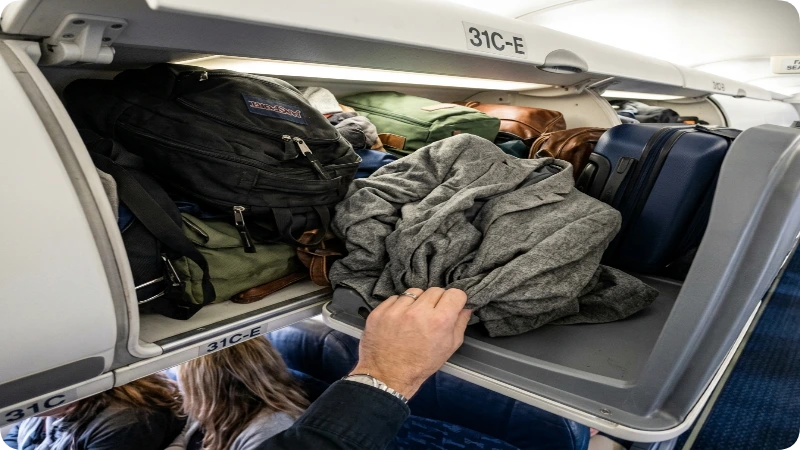
Picture this: you board a flight looking sharp, blazer in hand, only to stuff it into the overhead bin because there’s no room. Six hours later, you pull out something that looks like a crumpled paper bag. That scenario plays out in airports across the country every single day and it’s almost entirely avoidable.
A sport coat or blazer is one of the most versatile pieces a traveler can carry. It dresses up jeans for a dinner reservation, adds polish to a business meeting, and keeps you warm on a chilly flight. But it’s also the item most likely to be destroyed by poor packing. Dry cleaning on the road costs time and money you didn’t plan for, and not every destination has a steamer waiting in the hotel room.
This guide covers the smartest, most road tested methods for folding and packing a sport coat if you’re heading to a weekend wedding, a multi city work trip, or a European adventure out of a single carry on. You’ll also find what to avoid, what actually works, and insider tips that seasoned business travelers and frequent flyers rely on.
Quick Facts: Sport Coat Travel at a Glance
| Factor | Key Info |
| Best packing method | Inside out shoulder fold or ranger roll |
| Carry on friendly? | Yes most blazers fit flat in a 22″ bag |
| Wrinkle prone fabrics | 100% cotton, linen, rayon |
| Wrinkle resistant fabrics | Wool, merino, travel specific blends |
| Time to fold correctly | Under 2 minutes |
| Recovery time (wrinkles) | 20–30 min hanging in steamy bathroom |
| TSA rules | No restrictions on folded jackets |
Understanding Your Jacket Before You Pack It
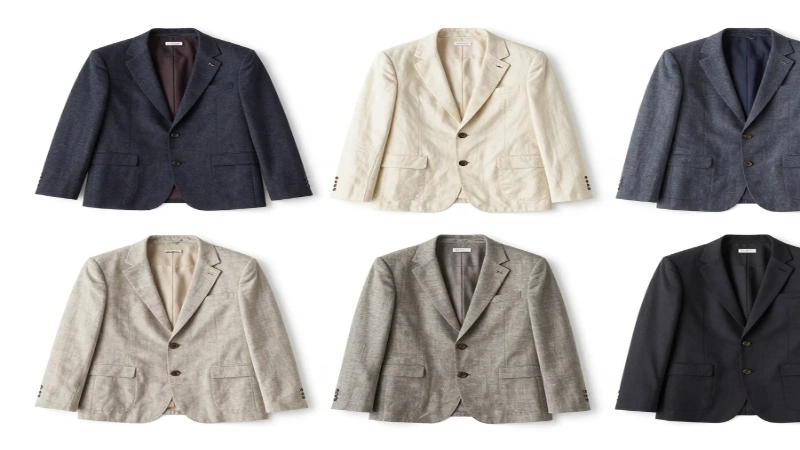
The fabric your sport coat is made from determines how forgiving it will be in a suitcase. Wool, especially finely woven travel wool or merino, is the gold standard for packing because the fibers naturally release creases. Synthetic blends designed for travel often labeled “wrinkle resistant” or “performance” are also excellent choices.
On the other end of the spectrum, 100% cotton, linen, and rayon jackets will wrinkle if you simply look at them sideways. If you’re bringing one of these on a trip, you’ll want to take extra care with the folding method and accept that a quick steam may still be necessary on arrival.
Structured jackets with heavy canvas interfacing the kind found in traditional tailored blazers hold their shape better than unlined or half canvas options but are bulkier to pack. Soft shouldered, unstructured blazers (sometimes called “Italian style”) are far easier to fold without distorting the silhouette.
Fabric Guide: What to Expect
- Wool / Merino: Best for travel. Bounces back quickly. Heavy enough to block chilly airplane air.
- Polyester / Synthetic blends: Wrinkle resistant and lightweight. Can feel less breathable.
- Cotton: Wrinkles easily. Choose only if you have a steamer at your destination.
- Linen: Beautiful but a wrinkle magnet. Pack as a last layer or wear it don’t fold it.
- Stretch blends (e.g., wool lycra): Excellent recovery. Increasingly common in travel blazers.
Method 1: The Classic Inside Out Shoulder Fold (Most Recommended)
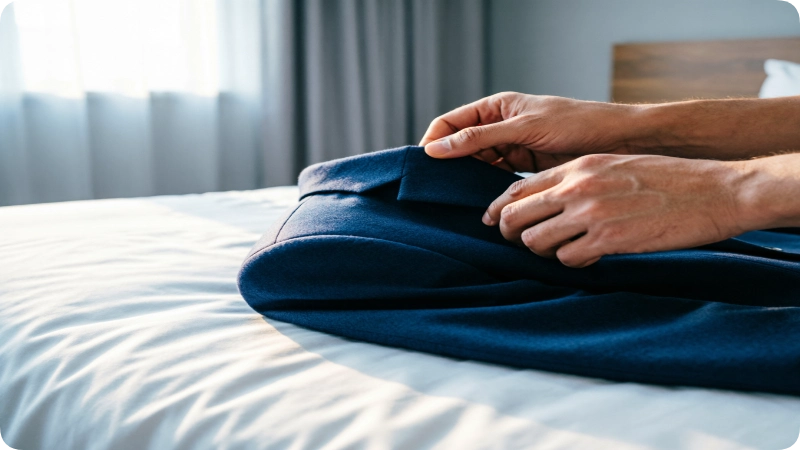
This is the single best method for packing a structured blazer without destroying the shoulders. It protects the padded shoulder areas by using them as the foundation of the fold. Flight attendants, fashion editors, and frequent business travelers all use a version of this technique.
Step by Step Instructions
- Hold the jacket by the collar with the front facing you.
- Reach into one shoulder and flip it inside out, so the lining is visible on that side.
- Tuck the opposite shoulder into the flipped shoulder the two shoulders should nest inside each other, lining facing out.
- Smooth the jacket flat so there are no bunched areas.
- Fold lengthwise, bring the bottom hem up toward the collar, roughly in half.
- Fold or roll either fold once more or roll loosely from the collar end toward the hem.
- Place it on top of your packed clothes inside your bag, never at the bottom.
The inside out technique keeps the outer fabric protected from friction and places the stress on the lining which is far less likely to show crease damage. This method works beautifully for structured blazers with shoulder pads.
Method 2: The Ranger Roll for Soft, Unstructured Blazers
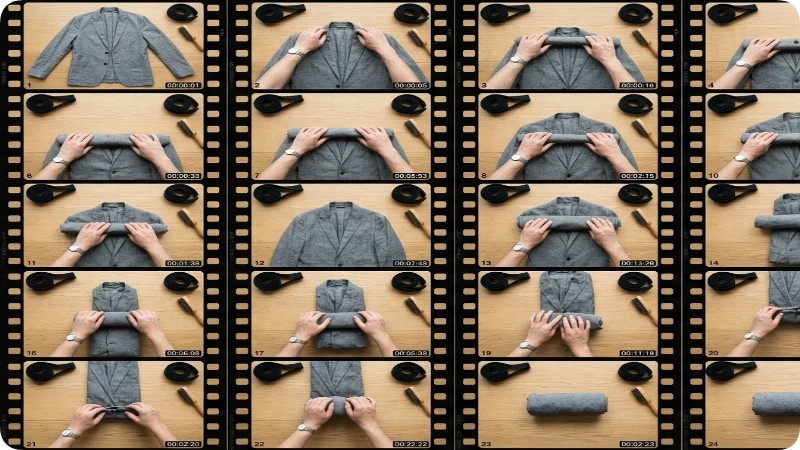
For soft shouldered or unlined blazers, the ranger roll is a space saving powerhouse that also minimizes wrinkles. Originally a military packing technique, it creates a tight, compact cylinder that fits neatly in even a small carry on.
Step by Step Instructions
- Lay the jacket flat, face down, on a bed or clean surface.
- Fold the bottom hem up about 4–5 inches, creating a cuff.
- Fold one side (lapel to center) over the jacket.
- Fold the other side over it, so the jacket is now a long narrow rectangle.
- Start rolling tightly from the collar down toward the hem cuff.
- Tuck the cuff up over the roll to hold the whole thing together.
The resulting cylinder is surprisingly compact about the size of a large water bottle and unrolls with far fewer creases than a basic fold. This method is best for casual blazers you’re wearing to dinner, not a formal presentation.
Method 3: Hanging Bag / Garment Bag Carry On
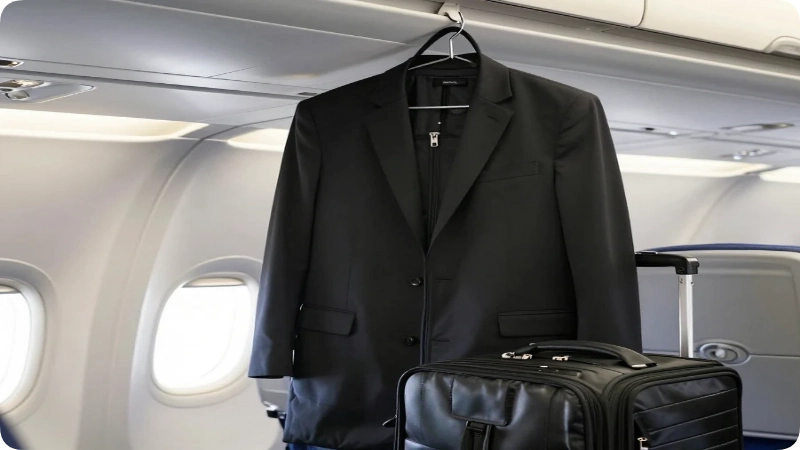
If your trip centers on events that require your jacket to look immaculate, a garment bag carry on is the most reliable option. These slim, foldable bags let you hang the jacket normally and then fold the entire bag in half for overhead storage.
Most major airlines, including United, Delta, and American, allow standard carry on garment bags that fit within the standard 22″ × 14″ × 9″ size limits. However, always verify current airline carry on policies directly with your carrier before travel, as size limits and enforcement vary.
Garment bags work best when:
- You’re attending a wedding, job interview, or formal event
- You’re packing multiple dress pieces (suits, dress shirts, ties)
- Your blazer is heavily structured or made from linen/cotton
The downside is that garment bags take up your entire carry on allowance. If you’re also packing toiletries, shoes, and clothes for several days, you may need to check a second bag or pack with surgical precision.
Method 4: Wearing It Through Security and Boarding
Sometimes the best way to transport a sport coat is simply to wear it. This sounds obvious, but many travelers forget that wearing your blazer through the airport solves the wrinkle problem entirely.
At TSA security checkpoints, you’ll need to remove your jacket and place it in the bin just like a regular outer layer. The TSA does not require sport coats to be checked separately from your carry on, so you can fold it and place it on top of your other items once you’re through. For short flights (under 3 hours), wearing or draping the jacket over your lap is a perfectly reasonable strategy.
Insider tip: Board early if possible. If you’re wearing your jacket and want to store it flat in the overhead bin, early boarding gives you the best shot at finding space before bags crowd the bin.
The 5 Biggest Sport Coat Packing Mistakes (And How to Fix Them)
Even experienced travelers make these errors. Knowing what not to do is just as important as knowing the right technique.
Mistake 1: Folding It and Putting It at the Bottom of the Bag
This is the most common and most damaging mistake. Heavy items crush the jacket for the entire flight. Fix: Always pack your blazer last, placing it on top of everything else.
Mistake 2: Using a Dry Cleaning Bag as Protection
Plastic dry cleaning bags trap moisture and can actually cause more wrinkling by creating a slippery, unstable surface. Fix: Use a breathable fabric bag, or pack the jacket directly against soft, smooth clothing like T shirts.
Mistake 3: Ignoring the Shoulders
The shoulders are the hardest part of a blazer to de wrinkle. A crease across the shoulder seam takes significant steaming to fix. Fix: Always use the inside out shoulder fold method or a garment bag to protect this area.
Mistake 4: Overpacking the Bag
When a suitcase or carry on is stuffed beyond capacity, everything inside gets compressed and creased. Your blazer has no chance. Fix: Leave a few inches of breathing room. Compression packing cubes help organize other items so the jacket has space.
Mistake 5: Packing a Jacket That Needs Cleaning
Travel compresses and heats fabrics. A jacket that’s “mostly clean” will smell noticeably stale by the time you land. Fix: Always pack a freshly cleaned or aired out blazer.
Best Travel Sport Coats: What to Look For When Buying
Not all sport coats are created equal for travel and the right jacket makes every packing method easier. When shopping for a travel friendly blazer, prioritize these features:
- Wrinkle resistant fabric: Look for wool synthetic blends, merino, or fabrics explicitly labeled “travel” or “performance.”
- Unstructured or soft construction: No heavy shoulder padding means the jacket folds flatter and recovers faster.
- Stretch component: A small percentage of elastane (2–5%) dramatically improves comfort and recovery.
- Packable design: Some brands, like Bluffworks, Banana Republic (their “travel” line), and Traveler’s Choice, design blazers specifically to be rolled or folded.
- Neutral color: Navy, charcoal, and medium gray pair with the widest range of outfits maximizing how many looks you can build around a single jacket.
- Interior pockets: Great for storing your boarding pass, passport, or phone without needing a bag.
A quality travel blazer is an investment, but it’s one that pays off on every trip. Always check retailer return policies and verify fabric composition before purchasing, as product lines change seasonally.
What to Do When Your Blazer Arrives Wrinkled
Even the best packing method won’t guarantee a perfectly crisp jacket every time but wrinkles are almost always fixable in under 30 minutes.
Option 1: The Hot Shower Steam Method
Hang your jacket on a sturdy hanger in the bathroom. Run the shower on the hottest setting with the door closed. Let the steam fill the room for 10–15 minutes. The moisture relaxes the fibers and most wrinkles drop out naturally. This works well for wool, merino, and synthetic blends.
Option 2: Hotel Steamer or Iron
Most mid range and upscale hotels have a steamer or iron available upon request just call the front desk. A handheld travel steamer is one of the best investments for any frequent traveler who wears dress clothes on the road. Move the steamer slowly across the fabric from the inside of the jacket to avoid shine marks on the outer surface.
Option 3: Hang It Overnight
For mild wrinkling, simply hang the jacket on a proper wooden or padded hanger and give it 6–8 hours. Gravity does a surprising amount of work, especially with wool fabrics.
Option 4: Professional Press
If you have a crucial event the next morning and the jacket is badly wrinkled, ask the hotel concierge about same day pressing services. Many business hotels offer this. Always verify pricing before handing over the jacket, as hotel pressing fees vary widely.
Packing a Sport Coat in a Carry On vs. Checked Luggage
The method you choose depends largely on your bag type and your destination. Here’s a practical comparison:
| Scenario | Best Method | Key Consideration |
| Carry on only, short trip | Inside out shoulder fold, placed on top | Must fit within airline size limits |
| Carry on only, formal event | Garment bag carry on | Takes up full carry on allowance |
| Checked bag, casual trip | Ranger roll inside a packing cube | Place cube on top layer of suitcase |
| Checked bag, formal event | Flat fold, face down, top of suitcase | Add tissue paper between folds for extra protection |
| Wearing it | Wear through security, store overhead | Board early for overhead bin space |
For checked luggage, one underused trick is to place the folded jacket inside a clean pillowcase before packing it. The fabric protects the blazer from friction with other items and adds a thin buffer against compression.
Insider Tips From Frequent Business Travelers
These are the small details that make a big difference over dozens of trips.
Tip 1: Pack tissue paper between folds. Acid free tissue paper (the kind used in gift boxes) cushions the fold lines and significantly reduces crease depth. It’s lightweight and takes up almost no space.
Tip 2: Use a wooden or wide shoulder hanger at your destination. Wire hangers distort jacket shoulders over time. Ask the hotel for a proper hanger, or bring a collapsible travel hanger.
Tip 3: Empty the pockets before you fold. Items left in pockets create pressure points that leave impressions in the fabric especially in chest and breast pockets.
Tip 4: Roll your shirts and pack them around the blazer. Soft, rolled T shirts and dress shirts act as natural padding on the sides of your folded jacket, keeping it stable and protected.
Tip 5: Invest in a merino wool or performance blazer if you travel more than four times per year. The difference in wrinkle recovery between a standard cotton blazer and a travel specific wool blend is dramatic. It genuinely changes the packing experience.
Sample Packing Order for a 3 Day Business Trip (Carry On Only)
Getting the layering right inside your bag matters as much as the folding method.
- Shoes (at the bottom, in shoe bags) heaviest items anchor the bag
- Toiletries bag (in the luggage’s exterior pocket or back section)
- Rolled clothes pants, shirts, socks, underwear, packed into packing cubes
- Dress shirts (folded flat, if bringing)
- Sport coat (inside out shoulder fold, placed flat on the very top)
- Small items ties, pocket squares, belt tucked along the sides
With this order, your blazer sits on top the entire flight and gets lifted out first when you arrive. It never bears the weight of anything else.
Responsible and Sustainable Packing Considerations
Traveling with a well chosen sport coat is actually a sustainable choice. One versatile blazer can replace three or four separate items, reducing the total number of garments you need to pack. Fewer items mean a lighter bag, which contributes in a small but meaningful way to reduced fuel consumption on flights.
When choosing a travel blazer, consider brands with transparent supply chains and durable construction. A well made wool blazer can last 10–15 years with proper care, far outlasting fast fashion alternatives. The Woolmark Company offers resources on sustainable wool sourcing if you want to research fabric origins before purchasing.
FAQs
Can you fold a suit jacket the same way as a sports coat?
Yes the inside out shoulder fold works equally well for suit jackets. For a full suit, fold the jacket using this method and roll the trousers separately around the jacket, or lay them flat on top. Structured, canvassed suit jackets benefit most from garment bag carry ons if the event requires a truly crisp appearance.
How do you fold a blazer for a carry on without wrinkles?
Use the inside out shoulder fold: flip one shoulder inside out, nest the other shoulder inside it, smooth flat, fold the hem up toward the collar, and place the jacket on top of all other packed items. Choose a wool or synthetic blend blazer for best results, as these fabrics naturally resist creasing during short flights.
Is it better to roll or fold a sports coat?
For unstructured, soft shouldered blazers, rolling (the ranger roll method) minimizes creases and saves space. For structured blazers with shoulder padding, folding using the inside out shoulder method is better because rolling can distort the shoulder shape. Match the method to your jacket’s construction.
What is the best fabric for a travel blazer?
Merino wool, fine travel wool, and quality polyester wool blends are the best fabrics for travel blazers. They resist wrinkles, release creases quickly when hung, and hold their shape through multiple wears. Avoid 100% cotton and linen if you don’t have access to a steamer at your destination.
Can I pack a sport coat in a backpack?
Yes, but it requires care. Use the ranger roll method and place the rolled jacket at the very top of the backpack, ideally inside a fabric drawstring bag. Avoid stuffing it below heavier items. A performance or unstructured blazer handles backpack packing far better than a structured, padded one.
Does the TSA require you to remove a sport coat at security?
Yes. The TSA requires you to remove jackets and coats at standard security checkpoints and place them in a screening bin, separate from your carry on bag. This applies to sport coats, blazers, and suit jackets. TSA PreCheck members are not required to remove jackets. Always verify current TSA screening procedures at tsa.gov before travel, as policies are subject to change.
How long does it take for a wrinkled blazer to smooth out?
With the hot shower steam method, most wool and synthetic blend jackets smooth out in 15–20 minutes. Hanging overnight works for light wrinkles in 6–8 hours. Cotton and linen jackets may need a steamer or professional pressing to fully release deep fold creases.
Conclusion: Pack It Right, Arrive Ready
Three things will completely change how your sport coat survives travel. First, choose the right method for your jacket’s construction inside out shoulder fold for structured blazers, ranger roll for soft ones, garment bag when appearance is non negotiable. Second, always pack the jacket last, on top of everything else, so it never bears the weight of your other gear. Third, invest in a wrinkle resistant fabric if you travel more than occasionally it makes every other step easier.
A well packed blazer opens doors. It turns a casual airport outfit into something dinner ready. It carries you from gate to meeting room without a detour to the dry cleaner. The techniques here take two minutes to learn and pay off on every trip you take.
Start with the inside out shoulder fold on your next trip and see how your jacket looks when you land. The difference from tossing it in a bin will be immediate and you’ll never go back to guessing.

Gordon Ramsay is a travel writer and destination researcher who helps U.S. travelers plan smarter trips, covering destinations, seasonal trends, budgets, and logistics to help readers decide where—and when—to go.
Rather than simply listing popular places, Gordon Ramsay focuses on what travelers actually need: comparing weather against crowds, weighing costs and accessibility, and researching current conditions alongside official tourism guidance—delivering honest, practical advice without the hype.