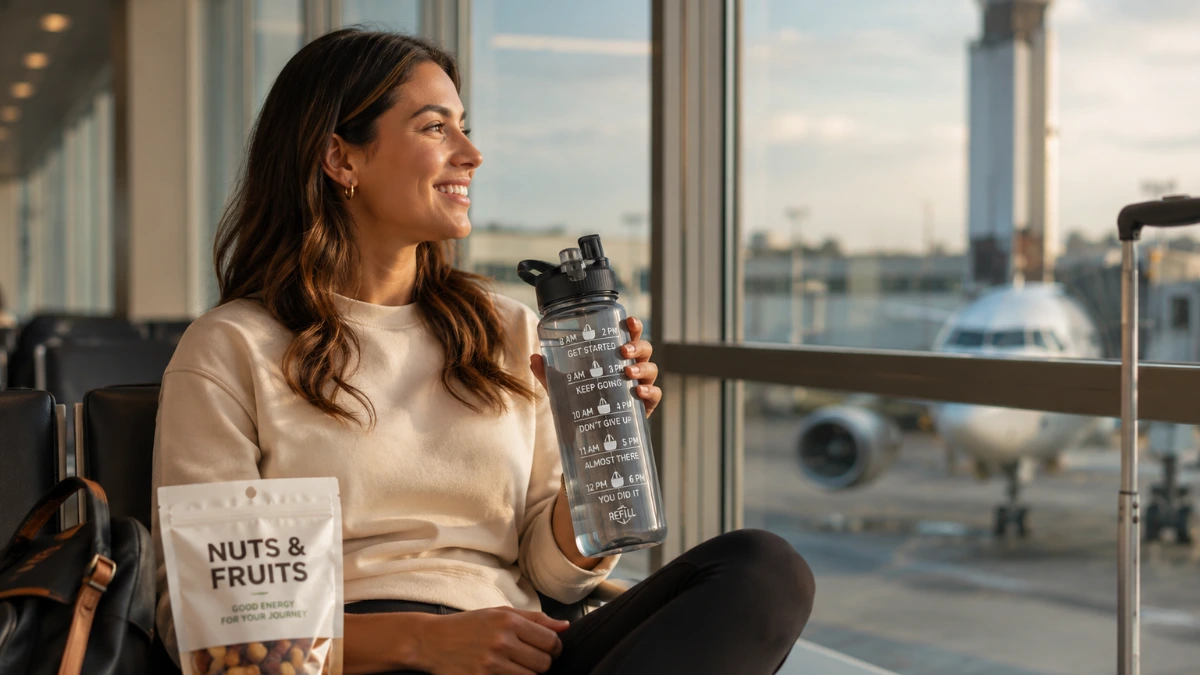
Traveler’s constipation is your body’s response to disrupted routines, dehydration, time zone changes, and unfamiliar food. Most people experience fewer or harder bowel movements within 1–3 days of travel. The good news: simple habits of staying hydrated, moving regularly, eating fiber, and sticking to a bathroom routine can prevent or reverse it quickly.
Travel is one of life’s greatest joys until your digestive system decides it’s on vacation too. If it’s a cross country road trip through the American Southwest or a long haul flight to Europe, millions of travelers deal with bloating, discomfort, and that frustrating feeling of being “backed up.” You’re not alone, and you’re not imagining it.
This condition even has a name: traveler’s constipation. It affects people of all ages and fitness levels, often striking within the first day or two away from home. Understanding why it happens and more importantly, how to stop it can transform your travel experience from uncomfortable to truly carefree.
This guide covers the science, the triggers, the fixes, and the prevention strategies that actually work, backed by real health information and practical traveler wisdom.
What Actually Causes Constipation When You Travel?
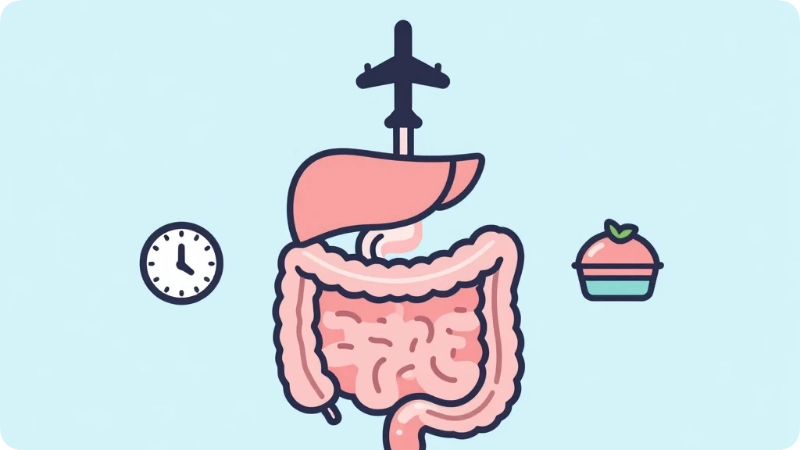
Traveler’s constipation happens because your body thrives on routine. When you travel, nearly every routine changes at once your sleep schedule, mealtimes, activity level, hydration, and bathroom access all shift simultaneously. Your digestive system, which is deeply tied to your body’s internal clock (the circadian rhythm), struggles to keep up.
The gut has its own nervous system called the enteric nervous system which communicates constantly with your brain. Travel disrupts this communication in multiple ways:
- Circadian rhythm disruption throws off the timing of your bowel movements, which typically follow a 24 hour cycle.
- Dehydration caused by air travel, heat, or forgetting to drink water makes stool harder and more difficult to pass.
- Dietary changes eating more processed food, less fiber, or at irregular times slow digestion.
- Physical inactivity during long flights or road trips reduces the natural muscle contractions that move waste through your colon.
- Stress and anxiety around travel activate your fight or flight response, which pauses digestion temporarily.
According to research published in gastroenterology journals, the colon’s motility patterns are strongly linked to the circadian clock. Crossing multiple time zones like flying from New York to Los Angeles, or from Chicago to Tokyo can delay bowel movements by 24 to 48 hours or more.
How Flying Specifically Triggers Digestive Problems ✈️
Air travel is one of the top culprits behind travel constipation. Airplane cabin pressure is maintained at the equivalent of 6,000–8,000 feet above sea level, which causes gas in your intestines to expand by up to 30%. Combined with recirculated dry air, limited movement, and disrupted meal timing, flying creates a perfect storm for digestive discomfort.
The cabin humidity on most commercial flights sits at a brutally low 10–20% far below the 40–60% that feels comfortable on the ground. Your body loses moisture through breathing and skin, which means fluids get pulled away from your digestive tract. The result: slow, difficult digestion.
Long haul flights on major U.S. carriers like Delta, United, and American Airlines often last 8–15 hours. Sitting still for that long dramatically reduces gut motility. Add in the typical airport diet salty snacks, fast food, coffee, and alcohol and your colon barely stands a chance.
Practical Tips for Flying Without Digestive Misery
- Drink at least 8 ounces of water per hour of flight time. Avoid alcohol and limit coffee.
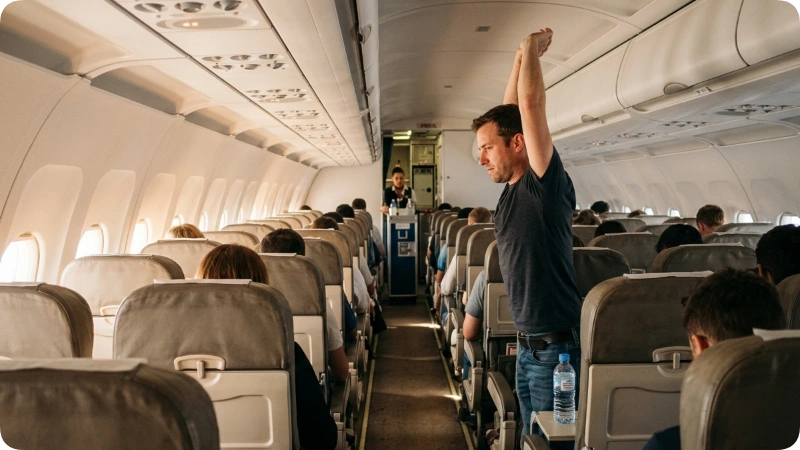
- Get up and walk the aisle every 1–2 hours. Even standing stretches activate your gut muscles.
- Skip the salty airport snacks. Sodium causes water retention, worsening bloating.
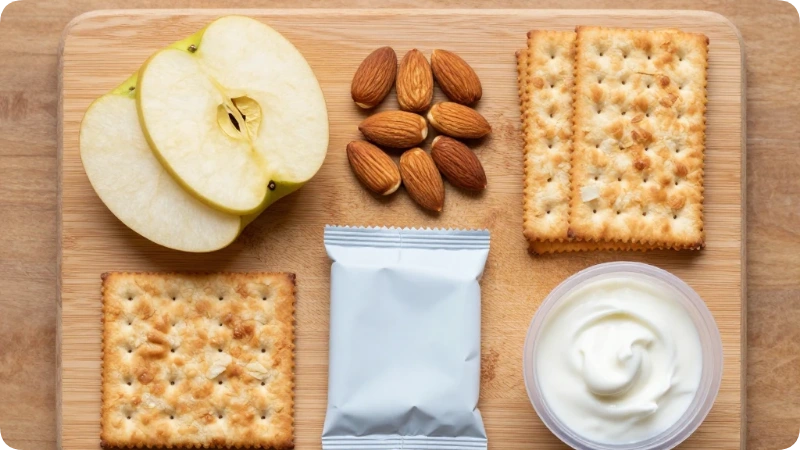
- Board with a fiber rich snack from home think apple slices, almonds, or whole grain crackers.
- Avoid carbonated drinks mid flight; the expanded gas they add makes bloating significantly worse.
The Role of Dehydration in Travel Constipation

Dehydration is one of the single biggest drivers of travel constipation. Your large intestine absorbs water from waste material as it passes through. When you’re not drinking enough, the colon pulls even more water from stool, making it dry, compact, and painful to pass.
The CDC recommends that adults consume enough fluids to produce pale yellow urine. During travel especially in hot destinations like Phoenix, Las Vegas, Miami, or national parks like Zion and Death Valley that baseline need rises significantly.
Many travelers underestimate how much they’re losing. Sweating in summer heat, breathing recirculated airplane air, and drinking caffeine (a mild diuretic) all add up. A practical rule: if you’re flying, drink a full cup of water for every hour in the air. If you’re road tripping, carry a 32–40 oz insulated water bottle and refill it at every stop.
| Situation | Extra Daily Water Needed |
| Long haul flight (8+ hours) | +16–24 oz above baseline |
| Hot weather destination (90°F+) | +16–32 oz |
| High altitude (above 8,000 ft) | +16–24 oz |
| Active sightseeing day | +16–32 oz |
| Alcohol consumption | +8 oz per drink |
Note: These are general estimates. Individual needs vary. Consult your doctor for personalized guidance.
How Your Diet Changes on the Road and What to Do About It
Eating differently while traveling is almost unavoidable and it’s a major reason digestion slows down. Restaurant meals tend to be lower in fiber, higher in fat and sodium, and larger in portion size than home cooked food. This combination slows gastric emptying and reduces the muscle contractions that keep waste moving.
When you’re exploring cities like New Orleans, Chicago, Nashville, or New York, it’s tempting to eat every meal out. And you should local food is one of travel’s greatest pleasures. But a diet of po’boys, deep dish pizza, biscuits and hot chicken, and New York bagels, while delicious, doesn’t offer much fiber.
The daily recommended fiber intake is 25 grams for women and 38 grams for men, according to the Academy of Nutrition and Dietetics. Most Americans fall short even at home. On the road, that gap widens.
How to Keep Fiber Intake Up While Traveling
- Start the day with oatmeal. Most hotel breakfast bars offer it. It’s a solid 4–5 grams of fiber per serving.
- Add a daily fruit. Grab a banana or apple from a grocery store almost every destination has one.
- Order a side salad. You don’t have to skip the burger. Just add something green.
- Pack fiber supplements. Psyllium husk powder (like Metamucil) dissolves in water and is TSA friendly in checked or carry on luggage.
- Look for local produce markets. Farmers markets exist in almost every U.S. city and make grabbing fresh food easy and fun.
Time Zone Changes and Your Gut Clock

Crossing time zones is hard on your whole body including your digestive system. Your bowel movements are controlled partly by your circadian rhythm, and jet lag effectively confuses your gut the same way it confuses your sleep cycle. Most people find their digestion doesn’t normalize until their body clock adjusts, which can take 1 day per time zone crossed.
This is especially significant on transcontinental U.S. flights. Flying from Boston to Seattle means crossing three time zones. Flying from Miami to Honolulu means crossing six. Your colon, which typically follows a predictable 24 hour rhythm, gets thrown off entirely.
The science here is solid: studies published in journals like Cell Host & Microbe have found that gut microbiome activity follows circadian patterns, and disrupting the sleep wake cycle alters the composition and behavior of gut bacteria. Those bacteria play a crucial role in digestion.
Insider tip: Try to move your meal schedule toward your destination’s local time as soon as you board the plane. Eating breakfast at your destination’s breakfast time even if your body thinks it’s midnight helps reset the gut clock faster.
Stress, Anxiety, and the Gut Brain Connection
Stress doesn’t just affect your mind, it directly impacts your gut. The brain and digestive system communicate through the vagus nerve and share many of the same neurotransmitters, including serotonin (of which 90% is produced in the gut). Travel stress from missed connections to airport chaos to unfamiliar environments activates your stress response, which slows or halts digestion.
For some travelers, anxiety around flying, navigating foreign airports, or managing tight itineraries creates a low grade stress state that lingers throughout a trip. This chronic, low level stress keeps digestion suppressed.
The good news is that managing travel stress also helps your gut:
- Deep breathing exercises before and during flights reduce cortisol levels.
- Keeping a flexible itinerary removes the pressure of running behind schedule.
- Familiar comfort items, a favorite book, playlist, or snack reduce psychological stress.
- Magnesium supplements (always check with your doctor first) help both relaxation and bowel regularity.
Bathroom Habits and “Bashful Bowel” Syndrome
One underappreciated cause of travel constipation is simply refusing to use unfamiliar bathrooms. Many people unconsciously suppress the urge to go in hotel bathrooms, public restrooms, or unfamiliar spaces, a phenomenon sometimes called “bashful bowel” or psychogenic constipation. Repeatedly ignoring the urge to go trains your body to stop sending the signal.
This is more common than most people admit. The unfamiliar smells, sounds, seats, and lack of privacy in hotel rooms, rest stops, or shared vacation rentals can make some travelers reluctant to relax enough to go. The result: stool sits in the colon longer, more water gets absorbed, and it becomes progressively harder to pass.
The fix is simple but requires a mindset shift: Honor the urge when it comes. Even if the bathroom isn’t ideal, even if you’re at a busy rest stop on I 40 in Tennessee or in a shared Airbnb go when your body says go. Ignoring it repeatedly is what causes the backlog.
Quick Comparison: Common Travel Constipation Triggers and Solutions
| Trigger | Why It Happens | Fix |
| Long flights | Immobility, low humidity, cabin pressure | Walk the aisle, hydrate, skip alcohol |
| Time zone crossing | Circadian rhythm disruption | Shift meal times to destination clock |
| Diet changes | Less fiber, more fat/salt | Pack fiber snacks, order salads |
| Dehydration | Low humidity, heat, caffeine | Drink water consistently, carry a bottle |
| Stress/anxiety | Gut brain axis suppression | Deep breathing, flexible itinerary |
| Ignoring urge to go | Psychogenic/social inhibition | Use the bathroom when the urge strikes |
| Sedentary activity | Less gut motility | Walk, stretch, do light exercise |
Natural Remedies That Actually Work on the Road
Several natural remedies can relieve travel constipation without prescription medication. These include increasing water and fiber intake, consuming probiotic rich foods, drinking warm liquids in the morning, and gentle physical movement. Most people see results within 12–24 hours of consistently applying these strategies.
Warm Liquids in the Morning
Drinking a warm cup of water, herbal tea, or coffee first thing in the morning triggers the gastrocolic reflex, a natural wave of muscle contractions in the colon that prepares your body for a bowel movement. This is why many people feel the urge to go shortly after their morning coffee. When traveling, maintain this morning ritual even if your schedule shifts.
Probiotic Rich Foods
Probiotic foods introduce beneficial bacteria into your gut, which can help restore balance after travel disruption. Look for:
- Yogurt with live active cultures (available at any hotel breakfast or grocery store)
- Kefir widely available across the U.S. in regular supermarkets
- Kombucha sold at most Whole Foods, Trader Joe’s, and health conscious chains nationwide
- Kimchi or sauerkraut easy to find in most American cities
Magnesium Rich Foods
Magnesium helps relax the muscles of the intestinal wall and draws water into the colon. Foods rich in magnesium include almonds, dark chocolate, avocado, and leafy greens all of which you can find at most restaurants or grocery stores.
Movement
Even a 20 minute walk after meals can significantly improve gut motility. When visiting cities, this is easy walking tours in places like San Francisco, Washington D.C., or Savannah, Georgia are both great sightseeing and great for your gut.
Over the Counter Options for Travelers
When natural remedies aren’t enough, several over the counter options are safe and effective for short term travel constipation. These include osmotic laxatives like MiraLax (polyethylene glycol), stool softeners like Docusate Sodium, and bulk forming laxatives like Metamucil. Always read labels carefully and follow dosage instructions.
Most travel health experts recommend starting with the gentlest option first:
- Bulk forming fiber supplements (Metamucil, Citrucel): Safest for daily use. Mix into water and drink with an extra glass of water.
- Stool softeners (Colace/Docusate): Work within 12–72 hours. Don’t stimulate contractions, just soften stool.
- Osmotic laxatives (MiraLax): Draw water into the colon. Effective within 1–3 days.
- Stimulant laxatives (Dulcolax, Senokot): Use only occasionally and for short term relief. Can cause cramping.
Always consult your doctor or pharmacist before combining any supplement with prescription medications. This is general information, not medical advice.
These products are available at most CVS, Walgreens, Rite Aid, and Walmart locations across the U.S., making them easy to pick up if you forgot to pack them.
Packing a Travel Gut Health Kit
Packing a small gut health kit is one of the smartest things a traveler can do. A few lightweight items can prevent or resolve constipation without any fuss. All of these items comply with TSA regulations for carry on luggage.
Here’s what to include:
- Psyllium husk capsules or powder (Metamucil or generic) fiber on demand
- Magnesium glycinate capsules gentle, well tolerated, supports bowel regularity
- Probiotic capsules (shelf stable, no refrigeration needed) supports gut microbiome
- Electrolyte packets (LMNT, Liquid IV) maintains hydration balance
- Stool softener capsules (Colace) backup option
- Peppermint tea bags soothes the gut and easy to make in any hotel room
- Refillable water bottle (32+ oz) the single most important item
TSA guidelines allow medications and supplements in reasonable quantities in both carry on and checked bags. Visit TSA.gov for current rules on liquids and powders.
5 Insider Tips to Prevent Travel Constipation Before It Starts
Based on what frequent travelers and travel health advisors consistently recommend, these five habits make the biggest difference:
- Start hydrating 48 hours before travel. Don’t wait until you’re on the plane. Building up your hydration reserves in advance gives your gut a buffer.
- Eat a high fiber meal the day before departure. Beans, lentils, oatmeal, whole grain bread, and berries are excellent choices. This “loads” your system before the inevitable diet shift.
- Walk at the airport. Instead of sitting at the gate for 90 minutes, walk to the terminal. Most major U.S. airports LAX, ORD, ATL, JFK, DFW are large enough to get a solid 20–30 minute walk in before boarding.
- Avoid the urge to “hold it” in unfamiliar bathrooms. Remind yourself that going promptly is far better than becoming impacted later.
- Maintain your morning ritual. If it’s warm lemon water, coffee, or a specific breakfast, recreating your home morning routine in your hotel room sends familiar signals to your gut.
When to See a Doctor About Travel Constipation
Most travel constipation resolves within 2–3 days of returning home or settling into a destination routine. However, you should seek medical attention if constipation lasts more than one week, is accompanied by severe pain, bloating, nausea, blood in stool, or significant weight loss. These symptoms could indicate something beyond routine travel disruption.
The CDC’s Traveler’s Health resource (wwwnc.cdc.gov/travel) offers guidance on managing common travel health issues. If you’re traveling internationally and develop severe constipation with accompanying symptoms, visit a local clinic or use your travel insurance’s medical assistance line.
Travel insurance that includes medical coverage is worth considering for extended international trips. Providers like Allianz, Travel Guard, and World Nomads offer plans that cover emergency medical care abroad useful if gut issues escalate.
Travel Constipation in Children and Seniors
Children and older adults are especially vulnerable to travel constipation. Children’s digestive systems are sensitive to routine disruption, while seniors often experience slower gut motility even at home. Both groups benefit from extra hydration, gentle fiber sources, and maintaining consistent meal and sleep schedules during travel.
For children, the American Academy of Pediatrics (AAP) recommends focusing on hydration, fresh fruits, and physical play rather than supplements. Prune juice is a gentle, effective remedy for kids.
For older adults, the gut naturally slows with age. Seniors taking medications should check with their doctor about If any current prescriptions increase constipation risk common culprits include iron supplements, calcium supplements, and certain blood pressure medications. Staying active and mobile during travel, even short walks, provides significant digestive benefit.
Common Mistakes Travelers Make (And How to Fix Them)
Mistake 1: Drinking coffee and nothing else in the morning. Coffee is a mild diuretic and, in excess, can actually dehydrate you despite stimulating the gut. Fix: Match every coffee with an equal amount of water.
Mistake 2: Waiting until constipation is severe to act. Many travelers notice they haven’t gone in two days and do nothing until day four or five. Fix: Start increasing water and fiber intake on Day 1 of travel, not when you’re already uncomfortable.
Mistake 3: Relying on stimulant laxatives as a first response. Stimulant laxatives work, but they can cause cramping and dependency with regular use. Fix: Start with fiber supplements and osmotic laxatives; reach for stimulants only when truly necessary.
FAQs
Why does constipation happen so fast when I travel?
Your digestive system is extremely sensitive to routine changes. Even a single day of disrupted sleep, different food, and inactivity can slow gut motility. The combination of multiple triggers dehydration, diet shifts, time zone changes, and stress hitting simultaneously is why constipation can appear within 24 hours of departure.
Does flying make constipation worse?
Yes. Cabin air is extremely dry (10–20% humidity), causing dehydration. Cabin pressure causes intestinal gas to expand. Immobility during long flights reduces gut muscle contractions. Together, these factors significantly slow digestion during and after flights.
What foods help relieve constipation while traveling?
High fiber, high water content foods work best. Prunes and prune juice are among the most effective natural remedies. Other good options include kiwi, apples, oatmeal, beans, leafy greens, and yogurt with live cultures. Warm liquids especially in the morning also help trigger the gastrocolic reflex.
Is travel constipation dangerous?
For most healthy people, it is uncomfortable but not dangerous, and it resolves on its own within a few days. However, if constipation lasts more than a week, or is accompanied by severe pain, vomiting, blood in stool, or fever, seek medical care promptly, as these can signal more serious conditions.
Can probiotics prevent travel constipation?
Probiotics may help maintain gut microbiome balance during travel, particularly after disruptions from diet changes and time zone shifts. Research suggests starting probiotics 1–2 weeks before travel and continuing throughout your trip may reduce digestive symptoms, though results vary by individual. Consult your doctor before starting any supplement.
How do I know if I’m constipated or just “off schedule”?
Clinical constipation is generally defined as fewer than three bowel movements per week, with stool that is hard, dry, or difficult to pass. If you’re simply going less often than usual but without discomfort, your body may just be adjusting. Constipation involves both reduced frequency and difficulty or pain.
How long does travel constipation last?
Most cases resolve within 2–3 days of arriving at a destination and establishing a local routine, or within 1–2 days of returning home. Jet lag related constipation may take slightly longer, roughly one day per time zone crossed, as your body clock resets.
Conclusion
Travel constipation is real, common, and completely manageable with the right preparation. Three things matter most: stay hydrated, keep your fiber intake up, and don’t ignore your body’s signals even in unfamiliar bathrooms.
If you’re road tripping through the Blue Ridge Parkway, hopping a red eye from Los Angeles to New York, or embarking on a two week international adventure, your gut health comes with you.
Start hydrating before you leave, pack your gut health kit, walk when you can, and treat your morning routine as sacred no matter where you wake up. Your digestive system will thank you and so will the rest of your trip.
The road is calling. Go enjoy it comfortably.

Gordon Ramsay is a travel writer and destination researcher who helps U.S. travelers plan smarter trips, covering destinations, seasonal trends, budgets, and logistics to help readers decide where—and when—to go.
Rather than simply listing popular places, Gordon Ramsay focuses on what travelers actually need: comparing weather against crowds, weighing costs and accessibility, and researching current conditions alongside official tourism guidance—delivering honest, practical advice without the hype.