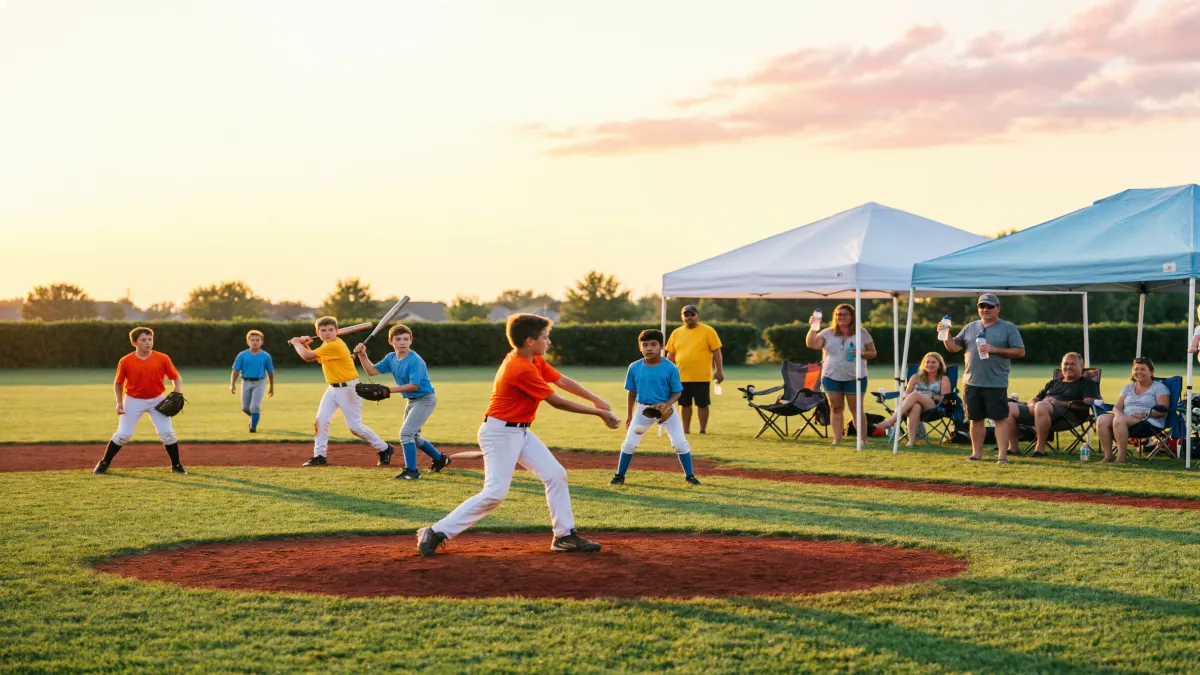
Travel softball is a competitive youth and adult softball program where players join elite club teams that compete in regional and national tournaments beyond their local recreational leagues. These teams typically play 30–60 games per season, travel across multiple states, and require significant time and financial commitment from players and families.
Picture this: it’s 6 a.m. on a Saturday, you’ve got a cooler in the trunk, cleats in a bag, and three excited kids arguing over the aux cord and you wouldn’t trade it for anything. Travel softball is more than a sport. It’s a lifestyle that takes families across the country, builds lifelong friendships, and opens doors to college scholarships for talented young athletes.
But let’s be real: the world of travel softball can feel overwhelming at first. Which tournaments are worth the drive? How much should you budget for the season? What do you actually need to pack? If you’re a first year softball family trying to figure out how this all works, or a seasoned tournament traveler looking to sharpen your game day logistics, this guide covers everything.
From top tournament destinations to insider packing tips, budget breakdowns, and the mistakes most families make in year one consider this your road map to making the most of every tournament weekend.
What Is Travel Softball and How Does It Work?
Travel softball, also called club softball or select softball, sits a big step above recreational league play. Players are recruited or try out for independent club teams, which then register to compete in sanctioning organizations’ tournament circuits throughout spring and summer.
The most prominent governing bodies include USA Softball (formerly ASA), USSSA Softball, NSA (National Softball Association), and Triple Crown Sports. Each organization runs its own tournament series, point systems, and national championship events. Teams are typically divided by age groups 8U, 10U, 12U, 14U, 16U, and 18U and by skill classification tiers within each age group.
Most travel ball seasons run from February through July, with some fall ball programs extending into October. Families can expect to travel to 8–15 tournaments per season, depending on the team’s ambition and budget.
Quick Facts: Travel Softball at a Glance
| Category | Details |
| Season Length | February – July (spring/summer); fall ball Aug–Oct |
| Age Divisions | 8U through 18U (sometimes 10U–18U depending on org) |
| Major Sanctioning Bodies | USA Softball, USSSA, NSA, Triple Crown Sports |
| Average Tournament Cost | $300–$900 per team entry |
| Family Travel Budget | $1,500–$6,000+ per season |
| Top Tournament States | Georgia, Texas, Tennessee, Oklahoma, Florida, Alabama |
| College Showcase Age | 14U–18U |
| Typical Games Per Season | 30–60 |
Best Time to Travel for Softball Tournaments
The peak travel softball season runs from mid March through late July, when the weather cooperates across most of the country and tournament schedules are fullest. Spring break weekends in March and April are extremely popular and fill fast, so families need to book hotels 6–10 weeks in advance for top tier events.
May and June represent the sweet spot for tournament travel. The weather is warm but not brutal in most regions, fields are in prime condition, and the competition is at its most intense as teams chase qualification points for national championships. July brings national championship tournaments, which are the crown jewels of the season; events like the USA Softball National Championships and USSSA World Series draw thousands of teams from across the country.
Seasonal Overview
| Season | Months | Pros | Cons |
| Early Spring | Feb–Mar | Smaller fields, less travel | Weather unpredictable, fewer elite teams |
| Peak Spring | Apr–May | Best competition, full schedules | Hotels book fast, higher prices |
| Summer | Jun–Jul | Nationals, showcases, big events | Extreme heat in South/Southwest |
| Fall Ball | Aug–Oct | Lower cost, less pressure | Fewer tournaments, smaller pools |
Top Travel Softball Tournament Destinations in the USA
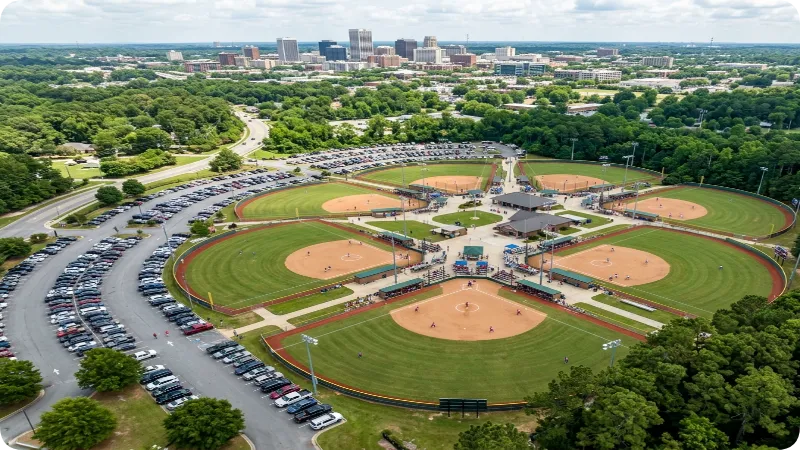
The best travel softball destinations combine competitive tournament fields with family friendly amenities, affordable accommodations, and enough off field activities to make the weekend feel like a real trip.
Chattanooga, Tennessee
Chattanooga consistently ranks among softball families’ favorite tournament cities. The Finley Stadium Complex and surrounding multi field facilities host dozens of major USSSA and USA Softball events throughout the season. The city’s compact size means hotels, restaurants, and fields sit within easy driving distance of each other, a practical lifesaver when you’re juggling game schedules.
Beyond softball, Chattanooga offers the Tennessee Aquarium, the historic Lookout Mountain, and the Walnut Street pedestrian bridge for families who want to explore between pool play and bracket rounds.
Tulsa, Oklahoma
Tulsa is a powerhouse on the national softball circuit. The Tulsa Expo Center and ASA Hall of Fame Stadium Complex in nearby Oklahoma City draws elite teams from across the country. Oklahoma’s central location makes it accessible for teams from Texas, Kansas, Missouri, Arkansas, and the Midwest, which means the competition fields are deep and the talent level is consistently high.
Tulsa also benefits from lower hotel costs compared to coastal cities, and the Blue Dome District and Gathering Place park give families a pleasant way to spend downtime.
Myrtle Beach, South Carolina
Myrtle Beach combines top tier softball with a genuine vacation destination, making it one of the most beloved stops on the travel ball calendar. The Doug Shaw Memorial Softball Complex one of the largest softball facilities on the East Coast hosts major events from spring through early summer.
Families love that kids can play 5–6 competitive games during the day and then hit the beach in the evening. The boardwalk, golf courses, and miniature golf attractions keep everyone entertained. Hotel options range from budget friendly motels to full oceanfront resorts, with something available at nearly every price point.
Columbus, Georgia
Columbus and the broader Columbus Softball Complex have established a serious reputation in the Southeast tournament circuit. The facilities are purpose built for high volume tournament play, with multiple fields, concession areas, and spectator friendly layouts. Columbus pairs well with nearby Atlanta for families who want to tack on a city visit before or after the tournament weekend.
Kansas City, Missouri / Overland Park, Kansas
The Kansas City metro area sits at the geographic heart of the country, making it a natural hub for national championship events. USA Softball and Triple Crown Sports both run major events here. The Blue Valley Recreation Complex in Overland Park is a standout facility with excellent turf fields and solid infrastructure.
Kansas City’s famous barbecue scene gives softball families a genuinely memorable dining experience after a long day of games, few things hit harder than a plate of burnt ends from Arthur Bryant’s or Joe’s Kansas City Bar B Que.
How to Get There: Transportation Tips for Tournament Travel
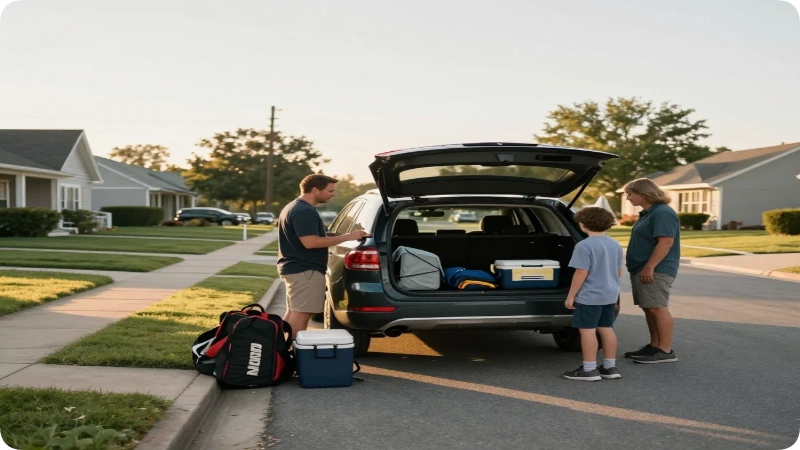
Getting a team or family to a tournament efficiently requires planning that goes well beyond just mapping directions. Most softball families drive to regional tournaments within a 4–6 hour radius and fly for national championships or major showcase events.
Driving
Driving remains the most common approach for tournaments within 400 miles. It allows families to bring full equipment bags, pop up tents, coolers, and folding chairs without paying baggage fees. Plan to leave early arriving Friday evening for a Saturday morning start is standard practice. Traffic in major tournament markets like Atlanta, Dallas, and Orlando can add 90+ minutes to expected drive times.
Insider tip: Use GasBuddy or Upside to find cheap fuel along your route. On a long weekend trip, the savings add up fast.
Flying
For national championships in destinations like Oklahoma City, Las Vegas, or Kissimmee, flying makes sense. Airlines generally allow bats in checked baggage, but families should check current TSA guidelines at TSA.gov before traveling. Most softball bags check as standard luggage; oversized equipment fees may apply for catcher’s gear bags.
Money saving tip: Book flights 6–8 weeks out when tournament brackets publish and you know your schedule. Southwest Airlines’ flexible change policy is popular among softball families whose bracket advancement may affect departure times.
Team Travel Vans/Buses
Many competitive 16U and 18U teams charter vans or buses for long distance tournaments, splitting the cost among families. This approach builds team chemistry during travel and simplifies logistics one departure time, one vehicle, no one getting lost. Services like Busbank and regional charter companies handle these bookings.
Where to Stay: Lodging Strategy for Tournament Weekends
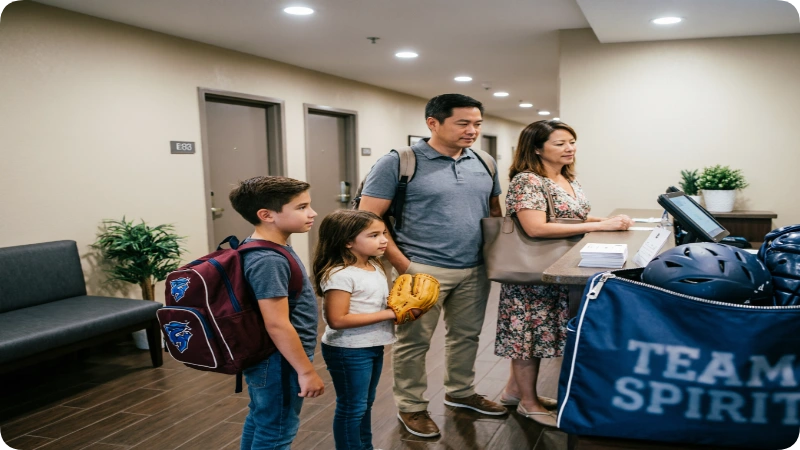
Finding good accommodations near a softball tournament takes the same planning skills you’d bring to any busy travel weekend because these events sell out hotels fast.
Tournament Hotel Blocks
Most major tournaments coordinate hotel room blocks through the event organizer or a travel partner like Sports Travel and Tours or HQ Bedspreads. These blocks are often held at discounted rates and place families near the tournament venue. Sign up for the team’s communication channel early block rooms vanish within days of release.
Important: Some tournaments operate a “stay to play” policy, which requires participating families to book through the official hotel partner. Verify this before booking independently, as violating stay to play rules can result in team entry fees being forfeited.
Budget Breakdown: What to Expect
| Expense | Budget Range (per family per tournament) |
| Hotel (2 nights) | $150–$350 |
| Gas / Transportation | $40–$200 |
| Food & Drinks | $80–$200 |
| Tournament team fee (share) | $50–$150 |
| Snacks, ice, supplies | $30–$60 |
| Total (typical weekend) | $350–$960 |
Insider Hotel Tips
- Book extended stay or suite hotels when possible they provide kitchen access, which dramatically cuts food costs over a long weekend.
- Look for hotels with outdoor pools teams love to decompress together after Day 1, and pool access becomes a genuine morale booster.
- Hampton Inn, Courtyard by Marriott, and Hilton Garden Inn consistently earn strong reviews from softball families for breakfast quality and consistent service.
- If you’re a Marriott Bonvoy or Hilton Honors member, tournament weekends are excellent opportunities to accumulate points.
Packing for Travel Softball: What Every Family Needs
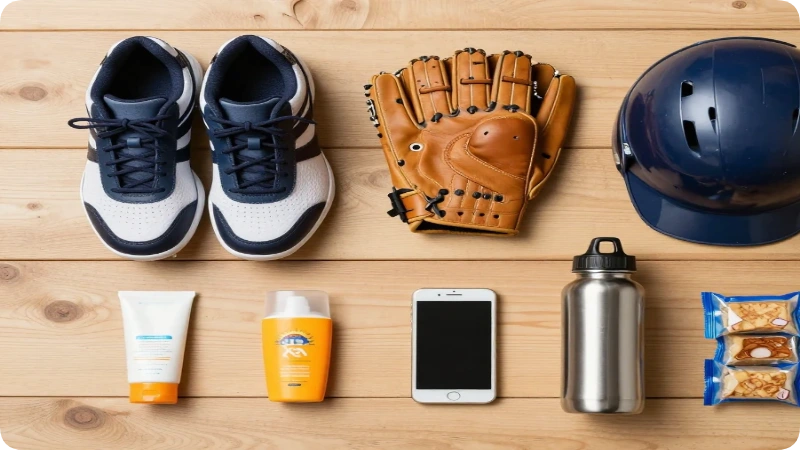
Smart packing separates the families who glide through a tournament weekend from those who spend Saturday morning hunting for sunscreen at a gas station.
Player Gear Checklist
- Cleats (metal or molded, check tournament rules) + turf shoes
- Batting helmet with face guard
- Batting gloves (two pairs one will get soaked)
- Fielding glove
- Catcher’s gear if applicable
- Two full uniforms + compression shorts
- Practice pants
- Team issued bat (verify organization rules on bat certifications USA Softball and USSSA use different stamp requirements)
- Water bottle (64 oz minimum)
- Personal first aid: athletic tape, blister bandages, KT tape
Spectator/Family Essentials
- Pop up canopy tent (10×10 standard for sideline setups)
- Folding chairs lightweight aluminum frames travel best
- Cooler with meals and snacks (saves $30–$50 per day vs. concession stands)
- Portable phone charger
- Sunscreen SPF 50+ (reapply every 2 hours)
- Bug spray for evening games
- Rain ponchos spring tournaments get rained on, guaranteed
- Small cash for concessions, parking, and gate fees
Packing Mistake to Avoid
Most first year families underpack shade and overpack clothing. A good canopy tent is worth every penny prolonged sun exposure across 3 days of pool play can become a health issue for players and spectators alike. The CDC recommends active steps to prevent heat related illness at outdoor sports events, including frequent hydration, shade access, and scheduled cool down breaks.
Travel Softball and College Recruiting: What Families Need to Know
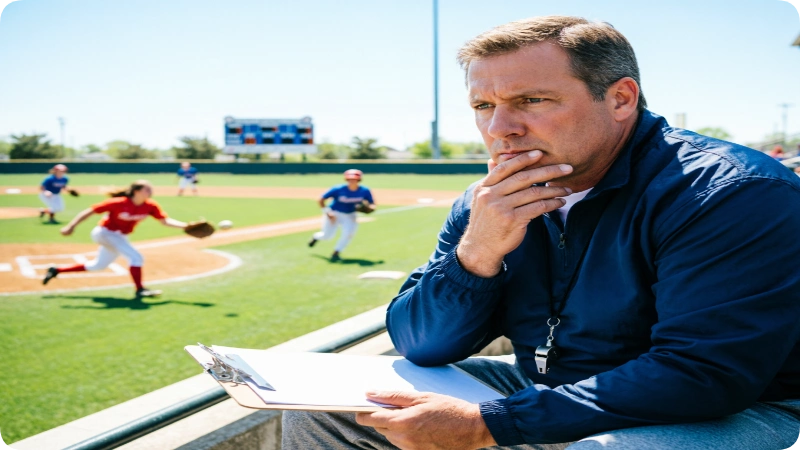
For many families, the biggest draw of travel softball isn’t just the competition, it’s the college scholarship opportunity. Division I softball programs actively scout 14U through 18U travel tournaments, particularly summer showcase events.
Top College Showcase Tournaments
- PGF (Premier Girls Fastpitch) Nationals Huntington Beach, California (14U–18U)
- USSSA World Series Various locations
- Colorado Fireworks Tournament Denver, Colorado
- East Coast Classic Various Mid Atlantic locations
College coaches typically attend events where multiple high caliber teams compete simultaneously. Being on a team that qualifies for national level competition significantly increases recruiting exposure. Athletes should maintain an athletic profile on platforms like NCSA Athletic Recruiting or SportsRecruits and make sure coaches can find their contact information and highlight videos.
Important to note: NCAA regulations govern when college coaches can contact prospective student athletes. Families should review current NCAA recruiting rules at NCAA.org, as contact windows and recruiting calendars have changed in recent years. Rules vary between Division I, II, and III programs.
Food and Dining at Softball Tournaments
Feeding a family well during a tournament weekend requires a strategy, not just cash.
Smart Dining Approach
- Day 1 (Friday): Pack a cooler with sandwiches, fruit, string cheese, and sports drinks. Eat dinner at a sit down restaurant to decompress as a family.
- Day 2 (Saturday): Eat breakfast at the hotel (free or included). Bring the cooler to the field. Concession stands for lunch only if needed.
- Day 3 (Sunday): Breakfast at hotel, hit the road after games.
Following this plan can reduce food spending by $60–$90 over a tournament weekend without sacrificing energy or enjoyment.
Finding Good Local Food
Platforms like Yelp and Google Maps make it easy to find well reviewed restaurants near tournament venues. Many softball tournament hosting cities have developed local food cultures worth exploring Oklahoma City’s Bricktown district, Chattanooga’s Southside neighborhood, and Myrtle Beach’s waterfront restaurants all reward families who take 90 minutes to explore.
Common Mistakes First Year Travel Softball Families Make
Even well prepared families step into classic traps during their first travel ball season.
Mistake 1: Underestimating the Annual Cost
Many families start the season with a number in mind then reality hits. Beyond team dues and tournament fees, the hidden costs of gas, hotels, food, replacement equipment, and uniform upgrades add up to $3,000–$7,000 or more per season for active 14U–18U teams. Build a realistic budget before committing, and ask the team director for a complete projected cost breakdown before signing.
Fix: Request a full season cost estimate from the team coach or director at the tryout stage. Get it in writing.
Mistake 2: Booking Hotels Too Late
Tournament hotel blocks open 8–12 weeks before major events and sell out within days. Families who wait until 3–4 weeks out often end up 30–45 minutes from the fields which doesn’t sound bad until you’re making that drive four times in a Saturday.
Fix: Set calendar reminders for tournament hotel block opening dates. Sign up for the organization’s email list.
Mistake 3: Skipping Travel Insurance
A player injury, family emergency, or severe weather event can cancel a tournament weekend after you’ve already paid for hotels and registration. Basic travel insurance or a credit card travel protection benefit (many Chase and American Express cards include it) can recover non refundable costs.
Fix: Review your credit card’s travel protection benefits before buying a separate policy you may already be covered.
Safety Tips for Tournament Travel
Travel softball weekends involve long hours in the sun, physical activity, and car travel, a combination that requires thoughtful safety practices.
- Hydration: Players should drink 16–24 oz of water per hour of activity in warm weather. Sports drinks with electrolytes help during hot summer events.
- Heat illness awareness: Learn to recognize signs of heat exhaustion (heavy sweating, weakness, dizziness) and heat stroke (confusion, no sweating, loss of consciousness). The CDC’s heat safety guidelines provide clear action steps. Move affected individuals to shade, apply cool water, and seek medical attention for heat stroke immediately.
- Driving fatigue: The return drive home after a Sunday bracket final is when accidents happen. If you’ve been in the sun all weekend and it’s after 6 p.m., stop for coffee, share driving, or stop overnight rather than pushing through fatigue.
- Venue security: Most softball complexes require wristbands or paid admission. Know where your vehicle is parked and establish a meeting point if your group separates.
Hidden Gems: Underrated Tournament Stops Worth the Drive
Gulf Shores, Alabama
Most softball families target Florida for beach tournament combos, but Gulf Shores delivers comparable shoreline beauty at a fraction of the cost. The Gulf Shores Sportsplex hosts high quality USSSA events in spring and early summer, and the Gulf Coast’s emerald waters make for an ideal post game destination. Hotel rates run 30–40% lower than comparable Florida beach markets.
Branson, Missouri
Branson sits in a scenic Ozarks setting and offers solid tournament facilities alongside one of the country’s most entertainment dense small cities. After games, families can catch live shows, explore Table Rock Lake, or visit the Silver Dollar City amusement park, an unexpected bonus that makes this weekend feel genuinely memorable.
Denton, Texas
Often overlooked in favor of larger Dallas or Houston events, Denton offers excellent softball facilities at the North Texas Softball Complex, competitive fields without the traffic gridlock of major metros, and a vibrant college town dining scene along its downtown square. It’s an underrated gem for Texas based and traveling Midwest teams.
Responsible Travel for Softball Families
Softball venues, fields, and host communities absorb a lot of traffic on tournament weekends. Treating these spaces well ensures they remain high quality destinations for years to come.
- Pack out your trash from bleacher areas and canopy setups, especially at multi field complexes where ground crews are stretched thin.
- Respect noise ordinances at hotels shared by non softball guests.
- Support local businesses eat at locally owned restaurants rather than defaulting to chain food every meal.
- Leaving fields in better condition than you found them players and families who pick up sunflower seed shells, water bottles, and equipment contribute to a better experience for everyone.
Sample Tournament Weekend Itinerary
Here’s what a well organized travel softball weekend looks like for a family driving 5 hours to a tournament.
Friday:
- Depart after school/work, stop midway for dinner at a sit down restaurant
- Check in to hotel by 9–10 p.m.
- Review tournament bracket and field maps; confirm start times
Saturday:
- Hotel breakfast at 6:30 a.m.
- First game at 8 a.m.; arrive 45–60 minutes early for warm up
- Pool play continues through afternoon cooler meals between games
- Team dinner and local exploration in the evening
- Lights out by 9:30 p.m.
Sunday:
- Breakfast at 6:30 a.m.
- Bracket games begin; timing depends on seeding
- Departure after bracket completion
- Stop for a real meal on the drive home; share driving if possible
FAQs
How much does travel softball cost per year?
Travel softball costs vary widely, but most families should budget $2,000–$6,000 per season for a competitive team. This includes team dues (typically $500–$1,500), tournament entry shares, travel expenses, hotel stays, and equipment. Elite level 16U and 18U teams with national schedules can run $8,000–$10,000 per family annually. Always request a full cost breakdown from the team director before committing.
What age should a player start travel softball?
Many players begin travel ball around 10U or 12U, though some programs start as young as 8U. The decision depends on the child’s passion for the game, physical readiness, and family capacity to handle the travel commitment. Experts and coaches generally advise against over specialization before age 12–13, so recreational and school ball should remain part of the mix for younger players.
What is the difference between USA Softball and USSSA?
USA Softball (formerly ASA) is the national governing body for softball in the United States and the organization that feeds into Olympic competition. USSSA (United States Specialty Sports Association) is a private organization that runs its own tournament circuit and rankings system. Both have extensive youth programs. Equipment certifications differ between organizations USA Softball and USSSA use different bat stamp requirements so verify before purchasing bats.
How do travel softball teams get recruited to college?
College coaches scout travel ball tournaments, particularly at 14U through 18U levels and at major national showcase events like PGF Nationals and the USSSA World Series. Players can also create recruiting profiles on platforms like NCSA or SportsRecruits and reach out directly to coaching staff. Families should review current NCAA recruiting contact rules at NCAA.org, as timelines and communication regulations have evolved.
What states have the most competitive travel softball programs?
Texas, Georgia, Oklahoma, California, Tennessee, and Florida consistently produce the highest concentration of elite travel softball programs and host the most major national level tournaments. The Southeast region overall including Alabama, North Carolina, and Louisiana has experienced significant growth in competitive club softball infrastructure over the past decade.
Is travel softball worth the investment?
For families whose players are serious about competitive softball, the investment delivers real returns: elite coaching, college exposure, team travel experiences, and life skills around discipline and resilience. However, it’s worth an honest conversation about If the financial and time commitment aligns with your family’s values and lifestyle. Many Division I players developed through competitive travel programs, but recreational leagues and school softball also produce excellent athletes and scholarship recipients.
What are the best apps and resources for travel softball families?
The GameChanger app is widely used for scorekeeping, schedule management, and stat tracking. TourneyMachine and GameDay are common platforms for tournament brackets and scheduling. The USA Softball website and USSSA’s official platform provide rankings, event calendars, and sanctioning information. Hotel booking through the tournament’s official travel partner is typically the most reliable path to securing accommodations near the venue.
Conclusion: Making Every Tournament Weekend Count
Travel softball is one of the most rewarding and logistically demanding commitments a family can take on together. The tournaments, the road trips, the team dinners, the championship Sunday bracket moments they become some of the most vivid memories of childhood, for players and parents alike.
Three things to carry with you as you plan your season: budget honestly, including the hidden costs most first year families miss; book early, especially for hotels near major events; and build in the fun, because the best travel ball families find a way to turn every tournament city into a genuine experience.
The fields are out there. The road is calling. Now go chase it.