Part time travel agent jobs remote let you book trips, earn commissions, and set your own hours from anywhere in the U.S. Most people start through a host agency for $100–$500, complete basic training, get an IATAN or CLIA number, and begin booking travel for friends, family, and referral clients within weeks with no office or prior industry experience required.
Is This Career Right for You?
If you’re wondering whether remote part time travel agent work is worth pursuing, the answer depends more on your personality than your resume. This career suits people who enjoy planning vacations, solving travel problems, and communicating with clients. You don’t need previous travel industry experience, but you do need patience, organization, and the ability to learn booking systems.
A remote travel agent side hustle is often a good fit for:
- Stay-at-home parents
- Teachers looking for summer income
- Retirees
- Full-time employees wanting extra income
- Military spouses
- Frequent travelers
If you need a guaranteed paycheck every two weeks, this may not be the right choice because commissions usually arrive after your clients complete their trips.
Why Remote Part Time Travel Agent Work Is Booming Right Now
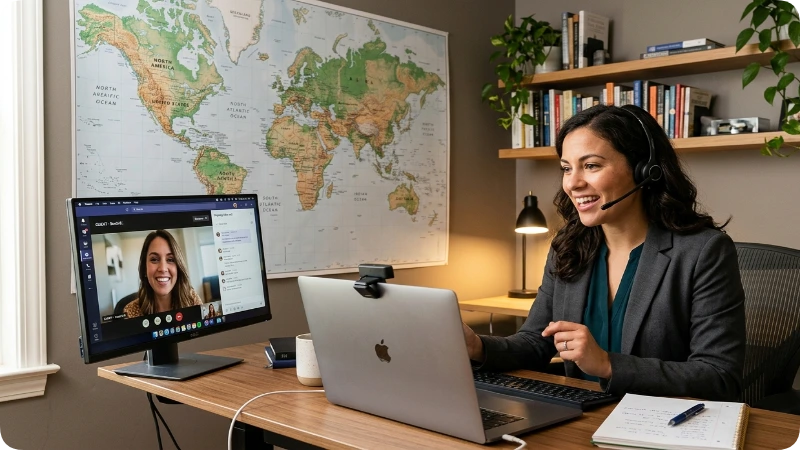
Demand for flexible travel careers has grown fast because more Americans want side income tied to something they already love: trip planning. Part time travel agent jobs remotely appeal to parents, retirees, and full time employees who want commission based income without quitting a stable job. Host agencies have made entry easier by offering low cost onboarding, booking software, and supplier relationships that used to require years to build.
This shift matters because traditional brick and mortar agencies are shrinking while independent, home based agents are multiplying. Travelers increasingly want a real person who can navigate complicated itineraries, points programs, and last minute changes, something a booking app can’t fully replace. That gap is exactly where remote part time agents fit in.
What Does a Part Time Remote Travel Agent Actually Do?
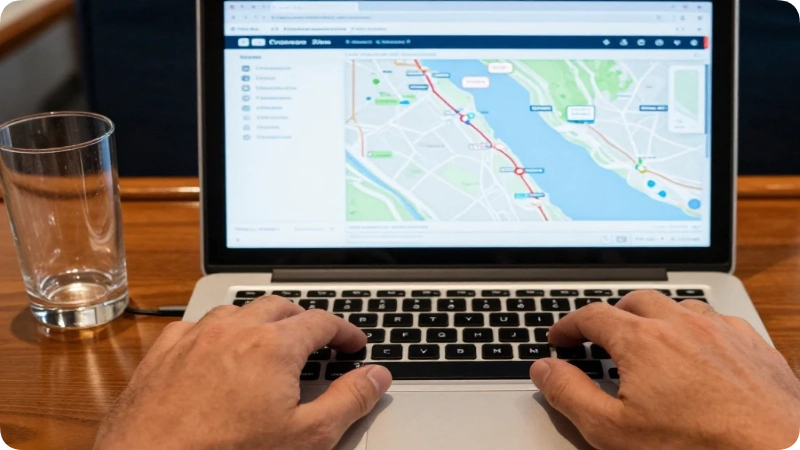
A part time remote travel agent researches, books, and manages trips for clients in exchange for commission, typically working evenings or weekends around a primary job. Daily tasks include comparing cruise and hotel rates, communicating with suppliers, building itineraries, and handling client questions by phone or email. Most work happens through a laptop and supplier portals rather than in person meetings.
Unlike a full time agency employee, part time agents usually build a smaller client base focused on referrals, family vacations, honeymoons, group cruises, or Disney trips. Many host agencies specialize in specific niches (cruises, all inclusive resorts, luxury travel), which helps new agents focus their learning instead of trying to master the entire travel industry at once.
How to Become a Remote Part Time Travel Agent (Step by Step)

Becoming a remote part time travel agent typically takes two to six weeks from sign up to first booking. The process involves choosing a host agency, completing required training, registering for industry credentials, and setting up basic business tools like a phone line and booking software.
- Research host agencies Compare commission splits, monthly fees, niche focus, and training quality before joining.
- Complete onboarding training Most host agencies require self paced modules covering booking systems, supplier relationships, and compliance.
- Apply for an IATAN or CLIA card These industry ID numbers unlock supplier discounts and confirm legitimacy to vendors.
- Set up your workspace A dedicated email, phone number, and quiet space for client calls keeps things professional.
- Build a small client list Start with people you know before expanding through referrals or light social media marketing.
- Book your first trip Even a simple hotel or cruise booking helps you learn supplier systems hands on.
Where to Find Legitimate Part Time Remote Travel Agent Jobs
Many beginners assume they need to search traditional job boards, but most successful part time travel agents actually start by joining a host agency rather than applying for a salaried position. Host agencies provide supplier access, booking tools, training, and commission programs that independent beginners usually can’t obtain on their own.
You can find legitimate opportunities through:
- Established host agencies accepting new advisors
- Travel agency career pages
- Remote job boards specializing in travel careers
- Professional travel organizations
- Referral programs from existing travel advisors
Before joining any company, research its commission structure, monthly fees, cancellation policy, available training, and industry reputation. Be cautious of companies promising guaranteed high income with little effort or requiring expensive upfront purchases before providing training.
Host Agency vs. Independent Agent: Which Fits Part Time Work Best?
Most part time agents work under a host agency rather than going fully independent, because host agencies provide supplier access, training, and legal coverage that individuals can’t easily get alone. A host agency model means lower startup cost and built in support, while full independence offers higher commission splits but far more administrative responsibility.
| Factor | Host Agency Model | Fully Independent Agent |
| Startup cost | Low ($100–$500) | High (business licensing, insurance, supplier contracts) |
| Training provided | Yes, usually included | Self directed |
| Commission split | 60–90% to agent | Up to 100%, minus overhead |
| Best for | Beginners, part timers | Experienced, full time agents |
For anyone testing the waters with part time travel agent jobs remote, a host agency is almost always the more practical starting point.
How Much Can a Part Time Remote Travel Agent Earn?
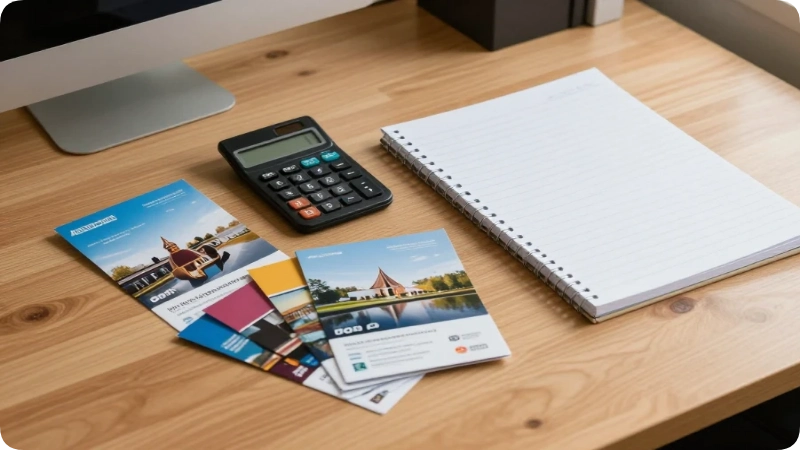
Earnings for part time remote travel agents vary widely because income is commission based rather than salaried. Commission typically ranges from 10% to 16% of a trip’s total cost, split between the agent and host agency, meaning a part timer booking a handful of vacations a month can earn a modest but meaningful side income.
New agents should expect the first several months to focus on building a client base rather than earning significant money. Income tends to grow steadily as referrals increase and agents specialize in higher value bookings like cruises, group travel, or destination weddings, which typically pay more per transaction than a single hotel night.
How Travel Agent Commissions Actually Work
Many beginners assume clients pay travel agents directly, but that’s not usually how commissions work. In most cases, hotels, cruise lines, tour operators, and vacation package providers pay commissions after a traveler completes their trip.
A simplified example:
| Booking | Supplier Commission | Agent Split (80%) | Approximate Earnings |
| $2,500 cruise | 12% | 80% | $240 |
| $4,000 vacation package | 10% | 80% | $320 |
| $8,000 group booking | 12% | 80% | $768 |
Some agents also charge planning or consultation fees, creating additional income beyond supplier commissions.
Is a Remote Part Time Travel Agent Job Worth It?
If this path is worth it depends on your goals: it suits people who already plan trips for friends and family and want to formalize that skill into income. It’s a strong fit for organized communicators who enjoy research and customer service, but a poor fit for those seeking guaranteed, predictable paychecks.
Best for: frequent travelers, retirees, stay at home parents, and side hustlers who enjoy planning trips. Not ideal for: anyone needing immediate, steady income, since commissions often pay out weeks or months after travel is completed.
Common Mistakes New Remote Travel Agents Make
New part time agents often lose momentum or credibility by skipping foundational steps in the rush to book their first client. The most frequent mistakes include joining the wrong host agency, ignoring training, underpricing service fees, and marketing before building real product knowledge.
- Mistake: Choosing a host agency based only on commission split. Fix compare training quality and support responsiveness too.
- Mistake: Skipping supplier specific training. Fix complete cruise line and resort certification modules before booking those trip types.
- Mistake: Not charging planning fees. Fix many experienced agents charge a modest research or booking fee to protect their time.
Insider Tips for Getting Started Faster
A few practical habits separate agents who build steady referral business from those who stall out after a few bookings. Specializing early, leveraging supplier familiarization (FAM) trips, and staying visible with past clients all accelerate growth for new remote agents.
- Pick one niche first (cruises, all inclusive resorts, or family travel) instead of trying to sell everything.
- Take advantage of supplier webinars many are free and count toward certifications.
- Ask happy clients directly for referrals instead of waiting for word of mouth.
- Keep a simple spreadsheet of client trip dates to follow up for repeat bookings.
- Join a host agency Facebook or Slack community for real time supplier updates.
Underrated and Overrated Parts of the Job
Some aspects of remote travel agent work get more hype than they deserve, while others go unmentioned in most beginner guides. The flexibility is real and underrated, but the idea of “free travel” is overrated; most discounted trips still require agents to pay for lodging, flights, and taxes.
- Underrated: the relationship building skill set, which transfers well to other remote or sales careers.
- Overrated: the promise of quick, passive income most part time agents work steadily for months before commissions feel meaningful.
- Underrated: supplier training itself, which often includes destination knowledge useful even outside the job.
Tools and Software Remote Travel Agents Commonly Use
Most host agencies provide access to a central booking platform, but agents also rely on a handful of everyday tools to stay organized. Common tools include a customer relationship management (CRM) system, a dedicated business phone or VoIP line, e signature software for contracts, and calendar tools for tracking payment deadlines.
A reliable laptop and stable internet connection are non negotiable, since supplier portals and video calls with clients depend on consistent access. Many agents also use simple accounting apps to track commission payouts and business expenses for tax purposes.
What Equipment Do You Need to Work From Home?
One advantage of becoming a remote travel agent is that startup equipment costs are relatively low compared with many other home-based businesses. Most beginners already own much of what they need.
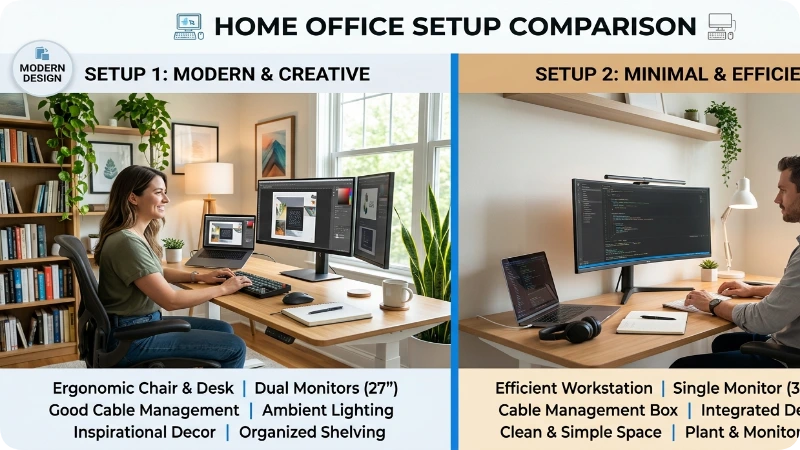
A basic home office setup should include:
- Reliable laptop or desktop computer
- High-speed internet connection
- Noise-canceling headset
- Smartphone for client communication
- External monitor (optional but helpful)
- Printer/scanner for occasional paperwork
- Comfortable desk and chair
Having a quiet workspace also helps during supplier training sessions and client consultations. Professional communication often matters more than having an expensive office setup.
Certifications and Credentials That Help Remote Agents Stand Out
Credentials aren’t always mandatory, but they build trust with clients and unlock better supplier relationships. The most recognized credentials include an IATAN card, CLIA membership, and destination or supplier specific certifications from cruise lines, resorts, or tour operators.
New agents typically start with free or low cost supplier certifications before investing in paid credentials like IATAN, which usually requires proof of active bookings or agency affiliation. ASTA (American Society of Travel Advisors) membership is another option worth researching for agents planning to grow the business long term.
Time Commitment: What “Part Time” Really Looks Like
Part time travel agent work is flexible, but it still requires consistent effort to build and maintain client relationships. Most part time agents spend five to fifteen hours a week on research, client communication, and administrative tasks, with heavier weeks around major booking seasons like January and late summer.
Evenings and weekends tend to work best, since that’s when most clients are free to talk about vacation plans. Building in a predictable weekly block of time rather than working sporadically helps new agents respond to client questions before they book elsewhere.
Can You Work as a Remote Travel Agent While Keeping Your Full-Time Job?
Yes. Many successful travel advisors begin while working another full-time job. Evenings, weekends, and lunch breaks often provide enough time to respond to clients, build itineraries, and complete bookings.
To balance both roles successfully:
- Set office hours clients understand
- Respond to inquiries consistently
- Use scheduling software
- Avoid accepting more clients than you can manage
- Automate appointment booking where possible
As your commissions grow, you can decide whether remaining part time or transitioning to full time makes the most financial sense.
Legal and Tax Considerations for Remote Travel Agents
Most part time travel agents operate as independent contractors, which comes with specific tax responsibilities. Agents typically receive 1099 income, meaning they’re responsible for setting aside money for self employment taxes and tracking deductible business expenses like phone bills, software, and training courses.
Because rules vary by state and host agency structure, it’s worth confirming licensing requirements; some states require a seller of travel registration. Always verify current tax and licensing rules with a tax professional or your state’s consumer affairs office, since requirements can change.
Alternatives to Consider If Remote Travel Agent Work Isn’t the Right Fit
If the commission based, relationship driven nature of travel agent work doesn’t match your goals, a few related paths offer similar flexibility. Alternatives include travel content creation, virtual assistant work for travel agencies, or remote customer service roles with airlines, hotels, or online travel agencies (OTAs).
These paths can offer steadier hourly pay, though typically with less earning upside than commission based agent work. Some people even use one of these roles as a stepping stone before transitioning into travel agent work full time.
Sample Weekly Schedule for a Part Time Remote Travel Agent
A realistic weekly rhythm helps new agents balance a primary job with growing a travel business. A typical part time schedule includes a few hours of client calls in the evenings, one weekend block for research and quote building, and short daily check ins for email and supplier updates.
- Monday–Friday evenings (30–45 minutes): Respond to client emails and messages.
- One weekday evening (1–2 hours): Client calls and itinerary planning.
- Saturday morning (2–3 hours): Research destinations, compare quotes, complete training modules.
- Sunday (30 minutes): Review upcoming payment deadlines and follow up with past clients.
How Do Remote Travel Agents Find Their First Clients?
Finding clients is usually the biggest challenge during the first few months. Fortunately, most successful agents don’t begin with strangers. Instead, they build trust through people who already know them.
Popular ways new travel agents find clients include:
- Friends and family
- Facebook community groups
- Local business networking
- Church and community organizations
- Referrals from previous travelers
- Travel-focused Instagram or TikTok accounts
- Email newsletters
Instead of trying to sell every type of vacation, focus on becoming known for one specialty. For example, if you enjoy cruises, become the person everyone contacts for cruise planning. Specialists often build credibility faster than generalists.
FAQs
Do I need experience to become a remote part time travel agent?
No formal experience is required to start. Most host agencies provide training for beginners, though a genuine interest in trip planning and strong communication skills make the learning curve much easier.
How much does it cost to start as a remote travel agent?
Startup costs usually range from $100 to $500 for host agency onboarding, which often includes training, booking software access, and errors and omissions insurance coverage.
Can I do this job with no clients yet?
Yes, most agents start with friends and family before expanding. Building even a handful of trusted referral clients is a realistic starting point in the first few months.
Is remote travel agent work legitimate, or is it a scam?
It’s a legitimate industry, though scams exist among unreliable host agencies. Verify any host agency through IATAN, CLIA, or ASTA before paying fees or signing an agreement.
How long until I get my first commission check?
Commission is typically paid after a client’s trip is completed, which can be weeks to months after booking, depending on the supplier’s payout schedule.
Can I become a remote travel agent without certification?
Yes. Most beginners start without formal certifications because many host agencies provide training during onboarding. Over time, earning supplier certifications, CLIA membership, or an IATAN card can improve credibility and unlock additional travel industry benefits.
Do I need an LLC to become a part-time travel agent?
No. Many new travel agents begin as sole proprietors while working through a host agency. As income grows, some choose to form an LLC for liability protection or tax planning, but requirements vary by state, so it’s best to consult a qualified tax or legal professional.
What is the best host agency for beginners?
There’s no single best host agency for everyone. The right choice depends on your preferred travel niche, training quality, commission split, monthly fees, technology, and support. Comparing several reputable agencies before joining is usually the best approach.
Can I specialize in only one type of travel?
Absolutely. Many successful part-time travel agents focus on a single niche such as cruises, Disney vacations, luxury travel, adventure travel, destination weddings, or all-inclusive resorts. Specializing often makes marketing easier and helps build expertise faster.
Do I need a business license to become a remote travel agent?
Business licensing requirements depend on your state, local laws, and whether you’re operating independently or through a host agency. Some states also have seller-of-travel regulations. Check your local requirements before accepting clients.
Do remote travel agents get free or discounted travel?
Some discounted rates exist through familiarization trips and supplier partnerships, but travel isn’t free. Agents still pay for flights, lodging, and taxes on most trips.
What’s the biggest challenge of doing this part time?
Balancing client communication with a full time job or other responsibilities is the most common challenge, since clients often expect timely responses even during off hours.
Biggest Pros and Cons of Being a Remote Part Time Travel Agent
Every flexible career comes with trade-offs. Understanding both the advantages and challenges helps set realistic expectations before investing your time or money.
Pros
- Flexible work schedule
- Low startup costs
- Unlimited earning potential
- Ability to work from home
- Opportunity to specialize in destinations you enjoy
- Ongoing travel industry education
Cons
- Commission payments can take months
- Income varies seasonally
- Client emergencies sometimes happen outside business hours
- Marketing is necessary to grow
- Success depends heavily on referrals and repeat customers
For many agents, flexibility outweighs the unpredictable income, but understanding both sides helps prevent disappointment.
Final Thoughts: Is This the Right Side Career for You?
Three things matter most before starting: choose a reputable host agency, commit realistic weekly hours, and focus early on a niche instead of trying to sell every type of trip. Part time travel agent jobs remote reward patience and consistency far more than quick marketing pushes.
For travelers who already love planning trips for others, this path turns a natural skill into real income without giving up a primary job or relocating for work. Start small, learn the supplier systems well, and let referrals do the heavy lifting as your client base grows. The flexibility to work from anywhere, on your own schedule, is what keeps most part time agents in the business long after their first booking.