
Travel size skin care refers to miniature versions of your favorite skin care products typically under 3.4 oz (100ml) that meet TSA liquid rules and fit inside a quart sized bag for carry on travel. Smart packing means choosing multi use formulas, matching products to your destination’s climate, and keeping your routine consistent so your skin doesn’t suffer mid trip.
Why Your Skin Hates Travel (And What to Do About It)
Every seasoned traveler knows the feeling: you land after a long flight, catch your reflection in the airport bathroom, and wonder who replaced your face. Dry patches, unexpected breakouts, dull tone travel wrecks skin. Cabin air on commercial flights runs at roughly 10–15% humidity, far below the comfortable 40–60% range your skin is used to. Add time zone disruption, different water mineral content, sun exposure, and the stress of moving through crowds, and you have a recipe for a complexion crisis.
The good news? A well planned travel size skin care kit solves most of these problems without adding a pound to your luggage. This guide covers exactly what to pack, how to build a TSA compliant routine, which products truly earn their space in your bag, and the smart strategies experienced travelers use to keep their skin healthy from departure gate to return flight.
If you’re heading to a humid beach in Florida, a dry desert city like Phoenix, or a cold weather destination like Denver, this guide gives you the tools to build a travel skin care routine that actually works.
TSA Liquid Rules and Travel Size Basics
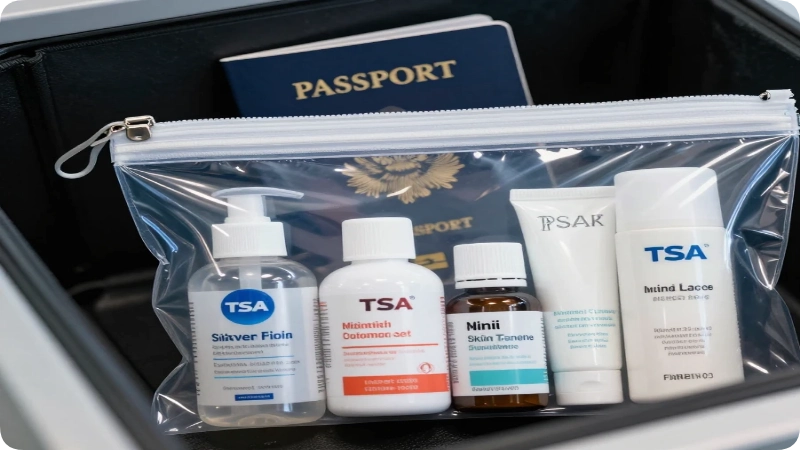
The TSA’s 3 1 1 rule is the foundation of any carry on skin care strategy. Each liquid, gel, cream, or paste must be in a container of 3.4 oz (100ml) or less. All containers must fit inside one clear, quart sized resealable bag. Each passenger gets one bag. Products over 3.4 oz go in checked luggage only no exceptions, regardless of how much you paid for the bottle.
Here’s what that means practically for your skin care:
- Containers: must be labeled 3.4 oz / 100ml or less (the amount inside doesn’t matter only the container size counts)
- Quart bag: approximately 7″ x 8″; most toiletry bags sold as “TSA approved” fit the standard
- Security checkpoint: your quart bag must be removed from your carry on and placed in a bin separately
- Solid products: solid cleansers, balms, powder sunscreens, and stick moisturizers are not liquids and don’t count toward your limit a major advantage for frequent flyers
Always verify current TSA guidelines at tsa.gov before travel, as policies can update. If you’re flying internationally, check the security rules of your departure country as well, since some differ from U.S. standards.
Quick Reference: TSA Skin Care Rules at a Glance
| Product Type | TSA Liquid? | Travel Tip |
| Liquid cleanser | Yes | Use a solid bar cleanser instead |
| Cream moisturizer | Yes | Decant into 1 oz jar |
| Serum | Yes | Travel bottles available in 0.5 oz |
| Sunscreen lotion | Yes | Stick or powder SPF avoids liquid limits |
| Toner / mist | Yes | Facial mist doubles as hydration |
| Sheet masks | No | Pack as many as you want |
| Solid face bar | No | Great space saver |
| Eye cream stick | No | Counts as solid |
| Lip balm | No | Pocket friendly |
| Powder SPF | No | Refillable powder sunscreen brushes are popular |
How to Build a Travel Size Skin Care Routine That Works
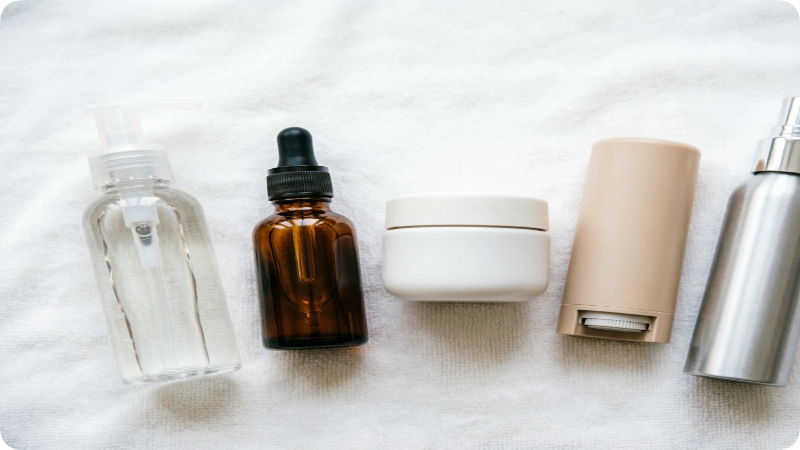
A complete travel skin care routine needs just five steps: cleanse, treat, moisturize, protect, and hydrate. Stripping your routine down to these core categories ensures your skin stays balanced without overwhelming your quart bag. Most dermatologists agree that consistency even with a simplified routine beats a complex one that gets abandoned after day two of a trip.
Step 1 Cleanse
Choose a gentle, low foaming cleanser that won’t strip your moisture barrier. On flights, consider skipping cleanser entirely and using a micellar water with a cotton round instead it removes surface impurities without water and avoids the drying effects of hard hotel tap water.
Insider tip: Many hotel shampoos contain sulfates harsh enough to damage your face’s skin barrier. Never use hotel body wash on your face, no matter how convenient it seems.
Step 2 Treat
If you use a serum (vitamin C, niacinamide, hyaluronic acid), decant it into a 0.5 oz or 1 oz glass dropper bottle. These small glass bottles are available at most pharmacy chains and travel accessory stores for a few dollars. Serums are concentrated, so you need very little per application a 1 oz bottle lasts most people a 10–14 day trip.
Step 3 Moisturize
Look for a moisturizer that works double duty one that hydrates and contains SPF, or one that soothes and restores a disrupted barrier. Cream formulas in travel jars (1 oz) typically hold enough product for 1–2 weeks. For very long trips, many brands sell official travel sizes at 15–30ml.
Step 4 Protect
Sunscreen is non negotiable, even in winter or cloudy weather. SPF 30 minimum is recommended by the American Academy of Dermatology (AAD) for daily use. Stick sunscreens and powder sunscreens are your best friends in carry on travel ; neither counts as a liquid.
Step 5 Hydrate
A hydrating facial mist (under 3.4 oz) delivers instant relief during long flights or in dry hotel rooms. Rosewater sprays, hyaluronic acid mists, and thermal water sprays all work well. Spritz on over makeup or bare skin every hour on long hauls.
The Best Travel Size Skin Care Products Worth Buying
The best travel size skin care products earn their place by being multi functional, available in TSA compliant sizes, and effective enough to maintain results from your at home routine. Here’s what to look for in each category without endorsing any single brand, since formulas change and what works depends on your skin type.
Multi Use Products That Save Space
- Tinted SPF moisturizer: replaces sunscreen, moisturizer, and light foundation three products in one
- Cleansing balm: dissolves SPF, makeup, and pollution without stripping; many double as overnight lip treatments
- Facial oil: works as a serum booster, cuticle treatment, and hair frizz tamer
- Micellar water: removes makeup, cleanses, and tones without rinsing ideal on planes
Ingredients Worth Prioritizing in Travel Skin Care
Travel exposes skin to specific stressors. Seek products with these ingredients when shopping:
- Hyaluronic acid: draws moisture into skin essential in low humidity airplane cabins
- Niacinamide: reduces redness and inflammation, great when time zones disrupt sleep
- Ceramides: restore the skin barrier damaged by hard hotel water and dry air
- Zinc oxide: physical SPF that performs in heat, sweat, and water
- Panthenol (vitamin B5): calms wind and sun exposure quickly
Destination Specific Skin Care Tips
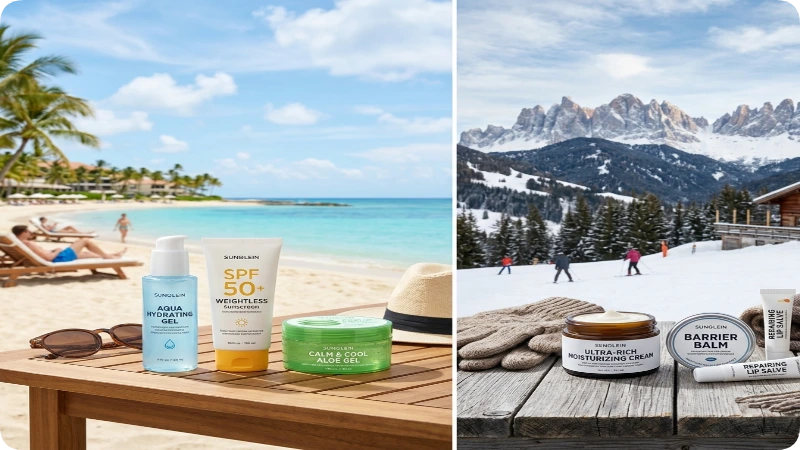
Your destination’s climate directly affects which travel size skin care products you need most. A routine packed for Miami Beach will likely fail you in dry Santa Fe, and vice versa. Matching your kit to your climate prevents most travel skin problems before they start.
Tropical and Humid Destinations (Florida, Hawaii, Gulf Coast)
- Swap heavy moisturizers for lightweight gel formulas thick creams cause breakouts in high humidity
- Prioritize water resistant, reef safe SPF (required in some Hawaii counties by law)
- Pack oil absorbing sheets instead of additional moisturizer
- A gentle chemical exfoliant wipe (glycolic or lactic acid) helps manage sweat related congestion
Dry and High Altitude Destinations (Colorado, Arizona, Nevada)
- Layer a hyaluronic acid serum under your moisturizer altitude strips moisture fast
- Use a richer night cream than you’d normally apply
- Lip balm with SPF is essential; lips crack quickly above 5,000 feet
- A small humidifier USB travel unit can transform a desert hotel room overnight
Cold Weather Destinations (New England, Great Lakes, Pacific Northwest in winter)
- Cream cleansers over foaming ones foam strips essential oils
- An occlusive balm (petrolatum or shea based) as a final step seals moisture against wind
- SPF still matters snow reflects up to 80% of UV rays, according to the Skin Cancer Foundation
International Destinations
Hard water in many European and Asian cities can cause mineral buildup on skin. A micellar water cleanse before your regular routine removes these deposits. If you’re traveling to very sunny destinations (closer to the equator), increase SPF to 50 or higher and reapply every 90 minutes.
How to Decant Products for Travel Without Wasting Money
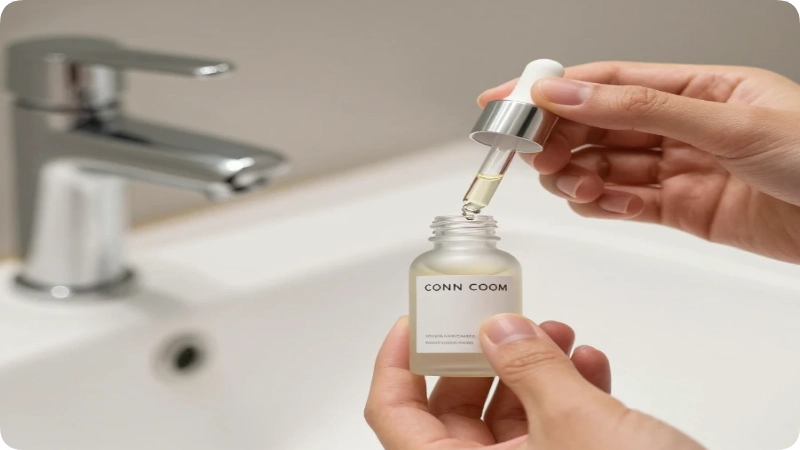
Decanting transferring products from full size containers into smaller travel bottles is the smartest way to use your existing skin care routine while staying TSA compliant. It saves money (no need to buy duplicate travel sizes) and reduces plastic waste over time.
What You Need to Decant Effectively
- Small silicone squeeze bottles (1–2 oz) for thicker creams and lotions
- Mini glass dropper bottles (0.5–1 oz) for serums and facial oils
- Small screw top jars (1 oz) for balms, eye creams, and solid products
- Stick on labels or a permanent marker to identify each bottle
- A small travel funnel for transferring liquids without spills
Decanting Tips From Experienced Travelers
- Fill bottles over a sink, not a suitcase even careful pours spill
- Label with expiration reminders decanted products lose the original expiration information
- Use silicon caps over dropper bottles dropper openings leak under cabin pressure changes
- Don’t decant retinol or acids into metal containers chemical reaction risk
- Bring one spare empty bottle useful if you want to take a hotel product home
Common Travel Skin Care Mistakes (And How to Fix Them)
Mistake 1 Trying a New Product During Travel
Testing a new serum or treatment on the first day of a trip is one of the most common traveler errors. Reactions, purging, and irritation take 48–72 hours to show up and there’s no easy dermatologist access in a foreign city. Fix: Stick exclusively to products your skin already knows and tolerates. If you want to try something new, test it at home at least two weeks before departure.
Mistake 2 Over Packing the Quart Bag With “Just In Case” Products
The average quart bag fits 6–8 products comfortably. Cramming in 12 means nothing seals properly, bottles crack under bag pressure, and products you don’t use become dead weight. Fix: Pack only what you’ll use every day. Leave specialty treatments (clay masks, chemical peels) at home unless the trip is longer than two weeks.
Mistake 3 Skipping SPF Because It’s Cloudy or Winter
Up to 80% of UV rays penetrate cloud cover, according to the AAD. Skipping SPF because the sky looks gray is one of the fastest ways to return from a trip with sun damage you didn’t expect. Fix: Apply SPF every morning regardless of weather, and reapply after water activities or heavy sweating.
Insider Tips From Frequent Flyers
- Store your quart bag inside your personal item, not your carry on. At security, you’ll reach it faster and avoid holding up the line digging through your overhead bag.
- Apply a thick layer of moisturizer right before boarding not after takeoff. Your skin starts losing moisture the moment you enter the pressurized cabin, so pre loading hydration helps significantly.
- Sheet masks are TSA exempt and phenomenal on overnight flights. Apply one for 20 minutes during a red eye, remove, and let the remaining essence absorb. You’ll arrive looking rested even when you’re not.
- Hotel pillow cases are often laundered with harsh detergents a known trigger for sensitive skin breakouts. Pack one clean, soft pillowcase from home for trips longer than 3 nights.
- Drink 8–10 oz of water for every hour of flight time. No topical product compensates for internal dehydration. Avoid alcohol and excess caffeine during flights both accelerate moisture loss.
Overnight and Long Haul Flight Skin Care Routine
Long flights particularly those over 6 hours, deserve their own skin care strategy. The extended time at altitude makes skin care during the flight as important as before or after.
Before boarding:
- Cleanse thoroughly
- Apply hyaluronic acid serum while skin is still slightly damp
- Lock in moisture with a richer than usual cream
- Skip full makeup it traps in impurities during a long flight
During the flight (every 2–3 hours):
- Mist with hydrating facial spray
- Apply lip balm
- Avoid touching your face (tray tables and seat back screens carry significant bacteria)
Upon landing:
- Cleanse immediately if possible hotel check in or airport lounges with shower facilities are worth the time
- Apply your normal serum + moisturizer routine
- Reapply SPF before heading outdoors
Travel Size Skin Care for Different Skin Types
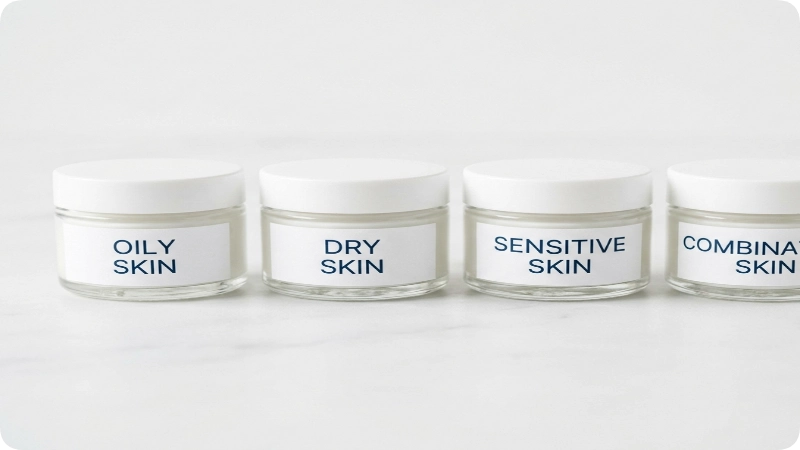
Your skin type determines which travel size products to prioritize and which to leave behind. The stressors of travel affect different skin types differently.
Oily and Acne Prone Skin
Focus on non comedogenic, oil free formulas. Salicylic acid cleansers (travel sizes are widely available) help manage congestion in new climates. Blotting papers replace the need for a heavy mattifying product. A lightweight niacinamide serum reduces excess oil production without stripping.
Dry and Dehydrated Skin
Layer products serum, then cream, then facial oil or occlusive to trap moisture in airplane cabins. Glycerin based products hold onto water effectively. A travel size sleeping mask used on flights mimics the overnight repair process.
Sensitive and Reactive Skin
Minimize product count more aggressively sensitive skin reacts more easily in stressed travel conditions. Fragrance free and hypoallergenic formulas reduce the risk of reactions to different water or climate conditions. Colloidal oatmeal creams soothe wind and sun irritation.
Combination Skin
Zone treat: use a lighter gel product on oily areas, a creamier formula on dry patches. Multi masking with sheet masks (one for oil control, one for hydration) works well during travel layovers.
Eco Friendly and Sustainable Travel Size Skin Care
Sustainable travel includes sustainable skin care choices. Single use travel sizes generate significant plastic waste the EPA estimates that toiletry related plastic accounts for millions of pounds of landfill waste annually from the travel industry alone.
More sustainable alternatives:
- Refillable silicone travel bottles last for years versus single use plastic minis
- Solid cleansers and shampoo bars eliminate plastic packaging entirely
- Concentrated formulas a few drops cover more skin, meaning less product and smaller packaging
- Bamboo travel tool sets (cotton swabs, applicators) replace single use plastic options
- Compostable sheet masks are now available from several brands
When traveling internationally near marine environments, choose reef safe sunscreens Hawaii legally requires them, and many other coastal areas encourage or are moving toward similar regulations.
Budget Breakdown: What Travel Size Skin Care Actually Costs
Costs vary widely based on brand and strategy. Here’s a general range to help you plan always verify current prices before purchasing, as they change frequently.
| Approach | Estimated Cost | Best For |
| Decant your existing products | $5–$15 (bottles only) | Any trip; best overall value |
| Buy drugstore travel sizes | $20–$40 for a full kit | Short trips (3–5 days) |
| Buy brand travel sizes / minis | $40–$90 for a curated kit | Gifting, trying new products |
| Buy airport or hotel products | $15–$50 per item | Emergency only least cost effective |
Money saving tip: Many brands include travel size samples with online purchases or offer travel size products as gifts with purchase. Collect these over several months before a trip and you may build your entire kit for free.
Packing Checklist: Travel Size Skin Care Essentials
Use this checklist for a carry on compliant, complete skin care routine:
Daily Essentials (in quart bag):
- Gentle cleanser or micellar water (≤3.4 oz)
- Hydrating serum (≤1 oz, decanted)
- Moisturizer (≤1 oz jar)
- SPF 30+ sunscreen (stick or powder preferred no liquid limit)
- Facial mist (≤3.4 oz)
- Lip balm with SPF (solid no liquid limit)
- Eye cream (solid stick preferred)
Optional Extras (if space allows):
- Sheet mask (2–3 for longer trips)
- Overnight sleeping mask
- Oil absorbing sheets
- Travel size retinol or treatment serum (use at night only)
- Small empty backup bottle
Solid Products (no liquid rules apply):
- Solid face cleanser bar
- Stick SPF
- Solid moisturizing balm
- Powder sunscreen brush
FAQs
What counts as a liquid under TSA rules for skin care products?
The TSA classifies liquids, gels, creams, pastes, and aerosols under the 3 1 1 rule. This includes liquid cleansers, moisturizers, serums, toners, and lotion sunscreens. Solid products bars, sticks, powders, and wax based balms are exempt and don’t count toward your quart bag limit. Always check tsa.gov for the most current guidance before each trip.
Can I bring full size skin care products in my checked luggage?
Yes. The TSA 3 1 1 liquid restriction applies only to carry on bags. Checked luggage has no size limits for liquids, though individual airlines may have weight restrictions on total bag weight. For long trips where you need your full size products, packing them in checked luggage is a practical solution.
How do I keep skin hydrated during a long flight?
Apply a hyaluronic acid serum and a rich moisturizer before boarding, then mist with a hydrating facial spray every 2–3 hours during the flight. Drink water consistently at least 8 oz per hour of flight time. Avoid alcohol and caffeine on board, as both dehydrate skin from the inside. A sheet mask during a long overnight flight gives noticeable results upon landing.
Is hotel skin care safe to use if I forgot something?
Hotel products vary widely in quality and formulation. Most hotel moisturizers and cleansers use basic, inexpensive ingredients that won’t harm most skin types but won’t do much good either. Sensitive or reactive skin types should avoid hotel products when possible. In a pinch, look for fragrance free options in hotel amenities or ask the front desk if different formulations are available.
Do I need different skin care products for every destination climate?
Not necessarily different products but different application strategies. In humid destinations, use lighter layers and oil absorbing tools. In dry or high altitude destinations, add extra hydrating steps (serum before moisturizer, plus a face oil to seal). Cold climates benefit from richer creams and occlusive sealants. The same products can often serve multiple climates with adjusted application technique.
How early should I start adjusting my skin care routine before international travel?
Start at least one week before departure, especially if you’re switching to a simplified travel routine or trying decanted versions of your products. Your skin adjusts more smoothly to routine changes when they happen gradually. If you’re traveling across multiple time zones, beginning a slightly different sleep schedule a few days early also helps reduce the stress response that shows up on your skin.
What’s the best way to handle skin care during a multi destination trip?
Build your kit around the most demanding climate on your itinerary. If you’re moving from a humid coast to a dry mountain region, bring the hydrating products needed for the dryer stop you can always use less in the humid climate but can’t create products you didn’t pack. A simple tinted SPF moisturizer works across most climates and saves significant quart bag space.
Three Things to Remember Before You Pack
First, the TSA’s 3 1 1 rule is your organizing principle every liquid skin care item must fit in a 3.4 oz container and share a single quart bag. Solid alternatives (stick SPF, solid cleansers, balm sticks) bypass liquid rules entirely and are worth knowing about.
Second, climate adaptation matters more than brand names. Matching your products to your destination’s humidity, altitude, and temperature makes more difference to your skin than which specific brand you pack. A $12 drugstore hyaluronic acid serum in a humid tropical setting outperforms a $90 luxury cream that’s too heavy for the climate.
Third, consistency beats complexity. A simple 4–5 step routine you actually use every day of your trip produces better results than an elaborate 10 step routine that gets abandoned by day three. Pack less, use it all, and enjoy the trip.
Ready to pack smarter? Start by auditing your quart bag pull out anything you haven’t used on your last three trips, and build from the essentials up.












1 thought on “Travel Size Skin Care Tips For Fresh, Radiant Skin Everywhere”