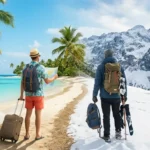
A shoe bag for travel is a small, portable pouch usually made of nylon, cotton, or waterproof fabric that keeps shoes separate from clean clothes inside a suitcase or backpack. It stops dirt, odor, and moisture from spreading, protects shoe shape, and makes packing and airport security checks faster and more organized.
Why Every Traveler Needs a Shoe Bag

A shoe bag solves one of packing’s oldest annoyances: dirty soles touching clean shirts. It creates a physical barrier between footwear and the rest of your luggage, trapping dust, gravel, and moisture in one contained spot. For travelers who pack multiple pairs of sneakers for walking tours, sandals for the beach, dress shoes for dinner, a shoe bag also keeps everything sorted and easy to find without digging through a suitcase.
Beyond cleanliness, shoe bags protect shoe structure during transit. Suitcases get tossed, stacked, and compressed by baggage handlers, and unprotected shoes can crease, crush, or scuff other items. A padded or structured shoe bag absorbs some of that pressure and helps shoes keep their shape trip after trip.
Types of Travel Shoe Bags

Most travel shoe bags fall into four categories: drawstring pouches, zippered cases, packing cube style organizers, and clear TSA style bags. Each style suits a different packing habit, from minimalist carry on trips to longer journeys with multiple shoe pairs.
| Type | Best For | Typical Material | Pros |
| Drawstring pouch | Single pair, quick access | Nylon or cotton | Lightweight, cheap, easy to pack |
| Zippered case | Full protection, dressy shoes | Polyester or canvas | Secure closure, dust proof |
| Packing cube style | Multiple pairs, organized trips | Ripstop nylon | Compresses well, fits suitcase corners |
| Clear/mesh bag | Quick TSA visibility | PVC or mesh | See through, airport friendly |
Best Materials for a Travel Shoe Bag

The best shoe bag materials are ripstop nylon, waterproof polyester, and breathable cotton canvas, each balancing durability against airflow. Nylon and polyester resist moisture and tearing, which matters most for hiking boots or rain soaked sneakers. Cotton canvas breathes better, reducing trapped odor on longer trips, though it offers less water resistance.
Travelers heading somewhere wet coastal towns, rainforest regions, or winter destinations should prioritize a waterproof or water resistant coating. Those packing mainly clean sneakers or sandals for warm weather trips can lean toward breathable cotton or mesh, which dries faster and traps less moisture between wears.
Do You Really Need a Shoe Bag for Travel?
Not every traveler needs a dedicated shoe bag, but most people benefit from having one once they take more than a couple of trips a year. Shoes are usually the dirtiest items in a suitcase, picking up dust, mud, bacteria, sand, and moisture that can easily transfer onto clean clothing. A simple shoe bag creates a barrier that keeps the rest of your luggage cleaner while making it easier to organize multiple pairs.
A shoe bag becomes especially useful if you travel with different footwear for different activities. For example, someone visiting New York might pack walking shoes for sightseeing, dress shoes for dinner, and gym shoes for the hotel fitness center. Keeping each pair separated prevents scuffs and makes unpacking much quicker.
If you’re packing only one pair of shoes and wearing them throughout the trip, a dedicated shoe bag may not be essential. Likewise, ultra-light backpackers who travel with minimal gear sometimes prefer using reusable laundry bags or waterproof stuff sacks instead.
For frequent flyers, families, and business travelers, however, a reusable shoe bag quickly pays for itself. It protects expensive footwear, keeps luggage organized, and eliminates one of the most common packing frustrations dirty soles touching freshly packed clothes.
How to Choose the Right Shoe Bag Size

The right shoe bag size depends on shoe type: sneakers and flats fit standard 12–14 inch pouches, while boots or bulky athletic shoes need an extra large 16 inch bag or two separate pouches. Measuring your largest pair before buying prevents the common mistake of a bag that’s too tight to close.
For trips involving several pairs, a multi compartment organizer often works better than several single pouches, since it keeps everything in one place and compresses flatter in a suitcase. Solo travelers packing one or two pairs usually do fine with a simple drawstring bag that folds down small when not in use.
Shoe Bag Size Guide by Shoe Type
| Shoe Type | Recommended Bag Size |
| Flip flops | Small |
| Flats | Small |
| Sneakers | Medium |
| Running shoes | Medium |
| Hiking boots | Large |
| Work boots | XL |
| High heels | Medium |
| Kids’ shoes | Small |
If you regularly pack boots or bulky athletic shoes, look for expandable designs with reinforced zippers. Travelers carrying mostly casual sneakers can usually fit two pairs inside a double-compartment organizer without adding much bulk.
Insider tip: Leave about an inch of extra room inside the bag. Slightly oversized bags zip more easily and reduce pressure on leather or suede shoes during transit.
Shoe Bags vs. Packing Cubes: What’s the Difference
Shoe bags are single purpose pouches built specifically for footwear, while packing cubes are general purpose fabric containers used to organize clothing by category. Some packing cube sets include a dedicated shoe compartment, but a standalone shoe bag typically offers better odor and dust containment because it’s designed with denser, wipeable fabric.
Travelers who already use a packing cube system can add just a single shoe pouch to that system rather than buying an entirely separate organizer. Those who prefer minimal gear can skip packing cubes altogether and rely on one multi pair shoe bag as their main organizer.
How to Pack Shoes in a Suitcase Using a Shoe Bag

Packing shoes correctly protects both the shoes and everything else in the suitcase. Follow these steps for a clean, space efficient pack:
- Stuff shoes with socks or small items (chargers, jewelry pouches) to save space and hold shoe shape.
- Slide each pair into its own compartment or bag to prevent scuffing between pairs.
- Place the shoe bag along the suitcase’s wheeled edge or bottom layer, since that section absorbs the most impact.
- Position heavier shoes toward the hinge side of the suitcase for better weight balance.
- Add soft items (like rolled clothing) around the bag to cushion it during transit.
- Keep the bag zipped or drawstring sealed the entire trip, even on the way home when shoes are dirtier.
Where Should Shoes Go Inside a Suitcase?
Where you place your shoes matters almost as much as using a shoe bag in the first place. Because shoes are among the heaviest items most travelers pack, placing them strategically improves balance and helps protect more delicate belongings.
For wheeled suitcases, position the shoe bag near the wheels. This keeps the suitcase balanced while reducing pressure on clothing packed above it. In hard-shell luggage, placing shoes along the edges also helps protect softer items in the center.
Backpack travelers should place shoes close to the back panel where the weight stays nearest to the body. Heavy shoes packed toward the outside of a backpack can pull the bag backward and make walking less comfortable.
Duffel bags work best when shoes are packed at one end or inside a dedicated shoe compartment if available. This keeps dirty footwear separate while making them easier to access without unpacking everything.
Regardless of luggage type, avoid placing shoes on top of delicate electronics or toiletries that could crack under pressure during baggage handling.
TSA Rules for Packing Shoes and Shoe Bags
According to the Transportation Security Administration, shoes packed in checked luggage face no special restrictions, but travelers going through standard security screening at the checkpoint must typically remove shoes for X ray unless they’re enrolled in TSA PreCheck. A shoe bag itself is allowed in both carry on and checked bags and does not need to be removed separately unless an officer requests it.
Because TSA policies and screening procedures can change, travelers should confirm current requirements on the official TSA website before departure, especially if flying with specialty footwear like hiking boots with metal shanks or steel toe shoes, which may trigger additional screening.
Best Shoe Bag Features to Look For
The most useful travel shoe bags combine a wipeable interior lining, a secure closure, breathable ventilation, and a compact folded size. A wipeable or coated interior makes cleaning mud or sand out simple, while mesh panels or small vent holes reduce trapped moisture and odor.
Other features worth checking include reinforced stitching at stress points, a small external pocket for laces or shoe polish, and a hanging loop for drying wet shoes at a hostel or hotel. Bright interior linings also help travelers spot small items packed inside, which matters when everything looks alike in a dim suitcase.
Budget Breakdown: What Shoe Bags Typically Cost
Basic drawstring shoe bags are generally the most affordable option, while structured, multi compartment, or branded travel organizers cost more due to added material and design features. Prices vary by retailer and change over time, so travelers should check current listings on major retail or travel gear sites before buying.
As a rough starting point for comparison shopping:
- Budget tier: Simple drawstring or mesh pouches best for occasional travelers
- Mid range tier: Zippered, water resistant single or double pouches best for frequent flyers
- Premium tier: Multi pair organizers with structured panels best for travelers packing several shoe types
Always verify current pricing directly with the retailer, since costs shift with promotions and inventory.
Is an Expensive Shoe Bag Worth It?
A higher price doesn’t automatically mean a better travel shoe bag. In many cases, the extra cost pays for stronger stitching, more durable zippers, waterproof fabrics, and reinforced construction rather than flashy branding.
Occasional travelers taking one or two vacations a year usually don’t need premium organizers. A simple nylon drawstring bag is often enough to keep shoes separated from clothing.
Frequent flyers and business travelers, however, often benefit from spending more. Better materials resist tears, wipe clean more easily, and continue performing well after dozens of trips. Premium bags also tend to include separate compartments that prevent expensive leather shoes from rubbing against each other.
If you’re investing in quality luggage or regularly traveling internationally, buying one durable shoe organizer often costs less over time than replacing cheaper versions every year.
A good rule is to match the shoe bag to the value of the shoes inside it. Protecting a $250 pair of leather dress shoes with a $20–30 organizer usually makes more sense than using a thin disposable bag.
Common Mistakes Travelers Make When Packing Shoes
Three mistakes show up again and again in traveler packing habits, and each has an easy fix.
Mistake 1: Packing shoes loose against clothing. Dirt and soles transfer instantly. Fix: Always use a dedicated bag, even a simple plastic lined pouch in a pinch.
Mistake 2: Overpacking too many pairs. Shoes are often the heaviest, bulkiest items in a suitcase. Fix: Stick to a three pair rule: one walking shoe, one dressy option, one weather specific pair (sandals or boots).
Mistake 3: Ignoring odor control. Sweaty sneakers packed airtight for days can smell up an entire suitcase. Fix: Add a small sachet of baking soda or cedar chips inside the bag, and air shoes out before repacking when possible.
Shoe Bag Alternatives for Travel
Travelers without a dedicated shoe bag can use shower caps, gallon size resealable plastic bags, or repurposed drawstring gift bags as short term substitutes. These alternatives work for a single trip but generally lack the durability, ventilation, and wipeable lining of a purpose built shoe bag.
For frequent travelers, investing in an actual shoe bag pays off quickly, since disposable alternatives like plastic bags tend to tear, trap moisture, and need frequent replacing creating more waste over time.
Packing Tips for Family, Solo, and Business Travelers
Packing needs to shift depending on who’s traveling and why, so the ideal shoe bag setup looks different for each group.
Family Travelers
Families benefit most from one large multi compartment shoe organizer rather than several small pouches, since it’s faster to pack and unpack for multiple kids’ shoes at once.
Solo Travelers
Solo travelers packing light usually only need one compact, foldable pouch for a single spare pair, keeping overall luggage weight and bulk to a minimum.
Business Travelers
Business travelers carrying dress shoes should prioritize a structured, non crushable bag that keeps shape and shine intact, since scuffed dress shoes are harder to fix on the road than casual sneakers.
Eco Friendly and Reusable Shoe Bag Options
Reusable cotton or recycled polyester shoe bags reduce single use plastic waste compared to disposable bags or grocery sacks often used as makeshift shoe covers. Many outdoor and travel brands now offer bags made from recycled ripstop fabric, which holds up over dozens of trips instead of being thrown away after one use.
Choosing a reusable option also supports lower impact travel habits overall, aligning with broader responsible tourism practices encouraged by state tourism boards and sustainable travel organizations across the U.S.
Where to Buy Travel Shoe Bags
Travel shoe bags are widely available through outdoor retailers, luggage specialty stores, department stores, and general online marketplaces. Airport gift shops sometimes carry basic versions in an emergency, though selection and pricing are usually better ahead of time through dedicated travel or luggage retailers.
Reading recent customer reviews before buying helps confirm real world durability, since bag quality can vary between similarly priced options. Checking a retailer’s return policy is also worth doing, since fit and size preferences are hard to judge from photos alone.
Care and Maintenance of Your Travel Shoe Bag
Most fabric shoe bags can be spot cleaned with a damp cloth or machine washed on a gentle cycle, depending on the manufacturer’s care label. Air drying fully before the next trip prevents mildew buildup, especially for bags used with wet or sandy shoes.
Checking zippers, drawstrings, and seams between trips catches small wear issues before they become bag ruining tears. A well maintained shoe bag can last for years of regular travel, making it one of the more cost effective packing accessories a traveler can own.
Common Shoe Bag Buying Mistakes
Buying a shoe bag seems simple, but a few common mistakes can leave travelers with an organizer that doesn’t actually solve their packing problems.
The biggest mistake is choosing a bag that’s too small. Many inexpensive organizers advertise themselves as “universal,” but larger running shoes or hiking boots often won’t fit comfortably.
Another common error is prioritizing appearance over practicality. Leather-look bags may seem luxurious but often weigh more and are harder to clean after muddy trips. Travelers visiting beaches or rainy destinations usually get better value from lightweight waterproof nylon.
Ignoring ventilation is another frequent oversight. Completely sealed bags trap moisture, allowing unpleasant odors to build up during multi-day trips. Small mesh panels or breathable fabrics help shoes dry naturally between uses.
Finally, many shoppers overlook zipper quality. Weak zippers typically fail before the fabric wears out, especially when overstuffed. Choosing reinforced zippers and double-stitched seams usually adds years to a shoe bag’s lifespan.
FAQs
Do I need a shoe bag for carry on luggage?
It’s not required, but a shoe bag helps in carry on bags especially, since space is tighter and shoes sit closer to clothing. A compact drawstring pouch keeps a spare pair contained without taking up much room.
Can I bring a shoe bag through TSA security?
Yes, shoe bags are permitted in both carry on and checked luggage. Screening rules for the shoes themselves depend on if a traveler has TSA PreCheck, so checking the official TSA website before flying is recommended.
What’s the best material for a waterproof shoe bag?
Coated nylon or polyester with sealed seams offers the best waterproofing for travel shoe bags. These materials resist rain, spills, and damp shoes better than untreated cotton canvas.
How many shoe bags should I pack for a week long trip?
One multi compartment bag or two to three single pouches typically covers a week long trip with 2–3 shoe pairs. Packing more than that usually adds unnecessary bulk and weight.
Are shoe bags reusable, or are they single use?
Quality fabric shoe bags are fully reusable and can last for years with basic care like spot cleaning and air drying. Cheaper plastic or disposable versions typically wear out or tear after just a few trips.
Can a shoe bag replace packing cubes entirely?
A shoe bag only organizes footwear, so it can’t fully replace packing cubes used for clothing categories. Many travelers use both together, packing cubes for clothes, a dedicated bag for shoes.
Do shoe bags help prevent odor in a suitcase?
Yes, a well ventilated or breathable shoe bag helps contain and reduce shoe odor from spreading to clothing. Adding a small odor absorbing sachet inside boosts this effect further.
Which Shoe Bag Is Best for Your Travel Style?
The best shoe bag isn’t necessarily the most expensive—it’s the one that matches how you actually travel. Choosing based on your typical trips helps avoid paying for features you’ll rarely use.
| If you usually travel… | Best Choice |
| Carry-on only | Lightweight drawstring nylon bag |
| Business trips | Structured zippered organizer |
| Family vacations | Multi-compartment shoe organizer |
| Hiking trips | Waterproof ripstop nylon bag |
| Beach vacations | Breathable mesh shoe bag |
| Backpacking | Foldable ultralight pouch |
| International travel | Water-resistant zippered bag |
If you’re unsure where to start, a medium-sized waterproof zippered organizer offers the best balance of durability, organization, and versatility for most travelers. It handles everything from weekend getaways to longer international trips while fitting comfortably inside standard carry-on luggage.
Final Takeaways
A good travel shoe bag keeps dirt, odor, and moisture contained, protects shoe shape during transit, and speeds up both packing and airport screening. Choosing the right size, material, and style drawstring, zippered, or multi compartment depends on how many pairs you travel with and where you’re headed.
If it’s one compact pouch for a weekend carry on or a full organizer for a family trip, a shoe bag is a small investment that solves a packing problem nearly every traveler runs into. Add one to the packing list before the next trip, and clean, organized luggage becomes one less thing to think about on the road.

Gordon Ramsay is a travel writer and destination researcher who helps U.S. travelers plan smarter trips, covering destinations, seasonal trends, budgets, and logistics to help readers decide where—and when—to go.
Rather than simply listing popular places, Gordon Ramsay focuses on what travelers actually need: comparing weather against crowds, weighing costs and accessibility, and researching current conditions alongside official tourism guidance—delivering honest, practical advice without the hype.