Travel ball bats are high performance baseball or softball bats designed for competitive youth travel teams, typically approved under USSSA, USA Baseball, or NSF certifications. These bats differ from rec league models in construction, drop weight, and barrel technology. Choosing the right bat and traveling with it safely can directly affect your young athlete’s performance on the road.
Every travel ball parent knows the feeling: you’ve driven four hours to a weekend tournament, unpacked everything at the hotel, and then realized the wrong bat made it into the bag. Or worse, the airline lost it. Travel ball season runs hard from spring through fall, crisscrossing states for showcase events, regional qualifiers, and national championships and your equipment needs to keep up.
This guide covers everything a travel ball family needs: how to choose the right certified bat, how to fly or drive with it without damage or league disqualification, what to pack for multi day tournaments, and insider tips that veteran travel ball coaches and parents have learned the hard way. If you’re heading to Cooperstown Dreams Park in New York, the USSSA Space Coast World Series in Florida, or a regional qualifier in Texas, this resource has you covered.
What Are Travel Ball Bats and Why Do They Matter?
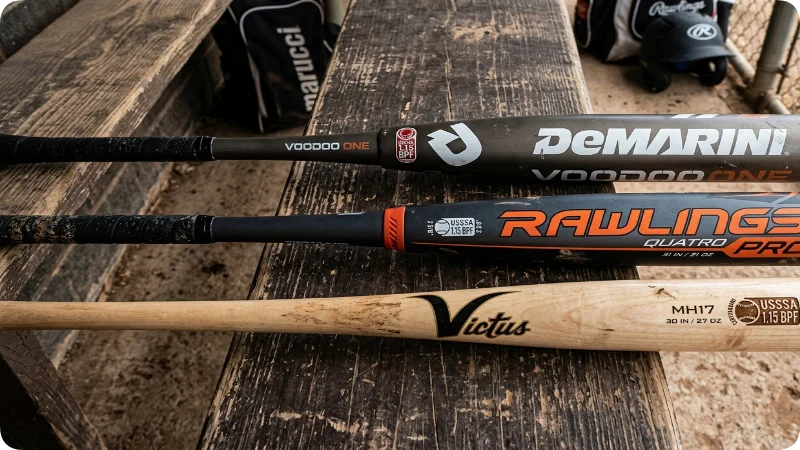
Travel ball bats are performance bats approved for competitive youth baseball and softball leagues that operate outside of recreational Little League play. Most travel organizations including USSSA (United States Specialty Sports Association), USA Baseball, and the NSF set specific performance standards that bats must meet before players can use them in games.
The bat you choose matters because using an unapproved bat can result in immediate ejection, game forfeiture, and even suspension. Beyond compliance, the right bat gives younger hitters a measurable edge through better barrel speed, larger sweet spots, and optimized swing weight for their size and age group.
USSSA vs. USA Baseball vs. BBCOR: Which Standard Applies?
| Certification | Age Group | Bat Standard | Key Feature |
| USA Baseball | 5–14 (Rec + Travel) | USABat stamp required | Wood like performance |
| USSSA | 6U–14U Travel | 1.15 BPF stamp required | Higher performance |
| BBCOR | High School / College | .50 BBCOR stamp | 3 drop only |
| NSF (Softball) | Youth travel softball | NSF 08 166 | Varies by org |
Most travel ball leagues at the 8U–12U level use USSSA certified bats, while some organizations (especially those affiliated with USA Baseball) require the USABat stamp. Always verify your specific league’s rulebook before purchasing. Rules change seasonally, so check the official USSSA website at usssa.com or your league director for the most current standards.
How to Measure Your Player for the Correct Travel Ball Bat
Selecting the correct bat size is about more than following age recommendations. Two players of the same age can need completely different bats depending on their height, strength, and swing mechanics. A properly fitted bat improves control, increases bat speed, and reduces fatigue over multiple tournament games.
One of the easiest ways to estimate bat length is to stand the bat upright next to your player’s leg. If the knob reaches roughly the hip area, the length is generally appropriate. Another common method is to place the knob in the center of the chest and extend the arm. If the fingertips comfortably touch the barrel, the bat is usually a good length.
After choosing the correct length, focus on swing weight. Your player should be able to hold the bat straight out for about 20 to 30 seconds without excessive shaking. If they struggle, the bat is probably too heavy for consistent game performance.
Remember that travel ball often involves playing four or five games in one weekend. A bat that feels manageable during batting practice may become tiring by the championship game.
Quick Bat Length Guide
| Player Height | Typical Bat Length |
| Under 4’2″ | 26–28 inches |
| 4’3″–4’8″ | 28–30 inches |
| 4’9″–5’2″ | 29–31 inches |
| Over 5’3″ | 30–32 inches |
Always use this chart as a starting point and follow your league’s certification requirements before purchasing.
How to Choose the Right Travel Ball Bat for Your Player
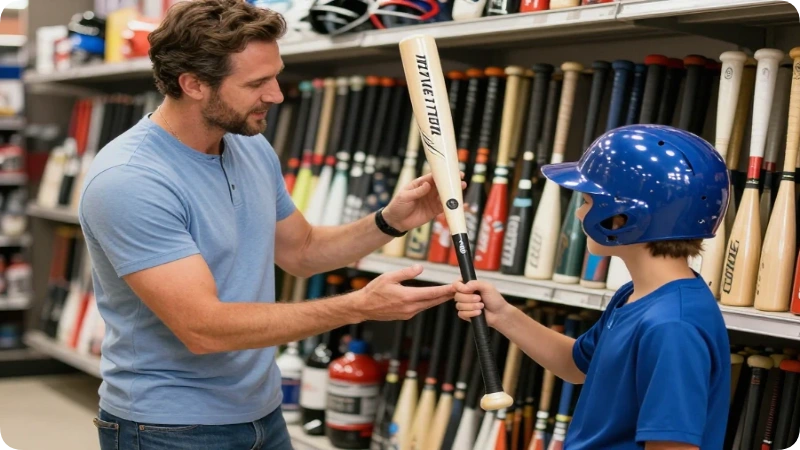
The right travel ball bat depends on the player’s age, height, weight, swing style, and the specific league certification required. A bat that’s too heavy slows the swing; one that’s too light sacrifices power. Most youth bat fitters recommend using both weight and league rules as your starting framework.
Drop Weight Explained
Drop weight is the difference between a bat’s length in inches and its weight in ounces. A 30 inch bat weighing 20 ounces is a 10 drop. Generally:
- 8U–10U players: 10 to 12 drop works best for lighter swing weight
- 11U–12U players: 8 to 10 drop as strength increases
- 13U–14U players: 5 to 8 drop as they transition toward BBCOR
- High School: 3 (BBCOR) is the only option in most states
One Piece vs. Two Piece Construction
One piece bats (typically alloy) offer maximum energy transfer and feedback on contact. They’re often preferred by power hitters. Two piece bats (composite or hybrid) flex at the connection point during the swing, reducing vibration and giving hitters a wider “trampoline” effect at the barrel. Two piece composite bats are the most popular choice on competitive travel circuits today.
Barrel Material: Alloy vs. Composite
- Alloy bats are game ready immediately, perform well in cold weather, and are more affordable. They’re durable and rarely crack.
- Composite bats require a break in period of 150–200 hits before reaching peak performance. They offer a larger sweet spot and tend to be lighter swing weight for their length. However, they can crack in temperatures below 60°F a real concern for early spring travel tournaments in northern states.
Insider tip: If your team plays spring ball in Michigan, Ohio, or the mid Atlantic states where April mornings can dip into the 50s, bring an alloy backup bat. Using a composite below its rated temperature can void the warranty and damage the barrel permanently.
How Long Does a Travel Ball Bat Last?
The lifespan of a travel ball bat depends on how often it is used, the material it is made from, and how well it is maintained. Alloy bats often remain game-ready for several seasons because they dent gradually rather than crack. Composite bats can deliver exceptional performance but generally have a shorter competitive lifespan due to repeated barrel compression.
Families whose players participate in year-round travel tournaments may replace composite bats every one to two seasons, while recreational players often use the same bat for much longer.
Signs that a bat may need replacing include:
- Visible cracks or barrel separation
- Loose end caps
- Unusual rattling sounds
- Significant dents
- Reduced hitting performance
- Certification becoming non-compliant for league rules
Proper storage dramatically extends bat life. Avoid leaving composite bats inside hot vehicles or using them during freezing temperatures, as extreme temperatures can damage the composite fibers.
How to Maintain Your Travel Ball Bat Throughout the Season
A premium travel ball bat can cost several hundred dollars, making regular maintenance worthwhile. Small habits can keep the bat performing consistently from opening day through the final tournament.
Rotate the bat slightly after each hit during break-in so impact spreads evenly around the barrel. Avoid hitting waterlogged baseballs or batting cage balls that are excessively worn, as they create unnecessary stress.
After every tournament:
- Wipe dirt from the barrel.
- Inspect for cracks or dents.
- Check the grip for wear.
- Store the bat indoors.
- Keep the barrel dry.
If using a composite bat, avoid using it below the manufacturer’s recommended temperature. Cold-weather damage is one of the most common reasons composite warranties are denied.
Top Travel Ball Bat Brands and Models Worth Knowing
Several manufacturers dominate the competitive travel ball market, each with distinct technologies and price points. Bat technology evolves quickly, so always verify current certifications and reviews before purchasing.
Leading Brands in the Travel Ball Market
Marucci has built a loyal following in travel ball and pro baseball alike, with its CAT series of alloy bats and the CATX Composite among the most frequently spotted in dugouts at USSSA national events.
Easton remains a powerhouse with its ADV and Maxum lines, offering both USSSA and USA stamped options across a wide price range. The Easton Ghost (softball) is one of the best selling travel ball bats in youth fast pitch.
Louisville Slugger’s Meta and LXT models are consistently high performers in both baseball and softball divisions. The Meta has faced periodic performance reviews from certification bodies, so always check current approval status before competing.
DeMarini offers the CF series, long regarded as one of the premier two piece composite bats for travel ball hitters at 10U through 14U levels.
Rawlings and Axe Bat round out strong alternatives, with Axe Bat’s angled knob design gaining popularity among coaches focused on swing mechanics.
💡 Insider tip: Bat prices can range from $100 to $500+. Certified pre owned bats from reputable resellers can save families significant money but always inspect for cracks and verify the certification stamp hasn’t been altered or removed.
Is Last Year’s Travel Ball Bat Still Worth Buying?
Absolutely. For many families, purchasing the previous year’s model offers the best balance between performance and affordability.
Manufacturers often release updated graphics every season while making only minor performance changes. Unless certification standards have changed or a bat has been removed from an approved list, an older model can perform nearly identically to the newest release.
Before purchasing:
- Verify the certification stamp.
- Check current league approval.
- Inspect for cracks.
- Confirm the warranty status.
- Buy from reputable sellers.
Many experienced travel ball parents intentionally shop for prior-year models after new releases arrive, saving hundreds of dollars.
How to Choose the Right Travel Ball Tournament
Not every tournament provides the same experience. Some prioritize player development, while others focus on elite competition and college exposure.
When selecting events, consider:
- Level of competition
- Distance from home
- Number of guaranteed games
- Field quality
- Umpire reputation
- Hotel availability
- Weather
- Tournament organization
Families new to travel ball often benefit from regional tournaments before committing to expensive national events.
Should You Buy Online or From a Sporting Goods Store?
Both options have advantages.
Buying in-store allows players to feel the bat’s balance, compare swing weight, and receive expert fitting assistance. Online retailers generally offer larger selections, competitive pricing, and customer reviews.
If buying online:
- Purchase from authorized dealers.
- Review return policies.
- Verify league certification.
- Compare warranty coverage.
- Avoid suspiciously cheap listings.
Whenever possible, let your player swing a demo model before ordering.
Flying with Travel Ball Bats: TSA Rules and Airline Policies
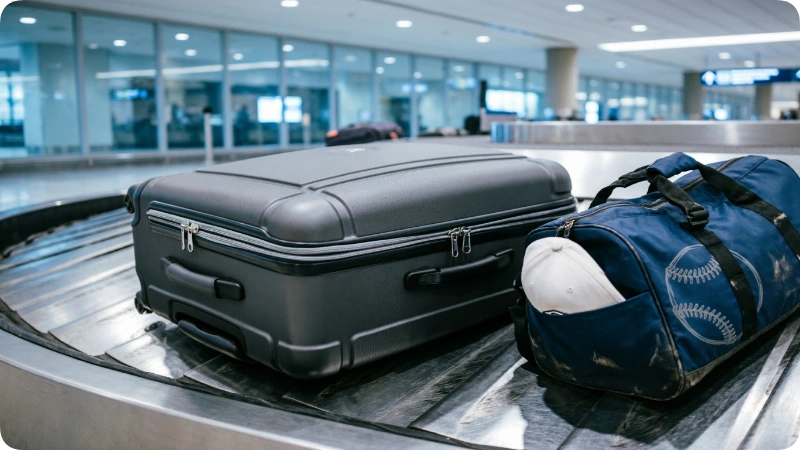
Baseball and softball bats are not permitted to carry on luggage on U.S. commercial flights. According to the TSA, bats must travel in checked baggage only. This applies to all bat types wood, alloy, and composite.
TSA Guidelines for Traveling with Bats
- Checked bags only: The TSA explicitly lists baseball bats under prohibited carry on items. Always pack your bat in checked luggage.
- Hard shell bat cases are the gold standard for protection. They prevent compression damage from other luggage and protect composite barrels from temperature stress in the cargo hold.
- Declare your equipment at check in if asked, but no special declaration is required beyond standard check in procedures.
- Verify with your airline directly: Some carriers count bat bags as oversized or odd shaped items, which may trigger additional fees. American Airlines, Delta, Southwest, and United all have varying policies for sports equipment. Check the airline’s current sports equipment page before your travel date, as policies change.
⚠️ Airline baggage fee policies and size restrictions change frequently. Always confirm with your specific carrier before your tournament trip.
Packing Your Bat for Air Travel
- Place the bat in a padded bat bag or dedicated hard shell bat case.
- Wrap composite bats in bubble wrap or a bat sleeve for extra protection.
- If checking a full equipment bag, position bats along the edges rather than in the center to reduce pressure points.
- Label the bag with your name, phone number, and tournament destination.
- Consider TSA approved locks on bat cases to prevent unauthorized access without forcing inspectors to cut locks.
Road Tripping to Tournaments: How to Pack Bats Safely in a Car
Driving to travel ball tournaments which is how the majority of families get to weekend events gives you far more flexibility with equipment. However, bat safety during car transport still matters, especially for composite bats.
Best Practices for Car Travel with Bats
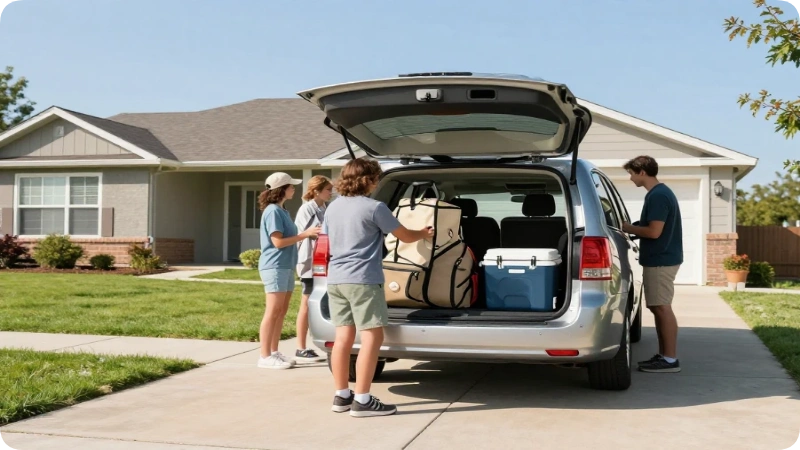
- Use a bat bag with individual slots so bats don’t rattle against each other in the trunk or cargo area.
- Keep composite bats out of hot cars in summer. Trunk temperatures in July and August can exceed 130°F in southern states like Texas, Florida, and Arizona. Prolonged heat exposure can weaken composite fibers over time.
- Lay bats flat rather than standing them upright. A sudden stop with a bat standing behind a seat is a safety hazard.
- Travel bat tubes (individual plastic cylinders) offer excellent protection for a single bat when families are traveling light.
Packing Checklist for a Travel Ball Tournament Weekend
Arriving at a multi day travel ball tournament fully prepared means more than just bringing the right bat. Tournament weekends in cities like Gatlinburg, Tennessee, Myrtle Beach, South Carolina, or Branson, Missouri often involve three to five games across two days in varying conditions.
Essential Travel Ball Packing List
Bats and Equipment
- Primary bat (certified for your league)
- Backup bat (different material alloy as backup to composite)
- Batting gloves (2 pairs minimum)
- Helmet (NOCSAE certified)
- Cleats + turf shoes
- Batting tee (optional but useful for warm ups)
Clothing and Comfort
- Team uniform (2 full sets if possible)
- Compression pants and sliding shorts
- Extra socks (at least 3 pairs per day)
- Rain jacket or light windbreaker
- Sunscreen (SPF 30+ games often run from 8 a.m. to 6 p.m. or later)
- Cooling towels for summer tournaments
Nutrition and Hydration
- Large insulated water jug (electrolyte powders help)
- Protein rich snacks: nuts, jerky, peanut butter pouches
- Easy meals for between games: wraps, sandwiches, fruit
- Recovery drinks for post game
Admin and Logistics
- Physical copies of birth certificates (many USSSA tournaments require them)
- League cards and team roster
- Hotel confirmation and tournament schedule printed out
- First aid kit: athletic tape, blister pads, ice packs, ibuprofen
Major Travel Ball Tournament Destinations Across the USA

Travel ball families log serious mileage. The biggest tournaments draw teams from dozens of states and anchor their schedules around iconic venues and cities. Knowing where tournaments happen helps families plan lodging, local dining, and side trips.
Cooperstown, New York A Baseball Pilgrimage
Cooperstown Dreams Park draws tens of thousands of youth baseball players every summer to the birthplace of the Baseball Hall of Fame. Teams stay in cabin style facilities on the grounds and play a full week of games. Beyond baseball, families can tour the National Baseball Hall of Fame and Museum, walk the charming village of Cooperstown, and explore the Finger Lakes region nearby.
Best time to visit: June through August for Dreams Park programming. Book accommodations a year in advance local lodging fills completely.
Myrtle Beach, South Carolina Sun, Sand, and Softball
Myrtle Beach hosts dozens of USSSA and other travel ball tournaments throughout spring, summer, and fall. The Grand Strand’s 60+ miles of coastline means families can hit the beach between games. Local accommodations range from resort hotels to large vacation rental homes ideal for team families traveling together.
Local tip: The Ripken Experience Myrtle Beach is one of the premier tournament facilities in the Southeast, featuring major league quality fields that players remember for years.
Gatlinburg and Pigeon Forge, Tennessee
The Smoky Mountains area has become a top destination for travel ball tournaments, combining competitive baseball at venues like the Ripken Experience Pigeon Forge with family friendly attractions including Dollywood, the Great Smoky Mountains National Park, and the Gatlinburg SkyBridge. Tournament schedules here pair well with a short family vacation.
Orlando and the Space Coast, Florida
Florida hosts more travel ball tournaments than nearly any other state. The USSSA Space Coast World Series takes place in Viera (near Melbourne, FL), and dozens of USSSA Florida state events run in the Orlando metro area. Families can extend trips to include Walt Disney World, Universal Studios, or the Kennedy Space Center Visitor Complex.
Branson, Missouri Midwest Hub
Branson has quietly emerged as one of the Midwest’s top travel ball destinations, hosting large USSSA events at facilities like the Ballparks of America. The complex features scaled down replicas of Fenway Park, Wrigley Field, Yankee Stadium, and other iconic ballparks a genuine wow factor for kids and parents alike.
Best Time of Year for Travel Ball Tournaments
Travel ball season runs nearly year round in the Sun Belt but follows a clearer spring to fall arc in northern states. Understanding the seasonal rhythm helps families plan travel, manage bat selection (temperature matters for composites), and avoid burnout.
Seasonal Tournament Guide
| Season | Months | Key Events | Bat Consideration |
| Spring | March–May | State qualifiers, league play | Cold temps → alloy backup recommended |
| Summer | June–August | Nationals, World Series events | Heat in car can damage composites |
| Fall | Sept–Nov | Fall ball, showcase events | Cooler temps return alloy helps |
| Winter | Dec–Feb | Indoor tournaments (select states) | Climate controlled composites fine |
Peak season is June through August, when USSSA, Perfect Game, and other major organizations run their national championship events. Hotel prices surge during these windows book 3 to 6 months ahead for Cooperstown, Myrtle Beach, or the Space Coast.
Where to Stay for Travel Ball Tournaments
Most tournament directors partner with local hotels for team rate blocks. Families who book through the tournament’s official hotel block often get the best rates and the benefit of staying with other teams which kids love. However, vacation rental homes (through platforms like VRBO or Airbnb) are increasingly popular for families who want kitchen access to manage food costs over a long weekend.
Smart Lodging Tips for Tournament Weekends
- Book inside the hotel block early: rates are often 15–25% below standard rates and support the tournament.
- Request ground floor rooms for easier equipment hauling bat bags, helmets, and duffle bags add up fast.
- Look for extended stay hotels with kitchenettes for trips of 4+ days preparing some meals dramatically cuts weekend food spending.
- Ask about team hospitality rooms: many host hotels offer a reserved space for team meetings, film sessions, or evening team bonding.
Budget Breakdown for a Travel Ball Tournament Weekend
Travel ball is a genuine financial commitment. A typical weekend tournament trip for one family involves registration fees, lodging, food, gas, and equipment costs. Here’s a realistic framework verify all current costs locally since prices vary by region and season.
| Expense Category | Typical Weekend Range | Notes |
| Tournament registration (team share) | $40–$120 per family | Varies by event size |
| Hotel (2 nights) | $150–$350 | Higher near Cooperstown, FL, or Myrtle Beach |
| Gas / Airfare | Varies widely | Regional vs. national events differ greatly |
| Food (2 days) | $80–$200 per family | Lower with grocery runs and kitchen access |
| New bat (if needed) | $100–$500 | One time cost; check used bat market |
| Miscellaneous gear | $20–$60 | Tape, sunscreen, extra socks, etc. |
Over a full season, families on competitive travel teams often report total annual costs ranging from $2,000 to $10,000+ when factoring in multiple tournaments, coaches’ fees, and equipment. Buying quality used bats from verified resellers and joining hotel blocks are two of the fastest ways to reduce costs without sacrificing competitive experience.
Common Travel Ball Bat Mistakes (and How to Fix Them)
Even experienced travel families make these errors. Knowing them ahead of time saves stress on tournament weekends.
Mistake #1: Using a Bat With the Wrong Certification
USSSA and USA Baseball certifications are not interchangeable. Showing up with a USA Baseball stamped bat to a USSSA league event or vice versa means your player can’t legally hit. Fix: Know your league’s governing body before the season starts, and double check each bat you purchase.
Mistake #2: Breaking In a Composite in Cold Weather
Using a composite bat for the first 150–200 break-in hits in temperatures under 60°F can crack the barrel. Fibers haven’t expanded properly and can’t absorb impact. Fix: Break in composite bats during warmer weather, or indoors, using a batting cage. Keep an alloy bat for cold early spring games.
Mistake #3: Forgetting Backup Equipment at Multi Day Nationals
A cracked or lost bat at a national tournament with no local sporting goods store nearby is a nightmare. Fix: Always bring a second certified bat. Some national events have bat demos or vendor areas where you can demo or purchase equipment on site, but don’t count on it.
Hidden Gems for Travel Ball Families on Tournament Trips
Beyond the fields, tournament cities offer experiences that make travel ball trips genuine family memories.
1. The National Baseball Hall of Fame, Cooperstown, NY Even families who’ve been to Cooperstown before find new exhibits each visit. The Hall runs special youth programming during the summer tournament season that’s specifically designed for the travel ball crowd.
2. Ripken Baseball Museum, Aberdeen, MD Aberdeen, Maryland is home to Cal Ripken Sr. Foundation facilities and sits near Baltimore’s Camden Yards. Families attending regional Mid Atlantic tournaments can build an Orioles game into the schedule a living baseball classroom.
3. Ballparks of America, Branson, MO Beyond the tournament fields, the scaled replica parks let kids stand in the same batter’s boxes (proportionally) as their MLB heroes. It’s a uniquely American experience that most travel ball families don’t know about until they arrive.
Safety Tips for Travel Ball Families on the Road
Long tournament weekends involve long drives, physical exertion, heat, and crowded facilities. Smart safety habits protect players and families alike.
- Hydration is non negotiable: Youth athletes can lose 1–2 liters of sweat per hour in summer heat. Electrolyte drinks (not just water) help prevent cramps and heat exhaustion. The CDC recommends that parents watch for warning signs of heat illness during outdoor sports, including heavy sweating, weakness, and confusion.
- Rest between games matters: Tournament directors pack schedules tightly. Prioritize sleep at the hotel and limit screen time the night before back to back game days.
- Sun protection every game: UV exposure across a full tournament weekend is significant. Reapply sunscreen every 2 hours, especially in Florida, Texas, and other high UV states.
- Know the tournament facility address and nearest urgent care: Minor injuries happen. Know in advance where the closest pediatric urgent care is from your hotel and tournament venue.
- Secure your equipment at the venue: Bat theft at large tournaments does happen. Use labeled bags and don’t leave premium bats unattended at dugout fences.
Responsible Travel and Travel Ball Etiquette
Travel ball families represent their hometowns and teams everywhere they go. Being a good guest at regional and national tournament venues keeps the sport welcoming for everyone.
- Respect the facilities: National tournament venues are shared by hundreds of teams. Clean up dugouts, pick up trash, and follow park rules.
- Support local businesses: Tournament cities depend on travel ball families. Eat at local restaurants when possible instead of defaulting entirely to chains. Communities notice and it keeps tournament hosts welcoming teams back year after year.
- Coach and parent conduct: Umpires at travel ball tournaments are often teenagers and young adults. Verbal abuse of officials reflects poorly on teams and families. Virtually every major travel ball organization has a code of conduct take it seriously.
FAQs
What is the best travel ball bat for a 10 year old?
For most 10U travel ball players in USSSA leagues, a two piece composite bat in the 10 drop range works well for balanced swing weight and performance. Look for current year USSSA certified models from Marucci, DeMarini, Easton, or Louisville Slugger. Have your player swing several bats before purchasing the best bat that they can control and accelerate through the zone.
Can I bring a baseball bat on an airplane?
No. The TSA prohibits baseball and softball bats in carry on luggage on all U.S. flights. Bats must travel as checked baggage only. Pack them in a padded bat bag or hard shell case and verify your airline’s sports equipment policy and fees before checking in, as policies vary by carrier and change periodically.
What tournaments are best for 12U travel ball teams?
Major events for 12U travel include USSSA national tournaments in Viera, FL, and various state level USSSA events, Perfect Game tournaments across the Southeast and Midwest, and the Triple Crown Sports national series. Cooperstown Dreams Park is age restricted to 12U and under, making it a bucket list destination for many families in this age group.
How do I know if my bat is USSSA certified?
Certified USSSA bats display the official USSSA 1.15 BPF thumbprint logo on the taper of the bat. The logo must be permanently affixed. USSSA also maintains a current approved bat list on its official website at usssa.com always cross references the list before a tournament since certifications can be revoked.
What’s the difference between USSSA and USA Baseball bats?
USA Baseball bats follow a wood performance standard and are designed to behave more like wood bats, reducing overall performance compared to the previous 5 BPF standard. USSSA bats operate under the 1.15 BPF standard, which allows higher barrel performance. The two stamps are not interchangeable and always confirm which standard your league requires.
How much does a good travel ball bat cost?
Quality travel ball bats range from around $100 for entry level alloy options to $400–$500+ for premium composite models. Mid range composite bats in the $200–$350 range offer strong performance without the premium price. Certified used bats from reputable bat resellers can cut costs significantly and look for bats that are crack free with an intact certification stamp.
How far in advance should families book hotels for national travel ball tournaments?
For major events like Cooperstown Dreams Park, USSSA World Series in Florida, or large Myrtle Beach showcases, book 3 to 6 months in advance. Hotel blocks connected to the tournament event fill first and offer the best rates. For smaller regional qualifiers, 4 to 6 weeks ahead is usually sufficient, though summer weekend availability tightens quickly in popular tournament cities.
Can my child use the same bat for multiple leagues?
Sometimes. If both leagues accept the same certification standard, one bat may be legal. However, many travel organizations require USSSA bats while recreational leagues often require USA Baseball-certified models. Always verify league rules before the season begins.
How many bats should a travel ball player own?
Competitive travel players should ideally carry two game-ready bats. Having a backup prevents disruptions if the primary bat is damaged, lost during travel, or becomes non-compliant before a tournament.
Can composite bats be used in batting cages?
Most manufacturers recommend limiting composite bat use with dimpled cage balls because repeated impacts can accelerate barrel wear. If batting cages are part of your regular practice routine, many coaches recommend using an alloy bat and saving the composite bat for games.
Are expensive travel ball bats really worth the money?
Premium bats often provide larger sweet spots, improved vibration control, and lighter swing weights, but they cannot replace proper mechanics. Younger players usually benefit more from using a correctly sized bat than simply choosing the most expensive model available.
How often should bat grips be replaced?
Bat grips should be inspected throughout the season and replaced whenever they become slippery, torn, or heavily compressed. Fresh grips improve control, especially during humid summer tournaments or rainy game days.
Final Thoughts: Making the Most of Your Travel Ball Season
Travel ball is one of the most rewarding and demanding youth sports experiences a family can undertake together. The right bat keeps your player competitive and compliant. Smart travel habits protect your investment and keep the focus where it belongs: on the field.
Three things to carry into every tournament weekend: verify your bat’s certification before you leave home, pack a backup, and plan your travel logistics at least two weeks out. The families who do those three things consistently spend their tournament weekends watching great baseball instead of solving avoidable problems.
The memories built chasing championships across state lines, from Cooperstown to the Space Coast, are ones young athletes carry for life. Pack smart, travel well, and enjoy every inning.

Gordon Ramsay is a travel writer and destination researcher who helps U.S. travelers plan smarter trips, covering destinations, seasonal trends, budgets, and logistics to help readers decide where—and when—to go.
Rather than simply listing popular places, Gordon Ramsay focuses on what travelers actually need: comparing weather against crowds, weighing costs and accessibility, and researching current conditions alongside official tourism guidance—delivering honest, practical advice without the hype.