Traveling with a toddler is one of the most rewarding and nerve wracking things a parent can do. One question comes up every single time: do you bring your own car seat, rent one, or skip it entirely? Get it wrong and you’re staring at a flimsy rental agency loaner, a squirming toddler, and a sinking feeling that something isn’t right. Get it right, and road trips, airport runs, and ride shares suddenly feel manageable.
This guide covers everything parents need to know about traveling with a toddler car seat in the USA from TSA rules and airline policies to the best lightweight seats on the market, plus honest advice on when to bring yours and when to leave it home.
What You Need to Know About Toddler Car Seats and Travel (Quick Facts)
| Topic | Key Info |
| TSA Policy | Car seats allowed through security; no special screening required |
| Airline Use | FAA approved seats can be used on planes |
| Rental Car Seats | Available but quality varies widely verify before booking |
| Rideshare Rules | Uber/Lyft do not provide car seats by default in most U.S. cities |
| Weight Limit (typical travel seat) | 5–65 lbs depending on model |
| Rear facing recommendation | AAP recommends rear facing as long as possible |
Why Bringing Your Own Toddler Car Seat Almost Always Wins
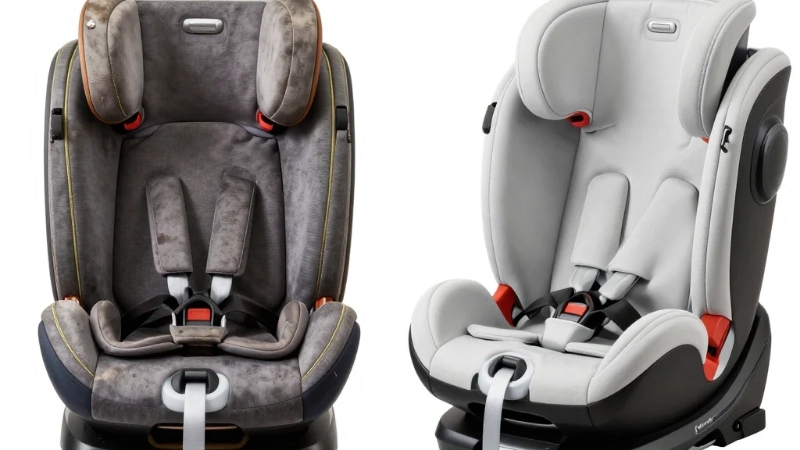
Bringing your own car seat gives you complete control over your child’s safety. Rental car seats at agencies and hotels are often outdated, missing instruction manuals, or have unknown crash histories. According to the American Academy of Pediatrics (AAP), a car seat involved in a moderate or severe crash should never be reused and rental companies rarely track that.
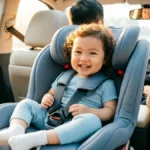
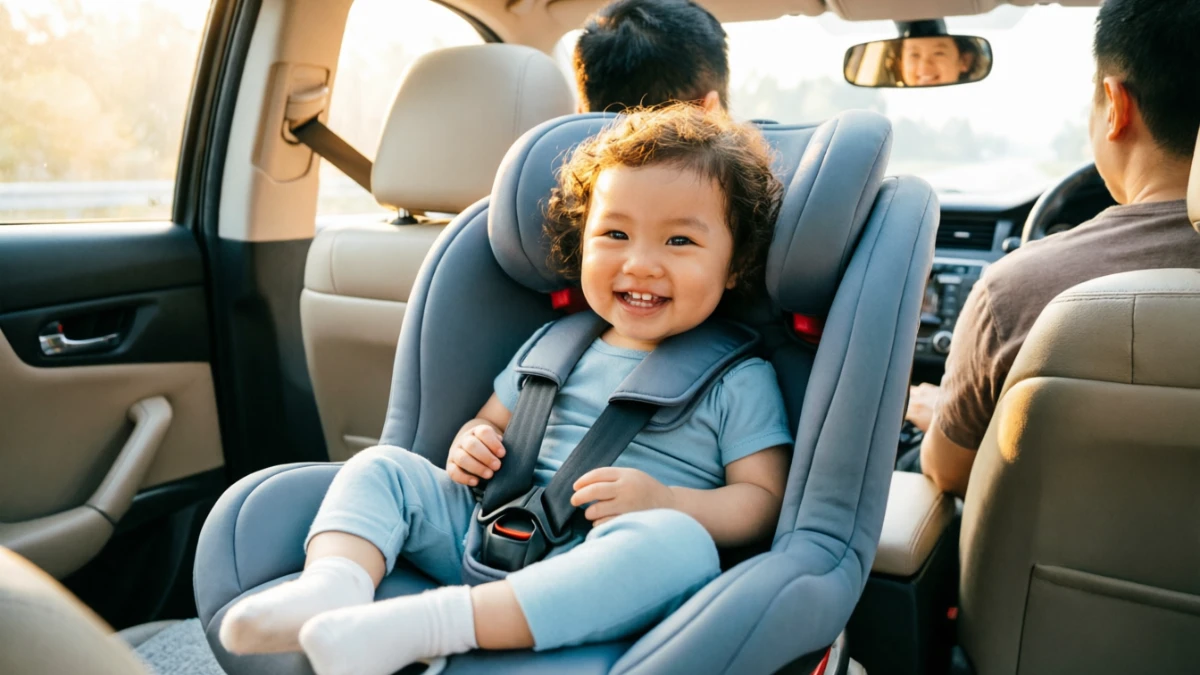
Beyond safety, your toddler already knows their seat. Familiar smells and straps mean less fussing at buckle time and a higher chance of napping on long drives. That alone is worth the extra luggage.
- Rental seat age and crash history is often unknown
- Hotel loaner seats may not be properly installed
- Your seat fits your child’s weight and height precisely
- FAA approved seats can double as airplane seats
The one exception: ultra light trips under 48 hours where a trusted rental agency guarantees a specific, verified seat model. Even then, inspect it carefully on arrival.
TSA Rules for Car Seats: What Every Parent Must Know
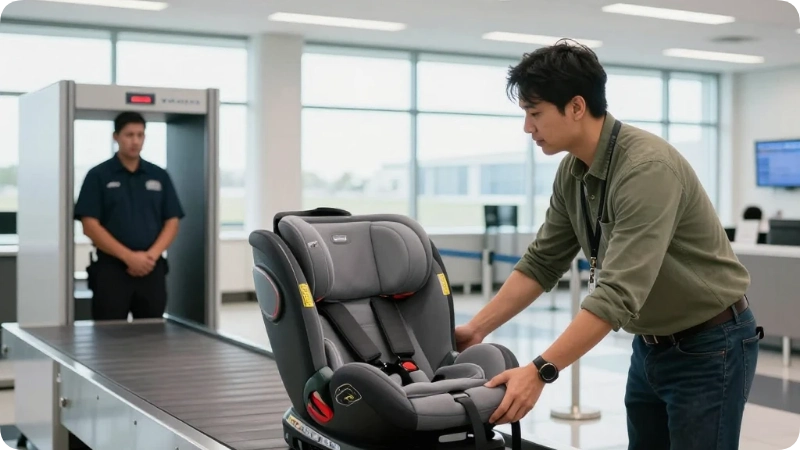
The TSA allows car seats through airport security checkpoints without any special screening process. You do not need to remove the car seat from its bag or place it in a bin separately though agents may ask to swab it for explosive residue, which is routine and fast.
Here’s what to expect at the checkpoint:
- Place the car seat on the conveyor belt or hand it to an agent
- It goes through the X ray machine like any other carry on item
- Agents may perform a physical inspection this is normal
- Keep your boarding pass and ID ready while they inspect
Pro tip: Carry the car seat’s original manual or take a photo of the FAA approval label on the seat. If an agent questions it, you have instant proof it’s approved for aircraft use.
The TSA also allows car seat travel bags and backpack carriers through security. A padded travel bag protects the seat in checked baggage and costs far less than replacing a cracked shell.
FAA Rules: Can Your Toddler Use a Car Seat on the Plane?
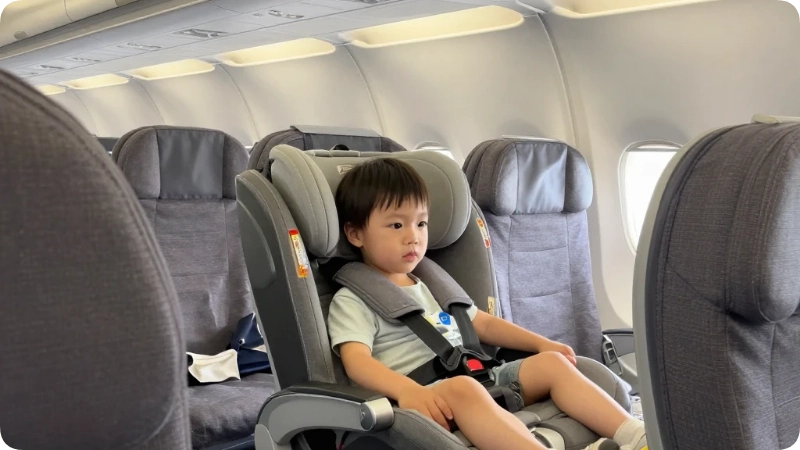
Yes the FAA strongly encourages parents to use an approved car seat on commercial flights for children under 40 lbs. The FAA states that an aircraft seat with a lap belt alone does not provide adequate protection for small children during turbulence or an emergency landing.
To use a car seat on a plane, it must meet two requirements:
- Bear the label: “This restraint is certified for use in motor vehicles and aircraft”
- Fit in the airplane seat: Most standard seats are 17–18 inches wide
Which Seats Are FAA Approved?
Most convertible and infant car seats from major U.S. brands including Graco, Chicco, Britax, and Clek carry FAA approval. Booster seats without a harness are NOT approved for aircraft use. Always check the label before you fly.
Your toddler must have their own ticketed seat to use a car seat on a plane. You cannot install a car seat in a lap infant position. Book a separate seat for the car seat, or check it as gate checked baggage (free on most U.S. airlines).
Best Lightweight Travel Car Seats for Toddlers in 2026
The best travel car seats balance safety ratings, weight, and portability. Full size convertible seats offer superior protection but can weigh 20–30 lbs. Travel specific models cut that to 8–15 lbs without compromising crash test performance.
Top Options Worth Researching
| Seat | Weight | Forward/Rear Facing | Best For |
| WAYB Pico | ~8 lbs | Forward facing only | Frequent flyers |
| Cosco Scenera Next | ~10 lbs | Both | Budget travelers |
| Graco Extend2Fit | ~14 lbs | Both | Long haul trips |
| Clek Oobr | ~18 lbs | Forward facing | Premium safety seekers |
| Chicco KeyFit 35 | ~16 lbs | Rear facing infant | Babies under 35 lbs |
Always verify current safety ratings through the National Highway Traffic Safety Administration (NHTSA) website before purchasing. Ratings change as new tests are conducted.
What to Look for in a Travel Car Seat
- FAA certification if you fly regularly
- Weight: Under 15 lbs is ideal for solo parent travelers
- Installation: LATCH vs. seat belt know which rental cars support
- Harness height: Check it accommodates your toddler’s current height
- Recline options: Critical for rear facing use in compact rental cars
How to Check or Gate Check a Car Seat at the Airport
Gate checking a car seat is free on virtually all major U.S. airlines and is one of the easiest ways to protect it during a flight. You keep the seat with you through the terminal, hand it to the gate agent just before boarding, and collect it at the jet bridge on arrival.
Step by Step: Gate Checking a Car Seat
- Arrive at the gate and inform the agent you have a car seat to gate check
- They attach a gate check tag keep your portion of the tag
- Fold or bag the seat if possible to prevent damage
- Leave it at the end of the jet bridge when boarding
- Collect it at the jet bridge upon deplaning (not baggage claim)
Insider tip: Use a heavy duty travel bag or a padded backpack style car seat carrier. Gate checked items still travel in the cargo hold and can arrive scuffed or cracked without protection. A $30–$50 bag is cheap insurance.
If you prefer to check it with your luggage, label it clearly with your name and flight information. Most airlines do not charge to check a car seat but verify with your airline directly, as policies shift.
Rideshares, Taxis, and Car Seats: The Honest Truth
In most U.S. cities, Uber and Lyft do not provide car seats, and toddlers are not legally exempt from car seat requirements simply because you’re in a rideshare. State laws vary; some states technically exempt taxis and rideshares from child restraint requirements, but safety advocates and the AAP strongly recommend using a car seat regardless of local law.
Your Rideshare Options
- Bring a portable seat: The WAYB Pico or Cosco Scenera Next install in under 60 seconds with a seatbelt
- Uber Car Seat (NYC only): Uber offers a car seat option in New York City for an added fee request it specifically in the app
- Book a family friendly car service: Many cities have pre booked car services with properly installed seats; search locally and verify in advance
- Avoid rideshares for airport to hotel legs: Consider renting a car or pre booking a verified family shuttle instead
Tourist mistake: Assuming a rideshare will have a seat available. It almost never does outside of NYC, and surge pricing means you can’t always wait for a better option. Always travel with a portable seat when your itinerary includes rideshares.
Renting a Car Seat vs. Bringing Your Own: A Practical Breakdown
Renting a car seat from a rental agency costs $10–$15 per day and can seem convenient but the hidden costs and safety concerns often outweigh the savings.
Pros and Cons of Renting
| Factor | Rental Seat | Your Own Seat |
| Cost (7 day trip) | $70–$105+ | $0 (already own it) |
| Crash history | Unknown | Known |
| Fit for your child | May not fit well | Perfectly fitted |
| Installation manual | Often missing | Available |
| Cleanliness | Variable | Controlled |
| FAA approved for flight | Rarely confirmed | Verify your model |
Bottom line: Renting makes sense only if the agency can confirm the exact make, model, year, and crash history of the seat and you’ve verified it meets current NHTSA standards. Call ahead and ask directly. Most agents won’t be able to answer those questions.
How to Install a Car Seat Correctly in a Rental Car
Correct installation is the single most important factor in car seat safety, not the brand or price of the seat. According to NHTSA, nearly 46% of car seats are installed incorrectly. A rental car environment makes this worse: unfamiliar vehicles, time pressure, and tired parents are a risky combination.
Installation Checklist
- Read the car seat manual before your trip, not at the rental lot
- Check Ifer the rental car has LATCH anchors (most cars since 2003 do)
- The seat should not move more than 1 inch side to side or front to back
- Chest clip sits at armpit level
- Harness straps lie flat with no twists
- For rear facing: seat reclines at the correct angle (check the level indicator)
If you’re unsure: Find a certified Child Passenger Safety Technician (CPST) near your destination. The National Child Passenger Safety Certification program maintains a locator at safekids.org. Many fire stations also offer free inspection call ahead to confirm availability.
Packing a Car Seat for Air Travel: Tips That Save You Time and Money
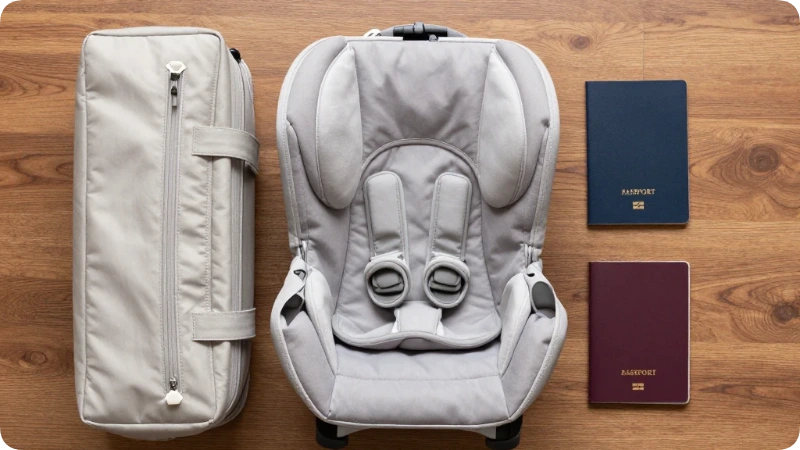
A padded car seat travel bag is the most useful accessory you can buy before a trip with a toddler. It protects the seat in cargo, doubles as a backpack for hands free carrying through the airport, and keeps all the seat’s parts together.
Packing Tips
- Loosen all harness straps before packing they’re easier to adjust on arrival
- Remove and pack the cup holder separately to prevent breakage
- Label the bag inside and out with your name, phone number, and flight number
- Take a photo of the installed seat before removing it it helps reinstall faster at your destination
- Pack installation instructions in the bag so they’re always with the seat
Money saving tip: A car seat travel backpack (brands like J.L. Childress are popular) runs $30–$60 and eliminates the need to buy a separate travel bag for every trip. It pays for itself on the second flight.
What Happens If Your Car Seat Gets Damaged by an Airline?
If an airline damages your car seat during transport, you are entitled to file a claim and most major U.S. airlines will replace it. The Department of Transportation (DOT) requires airlines to compensate passengers for damaged strollers and car seats when the damage occurs during checked baggage handling.
Steps to take if your seat arrives damaged:
- Do not leave the airport report damage at the baggage claim desk immediately
- Take photos of the damage before touching anything
- File a Property Irregularity Report (PIR) with the airline at the airport
- Keep all receipts if you need to purchase a replacement seat
- Follow up in writing within 24 hours if the agent cannot resolve it on the spot
Important: Even if the seat looks fine after a hard landing in cargo, inspect it carefully. Cracks in the shell, bent frame components, or a damaged harness mechanism are all reasons to replace the seat before use.
Road Trip Tips: Traveling by Car Across the USA with a Toddler Car Seat
Long distance road trips with toddlers require planning stops every 2 hours not just for the child’s comfort, but because extended time in a car seat without breaks can cause positional asphyxia in young toddlers.
Road Trip Planning Checklist
- Plan stops at rest areas, state parks, or playgrounds every 90–120 minutes
- Never place aftermarket accessories (mirrors, toys, seat protectors) behind the car seat they interfere with crash performance
- Use the car’s built in LATCH anchors when available; switch to seat belt installation when LATCH weight limit is exceeded (typically 65 lbs combined weight of seat + child)
- Keep snacks and entertainment in a bag at adult reach not tucked behind the seat
- Bring a small travel pillow for toddler neck support (outside the harness, never inside)
Hidden gem routes for families: The Blue Ridge Parkway (Virginia/North Carolina), Highway 1 along California’s coast, and the Going to the Sun Road in Glacier National Park all have frequent pull offs and scenic picnic areas perfect natural break points.
Safety Tips Every Parent Should Know Before Traveling with a Toddler
The AAP and NHTSA agree: rear facing is the safest position for toddlers until they reach the maximum height or weight limit for their seat, not until age 2, as older guidance suggested. Many toddlers can remain rear facing well past age 3.
Non Negotiable Safety Rules
- Never use a car seat that has been in a crash even one with no visible damage
- Check the expiration date most car seats expire 6–10 years from manufacture date; check the sticker on the base or shell
- Do not add aftermarket accessories unless specifically approved by the manufacturer
- Bulky winter coats go under straps, not over they compress in a crash and create dangerous slack
- The harness passes the pinch test if you can pinch harness webbing at the shoulder, it needs tightening
Insider tip: Dress toddlers in thin, warm layers for winter travel, then place a coat or blanket over the buckled harness. It’s just as warm and far safer.
Common Mistakes Parents Make with Toddler Car Seats While Traveling
Mistake #1: Assuming the rental car seat is safe. Most parents accept rental seats without inspection. Always check the manufacture date, look for cracks in the shell, confirm the harness moves smoothly, and ask the agency for the model name so you can verify its safety rating independently.
Mistake #2: Checking the car seat as regular luggage without protection. An unprotected car seat in the cargo hold can arrive with cracked shells, bent components, or a damaged base. A $40 travel bag eliminates this risk entirely.
Mistake #3: Installing in a hurry at the rental lot. Rushing installation leads to error. Install the seat at the rental facility before leaving the lot, test the 1 inch movement rule, and don’t leave until it passes. Most rental agencies have a designated space for this ask.
Alternatives to Bringing a Full Car Seat on Every Trip
For parents who travel frequently, a dedicated lightweight travel seat is a smarter investment than hauling a full size convertible on every trip. Several options balance portability and safety without sacrificing crash protection.
- WAYB Pico: At roughly 8 lbs, it’s the lightest FAA approved forward facing option available; folds flat; ideal for families flying 4+ times per year
- Cosco Scenera Next: Budget friendly (~$50), lightweight, and rear/forward facing; excellent for one time or occasional trips
- RideSafer Travel Vest: A NHTSA approved wearable harness for children 30–80 lbs; fits in a small bag; not a car seat, but a tested alternative for older toddlers in low risk situations
Always verify that any alternative meets current NHTSA standards and your state’s child passenger safety laws before relying on it.
FAQs
Do I have to pay to check a car seat on a flight?
Most major U.S. airlines including Delta, United, American, and Southwest allow one car seat to be checked free of charge per child ticket. However, policies change, so verify directly with your airline before travel. Gate checking is also free and keeps the seat more accessible.
Can I use my car seat in an Uber or Lyft?
Yes, but you must bring your own. Uber only provides car seats in New York City through a specific “Uber Car Seat” option. In all other U.S. cities, rideshare drivers do not carry car seats. A lightweight, easy to install travel seat is the practical solution for rideshare heavy itineraries.
What is the FAA’s rule on toddler car seats on airplanes?
The FAA strongly recommends but does not legally require that children under 40 lbs use an approved child restraint system (CRS) on commercial flights. The seat must bear the FAA approval label. Your toddler needs a ticketed seat to use a car seat on the plane.
How do I know if a car seat is expired?
Check the sticker on the bottom or back of the seat. It will list the manufacture date and expiration date. Most car seats expire 6–10 years from manufacture. An expired seat may still look fine but could have degraded plastic that fails in a crash.
Should my toddler still be rear facing during travel?
Yes, if they haven’t reached their seat’s rear facing weight or height limit. The AAP removed the age 2 guideline in 2018 and now recommends keeping toddlers rear facing as long as the seat allows. This applies in rental cars and on airplanes equally.
What if my car seat is lost or damaged by the airline?
Report damage immediately at baggage claim before leaving the airport. File a Property Irregularity Report with the airline, photograph the damage, and follow up in writing. The DOT requires airlines to compensate passengers for damaged child safety equipment. Do not use a damaged seat.
Is it safe to use a hotel provided car seat?
Generally, no. Hotel loaner car seats often lack installation manuals, have unknown crash histories, and may be past their expiration date. If you must use one, verify the manufacture date, inspect the harness, and confirm the make and model so you can check its NHTSA rating independently.
Conclusion: Travel Smart, Travel Safe with Your Toddler
Three things matter most when traveling with a toddler car seat: bring your own whenever possible, verify installation every single time, and never compromise on an expired or damaged seat regardless of how convenient the alternative seems.
A lightweight travel seat or a padded carry bag costs far less than the peace of mind it buys. Ifer you’re flying coast to coast, road tripping through the national parks, or navigating a city on rideshares, a properly installed, FAA approved car seat is the one piece of gear that earns its weight every trip.
Pack it, protect it, install it right and then enjoy the adventure with your toddler beside you.
Prices, airline policies, and TSA procedures change regularly. Always verify current information with your airline, TSA.gov, NHTSA.gov, and your state’s department of motor vehicles before travel.