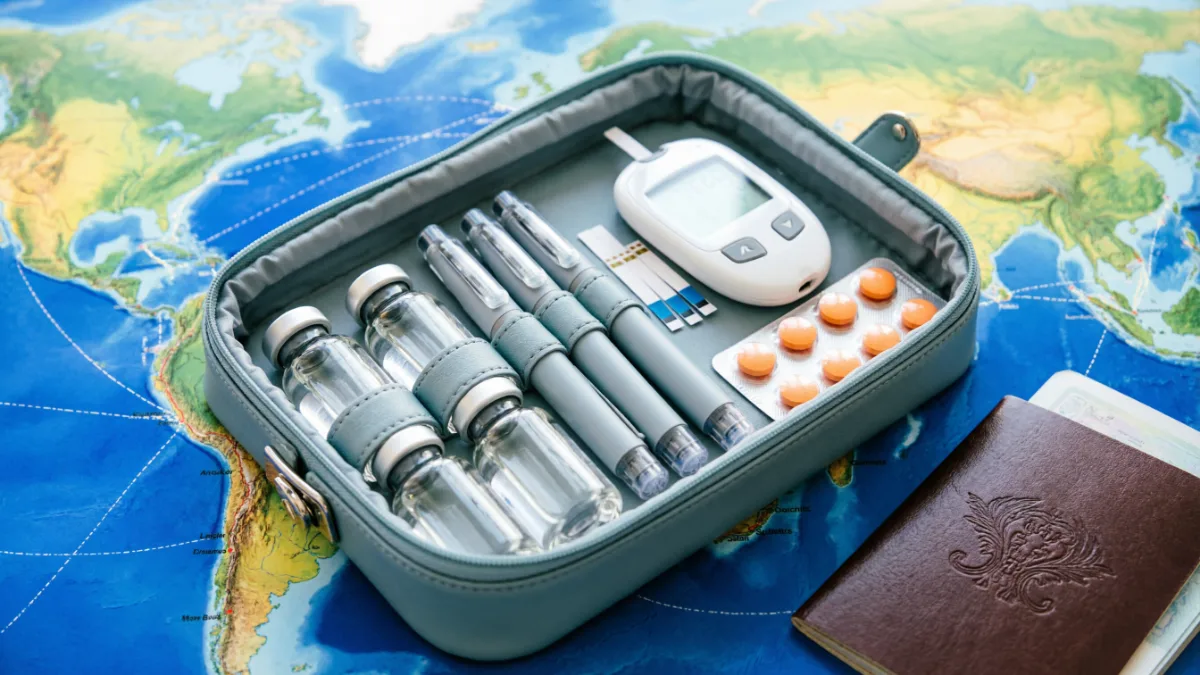
An insulin travel case is an insulated, portable carrier designed to keep insulin at a safe temperature (59°F–77°F / 15°C–25°C) while you travel. It protects vials, pens, and syringes from heat, cold, and physical damage. The right case makes air travel, road trips, and international adventures far safer and less stressful for people managing diabetes.
Millions of Americans with diabetes travel every single year and for good reason. Life doesn’t pause for a diagnosis. But packing insulin without the right case can turn a dream vacation into a medical emergency. Heat exposure, TSA confusion, forgotten ice packs, and broken vials are real problems that real travelers face at airport security, in rental cars baking under the summer sun, and on long international flights.
Finding the right insulin travel case is one of the most practical decisions a diabetic traveler can make. If you’re planning a weekend road trip through the Blue Ridge Parkway, flying across the country to California, or heading overseas for the first time since your diagnosis, the gear you choose matters enormously. This guide covers everything from TSA rules and temperature science to the best case types, packing strategies, and insider tips that most diabetes travel guides completely miss.
Quick Facts: Insulin Travel Cases at a Glance
| Feature | What to Look For |
| Safe insulin temp range | 59°F–77°F (15°C–25°C) |
| TSA rule for insulin | Must be declared; no X ray required if requested |
| Cooling duration (quality cases) | 12–72+ hours depending on type |
| Carry on vs. checked bags | Always carry on cargo holds freeze insulin |
| Case types available | Soft insulated, hard shell, electronic, travel wallet |
| Key certifications to look for | FDA cleared cooling tech, CE marking for international |
Why the Right Insulin Travel Case Is a Non Negotiable
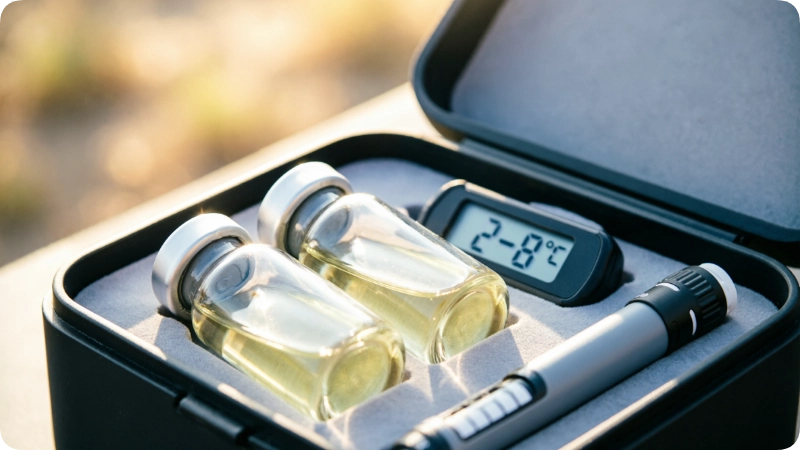
The right insulin travel case isn’t just a nice to have, it’s a medical necessity. Insulin that gets too hot or too cold loses potency, sometimes permanently. According to the American Diabetes Association, insulin that has been exposed to temperatures above 86°F (30°C) for extended periods should be discarded.
A good travel case creates a stable microenvironment around your insulin supply regardless of what’s happening outside. Inside a hot car in Phoenix in July, or on a flight where overhead bins get cold, the case is your insulin’s only defense. Beyond temperature, a quality case also protects against physical damage: cracked vials and bent pen needles are more common than most travelers expect.
How Insulin Cases Keep Your Medication Safe: The Science Explained
Insulin stability depends almost entirely on consistent temperature. Most insulin formulations including rapid acting (like Humalog and NovoLog), long acting (like Lantus and Tresiba), and mixed insulins are stable at room temperature for approximately 28–30 days after opening, according to manufacturer guidelines. Unopened vials stored below 77°F remain stable until the printed expiration date.
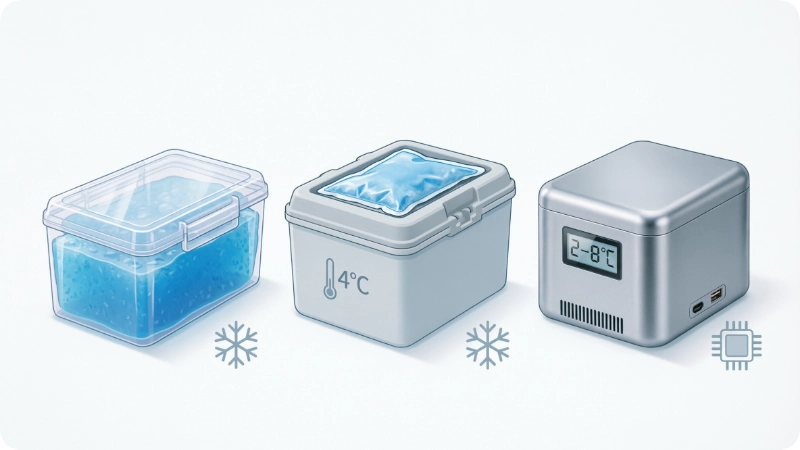
The problem? Room temperature in a car, at a beach, or on a sun drenched patio can soar well past 77°F in minutes. Most quality insulin travel cases use one of three cooling methods:
Evaporative Cooling (Gel/Clay Based Cases)
These use a special clay or gel layer that, when soaked in cold water, cools through evaporation. They require no ice or electricity. Popular with travelers because they’re TSA friendly and lightweight. Effective for 12–45 hours depending on ambient humidity.
Ice Pack and Insulated Foam Cases
The classic approach. Double walled insulation paired with reusable ice packs. Works well for shorter trips (4–12 hours cooling). Ice can melt and cause condensation, always wrap insulin to avoid moisture damage.
Electronic/Thermoelectric Insulin Coolers
Battery powered or USB charged cases that actively maintain temperature. Best for long trips, international travel, and hot climates like Florida, Arizona, or the Caribbean. More expensive ($80–$300+) but the most reliable option for heat extremes.
TSA Rules for Traveling with Insulin: What You Must Know
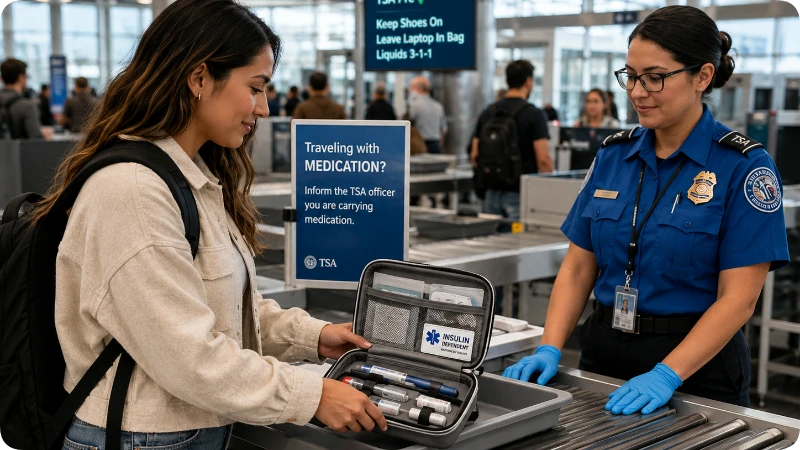
TSA allows travelers with diabetes to carry insulin, syringes, lancets, glucose meters, and related supplies through airport security. You are not required to put insulin through the X ray machine; you can request a hand inspection instead, which the TSA is legally required to accommodate.
Here’s exactly what the TSA requires and recommends (always verify at TSA.gov before you fly, as policies update):
- Declare your insulin and supplies to the TSA officer at the checkpoint before screening begins.
- Keeping medications in original pharmacy packaging when possible labeled bottles help prevent delays.
- Insulin and liquid medications are exempt from the standard 3.4 oz (100ml) liquid rule. You may carry as much as you medically need.
- Ice packs and gel packs used to keep insulin cool are permitted even when partially frozen or slushy. Completely liquid ice packs may be subject to the liquid rule.
- Insulin pumps do not need to be removed. Ask for a pat down instead of going through AIT scanners if you’re concerned about your device.
- Bring a letter from your doctor not required, but it speeds things up significantly at busy airports like LAX, JFK, or O’Hare.
Insider Tip: TSA PreCheck ($85/5 years) dramatically reduces checkpoint stress. The dedicated lanes move faster, and officers are generally more experienced with medical equipment.
The 5 Best Types of Insulin Travel Cases for Different Trip Styles
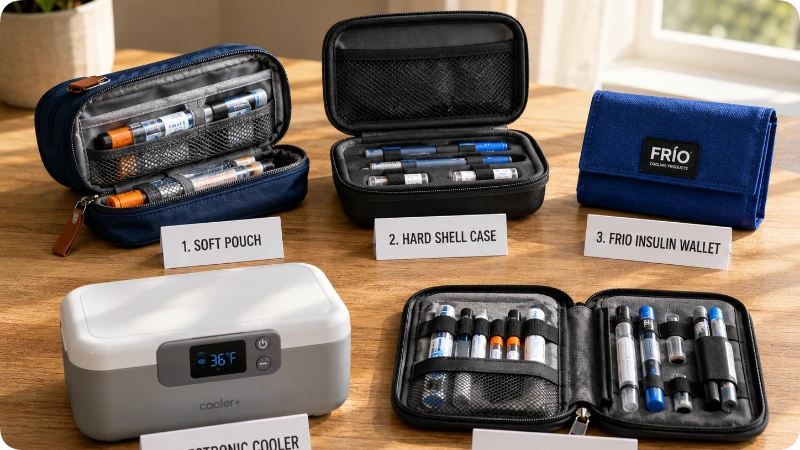
Not every traveler needs the same case. Here’s a breakdown by trip type to help you decide:
1. Soft Insulated Pouches (Best for Day Trips and Light Packers)
Small, flexible, and affordable ($10–$40). Fit easily into a purse, fanny pack, or daypack. Ideal for short trips where you’ll have access to air conditioning. Not ideal for all day outdoor activities in summer heat.
2. Hard Shell Insulated Cases (Best for Clumsy Travelers and Families)
Rigid exterior protects against drops and crushing inside a bag. Usually holds 2–4 pens or vials plus supplies. Great for family road trips and checked bag adjacent packing (though you should always carry insulin on board).
3. Evaporative Cooling Cases (Best for International and Off Grid Travel)
No batteries, no ice, just water. Brands like FRIO wallet cases are iconic in the diabetes travel community. Soak in cold water for 5–10 minutes and they stay cool for up to 45 hours. These work brilliantly for hiking trips, camping, or destinations where refrigeration is unreliable.
4. Electronic Insulin Coolers (Best for Hot Climates and Long Hauls)
Active cooling via thermoelectric technology. USB or car adapter powered. Some hold full insulin supply for a month or more. Heavy and pricier, but the gold standard for travelers heading to Hawaii, Puerto Rico, South Florida, or anywhere temperatures regularly exceed 90°F.
5. Insulin Travel Wallets/Organizers (Best for Minimalists)
Slim, discreet, and organized. Designed to hold pens, lancets, test strips, and glucose tablets in one place usually with minimal insulation. Best in mild climates or for travelers who keep their insulin refrigerated at their destination.
What to Pack Inside Your Insulin Travel Case
A well stocked insulin travel case does more than carry insulin. Think of it as a complete diabetes management kit:
- Insulin vials or pens (plus at least one backup supply)
- Syringes or pen needles (extra)
- Lancets and glucose meter with test strips
- Fast acting glucose (glucose tablets, juice boxes, or gel packs)
- Glucagon emergency kit (or nasal glucagon like Baqsimi)
- Doctor’s letter and prescription copies
- Insurance card and emergency contact info
- Alcohol wipes and bandages
- Continuous glucose monitor (CGM) sensors if applicable
Pro Packing Tip: Pack double the insulin you think you need. Lost luggage, extended trips, and spilled vials happen. Airlines and TSA have no obligation to locate or replace your medication.
How to Keep Insulin Cool on a Road Trip
Road trips across the USA Route 66, the Pacific Coast Highway, or a drive through the Great Smoky Mountains are incredible experiences. But a car parked in the sun can reach 130°F inside within minutes. Follow these rules to keep your insulin safe on the road:
- Never leave insulin in a parked car. Even a few minutes can compromise it in summer heat.
- Use a hard shell case with ice packs placed between the seat and the door (shaded side).
- Don’t place insulin directly on ice; freezing destroys insulin just as effectively as heat does.
- Consider a 12V thermoelectric cooler that plugs into your car’s outlet for long drives.
- Check insulin clarity regularly, cloudy rapid acting insulin or clumped particles mean the insulin has degraded and must be replaced.
Flying with Insulin: A Step by Step Airport Guide
Before You Leave Home
- Confirm your airline’s policies for medical devices (most major US carriers like Delta, United, and American Airlines accommodate insulin users without issue).
- Refill prescriptions at least two weeks before departure.
- Contact your endocrinologist for a travel letter and any prescription adjustments for time zone changes.
At the Airport
- Arrive 30 minutes earlier than usual to account for TSA inspection time.
- Place your insulin case in an easily accessible spot not buried under three layers of clothing in your backpack.
- Declare your supplies before placing items on the conveyor belt.
On the Plane
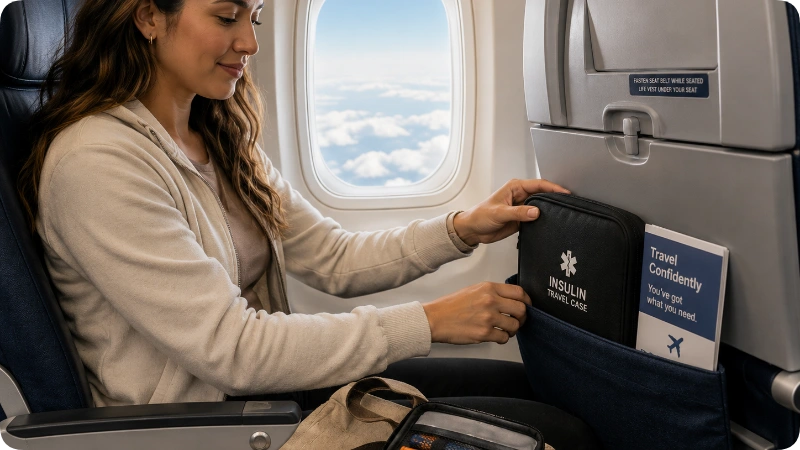
- Store insulin in the seat pocket or under the seat never in the overhead bin, where temperatures fluctuate significantly.
- Stay hydrated (airplane cabin humidity is extremely low, which affects blood sugar).
- Set alarms to check blood sugar every 2–3 hours on long flights.
At Your Destination
- Ask your hotel to store backup insulin in a proper refrigerator (not a minibar freezer the freezing point matters).
- Find a local pharmacy as backup many US chain pharmacies like CVS and Walgreens are nationwide and can help in emergencies.
Traveling Internationally with an Insulin Travel Case
International travel adds a layer of complexity. Here’s what American travelers need to know:
Customs and Import Rules
Most countries allow travelers to import personal use quantities of insulin with a doctor’s letter. However, rules vary significantly. Always check the destination country’s customs authority website before you go. The US Embassy website for your destination country is a reliable starting point.
Voltage and Charger Compatibility
If you use an electronic insulin cooler, check If it supports dual voltage (110V–240V). Bring appropriate plug adapters for your destination.
Insulin Brand Names Abroad
Humalog is called Insulin Lispro generically. NovoLog may be sold as NovoRapid internationally. Insulin concentrations can differ too the US standard is U 100, but some countries use U 40. Using the wrong concentration with the wrong syringe can cause a dangerous dosing error. Carry enough supply from home.
Time Zone Adjustments
Crossing time zones disrupts long acting insulin schedules. Work with your endocrinologist before departure to develop a specific adjustment plan. The ADA and Joslin Diabetes Center both publish general guidance, but individual plans vary.
5 Mistakes Diabetic Travelers Make (And How to Avoid Them)
Even experienced travelers with diabetes make these errors. Learning from them saves you from a ruined vacation or worse:
Mistake 1: Packing insulin in checked luggage. Cargo holds are unpressurized and can drop below freezing, destroying your insulin. Always carry insulin on your person or in a carry on bag.
Mistake 2: Relying on hotel minibars for refrigeration. Minibars often run colder than standard refrigerators and can freeze your insulin overnight. Ask the front desk for access to a full size refrigerator, which most hotels can accommodate with advance notice.
Mistake 3: Forgetting that FRIO cases need re soaking. Evaporative cooling cases are not indefinite they need to be re soaked in cold water approximately every 45 hours. Travelers who forget this find their insulin case warm on day two of a hot beach vacation.
Mistake 4: Not accounting for activity changes. Hiking the Grand Canyon, swimming in Hawaii, or walking 15,000 steps through New York City affects blood sugar very differently than a normal day. Bring extra fast acting glucose and test more frequently during physically intense travel days.
Mistake 5: Not carrying a backup glucose meter. Airport security, water exposure, and drops can damage meters. A compact backup meter with a small supply of test strips weighs almost nothing and could save a trip.
Hidden Gem Tip: Destination Specific Insulin Storage Hacks
Most diabetes travel guides cover the basics these three tips are far less commonly discussed:
Hidden Gem 1: National Park Visitor Centers as Cooling Stations Many National Park visitor centers including those at Grand Canyon, Yosemite, and Yellowstone have staff trained in basic first aid who can provide access to refrigeration in emergencies. This is not advertised, but it’s worth knowing and asking.
Hidden Gem 2: Hotel Concierge Networks Four star and above hotels typically have concierge staff who can arrange emergency pharmacy runs, coordinate with local medical providers, and sometimes source insulin or medical supplies on short notice. Don’t underestimate this resource.
Hidden Gem 3: Diabetes Travel Communities Online Forums like TuDiabetes and Beyond Type 1’s community pages contain destination specific tips from real travelers including which airports are most accommodating, which international destinations have reliable U 100 insulin availability, and which hotel chains have the most helpful policies for diabetic guests.
Budget Breakdown: What to Spend on an Insulin Travel Case
| Case Type | Price Range | Best For |
| Basic soft pouch | $10–$25 | Short day trips, mild weather |
| FRIO evaporative wallet | $20–$45 | International, off grid, no electricity |
| Hard shell insulated case | $30–$75 | Families, road trips, extra protection |
| Electronic thermoelectric cooler | $80–$300+ | Hot climates, long trips, extended travel |
| Premium travel organizer | $40–$100 | Minimalists, mild climate destinations |
Money Saving Tip: FRIO cases are available through many insurance plans and FSA/HSA accounts. Check your benefits before purchasing you may qualify for reimbursement.
Packing Advice: The Diabetic Traveler’s Checklist
Before you zip that bag, run through this list:
- Primary insulin supply (carry on)
- Backup insulin supply (separate carry on pouch if possible)
- Extra pen needles or syringes (2x what you expect to need)
- Glucose meter + backup meter
- Test strips (2x supply)
- Lancets (extra)
- Fast acting glucose (tablets, gel, juice boxes)
- Glucagon or nasal glucagon
- Medical ID bracelet or card
- Doctor’s letter on letterhead
- Prescription copies
- Travel insurance documentation (confirm it covers diabetes related emergencies)
- List of hospitals/clinics near your destination
- Destination country customs regulations (printed)
Travel Insurance for Diabetic Travelers: Don’t Skip It
Standard travel insurance policies vary wildly in how they handle pre-existing conditions like diabetes. Before purchasing, confirm that your policy covers:
- Emergency medical evacuation
- Hospitalization abroad
- Prescription medication replacement
- Trip cancellation due to medical emergency
Providers like Allianz Travel, World Nomads, and Travel Guard offer policies with robust pre-existing condition coverage but terms differ significantly. Read the fine print before buying, and always disclose your diabetes diagnosis. Failure to disclose can void a claim.
Accessibility and Comfort Tips for Diabetic Travelers
Traveling with diabetes doesn’t mean sacrificing comfort or access. A few adjustments make a big difference:
- Request a seat near the front of the plane for faster access to overhead bins and lavatories during blood sugar checks.
- Use TSA Cares (1 855 787 2227) a TSA helpline for passengers with disabilities or medical conditions to request assistance before your travel date.
- Notify cruise lines in advance about refrigeration needs; most major cruise companies (Royal Caribbean, Carnival, Norwegian) accommodate medical refrigeration requests.
- Theme parks like Disney World and Universal Studios have First Aid stations with refrigeration available for guests with medical needs.
FAQs
Can I bring my insulin travel case through TSA security?
Yes. TSA permits insulin and all related diabetes supplies through security checkpoints. Insulin is exempt from the 3.4 oz liquid rule. Declare your supplies to the officer before screening and request a hand inspection if you prefer not to send your case through the X ray machine. Always verify current rules at TSA.gov before you fly.
Do I need to keep insulin refrigerated while traveling?
Not necessarily. Opened insulin is stable at room temperature (below 77°F/25°C) for approximately 28–30 days, according to most manufacturer guidelines. The key is avoiding temperature extremes; both heat above 86°F and freezing temperatures below 36°F will degrade insulin. A quality insulin travel case handles this when you can’t access refrigeration.
What is the best insulin travel case for hot weather destinations?
For hot climates like Florida, Arizona, Hawaii, or international beach destinations, an electronic thermoelectric insulin cooler or a high quality FRIO evaporative cooling case offers the most reliable protection. Soft pouches with ice packs are less reliable in sustained heat above 90°F.
Can I bring my insulin on an airplane in my carry on?
Yes and you must. Checked baggage holds are not temperature controlled and can freeze your insulin, rendering it ineffective. Always carry insulin and all diabetes supplies in your carry on bag or personal item. This is the universal recommendation from the American Diabetes Association and the TSA.
How long do FRIO insulin cases keep insulin cool?
FRIO evaporative cooling cases keep insulin below 80°F for approximately 45 hours after a full 5–10 minute soak in cold water. In higher humidity environments, evaporation slows, so cooling duration may be shorter. Resoak the case in cold water before it dries out completely to maintain effectiveness throughout your trip.
Are electronic insulin coolers allowed on planes?
Yes. Battery powered and USB insulin coolers are generally permitted as carry on items. Devices with lithium batteries must meet FAA battery capacity limits (under 100Wh without airline approval). Always check with your specific airline before travel, as policies on battery powered devices can vary.
What should I do if my insulin gets too hot during travel?
Do not use insulin that has been exposed to high heat without checking it first. Rapid acting insulin should remain clear cloudiness or visible particles indicate degradation. Long acting insulins like Lantus that become cloudy or discolored should not be used. If in doubt, discard the supply and contact a local pharmacy or emergency medical provider. Travel insurance may help cover replacement costs.
Conclusion: Travel Confidently with the Right Insulin Case
Managing diabetes on the road takes preparation, but it absolutely does not have to limit where you go or what you experience. Three things matter most: choosing the right insulin travel case for your destination’s climate, understanding TSA rules cold before you ever reach the airport, and always carrying double the supplies you think you’ll need.
The travelers who have the best experiences aren’t the ones who pack the lightest, they’re the ones who pack the smartest. A $30 evaporative cooling case or a well chosen thermoelectric cooler is a tiny investment compared to the cost of ruined insulin, a missed flight, or an emergency room visit in an unfamiliar city.
The USA and the world are full of incredible destinations waiting for you. Pack smart, stay prepared, and go explore them with confidence.












2 thoughts on “How to Travel Safely with an Insulin Travel Case Anywhere”