A travel prayer is a short, heartfelt intention, religious, spiritual, or secular, spoken or reflected upon before or during a trip to invite safety, clarity, and gratitude. If rooted in faith or simply a mindful pause before departure, travel prayers have guided wanderers for thousands of years across every culture and continent.
Why Travelers Turn to Prayer Before a Trip
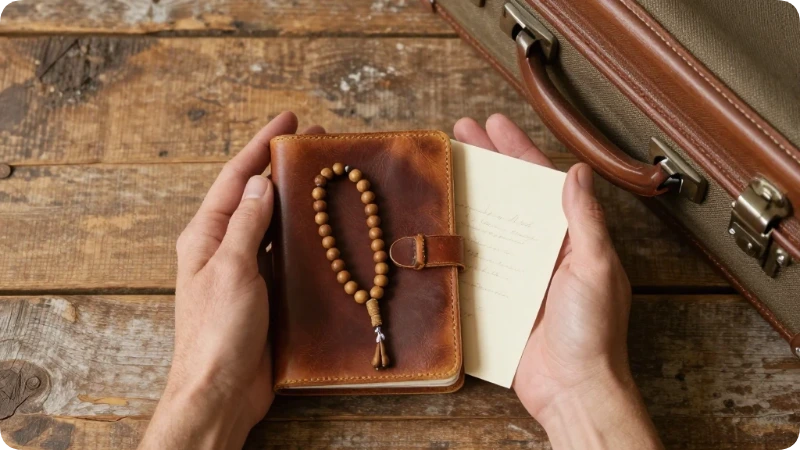
Travel stirs up a unique mix of excitement and vulnerability. Leaving home means stepping into the unknown unfamiliar roads, new weather, and unpredictable circumstances. For centuries, humans have responded to that uncertainty with prayer.
A pre trip prayer isn’t about fear. It’s about intentional. Studies in psychology consistently show that brief mindfulness rituals including spoken intentions reduce pre travel anxiety and improve focus. If you bow your head in a church pew, whisper a blessing at an airport gate, or simply take a breath before starting the car, that moment of stillness carries real value.
This guide covers travel prayers from multiple traditions, secular alternatives, how to create your own, cultural etiquette around prayer while traveling, and the best times to use them. It’s built for American travelers of all backgrounds who want to travel with more meaning and less stress.
Quick Facts: Travel Prayer at a Glance
| Feature | Details |
| Purpose | Safety, peace, gratitude, spiritual grounding |
| Length | 30 seconds to 3 minutes |
| Best time | Before departure, at airports, at the start of a road trip |
| Works for | Religious travelers, spiritual travelers, secular/mindful travelers |
| Required materials | None just intention |
| Universally practiced | Yes found in Christianity, Islam, Judaism, Hinduism, Buddhism, and secular mindfulness |
The Most Well Known Christian Travel Prayers
Christian travel prayers are among the most widely used in the United States, and many have been passed down through generations. They focus on divine protection, guidance, and safe return.
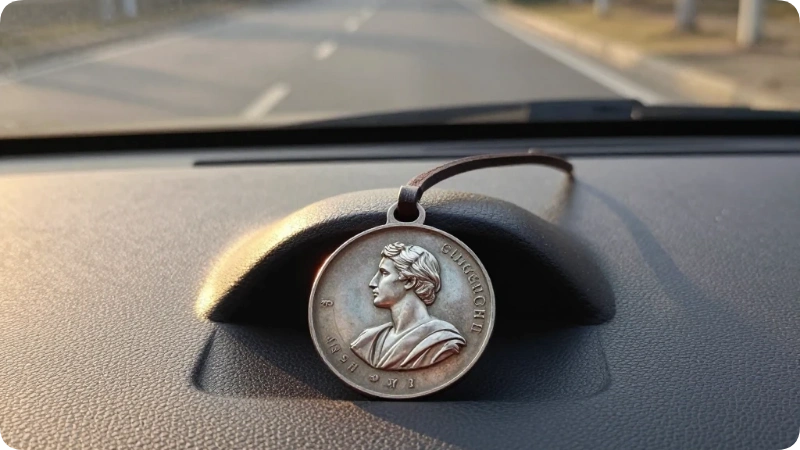
The classic St. Christopher prayer remains popular among Catholic travelers. St. Christopher is the patron saint of travelers, and his prayer asks for protection on journeys by land, sea, and air. Many travelers keep a St. Christopher medal in their car or carry one in their wallet.
A simple, widely used version reads:
“Dear Lord, be our guide and protect us on our journey. Keep us safe from harm and bring us home in peace.”
Protestant travel blessings tend to be less formal but equally earnest. Many travelers from evangelical and mainline Protestant backgrounds simply speak a personal prayer of their own, often citing Psalm 121: “The Lord will keep you from all harm He will watch over your life.”
Road Trip Prayers for Families
Families traveling by car often say a brief prayer together before pulling out of the driveway. This tradition creates a moment of unity and calm before the chaos of loading up and navigating. A short family road trip prayer might acknowledge gratitude for the trip, ask for patience on long drives, and invite safety for all passengers.
Insider tip: Keep a small laminated prayer card in the glove compartment. It takes 30 seconds to read aloud and sets the tone for the whole trip, especially with children.
Islamic Travel Prayers (Du’a for Travel)
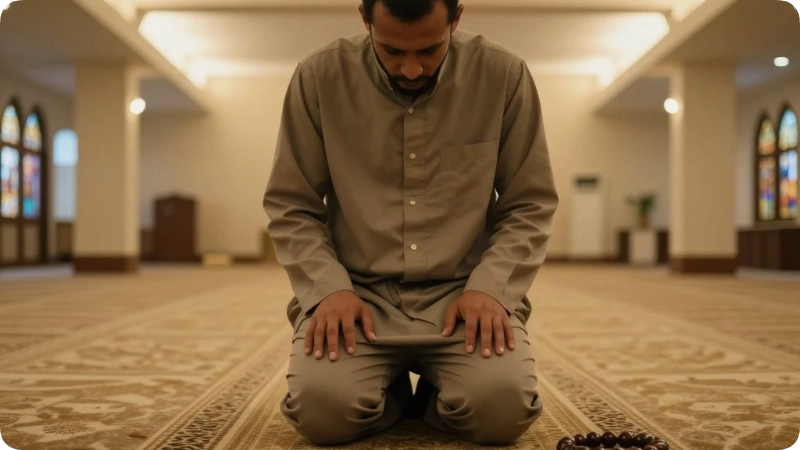
Islam has a rich tradition of travel supplication called du’a for travel (du’a as safar). Muslims recite specific prayers from the Hadith and Quran before setting out on any journey, If local or international.
The most commonly recited travel du’a is:
“Subhanalladhi sakhkhara lana hadha wa ma kunna lahu muqrinin, wa inna ila rabbina lamunqalibun.” (Translation: “Glory be to He who has made this subservient to us, and we were not capable of that, and indeed to our Lord we will surely return.”)
This du’a comes directly from Surah Az Zukhruf (43:13 14) and is traditionally recited when boarding any vehicle or beginning a journey. Many Muslim travelers also say “Bismillah” (In the name of God) as they step into any transportation.
Prayer Times While Traveling in the USA
Muslim travelers in the United States often navigate prayer times (salah) across time zones. Apps like Muslim Pro and Athan calculate accurate prayer times by GPS location. Many major U.S. airports including Dallas/Fort Worth International, Chicago O’Hare, and Denver International have interfaith chapels or prayer rooms available to all travelers. Check with your specific airport’s guest services for current availability, as facilities vary.
Jewish Travel Prayers: Tefilat HaDerech
Tefilat HaDerech, or the Traveler’s Prayer, is one of Judaism’s most beloved blessings. It asks for safety, protection from enemies, and a peaceful journey. Traditionally recited at the start of a journey of more than 72 minutes from one’s city, it is said when traveling by land, sea, or air.
The prayer begins:
“May it be Your will, Lord our God and God of our ancestors, that You lead us in peace and direct our steps in peace…”
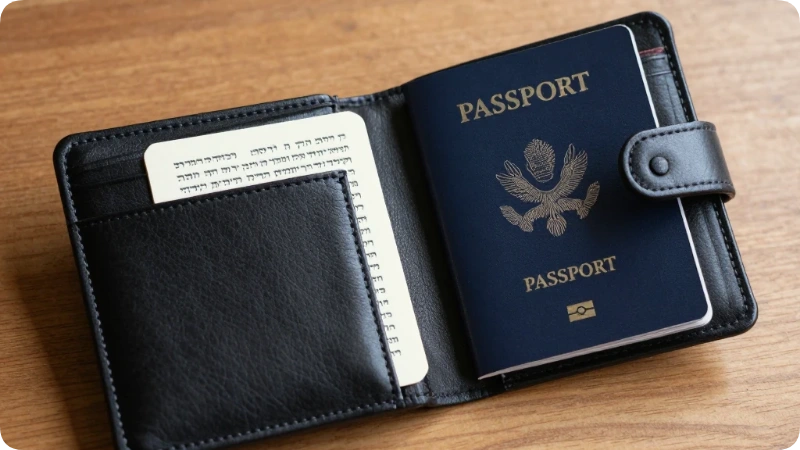
Many Jewish travelers carry a small laminated card with the prayer in both Hebrew and English. It’s also common to find it displayed in Jewish homes near the front door as a reminder for departing family members.
Hidden gem: Several Chabad Houses across major U.S. cities including Manhattan, Los Angeles, and Chicago welcome Jewish travelers with prayer resources, Shabbat meals, and community support regardless of denomination. No reservation is typically required, though it’s always courteous to reach out in advance.
Hindu Travel Blessings and Prayers
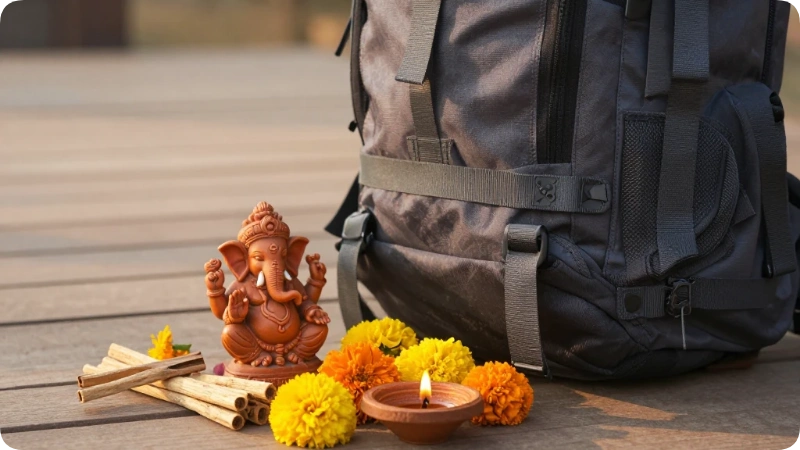
In Hindu tradition, travel prayers often invoke Lord Ganesha, the remover of obstacles, before any significant journey. Travelers also seek blessings from Lord Vishnu for protection and Saraswati for wisdom during educational or professional travel.
A common short prayer before travel:
“Om Gam Ganapataye Namaha” a mantra honoring Ganesha and requesting the removal of obstacles from the path ahead.
Many Hindu families perform a brief puja (ritual offering) at a home shrine before major trips. This might include lighting incense, offering flowers, and reciting a mantra. While this level of ritual isn’t always practical on short trips, even the mantra alone carries the intention.
Practical note for Hindu travelers in the U.S.: The Hindu Temple Society of North America and regional mandirs in cities like Houston, Edison (NJ), and Chicago often hold special travel blessing ceremonies around major holidays and pilgrimage seasons. Check local temple schedules for exact dates.
Buddhist Perspectives on Travel and Mindfulness
Buddhism approaches travel less through formal prayer and more through mindful intention. Before a journey, Buddhist practitioners may recite metta (loving kindness) phrases, acknowledge impermanence, or simply take three deliberate breaths as a grounding practice.
A metta phrase often used by travelers:
“May I be safe, be healthy, be at ease. May I travel with joy.”
Tibetan Buddhism includes specific protective mantras for travelers, including the Om Mani Padme Hum mantra of compassion, which many travelers recite mentally during flights or long drives. Prayer flags are sometimes placed in vehicles or near entryways to bless journeys.
Non Religious and Secular Travel Intentions
Not every traveler has a religious framework, and that’s perfectly fine. Secular travel intentions carry the same psychological benefits: a moment of presence, purpose, and calm before entering the uncertainty of travel.
A secular travel intention might sound like:
“I’m stepping into this trip with an open mind and a grateful heart. I intend to stay present, be kind to those I meet, and return home with new understanding.”
Mindfulness researchers at institutions like Harvard Medical School have studied the calming effect of pre activity intention setting, noting reduced cortisol levels and improved attentiveness. You don’t need faith to benefit from a quiet moment of reflection before departure.
H3: Writing Your Own Travel Prayer or Intention
Creating a personal travel prayer is a powerful practice. Here’s a simple framework:
- Acknowledge the journey Name where you’re going and why.
- Express gratitude Thank whatever you believe in for the ability to travel.
- State your intention What do you hope to experience or learn?
- Ask for protection For yourself and fellow travelers.
- Close with peace End with an affirmation or “amen” equivalent.
Keep it under 60 words. Shorter prayers are easier to remember and more likely to become a genuine habit.
Prayers for Specific Types of Travel
Different journeys call for different prayers. Here’s how intention shifts across travel contexts:
Flight Prayers for Nervous Flyers
Fear of flying affects roughly 25 million Americans, according to the National Institute of Mental Health. A flight prayer can serve both as spiritual comfort and as a mindfulness anchor something to return to when turbulence hits or anxiety spikes.
A simple flight prayer:
“I release my need to control this journey, trust the crew, the aircraft, and the sky. I arrive safely, I arrive in peace.”
Pair this with slow breathing (4 counts in, 6 counts out) for maximum calming effect. The TSA recommends arriving at least 2 hours before domestic flights and 3 hours before international departures, which gives you time to settle before boarding.
Road Trip Prayers for Safe Driving
Road trips carry statistically more risk than flying. The National Highway Traffic Safety Administration (NHTSA) reports that over 38,000 Americans die in vehicle crashes annually. A road trip prayer centers the driver’s attention and invites responsibility.
“Keep my hands steady and my mind clear. Let me drive with patience and arrive with peace.”
Practical safety addition: Pair your prayer with a pre trip vehicle check tire pressure, fluid levels, and phone mount setup. Safety and spirituality work together, not apart.
Sea Travel and Cruise Ship Blessings
Maritime traditions include some of the oldest travel prayers in human history. “Bon voyage” itself originated as a French blessing “good journey.” Many cruise lines, including Norwegian Cruise Line and Royal Caribbean, have nondenominational chapel spaces onboard. Check your specific ship’s amenities before sailing.
A sailor’s blessing adapted for cruise travelers:
“May the sea carry us gently and the wind guide us truly. May we return with stories worth telling.”
Best Times and Places to Say a Travel Prayer
Knowing when to pause for a travel prayer makes it more meaningful and more likely to stick as a habit.
Top moments to use a travel prayer:
- Before leaving home At the front door, before loading the car
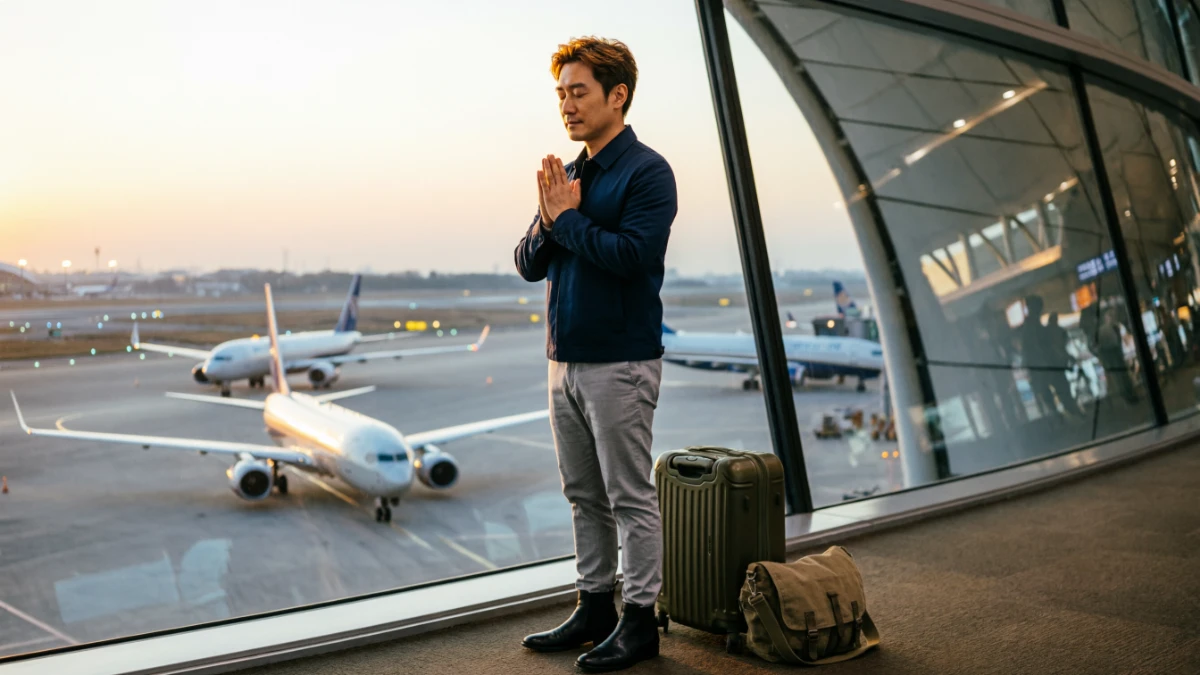
- At the airport gate While waiting to board, even silently
- Inside the vehicle Before starting the engine on a road trip
- Upon arrival A brief prayer of gratitude for reaching safely
- At a landmark or sacred site Honoring the place you’ve come to visit
- During turbulence or delays As a calming anchor, not just a preemptive ritual
Places that support prayerful travel in the U.S.:
- Airport chapels and interfaith rooms Available at LAX, JFK, ATL, ORD, DEN, and many others
- Highway rest stop chapels Less common but found along major corridors in the South and Midwest
- National Park visitor centers Often include quiet reflection areas, especially at spiritually significant sites like Sedona (Arizona) or the Great Smoky Mountains
Cultural Etiquette: Praying While Traveling Abroad
If your travel prayer practice intersects with visiting religious sites abroad, cultural awareness becomes essential.
Key etiquette rules for prayer at sacred sites:
- Remove shoes when entering mosques, Hindu temples, and many Buddhist sites
- Cover your head at Jewish synagogues, Sikh gurdwaras, and many Catholic basilicas (women are often expected to cover hair)
- Dress modestly shoulders and knees covered is the baseline at most religious sites worldwide
- Ask before photographing Never photograph active prayer without explicit permission
- Observe silence Even if prayer isn’t your intention, match the energy of the space
The U.S. State Department’s travel advisory pages and the destination country’s tourism board are reliable sources for current cultural and religious entry guidelines. Always verify before your trip, as customs can vary by region even within a single country.
3 Common Mistakes Travelers Make Around Prayer and Spiritual Practice
Mistake 1: Treating prayer as a last minute panic response. Many travelers only reach for prayer when something goes wrong when their bag is lost, when they’re stuck in a storm, or when a flight is delayed. This approach makes prayer feel transactional rather than meaningful. Fix: Build a 60 second pre trip ritual into your departure routine. It becomes a habit, not a crisis response.
Mistake 2: Assuming airport chapels are only for Christians. U.S. airport interfaith spaces are designed for all faiths and none. They welcome Muslims, Jews, Buddhists, Hindus, and secular travelers looking for quiet. Fix: Look for “meditation room” or “interfaith chapel” signage these terms are more commonly used than “chapel” in newer airport facilities.
Mistake 3: Skipping a prayer of arrival or gratitude. Most travelers remember to pray before departure but forget to pause upon arrival. Fix: Make arrival gratitude a habit even a single breath and a quiet “thank you” upon landing or pulling into a destination creates a meaningful bookend to the journey.
Insider Tips for a More Meaningful Travel Prayer Practice
Tip 1: Carry a prayer card. A small laminated card fits in any wallet or carry on. Write your favorite prayer on one side and a gratitude prompt on the other.
Tip 2: Use flight mode creatively. The 10 minutes after your phone goes into flight mode is ideal for a quiet prayer or intention setting. The absence of distractions makes it easier to be present.
Tip 3: Research your destination’s sacred spaces. Many U.S. cities have spiritually significant sites from the Washington National Cathedral in D.C. to Mission San Juan Capistrano in California. Visiting even briefly deepens travel meaning.
Tip 4: Involve travel companions. A family road trip prayer spoken aloud even by the most skeptical family member creates a shared ritual. It doesn’t need to be religious to be meaningful.
Tip 5: Use a physical anchor. Many experienced travelers wear or carry a small object, a rosary, a mala bead bracelet, a worry stone as a tactile reminder of their intention. The object itself becomes a prompt to pray or reflect during difficult travel moments.
Hidden Gems: Unexpected Sacred Spaces for Travelers in the USA
1. The Interdenominational Chapel at Denver International Airport (DEN) Located in Concourse B near Gate B71, this quiet chapel accommodates all faiths. Open 24 hours, it’s one of the most accessible airport prayer spaces in the country. Many travelers don’t know it exists the signage is minimal.
2. Harmony Borax Works, Death Valley National Park, California While not traditionally sacred, this remote NPS site in Death Valley draws travelers seeking solitude and reflection. The silence there is extraordinary. Many visitors report it as a naturally meditative space ideal for a quiet prayer or intention before heading deeper into the park.
3. The Chapel of the Holy Cross, Sedona, Arizona Built into the red rocks just outside Sedona, this Catholic chapel welcomes visitors of all faiths. The panoramic views of the Sedona formation from inside the chapel are genuinely moving. Free to enter; donations appreciated. Arrive before 9 AM to avoid tour groups.
Sample Pre Trip Prayer Ritual (15 Minutes or Less)
This ritual works for any traveler, regardless of faith:
- Pack the night before Reduce morning stress so your mind is clear at departure
- Stand at your door for 60 seconds Don’t rush out; pause intentionally
- Say your travel prayer Religious, secular, or simply a deep breath
- State your destination and purpose Speak it aloud: “I’m going to [place] to [reason]”
- Acknowledge what you’re grateful for One thing: the trip, your health, the opportunity
- Go With deliberate calm rather than frantic energy
This ritual takes under 5 minutes and meaningfully shifts how you enter a journey.
FAQs
What is a travel prayer?
A travel prayer is a spoken or silent intention offered before or during a trip to request safety, express gratitude, or seek spiritual grounding. Travel prayers exist in virtually every religious tradition and can also be secular mindfulness practices. They take anywhere from 30 seconds to a few minutes and require no special tools or settings.
What is the most popular Christian travel prayer?
The St. Christopher prayer is among the most widely recognized in Catholic tradition. Many Protestant travelers use Psalm 121 as a travel prayer. A simple, non denominational version asks God for safe travel, clear roads, and a peaceful return worded in whatever language feels authentic to the individual.
Do airports in the USA have prayer rooms?
Yes. Most major U.S. airports have interfaith chapels or meditation rooms. Airports including LAX, JFK, ORD (Chicago O’Hare), ATL (Atlanta Hartsfield Jackson), and DEN (Denver International) all have dedicated spaces. Availability, location, and hours vary contact your airport’s guest services or check its official website before your trip for current information.
Can non religious travelers benefit from a travel prayer?
Absolutely. Research in mindfulness and behavioral psychology consistently supports the benefit of pre activity intention setting. A secular travel intention essentially a focused moment of presence and purpose before departure produces measurable reductions in anxiety and improvements in focus, regardless of religious belief.
Is there a specific Islamic prayer before flying?
Yes. The du’a for travel (du’a as safar) from Surah Az Zukhruf (43:13 14) is traditionally recited before boarding any vehicle. Many Muslim travelers also recite Bismillah upon boarding and Alhamdulillah upon safe arrival. These are brief, can be said silently, and are appropriate in any setting.
What should I say as a travel prayer for a road trip?
A road trip prayer can be as simple as: “Keep us safe on these roads, make us patient with each other, and bring us home with good memories.” Speak it aloud before starting the car even a few seconds of shared intention before a long drive makes a meaningful difference, especially with children in the vehicle.
Where can I find prayer rooms at U.S. airports?
Most airports list interfaith chapels and meditation rooms on their official websites under “Airport Services” or “Amenities.” You can also ask any airport information desk or TSA officer for directions. Rooms are typically located airside (past security) for the convenience of travelers, though some airports have landside options as well. Always verify current availability directly with your airport, as facilities can change.
Conclusion: Carry Your Intention With You
Traveling prayer isn’t about religion, it’s about intention. If you recite a time honored blessing passed down through your faith, whisper a secular gratitude at the departure gate, or simply take three conscious breaths before starting your engine, that act of pausing matters.
Three things to carry with you from this guide:
- Every tradition has a travel prayer: find the one that resonates with your beliefs and make it your own.
- The best time to start is before your next trip: Even a 60 second ritual creates a meaningful shift in how you travel.
- Prayer isn’t only for departure: Arriving with gratitude is just as valuable as leaving with intention.
Travel more mindfully. Return more fully. The journey begins the moment you pause to honor it.

Gordon Ramsay is a travel writer and destination researcher who helps U.S. travelers plan smarter trips, covering destinations, seasonal trends, budgets, and logistics to help readers decide where—and when—to go.
Rather than simply listing popular places, Gordon Ramsay focuses on what travelers actually need: comparing weather against crowds, weighing costs and accessibility, and researching current conditions alongside official tourism guidance—delivering honest, practical advice without the hype.