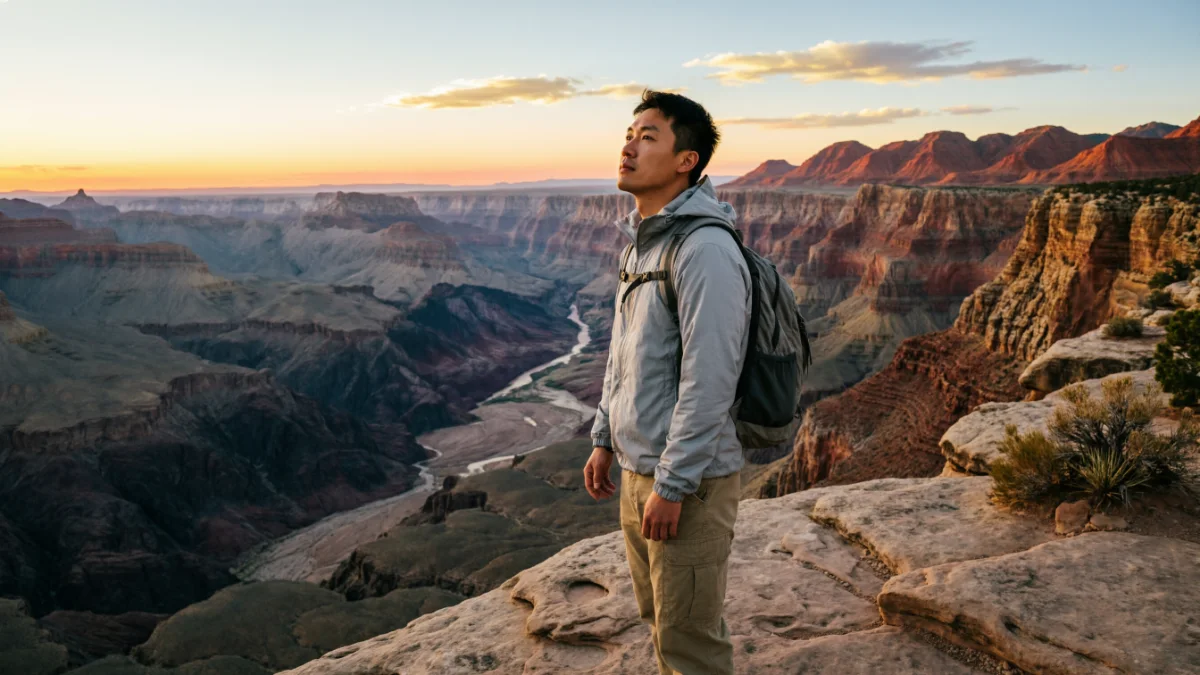
Every travel fan knows that familiar feeling sitting at a desk, scrolling through photos of canyon sunsets, coastal highways, and mountain towns, wondering when the next trip begins. The urge to explore isn’t just a hobby. For millions of Americans, it’s a way of life. Yet most people plan trips the same predictable way, missing out on smarter routes, hidden savings, and experiences that actually stick.
This guide was built for the dedicated travel fan who wants more than tourist snapshots. If you’re a weekend warrior squeezing road trips between work shifts or a long haul explorer burning through vacation days, this resource covers the full journey from finding your next destination to leaving it better than you found it. Expect real strategies, honest advice, and the kind of insider knowledge that only comes from years on the road.
What Is a Travel Fan and Why the Passion Runs Deep
A travel fan is someone who doesn’t just vacation, they pursue travel as a meaningful part of their identity, budget, and personal growth. According to the U.S. Travel Association, American travelers took over 2.3 billion person trips in 2023 for leisure purposes alone. That number keeps climbing every year as more people prioritize experiences over possessions.
Travel fandom spans every budget and background. Some people chase national parks. Others collect state capitals, coastal drives, or small town diners. What connects them is an intentional approach to exploration, researching destinations, learning local culture, and seeking moments that feel genuinely alive. Being a travel fan means treating every trip as a story worth telling, not just a checkbox on a list.
Quick Travel Fan Facts: Know Before You Go
| Category | Key Detail |
| Top travel motivators | New experiences, relaxation, family time |
| Average domestic trip length | 4–5 nights (U.S. Travel Association) |
| Peak travel months (USA) | June–August and late November–December |
| Best shoulder seasons | April–May and September–October |
| Biggest trip budget category | Transportation (usually 35–40% of total) |
| Recommended emergency fund | 10–15% of total trip budget |
| Travel insurance value | Most valuable for trips over $1,000 |
Always verify current prices, airline policies, and park entry fees through official sources before booking.
Best Times to Visit U.S. Destinations as a Travel Fan
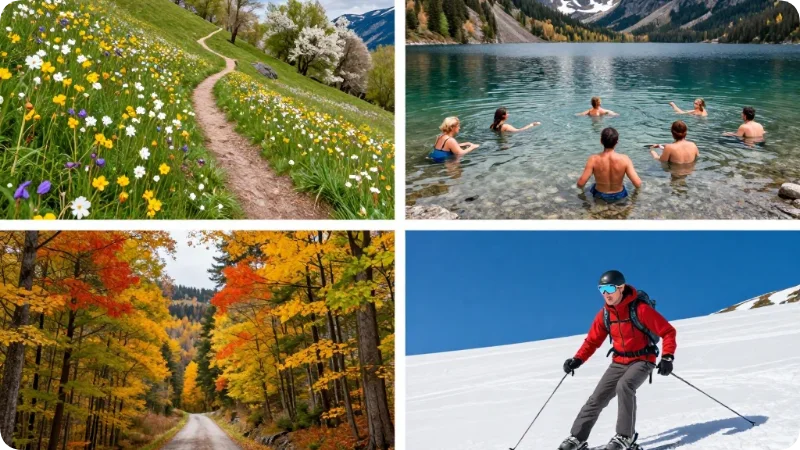
The best time to travel in the United States depends entirely on where you’re headed and what you want out of the experience. The country spans six time zones and a dozen climate regions, so there’s truly no single answer but there are smart windows every travel fan should know.
Seasonal Breakdown for U.S. Travel
| Season | Pros | Cons | Best Regions |
| Spring (Apr–May) | Mild weather, wildflowers, fewer crowds | Unpredictable rain in some areas | Pacific Northwest, Texas Hill Country, Smoky Mountains |
| Summer (Jun–Aug) | Maximum daylight, all attractions open | Peak pricing, heavy crowds, heat in the Southwest | New England, Great Lakes, Alaska, Pacific Coast |
| Fall (Sep–Oct) | Fall foliage, cooler temps, shoulder pricing | Shorter days, some closures begin | Vermont, Blue Ridge Parkway, Rocky Mountain region |
| Winter (Nov–Feb) | Ski season, holiday events, low pricing off ski areas | Cold, some road closures, limited hours | Florida, Hawaii, Arizona, Colorado (ski towns) |
Insider tip: The third week of September is one of the most underrated travel windows in America. National park crowds thin out dramatically, temperatures cool to a comfortable range across most regions, and accommodation prices drop by 20–30% compared to August peaks.
How Every Travel Fan Should Plan a Trip (Step by Step)
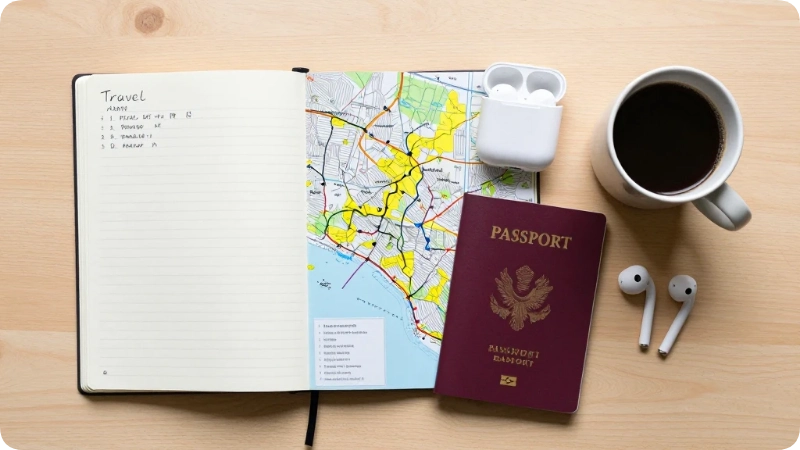
Good trip planning is the difference between a stressful scramble and a smooth adventure. Most travel fans develop a personal system over time, but these steps apply universally.
Step 1 Pick Your Destination with Intention
Start with what you want to feel, not just where you want to go. Looking for peace and open skies? The Badlands of South Dakota or Big Bend National Park in Texas deliver that in abundance. Craving energy and culture? New Orleans, Nashville, or Portland hit differently than any guidebook describes. Let your desired experience guide the destination, not the other way around.
Step 2 Build a Realistic Budget
Break your budget into five categories: transportation, accommodation, food, activities, and a 10–15% buffer for surprises. Many travel fans underestimate food costs, especially in cities like San Francisco or New York. Apps like TravelSpend or Trail Wallet help track real time spending so you never hit a wall mid trip.
Step 3 Book Transportation First
Airfare and rental cars are the most volatile costs in any travel budget. Book flights at least 6–8 weeks out for domestic trips, according to data from Google Flights’ price tracking tool. For road trips, reserve rental vehicles early especially for peak summer weekends, when SUVs and minivans sell out weeks in advance.
Step 4 Lock In Accommodations Strategically
Don’t book just one type of stay for an entire trip. A mix of hotels, vacation rentals, and even one or two campground nights gives you flexibility, cost savings, and a more authentic connection to each place you visit.
Step 5 Research Activities Before You Arrive
Timed entry reservations are now required at many of America’s most popular national parks, including Yosemite, Zion, and Rocky Mountain National Park. The National Park Service (NPS) manages reservations through Recreation.gov check well before your travel dates, as slots fill months in advance.
Step 6 Pack Smart, Not Heavy
A rule seasoned travel fans swear by: lay out everything you plan to pack, then remove one third of it. Overpacking creates fatigue, extra baggage fees, and ironically limits flexibility. Use a packing cube system to organize by category and compress clothing efficiently.
Where U.S. Travel Fans Are Heading Right Now
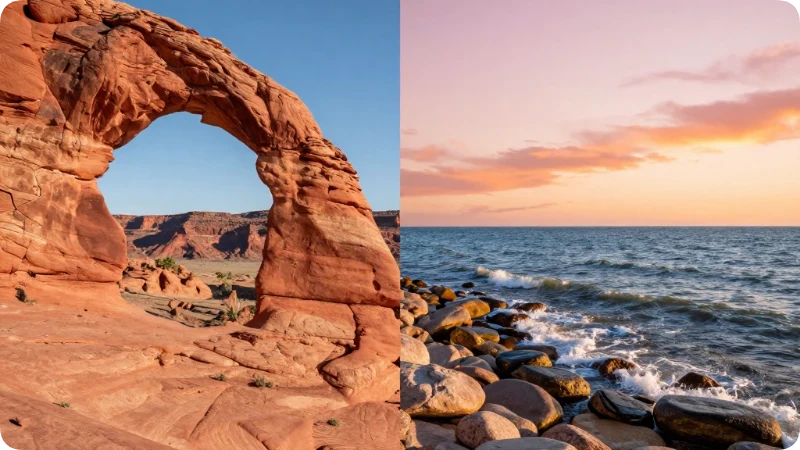
The American travel landscape keeps evolving. These destinations have captured attention not because of viral hype but because they genuinely deliver for curious, prepared travelers.
The American Southwest
Few regions match the visual drama of the Southwest. The Colorado Plateau alone contains five major national parks Zion, Bryce Canyon, Capitol Reef, Canyonlands, and Arches all within a roughly four hour driving radius. Travel fans who do the “Mighty Five” road trip in Utah consistently rank it among their most memorable domestic experiences.
Appalachian Trail Towns
The 2,190 mile Appalachian Trail passes through 14 states and dozens of gateway towns that most travelers zoom past. Places like Hot Springs, NC; Damascus, VA; and Harpers Ferry, WV offer trail culture, local food scenes, and outdoor access with a fraction of the crowds found at branded national parks. These towns reward the travel fan willing to slow down.
The Great Lakes Region
Traverse City, Michigan. Bayfield, Wisconsin. Duluth, Minnesota. The Great Lakes shoreline stretches over 4,500 miles and remains dramatically underexplored by non regional travelers. Sand dunes, lighthouse trails, farm to table restaurants, and cold water paddling experiences make this region a genuine hidden gem for the American travel fan.
Alaska’s Interior
Denali National Park covers 6 million acres and has only one road 92 miles of it. Visitor numbers hover around 600,000 per year, compared to Yellowstone’s 4+ million. For travel fans who want wild, unscripted nature, Alaska’s interior offers the kind of solitude that’s increasingly rare in the lower 48.
Budget Breakdown: What Travel Actually Costs in the USA

Understanding real costs is what separates experienced travel fans from frustrated first timers. These ranges are general estimates actual costs vary widely by region, season, and travel style. Always verify current pricing directly with service providers.
| Expense Category | Budget Range | Mid Range | Splurge |
| Domestic flights (round trip) | $150–$300 | $300–$600 | $600+ |
| Hotel per night | $60–$100 | $120–$200 | $250+ |
| Rental car per day | $35–$55 | $60–$90 | $100+ |
| Meals (per person/day) | $25–$40 | $50–$80 | $100+ |
| National Park entry (per vehicle) | $15–$35 | America the Beautiful Pass ($80/year) | Private tour add ons |
| Travel insurance | 4–8% of trip cost | 8–10% of trip cost | Cancel for any reason policies |
Money saving tip: The America the Beautiful Pass, available from the NPS for $80 annually, covers entry to all federal lands including national parks, monuments, and recreation areas. For any travel fan who visits more than three federal sites per year, it pays for itself immediately.
Transportation Options Every Travel Fan Should Know
Getting between destinations is half the experience. America’s vast geography offers multiple travel modes each with genuine advantages depending on your route and priorities.
Flying
The TSA recommends arriving at least 90 minutes before domestic departures, or two hours for busy hub airports like LAX, JFK, O’Hare, and Hartsfield Jackson Atlanta. TSA PreCheck ($85 for five years) significantly reduces security wait times for frequent travelers. Check the Transportation Security Administration (TSA.gov) for current security procedures and prohibited items before every trip.
Road Tripping
America’s road trip culture is a living tradition. Interstate highways connect coasts and regions efficiently, but the real magic lives on U.S. Routes and state highways. Route 66, the Pacific Coast Highway (California State Route 1), and the Blue Ridge Parkway are iconic for good reason but the less photographed back roads often deliver more memorable moments.
Amtrak Train Travel
Amtrak’s long distance routes the California Zephyr, Empire Builder, Coast Starlight, and Southwest Chief pass through landscapes that no highway or flight path can match. Train travel is slower, but for the committed travel fan, the journey becomes part of the experience. Book sleeper cars well in advance; they sell out months ahead on scenic routes.
Regional Ferries and Water Routes
Washington State Ferries, Alaska Marine Highway System, and the Cape May Lewes Ferry in Delaware serve routes that no road can replicate. These services are often overlooked but genuinely enrich a travel itinerary.
Where to Stay: Accommodation Types for the Modern Travel Fan
Accommodation choices shape the entire character of a trip. The best travel fans don’t default to the same type every time.
Hotels and Motels
Major chain hotels offer consistency, loyalty points, and reliable Wi-Fi useful when working remotely on a trip. Independent boutique hotels, however, often deliver more character and local connection than any chain property. Cities like Savannah, GA; Santa Fe, NM; and Asheville, NC have exceptional independent hotel scenes.
Vacation Rentals
Platforms offering whole home rentals work best for groups, families, or longer stays. A vacation rental in a residential neighborhood often cuts accommodation costs by 30–50% per person compared to hotels, while providing kitchen access that dramatically reduces food spending.
Campgrounds and Glamping
The NPS manages over 500 campgrounds across national parks and recreation areas, with nightly fees typically ranging from $10 to $50. Reservations through Recreation.gov are essential at popular parks during summer. Glamping options furnished tents, yurts, and cabins now exist at hundreds of scenic locations for travelers who want outdoor immersion without roughing it entirely.
Hostels
Often overlooked by American travelers, hostels have evolved significantly. Cities like Portland, New Orleans, and Chicago have excellent hostel options with private room configurations, appealing even to solo travel fans who simply want affordable accommodation with a social atmosphere.
Food and Dining Tips for the Enthusiastic Travel Fan
Food is one of the most reliable entry points into any destination’s culture. Travel fans who eat well spend deliberately and explore beyond the obvious.
Eat Where Locals Eat
The rule holds everywhere: avoid restaurants directly adjacent to major tourist attractions. Walk two or three blocks away and prices drop while quality frequently improves. Farmers markets, food halls, and taco trucks consistently outperform the tourist facing competition on both flavor and value.
Regional Foods Worth Seeking Out
- New England: Lobster rolls, clam chowder, Maine wild blueberry pie
- Gulf Coast: Boiled crawfish, po’boys, Gulf shrimp
- Pacific Northwest: Dungeness crab, fresh oysters, Walla Walla onions
- Southwest: Green chile everything, Navajo fry bread, New Mexican enchiladas
- Appalachia: Country ham, stack cakes, sourwood honey
- Midwest: Pork tenderloin sandwiches, deep dish pizza, pasties in Michigan’s Upper Peninsula
Dining Budget Strategy
Splurge on one exceptional dinner per destination, but handle breakfast and lunch affordably. A gas station breakfast in rural America often means a genuinely good biscuit and coffee, not just a sad granola bar.
Safety Tips Every Travel Fan Needs to Know
Smart travel is safe travel. The U.S. Department of Transportation (DOT) and CDC both publish travel safety guidance that applies across domestic destinations.
Road Safety
Fatigue is the leading cause of single vehicle accidents on long road trips. The National Safety Council recommends stopping every two hours or 100 miles, regardless of how awake you feel. Keep a car emergency kit including jumper cables, a first aid kit, water, and a paper map (yes, even in the GPS era).
Outdoor Safety
For national park and backcountry visits, always follow the NPS’s “Leave No Trace” principles and register your hiking plan with a ranger station for remote trails. Altitude sickness affects travelers above 8,000 feet acclimatizing for 24–48 hours before strenuous activity in Colorado, Utah, or Wyoming high country.
Urban Safety
Stay aware in unfamiliar neighborhoods. Use ATMs inside banks or well lit commercial areas rather than standalone street machines. Keep digital and physical copies of your ID, credit cards, and insurance documents stored separately from your wallet.
Travel Insurance
Travel insurance deserves serious consideration for any trip exceeding $1,000 in total value. Policies typically cover trip cancellation, medical emergencies, and lost or delayed baggage. Compare options through independent review sites and verify policy details carefully; coverage terms vary significantly between providers.
Top 3 Mistakes Travel Fans Make (and How to Fix Them)
Even experienced travelers repeat the same errors. Recognizing these patterns early saves money, time, and frustration.
Mistake 1: Over scheduling every day Packing eight activities into a single day sounds ambitious but usually ends in exhaustion and rushed experiences. Fix: plan two or three anchor activities per day with intentional downtime between them. The best moments on any trip usually happen unplanned.
Mistake 2: Skipping travel insurance A single medical evacuation from a remote national park can cost $50,000–$100,000 without insurance. Delaying a flight due to illness, a cancelled cruise, or stolen luggage compounds quickly. Fix: budget for insurance from the start treat it as a non negotiable line item.
Mistake 3: Ignoring shoulder season Visiting Yellowstone in August means traffic jams, full parking lots, and accommodation prices at their absolute peak. The same park in late September or early October delivers similar wildlife sightings, cooler temperatures, fall colors, and far fewer people. Fix: research shoulder season windows for every destination before defaulting to peak summer dates.
Hidden Gems Every True Travel Fan Should Know
These three places consistently reward curious, well prepared travelers and rarely appear in mainstream “Top 10” lists.
1. Natchez Trace Parkway (Mississippi to Tennessee) This 444 mile scenic highway managed by the National Park Service follows an ancient trail used by Native Americans, European explorers, and 19th century boatmen. Almost no commercial traffic, no billboards, and a density of historical markers unmatched on any comparable American road. The spring wildflower display between March and May is extraordinary.
2. Ouray, Colorado Called the “Switzerland of America,” Ouray sits in a tight box canyon of the San Juan Mountains at 7,700 feet. The town’s natural hot springs pool, ice climbing festival in January, and access to the Uncompahgre Gorge deliver remarkable depth for a town of fewer than 1,000 people.
3. St. Francisville, Louisiana This small town north of Baton Rouge holds more antebellum plantation homes per square mile than almost anywhere in the South, many open for tours with layers of complex, honest historical interpretation. The surrounding West Feliciana Parish countryside feels genuinely untouched, with Spanish moss, cypress swamps, and birding trails that attract ornithologists from across the country.
Responsible Travel: What Travel Fans Owe Every Destination
The travel fan community holds real influence over the places it visits. High visitor volume reshapes ecosystems, strains local infrastructure, and affects communities in lasting ways. Responsible travel isn’t just ethical it’s practical.
- Support local businesses directly. Every dollar spent at an independent restaurant, locally owned accommodation, or regional tour operator stays in the community at a significantly higher rate than chain spending.
- Follow posted trail and park guidelines. Cutting switchbacks, feeding wildlife, and going off trail all cause measurable damage that takes years to repair.
- Reduce single use plastics. Many national parks and gateway communities have limited waste management infrastructure. Carry a reusable water bottle, bag, and utensils.
- Learn basic local etiquette before arriving in communities with distinct cultural or tribal traditions including indigenous lands managed by tribal governments throughout the American Southwest and Alaska.
Packing Guide for the Practical Travel Fan
The most mobile travel fans pack light and pack smart. This framework applies to most domestic trips of 3–10 days.
Clothing
- 3–4 tops that layer and mix and match
- 2 pairs of pants or shorts (one casual, one versatile enough for a nicer dinner)
- 1 lightweight rain jacket (non negotiable in Pacific Northwest, Appalachian, and Great Lakes regions)
- Comfortable walking shoes that can also pass for a casual dinner
- 1 pair of sandals or camp shoes
Tech and Connectivity
- Portable battery pack (TSA allows up to 100Wh in carry on verify at TSA.gov)
- Offline maps downloaded before departure (Google Maps and AllTrails both support offline mode)
- Headphones for long drives and flights
Health and Safety
- Prescription medications with documentation, packed in carry on
- Basic first aid kit (especially for outdoor trips)
- Sunscreen rated SPF 30 or higher
- Insect repellent for any trips near wetlands, forests, or high humidity regions
Sample 7 Day Southwest Road Trip for the Committed Travel Fan
This itinerary covers Utah’s Mighty Five parks with one bonus stop. Drive times are estimates that always verify current road conditions through the Utah Department of Transportation.
| Day | Location | Key Activities | Drive to Next Stop |
| Day 1 | Arrive Las Vegas, NV | Rest and prep supplies | |
| Day 2 | Zion National Park, UT | Angels Landing permit hike (reserve on Recreation.gov), Narrows walk | 1.5 hrs to Bryce Canyon |
| Day 3 | Bryce Canyon National Park, UT | Sunrise at Bryce Amphitheater, Navajo Loop trail | 2 hrs to Capitol Reef |
| Day 4 | Capitol Reef National Park, UT | Fruita orchards, Hickman Bridge trail, stargazing | 2 hrs to Moab |
| Day 5 | Arches National Park, UT | Delicate Arch at sunset, Landscape Arch trail | 30 min to Moab (stay) |
| Day 6 | Canyonlands National Park, UT | Island in the Sky district, Mesa Arch at sunrise | 4 hrs back to Las Vegas |
| Day 7 | Depart Las Vegas, NV | Buffer day for delays or extra stops |
Tip: Timed entry permits for Zion’s Angels Landing trail and other popular trails sell out within minutes of release on Recreation.gov. Set calendar reminders for your specific permit release date.
Is American Travel Worth It? An Honest Assessment
The short answer is yes but with clear eyes. America’s travel landscape offers extraordinary variety, world class national parks, and cultural depth that rivals any destination on earth. The Smithsonian museums in Washington, D.C. are free. The National Mall is one of the great public spaces in human history. Glacier National Park, the Florida Everglades, and the Olympic Peninsula rainforest exist nowhere else on earth.
At the same time, costs have risen sharply since 2021. Domestic airfare, rental cars, and hotel rates remain elevated compared to pre pandemic levels. Crowds at headline destinations Yosemite Valley, the Grand Canyon South Rim, Yellowstone’s Old Faithful have reached levels that genuinely diminish the experience during peak season.
The travel fan who wins is the one who plans ahead, travels in shoulder season, invests in less famous alternatives, and treats the journey itself not just the destination as part of the reward.
FAQs
What is a travel fan, exactly?
A travel fan is someone who approaches travel as an active lifestyle practice rather than an occasional vacation. They research destinations intentionally, prioritize experiences over comfort, and often organize their personal finances and time specifically around travel goals. The term encompasses everything from weekend road trippers to international adventure seekers.
How do travel fans find good destinations that aren’t overcrowded?
The most effective strategy combines proximity to a popular area with a willingness to drive 30–60 minutes further. When Zion National Park crowds peak, nearby Cedar Breaks National Monument and Kanab, Utah offer similar geology with far fewer visitors. Following local tourism boards on social media and reading smaller travel blogs rather than major outlets surfaces these alternatives regularly.
What’s the best travel credit card for American travel fans?
Travel credit cards vary significantly in structure, some optimize for airline miles, others for hotel points, and others for flat rate cash back on travel purchases. The right card depends on your typical trip style, spending patterns, and preferred airlines or hotel chains. Compare options through independent financial comparison sites and read terms carefully before applying.
How much should a travel fan budget for a week long U.S. trip?
A reasonable baseline for a week-long domestic trip is $1,500–$2,500 per person for a mid range experience, including flights, accommodation, food, and activities. Budget focused travelers can accomplish the same trip for $800–$1,200 with strategic accommodation choices and flexible flight dates. Luxury or peak season travel easily runs $3,500 or more. Always verify current pricing with specific providers.
Are national parks worth visiting for first time travel fans?
Absolutely but preparation matters enormously. The America the Beautiful Annual Pass ($80) covers entry to all national parks. Many popular parks now require timed entry reservations. Visiting at sunrise avoids peak crowds and delivers the best photography light. For first timers, Acadia National Park in Maine, Great Smoky Mountains in Tennessee/North Carolina, and Crater Lake in Oregon offer outstanding beauty with relatively accessible infrastructure.
What do travel fans do to travel more affordably?
The most consistent strategies include: booking flights 6–8 weeks in advance, traveling Tuesday through Thursday rather than weekends, using loyalty programs strategically, choosing vacation rentals over hotels for groups, carrying a reusable water bottle and snacks to reduce incidental food costs, and targeting shoulder season dates. The America the Beautiful Pass is one of the single best value purchases for any frequent U.S. traveler.
Is travel insurance necessary for domestic U.S. trips?
Travel insurance adds meaningful protection for trips involving nonrefundable prepaid costs above roughly $1,000 including airfare, tours, and lodging deposits. For short, lower cost trips with refundable bookings, it may not be necessary. Medical coverage becomes more relevant for adventure activities in remote areas where evacuation costs are high. Compare policy options and read coverage terms carefully through independent sources.
Final Thoughts: The Travel Fan Mindset That Changes Everything
Three things separate great trips from forgettable ones: preparation, presence, and perspective. The travel fan who researches deeply but remains open to detours, who budgets smartly but spends freely on the experiences that matter, and who treats locals and landscapes with genuine respect that traveler consistently gets more from every destination than any guidebook can promise.
America has enough roads, shorelines, mountains, and culture to fill a lifetime of weekends. Start with one honest destination, plan it with purpose, and go. The next chapter of your travel story is waiting.
Prices, entry requirements, reservation windows, and travel policies change frequently. Verify all time sensitive details through official sources including NPS.gov, TSA.gov, Recreation.gov, and the relevant state tourism board before booking.

Gordon Ramsay is a travel writer and destination researcher who helps U.S. travelers plan smarter trips, covering destinations, seasonal trends, budgets, and logistics to help readers decide where—and when—to go.
Rather than simply listing popular places, Gordon Ramsay focuses on what travelers actually need: comparing weather against crowds, weighing costs and accessibility, and researching current conditions alongside official tourism guidance—delivering honest, practical advice without the hype.






1 thought on “How to Travel Across America Like an Adventurous Explorer”