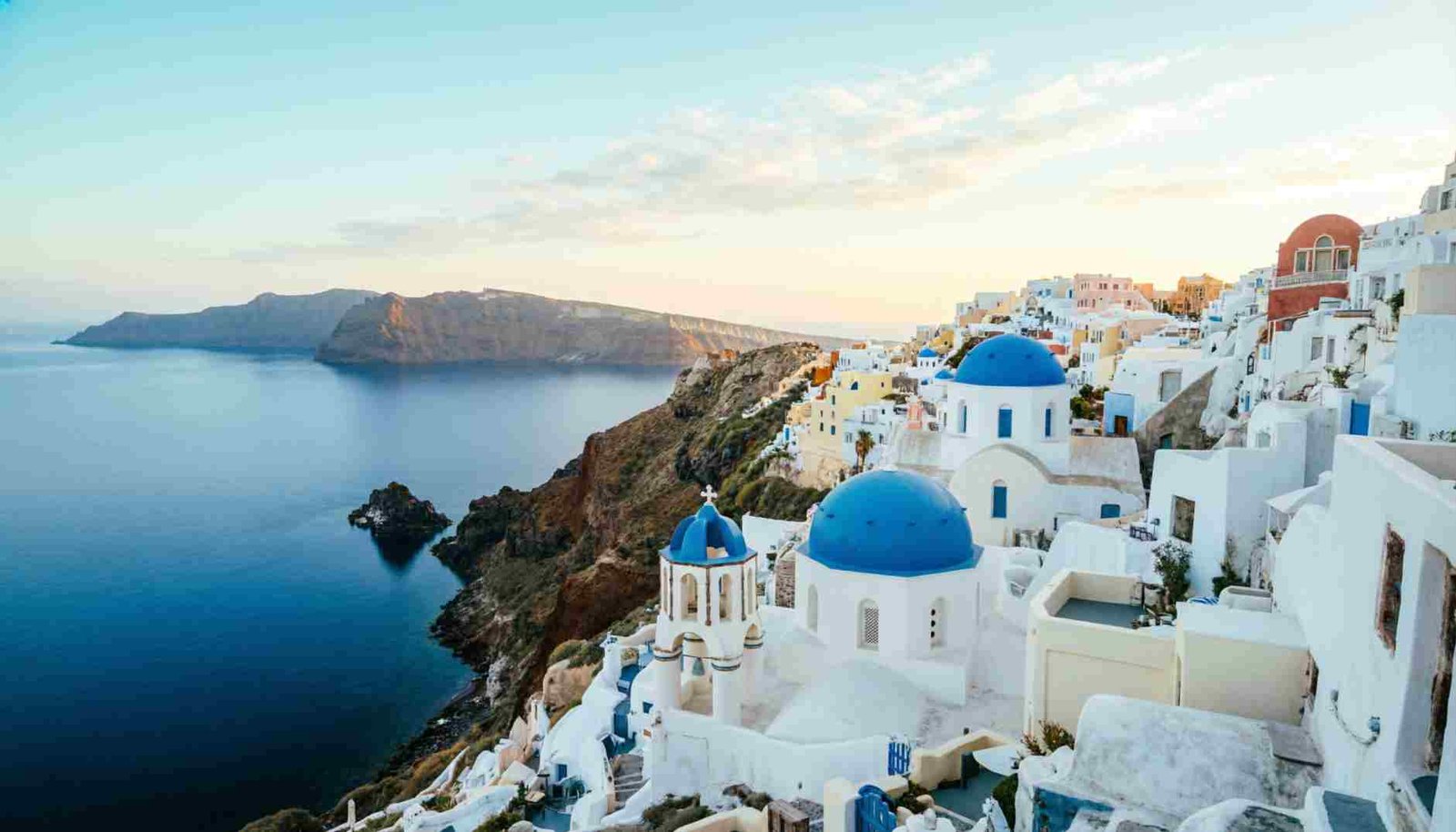
The best time to travel to Greece is from April through June or September through October. These shoulder seasons deliver warm Mediterranean weather, fewer crowds than peak summer, and lower prices on flights and hotels. July and August are the most popular months but come with intense heat and packed tourist sites. Winter offers solitude and budget deals but limited island access.
Why Timing Your Greece Trip Actually Matters
Picture this: You’ve saved for years, booked the flights, and finally arrived in Santorini only to find the cliffside paths shoulder to shoulder with tourists, hotel rates through the roof, and midday temperatures pushing 100°F. Greece in August can feel less like a dream vacation and more like a crowded outdoor sauna.
Timing a Greece trip right changes everything. The difference between visiting in May versus August isn’t just about temperature, it’s about the quality of your entire experience. You’ll wait in shorter lines at the Acropolis, pay hundreds less per night in Mykonos, and actually find a quiet taverna where locals eat rather than tourist traps with laminated menus in five languages.
This guide breaks down every month of the Greek calendar so American travelers can plan with confidence. If you’re chasing island sunsets, ancient ruins, or slow meals by the sea, knowing when to go makes the difference between a trip that’s good and one that’s genuinely unforgettable. Greece rewards the traveler who shows up at the right moment and this guide helps you find yours.
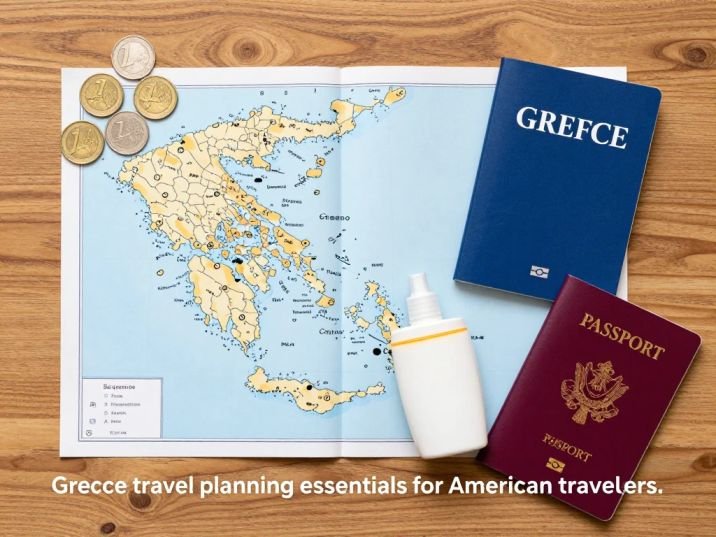
Greece at a Glance: Quick Facts for U.S. Travelers
| Detail | Info |
| Capital | Athens |
| Currency | Euro (€) check rates before you go |
| Language | Greek (English widely spoken in tourist areas) |
| Time Zone | Eastern European Time (UTC+2; UTC+3 in summer) |
| Flight Time from NYC | ~10–11 hours nonstop |
| Flight Time from LAX | ~14–15 hours (with connection) |
| Visa Required? | No U.S. citizens get 90 days visa free (Schengen) |
| Power Plug | Type C/F bring an adapter |
| Best Airport | Athens International Airport (ATH) |
| Peak Season | July–August |
| Shoulder Season | April–June, September–October |
| Off Season | November–March |
⚠️ Visa rules and entry requirements can change. Always verify current Schengen entry rules at the U.S. Embassy or travel.state.gov before departure.
Best Time to Visit Greece: The Short Answer
April through June is the sweet spot for most American travelers. Temperatures range from the mid 60s°F to low 80s°F, most tourist sites are open, and crowds remain manageable. September and October run a close second. The sea is still warm from summer, but the tourists have thinned out significantly.
If you’re visiting primarily for beaches and island life, late June through mid September delivers the best swimming conditions. If ancient history and cultural sites are your priority, spring or fall keeps you cooler and less overwhelmed. Budget travelers and photographers chasing dramatic skies should consider the November to March window, with the tradeoff of limited ferry service and some island businesses closing entirely.
Month by Month Breakdown: When to Go and Why
January & February The Quiet Winter
January and February are Greece’s quietest and coldest months. Mainland cities like Athens stay around 50°F on average, while the islands can feel damp and windswept. Many island businesses especially on Santorini, Mykonos, and smaller Cyclades islands close entirely until March or April.
Who it’s for: Budget focused travelers, repeat visitors who’ve “done” the highlights, solo explorers seeking solitude.
The upside: Hotel prices in Athens drop dramatically. The Acropolis, National Archaeological Museum, and Delphi are nearly crowd free. You can explore ancient sites at your own pace without fighting through tour groups.
The downside: Many island ferry routes run on reduced schedules or suspend service. Expect rain on the mainland. Most beach towns feel like ghost towns.
Insider tip: Athens is genuinely enjoyable in winter. Locals reclaim the city in these months, neighborhood tavernas fill up, restaurants serve hearty stews and bean soups, and you can visit the Parthenon without another tourist in your frame.
March A Transitional Month Worth Watching
March brings hints of spring to southern Greece while the north stays cool and wet. Athens starts warming up, wildflowers begin appearing in the countryside, and the island season slowly cranks back to life by late March on popular islands.
Greek Independence Day on March 25 means national celebrations across the country, including military parades in Athens and Thessaloniki, a genuinely cool cultural experience that most tourists never plan around.
Average temps: Athens hits around 57–63°F. Islands are cooler with unpredictable rain.
Bottom line: March is a transitional gamble. If your trip can flex around weather, late March in Athens and the Peloponnese delivers good value. Stick to the mainland rather than banking on island hopping.
April One of the Best Months to Visit Greece
April is one of the strongest months to visit Greece, and it’s consistently underrated by American travelers who assume summer is better.
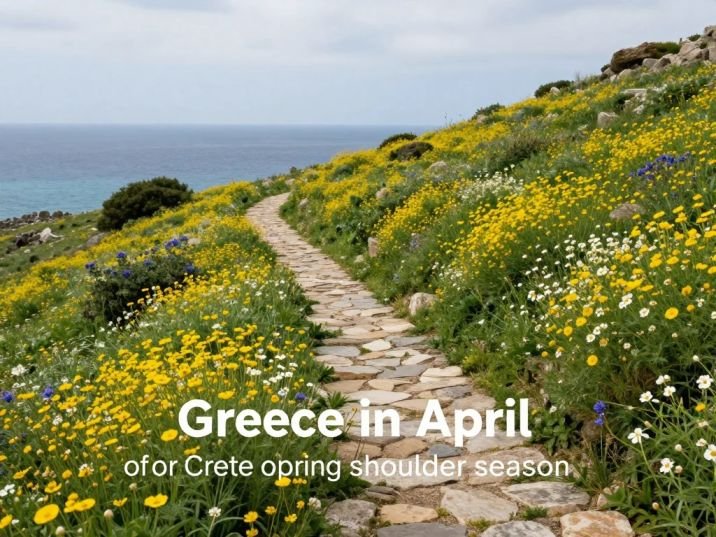
Temperatures across the mainland hover in the mid 60s°F to low 70s°F. The Greek countryside turns electric green after winter rains. Wildflowers blanket hillsides across Crete, Corfu, and the Peloponnese. Easter, the most important holiday in the Greek Orthodox calendar, often falls in April, bringing candlelit midnight processions and lamb feasts that offer a window into genuine Greek culture.
Why April wins:
- Crowds are a fraction of summer levels at major sites
- Hotel and Airbnb prices are 30–50% lower than August
- The Acropolis is accessible without hour long lines
- Light is soft and golden ideal for photography
- Crete and Rhodes are already warm enough for comfortable day trips
Potential downside: The sea is still cool (around 62–65°F) most people won’t want to swim. Some smaller island businesses haven’t fully opened yet.
Easter timing matters: Greek Orthodox Easter doesn’t always align with Western Easter. Check the date before booking it can shift your lodging availability and restaurant hours significantly.
May The Consensus Best Month for Most Travelers
Ask seasoned Greece veterans, and May comes up again and again as the single best month to visit. Temperatures across the islands sit in the mid 70s°F. The Aegean Sea warms to around 68–72°F comfortable for swimming. Most businesses are fully open, ferry routes are running on summer schedules, and tourist density hasn’t yet reached overwhelming levels.
May at a glance:
- Athens: 72–77°F average highs
- Santorini, Mykonos: 70–75°F with cooling breezes
- Crete: 75–80°F perfect beach weather
- Rain: Minimal, especially in the south
May is also excellent for hikers. The Samaria Gorge in Crete, one of Europe’s longest gorges, typically opens in May, and the trail is stunning with spring wildflowers still in bloom. The Vikos Gorge in northern Greece is equally dramatic and far less visited.
Budget note: May hotel rates are noticeably lower than July or August. A room that costs €400/night in Oia in August might run €180–220 in May.
June Summer Begins, Crowds Build
Early June still carries shoulder season advantages: reasonable prices, shorter lines, good weather. By late June, the summer surge hits and prices jump sharply. The sea is warm (around 74°F), beach clubs open fully, and the social energy on islands like Mykonos picks up considerably.
Best for: Travelers who want warm beach weather without peak August chaos. Book accommodations well in advance for late June it sells out fast.
Watch out for: The meltemi winds start picking up in the Aegean in June. These strong northerly winds can disrupt ferry schedules and make some exposed beaches uncomfortable. They’re strongest from July through August.
July Peak Season, Peak Everything
July is Greece’s busiest and hottest month. Athens regularly hits 90–95°F, and the islands follow closely. The Acropolis becomes genuinely punishing in midday heat. Ferry queues stretch long. Popular Santorini viewpoints like Oia’s sunset spot fill with hundreds of people an hour before golden hour.
Who should still come in July: Travelers who thrive in heat, those who prioritize the vibrant nightlife scene (especially on Mykonos and Ios), and anyone whose schedule simply doesn’t allow flexibility.
Survival tips for July visitors:
- Visit all archaeological sites before 10 AM or after 5 PM
- Book a room with air conditioning non negotiable in July
- Plan beach time for mornings; retreat indoors midday
- Book ferries and restaurants weeks in advance
Cost reality: July is the most expensive month. Expect flights from the U.S. to cost 20–40% more than shoulder season, and popular island hotels to charge peak rates.
August The Busiest Month in Greece
August doubles down on everything, July brings more heat, more crowds, higher prices. Greek and European vacationers join the international tourist wave, making popular islands feel genuinely overcrowded. The 15th of August is the Feast of the Assumption (Dekapentavgoustos), a national holiday that sends Greeks traveling in massive numbers and makes transportation especially chaotic.
Honest drawback: August in Santorini or Mykonos can feel like standing in a theme park queue for most of the day. The experience many travelers dream of a quiet, windswept Greek island simply doesn’t exist in August on the famous islands.
Hidden upside: If you skip the famous islands and head somewhere like Ikaria, Tilos, or the Mani Peninsula in the Peloponnese, August can still feel authentic and unhurried. The crowds cluster at a handful of hotspots lesser known destinations remain genuinely peaceful.
September The Other Best Month ☀️
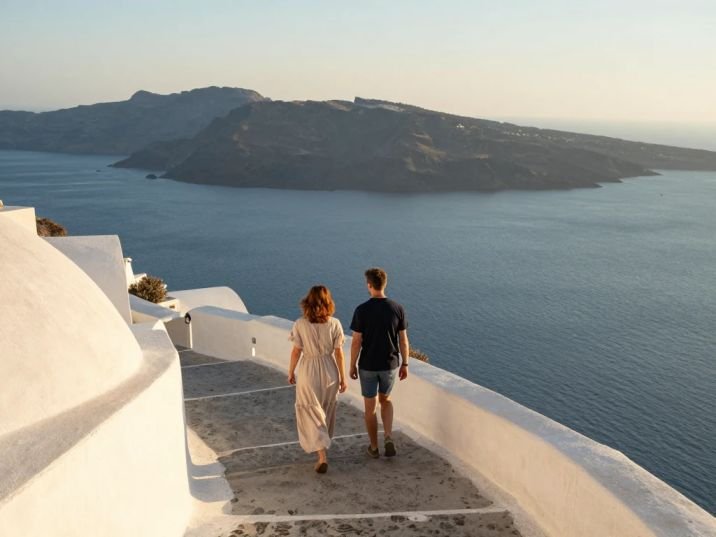
September is the second best month to visit Greece, and for beach lovers, it may actually edge out May. The Aegean reaches its warmest temperatures of the year around 77–79°F making swimming genuinely luxurious. Air temperatures drop slightly from August, hovering around 82–86°F in most areas.
Crowds thin noticeably after the first week of September as European school schedules resume. Hotel prices begin falling from peak rates. The light shifts to a warmer, more golden quality that photographers love.
September wins:
- Warmest sea temperatures of the year
- 20–35% lower hotel costs than August
- Cultural sites less crowded
- Comfortable daytime temps for sightseeing
- Most businesses and ferries still running on full summer schedules
One caution: Book accommodations for early September the same way you would for August. It’s still very popular, especially the first two weeks.
October Autumn Charm and Genuine Solitude
October brings a significant shift. Northern Greece and higher elevations cool quickly, but the southern islands Crete, Rhodes, Dodecanese stay warm through October with temperatures around 72–78°F. The sea stays swimmable well into the month.
By mid October, the island crowds have almost entirely evaporated. Some businesses begin closing for the season on smaller islands, but major destinations remain open and welcoming. Oxi Day on October 28 commemorating Greece’s refusal of Axis occupation in 1940 brings local parades and celebrations, offering another authentic cultural moment.
October is ideal for: History focused travelers, hikers, wine lovers (harvest season on Santorini and in northern Greece), and anyone craving a slower, more local experience.
November & December Quiet Season Begins
November marks the start of the slow season. Mainland Greece stays pleasant in early November (around 60–65°F in Athens), but the islands cool off and ferry service becomes sporadic. Athens in November and December offers good hotel rates, nearly empty museums, and the novelty of seeing the Acropolis without another tourist in sight.
Christmas in Athens brings modest but charming decorations, markets, and a festive atmosphere. It’s a genuine alternative for travelers who want a European holiday experience without the crowds and expense of Paris or Rome in December.
Seasonal Comparison Table
| Season | Months | Avg Temp (°F) | Crowds | Prices | Sea Temp | Best For |
| Spring | Apr–May | 65–77°F | Low–Medium | Lower | Cool–Warm | Culture, hiking, history |
| Early Summer | June | 77–84°F | Medium | Medium | Warm | Mix of beach + sightseeing |
| Peak Summer | Jul–Aug | 88–95°F | Very High | Highest | Warmest | Beach clubs, nightlife |
| Shoulder Fall | Sep–Oct | 72–84°F | Low–Medium | Medium–Low | Warmest | Swimming, photography, wine |
| Winter | Nov–Mar | 48–60°F | Very Low | Lowest | Cool | Budget, Athens, mainland |
How to Get to Greece from the United States
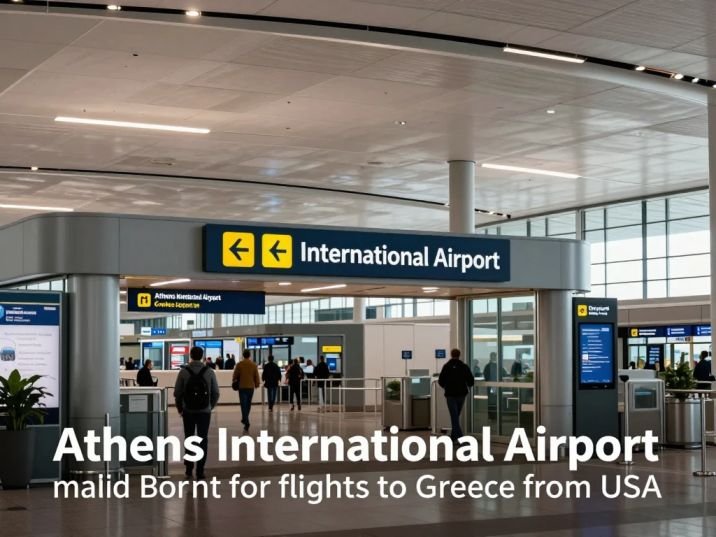
Flights to Athens
Athens International Airport (Eleftherios Venizelos / ATH) is the main entry point for American travelers. Several airlines offer nonstop service from the U.S., including Delta from JFK and United from EWR. Most flights from the West Coast connect through a European hub London Heathrow, Frankfurt, or Amsterdam adding 2–4 hours to the journey.
Best airports to fly from: New York (JFK/EWR), Boston (BOS), Chicago (ORD), Philadelphia (PHL), and Washington D.C. (IAD) tend to have the most competitive Greece fares. Search round trips 3–5 months in advance for peak season, 6–8 weeks out for shoulder months.
Budget tip: Flying into Athens and out of Thessaloniki (SKG) or vice versa can save money and open up the northern mainland without backtracking. Check open jaw itineraries on Google Flights.
Getting Around Greece
| Transport | Best For | Notes |
| Domestic Flights | Long island hops | Athens to Heraklion (Crete) takes ~55 min vs. 8–9 hr ferry |
| Ferries | Island hopping | Book in advance for July–August; check meltemi weather forecasts |
| Rental Car | Mainland, Crete, large islands | International Driving Permit recommended; roads can be narrow |
| Metro/Bus (Athens) | Getting around the capital | Clean, efficient, connects airport to city center |
| KTEL Buses | Mainland towns | Affordable and reliable for destinations like Delphi, Meteora |
Where to Stay: Matching Accommodations to Your Travel Window
Peak Season (July–August)
Book 4–6 months in advance for Santorini and Mykonos. Prices are highest, but availability vanishes fast for quality properties. Look for hotels with pools. The heat makes this a practical necessity, not a luxury.
Shoulder Season (April–June, September–October)
More flexibility exists, but popular boutique cave hotels in Santorini and luxury villas in Crete still fill up. Aim to book 2–3 months ahead. You’ll find better value at mid range hotels and locally owned guesthouses (called “xenodocheia”) that the chain hotels can’t match for character.
Off Season (November–March)
Athens hotels drop to very competitive rates. On the islands, options narrow significantly to confirm properties are open, especially on smaller Cyclades islands.
General advice: Read reviews that mention the time of year the reviewer visited. A hotel that feels charming in October can feel stifling in August.
Top Regions and What Season Suits Each Best
Athens and the Mainland
Best months: April–June, September–November
Athens runs year round, but the ancient sites are punishing in summer heat. The Acropolis and Ancient Agora reward early morning visits in any season. Add day trips to Delphi and Cape Sounion (Temple of Poseidon) both manageable from Athens in any shoulder season.
Meteora, the extraordinary monasteries perched on rock pillars in central Greece, is spectacular in spring when the valley below fills with green, or in winter when fog adds a mystical quality.
Santorini
Best months: May, June, September, October
Santorini is gorgeous but genuinely overcrowded in July and August. The famous Oia sunset becomes a standing room only event in peak summer, with tourists packed three deep on every viewpoint. In May or September, you can actually pause and absorb it.
Hidden gem: Walk from Fira to Oia along the caldera rim trail roughly 6 miles in the early morning in May or October. You’ll likely share the path with almost no one.
Mykonos
Best months: June, September
Mykonos is a summer party central in July and August. If you love beach clubs, house music at noon, and a very social scene, that’s your window. For everyone else, June or September delivers the same gorgeous Cycladic architecture and seafood at the harbor without the relentless crowds.
Crete
Best months: April–June, September–October
Greece’s largest island deserves more time than most visitors give it. The Samaria Gorge hike is a must (open May–October). Heraklion’s Archaeological Museum holds the finest Minoan artifacts in the world. The Lasithi Plateau in the east and the Sfakia region in the southwest feel like different countries from the tourist-heavy north coast.
April and May in Crete are exceptional wildflowers, mild temps, and the island still feeling like itself.
Corfu and the Ionian Islands
Best months: May, June, September
The Ionians sit in the Adriatic influenced west and tend to be greener and slightly cooler than the Cyclades. Corfu Town is a UNESCO listed gem worth exploring on foot. Kefalonia and Zakynthos (home of the famous Navagio shipwreck beach) are best in shoulder seasons when boat tours to the beach aren’t massively overcrowded.
Northern Greece and Thessaloniki
Best months: April–June, September–October
Thessaloniki Greece’s second largest city is chronically overlooked by American itineraries. It has a vibrant food scene, outstanding Byzantine churches, and excellent museums including the Archaeological Museum of Thessaloniki. The nearby ancient sites of Vergina (burial site of Philip II of Macedon) and Pella are remarkable and rarely crowded at any time of year.
Common Tourist Mistakes and How to Avoid Them
Mistake #1: Booking a Whirlwind Island Hopping Trip in Peak Season
The problem: Travelers try to hit Santorini, Mykonos, and Rhodes in one week in August. Ferry delays, overheating, and the exhaustion of constant moving destroy the trip.
The fix: Pick two islands maximum for a one week trip. Spend at least three nights on each. The slower pace reveals the Greece that actually exists beneath the tourist surface.
Mistake #2: Ignoring the Ferry Schedule Reality
The problem: Summer ferries often run late, and the meltemi wind can cancel sailings entirely with little warning.
The fix: Never book a flight home the same day as a ferry journey. Always leave a buffer day. Use Ferryscanner or Ferryhopper to check routes, and buy tickets in advance for July and August.
Mistake #3: Visiting the Acropolis at Midday in Summer
The problem: The Acropolis is an exposed hilltop. At 1 PM in July, the marble reflects heat mercilessly. Lines for the main entrance can stretch 45 minutes.
The fix: Book timed entry tickets online in advance via the official Greek Ministry of Culture portal. Arrive at the 8 AM opening or visit after 5 PM. Bring water regardless of the season.
Food and Dining: Seasonal Dishes to Know
Greek cuisine shifts subtly with the seasons, and eating with the calendar makes the food noticeably better.
Spring (April–May): Fresh artichokes, wild greens (horta), lamb Easter lamb is a national institution. Look for “magiritsa” (offal soup eaten after Easter midnight mass) if you’re adventurous.
Summer (June–August): Peak season for tomatoes, eggplant, and zucchini. Try “briam” (roasted vegetable medley), fresh grilled octopus, and cold tzatziki at every meal. Watermelon with feta is an underrated classic.
Fall (September–October): Grape harvest means fresh must (grape juice) and “moustalevria” (grape pudding). Fresh mushrooms appear in the north. Olive oil presses start running on Crete and Lesbos.
Winter (November–March): Hearty bean soups (fasolada), roasted meats, and citrus from southern Greece. Athens is excellent for winter dining. Neighborhood restaurants are full of locals rather than tourists.
Dining tip: In tourist areas, walk at least two streets back from the waterfront to find restaurants where locals actually eat. Menus posted outside with photos are often a sign the restaurant is targeting tourists rather than Greeks.
Packing by Season: What to Bring
Spring (April–May)
- Light layers mornings and evenings stay cool
- A light rain jacket (April especially)
- Comfortable walking shoes for cobblestones and ruins
- Reef safe sunscreen Greece’s reefs are protected
- A light cardigan or wrap for churches (bare shoulders not permitted)
Summer (June–August)
- Lightweight, breathable clothing only
- High SPF sunscreen the Mediterranean sun is intense
- A reusable water bottle hydration matters in 95°F heat
- Sun hat and sunglasses
- Minimal luggage island hopping is easier with less
Fall (September–October)
- Light layers that can combine
- A light jacket for evenings October nights cool off fast
- Swimsuit (still swimming weather through October)
- Comfortable shoes for hiking
Winter (November–March)
- A warm jacket Athens in January is cold and damp
- Layers for variable mainland weather
- Standard European adapter (Type C or F)
Hidden Gems Worth Planning Around
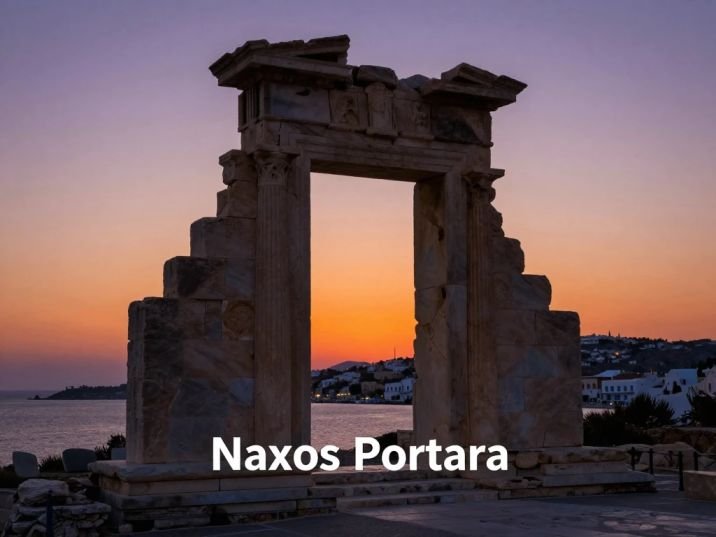
1. Naxos Instead of Mykonos
Naxos is the largest Cycladic island and one of the most self-sufficient. It has farms, mountains, excellent beaches, and a fascinating medieval old town called the Kastro. It’s far less expensive than Mykonos and feels genuinely Greek rather than a resort bubble. The Portara (ancient marble gate) at the harbor is one of Greece’s most photogenic spots and rarely as crowded as comparable Santorini viewpoints.
2. The Mani Peninsula (Peloponnese)
The Mani is a rugged, dramatic finger of land jutting into the Mediterranean below Sparta. Tower houses dot the landscape, Byzantine churches appear around every bend, and the village of Vathia looks like a medieval fortified city abandoned mid sentence. Mani is best in spring or fall, summer heat is fierce, and the landscape rewards slow exploration.
3. Thessaloniki’s Food Scene
Thessaloniki regularly ranks among the best food cities in Europe, a claim most Americans don’t know to make. The city’s Modiano and Kapani markets are extraordinary, the bougatsa (cream filled pastry) culture is its own religion, and the waterfront stretching along the Thermaic Gulf is genuinely beautiful. Visit in October when the city exhales after summer and returns to its own rhythms.
Is Greece Worth It? Honest Answers to Real Questions
Is Greece overrated? Parts of it, honestly yes. Oia at sunset in August is more of a crowded Instagram event than a serene experience. But Greece as a whole is deeply rewarding for travelers who go beyond the famous shots. The mainland, northern regions, and lesser visited islands remain genuinely special.
How long do you need? Ten to fourteen days is the ideal first trip length. Seven days feels rushed if you include island hopping. Three weeks allows a proper deep dive into both mainland and islands.
What’s overrated? The infinity pool Instagram photo in Santorini. It’s real and lovely, but the properties offering it charge a significant premium. You can have an equally memorable Greece trip staying in a beautifully located apartment for a fraction of the price.
What’s underrated? The Peloponnese mainland. Ancient Olympia, Byzantine Mystras, the fortress of Nafplio, the Mani towers, this region packs more authentic history and beauty per square mile than almost anywhere else in Europe, with a fraction of the tourist traffic of the islands.
Safety Tips for American Travelers in Greece
Greece ranks as one of Europe’s safest countries for tourists. That said, standard urban awareness applies in Athens, particularly around Omonia Square and the Monastiraki flea market, where pickpocketing can occur in crowded conditions.
- Health: The U.S. Centers for Disease Control and Prevention (CDC) maintains updated travel health notices for Greece. Check cdc.gov before your trip. Travel health insurance including medical evacuation coverage is strongly recommended.
- Water: Tap water is safe to drink in Athens and most of the mainland. On some smaller islands, locals rely on bottled water ask your accommodation.
- Sun: Heat illness is a real risk in summer. Take it seriously. Rest in midday shade, drink water consistently, and don’t underestimate the Mediterranean sun even on overcast days.
- Emergency number: 112 is the European emergency number (equivalent to 911), and it works across Greece.
The U.S. Embassy in Athens provides updated safety and travel alerts. Register your trip at step.state.gov (Smart Traveler Enrollment Program) for emergency notifications.
Budget Planning: What Greece Actually Costs
Prices fluctuate seasonally and by location. The figures below represent general ranges to help with planning and verifying current prices when booking.
| Expense | Budget | Mid Range | Splurge |
| Accommodation/night | €40–70 (hostel/guesthouse) | €120–250 (hotel) | €400–800+ (Santorini cave suite) |
| Meals | €10–15/meal (taverna) | €25–50/meal | €80–150+ (fine dining) |
| Inter island ferry | €25–60 (economy) | €60–120 (cabin) | Varies |
| Domestic flight | €40–90 (budget airline) | €90–150 | |
| Museum entry | €8–20 per site | ||
| Day tour | €30–60 | €80–150 |
Money saving tips:
- Book ferries and domestic flights at least 6–8 weeks out for summer travel
- Eat lunch as your main meal many tavernas offer a “daily special” (μαγειρευτά) that’s excellent value
- Athens’ major museums often have free entry on the first Sunday of each month (November–March)
- Consider a Athens City Pass if visiting multiple archaeological sites it bundles entry to several sites including the Acropolis
Sample 10 Day Itinerary: Greece Shoulder Season (May or September)
Days 1–3: Athens Arrive, recover from jet lag, and spend your first full day slowly. Visit the Acropolis Museum before the Acropolis itself provides context that transforms the site. Explore Plaka (the old neighborhood at the foot of the Acropolis), eat at a taverna in Monastiraki, and take the metro to Piraeus to get comfortable with logistics.
Day 4: Day Trip to Cape Sounion or Delphi Cape Sounion (Temple of Poseidon) is a 70 minute bus ride south of Athens and makes an easy half day or full day trip. Delphi requires a longer drive (about 2.5 hours) but rewards with extraordinary mountain scenery and the ruins of the ancient Oracle.
Days 5–7: Santorini Take an early domestic flight or high speed ferry from Piraeus. Base yourself in Fira or Imerovigli rather than Oia. Better value, easier access to everything. Walk the caldera trail. Visit Akrotiri (the Minoan site, often called the “Pompeii of the Aegean”). Watch the sunset from a quieter spot, the lighthouse at Akrotiri or the ruins above Oia’s main viewing area.
Days 8–10: Crete Fly from Santorini to Heraklion (30 minute flight). Visit Knossos Palace (book tickets in advance), spend a day in Heraklion’s outstanding Archaeological Museum, and rent a car to explore the island’s interior or the photogenic harbor town of Chania in the west.
FAQs
What month is the cheapest to visit Greece?
January and February offer the lowest prices overall, but island options are severely limited. For a balance of value and experience, May and October hit the sweet spot lower than peak season prices with full access to sites, ferries, and most businesses.
Is Greece too hot in August?
August is very hot Athens regularly exceeds 95°F, and island temps sit in the high 80s°F with intense UV. It’s manageable if you structure your days around the heat (early mornings, midday breaks, late evenings) and prioritize air conditioned accommodation. For most travelers, though, June or September delivers better weather for sightseeing.
Can you swim in Greece in April or May?
You can, but the sea is chilly around 62–68°F in April and 68–72°F in May. Hardy swimmers and those from northern climates will be fine. Most Americans accustomed to warmer temperatures will find the sea more comfortable from late June onward.
How far in advance should I book a trip to Greece?
For July and August travel, book flights and hotels 4–6 months in advance. The shoulder season (May, June, September, October) allows more flexibility. 2–3 months out is usually sufficient for most destinations, though Santorini and Mykonos fill up faster than the mainland.
Is Greece safe for solo American travelers?
Yes Greece is generally very safe for solo travelers, including solo women. Standard city awareness applies in Athens. The islands and smaller towns feel extraordinarily safe. Learn a few words of Greek (efcharistó = thank you; parakalo = please/you’re welcome) locals genuinely appreciate the effort.
What’s the weather like in Greece in October?
October is one of Greece’s most pleasant months. Temperatures on the southern islands stay in the mid 70s°F, the sea remains warm enough for swimming through mid October, and the tourist crowds have dropped significantly. Northern Greece and the mainland cool off faster but remain comfortable for hiking and sightseeing.
Do I need a visa to visit Greece from the US?
U.S. citizens can visit Greece visa free for up to 90 days within a 180 day period under the Schengen Agreement. As of 2025, the European Travel Information and Authorization System (ETIAS) is expected to be required for visa free visitors to check the current status at travel.state.gov before booking, as requirements can change.
Three Takeaways Before You Book
Greece rewards travelers who show up at the right moment. Shoulder seasons, especially May and September, deliver the best combination of weather, access, and atmosphere for most American visitors. If your schedule forces you into peak summer, focus on lesser known islands and get serious about early morning starts at ancient sites.
Don’t let the famous destinations overshadow the rest. The Peloponnese, northern mainland, and smaller Ionian islands offer some of Greece’s finest experiences with a fraction of the crowds. Building even two or three days of mainland exploration into an island heavy itinerary transforms a trip.
Finally, give Greece more time than you think you need. The country reveals itself slowly through a long lunch at a harbor taverna, an unmarked Byzantine church down a backroad, or a conversation with a ferry captain who grew up on the island you’re approaching. The best version of a Greece trip isn’t rushed. Plan for that version.
Responsible Travel Note: Greece’s most fragile sites Santorini’s caldera trails, Delos, and several smaller archaeological sites face real pressure from overtourism. Consider visiting lesser known regions, respecting carrying capacity limits, and supporting locally owned businesses that reinvest in their communities.












2 thoughts on “When to Visit Greece: Monthly Travel Guide for U.S. Tourists”