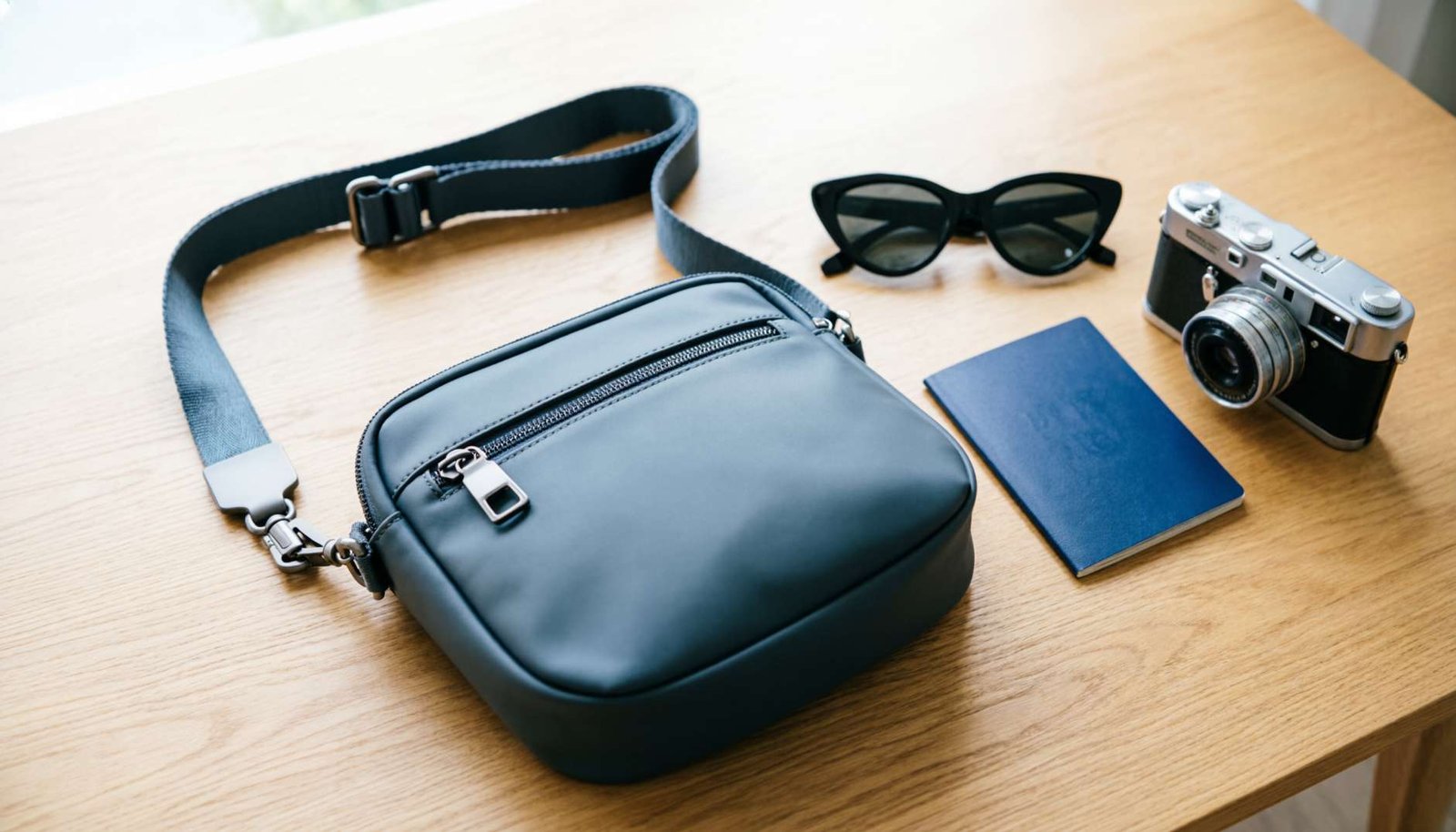
A travel purse is a small, secure, and functional bag designed to carry your essentials If passport, phone, cards, and cash If while keeping your hands free and your belongings safe during trips. The best travel purse balances security features like RFID blocking and anti theft zippers with lightweight comfort, organizational pockets, and a style that works from the airport to a rooftop dinner.
Every seasoned traveler has a story. A pickpocket in a crowded market. A soaked purse after a surprise rainstorm. A bag so heavy it turned a walking tour into a misery. These moments are avoidable If but only if you bring the right travel purse before you ever leave home.
Choosing a travel purse is one of the most underrated packing decisions a traveler can make. The wrong bag can cost you your passport, your credit cards, and your peace of mind. The right one disappears into the background and just works If keeping your essentials safe, accessible, and organized If you’re sprinting through O’Hare Airport, exploring a souk, or sitting down to a candlelit dinner in New Orleans.
This guide covers everything a USA traveler needs to know: what features actually matter, how to match your bag to your trip type, which mistakes to avoid, and how to find a travel purse that earns its spot in every future suitcase you pack. If you’re a first time flyer or a seasoned road warrior, the right bag changes everything.
What Makes a Great Travel Purse? The Core Features That Matter
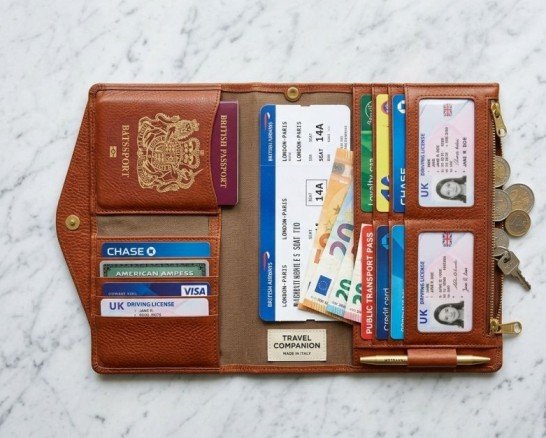
The best travel purse does five things well: it protects your belongings, organizes them, fits your body comfortably, survives the trip, and looks good enough that you actually want to carry it. Every feature below connects to one of those five goals.
RFID Blocking RFID (Radio Frequency Identification) blocking prevents electronic pickpockets from scanning your credit cards and passport chips wirelessly. The TSA does not require RFID blocking wallets or bags, but the technology is increasingly standard in quality travel purses. Look for bags that mention RFID lined pockets rather than just RFID blocking card sleeves.
Anti Theft Design Slash resistant fabric, locking zippers, and hidden compartments are the hallmarks of anti theft travel purses. Brands like Travelon and Pacsafe have built their reputations on these features. The slash resistant material typically uses a layer of steel mesh woven into the fabric, making it nearly impossible to cut a strap or the bag body in a crowded space.
Crossbody Style and Adjustable Straps A crossbody travel purse keeps the bag against your body, in front of you, where you can see it. Adjustable straps let you tighten the bag when walking through busy areas and loosen it for comfort during longer outings. Look for straps with steel cable reinforcement if you’re heading to high theft destinations.
Water Resistance Light water resistance If from nylon, polyester, or coated canvas If protects your documents and electronics from rain and spills. Full waterproofing isn’t always necessary, but some water resistance is non negotiable for travel.
Organizational Pockets A good travel purse has a dedicated spot for your phone, a separate passport pocket, card slots, a key clip, and a main zip compartment. More pockets than you think you need is almost always better than fewer.
Weight The bag itself should weigh as little as possible. A travel purse that weighs more than a pound when empty will start to feel heavy by midday. Lightweight fabrics like ripstop nylon or treated polyester keep the base weight low.
The Different Types of Travel Purses (And Which One Is Right for You)
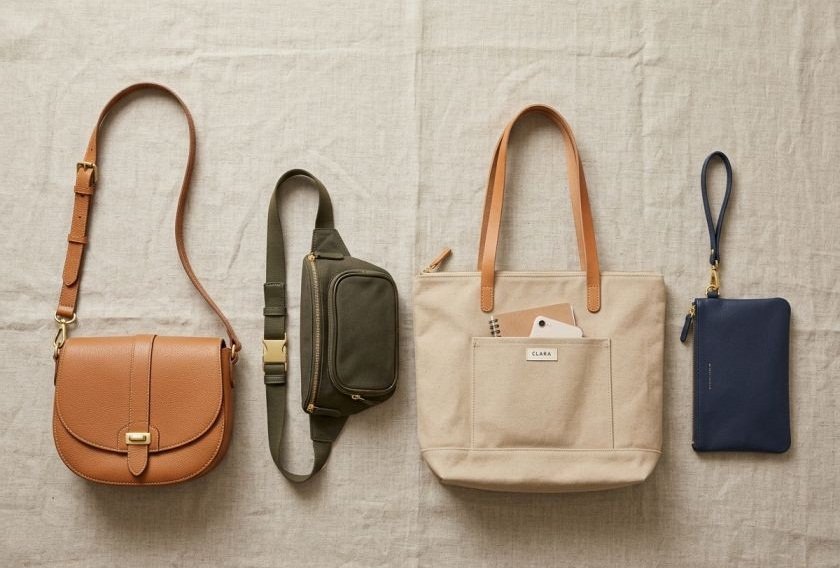
Not every traveler needs the same bag. A solo backpacker exploring national parks needs something different from a business traveler catching flights between Chicago and Dallas. Here’s a breakdown of the main travel purse styles and when each one makes the most sense.
Crossbody Bags Crossbody bags are the workhorse of travel purses. They sit diagonally across your chest, keep both hands free, and stay in your field of vision. They work for day trips, city exploration, airport transits, and casual evenings out. Most anti theft travel purses are built in the crossbody format for exactly these reasons.
Best for: City travel, international trips, cruise excursions, theme parks
Belt Bags and Fanny Packs Belt bags have made a full comeback, and for good reason. They sit close to your body, hold just the essentials, and are nearly impossible to pickpocket when worn in front. Modern versions have evolved far beyond the neon fanny packs of the 1980s If slim, stylish options now come in leather and technical fabrics.
Best for: Outdoor activities, crowded events, festival travel, short day hikes
Tote Bags A travel tote works well as a second bag If something to carry purchases, a light jacket, or snacks during a day out. However, open top totes are not ideal as a primary travel purse because they offer little security. If you choose a tote, look for a zippered top and interior pockets.
Best for: Beach days, shopping trips, as a carry on personal item supplement
Wristlet Wallets For evenings out when you only need your ID, a card, and your phone, a wristlet wallet keeps things minimal. It’s not a replacement for a full travel purse, but it’s a smart companion piece.
Best for: Dinners out, cocktail bars, short evening excursions
Backpack Style Travel Purses Some travelers prefer a small backpack (under 20 liters) as their travel purse. These distribute weight across both shoulders and hold more than a standard crossbody. The tradeoff is that backpacks on your back are harder to monitor in crowded areas.
Best for: Hiking towns, adventure travel, long walking days with a lot of gear
The Best Travel Purse Features for International Travel
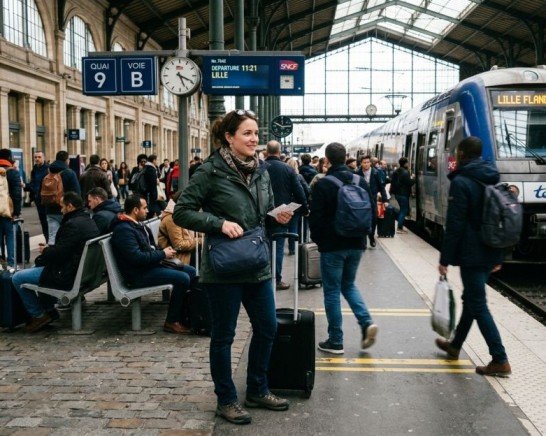
International travel adds layers of complexity that domestic trips don’t always require. Your travel purse needs to handle passport access, currency from multiple countries, and environments where pickpocketing is more common.
The most important feature for international travel is a dedicated, zippered passport pocket that sits close to your body. Ideally, the pocket sits inside the bag or against the back panel If not on the outside where a bump and grab pickpocket could access it. Many experienced travelers keep a photocopy of their passport in the main compartment and the original in this hidden pocket.
RFID blocking matters most internationally, particularly in Europe and Southeast Asia where contactless payment technology is widespread. The same technology that makes tap to pay convenient also makes skimming possible. A travel purse with RFID lined pockets eliminates that risk entirely.
Compact size also becomes important internationally. Many restaurants, museums, and cultural sites in Europe and Asia have limited space, and a large bag becomes a burden. A crossbody travel purse with a 5–8 liter capacity hits the sweet spot If small enough to move freely, large enough to carry your essentials plus a light layer.
How to Match Your Travel Purse to Your Trip Type
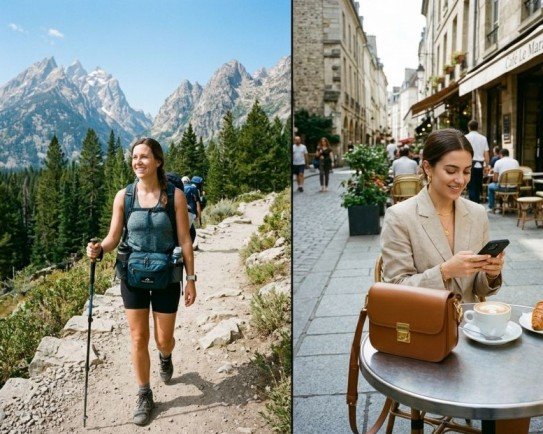
| Trip Type | Best Style | Key Features Needed |
| City sightseeing | Crossbody | RFID blocking, anti theft, multiple pockets |
| Beach vacation | Belt bag or wristlet | Water resistant, minimal |
| National park visit | Small backpack or belt bag | Durable, hands free |
| Business travel | Structured crossbody | Professional look, laptop tablet pocket |
| Cruise excursion | Crossbody | Lightweight, waterproof base |
| International trip | Anti theft crossbody | RFID, slash resistant, passport pocket |
| Festival or event | Belt bag | Compact, secure, stylish |
| Road trip | Tote or large crossbody | Comfortable, roomy, casual |
What to Look for in an Anti Theft Travel Purse
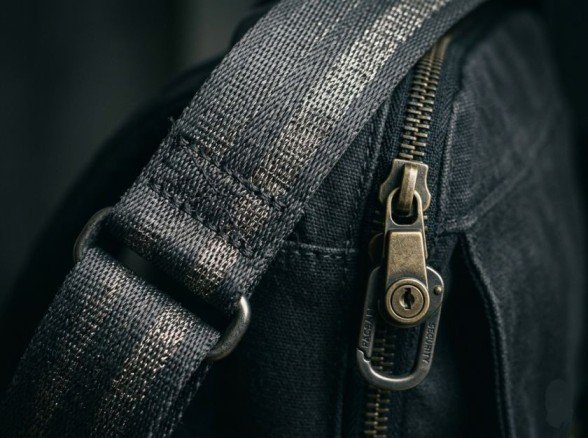
An anti theft travel purse is worth every penny for travelers heading to busy cities, international destinations, or any place where petty theft is a known concern. The TSA focuses on what goes inside your bag If anti theft design focuses on protecting the bag itself.
Here are the four main anti theft features to prioritize:
Slash resistant panels and straps use tightly woven stainless steel mesh beneath the outer fabric. Even a sharp knife cannot easily cut through. This protects both the strap (a favorite target for bag snatchers) and the main body of the bag.
Locking zippers typically use a small carabiner style clip or a zipper lock that attaches the zipper pull to a fixed anchor on the bag. This makes it impossible for someone to open the bag without you noticing.
Hidden compartments add a layer of security by placing your most valuable items If passport, extra cash, backup card If in a compartment that isn’t obvious from the outside.
Anchor straps allow you to clip the bag’s strap to a fixed object, like a chair leg or table, making it extremely difficult to snatch the bag and run.
Brands worth researching include Travelon, Pacsafe, Eagle Creek, Baggallini, and Sherpani. Prices for quality anti theft travel purses generally range from $40 to $150. Always verify current pricing and availability directly with retailers, as these change frequently.
RFID Blocking in Travel Purses: Do You Actually Need It?
RFID blocking has become a major marketing feature in travel bags, but it helps to understand exactly what it protects against before deciding If you need it.
Modern credit cards with the tap to pay symbol use RFID or NFC technology. US passports issued after 2007 contain an RFID chip storing your personal data. Electronic skimmers can theoretically read this data wirelessly from a short distance.
That said, real world RFID theft is rare in the United States. The FBI and most cybersecurity experts note that criminals generally target digital accounts rather than physical RFID skimming. However, for international travel If particularly in high traffic tourist areas in Europe, South America, and Southeast Asia If RFID blocking adds a low cost layer of protection.
The bottom line: RFID blocking doesn’t hurt, and a quality travel purse that includes it costs roughly the same as one that doesn’t. If you’re choosing between two similar bags, pick the one with RFID protection. If RFID is the only differentiator and the bag is otherwise inferior, prioritize overall quality instead.
The Best Travel Purse for Different Body Types and Comfort Needs
Comfort is not a luxury If it’s a functional requirement. A travel purse you’re constantly adjusting or shifting is a travel purse that’s distracting you from your trip.
Crossbody bags work best when the bag rests at hip level or just above. If the strap is too long, the bag swings and bumps against your hip with every step. If it’s too short, it rides too high and feels restrictive. Look for straps with at least 12 inches of adjustability.
For travelers with back or shoulder pain, a slim belt bag or hip bag distributes weight evenly and avoids shoulder strain entirely. Small backpacks with padded shoulder straps and a chest clip also reduce shoulder fatigue on long walking days.
Petite travelers often find that standard crossbody bags are too large and hang awkwardly. Mini crossbody bags (typically 6 inches by 8 inches or smaller) hit the right proportions without looking oversized.
Tall travelers may find that standard crossbody bag straps don’t extend long enough. Always check the maximum strap length If 54 inches or longer accommodates most body types.
How to Pack Your Travel Purse for a Day Trip
Packing your travel purse well means bringing exactly what you need and nothing more. A bloated travel purse defeats the purpose of having one.
Here’s a practical packing list for a full day of sightseeing:
- Passport or passport photocopy (original in hotel safe unless needed)
- Two credit or debit cards (never your only card If keep a backup separate)
- Local currency or small amount of cash
- Phone (and a small portable charger if available)
- One lip balm and one small sunscreen packet
- A folded up reusable bag for purchases
- Earbuds (in a small case)
- Your hotel’s business card with the address in the local language
That’s it. Everything else stays at the hotel or in your main luggage. The goal is a travel purse light enough that you forget you’re wearing it.
TSA and Airport Tips for Traveling With a Personal Purse
The TSA allows any purse, crossbody, or bag as a personal item on domestic flights, provided it fits under the seat in front of you. Standard personal item dimensions vary by airline, but most allow bags up to roughly 18 x 14 x 8 inches. Always check your specific airline’s current personal item policy before you fly, as these change.
For security screening, the TSA will require you to remove your laptop if it’s in your bag (tablets typically don’t need to be removed). Liquids in a quart sized zip bag still need to come out. However, you do not need to remove RFID blocking card sleeves or pouches If these don’t trigger scanners.
If your travel purse has a metal frame or steel mesh (as anti theft bags often do), it may trigger the metal detector. This is normal. Simply inform the TSA agent that your bag has anti theft features. The bag will likely be hand checked and cleared quickly.
One smart airport tip: before you reach the security line, move your metal items If keys, coins, jewelry If into the interior of your bag rather than your pockets. This speeds up the screening process significantly.
5 Insider Tips for Choosing and Using a Travel Purse
These tips come from experienced travelers who have learned through trial and error what actually works.
Tip 1: Test the bag loaded before your trip. Fill your travel purse with everything you plan to carry and wear it for an hour around your neighborhood. Pay attention to how the straps feel, If the zippers are easy to open one handed, and If the bag bumps against your hip uncomfortably. Better to find problems at home than in the middle of a city you don’t know.
Tip 2: Choose neutral colors for international travel. Black, navy, gray, and tan travel purses attract less attention than brightly colored bags. In cities with known pickpocket activity If like Rome, Barcelona, and Paris If blending in matters more than style.
Tip 3: Never put your phone in an exterior pocket. The most common theft scenario for travel purses isn’t a dramatic snatch If it’s a quiet removal of your phone from an easily accessible exterior pocket in a crowd. Keep your phone in an interior pocket or a pocket close to your body.
Tip 4: Use the bag clip anchor feature. Many anti theft travel purses include a steel cable anchor that clips to a fixed object. When sitting at a café or restaurant, clip the strap to your chair. This one habit has prevented countless bag thefts from distracted diners.
Tip 5: Consider a second, smaller bag for evenings. A full day travel purse may feel bulky for a dinner out. Bringing a slim wristlet or mini crossbody for evenings means you carry only what you need and look polished rather than practical.
3 Common Travel Purse Mistakes (And How to Avoid Them)
Mistake 1: Buying a fashion purse and calling it a travel purse. A regular purse from a department store is not a travel purse. It lacks RFID protection, slash resistant materials, and the organizational pockets that make travel easier. If you’re serious about travel, invest in a bag designed for it. You don’t need to spend a fortune If quality anti theft travel purses exist at every price point.
Mistake 2: Overpacking the bag until it’s too heavy. A travel purse stuffed with a full day’s worth of items, snacks, a water bottle, and a full size wallet weighs enough to cause shoulder and neck pain by afternoon. Pare down ruthlessly. If it’s not essential for the next few hours, leave it behind.
Mistake 3: Wearing the bag on your back in crowded areas. A crossbody bag worn behind you If shifted to the back If is nearly as vulnerable as a traditional backpack in a crowd. Keep your travel purse in front of you, or at your hip facing outward, where you can see it at all times.
3 Underrated Alternatives to Traditional Travel Purses
Hidden Money Belt A money belt sits beneath your clothing If around your waist or across your chest If and holds your passport, extra cash, and a backup credit card completely out of sight. It’s not a replacement for a travel purse but an excellent complement to one for high risk environments. Slim, breathable models from brands like Rick Steves and Lewis N. Clark are widely available.
Packable Daypack A lightweight packable daypack (around 10–15 liters) that compresses to the size of a fist is ideal for travelers who prefer to carry more without committing to a large bag. Many are water resistant, and some include anti theft features. The tradeoff is less fashion forward style.
Vest with Hidden Pockets Travel vests with multiple interior pockets distribute weight evenly and keep your essentials completely hidden. They work particularly well for travelers doing outdoor activities or long transit days. Brands like SCOTTeVEST design vests specifically for this purpose.
Budget Guide: What to Spend on a Travel Purse
Travel purses span a wide price range, and the right amount to spend depends on how frequently you travel and what conditions your bag will face.
| Price Range | What You Get |
| Under $30 | Basic crossbody, lightweight, limited security features |
| $30–$60 | RFID blocking, water resistance, multiple pockets |
| $60–$100 | Anti theft features, slash resistant, quality zippers |
| $100–$150 | Premium materials, full anti theft system, stylish design |
| $150+ | Luxury brands, leather, designer collaborations |
For most travelers, the $60–$100 range hits the sweet spot. Bags in this price range typically include all the security features you actually need, last several years with normal care, and look presentable enough for any occasion. Always verify current pricing directly with retailers, as prices fluctuate seasonally and vary by retailer.
Caring for Your Travel Purse Between Trips
A travel purse that lasts five or ten years is far better value than one replaced every year. A few simple habits extend the life of any bag significantly.
Empty the bag completely between trips and store it in a dust bag or pillowcase. This prevents zippers from being stressed under load and keeps the interior clean. For nylon or polyester bags, spot clean with a damp cloth and mild soap. Avoid machine washing unless the manufacturer explicitly says it’s safe If agitation can damage zippers and anti theft components.
Check the zippers periodically. A drop of zipper lubricant (or a rub of a wax candle) on sticky zippers prevents wear. If a zipper pull breaks, most quality bag brands offer replacement parts or repair services.
Condition leather travel purses every few months with a leather conditioner appropriate for the material type. Keep leather bags away from prolonged sun exposure and extreme heat If both cause cracking and fading.
FAQs
What is the best travel purse for women traveling internationally?
The best travel purse for international travel is an anti theft crossbody bag with RFID blocking, slash resistant straps and panels, a hidden passport pocket, and a locking zipper. It should weigh under one pound when empty, hold a day’s worth of essentials, and fit comfortably across the body. Look at brands like Travelon, Pacsafe, and Baggallini for reliable options in the $60–$120 range.
Can a travel purse be a personal item on a plane?
Yes. Most airlines allow a purse, crossbody, or small bag as a personal item in addition to a carry on bag. The bag must fit under the seat in front of you. Typical personal item size limits range from 16 to 18 inches in the longest dimension, but this varies by airline. Always check your specific airline’s current baggage policy before your flight, since these rules change and differ between carriers.
What should I put in my travel purse?
Your travel purse should hold your phone, two payment cards, local currency or cash, a passport or photocopy, earbuds, a lip balm, sunscreen, and your hotel’s address card. Avoid overpacking If the goal is a light bag with only what you need for the next few hours. Store your full wallet, extra cards, and non essentials in your hotel safe or main luggage.
Are RFID blocking travel purses worth it?
RFID blocking travel purses offer low cost protection against electronic skimming of your credit cards and passport chip. While actual RFID theft is rare in the United States, it’s a more relevant concern in high traffic international tourist areas. Since RFID blocking technology doesn’t add significant cost to quality travel bags, it’s worth choosing a bag that includes it when other features are equal.
How do I keep my purse safe while traveling?
Keep your travel purse in front of you in crowds, never in an exterior pocket where items can be lifted quietly, and clip the strap to a fixed object when sitting at restaurants. Choose a bag with anti theft features like locking zippers and slash resistant straps. In very high risk areas, keep only a small amount of cash in your travel purse and store your passport and extra cards in a hidden money belt worn under your clothing.
What size travel purse is best for a day trip?
A travel purse with a 5–8 liter capacity is ideal for a full day of sightseeing. This size holds a phone, wallet essentials, documents, a portable charger, and a light layer or small item without becoming bulky or heavy. Bags smaller than 5 liters may not hold everything comfortably, while bags larger than 8 liters tend to feel like a full backpack rather than a travel purse.
What’s the difference between a travel purse and a regular purse?
A travel purse is specifically designed with security and function in mind. It typically includes RFID blocking pockets, anti theft zippers, slash resistant materials, and organizational pockets for travel documents. A regular purse prioritizes fashion and may lack these features entirely. For casual domestic travel, a regular purse may work fine. For international travel, high theft areas, or extended trips, a purpose built travel purse is significantly safer and more practical.
Conclusion
Choosing the right travel purse is one of those decisions that seems minor until it isn’t. The right bag keeps your passport safe, your hands free, your back comfortable, and your focus where it belongs If on the trip itself, not on worrying about your belongings.
Three things to take away from this guide: prioritize security features over style alone, match your bag style to your specific trip type, and never overfill a travel purse to the point where it becomes a burden. A light, functional bag that you barely notice is doing its job perfectly.
The best travel purse is the one you’ll actually reach for every time you pack If reliable, comfortable, and ready for wherever the trip takes you next. Start with your next adventure in mind, choose accordingly, and travel with confidence.