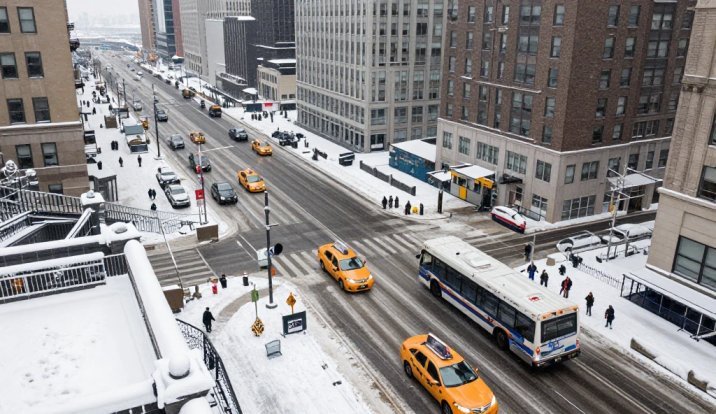
An NYC travel ban is a temporary emergency restriction that prohibits all non essential vehicles from operating on New York City streets, highways, and bridges. Issued by the Mayor during severe weather events most commonly major winter blizzards the ban typically lasts 12 to 24 hours and carries misdemeanor penalties for violations. Tourists and visitors are fully subject to the ban.
Planning a trip to New York City takes serious preparation. But there is one scenario most visitors never consider until it is too late: arriving during a declared travel ban. Suddenly, the streets are empty, your taxi app shows no drivers, and your hotel is two miles away. Welcome to one of the most jarring and misunderstood aspects of traveling to the city that never sleeps until a blizzard tells it to.
New York has declared travel bans multiple times in recent years, most recently during the historic February 2026 blizzard that dumped more than 20 inches of snow across the five boroughs. If you are a first time visitor or a seasoned NYC traveler, understanding what an NYC travel ban is, what it means for your plans, and how to stay safe and prepared is essential knowledge. This guide covers everything from the legal fine print to the insider strategies that keep your trip on track even when the city shuts down.
What Is an NYC Travel Ban?
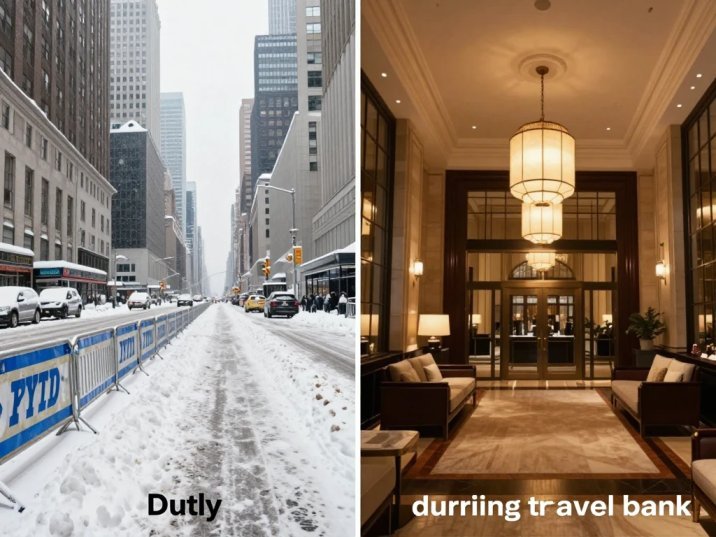
An NYC travel ban is a formal emergency restriction issued by the Mayor of New York City that closes all city streets, highways, and bridges to non essential vehicles. It is not a suggestion it is an enforceable order backed by law. Violating the ban is classified as a Class B misdemeanor, which can carry fines and potential arrest.
Travel bans are declared during extreme weather emergencies, most commonly major winter storms and blizzards. The goal is twofold: to protect public safety and to clear the roads so snow removal crews and first responders can do their jobs without interference. During the February 2026 blizzard, Mayor Zohran Mamdani declared a citywide state of emergency and issued a travel ban effective from 9 p.m. Sunday through noon Monday closing all five boroughs to non-emergency road traffic.
Key distinction for visitors: A travel ban does not mean you are imprisoned in your hotel. It means you cannot drive or ride in a private vehicle. Depending on conditions, certain subway lines and some bus routes may still operate, though with significant delays and service reductions.
Quick Facts: NYC Travel Ban at a Glance
| Detail | Information |
| Who issues it | Mayor of New York City |
| When it applies | Declared states of emergency (severe winter storms) |
| What it restricts | All non essential vehicles on streets, highways, bridges |
| What is exempt | Emergency services, utility crews, medical transport, essential workers |
| Typical duration | 12–24 hours |
| Penalty for violation | Class B misdemeanor |
| Where to check status | nyc.gov/311 or call 311 |
| MTA updates | mta.info or MTA app |
| Emergency alerts | Notify NYC (notifynyc.cityofnewyork.us) |
A Brief History: When Has NYC Issued Travel Bans?
NYC has issued travel bans several times over the past decade, always in response to severe winter weather. Understanding how frequently and under what conditions these bans occur helps visitors assess their risk when booking winter travel.
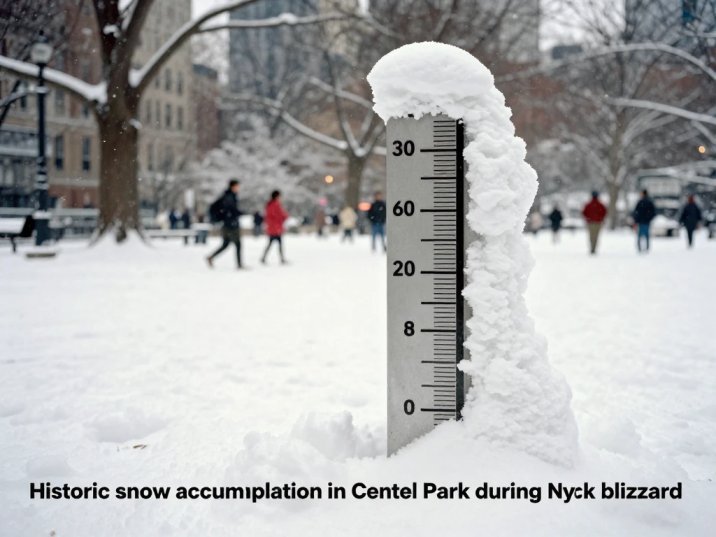
The most famous historical case is Winter Storm Jonas in January 2016, which dumped a record breaking 27.5 inches of snow in Central Park the largest accumulation ever recorded at that point in New York City history. Governor Andrew Cuomo issued a travel ban for all New York City and Long Island roads, and above ground subway lines and MTA buses were shut down entirely. Approximately 1,700 plows and thousands of sanitation workers mobilized across the city.
Decades earlier, the Blizzard of 2006 which dropped 26.9 inches in Central Park was the previous all time record. More recently, the February 2026 blizzard prompted Mayor Mamdani’s citywide travel ban, with snow accumulations between 18 and 24 inches forecast across the five boroughs. Parts of neighboring New Jersey saw up to 30 inches.
The pattern is clear: Major travel bans tend to happen when snowfall projections exceed 12–15 inches combined with dangerous wind conditions. They are rare but not unheard of, and they cluster in the months of January, February, and occasionally March.
Who Issues an NYC Travel Ban and Who Enforces It?
The Mayor of New York City has the authority to declare a travel ban as part of a formal state of emergency. The Governor of New York State can also issue complementary statewide restrictions on major highways. Enforcement falls to the NYPD, which stations officers at key roadblocks throughout the five boroughs.
During the 2026 blizzard, Mayor Mamdani formally declared the state of emergency for all five boroughs Manhattan, Brooklyn, Queens, The Bronx, and Staten Island before issuing the travel ban. Governor Kathy Hochul simultaneously issued statewide measures including right lane only restrictions for commercial vehicles on the New York State Thruway and a full ban on Long Combination Tandem Vehicles on I 87, I 90, I 287, I 190, and the Berkshire Spur.
For tourists, the practical takeaway is simple: both the city and state levels can stack restrictions on top of each other. If you are driving into NYC from another state or arriving via the New York State Thruway, you may encounter state level restrictions before you even reach city limits.
What Vehicles Are Exempt During an NYC Travel Ban?
Not every vehicle is banned only non essential ones. Understanding the exemption list tells you what transportation options may still be available during a ban.
Vehicles permitted on the road during an NYC travel ban include:
- Emergency response organizations (police, fire, EMS)
- Government vehicles on official business
- Utility crews responding to outages or infrastructure damage
- Essential worker transportation (verified on a case by case basis)
- Medical transport vehicles
- Vehicles delivering food, fuel, and medical supplies
- Nonprofit and private organizations providing emergency relief services
Rideshares, taxis, personal vehicles, trucks, scooters, and e bikes are all prohibited during an active ban unless an individual qualifies for an essential worker exemption. This is the single most important fact for tourists: your Uber, Lyft, or taxi is off the table. You cannot simply call a car and assume it will come.
How Does an NYC Travel Ban Affect Tourists Specifically?
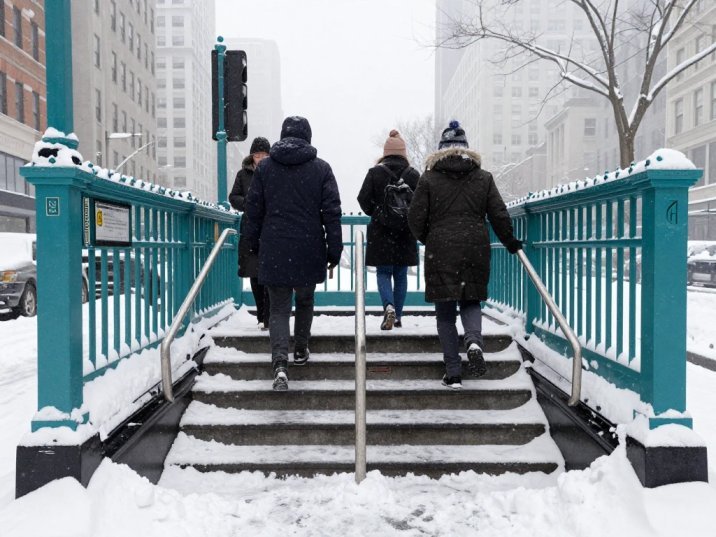
If you are visiting New York City when a travel ban is declared, your trip will change significantly but it does not have to be ruined. The key is knowing what is and is not affected, and adjusting expectations accordingly.
Airport Access and Flight Disruptions
Airports are typically among the hardest hit systems. During the 2026 blizzard, Newark Liberty International Airport experienced major delays, and thousands of flights were canceled or disrupted across the region. JFK International Airport and LaGuardia Airport face similar disruptions in major storm events.
Insider tip: If a storm is forecast, check your flight status 48 hours in advance. Airlines often offer free rebooking windows during declared weather emergencies. Contact your airline directly or check your airline’s app before heading to the airport.
Hotel and Accommodation Impact
The good news for tourists already checked into a hotel: you are in the right place. Stay put and use the time to regroup. Most major Manhattan hotels have on site dining, gyms, and amenities that make riding out a one day ban manageable. Boutique hotels in outer boroughs may have fewer resources, so stock up on snacks and supplies if a storm is forecast during your stay.
If you have not yet checked in: Contact your hotel immediately. Many hotels in NYC will hold your reservation without penalty during a declared city emergency. Verify this with your specific property and get confirmation in writing.
Subway and Public Transit During a Travel Ban
This is where the nuance matters most. An NYC travel ban does not automatically shut down the subway but service is significantly degraded.
During the 2026 blizzard, most subway lines operated locally (no express service) with severe delays. Parts of the S line were suspended, along with the C and W trains. Above ground lines such as elevated portions of the B, D, F, M, J, Z, and others were most impacted, as snow and ice accumulate on outdoor tracks. Below ground (underground) subway lines tend to fare better and continued running through previous major storms including Jonas in 2016.
MTA buses during a travel ban operate with major detours and reroutes. Express buses are typically suspended entirely. The LIRR (Long Island Rail Road) and Metro North may suspend service for the duration of the ban.
Your real time resources:
- MTA app: available on iOS and Android
- mta.info for live service alerts
- 511NY (call 511 or visit 511ny.org) for broader transit and road conditions
- NYC Emergency Management on X/Twitter: @nycemergencymgt
- Notify NYC alerts: sign up at notifynyc.cityofnewyork.us
Walking During a Travel Ban
Walking is not banned. Pedestrians can still move around but in a blizzard, that carries its own risks. Sidewalk conditions vary enormously by block. Major corridors near hotels and tourist areas are usually salted and cleared more quickly than residential side streets. Wear waterproof boots with ankle support, dress in insulated layers, and keep exposed skin covered, particularly ears, nose, and fingertips.
The 3 Types of NYC Travel Bans You Might Encounter
Understanding that “travel ban” covers different situations helps visitors prepare more precisely.
1. Full Citywide Travel Ban (Most Severe)
Declared by the Mayor during a state of emergency. All non essential vehicles are banned from all streets, bridges, and highways across all five boroughs. This is the rarest and most disruptive type. Examples: Blizzard Jonas (2016), February 2026 blizzard.
2. State Level Highway Restrictions
Issued by the Governor of New York State, typically applying to the New York State Thruway and major state roads rather than city streets. Commercial vehicles face the strictest restrictions (right lane only rules, LCV bans). May occur alongside or independently of a citywide ban.
3. Travel Advisory (Less Severe)
NYC Emergency Management occasionally issues travel advisories rather than full bans urging residents and visitors to avoid non essential travel without making it illegal. These are more common during moderate winter storms. Watch for the language: “advisory” means recommended; “ban” means enforced.
What to Do If You Are Caught in an NYC Travel Ban as a Tourist
The single most important rule: do not try to drive or ride in a private vehicle. The penalty is a misdemeanor charge, and more importantly, road conditions during a ban are genuinely dangerous. Here is a practical step by step approach:
- Confirm the ban is active. Check nyc.gov/311 or call 311. Verify through Notify NYC alerts or the MTA app.
- Stay in your accommodation if possible. This is the safest and simplest option for most tourists.
- Contact your airline immediately. Request rebooking under weather exception policies. Document everything via email.
- Check MTA status. Underground subway lines may still be running. Know which ones serve your location.
- Notify your next destination. If you are scheduled to check out, call ahead hotels to generally understand weather emergencies.
- Stock essential supplies. Order food delivery before the ban takes full effect, since delivery services become unavailable during active bans.
Monitor for the lift. Bans typically end at the scheduled time or earlier. When lifted, transit resumes in a staged manner expect ongoing delays for several hours after the official lift.
Practical Packing Tips for Winter Travel to NYC
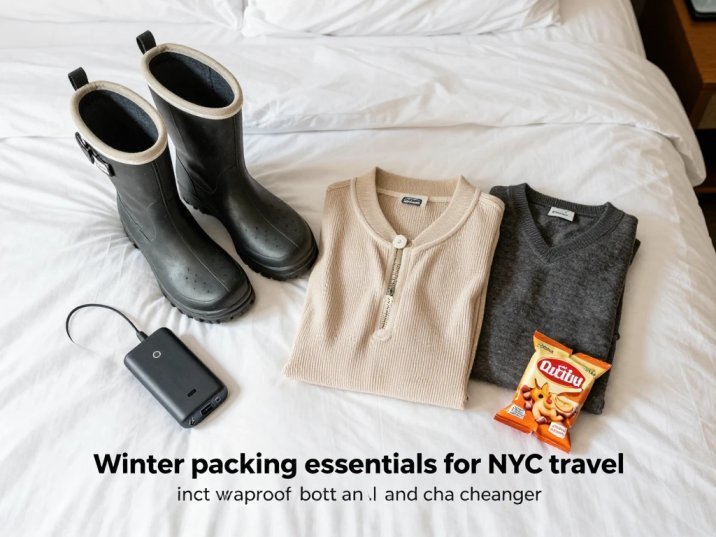
Packing smart for a winter NYC trip means preparing for the possibility however unlikely that a weather emergency could pin you down for 24 hours. These are not worst case scenario items; they are sensible additions to any winter travel kit.
- Waterproof, insulated boots with non slip soles (not fashion boots or sneakers)
- Thermal base layers merino wool or synthetic, not cotton
- A compact portable charger for your phone essential when you need MTA alerts and 311 access
- Snacks and a water bottle in a ban, delivery services shut down and corner stores may be crowded
- A physical copy of your hotel address and confirmation in case connectivity drops
- Travel insurance documentation more on this below
Travel Insurance and an NYC Travel Ban: What You Need to Know
Travel insurance is one of the most underrated tools a visitor can have during a weather emergency. Standard trip cancellation policies often cover travel bans as a qualifying “covered reason,” but the specifics vary enormously by plan.
Before booking winter travel to NYC, look specifically for:
- Trip interruption coverage that covers unused hotel nights if a storm extends your stay
- Flight delay or cancellation coverage tied to weather events
- “Cancel for any reason” (CFAR) add ons for maximum flexibility
Important: Most standard travel insurance policies do not cover delays that you voluntarily create. If a storm is forecast and you choose to travel anyway, coverage may be limited. Always read your policy’s weather clause carefully and call your insurer with specific questions before your trip. Check updated guidance from reputable sources such as the U.S. Travel Insurance Association (ustia.org).
Verify all insurance policy details directly with your provider before travel. Policies, coverage terms, and qualifying events change frequently.
Best Time to Visit NYC to Avoid a Travel Ban
The simplest way to avoid an NYC travel ban is to visit outside peak blizzard season. Travel bans in NYC are almost exclusively tied to winter storm emergencies.
Seasonal Risk Calendar
| Season | Months | Travel Ban Risk | What to Expect |
| High Risk | January – February | Highest | Peak blizzard season; most bans declared here |
| Moderate Risk | March, December | Moderate | Late season storms possible; generally milder |
| Low Risk | April – November | Very Low | No historical travel bans outside winter |
| Best for Avoiding Bans | May – October | Near Zero | Ideal weather window for worry free visits |
The safest travel windows for NYC visitors who want zero blizzard risk are late spring (May–June) and early fall (September–October), which also happen to be among the most pleasant times to explore the city in terms of weather, crowd levels, and outdoor activities.
If you must visit in winter and there are genuine reasons to, from the holiday markets to Broadway’s busiest season January and February carry the highest risk. Build flexibility into your itinerary, purchase travel insurance, and book refundable hotel rates.
5 Insider Tips for Navigating a Travel Ban Like a Pro
Experienced NYC travelers who have been through a blizzard emergency know things that first timers do not. Here is the insider knowledge most travel guides skip:
1. The underground subway is your best friend. Above ground transit fails during blizzards, but NYC’s underground subway lines tend to keep running even during declared bans. Know your nearest underground station before a storm hits. Stations like Times Square–42nd Street, Grand Central–42nd Street, and most of the 4/5/6 line run deep underground and maintain service longer than surface lines.
2. Order food before the ban kicks in. Once a ban is active, delivery platforms like DoorDash and Uber Eats typically suspend operations in the affected areas. Order in the hours before the ban begins, or stock up at a nearby deli or grocery store while you still can.
3. The ban lift is not instant. Even after the official end of a travel ban, roads remain icy and transit runs on degraded schedules for several hours. Build a 3–4 hour buffer into any post ban travel plans. Do not book a noon flight assuming a noon lift means you can make it.
4. Call 311 for any exemption questions. If you have a genuine medical emergency or believe you qualify for an essential travel exemption, 311 (online at nyc.gov/311 or by phone) is the official channel for questions and guidance. Do not assume exemptions apply to you without verifying.
5. Warming centers are open to everyone. The City of New York operates warming centers during weather emergencies available to tourists and residents alike. The Department of Social Services activates extended outreach during Code Blue weather alerts (when temperatures or wind chill drops below 32°F). If you are stuck outside or your accommodation is without heat, warming centers are a legitimate option. Check nyc.gov for current locations.
3 Tourist Mistakes to Avoid During an NYC Travel Ban
Mistake 1: Assuming Rideshares Will Run
Tourists frequently check the Uber or Lyft app during a travel ban and see “no cars available” then assume the apps are glitching. They are not. Rideshare services are subject to the ban. Drivers who operate during an active ban risk misdemeanor charges, so the platforms themselves typically suspend service in the affected area. Plan on the subway or staying put.
The fix: Download the MTA app before your trip and identify the nearest underground subway station to your hotel before any storm is forecast.
Mistake 2: Ignoring Weather Forecasts 48 Hours Out
The City of New York typically announces a travel ban 12–24 hours before it takes effect, giving travelers meaningful advance notice. But many tourists only check the forecast the morning of far too late to rebook flights, adjust plans, or reach out to their airline under the standard 24 hour rebooking window.
The fix: Check the National Weather Service (weather.gov) forecasts daily during any NYC winter trip and set up Notify NYC alerts from day one of your visit.
Mistake 3: Trying to Drive Through It
This one sounds obvious, but every blizzard produces news stories of tourists or locals attempting to drive through a travel ban, getting stuck, and requiring rescue from overwhelmed emergency services. Beyond the legal penalty, this actively endangers first responders and delays critical operations.
The fix: There is no fix needed. Do not drive during a declared travel ban. Full stop.
3 Underrated Alternatives If Your NYC Plans Are Disrupted
A travel ban does not have to mean a wasted day. Some of New York’s best experiences happen indoors.
1. The Metropolitan Museum of Art (The Met)
Fifth Avenue and 82nd Street in Manhattan is home to one of the greatest art museums in the world. On the rare occasion the Met is open during deteriorating weather (check metmuseum.org before heading out), the galleries feel completely different without the usual crowds. The Great Hall echoes, and you can stand in front of a Vermeer or a Rodin without fighting for space.
2. Chelsea Market and the High Line (Pre Storm)
If a ban is forecast but not yet active, Chelsea Market on 10th Avenue offers food halls, artisan vendors, and a labyrinthine interior that can easily consume three or four hours. The adjoining High Line elevated park though outdoor is a dramatic snow experience for visitors who want a brief adventure before retreating inside.
3. Your Hotel’s Hidden Assets
Most visitors never explore their own hotel during a stay. A full travel ban day is the perfect opportunity. Hotel gyms, lobbies with cocktail programs, in room streaming on big screen TVs, and room service menus deserve more attention than they typically get. The Four Seasons, The Standard, The Plaza, and dozens of boutique properties have internal experiences that justify staying in.
How NYC’s Emergency Response System Works During a Travel Ban
NYC activates a comprehensive emergency infrastructure when a travel ban is declared and understanding it helps visitors navigate the situation more confidently.
The NYC Office of Emergency Management (NYCEM) coordinates across city agencies, activating the State Emergency Operations Center and deploying resources city wide. During the 2026 blizzard, Governor Hochul activated 100 members of the New York National Guard, equipped with 24 Humvees, to assist local partners across NYC, Long Island, and the Lower Hudson Valley.
The NYC Department of Sanitation mobilizes over 700 salt spreaders and thousands of workers operating in 12 hour shifts. Roads are prioritized for clearance in a specific order: emergency corridors first, major arterials second, residential streets last. This is why your hotel’s cross street may still be snow covered hours after a ban lifts.
The Department of Social Services activates Code Blue Weather Alerts whenever temperatures or wind chill hits 32°F or below between 4 p.m. and 8 a.m., triggering enhanced outreach and shelter access for vulnerable New Yorkers.
Arriving in NYC After a Travel Ban: What to Expect
The hours immediately after an NYC travel ban is lifted can be just as chaotic as the ban itself. Plan for this transition period rather than assuming instant normalcy.
Transit resumes in a staged manner. Underground subway lines typically restore full service within a few hours of the ban lifting. Above ground lines take longer sometimes six to twelve hours because crews must clear ice and snow from outdoor rail infrastructure. Bus service resumes with reroutes still in place.
Roads are plowed in priority order, meaning highways and major corridors clear first. Alternate side parking is routinely suspended during and after major storms, so parking regulations shift as well. Black ice is a serious hazard in the overnight and early morning hours after a ban lifts, particularly on surfaces that have not yet received salt treatment.
Airport operations typically lag behind city road recovery by several hours. Even after JFK, LaGuardia, or Newark airports officially reopen, airlines need time to reposition aircraft and crew that were rerouted during the storm. Expect delays measured in hours, not minutes.
Sample Itinerary: Making the Most of a Snowbound NYC Day
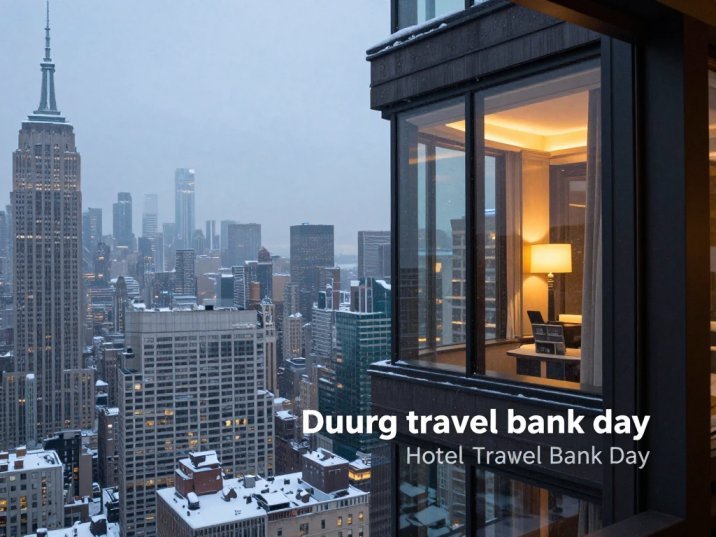
Even if the city shuts down for 24 hours, a well adapted itinerary keeps your trip memorable.
Morning (Pre ban or early ban hours):
- Grab breakfast at your hotel or a nearby diner while it is still accessible
- Download MTA app, sign up for Notify NYC alerts, confirm flight status with your airline
Midday (Active ban):
- Explore your hotel’s amenities spa, gym, restaurant, lobby bar
- Watch the city from your window a snow covered Manhattan is genuinely stunning
- Video call home; the blizzard aesthetic photographs remarkably well from above
Afternoon (As ban lifts):
- Check MTA app for first underground subway lines to restore service
- If lines are running, consider The Met or MOMA museums often see reduced crowds immediately after a storm
- Many restaurants reopen quickly after a ban lifts, often with specials designed to draw people back out
Evening (Post ban):
- Broadway shows typically resume the evening after a ban is lifted check your show’s operator for updates
- Neighborhood restaurants in Chelsea, the West Village, and the Upper West Side recover faster than Midtown tourist corridors
- Walk the streets post blizzard New York at night, with snow still blanketing everything and the air calm, is one of the most photographically beautiful versions of the city
FAQs
Q: Is a travel ban the same as a curfew in NYC?
No. A travel ban restricts vehicle traffic on roads, bridges, and highways. It does not impose a curfew on pedestrians. You can walk around during a travel ban though it is not recommended in blizzard conditions. A curfew restricts movement broadly, including on foot, and is a separate declaration used in very different circumstances.
Q: Can I get arrested for violating an NYC travel ban?
Yes. Violating a travel ban during a declared state of emergency is classified as a Class B misdemeanor in New York. During the 2026 blizzard, Mayor Mamdani explicitly noted that violations would be treated as such. NYPD does enforce the ban, particularly on major roads and at bridge and tunnel entry points.
Q: Does an NYC travel ban affect JFK, LaGuardia, and Newark airports?
The ban affects road access to airports, meaning private vehicles, taxis, and rideshares cannot legally travel to or from airports during an active ban. Airport operations themselves are governed by the FAA and individual airport authorities, but reduced road access effectively disrupts passenger arrival and departure. Always check airport status directly with the Port Authority of New York and New Jersey (panynj.gov) and your airline.
Q: Will hotels charge for extra nights caused by a travel ban?
Many major hotels in NYC will waive cancellation penalties or extend stays without additional fees during a declared city emergency, but this is not guaranteed. Contact your hotel directly as soon as a ban is declared or forecast, and get any waivers confirmed in writing. Booking flexible rates or travel insurance significantly reduces financial risk.
Q: How do I find out if a travel ban has been lifted?
Check nyc.gov/311, call 311, monitor @nycemergencymgt on social media, or check Notify NYC alerts. The Mayor typically holds a press conference announcing the lift. MTA service restoration is announced on mta.info and the MTA app.
Q: Does the NYC subway stop running during a travel ban?
Not necessarily. Underground subway lines typically continue running during travel bans, though with local only service, severe delays, and some line suspensions. Above ground lines are more vulnerable to suspension. LIRR and Metro North are often suspended during full travel bans. Check mta.info in real time for the most current service status.
Q: How much advance notice does NYC give before declaring a travel ban?
NYC Emergency Management typically issues travel advisories 12–24 hours before a ban is formalized, and the Mayor’s official ban declaration usually comes 6–12 hours before it takes effect. Monitoring weather.gov forecasts and Notify NYC alerts gives visitors the maximum possible lead time to adjust plans.
Conclusion
An NYC travel ban sounds alarming, but prepared visitors navigate these emergencies with minimal disruption. Three things to remember: know before you go by monitoring forecasts and signing up for Notify NYC alerts; build flexibility in by booking refundable rates and purchasing travel insurance that covers weather disruptions; and use the subway specifically underground lines as your primary backup transportation when roads close.
Winter in New York City remains one of the most magical travel experiences in the country. The holiday windows, the ice rinks, the steam rising from manholes over snow dusted sidewalks none of that disappears because of a blizzard. In fact, a snow day in NYC has a kind of rare beauty that most tourists never get to see. The city resets, and when it comes back to life usually within 24 hours it does so with its characteristic energy fully restored.
Check official sources, pack smart, and stay informed. New York City has handled blizzards for centuries, and with the right preparation, so can you.

Gordon Ramsay is a travel writer and destination researcher who helps U.S. travelers plan smarter trips, covering destinations, seasonal trends, budgets, and logistics to help readers decide where—and when—to go.
Rather than simply listing popular places, Gordon Ramsay focuses on what travelers actually need: comparing weather against crowds, weighing costs and accessibility, and researching current conditions alongside official tourism guidance—delivering honest, practical advice without the hype.