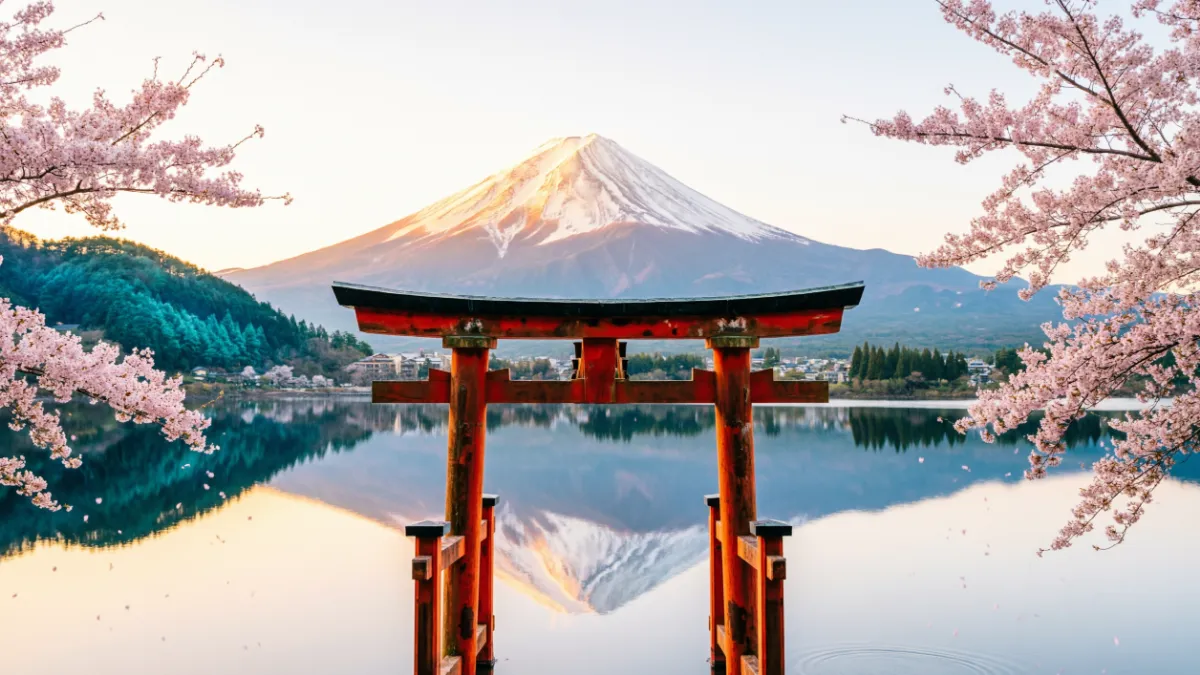
Traveling to Japan from the USA costs between $2,500 and $7,000+ per person for a 10–14 day trip, depending on your travel style. Budget travelers can manage around $100–$130 per day, mid range visitors typically spend $200–$300 per day, and luxury travelers can easily exceed $500 per day. Flights from major US cities, accommodation, food, and transport are the four biggest cost factors.
Planning a trip to Japan feels like standing at the base of Mount Fuji thrilling, a little overwhelming, and absolutely worth every step. Japan ranks among the most searched international destinations for Americans, and for good reason: the food is extraordinary, the culture is unlike anywhere else on earth, and the country runs with a precision that makes travel surprisingly smooth. But the biggest question holding most people back isn’t the distance. It’s the budget.
How much does it actually cost to travel to Japan from the US? The answer varies wildly depending on when you go, where you stay, and what you want to do. This guide breaks down every major expense from flights and JR Passes to ramen bowls and ryokan stays so you can plan a trip that fits your wallet without guessing. If you’re a solo backpacker, a couple planning a honeymoon, or a family of four, the real numbers are here.
Japan Travel Quick Facts
| Category | Budget | Mid Range | Luxury |
| Daily spend (USD) | $80–$130 | $200–$300 | $500+ |
| Round trip flight (USA) | $700–$1,100 | $1,200–$2,000 | $3,000+ (business) |
| Accommodation/night | $30–$60 | $100–$200 | $300–$1,000+ |
| Food/day | $20–$35 | $50–$90 | $100–$300 |
| Transport (JR Pass, 14 days) | ~$435–$530 | ~$435–$530 | Flexible |
| Total (10–14 days, per person) | $2,500–$3,500 | $4,000–$6,000 | $7,000–$15,000 |
Prices are estimates as of 2025. Always verify current rates before booking.
How Much Is a Round Trip Flight to Japan from the USA? ✈️
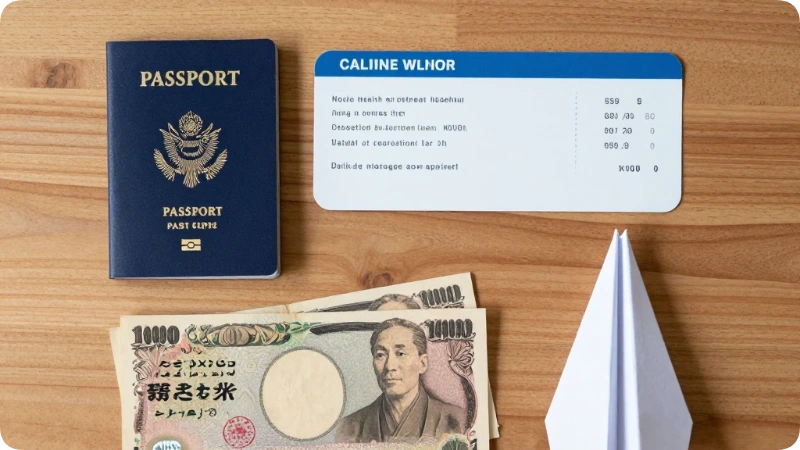
A round trip flight from the USA to Japan typically costs between $700 and $1,400 in economy class, depending on your departure city, airline, and how far in advance you book. Premium economy runs $1,500–$2,500, and business class can exceed $3,000–$5,000 per person.
Your departure city makes a significant difference. West Coast departures to Los Angeles (LAX), San Francisco (SFO), and Seattle (SEA) are consistently cheaper and shorter than East Coast flights. Direct flights from LAX to Tokyo’s Narita (NRT) or Haneda (HND) run about 11–12 hours. From New York (JFK), expect a connection and around 14–17 hours of total travel.
Best US Cities to Fly to Japan From
- Los Angeles (LAX): Often the cheapest gateway; direct routes on Japan Airlines (JAL) and ANA
- San Francisco (SFO): Strong United and ANA service; competitive fares
- Seattle (SEA): Delta and ANA direct; good prices from the Pacific Northwest
- New York (JFK/EWR): More options but usually $200–$400 more than West Coast
- Chicago (ORD): Connecting flights; watch for deals on United and JAL
Tips for Finding Cheaper Flights
Book 3–5 months in advance for the best economy fares. Avoid flying during Golden Week (late April to early May) and the Obon holiday (mid August), when Japanese travelers fill planes and prices spike 30–50%. Google Flights’ price calendar tool and fare alerts on Hopper or Kayak are your best allies here.
Insider tip: Flying into Haneda (HND) instead of Narita (NRT) puts you closer to central Tokyo and can save 1–2 hours of ground transfer time and sometimes money.
How Much Does Accommodation Cost in Japan?
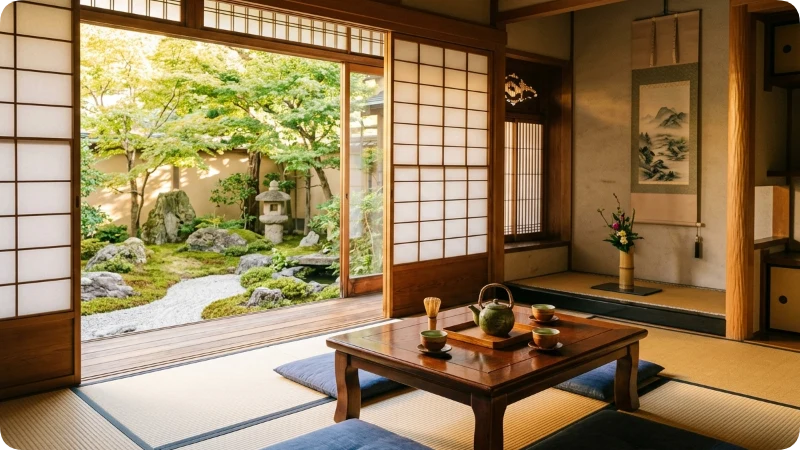
Japan accommodation ranges from $25/night for a hostel bed to over $1,000/night for a luxury ryokan. The sweet spot for most American travelers is the mid range bracket: clean, well located business hotels running $90–$180 per night.
Accommodation Types and Price Ranges
Capsule Hotels ($25–$60/night) These iconic Japanese style pods are more comfortable than they sound, with personal lighting, storage, and often shared bathrooms and lounges. Great for solo travelers watching costs. Top capsule hotel brands include First Cabin and 9h (Nine Hours).
Hostels and Guesthouses ($30–$70/night) Japan has some of the cleanest and most efficiently run hostels in the world. Look for properties in Shinjuku, Asakusa, or Kyoto’s Gion area for a central location without the hotel price tag.
Business Hotels ($80–$180/night) Chains like Dormy Inn, Toyoko Inn, and APA Hotel deliver reliable, clean rooms with breakfast options at reasonable prices. These are the workhorses of Japanese travel for good reason.
Boutique and Mid Range Hotels ($150–$350/night) Western facing brands like Moxy, Hyatt, and Marriott have strong presences in Tokyo and Osaka. Points and rewards programs work well here.
Ryokan Traditional Japanese Inns ($200–$800+/night) Staying in a ryokan is one of the best experiences Japan offers: tatami floors, futon beds, yukata robes, multi course kaiseki meals, and often an onsen (hot spring bath). Many rates are per person and include dinner and breakfast. Worth splurging on for at least one night.
Luxury Hotels ($400–$1,500+/night) The Park Hyatt Tokyo (yes, Lost in Translation), Aman Tokyo, and The Peninsula are world class properties. If budget isn’t the concern, Japan’s luxury hotel scene competes with anywhere on earth.
What Does Food Cost in Japan?
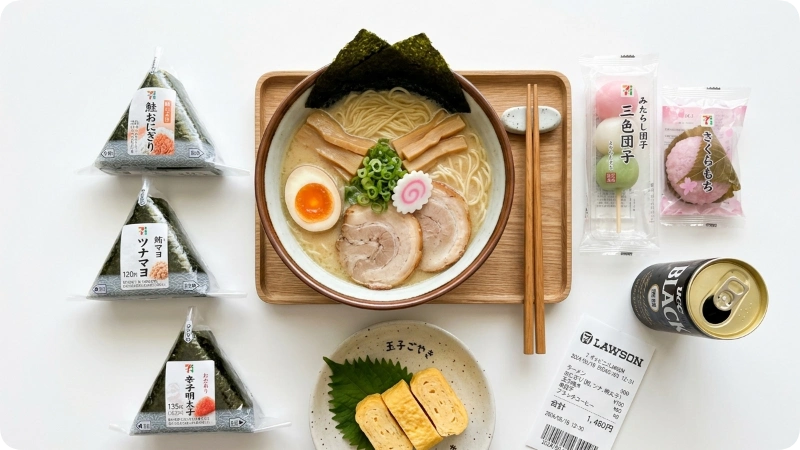
Food in Japan is surprisingly affordable, especially at the mid range level. Budget travelers can eat well on $20–$35 per day. Mid range dining a mix of sit down restaurants and occasional splurges runs $50–$90/day per person.
Japan Food Cost Breakdown
- Convenience store meal (7 Eleven, Lawson, FamilyMart): $4–$8. Not a consolation prize, Japanese convenience store food (onigiri, sandwiches, hot ramen, fresh sushi) is genuinely excellent.
- Ramen shop: $8–$15 per bowl
- Sushi conveyor belt (kaiten zushi): $10–$20 per person
- Mid range sit down dinner (izakaya): $25–$50 per person with drinks
- Omakase sushi experience: $100–$300+ per person
- Cup noodles at a vending machine: $1–$2
One of Japan’s best kept budget secrets is lunch sets. Many restaurants that charge $40 per person for dinner offer a nearly identical meal as a teishoku (set lunch) for $10–$15 between 11 a.m. and 2 p.m. This is how experienced travelers eat extremely well without overspending.
How Much Does Transportation Cost in Japan?
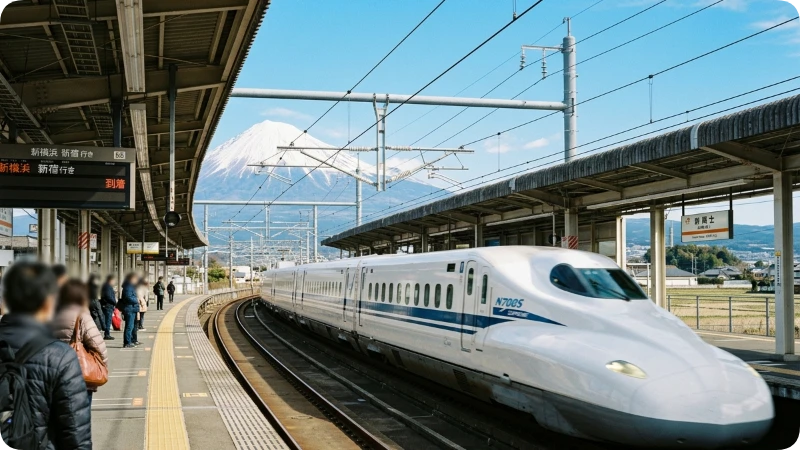
Japan’s transportation network is world class but adds up quickly. For most 10–14 day trips, the Japan Rail (JR) Pass is the single most cost effective way to get around if you plan to travel between multiple cities.
Japan Rail Pass (JR Pass) Is It Worth It?
The JR Pass gives unlimited access to most Shinkansen (bullet trains), JR local trains, and some ferries and buses. As of 2025:
| JR Pass Duration | Ordinary Class | Green Class (First) |
| 7 days | ~$310 | ~$420 |
| 14 days | ~$495 | ~$670 |
| 21 days | ~$635 | ~$860 |
Purchase the JR Pass before you leave the USA it’s only available to foreign tourists and is often cheaper through authorized resellers. Verify current pricing at japanrailpass.net or through JTB USA.
A single Tokyo–Kyoto Shinkansen round trip costs about $250 without a pass. If your itinerary includes Tokyo → Kyoto → Osaka → Hiroshima, the 14 day pass pays for itself quickly.
Other Transport Costs
- Narita Express (N’EX) from airport to central Tokyo: ~$30 each way
- Tokyo Metro 24/48/72 hour pass: $6–$12
- IC Card (Suica or Pasmo): Load ¥2,000–¥5,000 for buses and local trains
- Taxi (short city ride): $10–$20. Taxis start high and are generally avoided for short hops.
- Shinkansen Tokyo–Kyoto (one way, without JR Pass): ~$125
What Are the Visa and Entry Requirements for Americans?
Great news: American citizens do not need a visa to visit Japan for tourism stays up to 90 days. As of 2025, the US remains on Japan’s visa free list. You need a valid US passport (ideally with at least 6 months of validity remaining), a return ticket, and proof of sufficient funds for your stay.
Japan does not currently require a tourist tax at the immigration level, though some municipalities charge a small accommodation tax (typically $1–$3/night added to your hotel bill). Always check the Japan Ministry of Foreign Affairs (mofa.go.jp) and the US Embassy Tokyo for the latest entry requirements before your trip travel policies can change.
Best Time to Visit Japan (And How It Affects Cost)
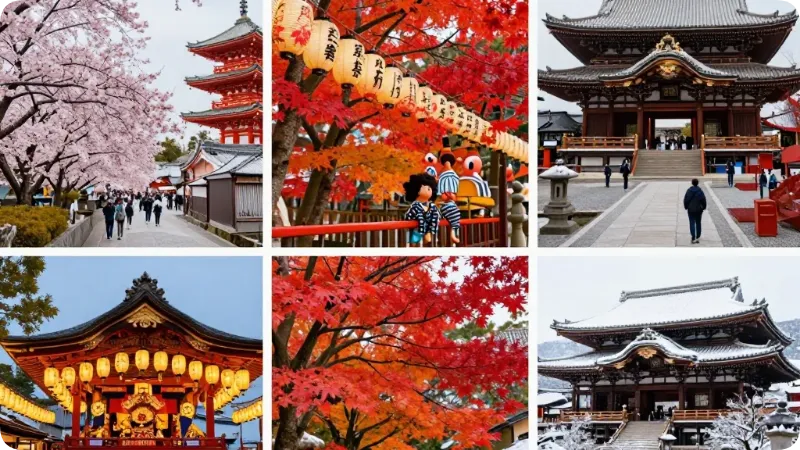
The cheapest time to visit Japan from the USA is January through February (excluding the New Year holiday period). Spring cherry blossom season (late March to mid April) and autumn foliage season (mid October to mid November) are the most popular and most expensive windows.
Seasonal Cost Comparison
| Season | Months | Crowds | Flight Cost | Hotel Cost | Highlights |
| Winter (Off peak) | Jan–Feb | Low | $ | $ | Snow festivals, ski resorts, fewer tourists |
| Spring (Peak) | Late Mar–Apr | Very High | $$$ | $$$ | Cherry blossoms, but prices surge |
| Early Summer (Shoulder) | May–June | Moderate | $$ | $$ | Green landscapes, fewer crowds |
| Rainy Season | Mid June–July | Low | $ | $ | Cheap but humid and wet |
| Summer (Hot/Peak) | Aug | High | $$$ | $$ | Festivals, Obon, very hot |
| Autumn (Peak) | Oct–Nov | Very High | $$$ | $$$ | Fall foliage, ideal weather |
| Early Winter | Dec | Moderate | $$ | $$ | Holiday illuminations, Christmas markets |
Insider tip: The week after cherry blossom peak (usually mid April) sees crowds thin rapidly but trees still have blooms. Hotel rates often drop 15–20% in those final days compared to peak weekend pricing.
Sample Budget Breakdown: 10 Days in Japan
Here’s a realistic cost estimate for one person on a 10 day trip departing from Los Angeles:
Budget Traveler (Solo, 10 Days)
| Expense | Cost (USD) |
| Round trip flight (LAX–NRT) | $850 |
| Accommodation (hostel/capsule, 9 nights) | $450 |
| JR Pass (7 day) | $310 |
| Local transport (IC Card + metro) | $60 |
| Food ($25/day) | $250 |
| Attractions and entry fees | $100 |
| Miscellaneous/shopping | $150 |
| Total | ~$2,170 |
Mid Range Traveler (Couple, Per Person, 10 Days)
| Expense | Cost (USD) |
| Round trip flight (LAX–NRT) | $1,100 |
| Accommodation (business hotel, 9 nights, split) | $700 |
| JR Pass (14 day) | $495 |
| Local transport | $80 |
| Food ($60/day) | $600 |
| Attractions and experiences | $250 |
| Shopping and souvenirs | $400 |
| Total | ~$3,625 |
Luxury Traveler (Solo, 10 Days)
| Expense | Cost (USD) |
| Round trip flight (business class) | $3,500 |
| Accommodation (luxury hotels + 2 ryokan nights) | $3,500 |
| Transport (Shinkansen, taxis) | $600 |
| Food (fine dining + casual mix) | $1,200 |
| Experiences (tea ceremonies, private tours) | $800 |
| Shopping | $2,000+ |
| Total | ~$11,600+ |
Top Attractions and Activity Costs in Japan 🗾
Most of Japan’s famous outdoor attractions are free or very low cost. Temples, shrines, public parks, and city streets are part of the experience and they cost nothing to walk through. Entry fees for museums and specific sites are generally modest.
Attraction Entry Fees
- Senso ji Temple, Tokyo: Free to enter
- Arashiyama Bamboo Grove, Kyoto: Free
- Fushimi Inari Shrine, Kyoto: Free
- Hiroshima Peace Memorial Museum: ~$2
- teamLab Borderless, Tokyo (digital art museum): ~$30
- Osaka Castle: ~$5 for the keep
- Universal Studios Japan (Osaka): $65–$110 depending on date and pass type
- DisneySea or Disneyland Tokyo: $80–$100 per day
- Fuji Q Highland (near Mt. Fuji): ~$60 for unlimited rides
3 Hidden Gems Worth Your Time (and Money)
1. Naoshima Island, Kagawa Prefecture This small island in the Seto Inland Sea is an outdoor contemporary art museum. The Chichu Art Museum, designed by Tadao Ando, is worth the ferry trip alone. Budget $50–$80 for ferries and museum entries. Almost no American tourists know about it.
2. Kanazawa Japan’s “Little Kyoto” Kanazawa sits on the Sea of Japan coast and has the geisha districts, samurai neighborhoods, and Kenroku en (one of Japan’s top three gardens) without Kyoto’s tourist crush. Easily reached by Shinkansen from Tokyo on the JR Pass.
3. Yakushima Island, Kagoshima Prefecture A UNESCO World Heritage rainforest off the southern tip of Kyushu. Ancient cedar trees (some over 2,000 years old), deer wandering between trails, and virtually no Western tourists. A guided hike to Jomon Sugi cedar costs $40–$80.
Japan Money Tips: How to Handle Cash and Cards
Japan remains a cash heavy society, though this is changing quickly in major cities. Carry yen for smaller restaurants, temples, vending machines, and rural areas. Most 7-Eleven ATMs in Japan reliably accept US debit and credit cards.
- Withdraw cash at 7 Eleven, Japan Post, or Japan Post Bank ATMs they accept foreign cards most reliably.
- Use a Charles Schwab debit card or Wise card to avoid foreign transaction fees and get fair exchange rates.
- The current approximate exchange rate is ¥150–¥155 per USD (verify current rates before travel).
- Tipping is not customary in Japan. Leaving money on the table can confuse or even offend restaurant staff. The service is included in the price.
How Much Should You Budget for Shopping in Japan?
Japan is a shopper’s paradise, and this is where many budgets quietly explode. Set a realistic shopping budget before you go and stick to it. Popular purchases include:
- Electronics and tech gadgets (Akihabara, Tokyo): Varies widely
- Japanese cosmetics and skincare (Drugstores like Matsumoto Kiyoshi): $5–$80/item
- Anime merchandise: $10–$200+
- Traditional crafts (pottery, lacquerware, textiles): $20–$500+
- Clothing (Uniqlo, local boutiques): $30–$200
- Food souvenirs (omiyage): $5–$30 per gift box
Budget travelers should factor $150–$300 for incidentals and souvenirs. Mid range shoppers commonly spend $500–$1,500. There’s no ceiling on the luxury end luxury department stores like Isetan and Takashimaya carry designer goods at Japanese retail prices, which can actually be cheaper than buying in the US.
3 Common Mistakes That Cost Travelers Extra Money
Mistake 1: Buying the JR Pass When You Don’t Need It
If your trip stays mostly in Tokyo with one short day trip, the JR Pass may cost more than individual tickets. Do the math first. A Tokyo only itinerary with one day to Nikko or Kamakura may not justify even the 7 day pass.
Fix: Map your planned routes on Hyperdia.com or the Japan Transit Planner before purchasing.
Mistake 2: Eating Near Major Tourist Attractions
Restaurants immediately adjacent to Senso ji, Fushimi Inari, or Dotonbori often charge 30–50% more than comparable spots two streets away.
Fix: Walk 5–10 minutes from the main attraction before sitting down to eat. Locals and better prices usually live just off the tourist path.
Mistake 3: Skipping Travel Insurance
Medical care in Japan is excellent but can be expensive for non residents. A standard travel insurance policy covering medical emergencies, trip cancellation, and lost baggage costs $60–$150 for a two week trip. Given the flight cost alone, it’s worth it.
Fix: Compare plans at InsureMyTrip.com or Squaremouth before departure.
Culture and Etiquette What Every American Should Know
Understanding a few basic cultural norms saves money, prevents awkwardness, and makes Japan far more enjoyable. There’s no tipping, which actually saves budget travelers real money over a two week trip.
- Remove shoes before entering ryokan, many traditional restaurants, and some homes.
- Be quiet on public transit phone calls and loud conversations are strongly discouraged on trains.
- Don’t eat or drink while walking (except near street food stalls at festivals).
- Queue patiently Japanese queuing culture is taken seriously.
- Carry cash for small shops, shrines, and rural areas.
- Bow slightly when greeted or thanked; a small nod goes a long way.
Safety in Japan What Americans Need to Know
Japan consistently ranks as one of the safest countries in the world for tourists. Violent crime against tourists is rare. The most common issues for US travelers are minor mishaps: getting lost on the train system, losing items (Japan has an extraordinary lost and found culture, wallets turned in are almost always returned), or misreading cultural signals.
The US Embassy in Tokyo (us.emb japan.go.jp) and the Japan Tourism Agency maintain updated traveler safety advisories. Earthquake preparedness is worth a quick read before you go. Japan sits in an active seismic zone, and knowing basic earthquake safety protocols is sensible.
Is Japan Expensive for Americans? Honest Pros and Cons
Japan is not budget friendly for spontaneous, unplanned travel. The flight alone is a significant upfront cost. However, once you’re there, Japan can be surprisingly affordable day to day especially compared to Western European destinations like France or the UK.
Pros
- Street food and conveyor belt sushi are genuinely cheap and delicious
- Public transport is efficient and covers almost everywhere
- Entry fees to top attractions are low or free
- No tipping culture saves real money across a two week trip
- Safety means less stress and fewer costly mistakes
Cons
- Long haul flight is an unavoidable major expense
- Cherry blossom and fall foliage seasons drive accommodation prices up sharply
- Ryokan and unique experiences add up fast
- Alcohol at restaurants is not cheap a beer runs $5–$8
- Shopping temptation is real and can derail any budget
FAQs
How much spending money do I need per day in Japan?
Budget travelers need $80–$130 per day covering food, local transport, and basic activities. Mid range travelers should plan for $200–$300 per day. This does not include flights or pre purchased rail passes, which are typically paid before arrival.
Is the Japan Rail Pass worth buying in 2025?
It depends on your itinerary. If you plan to travel between Tokyo, Kyoto, Osaka, and Hiroshima, a 14 day JR Pass pays for itself quickly. A 7 day pass works for a focused trip. For Tokyo only stays, skip it and use a Suica IC card instead. Always calculate your planned routes before purchasing.
How much does a 2 week trip to Japan cost from the USA?
A 2 week trip per person typically costs $4,000–$7,000 from major US cities when combining flights, accommodation, food, transport, and activities. Budget travelers can stretch it to $3,000, while mid range couples often spend $8,000–$12,000 total for two.
What is the cheapest time of year to visit Japan?
January and February (excluding New Year’s week) are the cheapest months for both flights and hotels. The rainy season in June–July is also budget friendly, though expect humidity and afternoon rain. Avoid Golden Week (late April–early May) and cherry blossom peak for the lowest prices.
Do I need travel insurance for Japan?
While not required for entry, travel insurance is strongly recommended. Medical costs for non residents can be high, and Japan’s remote rural areas or outdoor activities carry real risk. A solid policy covering emergency medical, trip cancellation, and baggage runs $60–$150 for a two week trip.
How much cash should I bring to Japan?
Carry at least $200–$300 equivalent in yen at all times, especially outside major cities. While Tokyo and Osaka increasingly accept credit cards, many traditional restaurants, temples, rural shops, and small businesses are cash only. Withdraw from 7 Eleven ATMs, which accept most US cards.
Can I travel to Japan on a tight budget?
Yes, Japan is doable on $80–$100 per day once you’re there. Stay in capsule hotels or hostels, eat convenience store food and ramen, use your JR Pass and IC Card for transport, and prioritize free attractions like temples and parks. The flight remains the biggest unavoidable cost.
Final Thoughts: Is Japan Worth the Cost?
Three things stand out about Japan as a destination: the food is worth traveling across an ocean for, the infrastructure makes getting around almost effortless, and the cultural experience is unlike anywhere else Americans typically travel.
A well planned trip to Japan is absolutely worth the investment. The key is knowing your numbers before you go. Fly mid week in shoulder season, choose a business hotel over a tourist area boutique, eat lunch sets instead of dinner prices, and buy your JR Pass before departure. Those four decisions alone can save $1,000–$2,000 on a standard two week trip.
Japan rewards preparation. Use this guide as a starting point, confirm current prices with official sources (Japan Tourism Agency at jnto.go.jp, airline booking sites, and your accommodation choices directly), and then go. Few trips will leave a more lasting impression.
Start with the flights. Lock in your JR Pass. The rest falls into place from there.












2 thoughts on “Traveling to Japan from the USA: Complete 2026 Cost Guide”