Traveling with a bicycle doesn’t have to mean paying a fortune in fees, arguing at airline counters, or arriving at your destination to find a broken derailleur. With the right bike bag travel strategy, cyclists across the USA pack their rides efficiently, protect their gear, and hit the road or runway with confidence.
If you’re heading to Moab for singletrack, the Florida Keys for a coastal ride, or boarding a flight to compete in a Gran Fondo, this guide covers everything: how to choose the right bag, pack it correctly, navigate TSA and airline policies, and avoid the costly mistakes most cyclists make the first time around. Read through once, and you’ll travel smarter for life.
What Is Bike Bag Travel? A Quick Overview
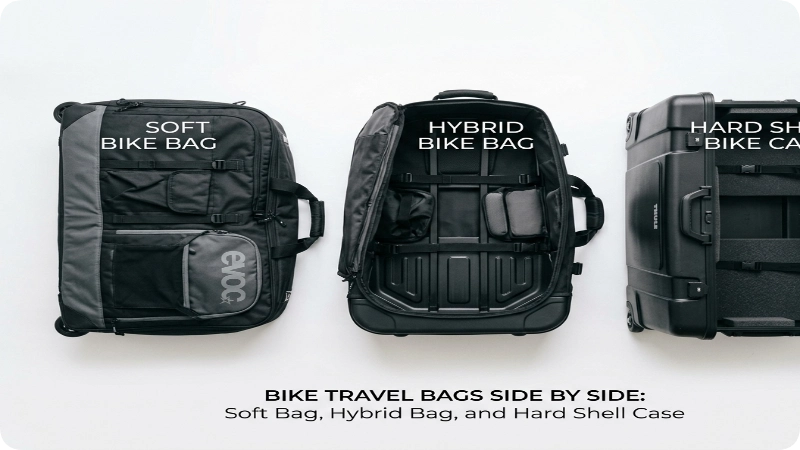
Bike bag travel means transporting a bicycle by air, car, train, or bus inside a protective bag or case designed specifically for that purpose. Most cyclists choose between soft bags (lightweight, packable), hard cases (maximum protection), and hybrid options. The right choice depends on your transport method, budget, and how often you travel with your bike.
There are three main categories every traveling cyclist should know:
- Soft bike bags – Made from padded nylon or polyester. Lightweight, often packable, and easier to store at your destination. Best for road cyclists flying occasionally.
- Hard shell cases – Rigid plastic or aluminum exterior. Maximum protection for carbon frames and competition bikes. Heavier and bulkier but worth it for frequent flyers.
- Hybrid bags – Semi rigid foam panels inside a fabric shell. A solid middle ground for cyclists who want more protection than a soft bag without the weight penalty of a hard case.
Understanding these differences sets the foundation for every decision that follows.
Quick Facts: Bike Bag Travel at a Glance
| Factor | Details |
| Average airline bike fee | $30–$200+ each way (varies by airline) |
| Typical bike bag weight | Soft: 5–12 lbs / Hard case: 20–35 lbs |
| Packing time (experienced) | 45–90 minutes |
| Packing time (first timers) | 2–3 hours |
| Max dimensions (most airlines) | 62 linear inches (L+W+H) |
| TSA note | Bike tools may require checked baggage |
| Best practice | Measure and weigh before check in |
Always verify current airline policies directly, as fees and size limits change without notice.
How to Choose the Right Bike Bag for Air Travel
The best bike bag for air travel depends on your bike type, travel frequency, and budget. Road cyclists who fly a few times per year do well with a quality soft bag. Frequent travelers, carbon frame owners, and racers benefit most from a hard shell case. Budget around $150–$600 for a reliable option.
Soft Bike Bags: Best For Casual Flyers
Soft bags from brands like Evoc, Scicon, and Thule weigh significantly less than hard cases, which matters when airlines charge by the pound above 50 lbs. Many pack down small enough to store in a hotel closet or check at a local bike shop while you ride. The trade off is protection a soft bag relies on foam padding and careful packing, not rigid walls.
Look for bags with:
- Minimum 10mm foam padding on all panels
- Reinforced wheel pockets (separate from the frame)
- Compression straps to prevent internal shifting
- Carry handles on multiple sides for awkward airport maneuvering
Hard Shell Cases: Best For Frequent Flyers and Carbon Frames
If you fly more than four times per year with your bike, a hard case pays for itself in peace of mind alone. Brands like Pika Packworks, Biknd, and SportRack make cases trusted by professional cycling teams. These cases handle rough baggage handlers, conveyor belts, and the occasional TSA inspection without passing the stress on to your carbon fork.
The downside: hard cases are large, heavy, and awkward to transport between airport and hotel. Many cyclists ship them to and from their destination rather than check them more on that below.
Hybrid Bags: The Smart Middle Ground
Hybrid bags like the Evoc Bike Travel Bag Pro or the ORUCASE Airport Ninja have become increasingly popular because they offer meaningful protection at a fraction of the weight of a hard case. Semi rigid internal frames keep the bag’s shape during handling, while the soft exterior packs flat when empty. For cyclists who travel a handful of times annually, hybrids often hit the sweet spot.
Airline Policies for Traveling With a Bike: What You Need to Know
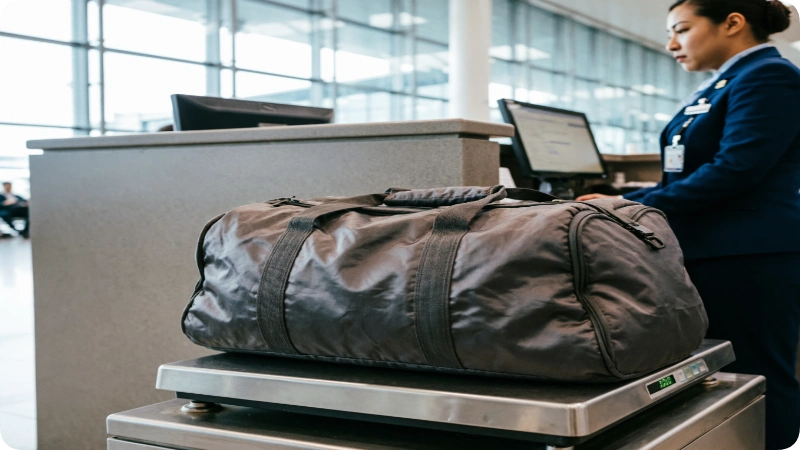
Each U.S. airline treats bicycles differently. Most classify a bike bag as an oversized sporting goods item and charge a separate fee beyond standard baggage costs. Fees currently range from $30 to $200+ each way. Always check your specific airline’s policy before booking policies change frequently and vary by route.
Here’s a general snapshot of how major U.S. carriers handle bike travel (verify directly with each airline before flying, as policies and fees update regularly):
| Airline | Bike Policy (General) | Recommended Verification |
| Delta | Oversized sporting equipment fee | delta.com/sporting goods |
| United | Standard oversized baggage fee applies | united.com/baggage |
| American | Sporting goods fee, size/weight limits apply | aa.com/baggage |
| Southwest | Bikes count as one of two free bags (size limits apply) | southwest.com/baggage |
| Alaska Airlines | Sporting goods fee | alaskaair.com/baggage |
| JetBlue | Oversized fee, check current limits | jetblue.com/baggage |
Insider tip: Southwest Airlines has historically offered the most bike friendly policy among major carriers, often allowing bikes as one of two free checked bags if the box meets size requirements. Policies change, so always confirm before booking.
The 62 Linear Inch Rule
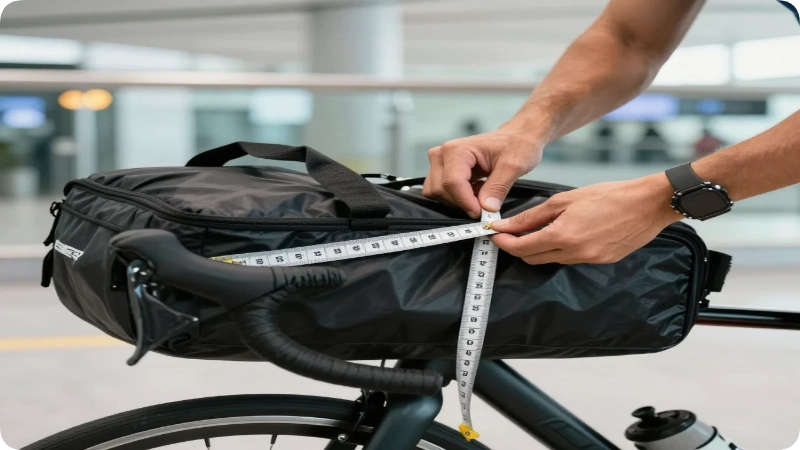
Most domestic airlines use a 62 linear inch maximum for standard oversized bags, calculated as length + width + height. Many soft bike bags fall right at or just above this limit. Bags that exceed this threshold move into the “extra large” fee bracket, which can double or triple the charge. Measure your packed bag at home before airport day.
TSA and Bike Travel
The Transportation Security Administration (TSA) may inspect checked bike bags. According to TSA guidelines, CO₂ cartridges are prohibited in checked and carry on baggage , a critical detail for cyclists who use inflation cartridges. Pump heads, hex keys, and basic tools generally fly fine in checked luggage. If the TSA opens your bag, they’ll leave a notice inside.
For current TSA rules, always check the official TSA website at tsa.gov before you pack.
How to Pack a Bike in a Bike Bag: Step by Step
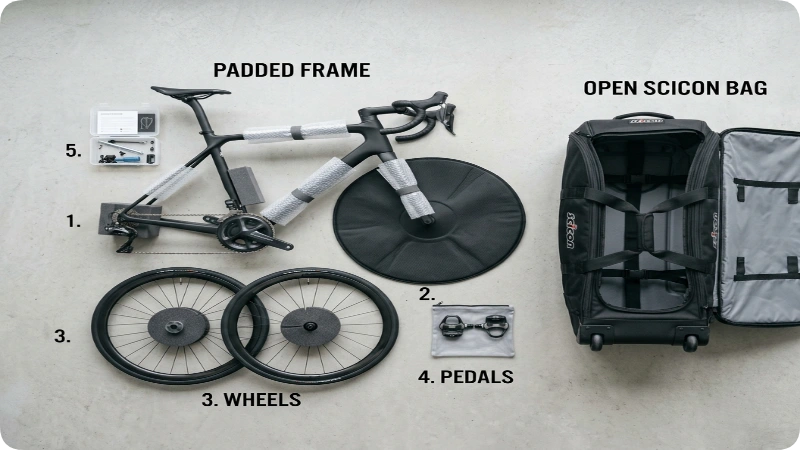
Packing a bike correctly takes 45–90 minutes and requires basic tools. The key steps are: remove the pedals, turn the handlebars parallel to the frame, remove or loosen the seat post, deflate the tires slightly, remove both wheels, and protect contact points with foam or bubble wrap. Work methodically the first time.
Tools and Supplies You’ll Need
- Hex key set (4mm, 5mm, 6mm)
- Pedal wrench or 15mm hex key
- Frame protection foam or pipe insulation
- Zip ties or velcro straps
- Small bubble wrap roll
- Torque wrench (recommended for carbon)
- Bike grease for pedal threads
Step by Step Packing Process
- Shift to the smallest cog on the rear derailleur. This protects the derailleur hanger during travel.
- Remove both pedals. Left pedal is reverse threaded turn clockwise to loosen. Wrap in a small bag and pack separately or inside a shoe.
- Loosen and lower the seatpost to its minimum insertion line, or remove it completely and pack alongside the frame.
- Turn the handlebars 90 degrees so they align parallel with the frame, or remove them entirely for tight bags.
- Deflate tires to 30–40 PSI. Fully deflated tires can unseat from the rim; fully inflated tires can burst under cargo hold pressure changes. 30–40 PSI is the safe middle.
- Remove both wheels. Protect the rotors (if disc brake) with rotor bags. Place the chain on the smallest chainring to protect the derailleur.
- Use frame protection foam on the top tube, down tube, and anywhere wheels or components make contact.
- Pack the bike into the bag with wheels on either side of the frame, padding all contact points.
- Add your shoes, helmet, and soft clothing around the frame to fill dead space and add cushioning.
- Weigh the packed bag. Aim to stay under 50 lbs for most airlines. If overweight, remove items and carry them separately.
Shipping Your Bike vs. Flying It: Which Saves More?
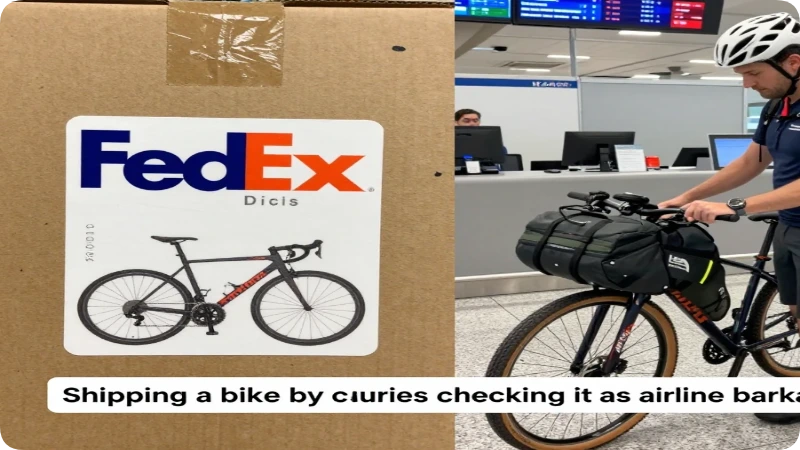
FedEx or UPS often costs $75–$150 each way for domestic destinations, which can undercut or match airline fees especially on routes where airlines charge $100+ per direction. Shipping removes airport stress entirely but requires more planning time and a box or case at both ends.
When Shipping Beats Flying With Your Bike
Shipping makes sense when:
- Round trip airline fees exceed $200 total
- Your destination has a reliable receiving address (hotel, bike shop, or vacation rental)
- You’re traveling to a major cycling event where many cyclists use the same service
- You fly business class and your checked bag allowance doesn’t cover oversized items
Services like BikeFlights.com and ShipBikes.com specialize in cyclist logistics. BikeFlights, in particular, negotiates bulk rates with UPS and FedEx and offers door to door pickup and delivery. Many cyclists use their own hard case for shipping and leave it stored at the destination hotel.
When Flying With Your Bike Is Smarter
Flying your bike directly works better when:
- The airline fee is $75 or less each way
- You’re traveling to a remote destination without reliable courier service
- You want full control over your bike’s handling
- You’re using a soft bag that fits within the airline’s standard oversized dimensions
Renting vs. Bringing: Should You Even Pack Your Bike?
For trips under a week or destinations with premium rental shops, renting a bike locally can cost less than flying yours and eliminate all the packing stress. High end rental bikes are available in most major cycling destinations across the USA, including Sedona, Bentonville, Park City, and Asheville.
When Renting Makes More Sense
- You’re flying internationally and overseas fees are steep
- You want to try a different bike type (e bike, cargo bike, full suspension)
- Your destination rental shop offers the same tier of bike you ride at home
- You’re on a short trip (3 days or less)
When Bringing Your Own Bike Is Worth It
- Your bike fit is critical (racers, triathletes, riders with custom geometry)
- You’re traveling for a specific event requiring your registered gear
- The trip is longer than a week
- You have a hard to find frame size or specialized setup
Many dedicated cyclists find a middle ground: they bring their own bike for destination events and rent for exploratory travel. That flexibility is one of the joys of building a solid bike bag travel system.
Road Tripping With a Bike Bag: Car and Van Transport
For road trips, most cyclists use a trunk mounted or hitch mounted bike rack rather than a bag. However, a bike bag protects the bike during long drives when stored inside a van or SUV, prevents road debris damage, and keeps the interior clean. Soft bags work best for this use case.
Road trip bike transport options include:
- Hitch rack (2 inch receiver): Most secure for highway speeds. Brands like Kuat, Yakima, and Thule offer tilting racks that allow rear hatch access. Fits 2–4 bikes depending on rack size.
- Roof rack with bike mount: Works well but adds wind drag and fuel cost. Watch for low clearance garages roof bikes have been destroyed by parking structures.
- Interior soft bag storage: Best for high value bikes in sketchy overnight parking situations. Disassemble slightly (remove front wheel) and lay flat.
- Truck bed with soft bag: Use the bag to prevent scratching and add a truck bed extender for longer bikes.
Hidden gem tip: Cyclists driving through rural areas often find it easier to park at trailheads with bikes stored inside the vehicle rather than on an exposed rack, which can attract unwanted attention.
How to Transport a Bike on Amtrak
Amtrak allows bicycles on many routes, but policies vary significantly by train and station. Some routes offer full service checked bike service (boxed or in a bag) for $20 each way. Other routes allow roll on service where you simply walk the bike aboard and hang it from built in hooks. Check Amtrak’s current bike policy at amtrak.com before booking.
Amtrak’s bike program is one of the most underrated options for cyclists in the eastern USA and Pacific Coast. The California Zephyr and Coast Starlight routes are especially popular with cyclists who want scenic rail travel between cycling destinations.
Key Amtrak bike tips:
- Reserve bike space when booking your ticket spots are limited
- Arrive early; bike loading is handled first at many stations
- Soft bags work fine for checked service; roll on requires the bike upright and functional
- Some station platforms are not accessible for large bags check ahead
Common Bike Bag Travel Mistakes (And How to Fix Them)
The three most expensive mistakes cyclists make are: not measuring their packed bag before arriving at the airport, forgetting to remove CO₂ cartridges from bags (which TSA will confiscate), and under padding the derailleur and dropout areas. Each mistake is easily preventable with a 15 minute pre travel checklist.
Mistake #1: Skipping the Pre Packing Dry Run
Attempting to pack your bike for the first time at 5 AM before a flight is a guaranteed disaster. Pack the full bag at home at least two days before travel. This exposes fit issues, missing tools, and forgotten components while there’s still time to solve them.
Fix: Schedule a dedicated packing session the evening before departure, using your dry run as the template.
Mistake #2: Ignoring Weight Limits
A packed bike bag can easily hit 55–65 lbs once you add shoes, helmet, and tools. Airlines charge overweight fees of $50–$200 for bags over 50 lbs. This is a preventable cost.
Fix: Use a simple luggage scale at home. Move heavy items like shoes and tools into your carry on if needed.
Mistake #3: Poor Derailleur Protection
The rear derailleur is the most vulnerable component during travel. A single impact from the wrong angle can bend the derailleur hanger and put the bike out of commission.
Fix: Use a derailleur protector or remove the derailleur entirely (advanced riders) and wrap it separately. At minimum, ensure the wheel is positioned between the derailleur and the bag wall.
Insider Tips From Experienced Bike Travelers 🚴
Five tips that most guides skip:
- Photograph the bike assembled before packing. When you arrive at your destination and can’t remember how the handlebars were routed, you’ll have a reference image. This also documents conditions for any damage claim.
- Bring a small tube of grease for pedal reinstallation. Pedal threads gall easily when reinstalled dry after travel. A pea sized amount of grease prevents costly thread damage.
- Pack your multi tool and pump in your carry on if possible. If the airline loses your checked bag (it happens), you want to be able to at least borrow a bike and ride rather than sitting in your hotel waiting for luggage.
- Label the bag inside and outside. External luggage tags fall off. Write your name, phone number, and email on an index card inside the bag near the top. If your bag is delayed, this gets it back to you faster.
- Use a color coded luggage tag or bright ribbon. Black bike bags look identical on baggage carousels. A neon ribbon takes two seconds to add and saves five minutes of anxiety at baggage claim.
Best Cycling Destinations to Plan Around Bike Bag Travel
Certain U.S. destinations have built their tourism infrastructure around visiting cyclists. These spots make bike bag travel especially worthwhile:
Bentonville, Arkansas
Bentonville has transformed into one of the premier mountain biking destinations in North America. The Slaughter Pen and Back 40 trail systems attract riders from every state. The local bike culture means bike shops are everywhere, rentals are available, and most hotels understand how to handle bike bags at check in.
Sedona, Arizona
The red rock trails around Sedona draw road and mountain cyclists year round. Several bike shops near the trailheads offer high end rental bikes, but many riders prefer their own setups on technical terrain like Hangover Trail and Broken Arrow.
Asheville, North Carolina
Asheville sits at the intersection of mountain biking and road cycling culture. The Blue Ridge Parkway is world famous among road cyclists, and the surrounding Pisgah National Forest offers legendary singletrack. Nearby Brevard is home to the famous Pisgah Enduro and other events that attract traveling cyclists annually.
Park City, Utah
Connected to Salt Lake City International Airport (SLC) a well served hub for most major airlines, Park City offers both ski town hospitality and an extraordinary trail network. The Mid Mountain Trail is a must ride for visiting cyclists.
Budget Breakdown: What Bike Bag Travel Actually Costs
| Expense | Budget Option | Mid Range | Premium |
| Bike bag/case | $80–$150 (soft) | $250–$400 (hybrid) | $500–$900 (hard case) |
| Airline bike fee | $0–$75/way | $75–$150/way | $150–$200+/way |
| Shipping alternative | — | $75–$125/way | $100–$200/way |
| Packing supplies | $15–$30 (first time) | $30–$60 | $60–$100+ |
| Bike shop reassembly | $0 (self) | $50–$75 | $75–$150 |
Prices are general estimates. Verify current rates directly with airlines, shipping services, and bike shops. All fees subject to change.
FAQs
Can you take a bike bag on a plane?
Yes. Most major U.S. airlines accept bikes as checked oversized baggage with an additional fee. The bike must be in a bag or box, and the fee varies by airline typically $30 to $200+ each way. Always verify the policy directly with your airline before flying, as fees and rules change regularly.
What size bike bag do airlines accept?
Most domestic airlines use a 62 linear inch maximum (length + width + height combined). Many soft bike bags fall right at or just above this limit. Hard shell cases often exceed it and move into a higher fee bracket. Measure your packed bag at home before heading to the airport.
Is a soft bike bag or hard case better for flying?
It depends on your priorities. Soft bags are lighter and easier to store but provide less protection. Hard cases offer maximum protection for carbon frames and competition bikes but are heavier and bulkier. Hybrid bags are a popular middle ground for occasional travelers who want more security than a soft bag without the weight of a full hard case.
Do I need to deflate my tires to fly with a bike?
Yes. Most airlines require partially deflated tires, and it’s best practice to reduce pressure to around 30–40 PSI. Fully deflated tires can unseat from the rim. Fully inflated tires may burst under cargo hold pressure changes. Check your airline’s specific requirements, as some specify complete deflation.
Can I bring bike tools in my carry on?
Many basic tools like hex keys and Allen wrenches are permitted in carry on luggage per TSA guidelines, but policies can change. However, CO₂ cartridges are prohibited in both checked and carry on bags. Always verify current TSA rules at tsa.gov before packing tools in your carry on.
How much does it cost to fly with a bike?
Airline bike fees in the USA currently range from roughly $30 to $200+ each way. Southwest Airlines has historically had one of the most favorable policies, sometimes counting a bike as one of two free checked bags if size requirements are met. Total round trip costs for bike fees alone can range from $60 to $400+ depending on the airline and route.
What is the best way to protect a bike during air travel?
The most effective protection combines a quality bag or case, careful packing, and smart positioning of components. Remove pedals, protect the derailleur, pad all contact points between wheels and frame, deflate tires to 30–40 PSI, and pack soft items like jerseys and socks around the frame to absorb impact. For carbon frames, use a hard case or premium hybrid bag.
3 Underrated Alternatives to a Traditional Bike Bag
- Custom cardboard bike box from your local shop. Most bike shops give away bike boxes for free or a small fee. They’re surprisingly effective for one time trips and TSA friendly. The downside is they’re single use and need disposal at your destination. Perfect for one way trips or cycling events where you can drop the box at a local shop.
- S&S Coupler bikes. Some high end custom bike builders offer S&S couplers mechanical joints that allow the frame to break apart in the middle. The bike packs into a standard luggage sized case, avoiding airline oversized fees entirely. A significant upfront investment, but it pays off quickly for frequent international travelers.
- Co op or rental bikes at destination. Apps and services like Spinlister connect traveling cyclists with local bike owners who rent their personal bikes. It’s the Airbnb of cycling, often more affordable than shop rentals, and you might end up on a perfectly tuned local’s bike that suits the terrain better than anything you’d pack.
Conclusion: Pack Smart, Ride Anywhere
Bike bag travel rewards preparation. The cyclists who arrive at their destinations with undamaged bikes, no surprise airline fees, and bikes ready to ride in under an hour are the ones who did the work ahead of time choosing the right bag, packing carefully, and understanding the rules before getting to the airport.
Three things to take away: match the bag to the trip (soft for casual flights, hard case for frequent or high stakes travel), always verify airline and TSA policies before flying since fees and rules change frequently, and do a dry run pack at home before the actual travel day.
The road or trail is waiting. Get the right bag under your bike, and no destination in the USA is out of reach.

Gordon Ramsay is a travel writer and destination researcher who helps U.S. travelers plan smarter trips, covering destinations, seasonal trends, budgets, and logistics to help readers decide where—and when—to go.
Rather than simply listing popular places, Gordon Ramsay focuses on what travelers actually need: comparing weather against crowds, weighing costs and accessibility, and researching current conditions alongside official tourism guidance—delivering honest, practical advice without the hype.