July is one of the most popular months to travel in the United States but choosing the wrong destination can mean sweaty crowds, sold out hotels, and temperatures that make sightseeing feel like a punishment. The good news? The country offers remarkable variety in July, from breezy Pacific coastlines and cool Rocky Mountain trails to lively festivals in the Northeast and island escapes in the Pacific. If you have a week, a weekend, or a full month off, finding the right fit changes everything.
This guide covers 20 of the best places to travel in July across the USA from iconic landmarks to genuinely underrated spots most tourists overlook. Each destination includes what makes it worth the trip in July specifically, practical tips on getting there and getting around, honest drawbacks, and real insider advice. By the end, you’ll know exactly where to book and what to expect when you arrive.
Quick Facts: July Travel in the USA at a Glance
| Factor | Details |
| Peak season | June–August nationwide |
| Best regions for mild weather | Pacific Northwest, Rocky Mountains, New England, Great Lakes |
| Hottest regions to avoid | Southwest desert (Phoenix, Las Vegas), Deep South |
| Average July temperature range | 55°F (mountains) to 105°F (desert Southwest) |
| Best for families | National Parks, beach towns, lake destinations |
| Best for solo travelers | Cities, hiking hubs, festival destinations |
| Booking lead time recommended | 4–8 weeks for popular spots |
| Biggest crowds | National Parks, coastal beaches, major cities around July 4th |
Why July Is Both the Best and Worst Month to Travel
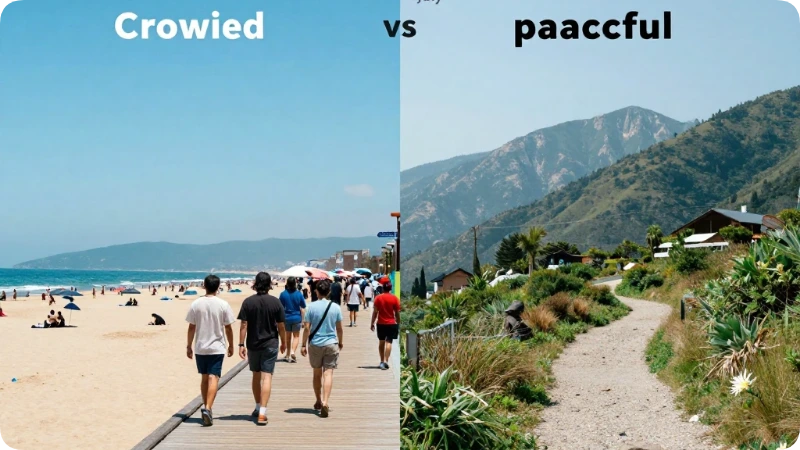
July sits at the heart of American summer, which makes it a double edged sword for travelers. On one hand, school is out, the days are long, and most outdoor attractions are fully open. On the other hand, popular spots fill up fast, prices climb, and summer heat makes some destinations downright uncomfortable.
The key is matching destinations to climate. Coastal and mountain destinations tend to shine in July, while desert cities like Phoenix and Las Vegas are best avoided unless you enjoy 110°F heat. The Pacific Northwest, for example, reaches its best weather in July dry, warm, and clear while much of Florida is deep into its humid, stormy summer season.
Smart July travelers also think about the July 4th holiday window (roughly July 1–6). That stretch brings the highest travel volume of the summer, with airfare spikes, full campgrounds, and crowded beaches. If possible, plan your trip to arrive after July 6 or before June 30.
20 Best Places to Travel in July in the USA
1. Glacier National Park, Montana America’s Crown Jewel in Peak Season
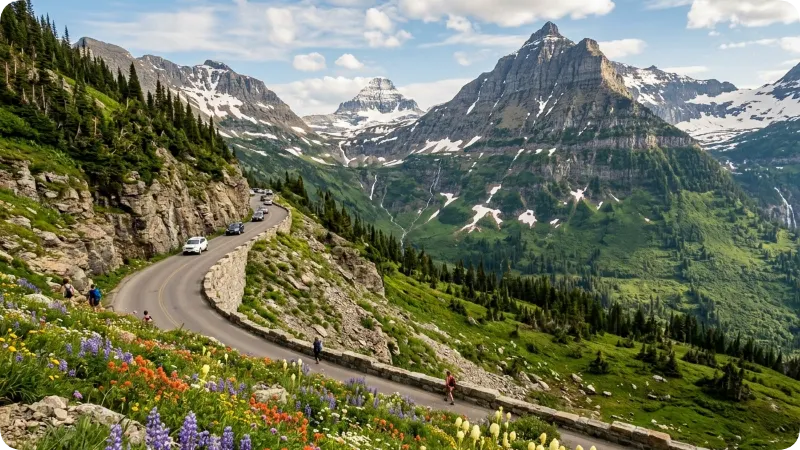
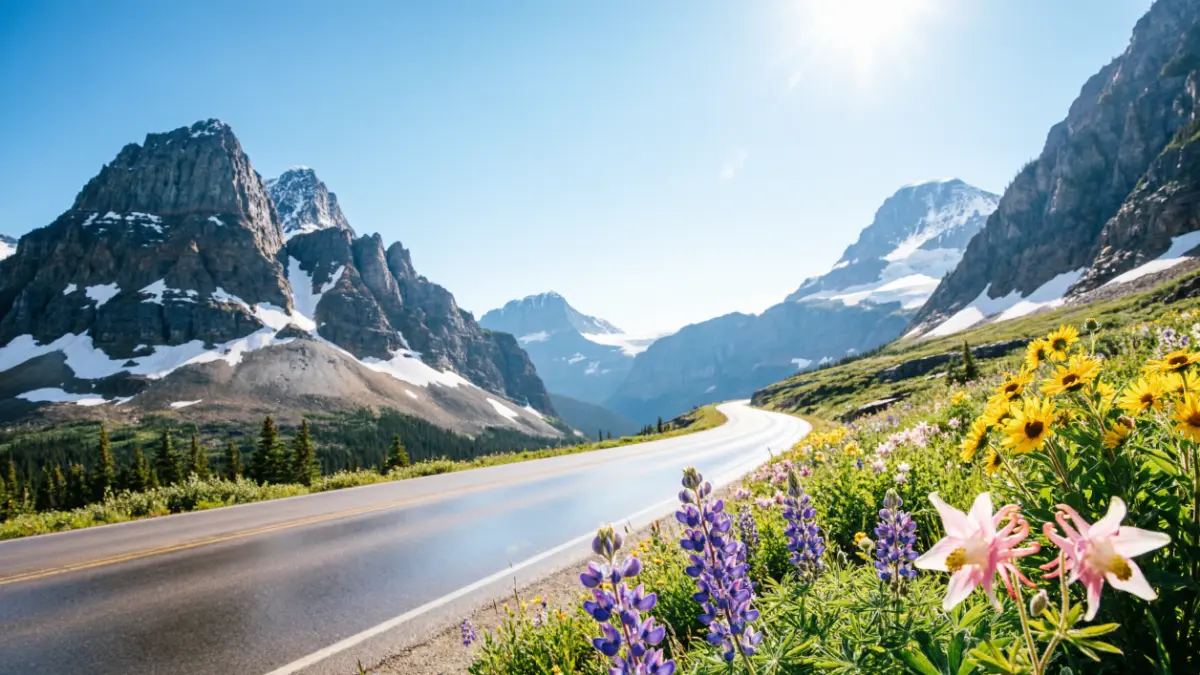
Glacier National Park in July offers its single best travel window of the year. The Going to the Sun Road, one of the most scenic drives in North America, typically opens fully in late June or early July. Wildflowers are in bloom, hiking trails are clear of snow, and wildlife sightings are frequent. Expect daytime highs of 70–80°F at lower elevations, dropping sharply at altitude.
Glacier sees over 3 million visitors annually, and July is its busiest month. The vehicle reservation system (required to drive going to the Sun Road between 6 a.m. and 3 p.m.) is managed through Recreation.gov as soon as your dates are confirmed, as slots sell out weeks in advance. Arriving at the park entrance before 6 a.m. or after 3 p.m. bypasses the reservation requirement entirely.
Insider Tips for Glacier in July
- Take the shuttle system (operated by the park) to avoid parking headaches entirely; it’s free and stops at all major trailheads.
- Hike the Highline Trail early in the morning for the best light and fewest crowds.
- Stay in Whitefish, MT (30 minutes away) if park lodges are booked it’s a charming small town with restaurants and gear shops.
- Grizzly bear activity increases in July carry bear spray and knowing how to use it.
Honest drawback: Lodges inside the park book out 6–12 months ahead. Campground reservations through Recreation.gov also go fast. Budget travelers should consider dispersed camping on adjacent Flathead National Forest land.
2. Bar Harbor, Maine Cool Summers, Lobster, and Acadia
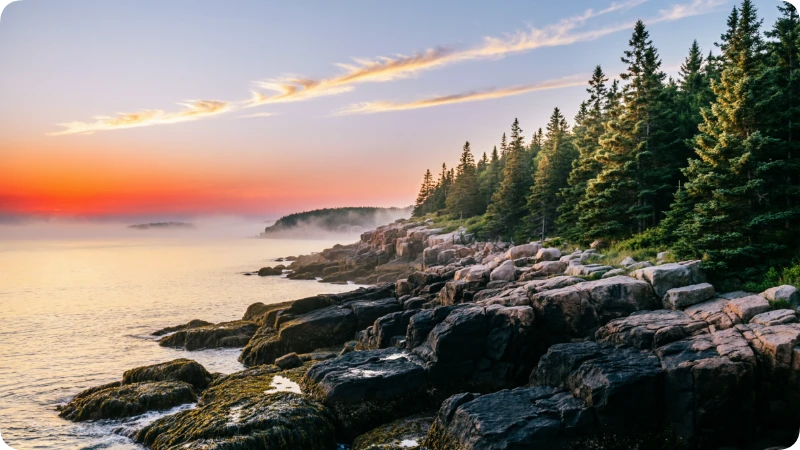
Bar Harbor is one of the best places to escape summer heat in July, sitting on Mount Desert Island along the rugged Maine coast. July temperatures hover between 65–75°F, making it genuinely comfortable for hiking, kayaking, and cycling. Acadia National Park, one of the most visited parks in the East, surrounds the town with granite peaks, carriage roads, and ocean views.
Cadillac Mountain, at 1,530 feet, is the highest point on the U.S. East Coast north of Brazil and one of the first places in the nation to see the sunrise. The timed vehicle reservation system (managed via Recreation.gov) is required for sunrise access; book early.
Getting to Bar Harbor
Bar Harbor is served by Bangor International Airport (BGR), about 50 miles away. Boston Logan (BOS) is a 4.5 hour drive. Concord Coach Lines and Cape Ann Transportation Authority offer bus connections from Boston.
What to Eat
Maine lobster in July is non-negotiable. Thurston’s Lobster Pound in Bernard and Trenton Bridge Lobster Pound just before the island bridge are local favorites less touristy than Bar Harbor’s waterfront spots, and significantly cheaper.
3. Olympic National Park, Washington Three Ecosystems in One Trip
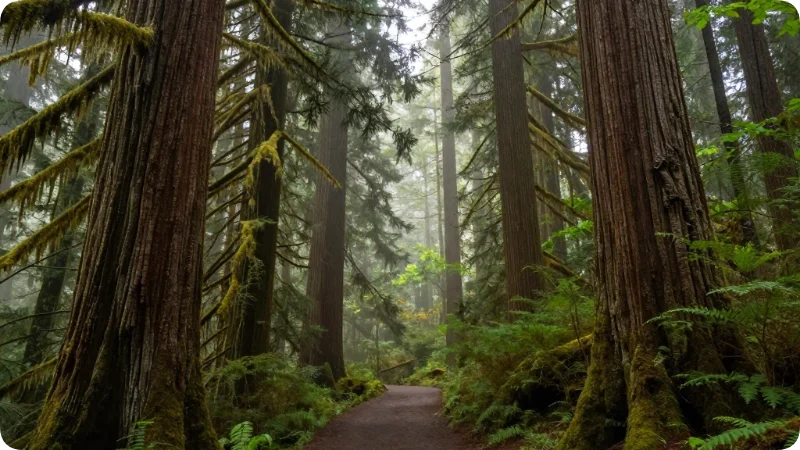
Olympic National Park delivers three completely different landscapes temperate rainforest, alpine meadows, and rugged Pacific coastline all accessible in a single July trip. The park sits on Washington’s Olympic Peninsula and receives very little rain in July compared to the rest of the year, making it the ideal month to visit.
The Hoh Rain Forest, with its towering Sitka spruce and bigleaf maples draped in moss, feels otherworldly. Hurricane Ridge offers panoramic views of the Olympic Mountains and frequent marmot and deer sightings. Ruby Beach, with its sea stacks and tidal pools, ranks among the most photographed spots in the Pacific Northwest.
Getting there: Fly into Seattle Tacoma International Airport (SEA) and rent a car the Olympic Peninsula requires one. The drive from Seattle to the park entrance at Port Angeles takes about 2 hours via the Kingston ferry route.
Underrated alternative: If Olympic is too remote, Mount Rainier National Park (2 hours south of Seattle) offers similar alpine scenery with easier logistics.
4. Outer Banks, North Carolina Wide Beaches Without the Jersey Shore Crowds
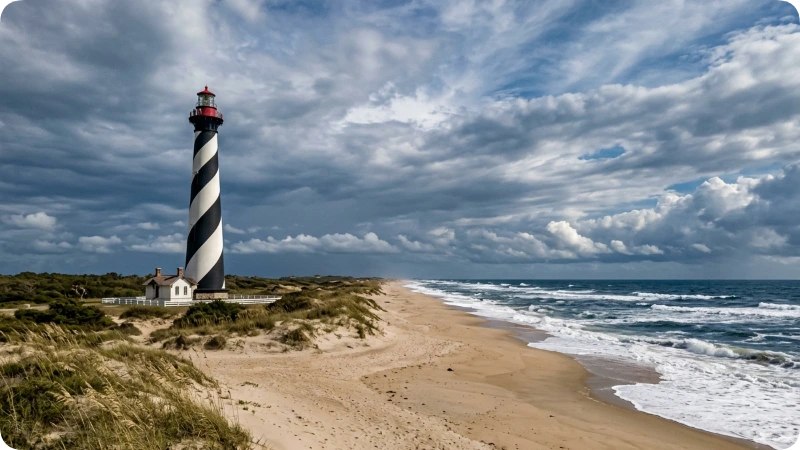
The Outer Banks stretch 200 miles along North Carolina’s Atlantic coast and offer some of the least crowded beaches on the East Coast in July. The barrier islands Hatteras Island, Ocracoke, and the northern beaches around Nags Head and Kill Devil Hills deliver warm water (78–82°F), consistent surf, and a laid back vibe that feels nothing like the packed boardwalks of the Northeast.
July is peak season here, but the sheer length of the coastline means crowds spread thin. Hatteras Island and Ocracoke (accessible only by ferry) see far fewer visitors than the northern Outer Banks. The Cape Hatteras National Seashore, managed by the National Park Service, protects 70 miles of undeveloped beach, one of the longest stretches of protected coastline in the Eastern U.S.
Hidden Gem: Ocracoke Island
Ocracoke sits at the southern end of the Outer Banks and requires a free ferry from Hatteras (30 minutes). The village has one road, no chain restaurants, and a handful of exceptional seafood spots. Howard’s Pub has been a local institution for decades and is worth the ferry trip just for the crab cakes.
5. Washington, D.C. July 4th Done Right
Washington, D.C. in July offers one of the most iconic Independence Day experiences in the country, with the National Mall fireworks display over the Washington Monument drawing hundreds of thousands of visitors. Beyond July 4th, the city’s world class Smithsonian museums are all free and air conditioned, a compelling argument for visiting during summer heat.
July in D.C. averages 88°F with high humidity, so plan outdoor sightseeing for early morning. The National Mall is manageable before 10 a.m. The monuments are open 24 hours, making a night walk from the Lincoln Memorial to the Capitol both cooler and more atmospheric.
Tourist mistake to avoid: Don’t try to drive in D.C. during July 4th weekend. Use Metro (operated by WMATA) it runs extended hours during the holiday and drops you directly at the Mall. Parking is essentially impossible.
6. Maui, Hawaii Peak Conditions for Whale Free Clarity
July brings Maui’s driest, sunniest weather of the year, with trade winds keeping temperatures comfortable at 80–85°F and ocean visibility reaching 100 feet in some spots. Humpback whale season has ended, but snorkeling and diving conditions are at their annual best. Molokini Crater, a partially submerged volcanic crater off the south Maui coast offers some of the clearest snorkeling water in Hawaii.
The Road to Hana remains the island’s signature 52 miles of winding highway through rainforest, past waterfalls, and over one lane bridges. Start early (by 7 a.m.) to beat tour vans and have the stops mostly to yourself.
Budget note: Maui is expensive in July. A moderate hotel runs $300–$600/night; vacation rentals can offer better value for families. Kahului Airport (OGG) receives direct flights from most major West Coast cities and increasingly from the Midwest and East Coast.
7. Sedona, Arizona Yes, Even in July (With a Strategy)
Sedona surprises many travelers who assume July heat makes it off limits. At 4,350 feet elevation, Sedona’s July highs average 95–100°F hot, but far more manageable than Phoenix’s 110°F. Monsoon season begins in mid July, bringing dramatic afternoon thunderstorms that light up the red rock formations with incredible photographic drama.
The strategy: hike before 8 a.m., then retreat to air conditioned galleries, restaurants, and spas during peak afternoon heat. Cathedral Rock at sunrise, with monsoon clouds building behind it, is one of the most photographed scenes in Arizona.
Honest drawback: Monsoon flash floods are a genuine safety concern. Check the National Weather Service forecast daily and never enter a slot canyon or dry wash when storms are possible.
8. Lake Tahoe, California/Nevada Clearest Alpine Lake in the Lower 48
Lake Tahoe in July offers 72 mile long mountain lake clarity, sandy beaches, and water temperatures that actually allow swimming reaching 65–68°F by mid July. The surrounding Sierra Nevada keeps temperatures pleasant, with highs around 75–82°F in the basin. This is the lake’s single best month for paddleboarding, kayaking, and open water swimming.
South Lake Tahoe offers more lodging variety and a casino strip (for Nevada visitors). North Lake Tahoe including Tahoe City and Kings Beach is quieter and arguably more scenic. Emerald Bay State Park, with its iconic Vikingsholm castle and waterfall, gets crowded fast; park at Eagle Falls trailhead early or take the trolley.
Three Days at Lake Tahoe in July
- Day 1: Sand Harbor Beach (East Shore), sunset paddle at Kayak Tahoe
- Day 2: Emerald Bay hike, DL Bliss State Park swimming
- Day 3: Drive the 72 mile Tahoe Loop for views, stop at Incline Village
9. Nashville, Tennessee Live Music Capital With Brave Summer Heat
Nashville in July means world class live music, legendary honky tonks on Broadway, and a food scene that has exploded over the past decade. Yes, it’s hot July highs average 90–93°F but most of Nashville’s best experiences happen indoors or at night. The city’s bars, restaurants, and venues are air conditioned and energetic.
Broadway’s honky tonks (Robert’s Western World, Tootsie’s Orchid Lounge, and Legends Corner) don’t charge cover and feature live music nearly around the clock. The Country Music Hall of Fame, Ryman Auditorium tours, and the Johnny Cash Museum provide air conditioned daytime options.
Underrated neighborhood: Skip the Broadway crowds and spend a night at the 5 Spot in East Nashville, a local bar with excellent music, cheap drinks, and zero tourist pressure.
10. Newport, Rhode Island Gilded Age Mansions and Atlantic Sailing
Newport in July operates at its absolute peak, with the Newport Folk Festival (late July), mansion tours, harbor sailing, and Cliff Walk all running simultaneously. July temperatures average 78–82°F with ocean breezes that keep the humidity manageable compared to inland New England.
The Cliff Walk a 3.5 mile National Recreation Trail along the Atlantic passes behind the famous Gilded Age mansions of the Bellevue Avenue Historic District. The Breakers, Marble House, and Rosecliff (all managed by the Preservation Society of Newport County) are open daily; book tickets online to avoid lines.
Getting there: T.F. Green Airport (PVD) in Providence is 30 miles away. Amtrak serves Providence from Boston (45 minutes) and New York (3 hours).
11. Rocky Mountain National Park, Colorado Wildflowers and 14,000 Foot Peaks
Rocky Mountain National Park delivers its most spectacular wildflower displays in July, with alpine meadows carpeted in columbines, paintbrush, and lupine at elevations above 10,000 feet. Trail Ridge Road, the highest continuously paved road in the U.S. at 12,183 feet is fully open, offering drive up tundra access.
The park requires a timed entry permit between May 26 and October 11 issued through Recreation.gov starting two weeks before your visit date, with additional reservations released one week out and at 5 a.m. daily. This system replaced the old walk up traffic model and significantly reduced congestion.
Hidden gem: The Wild Basin area on the park’s southeast side sees far fewer visitors than Bear Lake and the hike to Calypso Cascades and Ouzel Falls rivals anything in the more crowded areas.
12. Chicago, Illinois The Best City in America in Summer
Chicago earns its title as “America’s best summer city” in July, when the lakefront comes alive with free festivals, beach volleyball, and outdoor dining. July temperatures average 83°F with low humidity compared to East Coast cities and Lake Michigan keeps the city noticeably cooler than inland Midwest destinations.
Millennium Park hosts free concerts through the Grant Park Music Festival (one of the oldest free outdoor classical music series in the country). Lollapalooza takes over Grant Park in late July/early August. The Riverwalk between Michigan Avenue and Lake Shore Drive fills with restaurants and kayak rentals.
Architecture boat tours on the Chicago River (offered by Chicago Architecture Center) remain one of the best urban experiences in America, deeply informative, visually stunning, and genuinely worth the $50–$60 ticket price.
13. Bend, Oregon Outdoor Adventure Capital at Its Summer Peak
Bend, Oregon sits at 3,600 feet elevation in the high desert east of the Cascades, giving it warm, dry summers (July highs around 88°F) with cool evenings and almost no humidity. The Deschutes River runs through town, offering Class II–III whitewater rafting. Smith Rock State Park, 30 minutes north, is a world class climbing destination with 1,000+ routes and a scenic 5 mile river trail for non climbers.
The Cascade Lakes Scenic Byway connects Bend to a string of volcanic lakes including Sparks Lake, Elk Lake, and Cultus Lake each offering camping, kayaking, and mountain views. July is peak season, so book campsites well in advance through reserveamerica.com.
14. Sanibel Island, Florida Shell Seeker’s Paradise (Visit Early)
Sanibel Island, off the southwest Florida coast, is unusual among Florida summer destinations; its consistent Gulf breeze makes July more bearable than inland Florida, with sea temperatures around 86°F and air temperatures topping out around 90°F. The island is famous for shelling, with over 400 species of mollusks washing ashore. The J.N. “Ding” Darling National Wildlife Refuge covers nearly half the island and offers world class birding.
July caveat: Hurricane season begins June 1, and Florida’s summer afternoon thunderstorm pattern means rain nearly every afternoon. Morning is the best time for beach activities.
15. Santa Fe, New Mexico Art, Adobe, and Cool Mountain Air
Santa Fe sits at 7,000 feet elevation, which keeps July temperatures at 85–90°F dramatically cooler than the rest of New Mexico. The Santa Fe Indian Market (August) is world famous, but July brings the International Folk Art Market, one of the largest folk art events in the world, drawing 150+ artists from 50+ countries to Museum Hill.
The Canyon Road gallery district stretches nearly a mile and houses over 80 art galleries and studios, the highest concentration of art galleries per capita of any U.S. city. Evening gallery openings (typically Fridays) are free and open to the public.
Underrated stay: The Railyard Arts District has excellent restaurants and is more affordable than the historic plaza area, while still walkable to major sights.
16. Alaska’s Kenai Peninsula Salmon, Glaciers, and Genuine Wilderness
July is Alaska’s summer sweet spot: long daylight hours, active salmon runs, and mild temperatures around 60–70°F make the Kenai Peninsula one of the most dramatic travel experiences available in the USA. Kenai Fjords National Park (accessible from Seward) offers glacier viewing, orca and humpback whale watching, and sea kayaking among calving tidewater glaciers.
Fly into Anchorage (ANC) and drive 2.5 hours south to Seward on the Seward Highway, one of America’s designated All American Roads, running alongside Turnagain Arm where bore tides can create walls of water up to 10 feet high.
Salmon fishing: The Kenai River hosts some of the world’s best king and sockeye salmon runs in July. A guided fishing trip (approximately $200–$400/person) is worth every dollar for the experience alone.
17. Cape Cod, Massachusetts Classic New England Summer
Cape Cod in July is the quintessential New England summer lobster rolls, saltbox cottages, bike trails through pine barrens, and Atlantic beaches with cooler water than you’d find in Florida. The Cape Cod National Seashore, managed by the National Park Service, protects 40 miles of the outer Cape’s Atlantic shoreline, including some of the highest coastal sand dunes in the Northeast.
Provincetown, at the tip of the Cape, is one of the most culturally vibrant and welcoming small towns in America with excellent restaurants, galleries, whale watch tours, and a festive summer atmosphere.
Getting there: Hyannis is the Cape’s main hub, served by Peter Pan and Plymouth & Brockton bus lines from Boston. The Hy Line Cruises fast ferry from Boston to Provincetown (90 minutes) is a summer highlight in itself.
18. Portland, Oregon Pacific Northwest City at Its Best
Portland, Oregon reaches its finest weather in July dry, sunny, and rarely above 80°F, with almost no rain. This is the month the city shines: rooftop bars open, the waterfront fills, and the surrounding landscape (Columbia River Gorge, Mount Hood, Oregon Coast) is at peak accessibility.
Powell’s City of Books, the largest independent bookstore in the world, occupying an entire city block is a mandatory stop regardless of season. The International Rose Test Garden in Washington Park hits peak bloom in late June through July. Multnomah Falls, 30 minutes east in the Columbia River Gorge, is the state’s most visited attraction; park at Rooster Rock State Park and take the shuttle to avoid the parking disaster.
19. Hilton Head Island, South Carolina Low Country Elegance
Hilton Head in July offers 12 miles of wide, firm beach, warm Atlantic water (82°F), and a refined low key elegance that distinguishes it from rowdier beach destinations. The island is famous for cycling 60+ miles of paved paths connecting beaches, nature preserves, and fishing piers without requiring a car for most activities.
Pinckney Island National Wildlife Refuge, just before the bridge to Hilton Head, offers exceptional birding and hiking with virtually no crowds, a genuine hidden gem that most island visitors skip entirely.
20. Asheville, North Carolina Mountain Town With a World Class Food Scene
Asheville earns its reputation as one of the best small cities in America, and July validates it completely. At 2,134 feet in the Blue Ridge Mountains, July highs average 82°F refreshingly cool compared to most of the South. The city’s food and craft beer scene is routinely ranked among the best in the Southeast, with the highest number of breweries per capita of any U.S. city.
The Blue Ridge Parkway, the most visited unit of the National Park System, runs directly through the region, offering access to scenic overlooks, hiking trails, and Craggy Gardens (peak rhododendron bloom in late June through early July). The Biltmore Estate, America’s largest private home at 8,000 acres, requires a full day and advance ticket purchase.
Seasonal Comparison: Best USA Regions in July
| Region | July Temp | Crowds | Cost | Best For |
| Pacific Northwest | 70–80°F | Moderate | $$$ | Hiking, cities, scenery |
| Rocky Mountains | 55–80°F | High | $$$ | National Parks, wildlife |
| New England | 72–82°F | High | $$$$ | Beaches, history, seafood |
| Great Lakes | 78–85°F | Moderate | $$ | Festivals, city culture |
| Mountain Southwest | 85–100°F | Low–Mod | $$ | Art, culture, desert scenery |
| Pacific Islands (Hawaii) | 82–87°F | High | $$$$ | Beaches, snorkeling, volcanoes |
| Alaska | 60–70°F | Low–Mod | $$$$ | Wilderness, fishing, glaciers |
| Southeast Coast | 88–95°F | Moderate | $$ | Beaches, Golf, nature |
How to Avoid July Travel Mistakes
Even experienced travelers make predictable July mistakes. Here are three common ones and exactly how to dodge them.
Mistake #1: Booking National Parks without reservations Nearly every major National Park now uses timed entry permits or vehicle reservation systems in summer. Rocky Mountain, Acadia, Glacier, and Zion all require advance booking through Recreation.gov. Showing up without a reservation often means turning around at the gate. Book as soon as your dates are set.
Mistake #2: Underestimating July 4th travel volume The holiday weekend (July 1–7) produces the year’s highest travel demand. Airfare spikes 20–40% compared to the surrounding weeks, and accommodations at popular destinations sell out. Either book 6–8 weeks ahead or plan your trip to start after July 7.
Mistake #3: Choosing a sun destination without checking the heat index “Sunny” doesn’t mean comfortable. Phoenix hits 110°F, coastal South Carolina combines 90°F with 85% humidity, and New Orleans in July feels oppressive. Research the heat index (not just temperature) for your destination and plan outdoor activities accordingly.
Packing Tips for July Travel in the USA
Packing for July varies dramatically by destination but these items cover most scenarios:
- Sun protection: SPF 50+ sunscreen, UV blocking sunglasses, and a wide brim hat for any outdoor heavy trip
- Moisture wicking clothing: Synthetic or merino wool fabrics handle sweat better than cotton in hot or active conditions
- Light rain layer: Packable rain jackets are essential in the Pacific Northwest and anywhere with afternoon thunderstorm patterns (Southwest, Southeast, Alaska)
- Layers for mountain destinations: Glacier, Rocky Mountain, Olympic, and Kenai Fjords all get cold at elevation, even in July a fleece or puffy jacket prevents miserable afternoons
- Reusable water bottle: Staying hydrated is genuinely important in summer heat; many National Parks have water stations throughout
- Insect repellent: Mosquitoes and biting flies are active at many parks and lake destinations in July
Budget Planning for July Travel
July is the peak season nearly everywhere, which means prices reflect demand. Here’s what to expect:
Budget travelers ($75–$150/day): Focus on camping at National Parks and State Parks (reserve through Recreation.gov or individual state systems), cook your own meals, and use free park shuttles. Cities like Chicago and Portland offer excellent free attractions.
Mid range travelers ($150–$350/day): Mid tier hotels, one restaurant meal per day, guided activities. Destinations like Asheville, Bend, and the Outer Banks offer strong value at this level.
Splurge travelers ($350+/day): Hawaii, Newport, Nantucket, and top tier National Park lodges. Book 6–12 months ahead for peak season availability.
Money saving tips:
- Fly on Tuesdays and Wednesdays typically 10–20% cheaper than weekend flights
- The America the Beautiful Annual Pass ($80) covers entrance fees at all NPS units and pays for itself in two or three National Park visits
- Shoulder season within July: the first two weeks of July are typically 15–20% cheaper than the July 4th week and final week of July
- Use Google Flights’ price tracking feature to monitor airfare to your destination and book when prices dip
Family Travel in July: Best Destinations for Kids
Families traveling in July benefit from school free schedules but face peak crowds and heat. The best family destinations balance engagement with manageability.
Top family picks for July:
- Lake Tahoe swimming, kayaking, beach days, and manageable hiking at all skill levels
- Acadia National Park tide pooling, ranger programs, and carriage road cycling for all ages
- Washington D.C. free Smithsonian museums keep budgets manageable while kids engage with space shuttles, dinosaurs, and American history
- Outer Banks wide beaches, gentle surf, and the Wright Brothers National Memorial at Kitty Hawk add history to beach days
Family tip: The National Park Service’s Junior Ranger Program works at nearly every park, kids complete activity booklets, take a ranger oath, and receive an official badge. It transforms passive visits into active learning experiences and significantly reduces “I’m bored” moments on trail.
Solo Travel in July: Best Destinations for Independent Exploration
Solo travelers in July benefit from the season’s social energy; outdoor concerts, festivals, and crowded beaches make striking up conversations natural.
Best solo picks:
- Chicago safe, extremely walkable, world class food and music, excellent public transit
- Portland, Oregon friendly culture, easy to navigate, strong solo hiking access
- Asheville food hall culture and brewery scene make dining alone genuinely enjoyable
- Newport Folk Festival one of the great music events in America, with a welcoming community atmosphere
Solo safety tip: Share your itinerary with someone at home before heading into wilderness areas especially for Alaska, remote National Parks, or solo hiking above treeline. Download offline maps using AllTrails or Gaia GPS before entering areas with no cell service.
FAQs
What is the best place to travel in July for cool weather?
The Pacific Northwest is consistently the best region for cool July weather in the lower 48. Portland averages 80°F, Olympic Peninsula rainforest trails stay in the 60s, and the Cascades drop to 50–60°F at elevation. New England coastal towns like Bar Harbor and Newport also stay refreshingly cool thanks to Atlantic sea breezes, with highs around 72–78°F.
Where should I avoid traveling in July due to heat?
Phoenix, Las Vegas, and the broader Desert Southwest regularly hit 105–115°F in July dangerously hot for outdoor activities. The Gulf Coast and Mississippi Delta combine 90°F temperatures with extreme humidity, making heat indices feel closer to 105°F. New Orleans in July is particularly brutal. If your destinations include these areas, plan all outdoor activity before 10 a.m. and after 6 p.m.
Is July too crowded for National Park travel?
July is the busiest month for most U.S. National Parks. However, crowds concentrate predictably use timed entry systems, arrive before 7 a.m. at trailheads, and explore less visited sections of each park (Wild Basin at Rocky Mountain, the Quinault Valley at Olympic, Hatteras Island at Cape Hatteras). The parks are large enough that early arrival eliminates most crowd problems.
What are the cheapest destinations in the USA in July?
The Great Lakes region, especially smaller cities like Traverse City, Michigan, Duluth, Minnesota, and Door County, Wisconsin offers excellent summer experiences at 30–40% lower cost than coastal destinations. National Park camping (especially non reservation required backcountry sites) also dramatically reduces trip costs. Nashville and Asheville offer excellent value compared to Northeast or Hawaii alternatives.
Do I need travel insurance for July travel in the USA?
Travel insurance becomes especially valuable in July given the potential for weather disruptions (hurricanes in the Southeast, monsoons in the Southwest, wildfire smoke in the West), plus the high cost of peak season bookings. Look for policies that cover trip cancellation, medical evacuation, and travel delay. Verify coverage details with your provider directly, as policy terms vary.
How far ahead should I book July travel?
Popular National Parks: 4–6 months. For beach towns and resort destinations: 2–4 months. For cities: 4–6 weeks often works, though July 4th weekend demands 6–8 weeks minimum. Airline tickets should be booked 6–8 weeks out for domestic travel; this is typically the price quality sweet spot.
What is the best destination in July for a first time USA traveler?
Washington D.C. provides the strongest all around first experience: free world class museums, iconic landmarks, excellent Metro access, historically and culturally rich, and genuinely walkable. For first time visitors prioritizing natural scenery, Glacier National Park or Acadia National Park deliver breathtaking landscapes with well developed infrastructure, safety systems, and ranger programs that make wilderness accessible.
Conclusion: Choose the Right July Trip for You
July travel in the USA rewards planning and punishes impulse. The destinations that deliver most reliably Glacier, Bar Harbor, Lake Tahoe, Olympic, Asheville all share one thing: a climate that cooperates in summer and enough variety to fill multiple days without repeating yourself.
Three things to take away from this guide:
- Match your destination to July’s climate, not just the calendar. The Pacific Northwest, mountain destinations, and New England coast outperform the desert Southwest and Deep South for summer comfort.
- Book early and book specifically. Timed entry permits, ferry tickets, and lodges inside National Parks all sell out. Waiting costs options and money.
- Avoid the July 4th crush or lean into it strategically. The holiday window is real, but a well chosen destination (like D.C.) makes it worth embracing rather than avoiding.
Summer in America is genuinely magnificent with wide open parks, festival stages, clear mountain lakes, and salt air from Atlantic and Pacific coasts. The only wrong answer is waiting too long to choose.
Prices, reservation policies, entry requirements, and hours referenced throughout this article are subject to change. Always verify current details directly with the National Park Service (nps.gov), Recreation.gov, and individual venue websites before booking.

Gordon Ramsay is a travel writer and destination researcher who helps U.S. travelers plan smarter trips, covering destinations, seasonal trends, budgets, and logistics to help readers decide where—and when—to go.
Rather than simply listing popular places, Gordon Ramsay focuses on what travelers actually need: comparing weather against crowds, weighing costs and accessibility, and researching current conditions alongside official tourism guidance—delivering honest, practical advice without the hype.