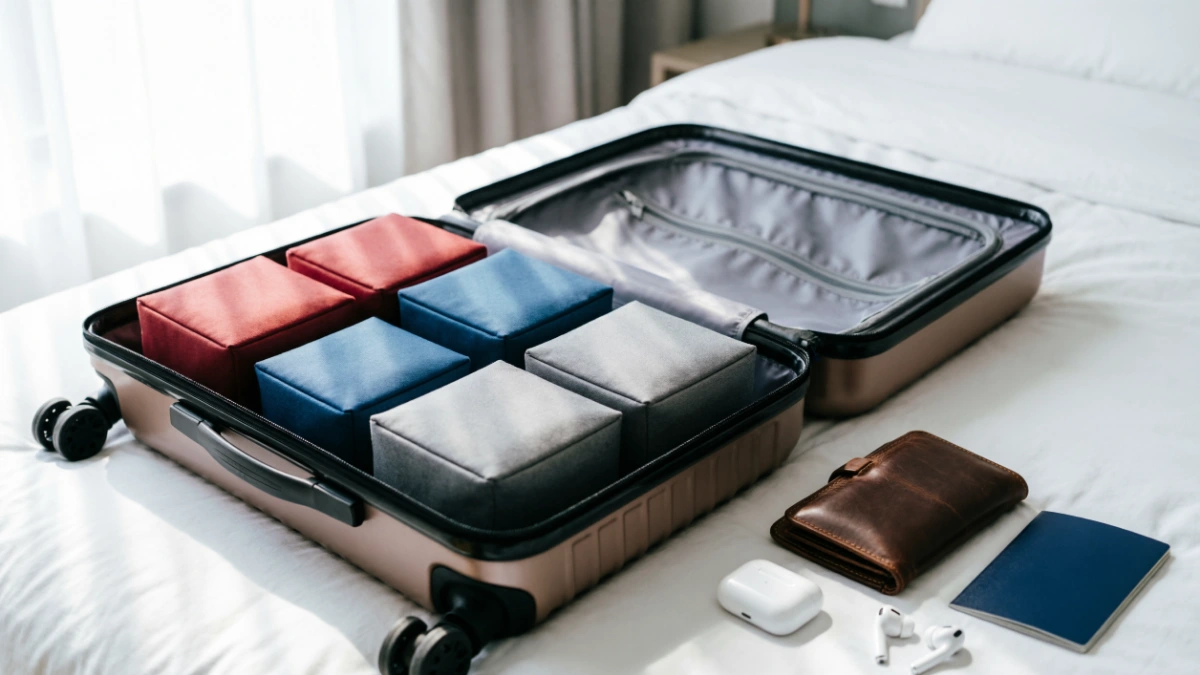
The right travel products can mean the difference between a smooth, enjoyable journey and a frustrating one filled with broken zippers, dead batteries, and aching shoulders. If you’re a first time flyer or a seasoned road warrior, choosing gear that’s been tested in the real world saves time, money, and stress before you ever leave home.
This guide covers the most essential, practical, and highly rated travel products available today from carry on luggage and packing cubes to noise canceling headphones and travel wallets. Every recommendation here is grounded in real traveler needs, TSA compliance, and long term durability. You’ll also find packing strategies, budget breakdowns, and answers to the most common gear questions travelers search online.
If you’re planning a weekend road trip through the Blue Ridge Parkway, a cross country flight to Los Angeles, or an international adventure beyond U.S. borders, this guide helps you pack smarter not heavier.
Quick Reference: Best Travel Products by Category
| Category | Top Pick Type | Best For | TSA Compliant? |
| Luggage | Hardshell carry on | Frequent flyers | ✅ Yes |
| Packing cubes | Compression set | Maximizing space | ✅ Yes |
| Travel pillow | Memory foam wrap | Long haul flights | ✅ Yes |
| Noise canceling headphones | Over ear wireless | Planes, trains | ✅ Yes |
| Travel wallet | RFID blocking slim | Security conscious travelers | ✅ Yes |
| Portable charger | 10,000–20,000 mAh | Multi device users | ✅ Yes (check airline rules) |
| Toiletry bag | Hanging organizer | Hotel stays | ✅ Yes |
| Reusable water bottle | Collapsible or insulated | Eco travelers | ✅ Yes (empty at security) |
What Makes a Travel Product Worth Buying?
A travel product earns its place in your bag when it solves a real problem, packs efficiently, and holds up through repeated use. The best travel gear shares four qualities: lightweight construction, multi use functionality, durability over time, and compliance with TSA regulations (reviewed at tsa.gov).
Experienced travelers don’t chase trends; they invest in products that reduce friction at every stage of the journey, from airport security lines to cramped overhead bins. A $30 packing cube that saves 20 minutes of repacking at every destination pays for itself on the first trip.
The Best Luggage for Every Type of Traveler
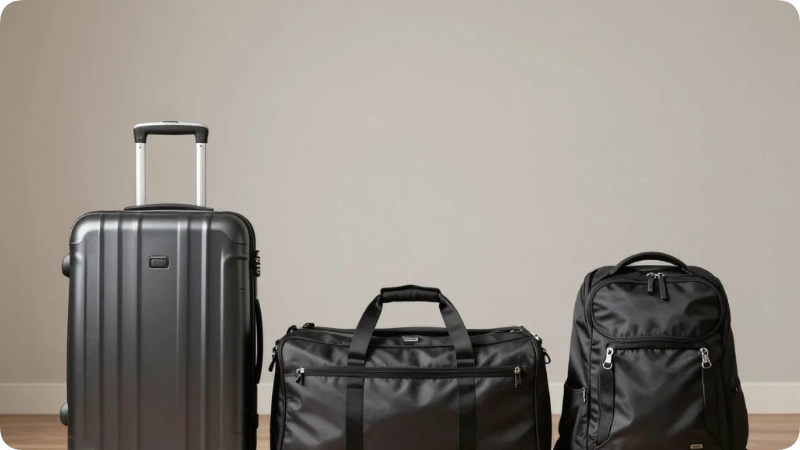
The right suitcase or bag depends entirely on how and where you travel. Carry on luggage under 22 x 14 x 9 inches fits most major U.S. airline overhead bins, though dimensions vary by carrier, always verify with your airline before flying. For checked baggage, most domestic airlines allow bags up to 50 lbs before charging fees.
Carry On Luggage
Hardshell spinner carry ons remain the most popular choice among frequent U.S. travelers. They protect fragile items, resist moisture, and slide easily into overhead compartments. Look for polycarbonate shells, which balance light weight with impact resistance better than ABS plastic.
Key features to prioritize:
- TSA approved locks built into the frame
- 360 degree spinner wheels on all four corners
- Interior compression straps to keep contents organized
- Expandable zipper that adds 1–2 inches when needed
Soft sided carry ons offer more flexibility for overpacking and often weigh slightly less than a smart pick if you’re tight on weight limits.
Checked Luggage
For trips longer than five days, a 25–27 inch checked bag typically serves most travelers well. Lightweight aluminum frames have become popular for international travel, though they cost significantly more than polycarbonate options. If you travel frequently, the investment in a quality checked bag often pays off within two years.
Backpacks and Daypacks
A 25–40 liter travel backpack doubles as a personal item on most U.S. airlines, fitting under the seat in front of you. Travel specific backpacks often include hidden pockets, padded laptop compartments, and anti theft zippers that feature standard hiking packs.
Packing Cubes: The Easiest Way to Upgrade Any Suitcase
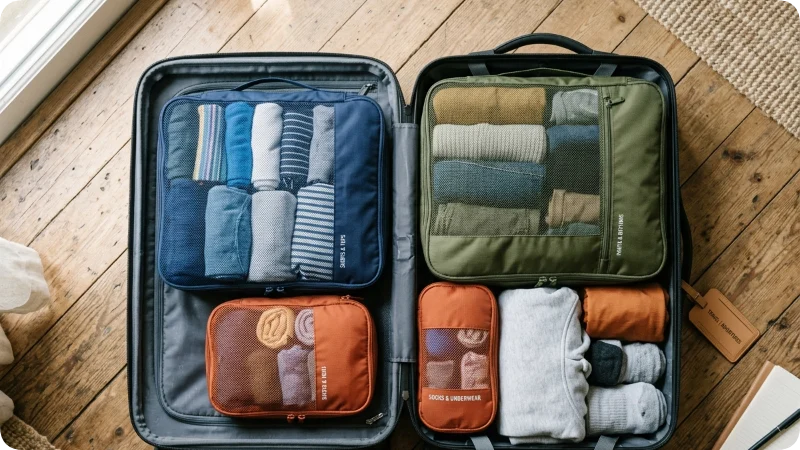
Packing cubes transform a disorganized bag into a system. These lightweight fabric organizers sort clothing by category tops in one cube, bottoms in another, underwear in a third and compress contents to create significantly more usable space. Most seasoned travelers call them the single best travel product they own.
How to Use Packing Cubes Effectively
- Roll, don’t fold clothing before placing it inside cubes
- Assign each cube a purpose (clothes, toiletries, electronics)
- Use compression cubes for bulky items like sweaters or jeans
- Pack cubes vertically in your suitcase, like files in a drawer
Compression packing cubes go one step further; a double zipper system squeezes air out, reducing volume by up to 60% on soft items like t shirts and underwear. They work best for longer trips where you’re managing a week or more of clothing.
Insider Tip
Pack one empty packing cube for dirty laundry. When clothes come off, they go directly into the dirty cube. Your clean items stay separate the entire trip without any extra effort.
Travel Pillows That Actually Work on Planes
The best travel pillows support the neck from both sides rather than pushing the head forward like traditional U shaped versions do. A poorly designed travel pillow causes more neck stiffness than sleeping without one, which is why so many travelers buy cheap versions once and never use them again.
Memory Foam vs. Inflatable Travel Pillows
Memory foam travel pillows contour to the neck and don’t shift during sleep, but they take up more space. Inflatable travel pillows pack to nearly nothing but require inflation before use and may feel less comfortable over many hours.
For flights over four hours, think transcontinental routes like New York JFK to Los Angeles LAX, a memory foam option or a wrap style pillow that secures around the neck from both sides performs significantly better. For short hops under two hours, an inflatable pillow or neck roll saves precious bag space.
Noise Canceling Headphones: Worth Every Penny for Frequent Flyers
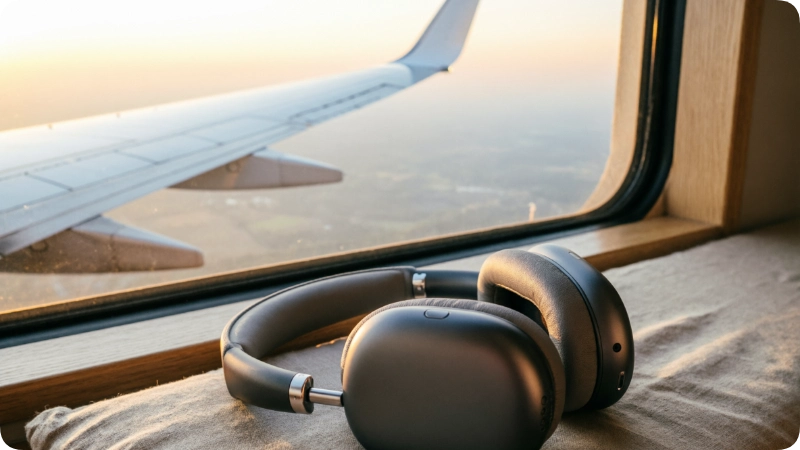
Active noise canceling (ANC) headphones reduce ambient cabin noise by 20–30 decibels, dramatically reducing listening fatigue on long flights and making sleep noticeably easier. The technology works by reading incoming sound waves and producing an opposing signal that cancels them out.
Over Ear vs. In Ear ANC for Travel
Over ear ANC headphones deliver stronger noise cancellation and typically provide better battery life, often 20–35 hours per charge. In ear ANC earbuds pack smaller and weigh under an ounce, making them more portable but slightly less effective against low frequency engine rumble.
For travelers on red eye flights or long international routes, over ear models outperform. For daily commuters or shorter domestic flights, in ear ANC earbuds strike a better balance between portability and performance.
Insider Tip
Airlines often sell adapters for their seat audio jacks at $5–10 each. Carry a universal 3.5mm dual prong adapter to use your own headphones with in flight entertainment systems it costs under $5 and works on virtually every major carrier.
Travel Wallets and RFID Protection
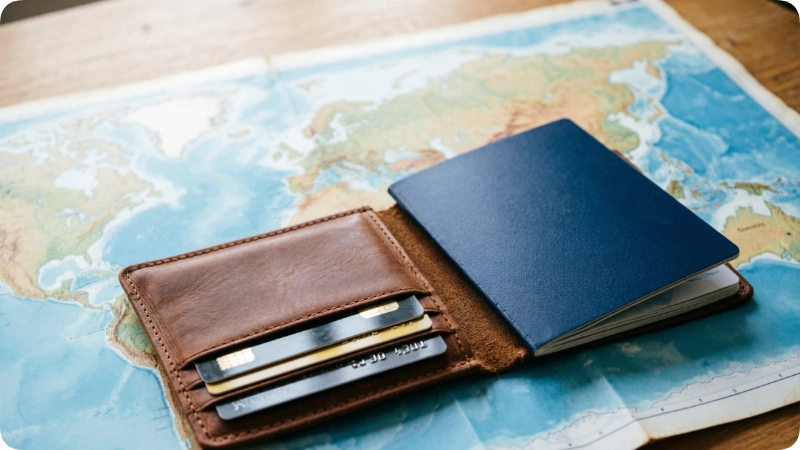
RFID blocking travel wallets prevent electronic pickpocketing, where thieves use RFID readers to steal credit card data wirelessly from cards stored in a regular wallet. While the actual risk level is debated among security experts, RFID blocking materials cost almost nothing extra and provide peace of mind at busy airports, transit hubs, and tourist-heavy areas.
What to Look for in a Travel Wallet
- Slim profile that fits in a front pocket without bulk
- Multiple card slots (minimum 4–6) plus a cash compartment
- RFID blocking lining on all card facing surfaces
- Durable materials full grain leather or ballistic nylon outlast synthetic alternatives
Neck wallets and money belts serve a different purpose: they keep valuables hidden under clothing in higher risk environments. They’re particularly useful in crowded international destinations, busy transit stations, or anywhere you’ve been warned about pickpocketing. For most domestic U.S. travel, a slim RFID wallet in a front pocket is sufficient.
Portable Chargers and Power Banks for Travelers
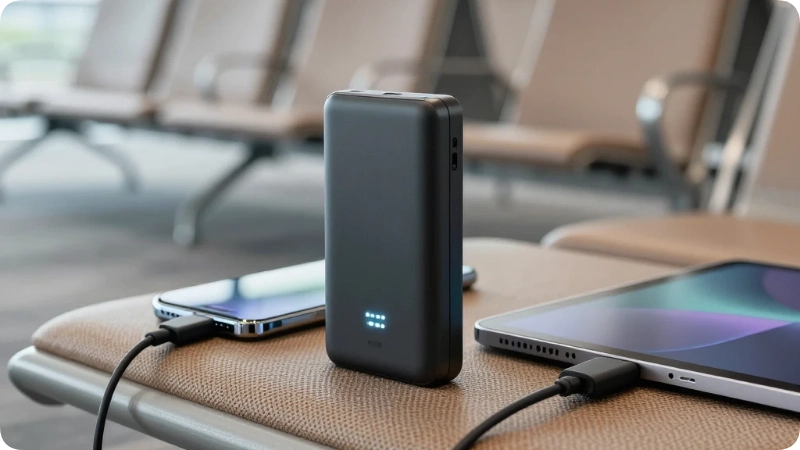
A 10,000 mAh portable charger fully charges most smartphones two to three times, making it the sweet spot between capacity and portability for most travelers. Larger 20,000 mAh banks charge devices more times but often exceed airline carry on limits for lithium batteries.
TSA Rules for Power Banks
The TSA prohibits power banks in checked luggage; they must travel in carry on bags. Airlines generally allow power banks up to 100 Wh (roughly 27,000 mAh at 3.7V) without special approval. Banks between 100–160 Wh require airline approval. Always verify with your carrier before travel, as policies change. Current TSA guidance lives at tsa.gov.
Insider Tip
Choose a power bank with USB C Power Delivery (PD) output. PD chargers fast charge compatible phones, tablets, and even some laptops at two to three times the speed of standard USB A ports, a meaningful upgrade when you have 45 minutes at a layover.
Toiletry Bags and TSA Approved Liquid Containers
The TSA 3 1 1 rule requires liquids in carry on bags to be in containers of 3.4 oz (100ml) or smaller, all fitting in one quart sized clear bag per traveler. A well organized toiletry bag with proper sized containers keeps you moving quickly through security checkpoints.
Hanging Toiletry Bags vs. Flat Cases
Hanging toiletry organizers work best for hotel stays; they hook on bathroom doors or towel bars, keeping everything visible and accessible without unpacking onto counters. Flat toiletry cases take up less volume in a bag and work better for minimalist packers or shorter trips.
Look for water resistant or fully waterproof interior lining. Leaky shampoo bottles happen to every traveler eventually a sealed interior contains the damage.
Reusable Travel Size Containers
Solid toiletry alternatives shampoo bars, conditioner bars, and solid sunscreen sticks eliminate liquid limits entirely and often last longer per ounce than their liquid counterparts. They’ve become popular among carry on only travelers who want to skip checked baggage fees entirely.
The Best Reusable Water Bottles for Travel
Carrying an empty reusable water bottle through TSA security and filling it at airport water stations saves $3–$5 per drink purchase and reduces single use plastic waste. Most major U.S. airports now have bottle filling stations near restrooms and gate areas following TSA policy updates.
Insulated vs. Collapsible Travel Bottles
Insulated stainless steel bottles keep beverages cold for 12–24 hours and hot for 6–12 hours worth the extra weight for travelers who want temperature controlled drinks on the go. Collapsible silicone bottles roll or fold flat when empty, saving space for return trips with more luggage.
For adventure travelers exploring national parks managed by the National Park Service (NPS), a durable insulated bottle matters more water stations are often miles apart on backcountry trails.
Travel Adapters and Electronics Essentials
International travelers need universal travel adapters compatible with outlet types in their destination countries. The U.S. uses Type A plugs (two flat prongs), while European countries use Type C or Type F, the UK uses Type G, and many Asian destinations use Type C or Type I.
What a Good Travel Adapter Includes
- Universal compatibility with 150+ countries
- Built in USB A and USB C ports for charging without extra adapters
- Surge protection to guard sensitive electronics abroad
- Compact folding design that doesn’t block adjacent outlets
A voltage converter differs from a travel adapter; adapters change plug shape only, while converters also step down voltage from 220V to 110V. Most modern electronics (phones, laptops, cameras) handle dual voltage automatically, so adapters suffice for the majority of travelers. Always check the label on your charger brick it should read “100 240V.”
Insider Tip
Download offline maps through Google Maps or Maps.me before leaving your home Wi Fi network. Offline maps work without a data connection, saving roaming charges and keeping you navigating smoothly even in areas with poor cell service.
Travel Health and Safety Products
Travel health products protect you from the most common trip disrupting problems: sunburn, dehydration, insect bites, minor injuries, and altitude related discomfort. The CDC recommends travelers research destination specific health risks at cdc.gov/travel before departure.
First Aid Essentials for Travelers
A compact travel first aid kit should include:
- Adhesive bandages in multiple sizes
- Antiseptic wipes and antibiotic ointment
- Pain reliever and fever reducer (ibuprofen or acetaminophen)
- Antidiarrheal medication (especially for international travel)
- Blister pads underrated and essential for walking heavy trips
- Digital thermometer
Prescription medications should travel in original labeled bottles. The TSA permits prescription medications in quantities exceeding 3.4 oz no special documentation is required, though carrying a copy of your prescription adds a useful layer of protection at international border crossings.
Compression Socks for Long Flights
Compression socks improve circulation during flights over four hours, reducing ankle swelling and lowering the risk of deep vein thrombosis (DVT). Medical professionals commonly recommend them for long haul travelers. They pack flat, weigh almost nothing, and represent one of the most overlooked health products frequent flyers can carry.
Travel Insurance: The Most Important Product You Can Buy
Travel insurance protects your financial investment against trip cancellations, medical emergencies, lost luggage, and travel delays. The U.S. State Department recommends travel insurance for all international trips, particularly for travelers visiting countries where U.S. health insurance doesn’t apply, which is most destinations outside the country.
What Travel Insurance Typically Covers
- Trip cancellation and interruption reimbursement
- Emergency medical care and evacuation
- Lost, stolen, or delayed luggage reimbursement
- Travel delay compensation
Annual travel insurance plans make financial sense for travelers taking three or more international trips per year. Single trip policies cover individual journeys and typically cost 4–10% of total trip cost. Always read the fine print pre existing condition exclusions and “cancel for any reason” upgrades vary significantly between providers.
Budget Breakdown: Travel Products at Every Price Point
| Budget Level | Key Products | Approximate Investment |
| Budget traveler | Basic packing cubes, toiletry bag, travel wallet | $40–$80 |
| Mid range traveler | Quality carry on, ANC earbuds, power bank, adapter | $150–$350 |
| Frequent flyer | Premium luggage set, over ear ANC headphones, all accessories | $500–$1,000+ |
| Adventure traveler | Backpack, hydration system, first aid kit, satellite communicator | $200–$600 |
These ranges reflect mid market quality levels. Prices shift regularly and always verify current pricing before purchasing. Budget options from reputable brands often outperform expensive alternatives from lesser known manufacturers, so read verified buyer reviews before committing.
3 Common Travel Product Mistakes (and How to Fix Them)
Mistake 1: Buying Too Much Gear Before Your First Trip
New travelers often overbuy before they understand their actual needs. Fix: Start with three essentials: a good carry on, packing cubes, and a quality travel wallet. Add specialized gear after your first few trips reveal what you actually need.
Mistake 2: Ignoring Weight and Pack Size
A product that’s too heavy or bulky to carry comfortably defeats its own purpose. Fix: Check the listed weight of every item before buying. Seasoned travelers aim to keep their entire carry on under 15 lbs, gear included.
Mistake 3: Choosing Style Over Function for Luggage
A beautiful suitcase with poor wheels, weak zippers, or inadequate internal structure fails fast. Fix: Prioritize spinner wheels, lockable zippers, and a warranty of at least three years. Aesthetics matter less when your wheels break at the Denver airport.
Hidden Gems: Underrated Travel Products Most People Skip
These three products appear on almost no “best of” lists but solve real problems experienced travelers face regularly:
- Luggage scale A small handheld scale ($10–$20) confirms bag weight before reaching the airline counter, preventing surprise overweight fees that often run $75–$200 per bag on domestic U.S. carriers.
- Door alarm and door stopper A rubber door stopper with a built in alarm ($15–$25) physically prevents a hotel room door from opening and sounds an alarm if someone forces it. Lightweight, compact, and surprisingly reassuring in unfamiliar accommodations.
- Microfiber travel towels Most travelers assume hotel towels are always available, but campgrounds, hostels, budget guesthouses, and many vacation rentals don’t provide them. A quick dry microfiber towel packs to the size of a paperback and dries in under an hour.
Responsible Travel and Sustainable Products
Choosing sustainable travel products reduces your environmental footprint without sacrificing convenience. Solid toiletry bars eliminate plastic packaging. Reusable bags, utensils, and water bottles reduce single use plastic consumption. Solar powered chargers work well for outdoor adventures in national parks and remote areas.
The Leave No Trace Center for Outdoor Ethics (lnt.org) offers practical principles for minimizing environmental impact during outdoor travel relevant If you’re day hiking in Zion National Park or backpacking through the Rocky Mountains.
FAQs
What are the most essential travel products for first time flyers?
First time flyers benefit most from a TSA compliant carry on bag, a clear quart size toiletry bag, a travel wallet, and noise canceling earbuds. These four products address the most common pain points: security lines, liquid restrictions, theft concerns, and cabin noise. Add a neck pillow for flights over three hours.
Are packing cubes actually worth it?
Yes consistently. Packing cubes create a system inside any bag, reducing repacking time, keeping dirty clothes separated, and allowing faster access to specific items. Most travelers who try them for one trip use them permanently. Compression cubes add even more value for longer trips by significantly reducing clothing volume.
What travel products does TSA allow in carry on bags?
The TSA allows most travel products in carry on bags, with key restrictions on liquids (3.4 oz max per container), lithium batteries (power banks must be in carry ons, not checked bags), and sharp objects. Scissors with blades under 4 inches are permitted. Check the TSA’s official “What Can I Bring?” tool at tsa.gov for a complete and current list.
How do I choose between a backpack and a suitcase for travel?
Choose a backpack for trips involving multiple destinations, unpaved terrain, or public transit without elevators. Choose a suitcase for trips with smooth airport to hotel transfers, longer stays in fewer locations, and travel requiring formal attire. Many experienced travelers carry both a checked suitcase and a daypack as their personal item.
What travel products are worth splurging on?
Luggage, noise canceling headphones, and travel insurance are worth premium investment. Quality luggage withstands years of heavy use; cheap alternatives fail within months. Premium ANC headphones meaningfully improve long haul flight comfort. Travel insurance protects thousands of dollars in trip costs against genuine emergencies.
Do I need a universal travel adapter for domestic U.S. travel?
No. All outlets within the contiguous United States, Alaska, and Hawaii use the same Type A plug (two flat prongs) at 120V. A universal adapter is only necessary when traveling to countries using different plug types or voltages. If you’re traveling to U.S. territories like Puerto Rico or the U.S. Virgin Islands, standard U.S. plugs still work.
What’s the best travel product for reducing jet lag?
No single product eliminates jet lag, but sleep masks, melatonin supplements, noise canceling headphones, and compression socks collectively reduce its severity. Sleep masks block cabin light during overnight flights, helping your body maintain sleep cycles. Staying hydrated with a quality water bottle also makes a measurable difference, as airplane cabin air is notably dry at cruising altitude.
Conclusion: Pack Smart, Travel Better
Three things stand between a frustrating trip and a smooth one: the right gear, a clear packing system, and realistic expectations about what products can and can’t do. Packing cubes organize any bag. A reliable carry on survives years of overhead bin stress. RFID wallets, noise canceling headphones, and a good power bank each solve a specific friction point that would otherwise slow you down.
Start with the essentials, buy quality where it counts, and resist the urge to buy every gadget before you understand your actual travel style. The best travel product is one you actually use, not one sitting at the bottom of an over packed bag.
Your next great trip starts with smarter packing decisions. What will you leave behind?

Gordon Ramsay is a travel writer and destination researcher who helps U.S. travelers plan smarter trips, covering destinations, seasonal trends, budgets, and logistics to help readers decide where—and when—to go.
Rather than simply listing popular places, Gordon Ramsay focuses on what travelers actually need: comparing weather against crowds, weighing costs and accessibility, and researching current conditions alongside official tourism guidance—delivering honest, practical advice without the hype.