A lightweight travel backpack weighs between 1 and 3 pounds empty and holds 20 to 45 liters of gear. It replaces checked luggage for trips from weekend getaways to month long adventures. The best picks balance durability, carry on compliance, and smart organization letting you move faster, skip baggage fees, and stay comfortable across every leg of your journey.
Why a Lightweight Travel Backpack Changes How You Travel
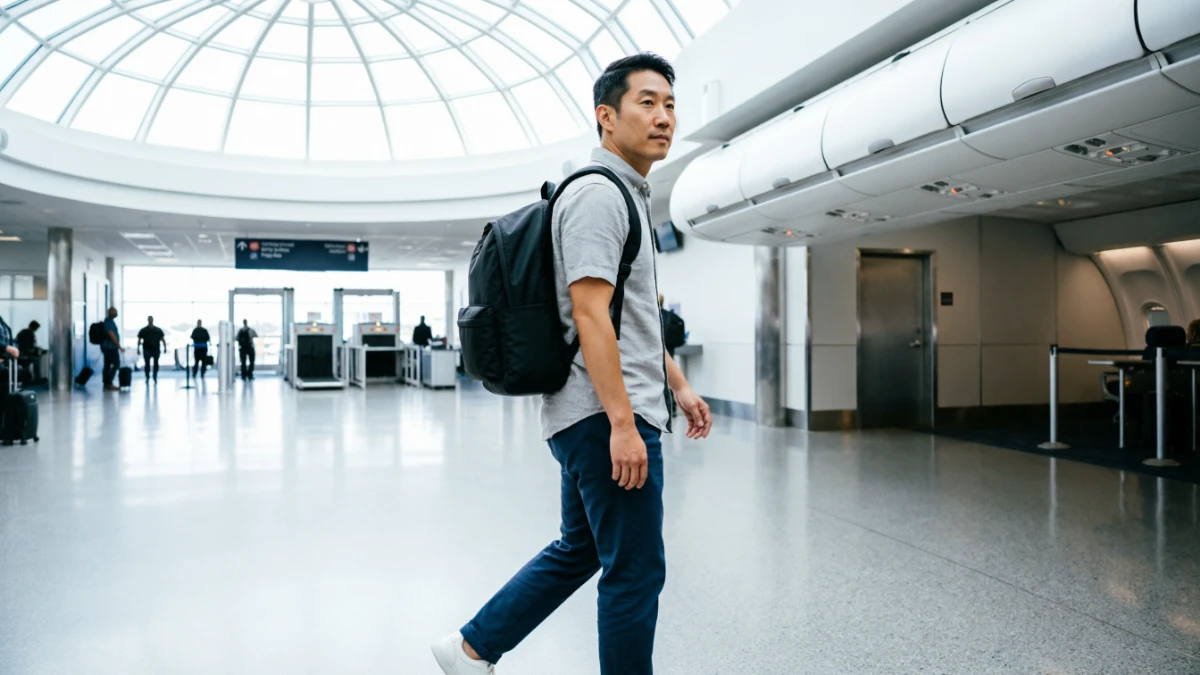
Most travelers have stood at a baggage carousel, watching the belt spin for 20 minutes, wondering if their bag made the connection. A lightweight travel backpack eliminates that moment entirely. Carry it onto the plane, stow it overhead, and walk off the jet bridge ready to go.
Beyond the convenience, the numbers make a strong case. Airlines collected over $7.0 billion in baggage fees in 2023 alone, according to the U.S. Department of Transportation’s Bureau of Transportation Statistics. On a round trip with a budget carrier, checked bag fees often run $35–$70 each way. Over a year of frequent travel, that adds up fast.
But the real shift is physical and mental. When your entire kit rides on your back and weighs under 20 pounds fully loaded, you move differently through airports, train stations, cobblestone streets, and hostel staircases. You stop avoiding public transit because you fear the luggage won’t fit. You say yes to spontaneous detours. This guide covers everything you need to choose the right pack, fill it intelligently, and travel with total confidence if you’re heading to the Pacific Northwest for a long weekend or flying coast to coast for two weeks.
Quick Facts: Lightweight Travel Backpack at a Glance
| Feature | Ideal Range |
| Empty weight | 1.0 – 2.5 lbs |
| Capacity | 20 – 45 liters |
| Carry on compliant size | Max ~22″ x 14″ x 9″ (verify per airline) |
| Frame type | Framesheet or frameless |
| Best materials | Ripstop nylon, Dyneema, recycled polyester |
| Price range | $60 – $350+ |
| Ideal trip length | 2 nights – 3+ weeks (with packing cubes) |
Always verify carry on dimensions with your specific airline before travel. Southwest, Spirit, and international carriers each have different maximums. The TSA does not regulate bag size airlines do.
How to Pick the Right Size: Liters Explained
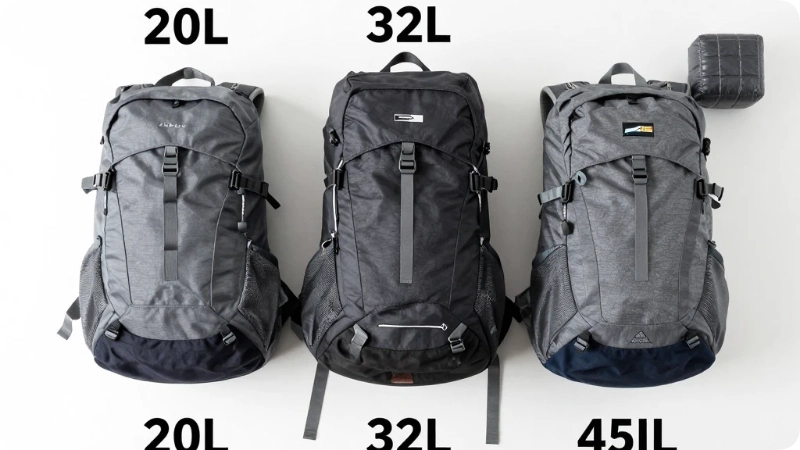
Choosing the right liter count is the single most important decision you’ll make. A 20 liter pack suits day hikes and ultralight commuters. A 26–32 liter pack hits the sweet spot for weekend trips and budget airlines carry on limits. A 40–45 liter pack handles two weeks if you pack lean.
The Liter to Trip Length Guide
- 20–25L Day trips, city day bags, ultralight one nighters
- 26–32L Weekend to 5 day trips, budget airline carry on (Spirit, Frontier)
- 33–40L 5–14 day trips, standard carry on (Delta, United, American)
- 40–45L 2–4 week trips for experienced one bag travelers
Most experienced travel bloggers and packing communities (like r/onebag) land on 30–35 liters as the optimal carry on size for most travelers. It’s large enough to hold a week’s worth of clothes with packing cubes, yet compact enough to slide under most overhead bins and comply with major U.S. airline carry on rules.
The Most Important Features to Look For
Not all lightweight backpacks are built the same. Some sacrifice durability for weight savings. Others add so many pockets that the empty bag weighs three pounds before you pack a thing. These are the features worth paying attention to and the ones you can safely ignore.
Weight and Materials
Target an empty bag weight under 2 pounds for true ultralight travel. Bags made from 210D or 420D ripstop nylon hit the best balance of weight and durability. Dyneema composite fabric (formerly Cuben Fiber) is the lightest option available but commands premium pricing often $300+. Recycled polyester options from brands like Cotopaxi and Patagonia offer solid performance at mid range price points while satisfying sustainability goals.
Avoid bags made from heavy canvas or thick leather for travel use. They look great but eat up your weight budget before you pack a single shirt.
Suspension and Carry Comfort
A framesheet with a thin, removable panel inside the back panel adds structure without adding meaningful weight. It keeps the bag from collapsing on your back when heavily loaded. Look for padded hip belts on bags 30L and up; they transfer weight to your hips on long walking days. Sternum straps with a quick release buckle add stability during fast movement through airports.
If you plan to carry the bag for more than 30 minutes at a stretch, padded shoulder straps with an S curve profile matter more than almost anything else on the spec sheet.
Access and Organization
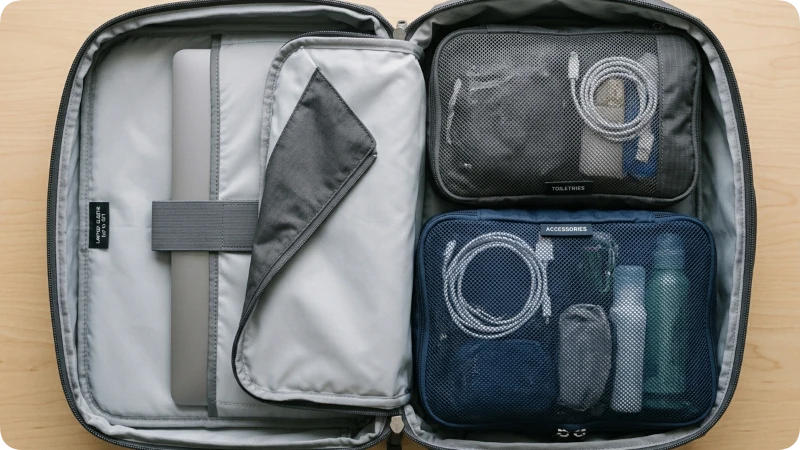
The two dominant designs are clamshell (opens flat like a suitcase) and top load (opens from the top). Clamshell bags win for travel use because TSA agents can inspect contents without unpacking, and you can find gear quickly without digging. The TSA now recommends removing electronics and food from bags at checkpoints, so a dedicated laptop sleeve that opens flat speeds up security considerably.
Look for:
- A pass through sleeve to attach the bag to rolling luggage
- A hidden or lockable zipper on external pockets (pickpocket deterrence in cities)
- A quick access top pocket for documents and snacks
- An internal water bottle sleeve or side bottle pocket
Top Lightweight Travel Backpack Categories for U.S. Travelers
Best for Budget Travelers (Under $100)
Budget friendly picks exist, but you’ll accept tradeoffs heavier fabrics, simpler suspension, fewer organizational features. Brands like Travelon, Osprey’s Daylite series, and High Sierra offer entry level carry on packs in the $60–$95 range. These work well for occasional travelers who don’t need ultralight performance.
Best for Frequent Flyers ($100–$200)
This is where value peaks. Packs from Osprey (Porter 30, Farpoint 40), REI Co op (Ruckpack series), and Tortuga hit a performance sweet spot. They’re light enough to matter, organized enough for real travel, and durable enough to last years.
Best for One Bag Travelers ($200–$350+)
The ultralight, feature rich category includes names like Peak Design Travel Backpack 30L, Aer Travel Pack 3, Tom Bihn Synik 30, and Minaal Carry on 3.0. These bags are engineered by travelers for travelers. They integrate laptop protection, weather resistant zippers, compression systems, and lifetime warranties. They earn their price tags for travelers who fly 20+ times a year.
How to Pack a Lightweight Travel Backpack for a Week
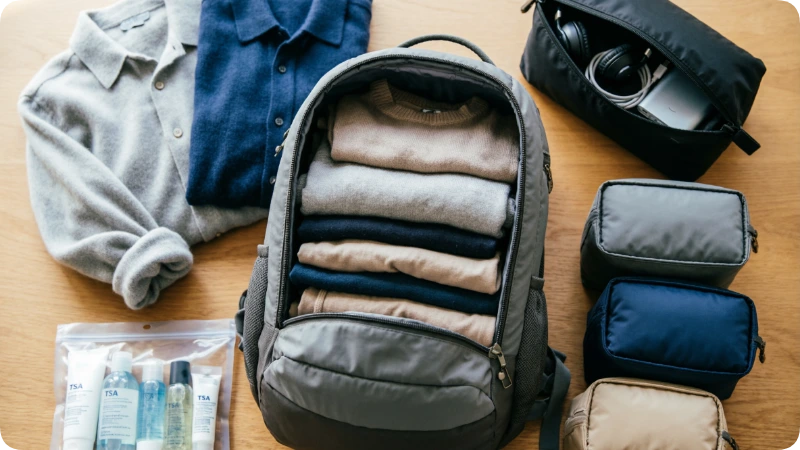
Packing light is a skill, not a talent. The gap between travelers who succeed with a carry on and those who check a bag usually comes down to three decisions: the cube system they use, the fabric of their clothes, and how honest they are about what they actually wear.
The Packing Cube Method
Packing cubes are the single best investment after the bag itself. They compress clothes, separate categories (tops, bottoms, underwear), and let you grab what you need without unpacking everything. Use compression cubes for bulkier items like pants and hoodies. Use standard cubes for shirts and light layers.
A field tested system for a 7 day trip in a 35L bag:
- Bottoms cube 2 pants/shorts, 1 leggings
- Tops cube 4 shirts (merino wool dries overnight and resists odor)
- Underwear/socks cube 5 pairs each
- Tech pouch chargers, cables, adapters, earbuds
- Toiletry bag TSA 3 1 1 compliant liquids bag (max 3.4 oz containers in a 1 quart clear bag)
- Shoes worn on plane; one backup pair in a shoe bag at bottom of pack
The TSA’s 3 1 1 liquids rule applies to all carry on bags. Each passenger may carry liquids, gels, and aerosols in containers of 3.4 ounces (100ml) or less, all placed in one quart sized clear zip top bag. Verify current rules at tsa.gov before travel, as rules can change.
The 5 4 3 2 1 Packing Formula
Many experienced one bag travelers swear by this framework:
- 5 pairs of socks and underwear
- 4 tops
- 3 bottoms
- 2 pairs of shoes (one worn)
- 1 jacket/layer
This fits comfortably in a 30–35L bag with room for a laptop, documents, and a daypack’s worth of gear.
The TSA Checkpoint: What You Need to Know
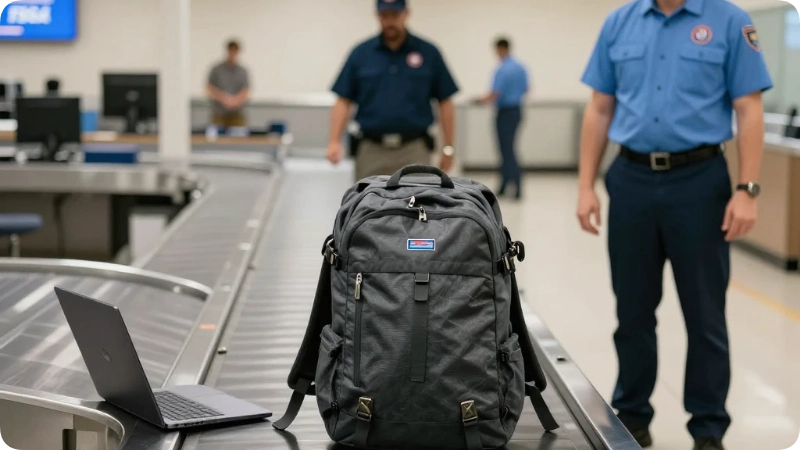
The Transportation Security Administration screens roughly 2.5 million passengers per day at U.S. airports. Understanding how your bag interacts with that process saves time and stress.
What to Remove at the Security Checkpoint
Standard screening requires removing:
- Laptops and tablets from bags (unless TSA PreCheck enrolled)
- Liquids bag (1 quart, 3 1 1 compliant)
- Food items from bags (required since 2022 guidance updates at many airports)
- Shoes and belts (not required for TSA PreCheck members)
TSA PreCheck costs $85 for 5 years (as of 2024 verify current pricing at tsa.gov) and dramatically speeds up the screening process. Frequent travelers who fly 5+ times a year recoup the value quickly. Global Entry ($100 for 5 years) includes PreCheck and adds expedited U.S. Customs re entry after international flights.
Clamshell vs. Top Load for Security
A clamshell opening pack lies flat on the conveyor belt and lets the X ray machine scan it cleanly. This reduces the chance of secondary screening, where an agent manually searches your bag. Top load bags create more ambiguous X ray images. For frequent flyers, clamshell access is worth seeking out specifically.
Carry On Size Rules by Major U.S. Airline
Airline carry on policies differ and budget carriers enforce size limits more aggressively, often at the gate with a bag sizer.
| Airline | Max Carry On Size | Personal Item |
| American Airlines | 22″ x 14″ x 9″ | Must fit under seat |
| Delta Air Lines | 22″ x 14″ x 9″ | Must fit under seat |
| United Airlines | 22″ x 14″ x 9″ | 17″ x 10″ x 9″ |
| Southwest Airlines | 24″ x 16″ x 10″ | 18.5″ x 8.5″ x 13.5″ |
| Spirit Airlines | 22″ x 18″ x 10″ | 18″ x 14″ x 8″ (fee applies) |
| Frontier Airlines | 24″ x 16″ x 10″ | 18″ x 14″ x 8″ (fee varies) |
| JetBlue | 22″ x 14″ x 9″ | 17″ x 13″ x 8″ |
Always verify directly with your airline before travel. Policies change, and fees for oversized bags at the gate can reach $75–$200. Current rules live on each airline’s official website.
Best Lightweight Backpack for Specific U.S. Trip Types

National Park Road Trips
The American Southwest’s national parks Zion, Bryce Canyon, Grand Canyon, Arches involve a mix of camping, lodge stays, and day hikes. A 40L clamshell bag with a removable daypack or packable tote works best. The National Park Service (NPS) recommends carrying water for any hike longer than 2 miles; a pack with a hydration sleeve or external bottle pockets handles this better than most city focused travel bags.
City Hopping on the East Coast
A Amtrak Acela or Northeast Regional trip from Boston to New York to Washington, D.C. lives and dies by mobility. Trains don’t have luggage restrictions like airlines, but overhead space fills fast and station hallways are crowded. A slim 28–32L pack that fits under train seats gives you flexibility that rolling bags don’t.
Pacific Coast Highway Drives
Driving California’s Highway 1 from San Francisco to Los Angeles or beyond is one of America’s iconic road trip routes. Car travel removes airline size restrictions, but a lightweight pack still wins over a rolling suitcase for jumping out at scenic overlooks, hiking short coastal trails, and lodging in small inns without elevators.
International Departures from U.S. Hubs
Flying internationally out of hubs like JFK, LAX, O’Hare, or Miami International brings additional considerations. Many international carriers including international routes on Delta, United, and American follow the IATA standard of 22″ x 14″ x 9″, but some European budget carriers like Ryanair impose stricter limits (40 x 20 x 25 cm for the cabin bag). Research your specific international route’s carry on rules at booking, not at the gate.
5 Insider Tips From Frequent One Bag Travelers
These come from the trenches of people who’ve tested dozens of bags across hundreds of trips.
1. Wear your heaviest items on travel days. Boots, jackets, and thick denim don’t pack efficiently. Wearing them on the plane clears room in the bag and keeps you under carry on weight limits if your airline enforces them.
2. Merino wool is the one bag traveler’s secret weapon. A merino shirt worn for two days smells less than a synthetic shirt worn once. That means fewer clothes, a lighter pack, and longer trips without finding a laundromat.
3. Use a packable tote as your personal item. Many airlines allow both a carry on and a personal item. A packable tote (weighing under 3 oz folded) stuffs into your backpack during flight and expands into a shopping bag, beach bag, or day bag at your destination.
4. Ship items ahead for long trips. For trips exceeding 3 weeks, shipping a small flat rate USPS box ahead to a hotel is cheaper and lighter than carrying everything. Most hotels accept packages addressed to arriving guests with a reservation confirmation number.
5. Compression cubes compress more than vacuum bags and don’t require a pump. Double zip compression packing cubes squeeze air out of clothes the way vacuum bags do, but repack in seconds anywhere in the world.
3 Hidden Gems in the Lightweight Backpack World
1. The Packable Rain Cover Is Worth the 2 Ounces
Most travel backpacks lack built in waterproofing. A universal backpack rain cover weighing 2–3 ounces and costing $10–$20 keeps your gear completely dry in downpours. It stores in its own tiny sack and attaches to the bag in seconds. Travelers headed to the Pacific Northwest, Hawaii, or anywhere in hurricane season should consider this non negotiable.
2. The Hip Belt Pocket That Replaces a Daypack
Several bags including Osprey and Aer models feature zippered hip belt pockets large enough for a phone, cards, and earbuds. During city walks, this eliminates the need for any additional bag. Most travelers never discover this feature because they remove the hip belt entirely.
3. The Osprey All Mighty Guarantee
Osprey offers a lifetime warranty on all their packs; they call it the “All Mighty Guarantee.” If a zipper fails, a strap breaks, or a seam tears at any point in the bag’s life, Osprey repairs or replaces it free. For a bag that might cost $150–$250 upfront, this effectively eliminates replacement cost over 10+ years of travel.
3 Common Mistakes Travelers Make With Lightweight Backpacks
Mistake 1: Buying Too Large “Just in Case”
A 45L bag encourages packing to capacity. Most travelers who buy large “just in case” packs use all the space and end up heavier than they intended. Start with the smallest bag you think might work and force yourself to edit ruthlessly. You can always ship things home.
Fix: Choose a bag 5 liters smaller than your first instinct. Pack for that bag.
Mistake 2: Ignoring Hip Belt Fit
Many travel backpacks include hip belts that are purely decorative at their weight too thin and unpadded to transfer meaningful weight. But on bags 35L and up with a proper framesheet, a correctly fitted hip belt moves 60–80% of the pack’s weight to your hips, not your shoulders.
Fix: When buying in person (at REI, REI Co op stores, or outdoor retailers), load the bag with 15–20 pounds of weight and walk around for five minutes before deciding.
Mistake 3: Forgetting That Carry On Is Not Guaranteed
Even a carry on compliant bag gets gate checked when flights are full. Gate checking a soft sided backpack in a tight overhead situation means it goes in the hold without a hard shell protecting it.
Fix: Pack nothing fragile or essential (medication, valuables, documents) in the main compartment without additional protection. Use a padded case for electronics.
Budget Breakdown: What You’ll Actually Spend
| Category | Budget Option | Mid Range | Premium |
| Backpack | $60–$100 | $120–$200 | $250–$350 |
| Packing cubes (set of 4) | $15–$25 | $30–$50 | $60–$90 |
| Packable tote | $8–$15 | $20–$35 | $40–$60 |
| Rain cover | $10–$15 | $18–$30 | Included in some bags |
| TSA PreCheck | $85 / 5 years | Global Entry: $100 | |
| Total starting kit | ~$178 | ~$323 | ~$600+ |
Baggage fee savings on 10 round trips: $700–$1,400 (at $35–$70 per checked bag, per flight).
Responsible Travel With a Lightweight Pack
Traveling light naturally aligns with more sustainable travel. Fewer bags mean lighter aircraft loads and aviation fuel burn is directly tied to aircraft weight. A 2023 study by the International Air Transport Association (IATA) noted that weight reduction across aircraft is a meaningful lever for reducing flight emissions.
Beyond fuel, one bag travel makes sustainable transportation choices easier. Lighter travelers ride trains and buses more readily, skip rental car upgrades, and move through cities on foot instead of in taxis. The DOT’s Federal Transit Administration has noted that transit ridership among travelers increases when luggage is manageable.
Choose bags from brands with verifiable sustainability commitments. Patagonia, Cotopaxi, and REI Co op each publish annual environmental responsibility reports and use recycled or responsibly sourced materials in many products. Verify claims at brand websites rather than relying on marketing copy.
Packing Advice for Specific Traveler Types
Solo Travelers
Solo travelers benefit most from a clamshell design with a lockable zipper. Urban destinations New York City, Chicago, New Orleans, San Francisco have petty theft in transit zones. A small TSA approved combination lock (not TSA approved for airline security, but useful as a deterrent) on external pockets reduces grab and run risk at cafés and public transit stops.
Family Travelers
Families rarely travel with one bag each, but a lightweight backpack serves as the family personal item or personal carry on for the primary adult. Kids’ schools often stock appropriate small packs (14–18L) that serve as their own carry ons. Parents carrying the family’s collective snacks, documents, and electronics in a well organized 35L clamshell pack find airports significantly less stressful.
Business Travelers
The business case for a lightweight carry on backpack is straightforward: no checked bag fees on expense reports, no wait at baggage claim, no delayed bag crisis before a morning meeting. Look for bags with a dedicated laptop compartment that opens separately from the main body (so TSA screening doesn’t require unpacking everything), a structured front pocket for documents and chargers, and a professional exterior that works in client facing environments.
FAQs
What is the best size lightweight travel backpack for carry on?
Most major U.S. airlines allow carry on bags up to 22″ x 14″ x 9″. A 30–35 liter backpack typically fits within these dimensions. Budget carriers like Spirit and Frontier enforce limits more strictly. Always measure your packed bag and compare it to your specific airline’s requirements before travel.
Can I use a hiking backpack as a travel backpack?
Technically yes, but hiking packs are designed for trail use; they carry external gear like trekking poles, are often top load only, and lack the organizational features that make travel easier. They also look out of place in urban settings. A dedicated travel backpack will serve airport and city travel better in nearly every case.
How do I keep my lightweight travel backpack under carry on weight limits?
Most U.S. airlines do not enforce weight limits on carry on bags (unlike international carriers, which often cap personal items at 15–17 lbs). However, if your bag feels too heavy to lift into an overhead bin easily, other passengers and crew may intervene. Aim for a fully packed bag under 20 lbs for comfortable all day carry.
Is TSA PreCheck worth it for one bag travelers?
Yes especially combined with a carry on backpack. TSA PreCheck members don’t remove laptops or liquids at checkpoints, which eliminates the two biggest sources of slowdowns and repacking stress. At $85 for 5 years (approximately $17/year), it pays for itself quickly for anyone flying more than a few times annually. Verify current pricing at tsa.gov.
What’s the difference between a travel backpack and a regular backpack?
Travel backpacks are designed for airports, hotels, and urban movement. They typically feature clamshell access, pass through luggage sleeves, laptop compartments, internal organization, and carry on compliant dimensions. Regular backpacks prioritize access from the top and often lack the structural organization for multi day travel.
Can a lightweight travel backpack hold enough for two weeks?
Yes with disciplined packing. Experienced one bag travelers routinely complete 2–4 week trips with a 35–45L carry on backpack using merino wool layers, packing cubes, and a plan for doing laundry every 5–7 days. The key is choosing versatile clothing and editing ruthlessly before every trip.
What materials last longest in a lightweight travel backpack?
420D ripstop nylon and Cordura nylon offer the best combination of durability and weight. Dyneema composite fabric is lighter but extremely expensive and can crack at fold points over years of heavy use. Avoid polyester blends under 200D for bags that will travel frequently; they abrade and delaminate faster under hard use.
Conclusion: Travel Lighter, Move Freer
Three things matter most when choosing a lightweight travel backpack: the right size for your actual trips, materials durable enough to last years, and an opening system that works with airport security rather than against it. Get those three right and the bag earns its place on every trip you take.
The shift from checked luggage to a carry on backpack isn’t just about saving baggage fees though that savings is real and significant. It’s about reclaiming the pace of travel. Faster airport exits, more flexible transit options, easier spontaneous itinerary changes, and less time managing stuff and more time experiencing places.
Start with a 30–35L bag, fill it using the 5 4 3 2 1 system, and take one trip before deciding you’ve outgrown it. Most travelers discover they packed too much, not too little and the next trip gets better.
The best bag isn’t the one with the most features. It’s the one that disappears on your back and lets the trip take over.

Gordon Ramsay is a travel writer and destination researcher who helps U.S. travelers plan smarter trips, covering destinations, seasonal trends, budgets, and logistics to help readers decide where—and when—to go.
Rather than simply listing popular places, Gordon Ramsay focuses on what travelers actually need: comparing weather against crowds, weighing costs and accessibility, and researching current conditions alongside official tourism guidance—delivering honest, practical advice without the hype.